
Summary and Key Points: The U.S. Navy’s next-generation SSN(X) attack submarine, the so-called “Apex Predator,” is currently submerged in a $8 billion-per-hull budget crisis.
-Originally slated for 2035, procurement has been delayed to FY2040 due to a “shipyard doom loop” and fiscal prioritization of the Columbia-class program.

The Virginia-class submarine USS Vermont (SSN 792) makes her way up the Thames River and past Fort Trumble and the Coast Guard Cutter Borque Eagle as she returns home to Submarine Base New London on Thursday, December 24, 2020. The nineteenth and newest Virginia-class submarine she is the third U.S. Navy ship to be named for the Green Mountain State. (U.S. Navy Photo by John Narewski/Released)
-By blending Seawolf firepower with Virginia stealth, the SSN(X) aims to dominate near-peer adversaries like China and Russia.
-However, a 14-year production gap and debates over LEU vs. HEU nuclear fuel threaten to erode the Navy’s undersea edge, leaving a dangerous capabilities vacuum as rival submarine designs rapidly close the technological distance.
The $8 Billion Apex Predator: Why the Navy’s Best Submarine is Stalled Until 2040
The U.S. Navy’s SSN (X) next-generation attack submarine program, which plans to combine the stealth of the Virginia-class with the firepower of the Seawolf-class, is delayed. The first procurement has been pushed back to the early 2040s, from a previous target of 2035.
The primary reasons for the delay are budget limitations and the need to manage resources across multiple shipbuilding programs, most of which are also overdue and over budget.
This creates a long 14-year gap in submarine production, which could affect the industrial base and potentially impact the Navy’s ability to maintain undersea superiority in the near future against Russian or Chinese aggression.
Delays Abound
The program was initially expected to begin procurement in 2031. This was pushed to 2035 due to cost and budget issues. The start of construction was again delayed to the early 2040s during the fiscal 2025 budget process.
The planned submarine’s cost has ballooned to nearly $8 billion (with a “B”) per hull, an astounding sum that Congress is justifiably hesitant to take on.
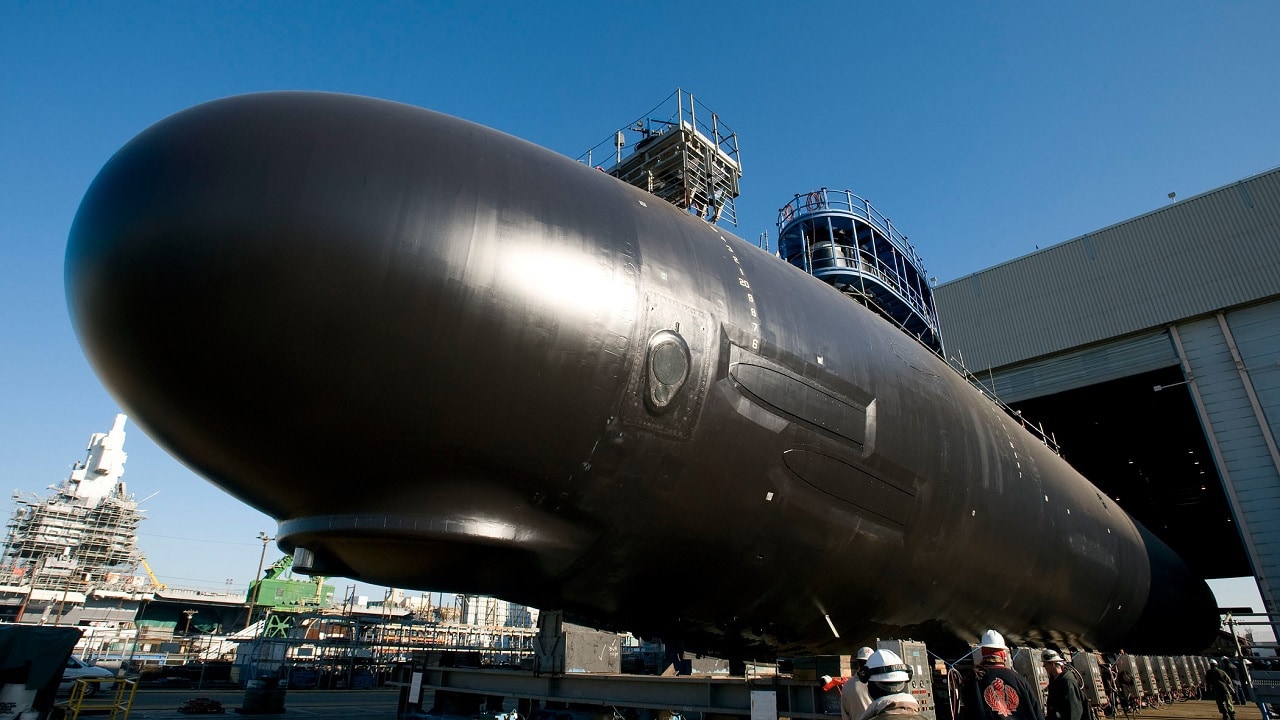
Virginia-Class. Image Credit: Creative Commons.
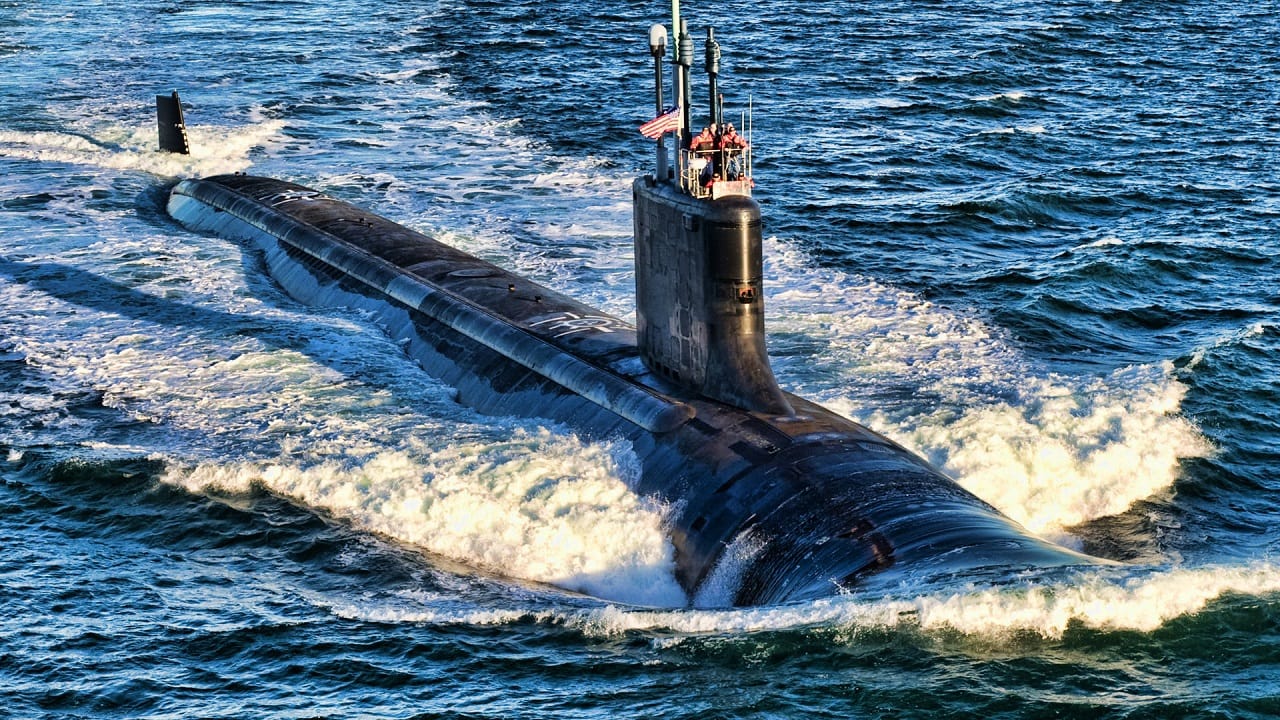
US Navy Attack Submarine. Image Credit: Creative Commons.
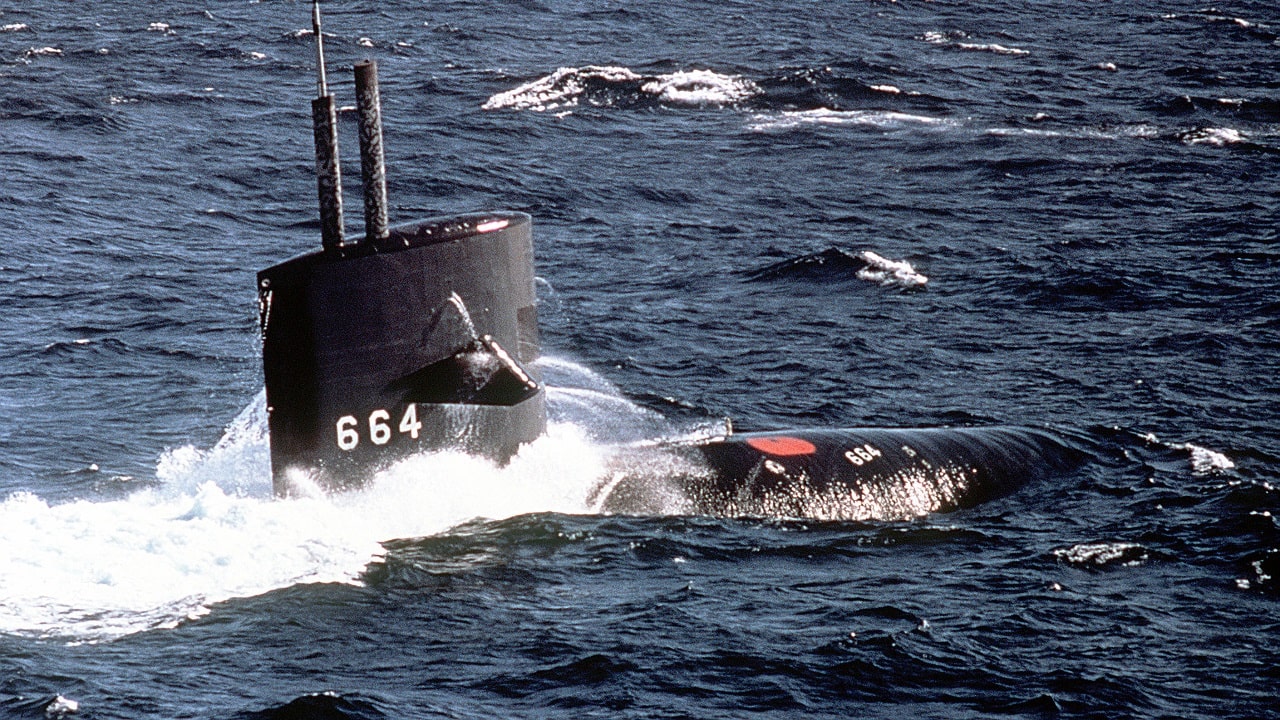
A starboard bow view of the nuclear-powered attack submarine USS SEA DEVIL (SSN-664) underway off the Virginia Capes.
During the fiscal 2025 budget process, the planned procurement of the first SSN(X) was delayed by five years — from fiscal year 2035 to 2040 — “due…to limitations on the Navy’s total budget,” according to a Congressional Research Service report.
The main cause is limitations on the Navy’s total budget, forcing it to manage resources across its various programs, including the Columbia-class submarines and Virginia-class production extensions. There are also debates on whether to switch from highly enriched uranium to Low Enriched Uranium (LEU) reactors.
Transitioning submarine reactors from Highly Enriched Uranium (HEU) to Low Enriched Uranium (LEU) aims to reduce nuclear proliferation risks but faces technical hurdles related to performance, cost, and fuel density.
While HEU allows for lifetime cores without refueling, LEU alternatives may require at least one refueling, making them less capable and more expensive, according to U.S. Navy assessments.
This delay creates a significant gap between the Columbia-class and the SSN(X), which could harm the submarine industrial base, impacting supply chains, skilled labor, and future production capacity.
The Congressional Research Service (CRS) report also notes concerns about the effect on U.S. undersea superiority and warfighting capabilities.
Meet The “Apex Predator” SSN (X) Attack Submarine
The SSN(X) is the U.S. Navy’s next-generation attack submarine, a revolutionary platform designed to ensure American undersea dominance against growing threats from China and Russia.
The service’s next-generation SSN(X) submarine is expected to host all the latest technologies when it is finally produced. The submarine is to be the successor to the Seawolf class, a significant blunder by the Pentagon, which was canceled after the Cold War, as well as to the Virginia-class submarines.
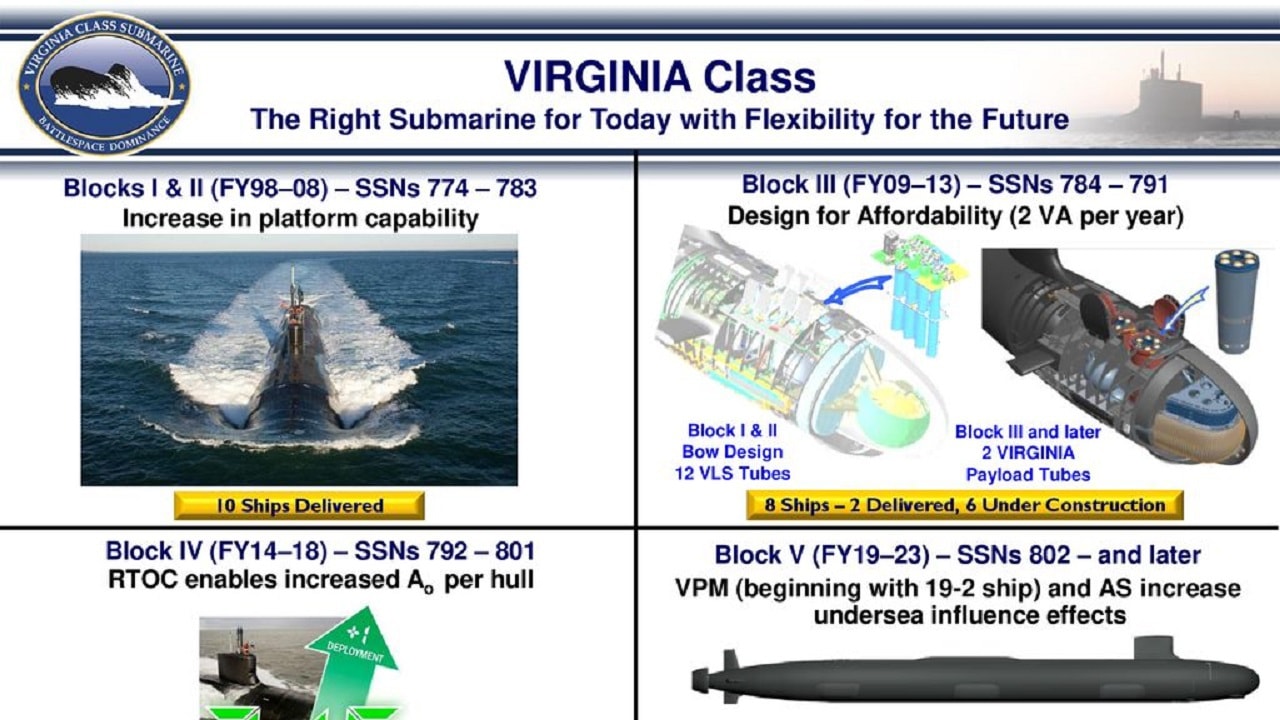
(FY98–08) – SSNs 774 – 783. Block III (FY09–13) – SSNs 784 – 791. Increase in platform capability. Design for Affordability (2 VA per year) Block I & II Bow Design. 12 VLS Tubes. Block III and later 2 VIRGINIA Payload Tubes. 10 Ships Delivered. 8 Ships – 2 Delivered, 6 Under Construction. Block IV (FY14–18) – SSNs 792 – 801. Block V (FY19–23) – SSNs 802 – and later. RTOC enables increased Ao per hull. VPM (beginning with 19-2 ship) and AS increase undersea influence effects. 10 Ships – 5 Under Construction, 5 Under Contract. In Design Phase, FY19 Construction Start. 16.
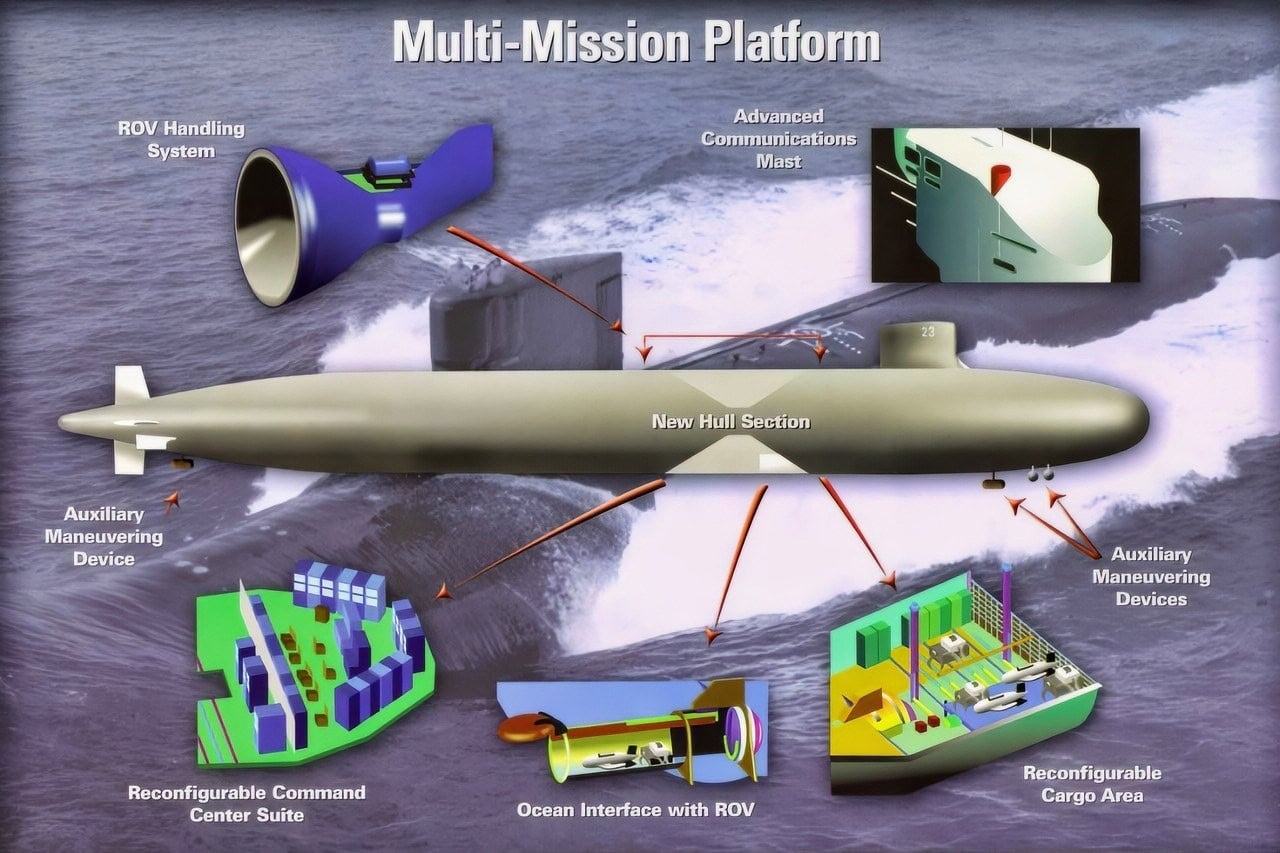
USS Jimmy Carter Seawolf-Class. Image Credit: Creative Commons.
The Navy has stated that the “SSN(X) will be designed to counter the growing threat posed by near-peer adversary competition for undersea supremacy. It will provide greater speed, increased horizontal payload capacity, improved acoustic superiority, and higher operational availability.”
Additionally, the “Apex Predator” will be able to conduct “full spectrum undersea warfare” while retaining multi-mission capabilities in denied waters.
The SSN (X) submarine is being engineered to be radically quiet, significantly faster, and to carry a larger and more diverse weapons payload than any previous U.S. attack sub.
Streamlining The Mission
The current Virginia-class submarines are extremely versatile performers capable of conducting a wide range of operations, including special operations and intelligence gathering in shallow waters.
The “SSN(X) Apex Predator” next-generation nuclear-powered attack submarine is designed to be the ultimate undersea hunter. The SSN(X) will combine the speed and payload of the Seawolf-class, the acoustics and sensors of the Virginia-class, and the operational availability of the Columbia-class submarines.
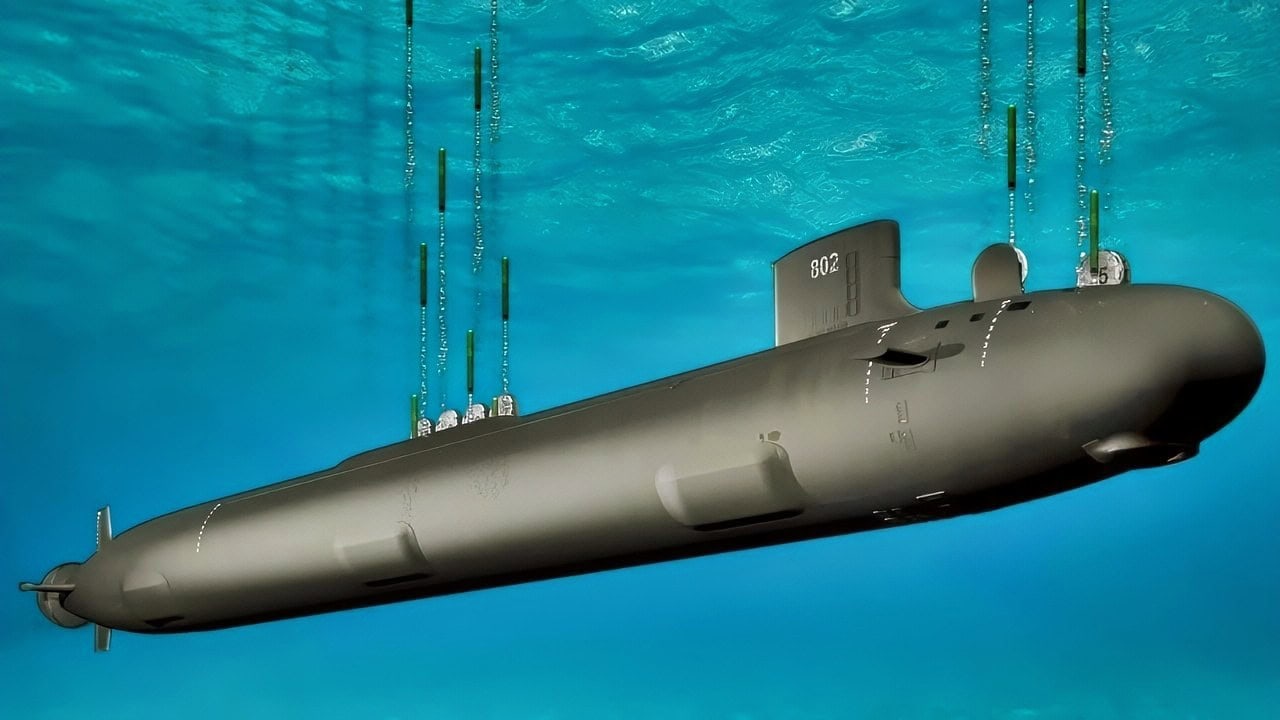
Columbia-Class SSBN USN. Image Credit: Creative Commons.
It is intended to counter near-peer adversaries by conducting full-spectrum undersea warfare, including anti-submarine and anti-surface warfare, and by coordinating with unmanned systems.
Both Russia and China are rapidly developing quieter submarines, more sophisticated anti-submarine warfare (ASW) capabilities, and advanced surveillance systems, all of which challenge the U.S. Navy’s undersea superiority.
Reading the tea leaves, it seems, by the Navy’s wording, that the SSN (X) will concentrate on high-end conflict and not some of the other important missions that the Virginia class has been tasked with. This could leave a gap in capabilities, unless it were an unintended omission.
“Revolutionary Not Evolutionary,” Says Admiral
Rear Adm. Thomas Ishee, director of undersea warfare in the Office of the Chief of Naval Operations, believes that the SSN (X) will be an incredible submarine.
The NSSN “will have improved mobility — think speed and stealth, both not ‘or,’” Ishee said. “It will have improved lethality — think magazine size and payload integration. It will have some levels of artificial intelligence to increase the warfighter decision space. It will have improved survivability, able to take a punch and still carry out the mission.”
“Since the end of the Cold War we have been making evolutionary changes to our SSNs,” he said. “The theme for SSNX is to look at revolutionary changes, so we are accelerating in the direction of a new class of fast-attack submarine.”
Quieter Propulsion System
As Admiral Ishee comments suggest, it isn’t either a speed or stealth proposition, and the SSN (X) is sure to have both.
The SSN(X) is putting its emphasis on stealth. As submarine detection technologies improve, maintaining the sub’s stealth becomes increasingly difficult. The SSN(X) is expected to feature a radically quiet propulsion system, possibly building on or surpassing the pump-jet propulsion used in the Virginia-class.
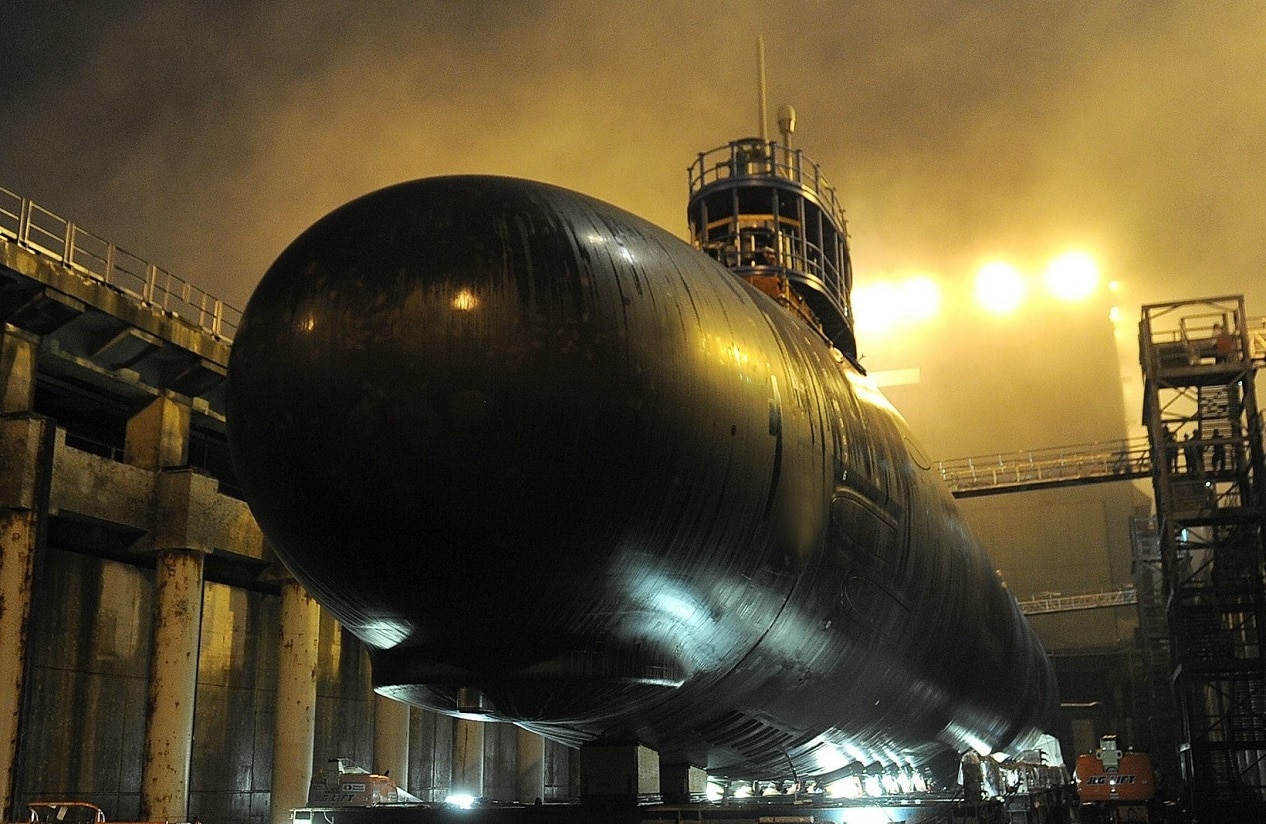
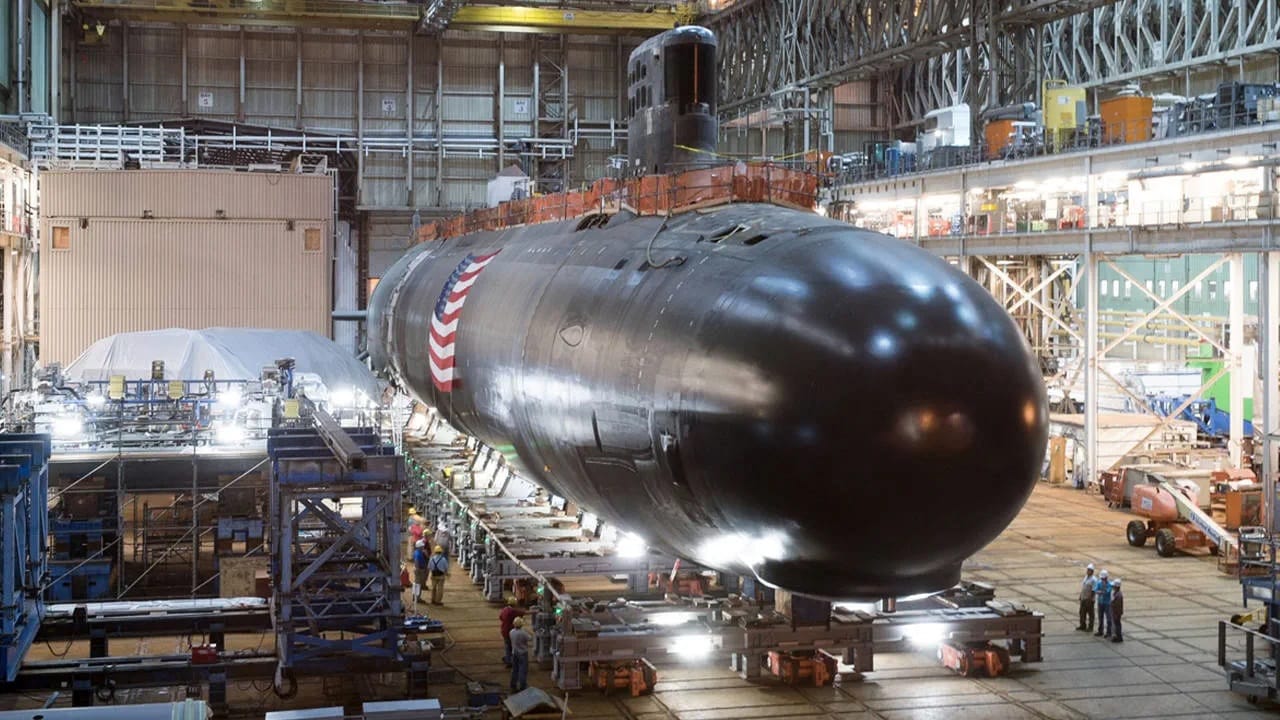
Image of US Navy Attack Submarine Under Construction. Image Credit: Creative Commons.
Its hull design will likely incorporate advanced materials and anechoic coatings that minimize sonar reflections and absorb sound, making it extremely difficult to detect. These features are essential for operating undetected in areas where adversaries deploy dense sensor networks and unmanned surveillance systems.
SSN (X) Firepower
The SSN(X) is designed to be the ultimate “apex predator” through its advanced firepower, speed, and stealth. Its firepower will be significant, with a larger payload capacity and a higher salvo rate than previous attack submarines.
This advanced capability is achieved by combining the best features of past submarine classes: Seawolf’s speed and payload, Virginia’s acoustic superiority and sensors, and Columbia’s operational availability.
The SSN(X) will conduct full-spectrum undersea warfare, including anti-submarine and anti-surface operations, strike missions, and intelligence gathering.
It will be equipped with torpedoes for anti-submarine and anti-surface warfare, as well as vertical launch systems capable of deploying cruise missiles for land-attack and anti-ship missions.
The SSN(X) will be able to act as a “mothership” for multiple unmanned vehicles and other sensors, deploying unmanned underwater vehicles (UUVs) and naval mines to expand its operational versatility. This broad arsenal will allow the submarine to engage a wide range of targets and perform multiple mission types without returning to port for reconfiguration.
The issue the Navy is facing across the board mainly concerns a shipyard/shipbuilding conundrum. They can’t produce enough ships or maintain the ones that they do have in a timely manner.
The Los Angeles-class of fast attack submarines is old and in need of replacement. The Virginia-class subs are too few in number and are aging as well.
The SSN(X) submarines are needed but won’t be ready now until the 2040s. Meanwhile, Russian and Chinese designs are beginning to catch up with the US’ quantitative and qualitative edges.
About the Author: Steve Balestrieri
Steve Balestrieri is a National Security Columnist. He served as a US Army Special Forces NCO and Warrant Officer. In addition to writing on defense, he covers the NFL for PatsFans.com and is a member of the Pro Football Writers of America (PFWA). His work was regularly featured in many military publications.