
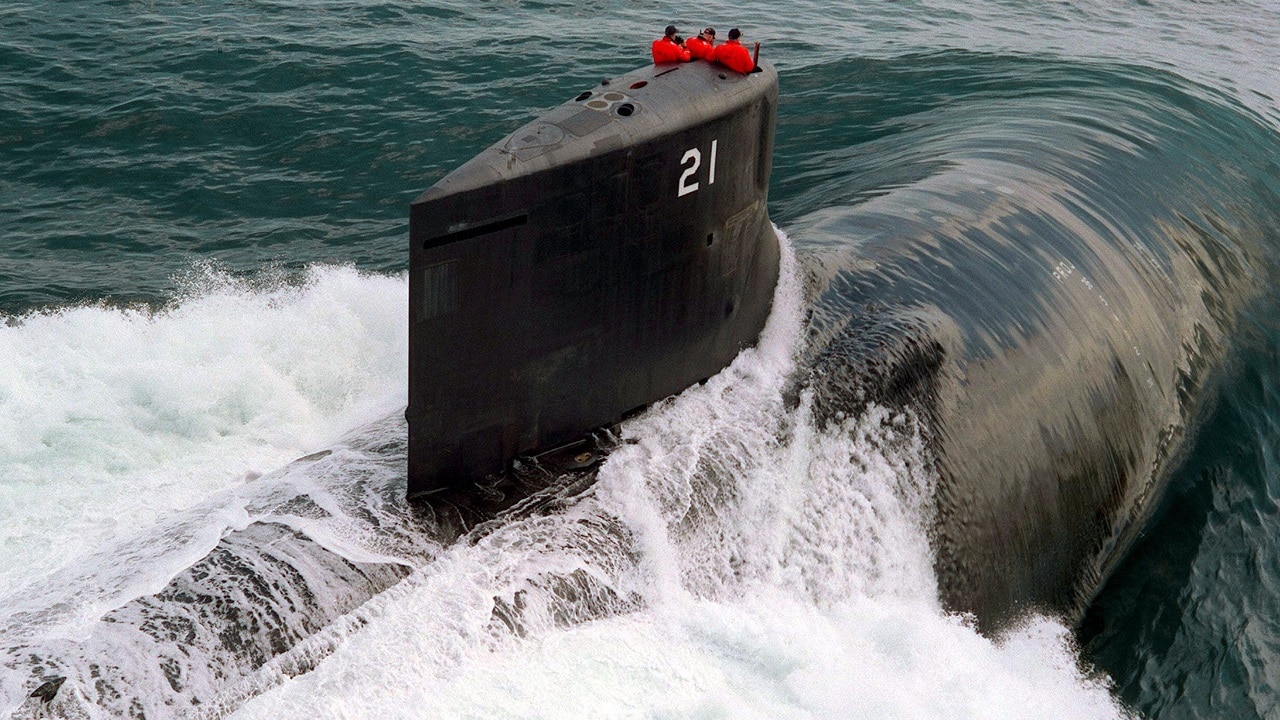
SSN(X) vs. Virginia: Why “Incremental Upgrades” Aren’t the Navy’s Submarine Plan Anymore
The U.S. Navy’s Next-Generation Attack Submarine program, known as SSN(X), is currently in early development – but it is set to define undersea and maritime warfare well into the mid-21st century.
But much like virtually every other American military development project underway today, a combination of delays, cost increases, and industrial capacity limitations means that the program is, in some ways, at risk – one way or the other.
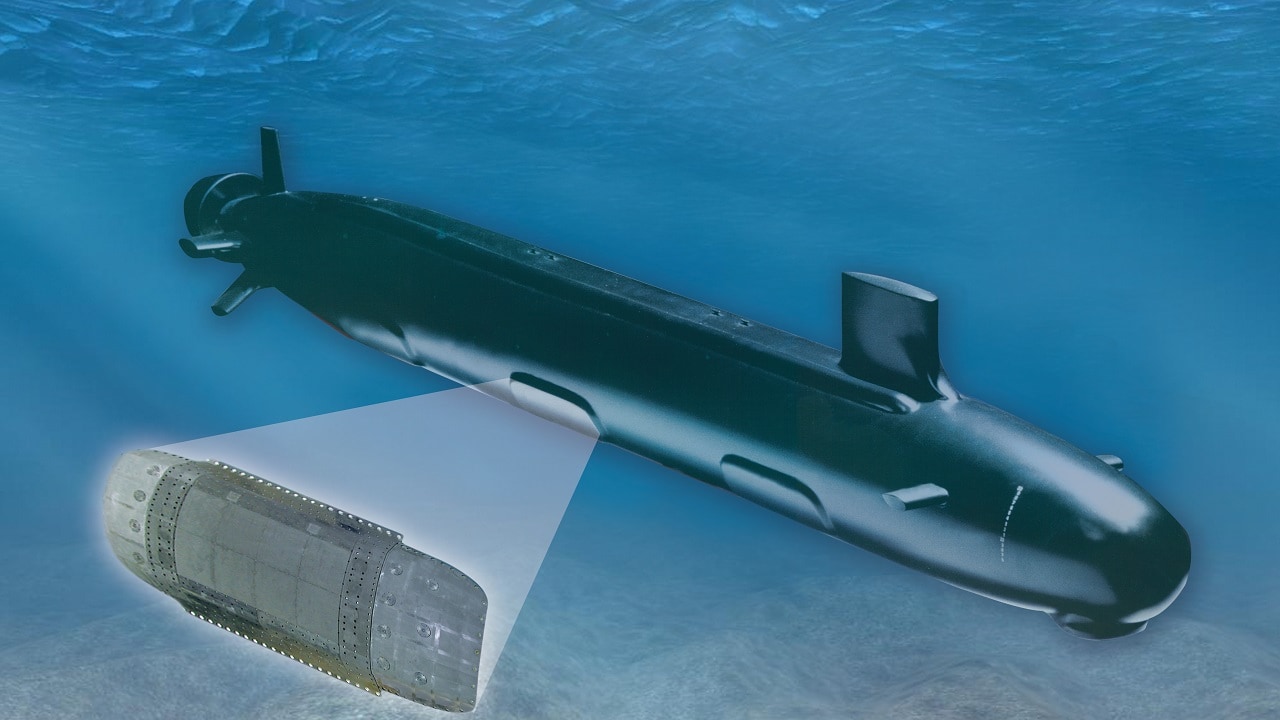
Designed to succeed the Virginia-class attack submarines and incorporate the many lessons learned from operating the Seawolf and Columbia classes, SSN(X) is envisioned as a high-end, multi-mission platform with faster transit speeds and a larger payload capacity – not to mention the enhanced acoustic stealth and upgraded networking capabilities.
The Navy’s fiscal year 2026 budget request includes $222.8 million in research and development funding for SSN(X), but the anticipated first procurement has now slipped from the mid-2030s to the early 2040s.
The schedule slip is a product of broad pressures on defense budgets and American shipyard capacity – a problem that only seems to be getting worse, not better.
From Seawolf to Virginia to SSN(X)
The SSN(X) program is a product of years of learning how to operate attack submarines and how best to defeat, overcome, or avoid adversaries.
The submarine’s roots, in many ways, trace back to the Cold War and to designs like the high-performance Seawolf class and the modular Virginia class that followed.
The Navy has explicitly stated that it wants SSN(X) to incorporate the speed and payload of the Seawolf design with the acoustic performance and sensors of Virginia and the operational availability of the Columbia ballistic-missile submarine.
Naval planners see SSN(X) as a response to rapidly evolving threat environments – in particular, the need to operate vessels in contested littoral waters and against increasingly capable adversaries like China and Russia, whose submarine fleets are now becoming more sizeable and sophisticated.
Incremental upgrades to the existing Virginia are not seen as viable; the older designs cannot meet future strategic demands, particularly in terms of intelligence gathering and strike warfare. The older vessels would also need a dramatic internal overhaul to incorporate modern networking architecture.
The 2026 Budget
The Navy’s FY 2026 budget request offers concrete signals about how SSN(X) stands: the service sought $622.8 million for SSN(X) research and development, comprising comprising $366 million for SSN(X) submarine class development and $256.8 million for next-generation fast-attack nuclear propulsion development.
The allowances indicate that the SSN(X) project is still squarely in the concept design and risk-reduction phase and has yet to enter production.
By comparison, funding for the Virginia-class submarines continues at high levels – reflecting a combination of steady production (which requires spending) and backlogs in the program that have raised costs. In 2026, then, the Navy’s immediate shipbuilding efforts are clearly focused on keeping existing classes on track as the SSN(X) program’s requirements are still being gradually refined.
However, continued research and development funding through fiscal year 2026 suggests that the Pentagon views SSN(X) as a long-term strategic priority and that key technologies, such as its electric drive systems and advanced acoustic quieting measures, remain under active exploration.
These technologies, along with new networking capabilities, will be necessary for future vessels of various kinds.
Schedule Slippage
The Navy’s FY 2025 30-year shipbuilding plan formally pushed the first procurement of SSN(X) from around fiscal year 2035 to approximately fiscal year 2040 – a delay the service has attributed to a combination of budgetary pressure and limits with the submarine industrial base.
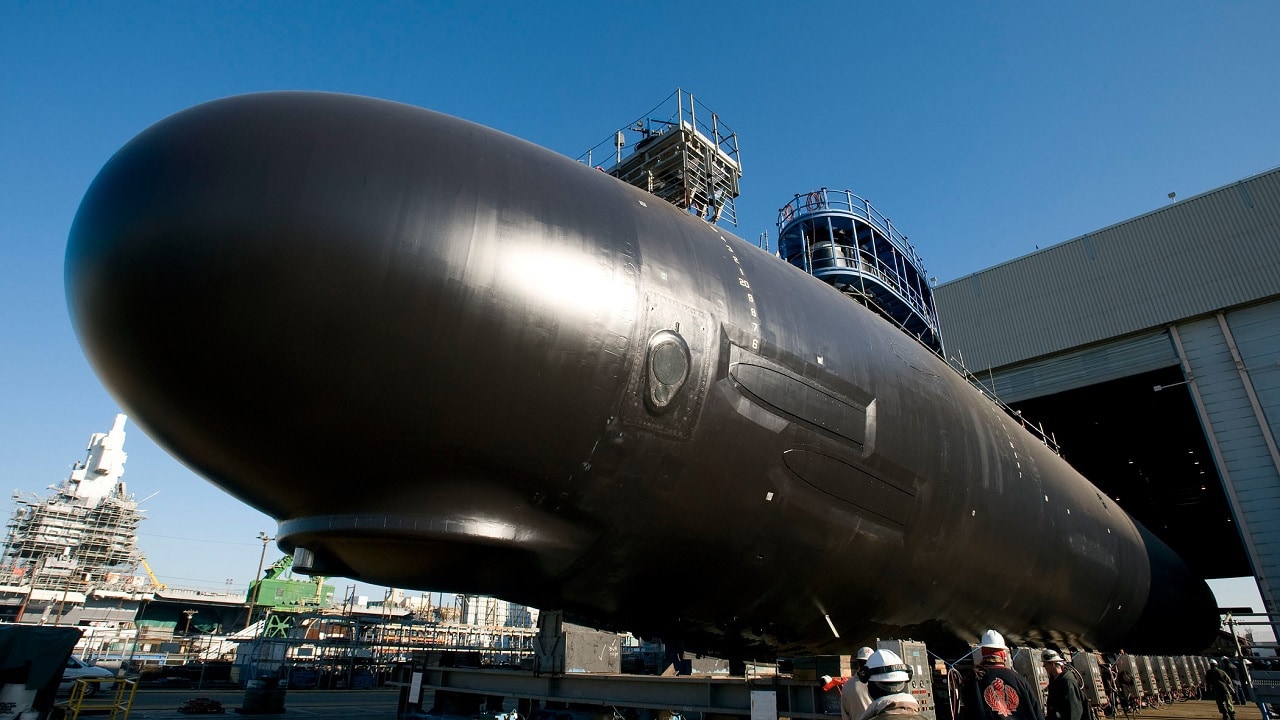
Virginia-Class. Image Credit: Creative Commons.
US Navy Attack Submarine. Image Credit: Creative Commons.
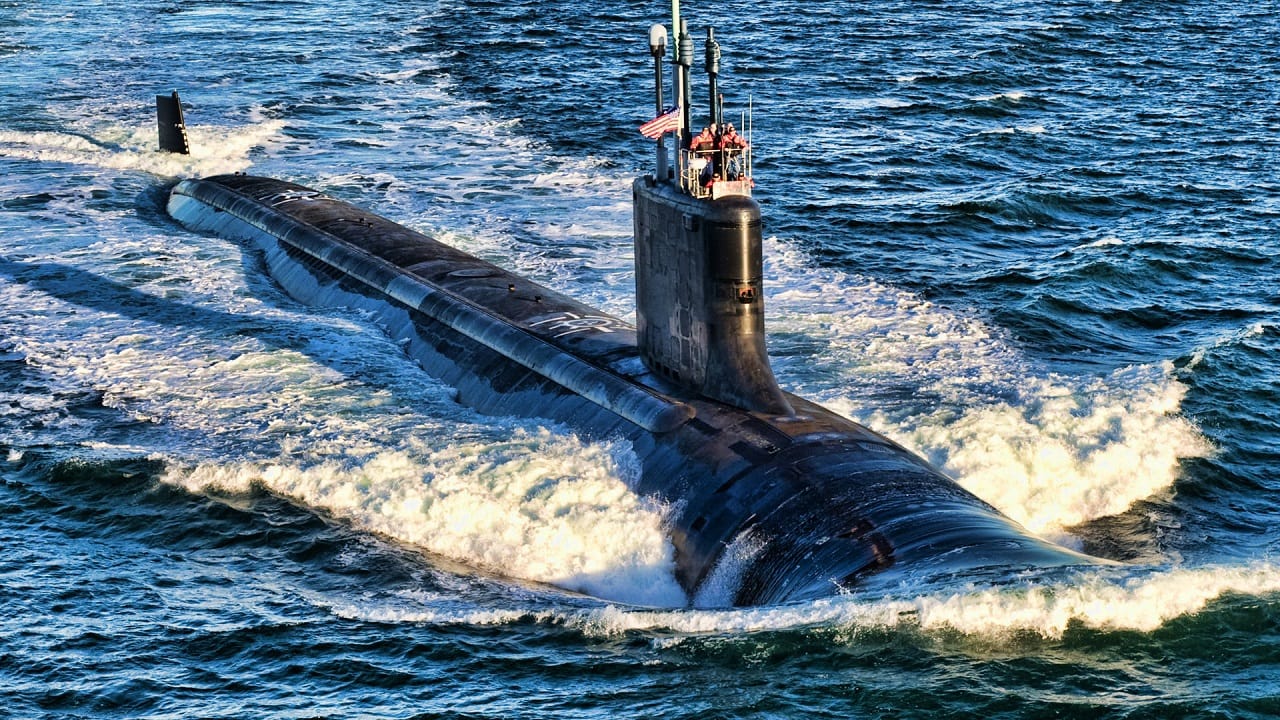
Block IV Virginia-class Submarine.
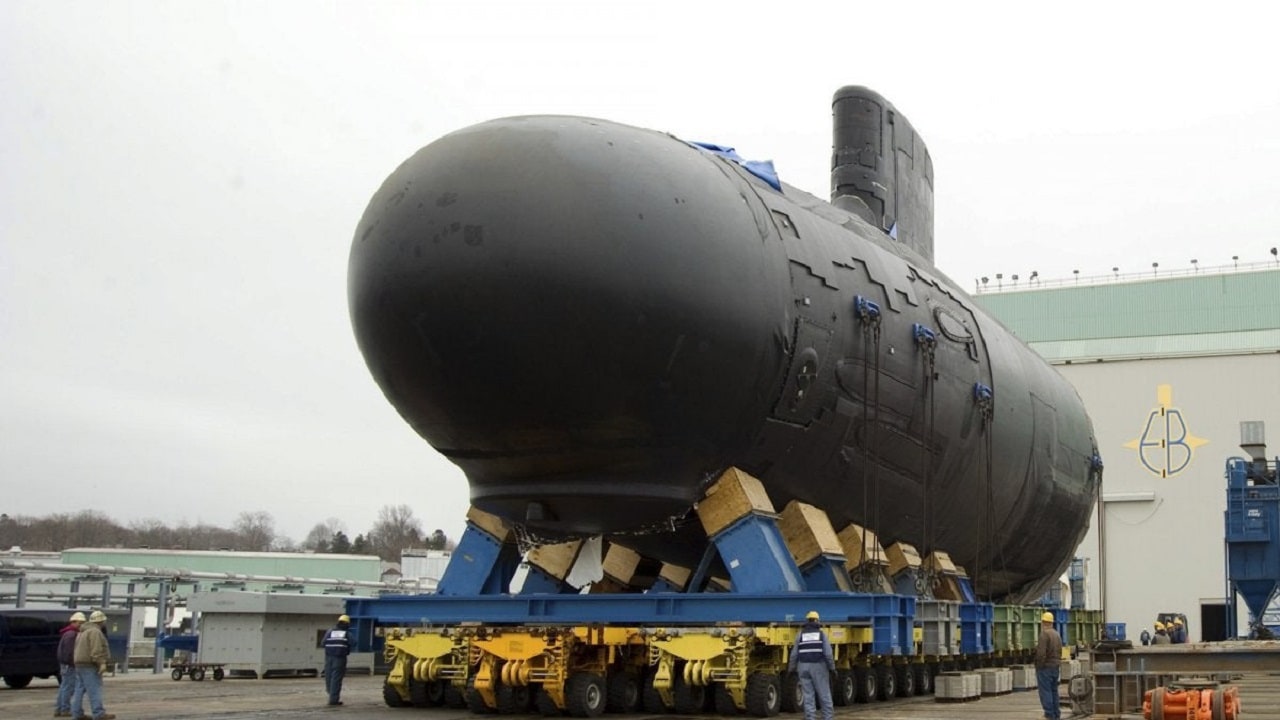
Image of Block III US Navy Virginia-class Submarine.
That decision was not driven by one failure but by what Navy officials have described as a cumulative capacity problem, in which the entire submarine-building enterprise is already stretched and struggling to recover Virginia-class attack submarine production rates.
Rear Adm. Jonathan E. Rucker, during a Senate testimony in April 2025, described the problems:
“Our 2024 annual production rate of Virginia-class submarines per year was 1.13 compared to our need of 2.0,” Rucker said. “The main causes for this are workforce challenges, material and supplier delays and shipbuilder facilities and infrastructure issues — all of which are driving cost increases and schedule delays.”
Navy leaders have also explicitly stated that Columbia takes precedence over any future programs.
In 2019, reports described how the U.S. Navy’s then-Chief of Naval Operations (CNO), Admiral Mike Gilday, said the Columbia-class ballistic missile submarine was the Navy’s top acquisition priority.
“The navy’s first acquisition priority is recapitalising our Strategic Nuclear Deterrent — Electric Boat is helping us do just that. “Together, we will continue to drive affordability, technology development, and integration efforts to support Columbia’s fleet introduction on time or earlier,” Gilday said.
Nonetheless, the program is necessary – but questions remain. For example, it’s still unclear how many SSN(X) boats the Navy ultimately needs, but long-term force structure plans have consistently called for an attack submarine fleet of around 66 boats – well above current inventory levels.
About the Author:
Jack Buckby is a British researcher and analyst specialising in defence and national security, based in New York. His work focuses on military capability, procurement, and strategic competition, producing and editing analysis for policy and defence audiences. He brings extensive editorial experience, with a career output spanning over 1,000 articles at 19FortyFive and National Security Journal, and has previously authored books and papers on extremism and deradicalisation.