
Summary and Key Points: Russia’s Aerospace Forces have taken steep losses since February 2022 in the Ukraine war, leaving a smaller, aging fleet that struggles to replace aircraft fast enough.
-With many legacy airframes near the end of their usable flight life and newer fighters bearing the brunt of combat attrition, Russia has adjusted tactics to reduce risk.
-The VKS now leans on stand-off strikes, cruise missiles, and widespread use of glide bombs to hit targets from safer distances.
-Helicopters shifted tactics to limit exposure to MANPADS, while drones and saturation attacks have grown in prominence. Airbase dispersion and decoys reflect continuing vulnerability to long-range strikes.
Russia’s Air Force Has Been Forced To Adapt In The Face Of Horrible Losses
Since the war in Ukraine started nearly four years ago, Russia has been decimated by horrible casualties with horrific losses in tanks and armored vehicles, with none of its pre-invasion goals met.
Meanwhile, the Russian Aerospace Forces (VKS) have suffered crippling losses of combat aircraft since the invasion of Ukraine commenced in February 2022.
Russia has lost hundreds of combat aircraft of all types, with about 120 or more fighters among the losses. This has left the VKS a hollowed-out force.
Their manufacturing facilities cannot produce sufficient aircraft to offset their losses. A 2024 report from the RAND Corporation stated that the Russian Aerospace Forces had lost at least 25 percent of their strength relative to the start of the “special military operation.”
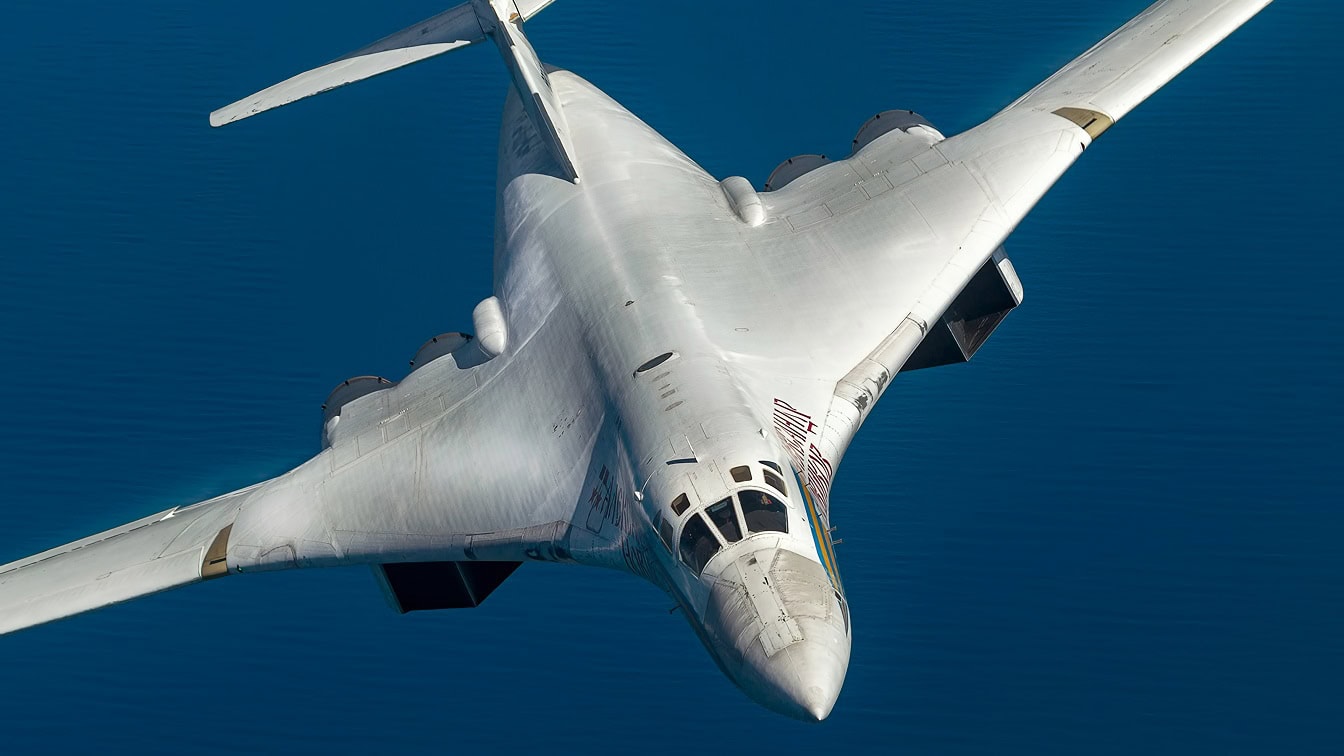
Tu-160 Bomber. Image Credit: Creative Commons.
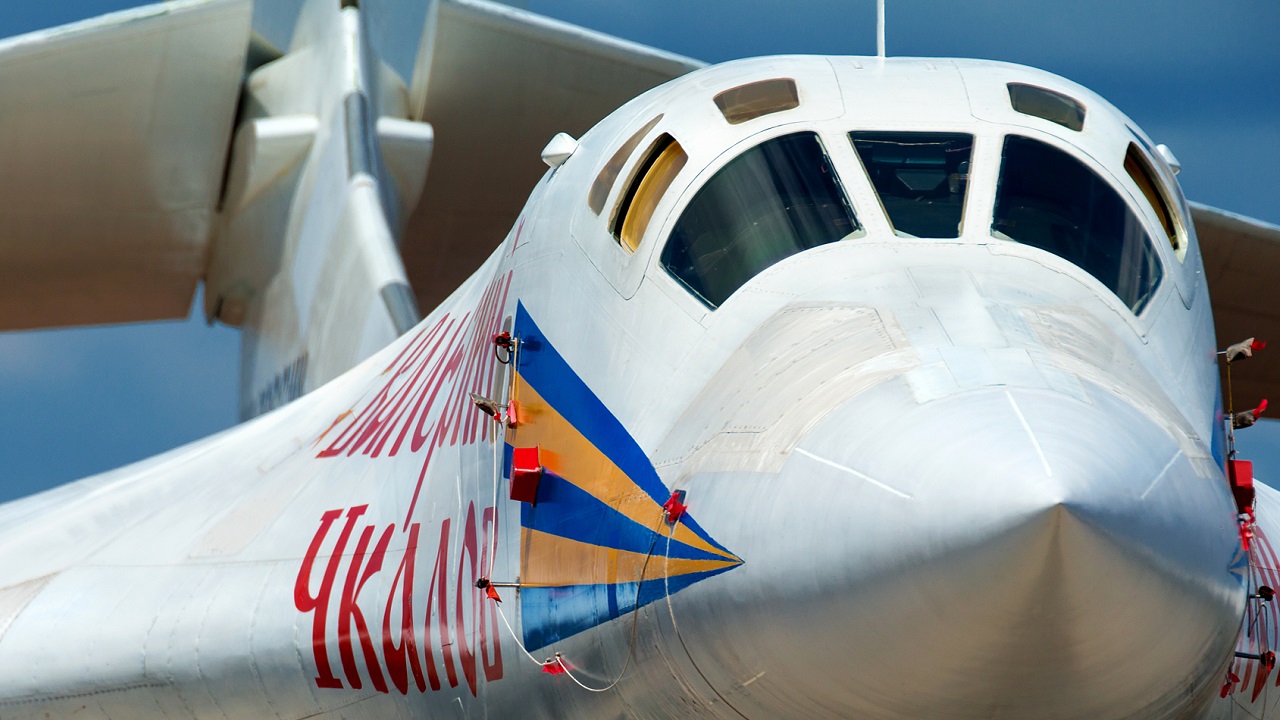
Tu-160. Image Credit: Creative Commons.
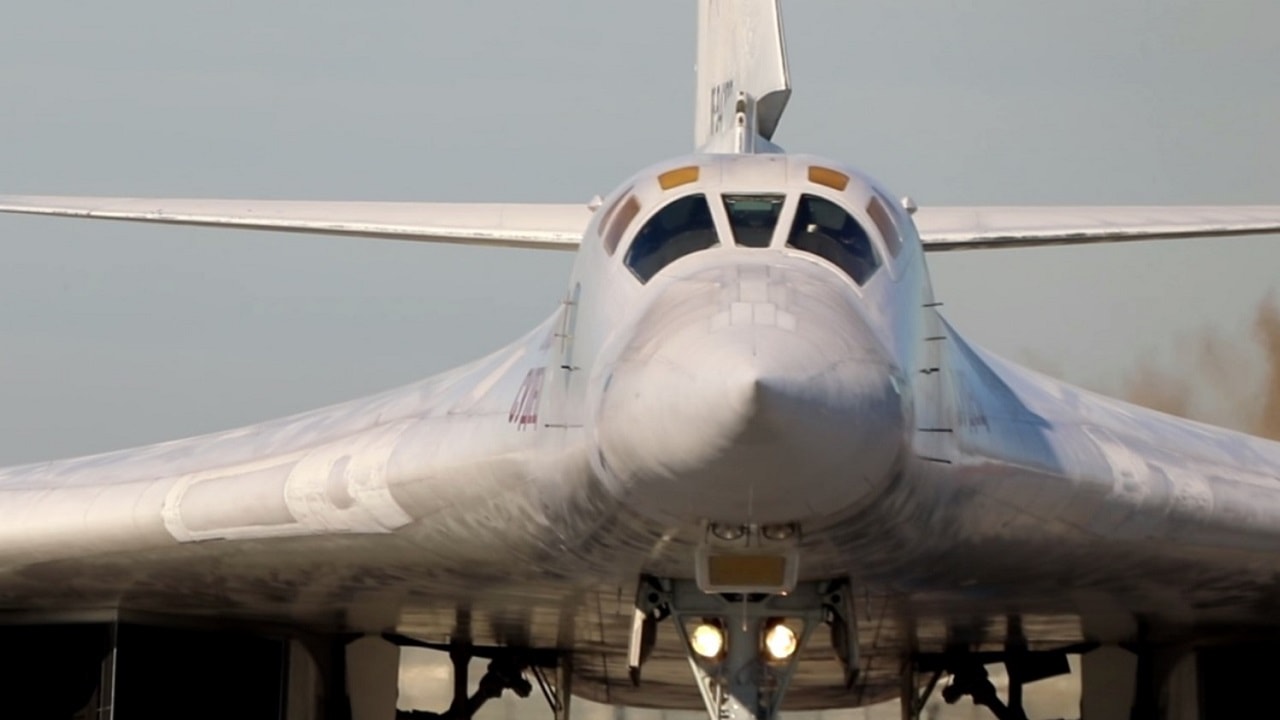
Tu-160. Image Credit: Creative Commons.
Worse still, Russian aircraft in the air fleet are aging, and more than half of the VKS’ tactical airframes are older than 30 years; these have few remaining flight hours.
The Russian VKS has been forced to adapt its tactics due to these high losses. Is it enough for them to “win” in Ukraine? Or would it be a Pyrrhic victory?
Older Aircraft Have Few Flight Hours Left
“The VKS is on track to suffer approximately 60 imputed aircraft losses this year from overuse.” The majority of combat losses, however, have been with the newer Su-30, Su-34, and Su-35 aircraft.
“The older MiG-31s and Su-27s have been relegated to supporting hypersonic Kinzhal strikes and air patrol at a distance.
“With an estimated average remaining airframe life of less than 20 percent and 35 percent, respectively, these older aircraft can be used for this war, but likely have insufficient life to support Russia’s potential future invasions,” wrote author Michael Bohnert.
Oryx Has The Number Of Aircraft Losses At 361
The open-source intelligence site, Oryx, has compiled a list of aircraft lost by the Ukrainians and Russians as they are confirmed.
Oryx stated, “The list only includes destroyed aerial assets of which photo or videographic evidence or pilot death notices are available. Therefore, the amount of destroyed and damaged aircraft is likely significantly higher than recorded here.”
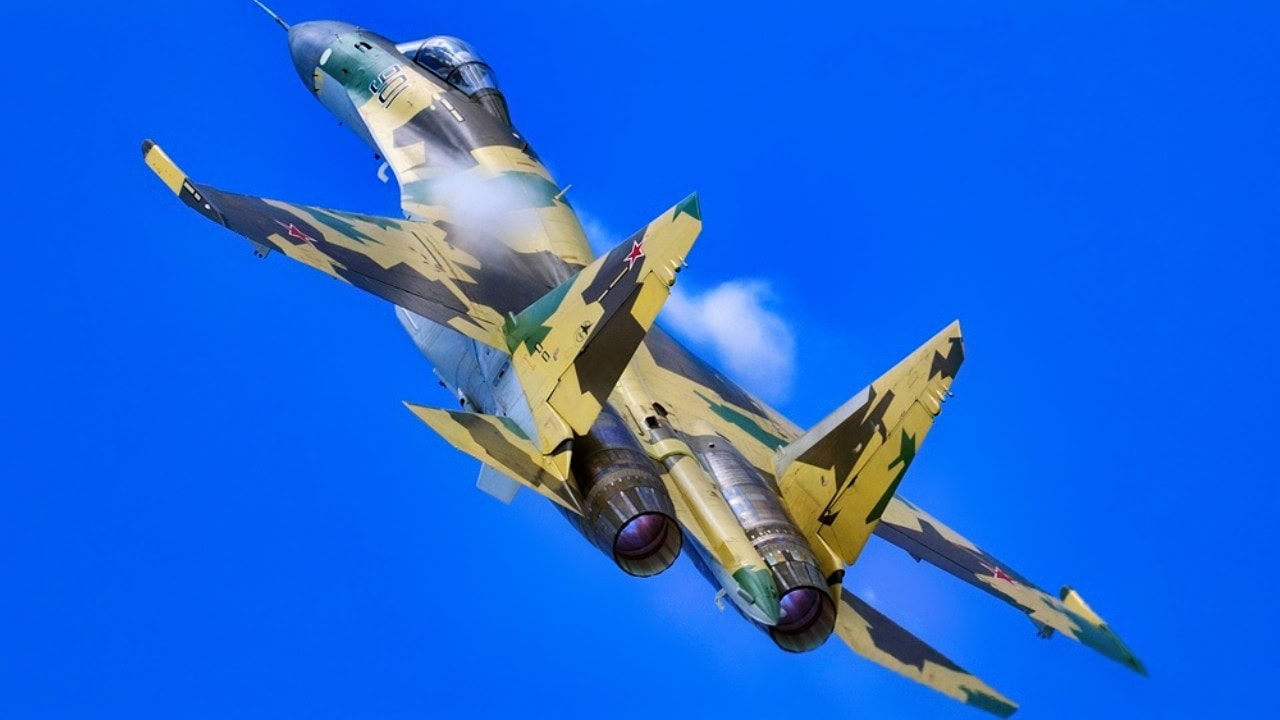
Su-35 Fighter from Russia. Image Credit: Creative Commons.
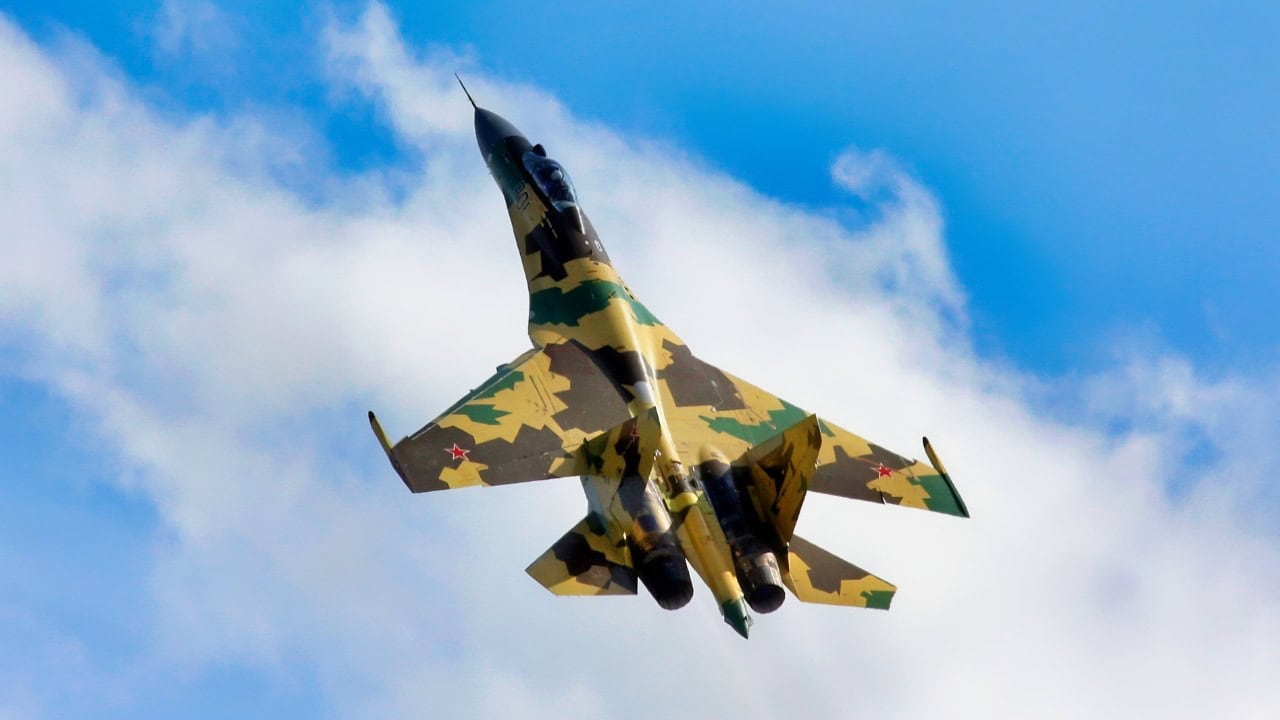
Su-35 Fighter from Russia.
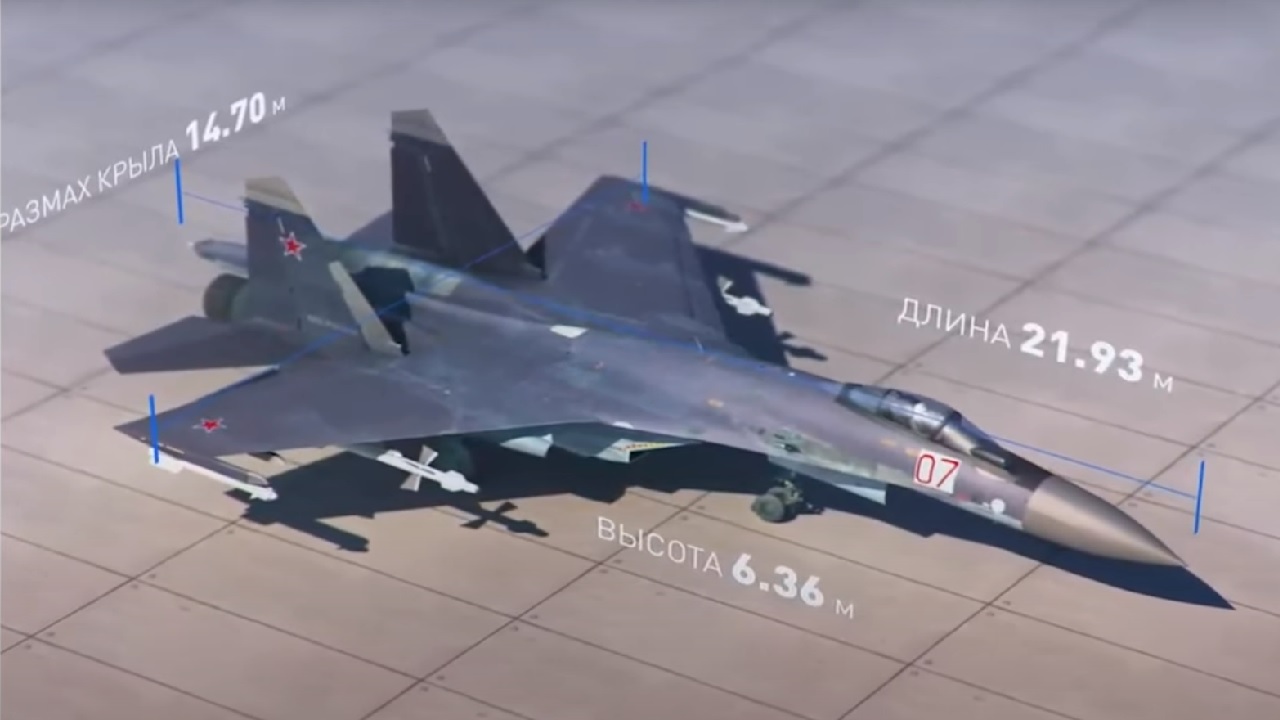
Su-35. Image Credit: Creative Commons.
They have reported Russian combat aircraft losses of all types – 361, of which: destroyed: 299, damaged: 57, captured: 5. Those are horrific numbers considering that by their own accord, Oryx admits the actual numbers may be significantly higher.
Combat Jets (133, of which destroyed: 119, damaged: 14)
Four MiG-31BM fighter aircraft, 41 Su-25 close air support aircraft, 3 Su-24M strike aircraft, 1 Su-24MR tactical reconnaissance aircraft was destroyed on the ground, 10 Su-24M/MR strike/tactical reconnaissance aircraft, 3 Su-27 strike aircraft, 18 Su-30SM multirole aircraft, 40 Su-34 strike aircraft, 1 Su-34M strike aircraft, 8 Su-35S multirole aircraft, 1 Su-57 Stealth multirole fighter, 3 Unknown fighter jets.
Russian Strategic Bomber Losses: (21, of which destroyed: 15, damaged: 6)
11 Tu-22M3 strategic bombers, 10 Tu-95MS strategic bombers, many of which were destroyed on the ground by Ukraine’s devastating drone attack in Operation Spider’s Web, during early June, where they were able to secretly get large trucks inside Russia loaded with drones, which attacked key airbases.
Command And Control Aircraft (5, of which destroyed: 4, damaged: 1)
3 Il-22(M) airborne command post, 2 Beriev A-50, the loss of two of the A-50s was a huge blow to Russia’s VKS. As of 2024, they had only six operational A-50s, and the drone strike eliminated one-third of the fleet.
The War Zone compiled a lot of the video from Ukraine’s drones that were released, as well as satellite photos from the aftermath of the airstrikes. It shows the detailed devastation of the airfields in the drone strikes.
In the Rand report, Bohnert reported that the VKS has fewer than 650 tactical aircraft, excluding end-of-life aircraft and even fewer when excluding overuse.
How Has Russia Adapted To Its Crippling Losses?
To combat high attrition rates, the Russian Aerospace Forces (VKS) have adapted by reducing penetration of Ukrainian airspace, relying on long-range stand-off weapons, increasing the use of glide bombs, and shifting to nighttime operations.
Stand-off weapons usage is now their SOP. Instead of close air support, Russian aircraft frequently stay outside the range of Ukrainian air defenses, firing long-range cruise missiles and guided bombs from within Russian-controlled territory.
Russia has heavily adopted the use of UPAB/FAB glide bombs, allowing aircraft to strike targets from 40-50 km away, minimizing risk to their pilots.
Russia has been forced to reduce Ukrainian airspace penetration in its air strikes. Following early, heavy losses, the VKS largely stopped flying deep missions inside Ukrainian airspace, shifting to operations in border areas, Belarus, and Crimea.
Helicopter tactics have also been forced to change. After initial high losses to man-portable air defense systems (MANPADS), attack helicopters (such as the Ka-52) adapted by firing long-range anti-tank missiles from higher altitudes and employing electronic warfare (EW) to counter such threats.
Russia has increased its use of drones. Russia has heavily increased the use of Shahed/Geran-2 loitering munitions for long-range, cheap, and effective saturation attacks on infrastructure.
Russian Airfield Defenses And Dispersion
Due to Ukrainian drone strikes on airbases deep inside Russia, they have begun to disperse their fleets and, in some cases, paint aircraft on tarmacs as decoys.
This was the reaction to the impact of losses and ongoing vulnerabilities.
Despite adaptations, Ukrainian long-range drone strikes have successfully targeted aircraft parked at airbases deep within Russia.
Russia is still plagued by its inflexible doctrine. Despite improvements, analysts suggest that Russian operations remain plagued by rigid Soviet-era doctrinal issues, often relying on “brute force” rather than on refined suppression of enemy air defenses (SEAD).
By 2025-2026, the air war has stabilized into a “meatgrinder” in which both sides operate in a contested environment, neither achieving full air superiority, with Russia using its numbers to conduct a high-attrition, long-range campaign.
While Russia continues to threaten to invade other nations, not a single goal of the invasion of Ukraine has been achieved; those threats ring as hollow as their Air Force.
Potential targets include the Baltic states of Lithuania, Estonia, and Latvia, which are NATO members and protected under Article 5 of the NATO Charter.
Meanwhile, NATO has more than 1,100 fifth-generation aircraft, with more than 100 or more expected to arrive each year. This is more than sufficient to counter the VKS in the air and conduct targeted ground strikes, especially given the poor performance of Russian surface-to-air missiles in Ukraine.
About the Author: Steve Balestrieri
Steve Balestrieri is a National Security Columnist. He served as a US Army Special Forces NCO and Warrant Officer. In addition to writing on defense, he covers the NFL for PatsFans.com and is a member of the Pro Football Writers of America (PFWA). His work was regularly featured in many military publications.