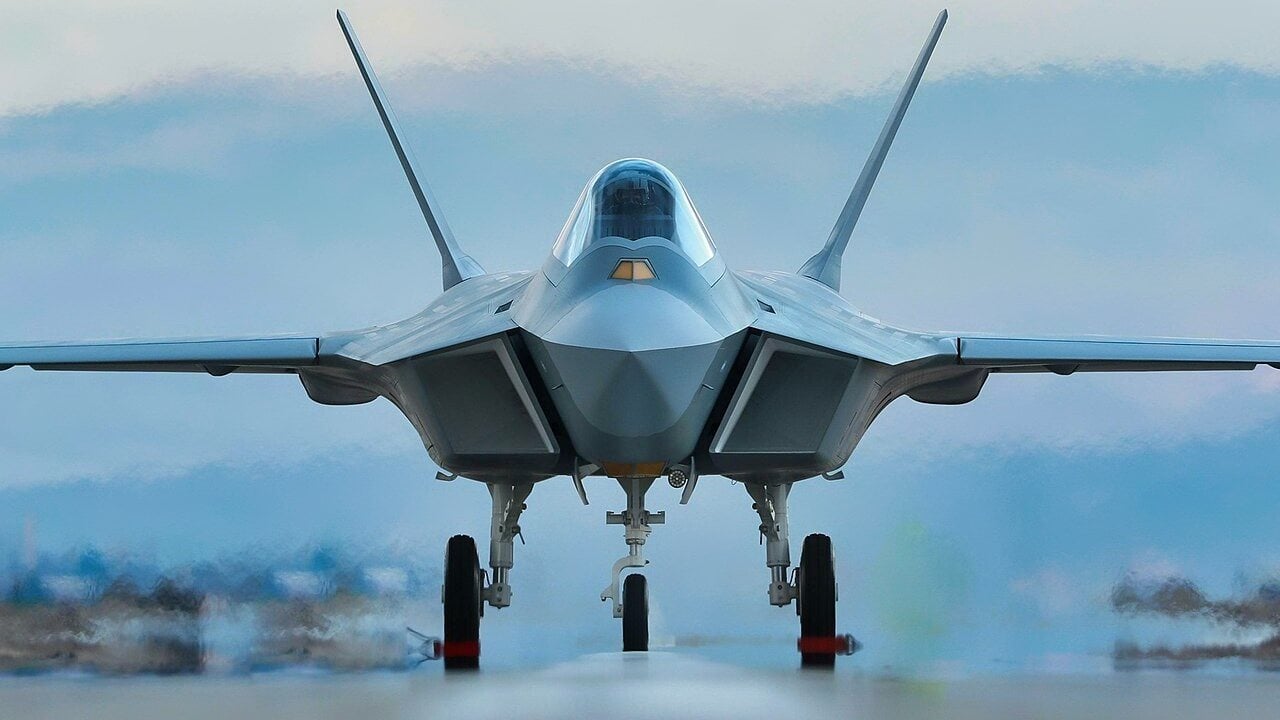
Summary and Key Point: Saudi Arabia is reportedly mulling a massive joint investment in Turkey’s Kaan stealth fighter, a move that would solidify Ankara as a global 5th-generation producer.
-Following Turkey’s removal from the F-35 program, the Kaan has become a national priority, now bolstered by a $10 billion export deal with Indonesia.
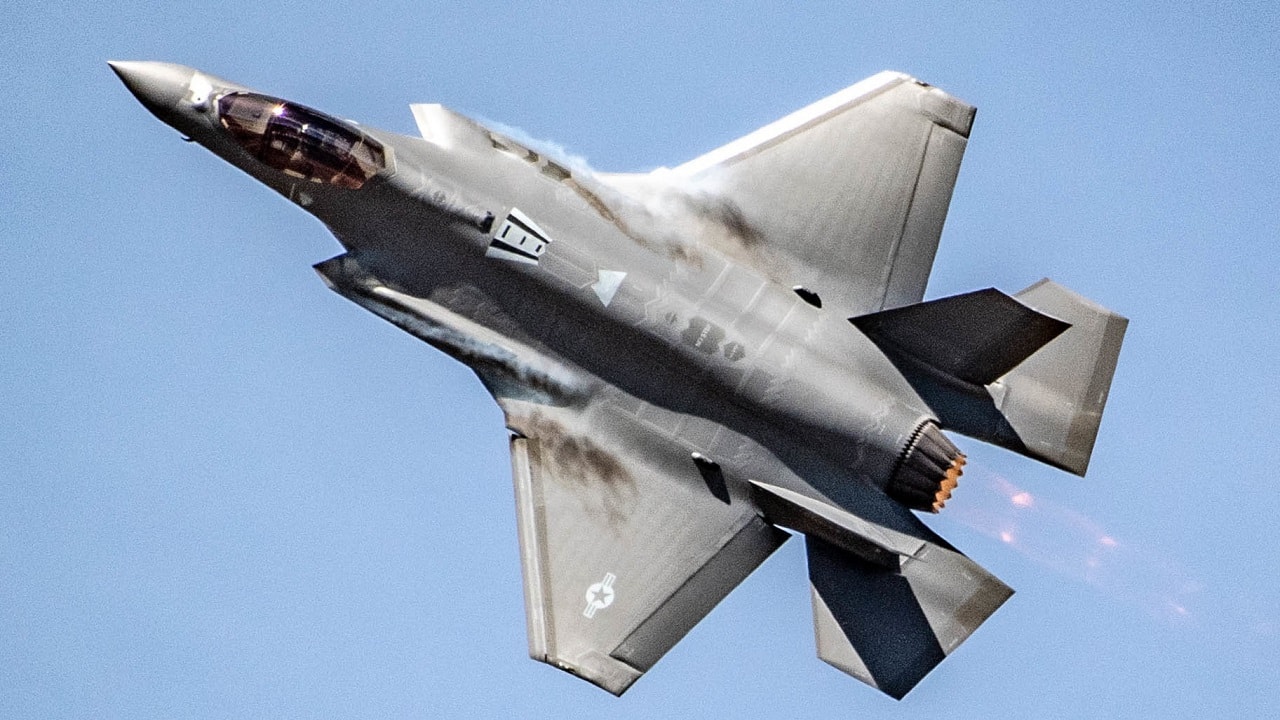
U.S. Air Force Maj. Kristin Wolfe performs a demonstration in the F-35A Lightning II during at the Reno Air Races in Reno, Nevada, September 19, 2021. The F-35 Lightning II Demonstration Team is based out of Hill Air Force Base, Utah. (U.S. Air Force photo by Tech. Sgt. Nicolas Myers)
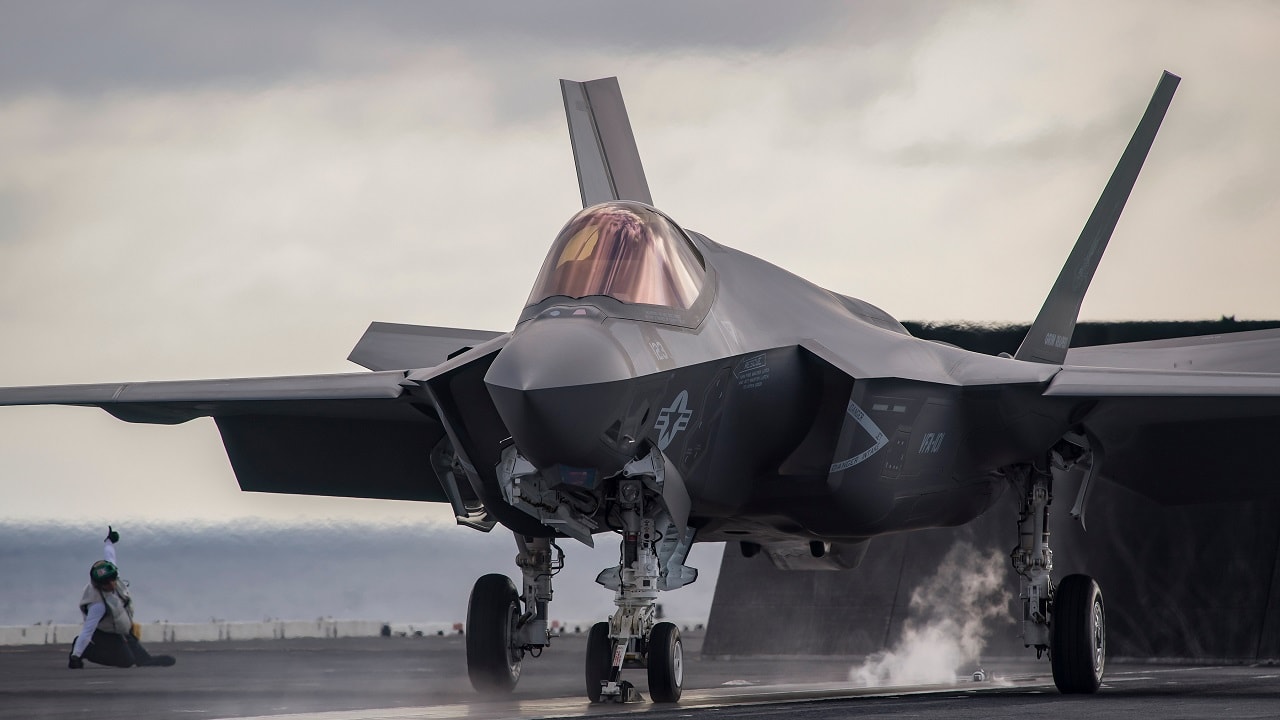
F-35 Joint Strike Fighter on carrier operations.
-While Riyadh is also eyeing the 6th-generation GCAP and FCAS programs, the Kaan offers an immediate, less-restricted path to stealth.
-Success, however, hinges on overcoming a severe engine shortage caused by U.S. export blocks, potentially forcing a reliance on Turkish-made alternatives that have yet to meet performance benchmarks.
Could Saudi Arabia Go All In on Turkey’s KAAN Stealth Fighter
Saudi Arabia is reportedly mulling an offer to join Turkey’s Kaan fifth-generation stealth fighter project, according to Turkish President Recep Tayyip Erdogan.
“We are signing significant defence industry cooperation agreements with Saudi Arabia, and we are determined to further strengthen them,” the Turkish president told a group of journalists. “Moreover, a joint investment with Saudi Arabia is under consideration, and this Kaan investment could be realised at any moment.”
The Kaan would be Turkey’s first fifth-generation combat jet, a significant achievement. The Kaan would incorporate some stealth technologies, such as radar-absorbent coatings and an internal weapons bay.
But building a stealth fighter is an ambitious undertaking. “Through the acquisition of advanced technologies such as low observability, internal weapon bays, high maneuverability, enhanced situational awareness, and sensor fusion—key features of a next-generation aircraft—Türkiye is positioning itself among the limited number of nations, including the USA, Russia, and China, capable of producing 5th-generation fighter jets,” Turkish Aerospace Industries explains.
A Troubled Timeline
Turkey has been developing the Kaan for about 15 years. But the project became especially important to Turkey after the country was removed from the U.S.-led F-35 stealth fighter program after Ankara purchased Russia’s S-400 missile defense system. Despite strenuous NATO objections, and warnings that the Russian-made system could vacuum up sensitive information about the F-35, Ankara proceeded with the deal.
Kaan will be costly. The F-35 is the most expensive defense project in history, costing more than $1 trillion. While Riyadh wouldn’t offer Ankara much expertise in aerospace, it does have deep pockets and the potential to invest substantial funds in the program.
Many Horses in the Race
While Saudi interest in Kaan would certainly help Turkey, the Kaan is not the only fighter in the works. The Saudis also could participate in the Global Combat Air Programme, or GCAP. That project includes the United Kingdom, Italy, and Japan, and seeks to build a sixth-generation fighter. Saudi Arabia has previously expressed interest in GCAP, despite its relative dearth of aerospace expertise compared to the three current members, but it is unclear Riyadh is offering enough cash to woo the program.
Japan reportedly has qualms about Saudi participation in GCAP, especially considering Saudi Arabia’s relatively amicable ties with Russia and China. However, fresh from a resounding victory in snap elections, Japanese Prime Minister Sanae Takaichi, while a staunch China hawk, might push for a Saudi role in GCAP.
Finally, the Saudis might consider the Future Combat Air Program, a tripartite initiative that counts France, Spain, and Germany as members. Though it would also like to build a made-in-Europe alternative to future U.S. kit, the project is riven by internal disagreements. Objectives seem to differ on what kind of plane the FCAS should yield, and France’s Dassault insists on leading important technical aspects of the fighter program. Reports indicate that the FCAS project may be on the verge of collapse—one insider called FCAS “dead”—which means, in theory, Saudi Arabia might have an opportunity to rescue the program.
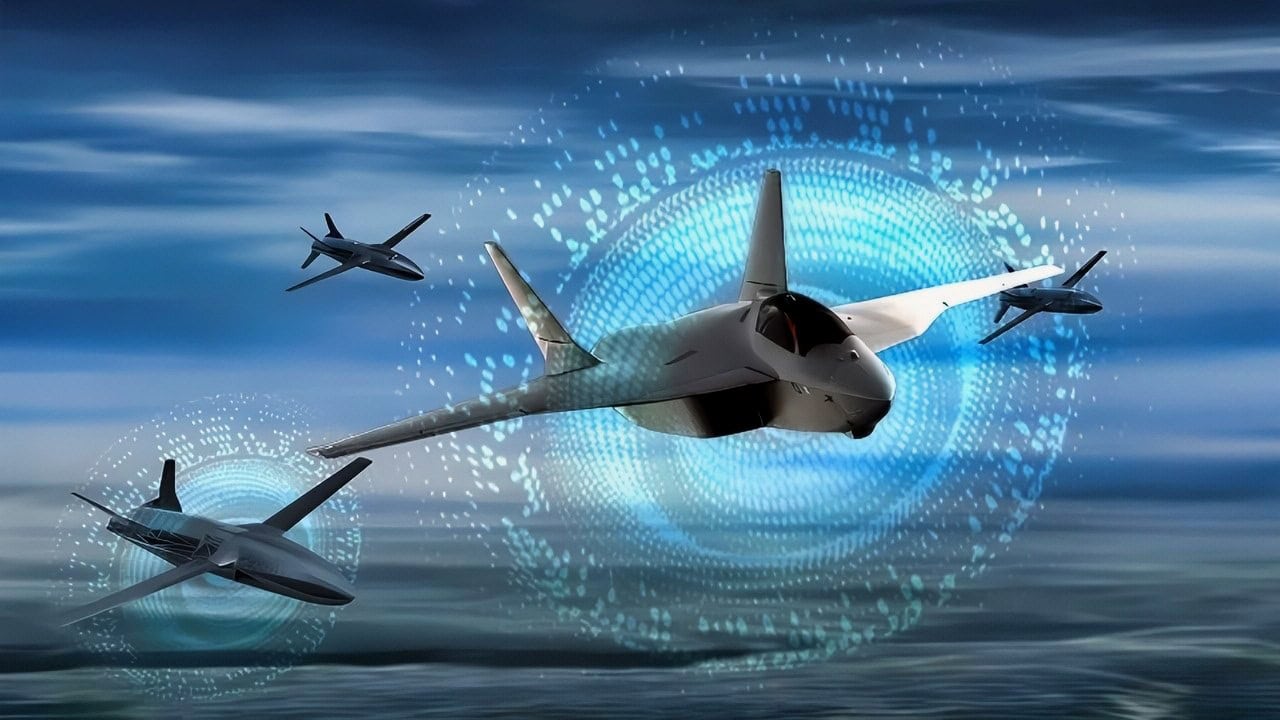
FCAS. Image Credit: Industry Handout.
With the exception of Israel, Middle Eastern countries have been locked out of the F-35 program.
But U.S. President Donald Trump trumpeted the sale of 48 F-35s to Saudi Arabia late last year. Whether that deal comes to fruition remains to be seen, given the United States policy of ensuring Israel’s qualitative edge in the region.
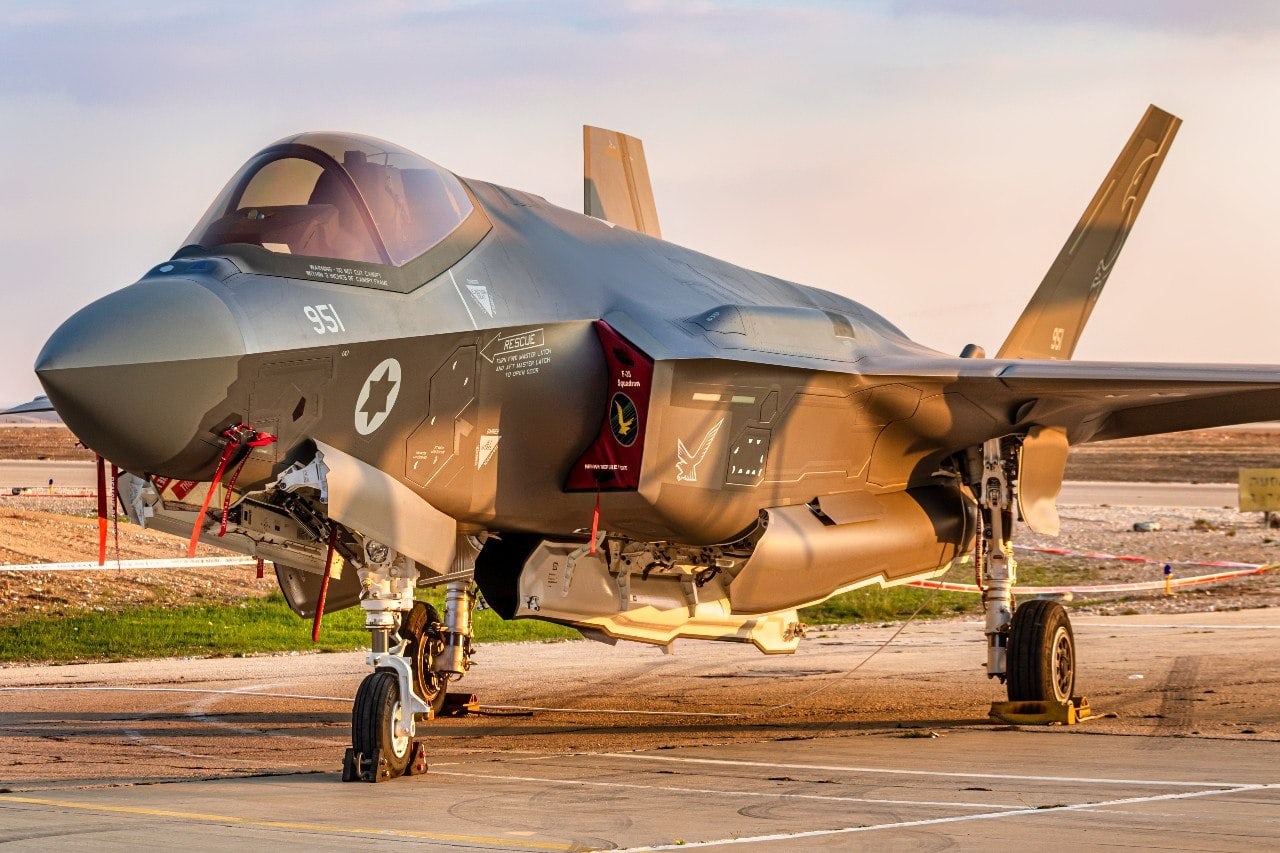
F-35I Adir from Israel. Image Credit: Creative Commons.
Other Sales
In June of last year, Indonesia inked a deal with Turkey for 48 Kaan fighters. That agreement, valued at $10 billion, was Turkey’s largest-ever export deal. Azerbaijan and Qatar also are reportedly interested in acquiring the Turkish fighter.
When Saudi Arabia receives its Kaan fighters is a matter of debate. The Turkish Air Force is slated to receive its first Kaan jets sometime between 2030 and 2033. One potential hiccup could be the Kaan’s engines.
Though the jet made its maiden flight in 2024, it was powered by a pair of General Electric F110‑GE‑129 engines, and the U.S. Congress blocked the export of those engines to Turkey.
A made-in-Turkey alternative could alleviate this bottleneck but is unlikely to rival GE’s power plants in performance or reliability.
About the Author: Caleb Larson
Caleb Larson is an American multiformat journalist based in Berlin, Germany. His work covers the intersection of conflict and society, focusing on American foreign policy and European security. He has reported from Germany, Russia, and the United States. Most recently, he covered the war in Ukraine, reporting extensively on the war’s shifting battle lines from Donbas and writing on the war’s civilian and humanitarian toll. Previously, he worked as a Defense Reporter for POLITICO Europe. You can follow his latest work on X.