
Summary and Key Points: Early coverage framed North Korea’s role in Ukraine as a manpower story—thousands of troops in Russia’s Kursk region and fears of costly infantry assaults.
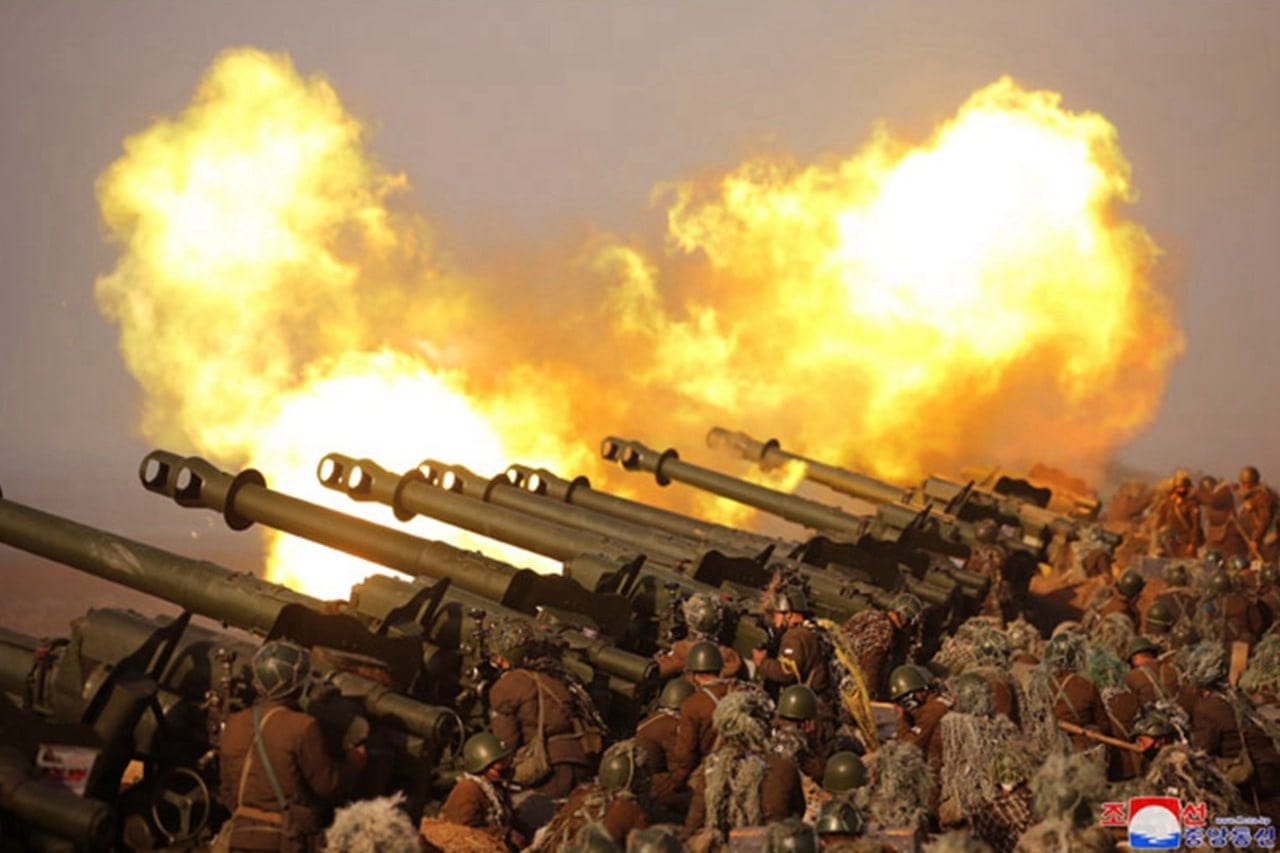
-The bigger impact, though, is industrial and logistical. DPRK support is described as millions of artillery shells, rocket ammunition, missiles, and associated systems that help Russia sustain high-volume fires in an artillery-dominant war.
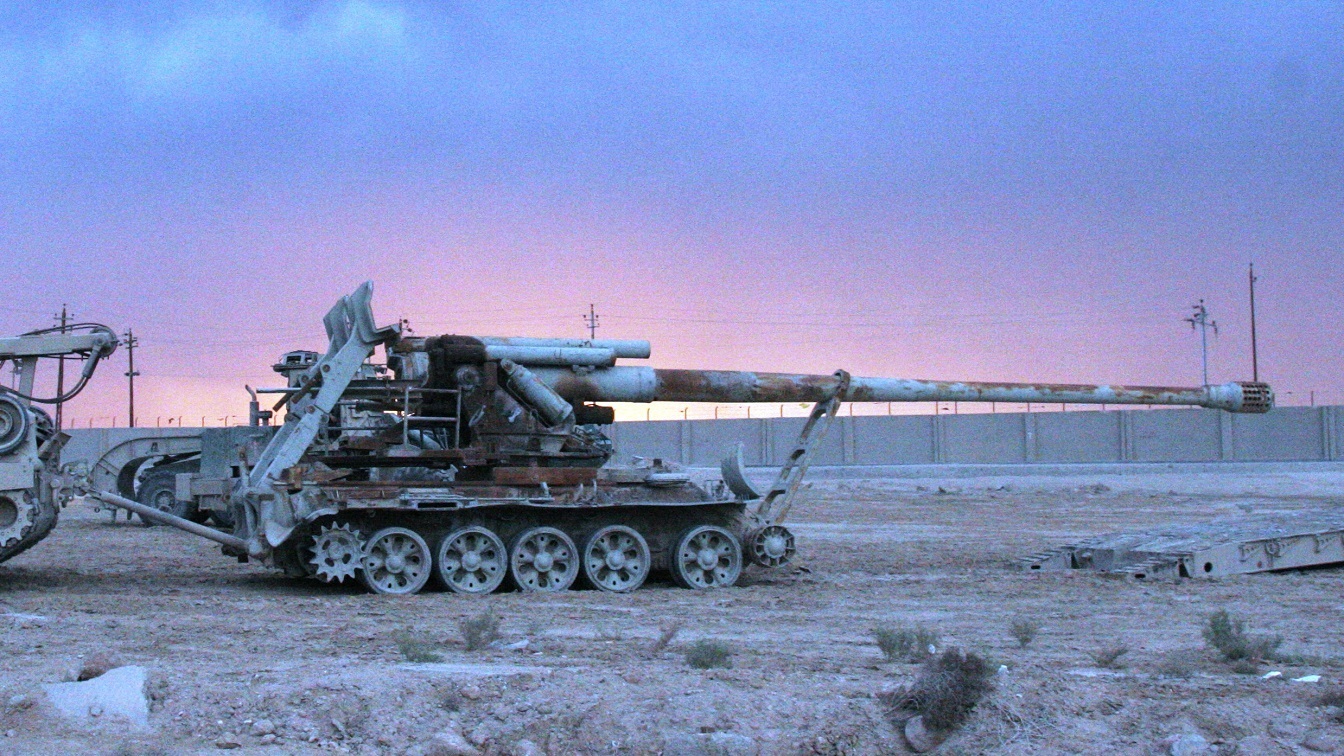
U.S. Marines assigned to Regimental Combat Team 1 use an M-88A2 Hercules recovery vehicle to remove a damaged Iraqi self-propelled artillery piece from the Al Anbar University campus in Ramadi, Iraq, Nov. 29, 2008, during a tank removal mission. Marines are removing the tank as part of the ongoing effort to rebuild Iraq and beautify the country. (U.S. Marine Corps photo by Lance Cpl. Albert F. Hunt/Released)
-Over time, DPRK personnel have reportedly shifted from infantry-heavy tasks toward drone reconnaissance and artillery support, acting more like force multipliers than shock troops.
-Pyongyang also benefits by testing weapons, gaining combat experience, and building a training pipeline as veterans rotate home. In an attritional fight, shells and supply chains can matter more than soldiers.
North Korea Isn’t Changing the Front Line in Ukraine—It’s Sustaining Russia’s Firepower
Early headlines focused on thousands of North Korean infantry deployed to Russia’s Kursk region to assist in the war against Ukraine.
The initial narrative focused on the potential for “human wave” assaults, heavy casualties, and symbol escalation.
But the real impact of North Korea’s presence may not be manpower, but munitions and artillery. Indeed, North Korea’s most consequential contribution to Russia’s war effort is logistical and industrial, rather than tactical infantry performance.
DPRK to Ukraine
Roughly 11,000 North Korean troops were deployed to Kursk in late 2024. The purpose of the deployment was to help Russia reclaim territory lost to a Ukrainian cross-border incursion. The DPRK troops were initially employed in assault operations, trench clearing, and infantry-heavy attacks. Reports suggest the DPRK suffered heavy casualties early on.
Tactically, DPRK troops have reportedly transitioned into drone reconnaissance roles, artillery operations, and multiple rocket launcher employment, and are now functioning as more of a force multiplier rather than shock troops. This indicates Russian adaptation after poor early performance.
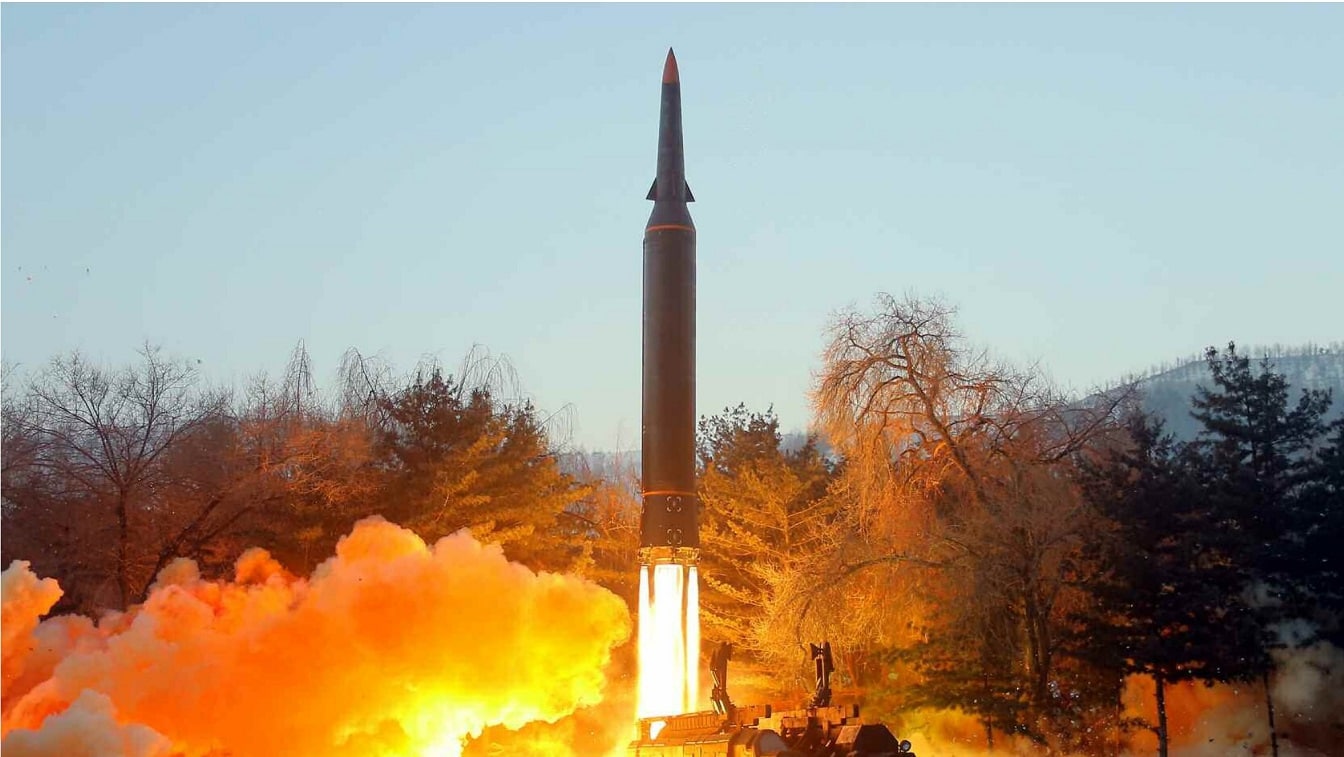
North Korea’s New Hypersonic Missile. Image Credit: KCNA/North Korean State Media.
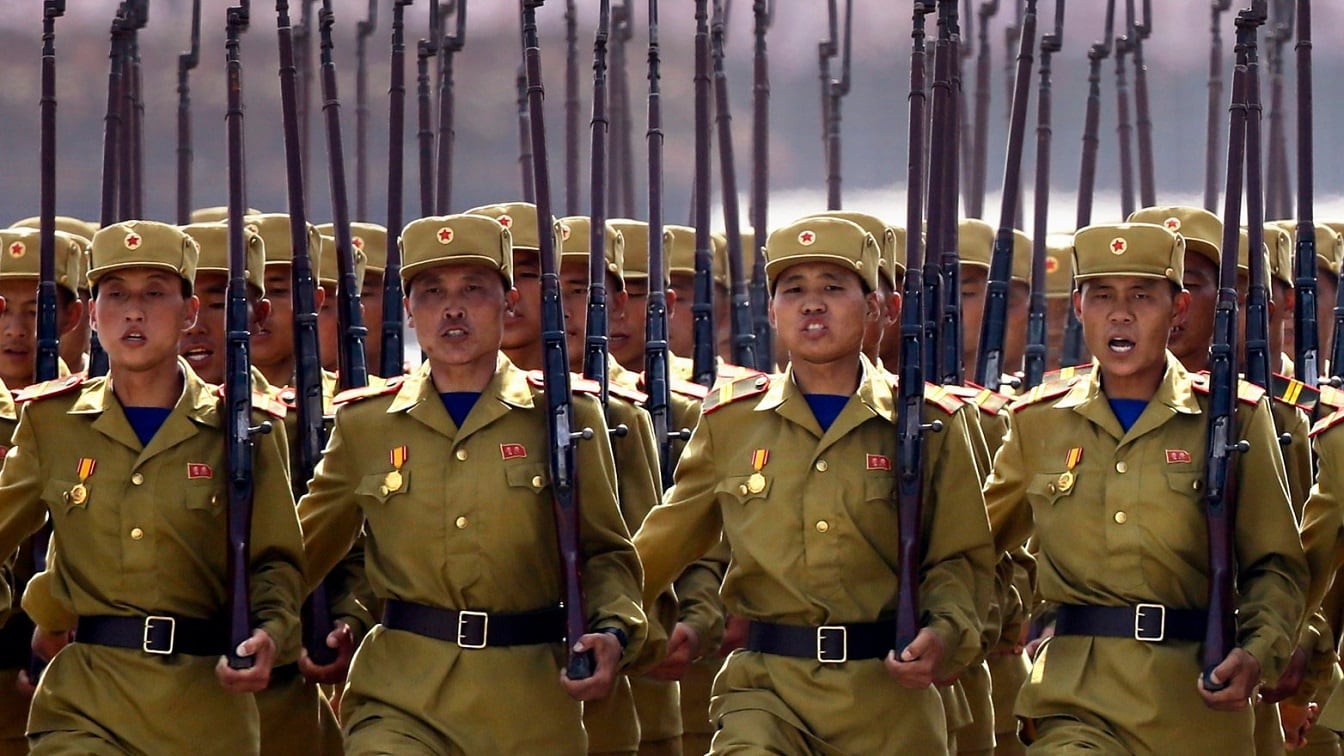
North Korean Military. Image Credit: Creative Commons.
Artillery Shell Supply
The DPRK has reportedly supplied millions of artillery shells, multiple rocket launcher ammunition, associated cannons and launch systems, ballistic missiles, and anti-tank weapons. This is a massive contribution to the industrially hampered Russians. And for Ukraine, the DPRK-facilitated pressure is significant; Ukraine’s largest DPRK-related operational threat remains sustained artillery pressure, not small numbers of foreign infantry.
Artillery matters more than infantry because the war in Ukraine remains artillery-dominant. Firepower density often determines attrition rates, defensive stability, and operational momentum. Shell shortages have periodically constrained both sides. DPRK stockpiles enable Russia to sustain high-volume fires, offset Western sanctions, and maintain operational tempo despite industrial strain.
DPRK Benefits, Too
DPRK personnel reportedly operate reconnaissance drones as well. The drones are used to identify targets, adjust artillery fire, and conduct ISR missions. This suggests ongoing knowledge transfers from Russia to Pyongyang. The DPRK benefits strategically here by gaining combat experience, effectively establishing a training pipeline.
The DPRK also gets to test its munitions under battlefield conditions and to achieve closer military alignment with Russia. DPRK troops, having experienced combat, are reportedly rotating home to serve as instructors. So, the DPRK is benefiting from its participation in Ukraine, too, by gaining exposure to modern drone warfare and integrated artillery-drone targeting cycles.
Casualties and Strain
Western intelligence estimates that the DPRK has sustained thousands of casualties—these are significant losses relative to deployment size. Yet, Pyongyang appears willing to absorb costs for long-term gains. Britain estimates Russia, meanwhile, has suffered approximately 1.2 million casualties overall, meaning the combined casualty totals for the two nations are quite high.
Russia’s war economy has slowed and strained under pressure. DPRK munitions have helped plug output gaps. Artillery imports reduce the pressure on Russia’s production lines.
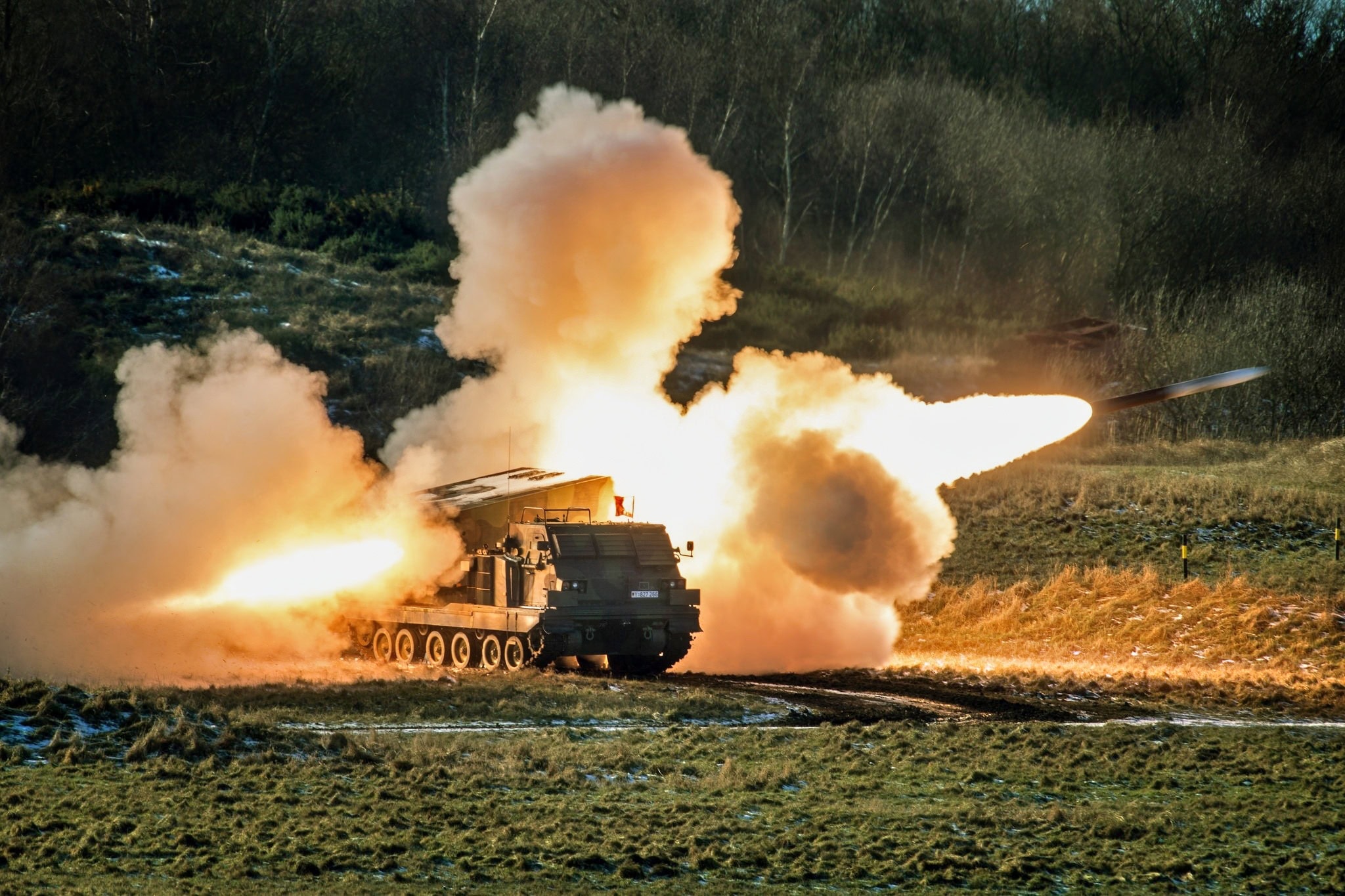
Artillery Attack. Image Credit: Creative Commons.
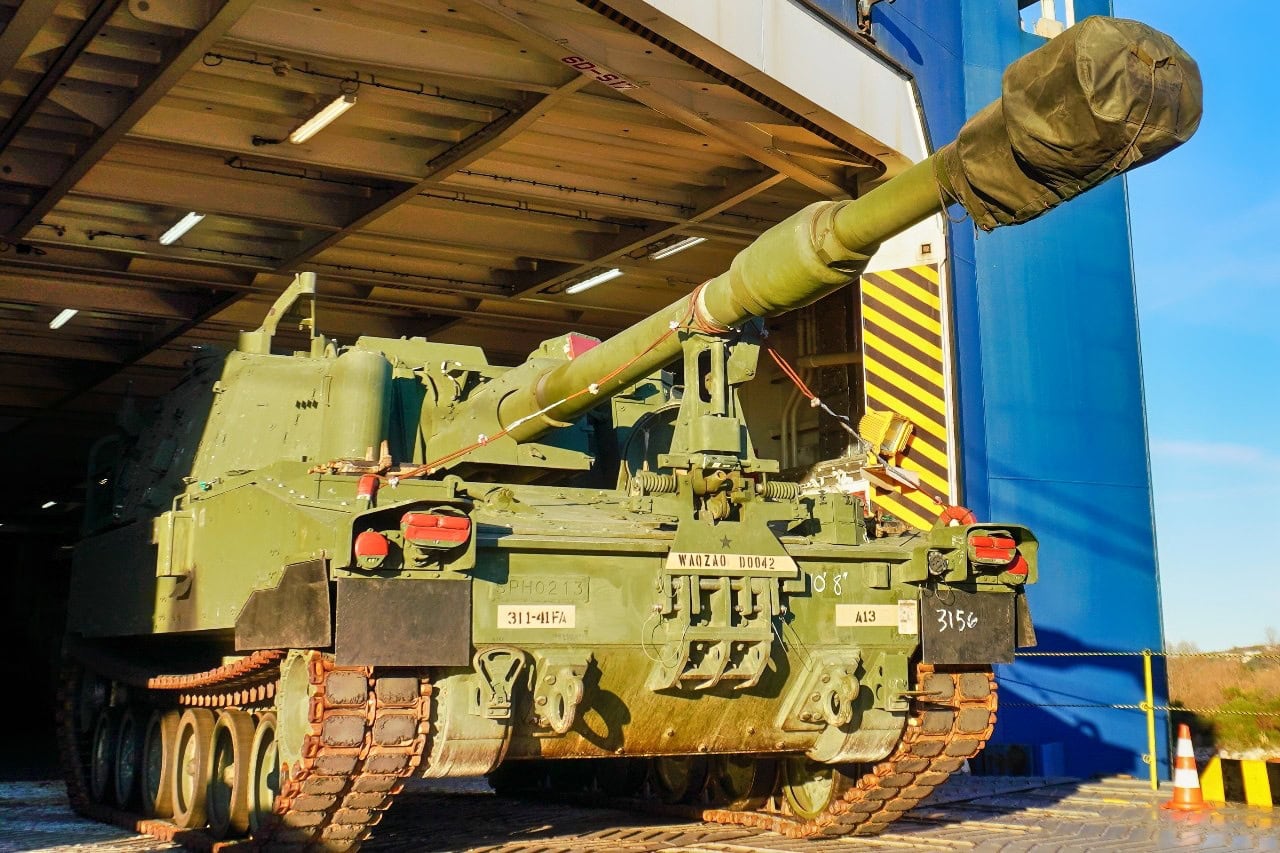
A U.S. M109 Paladin howitzer drives off the vessel Liberty Peace during offloading operations at the port of Koper, Slovenia on December 28, 2024. This Reception, Staging, and Onward Movement (RSOM) operation in the port of Koper is bringing in 1-3ID, the next Regionally Aligned Force (RAF), into the European Theater. These forces will be then transported by the 21st Theater Sustainment Command to their forward operating sites across NATO where they will conduct interoperability training with Allies and partners. The intent of these RAFs is to assure our allies and deter all adversaries.
But the expansion of Russia-DPRK cooperation likely violates UN Security Council resolutions and represents the deepening of military cooperation between two heavily sanctioned states. Overall, this coordination signals erosion of sanctions enforcement mechanisms.
Operational Impact
The DPRK forces are reportedly firing into Ukrainian border communities, while a continued rotation of troops suggests a sustained presence. DPRK artillery is helping stabilize the Russian defensive posture in contested areas.
More broadly, DPRK involvement is less significant for immediate battlefield transformation and more about sustaining attritional warfare and extending Russia’s ability to fight a long war. The DPRK serves as an ammunition supplier, an auxiliary training partner, and a strategic spoiler.
Imbalance in Ukraine
Ukraine’s biggest vulnerability remains an artillery imbalance. Western ammunition supply delays amplify this challenge. And DPRK shipments complicate Ukraine’s counter-battery fight. In sum, the DPRK deployment matters less for infantry shock value—it matters more for sustaining Russian firepower.
In a war defined by artillery and drones, shells are more decisive than soldiers. Pyongyang’s involvement underscores a harsh truth: modern war is won not just by troops but by production capacity. DPRK involvement illustrates how the conflict in Ukraine has become a test of industrial endurance as much as battlefield maneuver. Infantry deployments grab headlines, but artillery stockpiles shape outcomes.
The war’s center of gravity increasingly lies in production lines, supply chains, and ammunition depots. And by supplying shells, rockets, and missiles, Pyongyang is helping Moscow prolong a grinding attritional fight.
About the Author: Harrison Kass
Harrison Kass is an attorney and journalist covering national security, technology, and politics. Previously, he was a political staffer and candidate, and a US Air Force pilot selectee. He holds a JD from the University of Oregon and a master’s in global journalism and international relations from NYU.