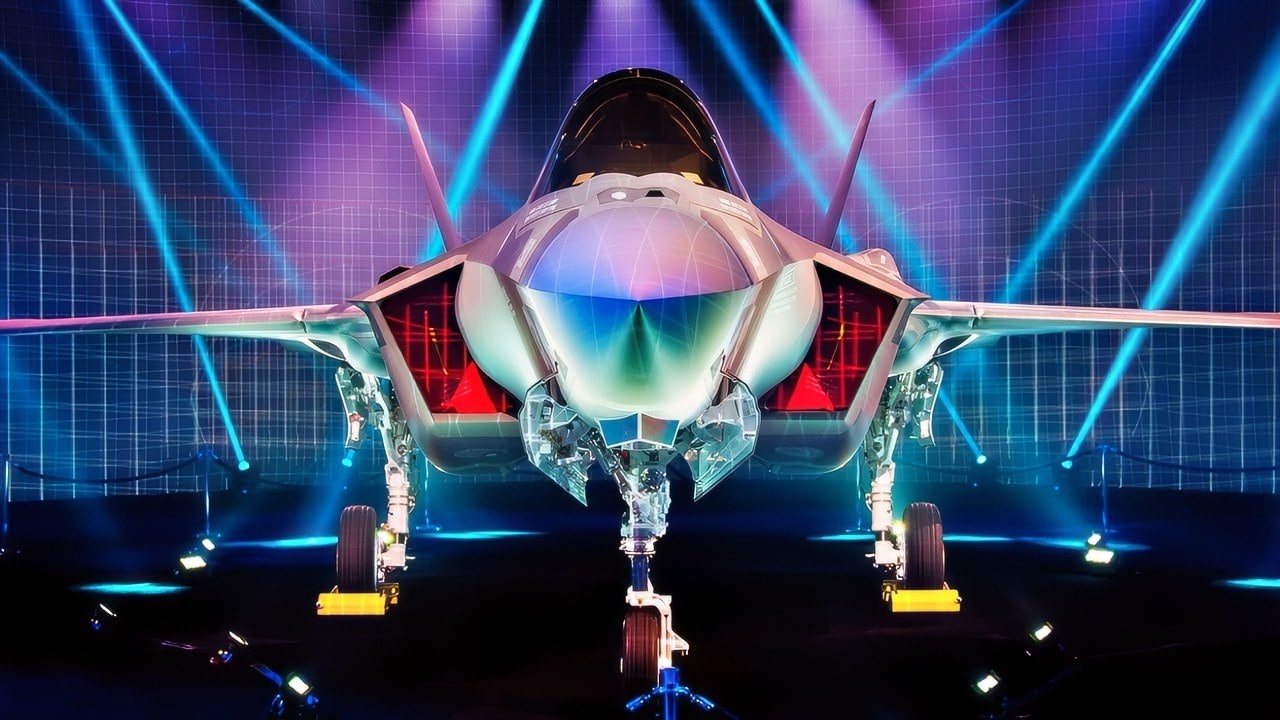
Summary and Key Points: Kris Osborn, President of Warrior Maven and former Pentagon acquisition expert, evaluates the Israeli Air Force (IAF) and its specialized F-35, the F-35I Adir.
-Engineered with indigenous IDF electronic warfare (EW) and command-and-control networks, the Adir is specifically tailored to “jam” and “disable” Iranian-made air defense systems.
-This 19FortyFive report analyzes the integration of the BAE-built AN/ASQ-239 system alongside Israeli-made jamming pods and guided munitions, exploring how frequency hopping and advanced sensor fusion allow Israel to neutralize mobile ballistic missile launchers and asymmetric threats from Hezbollah and Hamas.
-In 2 Words: Custom F-35
Stealth vs. Asymmetry: Why the F-35I is the Ultimate Deterrent Against Hezbollah and Iran
Israel specifically modifies the Israeli Defense Forces’ F-35i Adir 5th-generation aircraft to address known regional threats, such as Iran. The F-35 Adir is engineered with indigenous IDF technology, likely tailored to counter Iranian threats.
This adaptation includes electronic warfare (EW) technologies well-positioned to identify and “jam” or “disable” the radar and RF signals of Iranian Air Defense Systems. The Israeli Defense Forces have indigenously built and adjusted technologies such as separate “jamming pods,” EW weapons systems, guided bombs, and air-to-air missiles.
There are several possible reasons for this, as the U.S. and allied-produced F-35 is certainly engineered with a cutting-edge, capable suite of EW weaponry. Perhaps some proprietary Israeli-based EW technologies inspired the Israeli Air Force to integrate its own system and weaponry.
A tailored EW system might make sense for Israel, given the nature of the threats it might be likely to face. For example, many of Israel’s regional threats, such as Iran or militant groups such as Hamas and Hezbollah, would of course not present an air threat to Israel in terms of aircraft.
An F-35-armed Israeli Air Force would not need to fight for air supremacy against regional threats; however, it would likely benefit greatly from advanced EW sufficient to jam the electronics and guidance systems of any ground-fired anti-aircraft weapons.
F-35I Adir vs. Regional Threats
Iran, for example, claims to have the ability to intercept, jam, or take down drones with an EW system and shot down a U.S. Navy BAMS-D Global Hawk variant several years ago.
In the realm of EW, many of the specifics are likely not available for security reasons, yet the U.S. F-35 is reported to operate with an extremely advanced EW system.
Cutting-edge EW systems can discern and “deconflict” the spectrum to identify hostile or threatening frequencies and RF signatures, establish a “line of bearing,” and jam or disable enemy communications or weapons guidance systems.
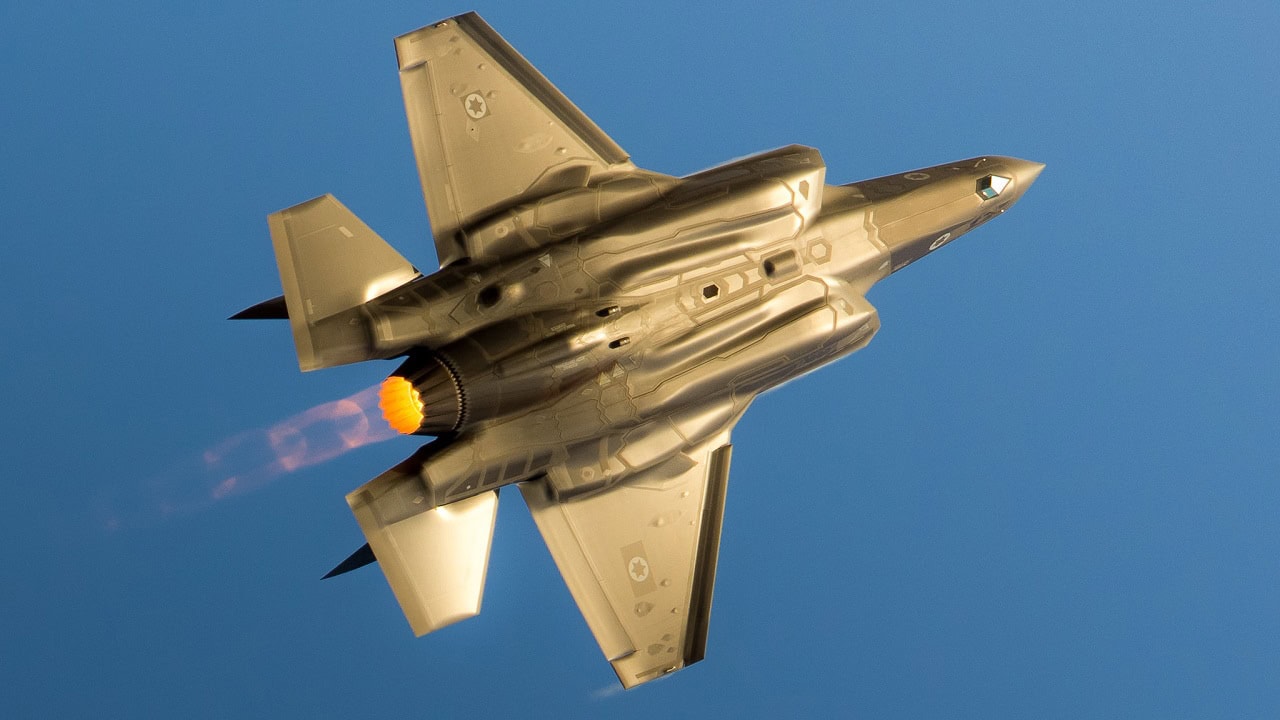
F-35I Adir. Image Credit: Creative Commons.
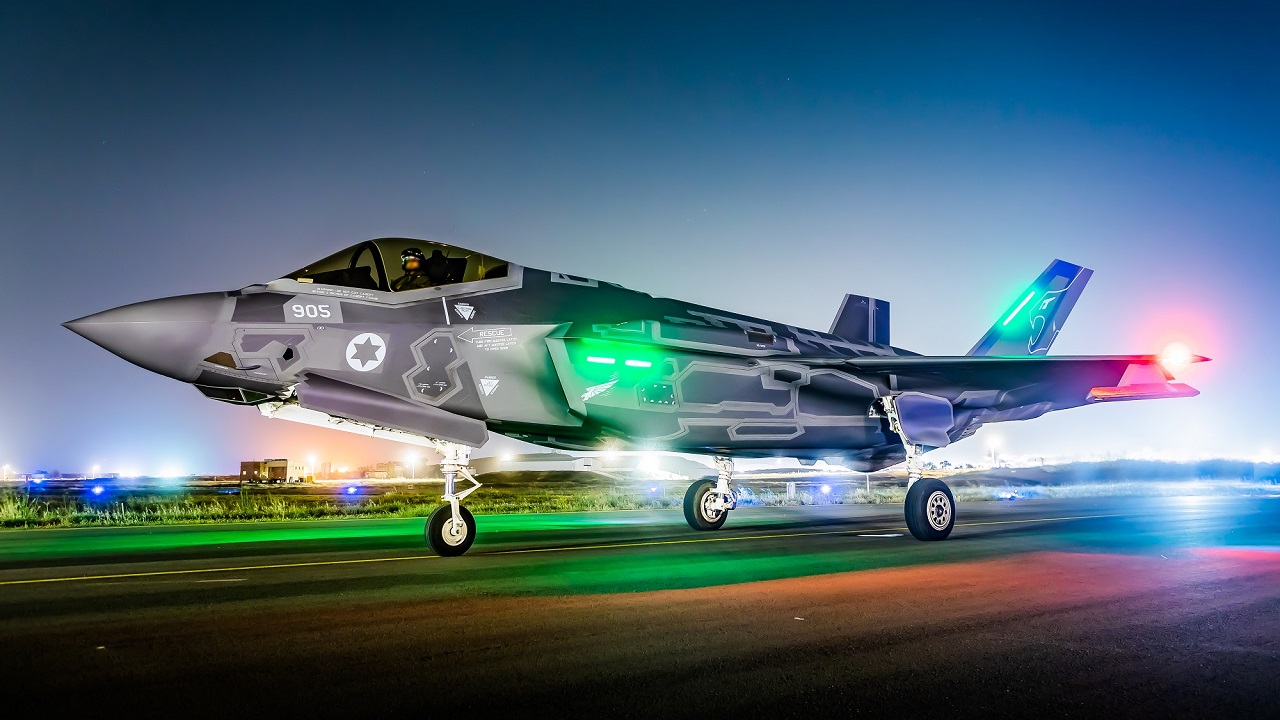
F-35I Adir serving in Israel’s Air Force. Image Credit: Creative Commons.
The F-35A now operates with a BAE-built AN/ASQ-239 EW system, which its developers say introduces 360-degree detection, greater ranges and signal fidelity, and advanced countermeasures.
EW Jams Air Defenses
Advanced EW systems can simultaneously operate on or even jam multiple frequencies, accurately discern threats and signals, and enable key countermeasures such as frequency hopping. Frequency hopping is an interesting technology wherein an EW system is engineered to essentially “counter” a countermeasure.
For instance, if an EW signal or RF-reliant weapons guidance system is jammed or attacked by an enemy, frequency hopping would enable the offensive EW systems to continue operating by “hopping” to another frequency to avoid interference.
Israel likely has its own adaptations of advanced EW technology tailored to the kinds of threats it expects in the region, such as Iranian air defenses or electronic guidance systems used in weapons fired by Israel’s regional adversaries. In 2024, Israel signed a deal with the United States to purchase an additional 25 F-35 stealth fighters for $3 billion, Bulgarianmilitary.com states.
While the Israeli Defense Forces certainly have the firepower necessary to project power throughout the world, it makes sense that the country primarily focuses on the regional threats posed by Iran, Hamas, Hezbollah, and other terrorist actors.
This is precisely why Israel has developed the connectivity required to address asymmetric threats by modifying its F-35 variant to accommodate regional command-and-control networks and high-tech data links.
Asymmetrical Threats: F-35I Adir Ready for Battle
Israel requires a strong military force capable of deterring its hostile neighbors. However, due to the asymmetrical threats Israel faces, it must deter more than just ground attacks. Terrorist groups and Iranian-backed militias pose unique threats that are much different than those posed by conventional forces.
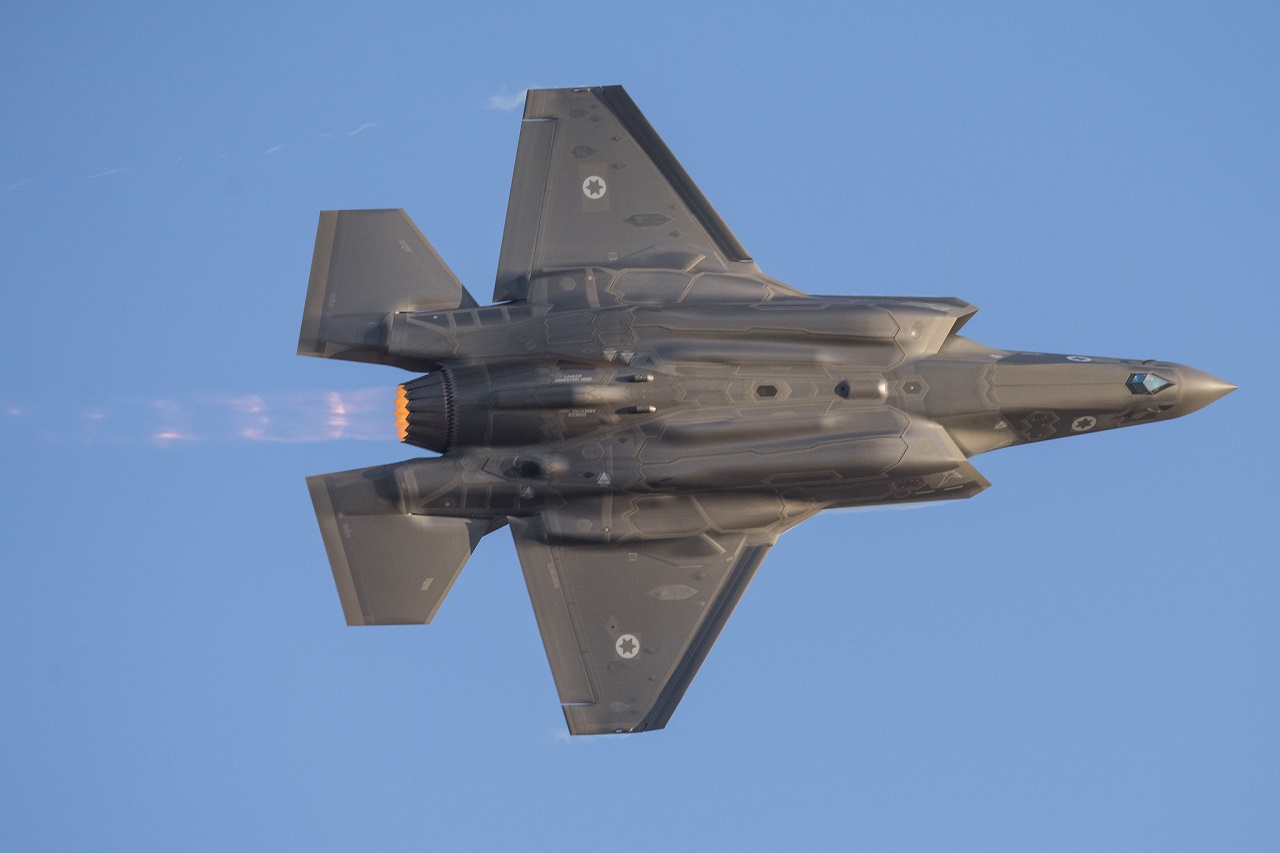
F-35I Adir. Image Credit: IDF Flickr Page.
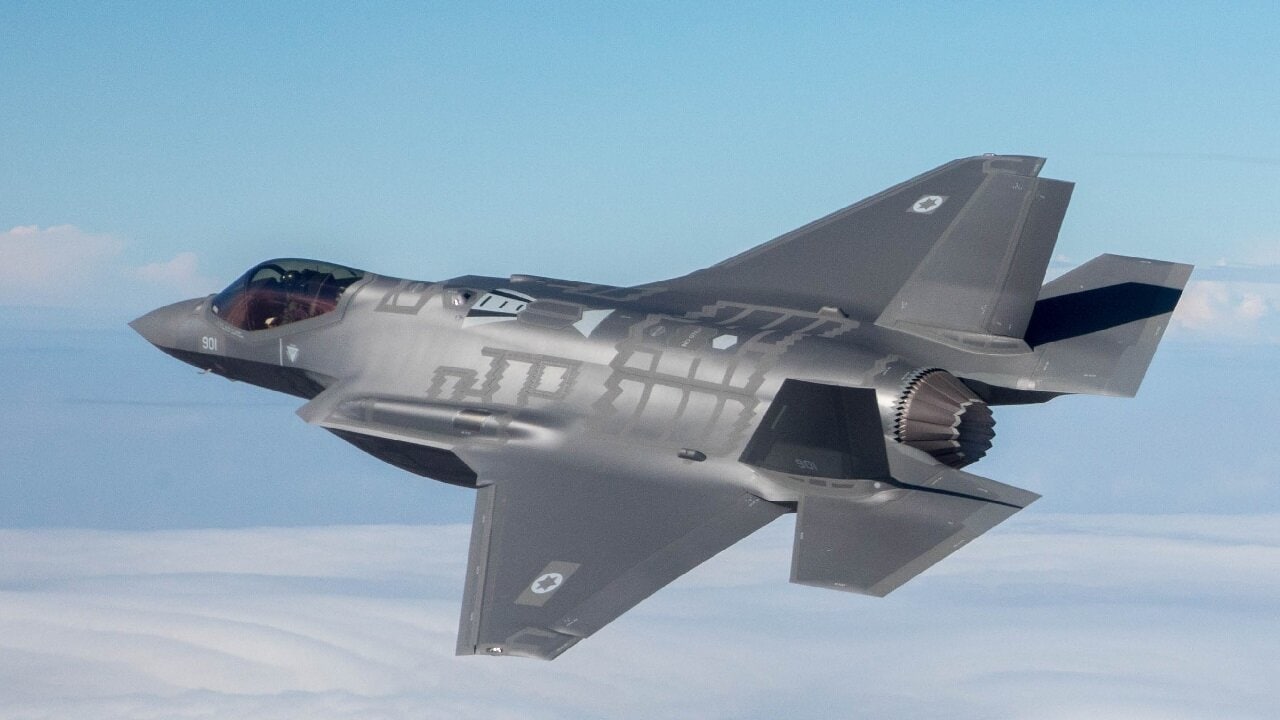
Israeli Air Force F-35I Adir stealth multi-role fighter.
This environment includes the risk of being targeted by mobile ballistic missile launchers from Iran or shorter-range rockets from Lebanon and Gaza.
Fortunately, the offensive strike capabilities of the F-35 enable Israel to neutralize these asymmetric threats without relying solely on a defensive posture.
About the Author: Kris Osborn
Kris Osborn is the President of Warrior Maven – Center for Military Modernization. Osborn previously served at the Pentagon as a highly qualified expert in the Office of the Assistant Secretary of the Army—Acquisition, Logistics & Technology. Osborn has also worked as an anchor and on-air military specialist at national TV networks. He has appeared as a military expert on Fox News, MSNBC, The Military Channel, and The History Channel. He also has a Master’s Degree in Comparative Literature from Columbia.