
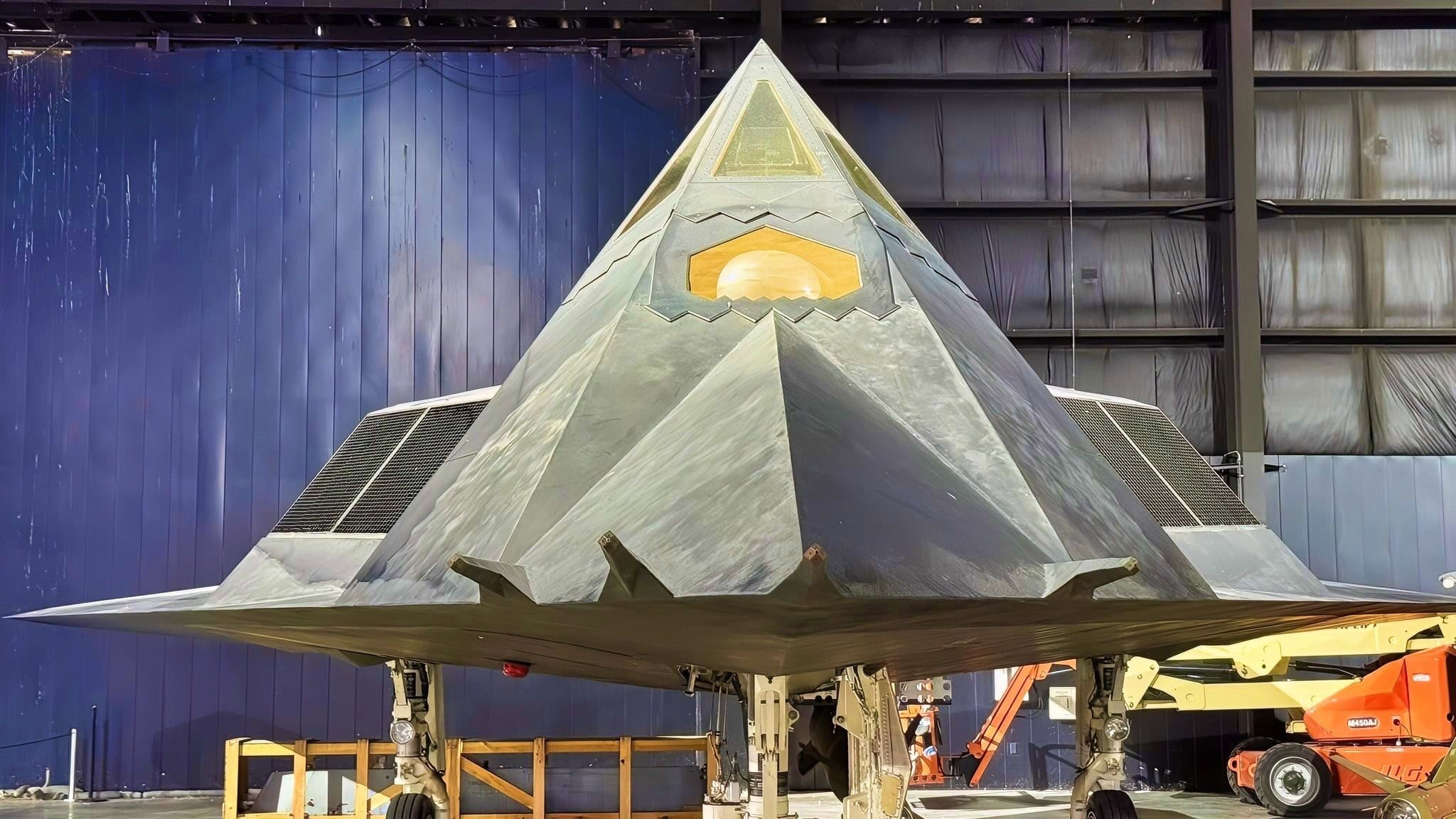
Summary and Key Points: The Lockheed F-117 Nighthawk, developed in total secrecy by Skunk Works, was the world’s first operational stealth aircraft.
-Its radical, faceted design prioritized low observability over aerodynamics, requiring fly-by-wire systems to remain stable.
-A defining 1982 incident at Area 51—where test pilot Tom Morgenfeld safely landed a developmental jet without its nose wheel—demonstrated the platform’s surprising resilience during its high-risk testing phase.
-Proving its worth during the Gulf War by penetrating Baghdad’s dense air defenses, the “Wobblin’ Goblin” established the blueprint for all future stealth platforms, including the F-22 Raptor and the B-21 Raider.
Not a Fighter: Why the “F” in F-117 Nighthawk Was the Air Force’s Biggest Secret
The F-117A Nighthawk was the world’s first operational stealth aircraft, a radical departure from traditional fighter design.
Developed in secrecy at Area 51, it redefined air combat by prioritizing radar evasion over speed or maneuverability.

F-117
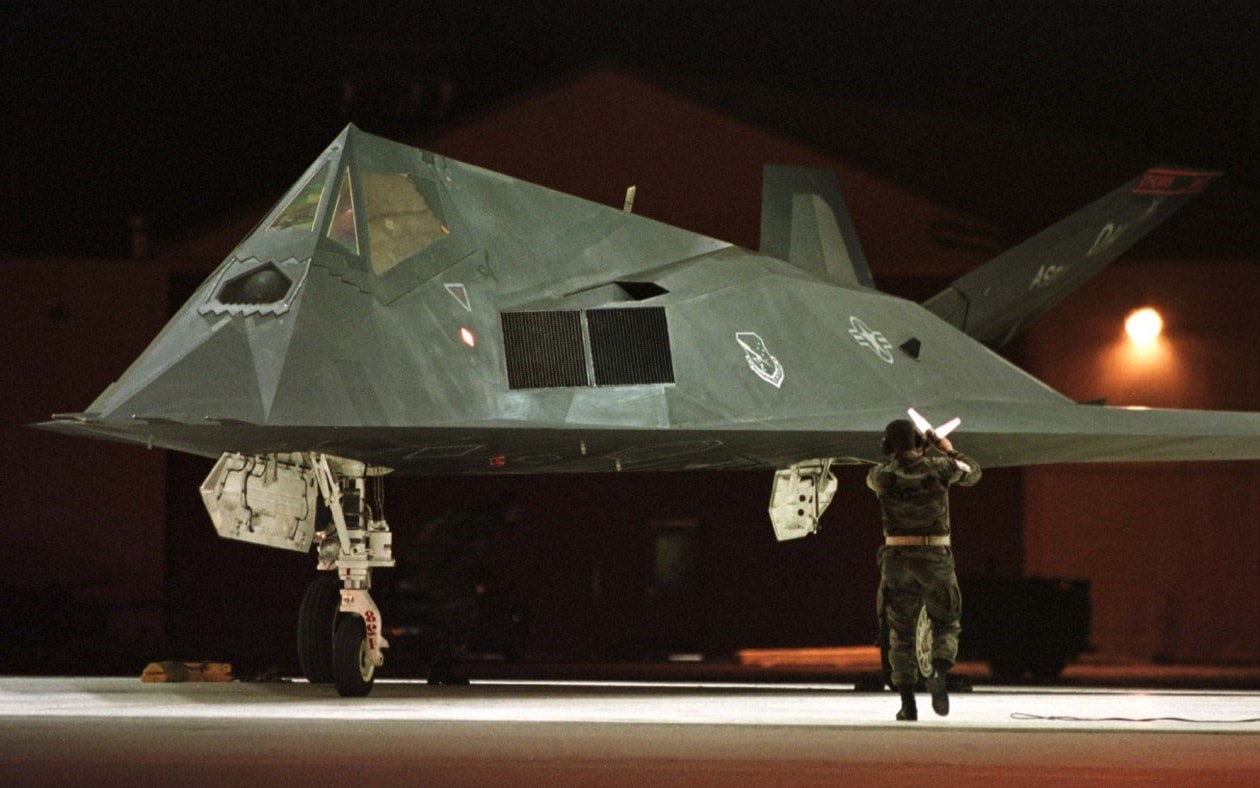
F-117 Stealth Fighter. Image Credit: US Government.

An F-117 Nighthawk taxies down the runway after landing Jan. 11 at Kunsan Air Base, Republic of Korea. A squadron of F-117s, together with 300 Airmen, have deployed here in support of a continuing force posture adjustment throughout the Pacific. The aircraft, assigned to the 9th Expeditionary Fighter Squadron, is part of the third squadron of Kunsan AB’s host unit, the 8th Fighter Wing, during the deployment’s duration. (U.S. Air Force photo/Senior Airman Darnell Cannady)
However, its early years were marked by risk—including a dramatic 1982 incident in which a test pilot lost a nose wheel on takeoff and still landed the aircraft safely.
The episode highlights both the fragility—and audacity—of early stealth aviation.
Building the F-117
By the 1970s, Soviet radar and integrated air defense systems (IADS) had become dense and lethal.
Traditional strike aircraft relied on speed, altitude, or jamming. However, losses in Vietnam demonstrated the limits of this approach, prompting the US Air Force to adopt a new tactic: a platform capable of penetrating defended airspace, striking high-value targets, and avoiding radar detection entirely. With recent advancements in radar cross-section modeling and materials science, such a platform seemed feasible.
In 1978, Lockheed Skunk Works was awarded a contract to build what would become the F-117.
The development cycle was remarkably fast, with a first flight occurring in 1981. The jet’s faceted design was derived from mathematical models of radar reflection, which worked well for low observability—but resulted in an aircraft that was aerodynamically unstable, requiring a fly-by-wire system just to stay airborne. Internal weapon bays were added to preserve the stealth profile.

An F-117 Nighthawk lands at the Fresno Yosemite International Airport, Sept. 15, 2021, after conducting a training mission with the local Air National Guard unit. Two F-117 Nighthawks are participating in dissimilar air combat training missions this week along with F-15 pilots from the 144th Fighter Wing in Fresno, Calif. (U.S. Air National Guard photo by Capt. Jason Sanchez)
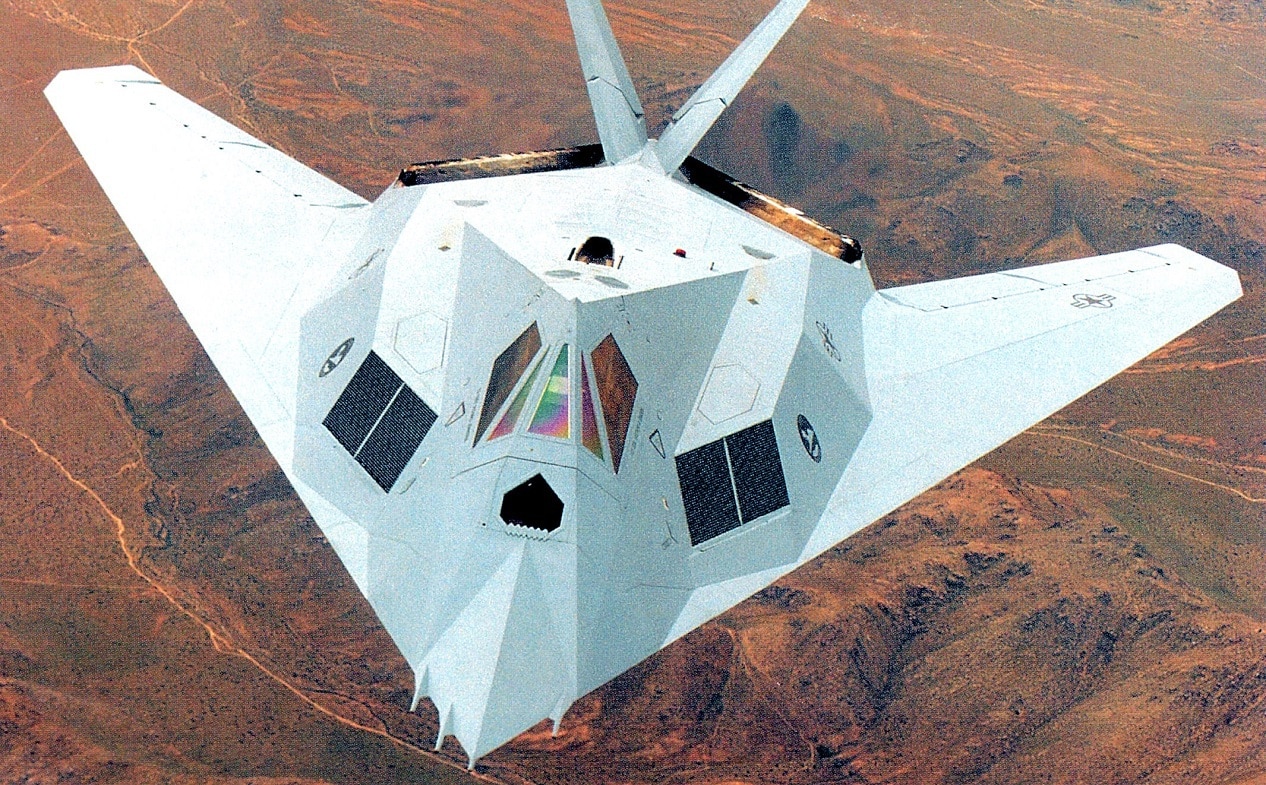
F-117 Stealth Fighter. Image Credit: Creative Commons.
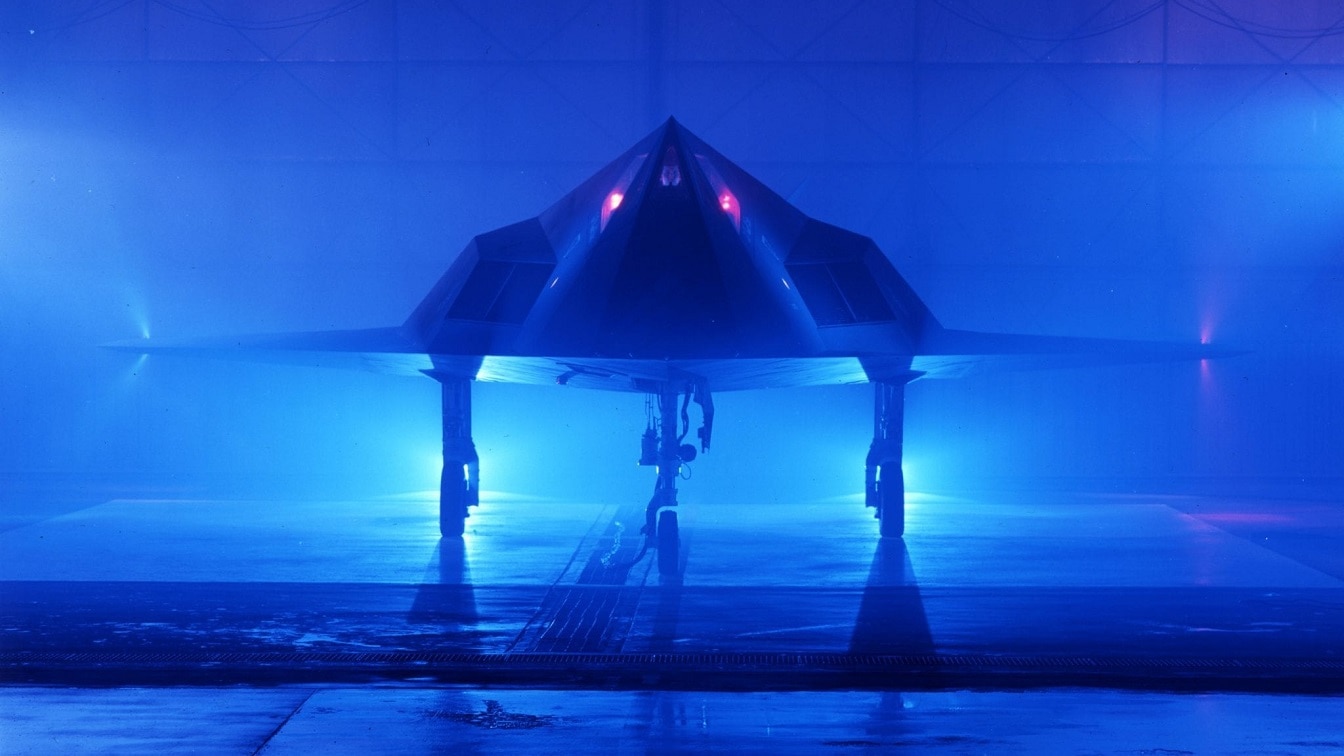
F-117. Image Credit: Lockheed Martin.
The finished product wasn’t a dogfighter—not in the slightest—but strictly a precision strike platform (despite the “F” designation). The F-117 represented a major breakthrough in stealth technology. However, the platform wasn’t invisible; it had a markedly reduced RCS, particularly from frontal aspects.
Operational History
The first F-117 delivery was made in 1982, the last in 1990. The platform’s combat debut was in 1989 in Panama, but the real coming-out party was the Gulf War in 1991, where the F-117 proved capable of striking heavily defended targets in Baghdad with minimal losses. The platform was retired in 2008, although some airframes remain in limited use for testing and aggressor roles to this day.
One notable incident occurred on January 27, 1982, when test pilot Tom Morgenfeld flew full-scale development jet #79-782 from Area 51.
During takeoff, the F-117’s nose wheel detached. Ground controllers advised ejection due to the risk of gear collapse on landing; they believed the bare strut could snag on the runway, leading to a somersault of the aircraft. Landing on a dry lakebed was considered to be equally risky. But Morgenfeld felt differently.
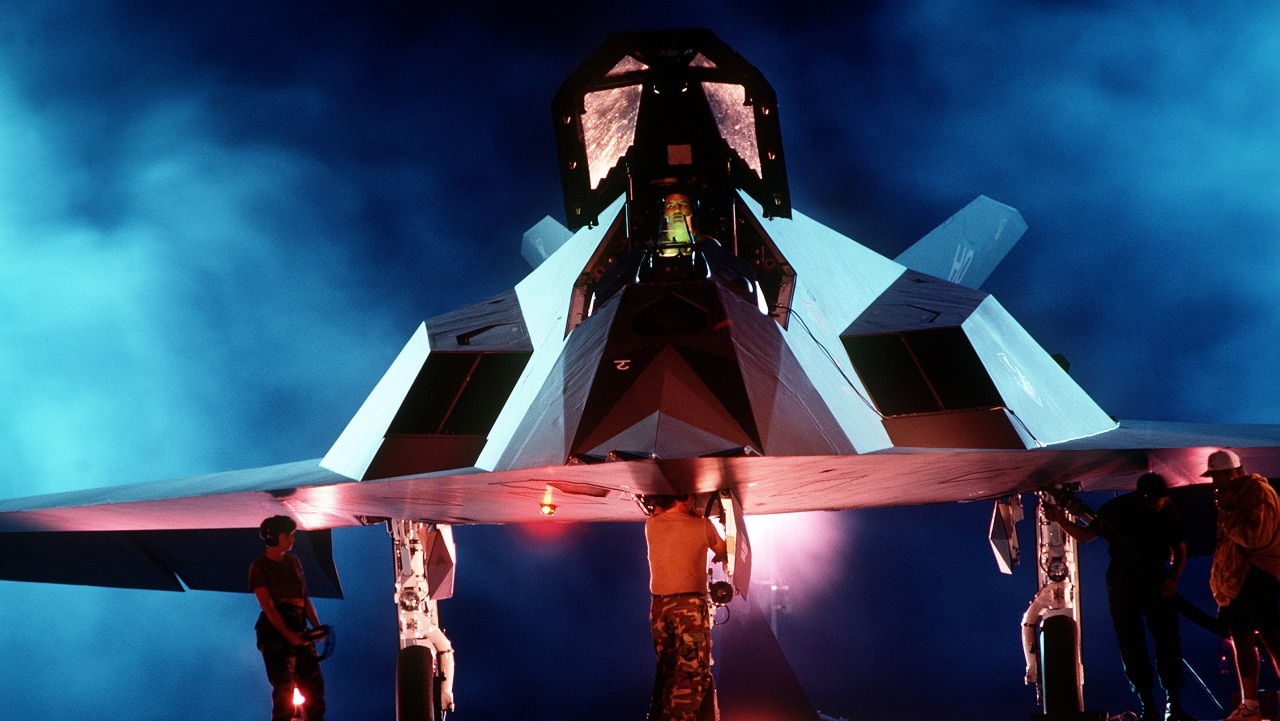
A back lit front view of a F-117A Stealth Fighter aircraft. From Airman Magazine’s February 1995 issue article “Streamlining Acquisition 101”.

Four F-117 Nighthawks fly in formation during a sortie over the Antelope Valley recently. After 25 years of history, the aircraft is set to retire soon. As the Air Force’s first stealth fighter, the F-117 is capable of performing reconnaissance missions and bombing critical targets, all without the enemy’s knowledge. (Photo by Bobbi Zapka)
He chose to keep the gear down, continue the test flight, and burn off fuel. He knew that certain technical factors worked in his favor: the F-117 drag chute produced nose-up pitch; the aircraft exhibited stable tracking characteristics during landing and a low landing speed relative to high-performance fighters. He decided to land the aircraft.
Emergency crews foamed the runway, and after about an hour, the Morgenfeld returned. He landed the aircraft; sparks flew from the nose gear strut, but beyond the strut grinding, only minimal damage was sustained. No somersaults, no explosions. Morgenfeld walked away, and the aircraft was preserved.
Technical Significance
Early stealth aircraft were experimental and unforgiving, with limited redundancy compared to mature fighters.
The nose gear systems are critical components of the landing gear configuration; they provide steering and support. The loss of the nose gear on the new aircraft underscored the need for robust airframe design, the professionalism and skill of early test pilots, and the calculated risk that Skunk Works was willing to take in developing cutting-edge aircraft.
The risk paid off. The F-117 changed air warfare permanently, demonstrating that precision strike, coupled with stealth performance, offered strategic leverage. This enabled first-night strikes and leadership decapitation and the targeting of hardened command centers.
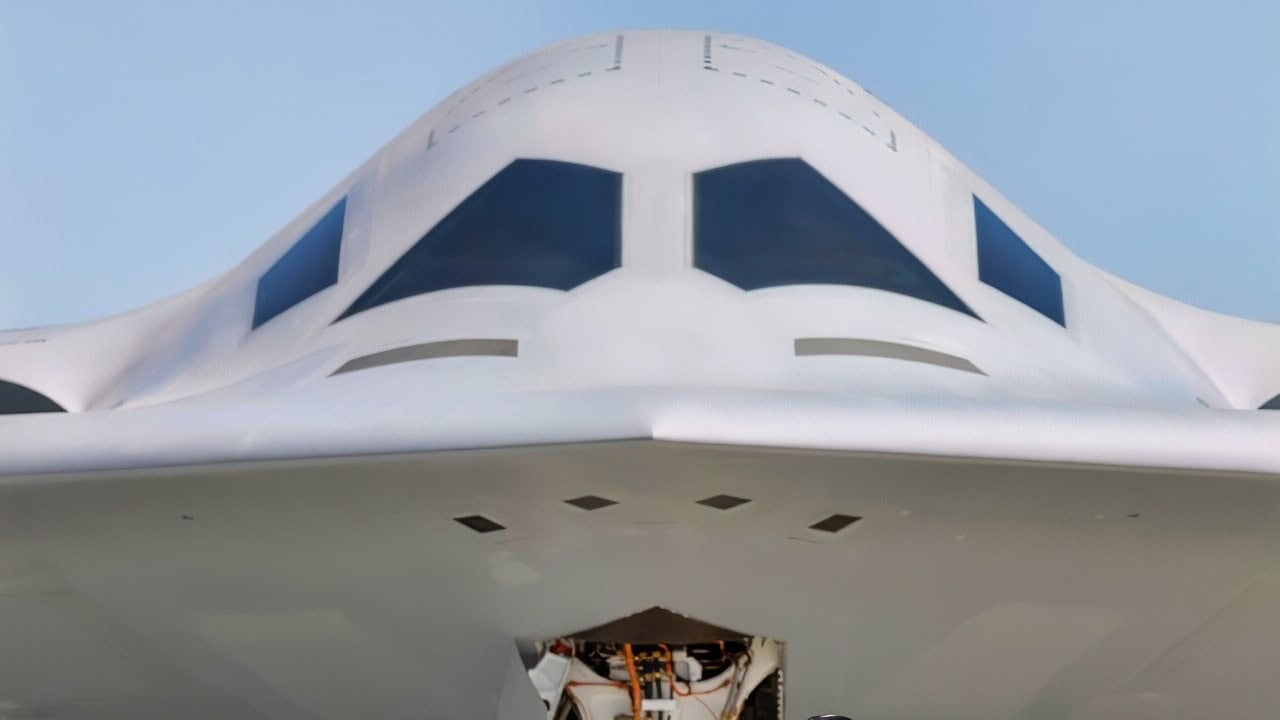
U.S. Air Force Airmen with the 912th Aircraft Maintenance Squadron prepare to recover the second B-21 Raider to arrive for test and evaluation at Edwards AFB, Calif., Sept. 11, 2025. The arrival of a second test aircraft provides maintainers valuable hands-on experience with tools, data and processes that will support future operational squadrons. (U.S Air Force photo by Kyle Brasier)
The concept, proven with the F-117, later informed the development of the B-2 Spirit, F-22 Raptor, F-35 Lightning, and B-21 Raider.
The F-117 represented a doctrinal revolution, trading aerodynamic elegance for radar invisibility. The nose-wheel landing incident highlights the fragility of early stealth innovation, but never discouraged the ongoing pursuit of more advanced technologies.
Today’s fifth-generation fighters owe their lineage to this faceted, angular jet, today a foundational platform of modern air power.
About the Author: Harrison Kass
Harrison Kass is an attorney and journalist covering national security, technology, and politics. Previously, he was a political staffer and candidate, as well as a US Air Force pilot selectee. He holds a JD from the University of Oregon and a master’s in global journalism and international relations from NYU.