
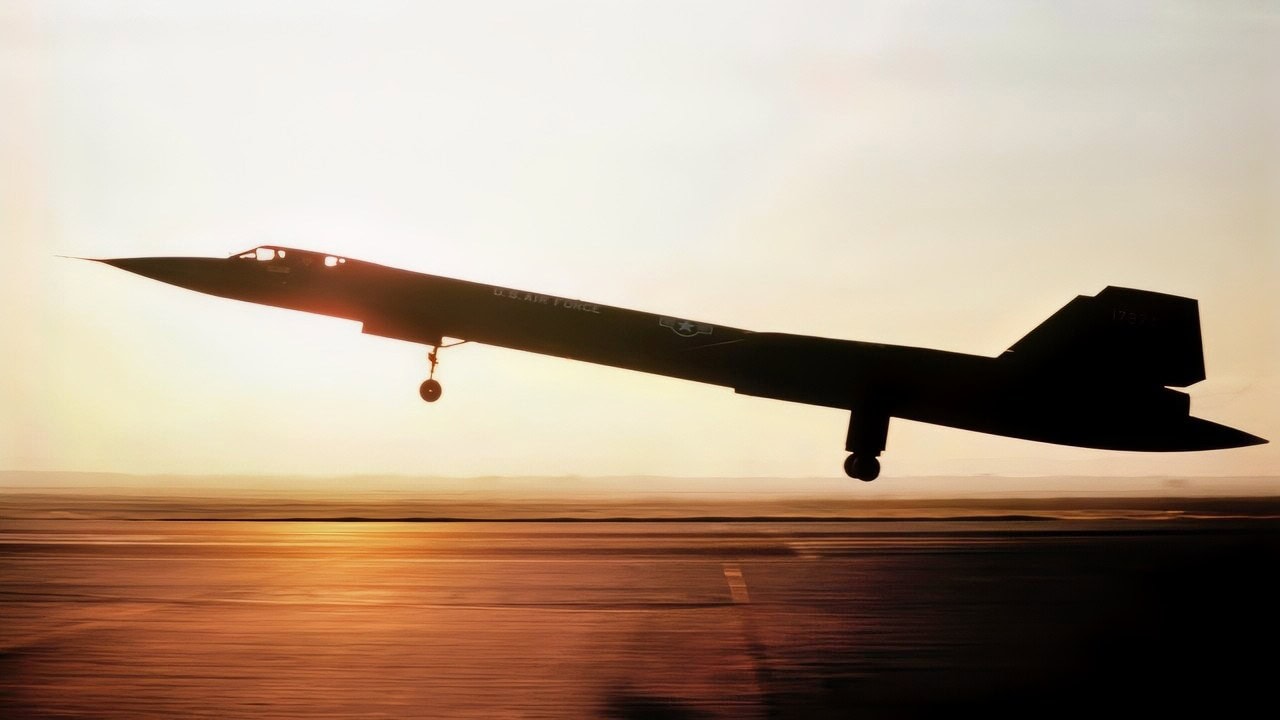
Summary and Key Points: In January 1966, test pilot Bill Weaver survived the impossible: the mid-air disintegration of an SR-71 Blackbird at 78,000 feet while traveling at Mach 3.18.
-During a high-speed turn, an “inlet unstart” caused the aircraft to break apart, literally ripping Weaver from his seat without an ejection sequence.
-While his crewmate, Jim Zwayer, tragically died of a broken neck, Weaver survived the 15-mile fall thanks to his pressurized flight suit, which functioned as a personal escape capsule.
-This survival remains a definitive case study in 2026 regarding the limits of human endurance and aerospace engineering.
Beyond Ejection: The Survival Secret That Saved an SR-71 Pilot in 1966
The SR-71 Blackbird is still the fastest aircraft in the world, capable of flying higher than 85,000 feet and faster than three times the speed of sound. It was a marvel of design, stealth, and speed—but because of the extreme speed and altitude of its flights, more than a third of them were lost.
Of 32 SR-71 Blackbirds produced, 12 were lost in accidents. One of those crashes resulted in an unlikely survival story.
On January 25, 1966, test pilot Bill Weaver was flying an SR-71 Blackbird faster than Mach 3 when disaster struck. The aircraft suffered an inlet failure and broke apart mid-air, disintegrating at an altitude of 78,000 feet.
Two-To-Three Seconds Of Terror in SR-71:
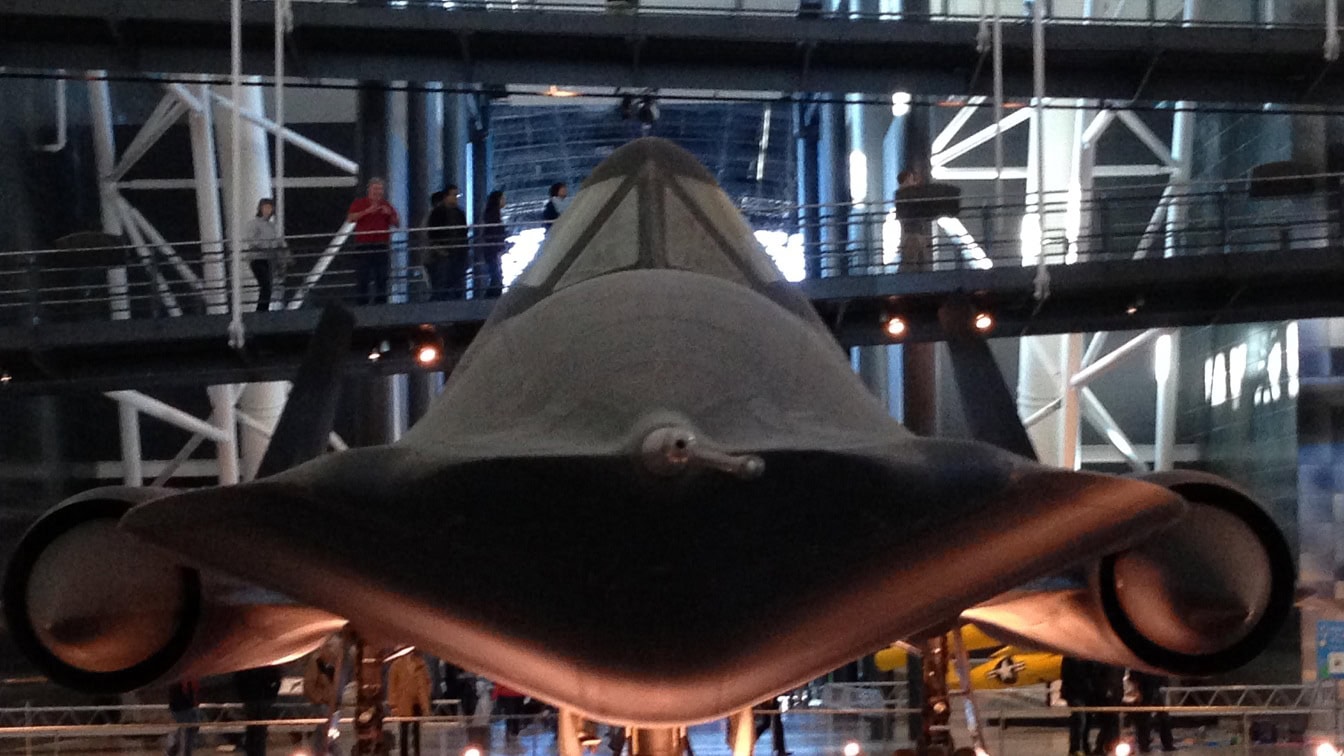
SR-71 Blackbird sitting in a Smithsonian Museum outside of Washington, DC back in 2013. Image Credit: 19FortyFive.
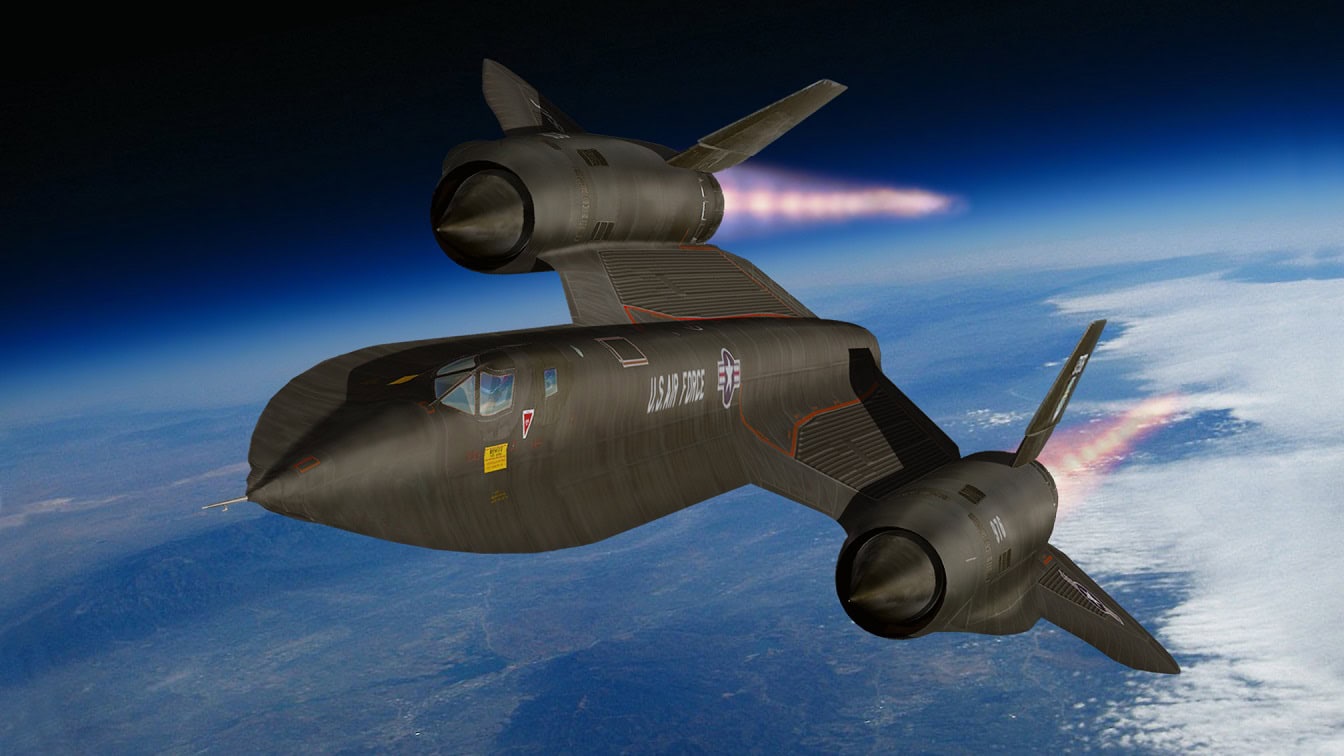
SR-71 spy plane. Image Credit: Creative Commons.
SR-71 test pilot Bill Weaver recalls an old adage: “Flying is simply hours of boredom punctuated by moments of stark terror. And yet, I don’t recall too many periods of boredom during my 30-year career with Lockheed, most of which was spent as a test pilot.”
Weaver and Jim Zwayer, a Lockheed flight test reconnaissance and navigation systems specialist, were investigating procedures designed to reduce trim drag and improve high-Mach cruise performance.
This flight involved flying with the center-of-gravity (CG) located further aft than normal, which reduced the Blackbird’s longitudinal stability.
The pair departed from Edwards Air Force Base at 11:20 a.m. and completed the mission’s first leg without incident. After refueling from a KC-135 tanker, they turned eastbound, accelerated to a Mach 3.2-cruise speed and climbed to 78,000 feet—their initial cruise-climb altitude. That’s when disaster struck.
The entire disaster unfolded in just a few seconds.
The “Inlet Unstart” Loss Of Engine Thrust:
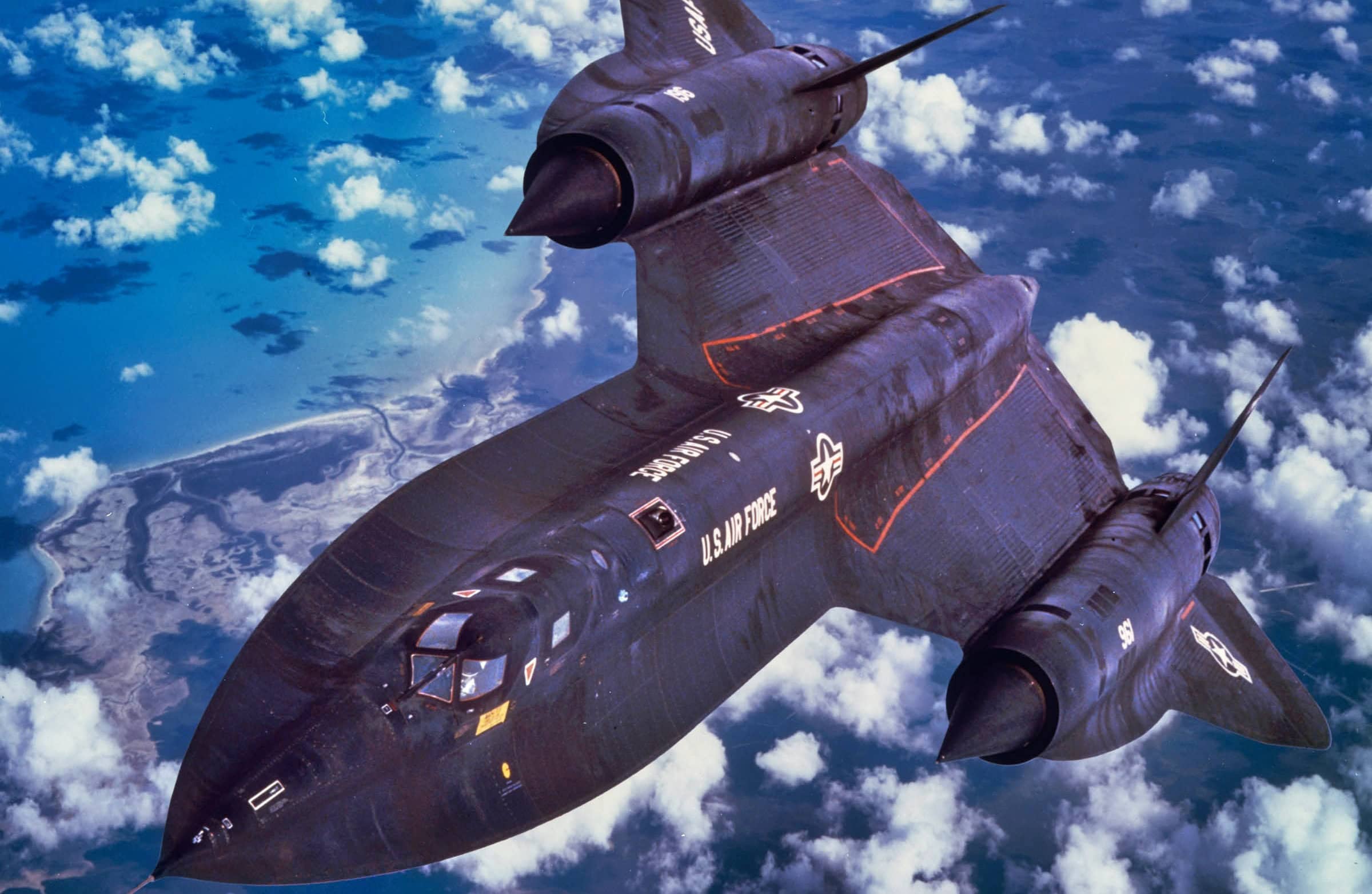
SR-71 Blackbird. Image Credit: Creative Commons.
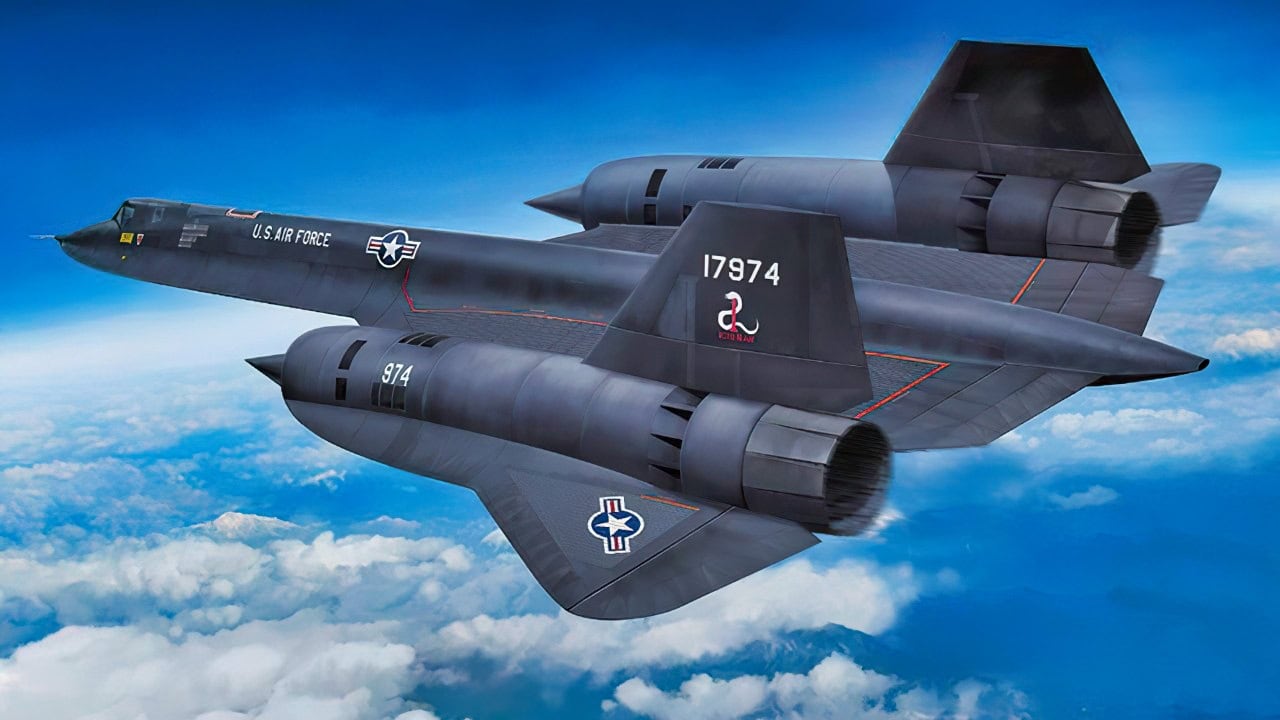
SR-71 Blackbird. Image Credit: Creative Commons.
After flying for several minutes at Mach 3.18, the right engine inlet’s automatic control system malfunctioned, requiring a switch to manual control. The SR-71’s inlet configuration automatically adjusted during supersonic flight to decelerate air flow in the duct, slowing it to subsonic speed before reaching the engine’s face.
Disturbances inside the inlet could result in the shock wave being expelled forward—a phenomenon known as an “inlet unstart.” That causes an instantaneous loss of engine thrust and violent yawing of the aircraft—it’s like being in a train wreck.
These unstarts occurred frequently during the SR-71’s development, but a properly functioning system would recapture the shock wave and restore normal operation.
The aircraft had a programmed 35-degree right bank. An immediate unstart occurred on the right engine, forcing the aircraft to roll further to the right and to pitch up. Weaver tried to correct this, but the aircraft was not responding.
Weaver tried to tell Zwayer what was happening, but the G-forces on his body made his words unintelligible.
The Aircraft Disintegrates at Mach 3.18:
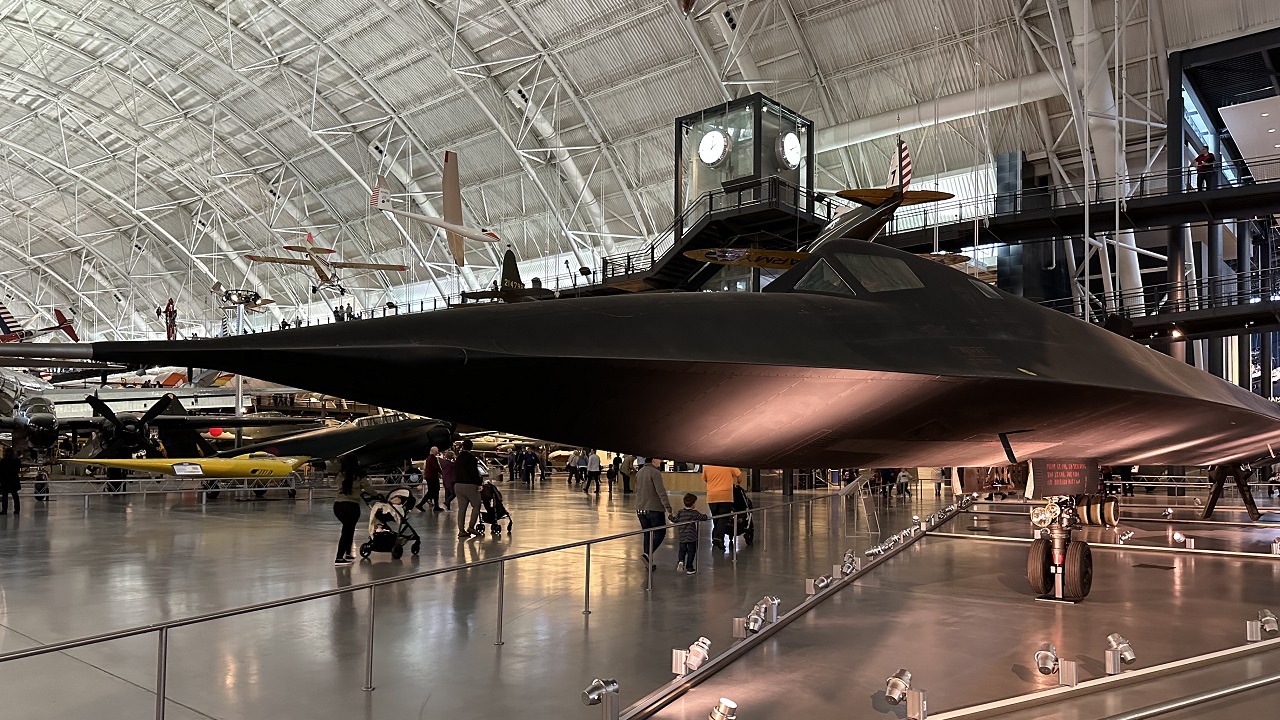
SR-71. SR-71 photo taken at the National Air and Space Museum. Taken by 19FortyFive on 10/1/2022.
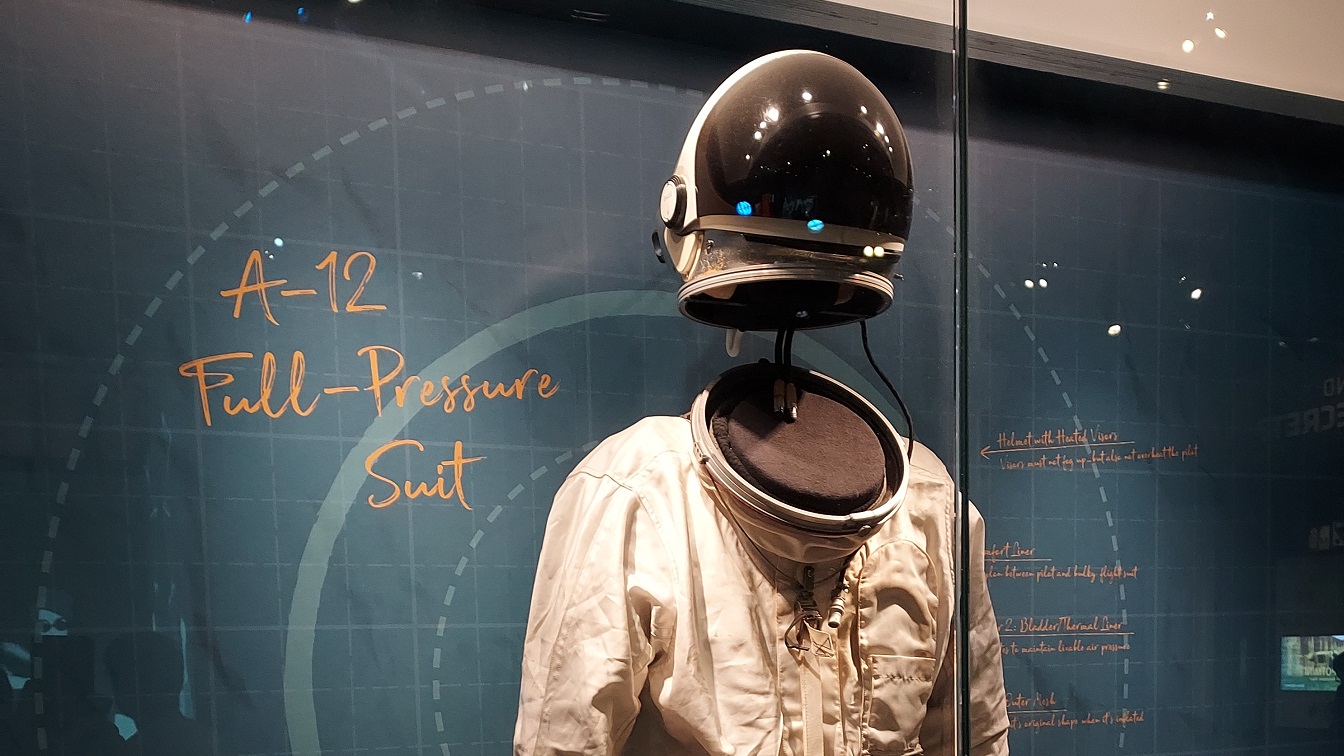
Flight suit. Image Credit: 19FortyFive Original Image.
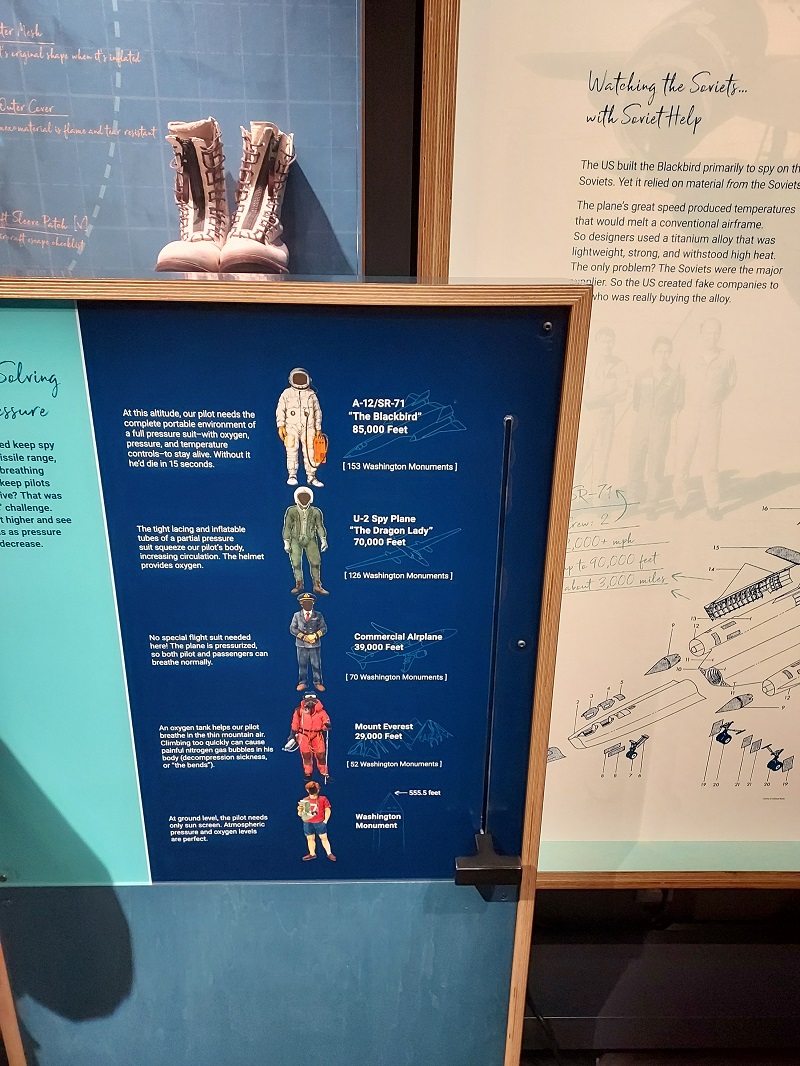
SR-71 Suit. 19FortyFive original image.
Weaver told Linda Sheffield-Miller what happened as the aircraft came apart around him.
“Everything seemed to unfold in slow motion. I learned later the time from event onset to catastrophic departure from controlled flight was only 2-3 sec. Still trying to communicate with Jim, I blacked out, succumbing to extremely high g-forces. The SR-71 then literally disintegrated around us. From that point, I was just along for the ride.
“My next recollection was a hazy thought that I was having a bad dream. Maybe I’ll wake up and get out of this mess, I mused. Gradually regaining consciousness, I realized this was no dream; it had really happened. That also was disturbing, because I could not have survived what had just happened. Therefore, I must be dead.
“Since I didn’t feel bad–just a detached sense of euphoria–I decided being dead wasn’t so bad after all. As full awareness took hold, I realized I was not dead, but had somehow separated from the airplane. I had no idea how this could have happened; I hadn’t initiated an ejection.
“The sound of rushing air and what sounded like straps flapping in the wind confirmed I was falling, but I couldn’t see anything. My pressure suit’s face plate had frozen over, and I was staring at a layer of ice.”
He hadn’t ejected but had been ripped right out of the aircraft. He amazingly survived thanks to his pressurized G-suit—the same one that NASA astronauts wear. The suit protected Weaver’s body incredibly well during the breakup of the aircraft at more than 2,200 miles an hour, functioning as an escape capsule.
Landing In New Mexico and Immediately Picked Up:
His automatic stabilizing chute deployed, but his faceplate had frozen over, rendering him blind, so he held it up with one hand. The main parachute automatically opened at 15,000 feet.
During his descent, he saw Zwayer’s parachute had also deployed, only a quarter of a mile away.
Weaver landed and immediately heard a voice asking if he needed help. Albert Mitchell, a nearby cattle rancher, saw the aircraft crash and the two parachutes open, and flew his own small helicopter to Weaver’s location.
Mitchell, once assured that Weaver was okay, flew to Zwayer’s location, but found that he had died of a broken neck.
Mitchell then flew Weaver in his helicopter to the nearby hospital in Tucumcari, about 60 miles away, redlining the chopper’s engines the whole time. Just two weeks later, Weaver was back onboard another brand new SR-71.
After Weaver’s flight, the testing of aft CG was discontinued; the trim-drag issue was solved aerodynamically instead, and the inlet control system was improved.
Later, digital inlet controls would render unstarts rare. It was incredibly good fortune that Weaver survived such a disaster at faster than Mach 3. It remains one of the most remarkable survival stories of any aircraft crash.
About the Author: Steve Balestrieri
Steve Balestrieri is a National Security Columnist. He served as a US Army Special Forces NCO and Warrant Officer. In addition to writing on defense, he covers the NFL for PatsFans.com and is a member of the Pro Football Writers of America (PFWA). His work was regularly featured in many military publications.