
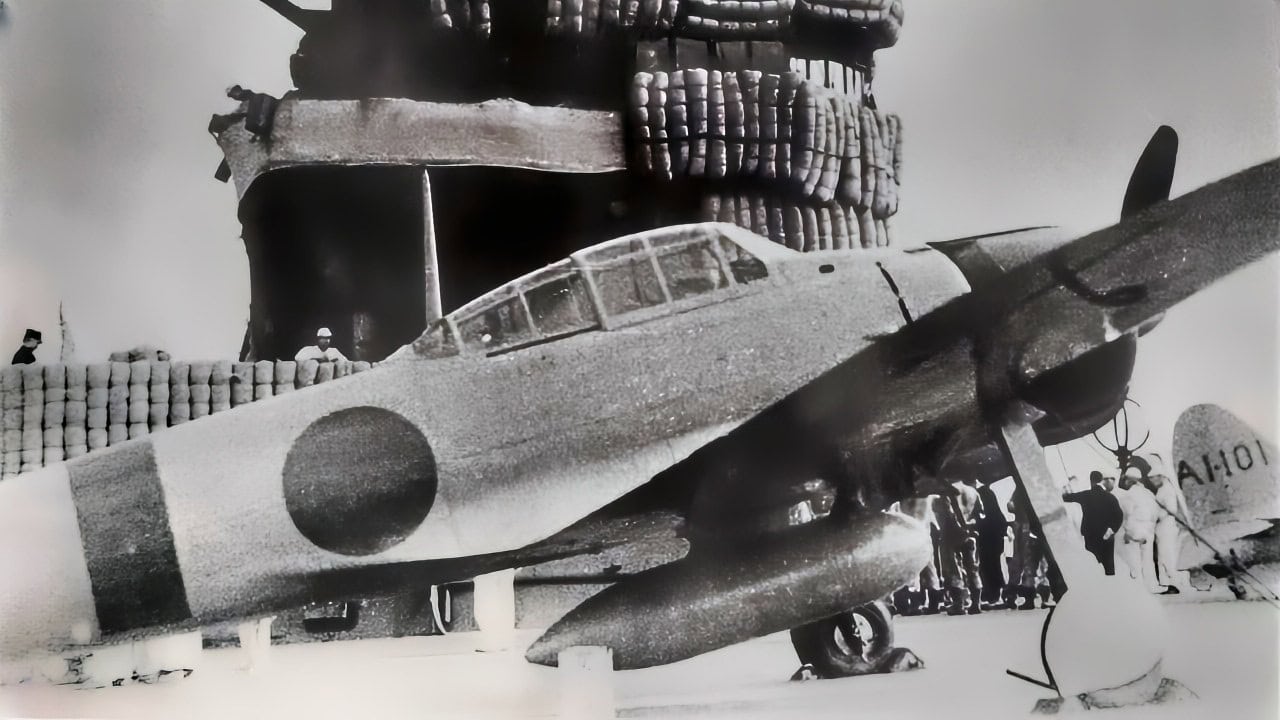
Summary and Key Points: Dr. Brent M. Eastwood, a national security expert and former U.S. Army Infantry officer, evaluates the incredible endurance of Hiroo Onoda of Japan.
-Stationed on Lubang Island in 1944, Onoda followed strict orders to “fight to the death” and never surrender, leading to a 30-year act of supreme survival.
-This 19FortyFive report analyzes how Onoda dismissed leaflets and newspapers as “fake news” and psychological operations, only surrendering in 1974 after his former commanding officer personally relieved him of duty.
-Eastwood explores the dual legacy of Onoda as both a symbol of patriotism and a controversial figure of imperialist jingoism.
10,000 Nights in the Jungle: The Spellbinding Survival Story of Hiroo Onoda
There is a soldier’s devotion to duty, and then there is extreme devotion to duty, and this story is about the latter.
How would you like to serve in the military for decades, thinking your country was at war the whole time, even though the rest of the world knew the fighting was over? That’s what one Japanese officer did after World War Two ended. He thought the conflict was still raging, and he remained in the jungle, surviving for 10,000 days on banana peels and other scraps, hoping his country would emerge victorious.
What a Spellbinding Story
A 2021 documentary recounted the story of a Japanese lieutenant named Hiroo Onoda. He was assigned to serve on Lubang, a tiny island in the Philippines, in December 1944. The United States attacked, and Onoda and a few of his men retreated into the jungle, and they did not emerge to head back home for almost 30 years.
Fighting It Out Against All Odds
“Onoda: 10,000 Nights in the Jungle” tells this story to great effect. The Japanese government thought that Onoda had been killed in fighting, and they declared him deceased in 1959. Onoda was following his original orders to hold the island from the enemy, fight to the death, and never to commit suicide.
Win at All Costs or Die Trying
Onoda finally returned to Japan in 1974 to much fanfare. Many Japanese considered him a hero for his patriotism and “never say die” attitude. This stoked much discussion about what it meant to be Japanese and how dedicated soldiers should carry out their duties no matter what happened. Onoda was the last Japanese combatant to return from the war alive. The stalwart lieutenant wrote a book about his experiences, which became extremely popular.
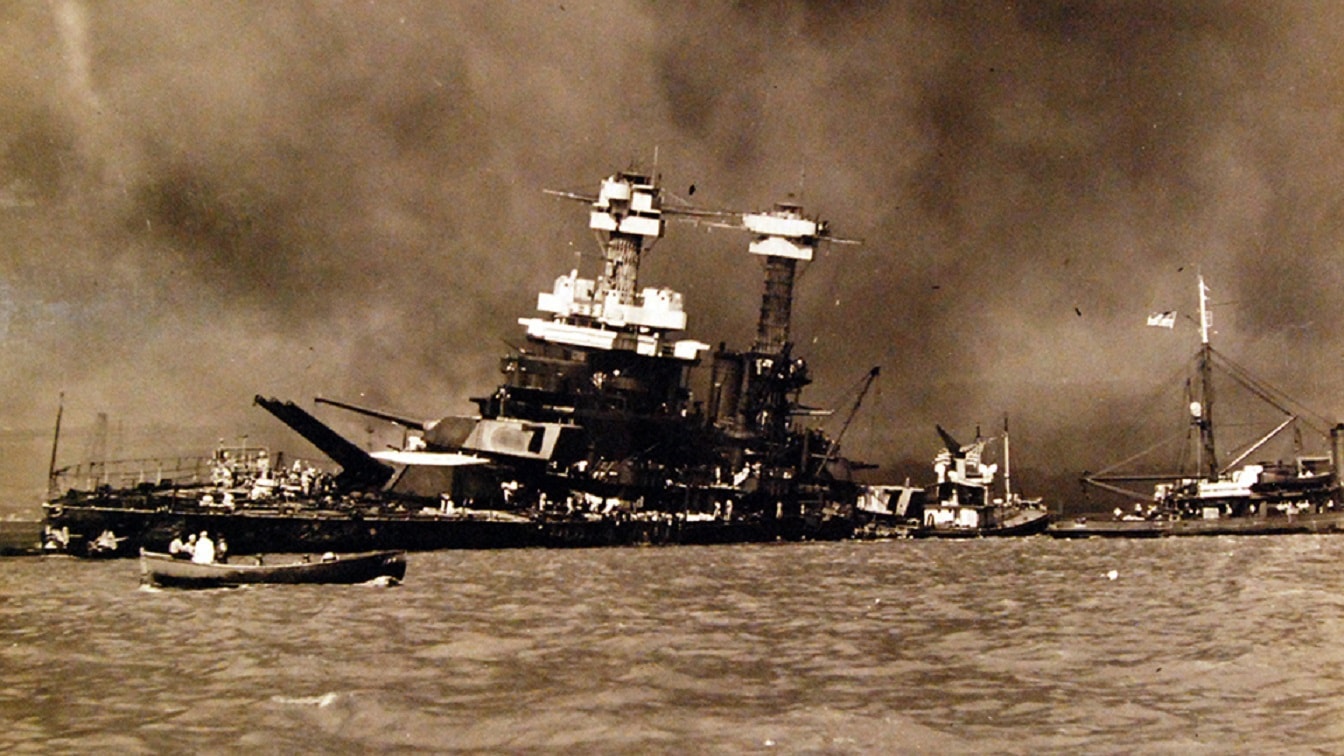
Japanese Attack on Pearl Harbor, December 7, 1941. USS California (BB 44) after the attack. Official U.S. Navy photograph, now in the collections of the National Archives. (9/9/2015).
The documentary about Onoda made the rounds after a showing at the Cannes Film Festival in 2021 and opening in the United Kingdom a year later. Another novel and film about the Japanese hero was also produced in the last few years.
More About Onoda
Onoda was drafted into the Japanese army in 1942. He showed a special talent for military matters and was sent to a commando unit. His training differed from that of a conventional soldier. His Japanese commanders told him to always stay alive and not to commit suicide. Other Japanese had typically been trained to kill themselves rather than surrender.
Stay Alive at All Costs
“‘ You are absolutely forbidden to die by your own hand,’ he was told upon being sent to Lubang in late 1944 – as recalled in his 1974 memoir, No Surrender: My Thirty-Year War. ‘Under no circumstances are you to give up your life voluntarily,'” according to the BBC.
Into the Jungle for Decades
Onoda was supposed to attack the island’s airfield and damage it to ensure no airplanes could ever land or take off. That mission did not work out, so he led a small contingent of Japanese soldiers into the jungle, and they plotted their next move, which became an act of supreme survival.
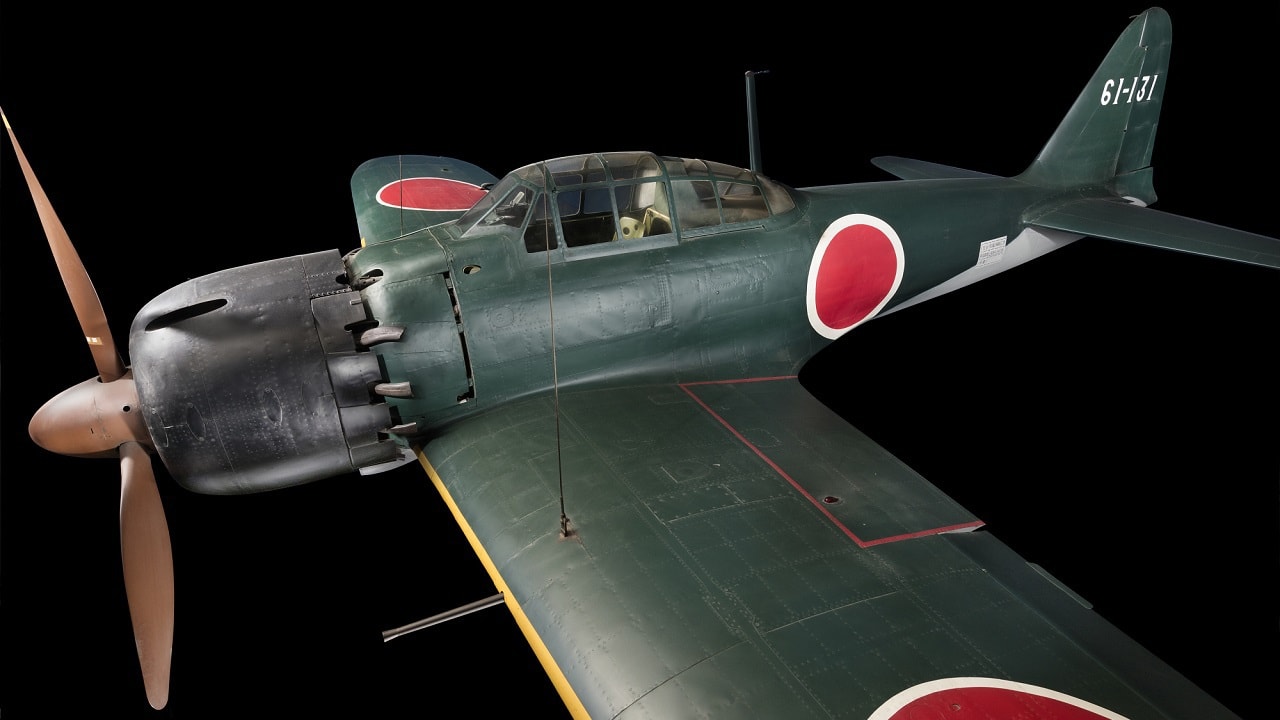
Japan Zero Fighter. Image Credit: Creative Commons.
They Did Not Know How to Quit
When the Japanese surrendered, and the war was over, leaflets were dropped over the island to inform survivors to put down their weapons. Onoda and three other soldiers thought this was a ruse for them to be taken prisoner by the Americans.
The fighters survived on rotten bananas, coconuts, and pilfered rice. Snakes and stinging ants tormented them. Searchers were trying to rescue the holdouts, but Onoda and his men thought this was a fake job too. They once saw fighter jets flying over the island during the Korean War, and the vagabonds figured World War II was still on.
Onoda Thought All News Was Fake
Authorities tried to drop newspapers into the jungle to convince the stragglers that the war with the United States was over. They thought these were a psyop, too.
The End of the Line
Police on the island tracked them down and killed the only other survivor of the group in 1972, and Onoda remained in the fight he thought was still going on for another 18 months. Onoda was finally found by an explorer who tried to convince the Japanese hero that World War Two was over. Onoda told him that if he could get his commanding officer to relay the news of the war’s end, he would finally give up. That came about, and Onoda laid down his arms in March 1974.
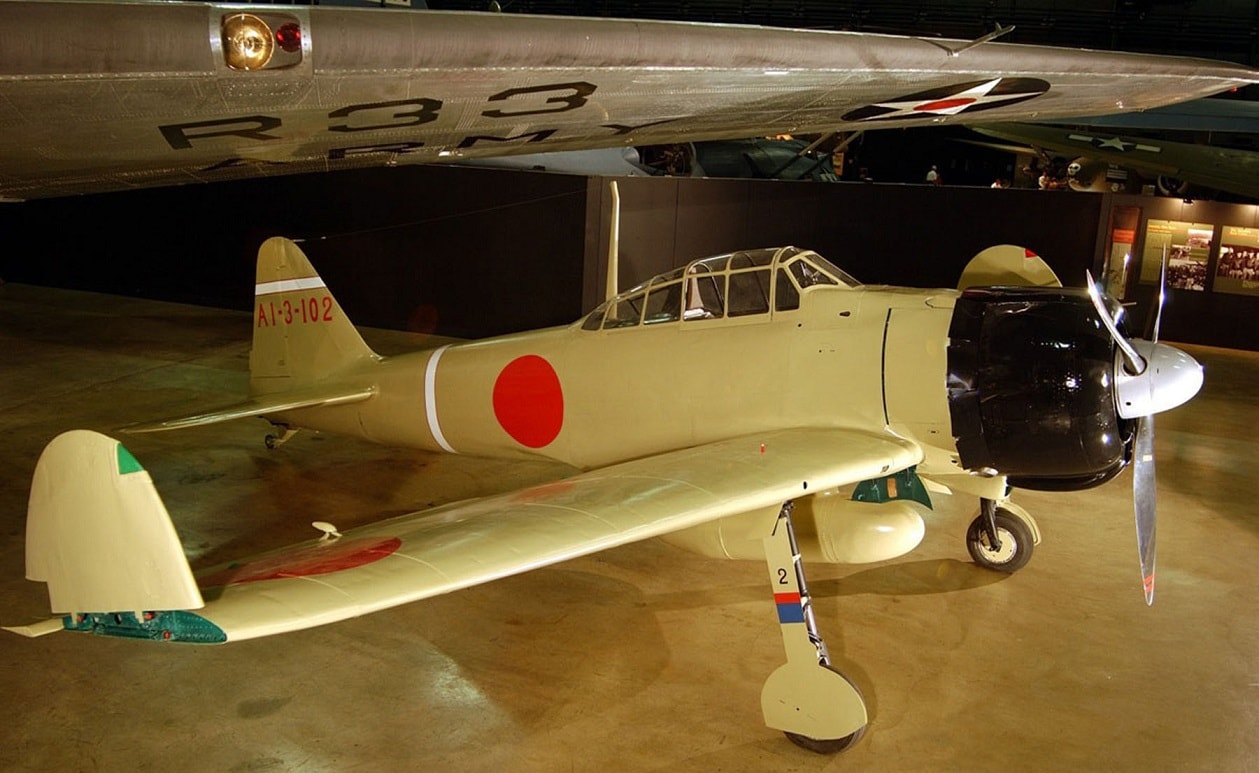
DAYTON, Ohio — Mitsubishi A62M Zero at the National Museum of the United States Air Force. (U.S. Air Force photo)
Not Everyone Was a Fan of the Documentary
Some critics of the film said that the Philippines was not portrayed accurately and that villagers were one-dimensional and unhelpful to Onoda’s plight. The film was also controversial because some thought it was over-the-top Japanese nationalism, jingoism, and imperialism. Plus, there were reports that Onoda and his men were bloodthirsty and killed some of the natives in a gruesome manner. That was not apparent in the memoir or the film. Another earlier documentary detailed how Onoda’s squad reportedly beheaded a local.
However, this is an interesting story that shows how soldiers can go to extremes and have a strong desire to follow mission objectives and never give up. Curiously, Onoda and the group did not accept any of the facts presented to them. That is one of the most unbelievable aspects of their endurance feat. Onoda died in 2014.
This story shows that there was an element of the belief that “fake news” was used against Onoda, and he refused to believe media reports and leaflets. Moreover, some Japanese were convinced that the soldiers were role models for modern military personnel. “Onoda: 10,000 Nights in the Jungle” is available on many streaming services, and for a small price, you can witness the spectacle for yourself and wonder how one military leader could be so steadfast in his beliefs that he fought a lost war for decades.
About the Author: Brent M. Eastwood
Author of now over 3,000 articles on defense issues, Brent M. Eastwood, PhD is the author of Don’t Turn Your Back On the World: a Conservative Foreign Policy and Humans, Machines, and Data: Future Trends in Warfare plus two other books. Brent was the founder and CEO of a tech firm that predicted world events using artificial intelligence. He served as a legislative fellow for US Senator Tim Scott and advised the senator on defense and foreign policy issues. He has taught at American University, George Washington University, and George Mason University. Brent is a former US Army Infantry officer. He can be followed on X @BMEastwood.