
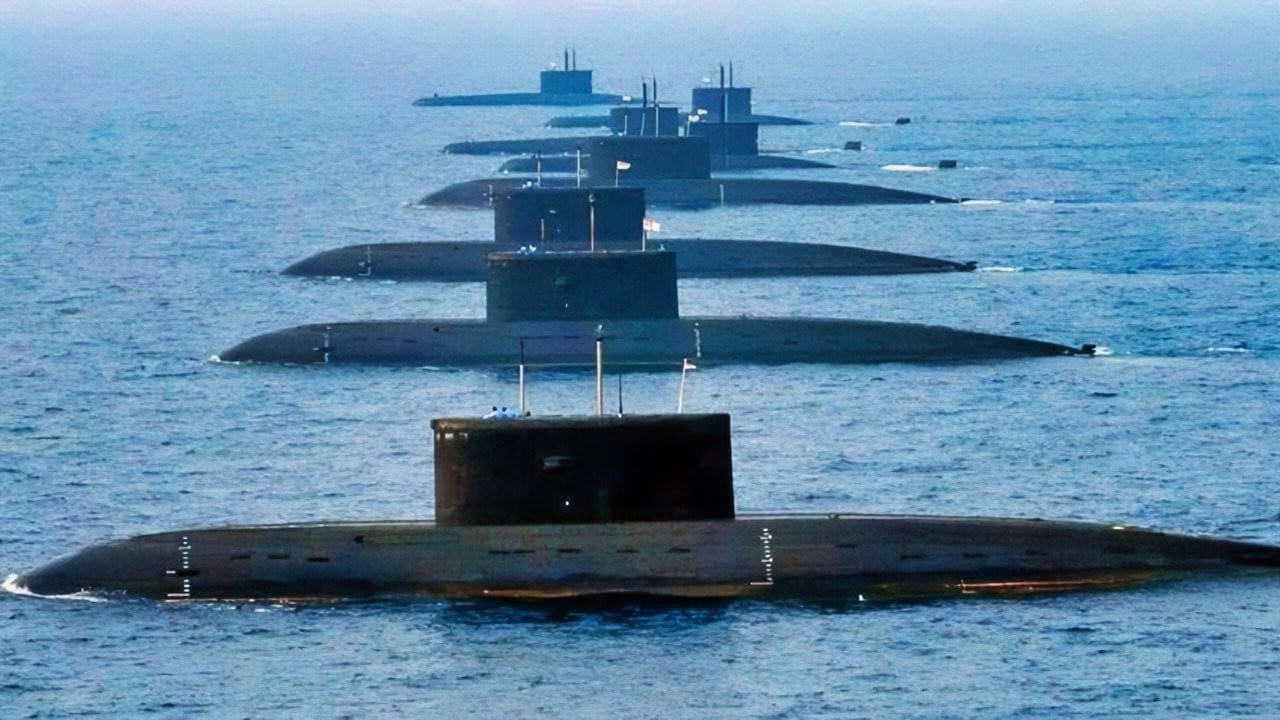
Iran Upgrades Kilo-Class Submarines As U.S. Naval Presence Grows
Iran has completed a modernization of one of its Russian-built Kilo-class submarines, according to open-source satellite imagery and regional military observers.
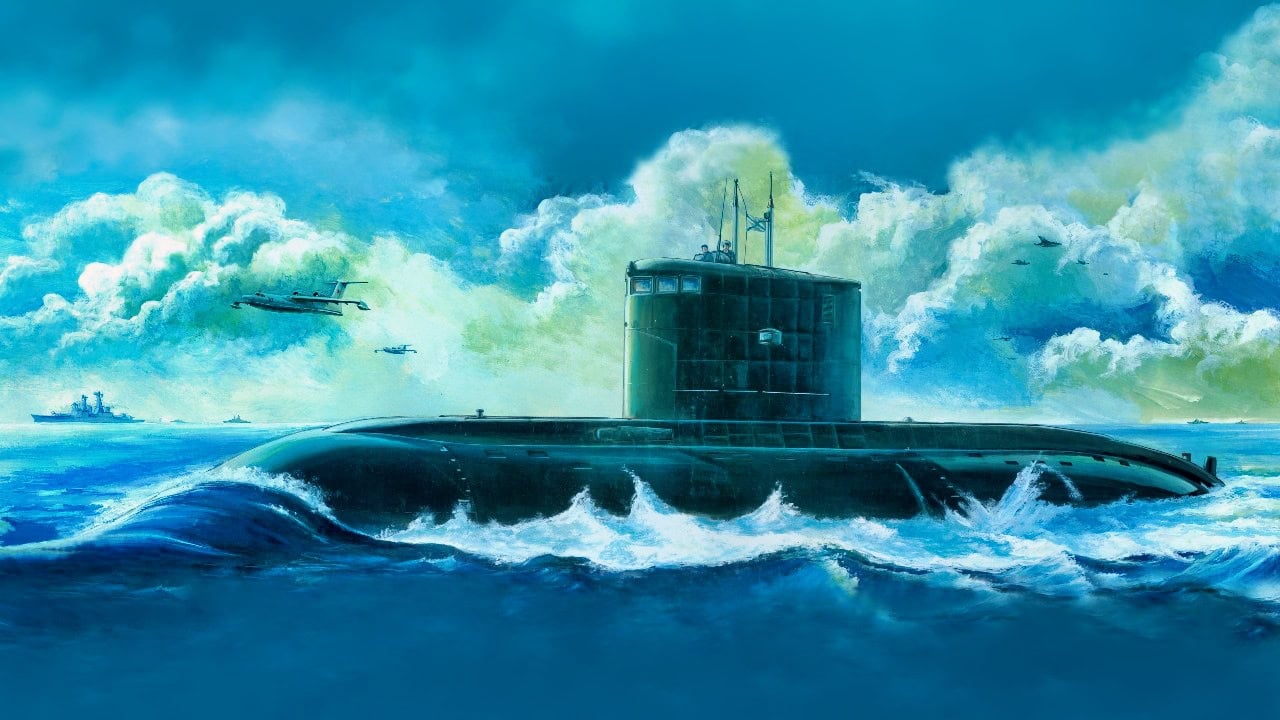
Kilo-Class Submarine
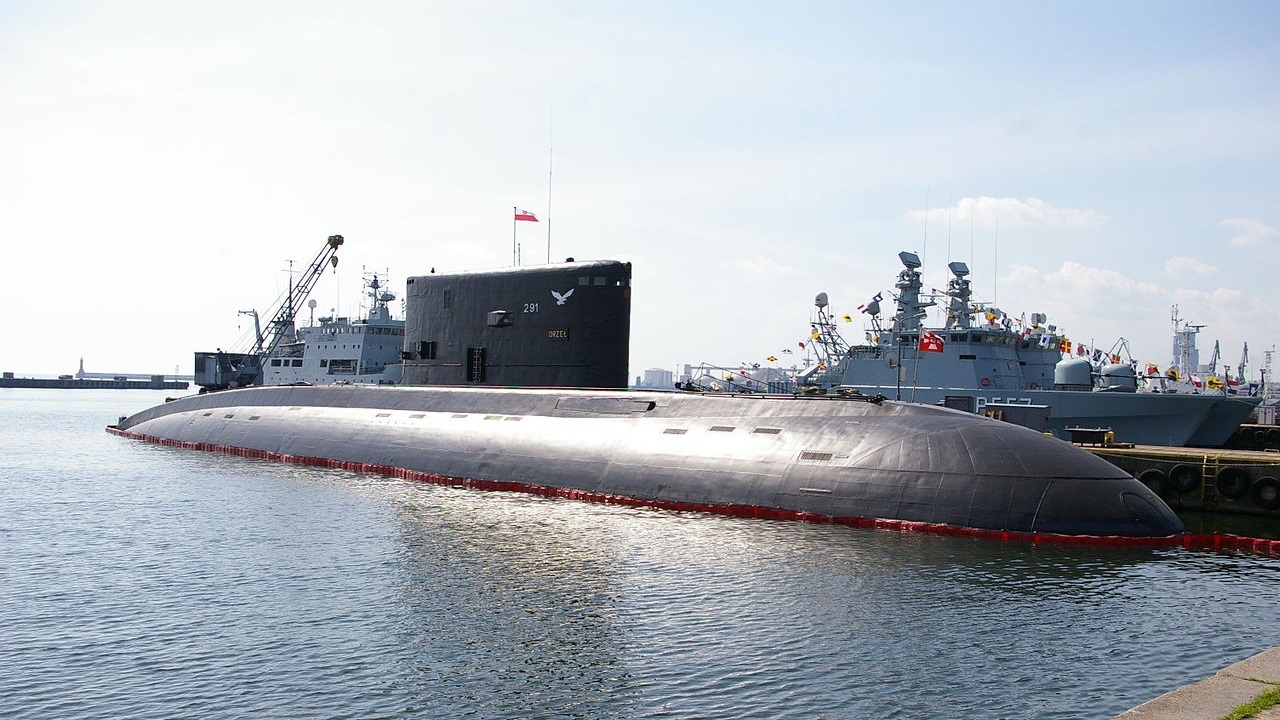
Polish Navy submarine, Kilo-Class.
The upgrade comes amid increased U.S. naval deployments in the Middle East and rising diplomatic tension over the Iranian nuclear program. The submarine was observed alongside other vessels at Iran’s primary naval hub, known as Base 1, near the Strait of Hormuz on February 16, 2026, after spending months in dry dock.
Reports have not been able to disclose the specific systems updated, but intelligence suggests Iran intends to keep its limited but strategically valuable undersea fleet viable as American carrier strike groups continue to operate closer to Iranian shores.
Tehran places a huge value on its Kilo-class, Soviet-designed diesel-electric attack submarines. The vessels were acquired in the 1990s, and in the decades since, sweeping sanctions have prevented the country from modernizing much of its military hardware across its naval, army, and air forces. To understand the significance of the recent upgrade, it’s crucial to understand what these submarines are, where they fit in Iranian strategy, and how they integrate into regional dynamics.
From Russia: What the Kilo-Class Submarine Is
The Kilo-class submarine is a type of diesel-electric attack submarine originally designed by the Rubin Design Bureau in the Soviet Union in the 1970s and introduced into service in the early 1980s.
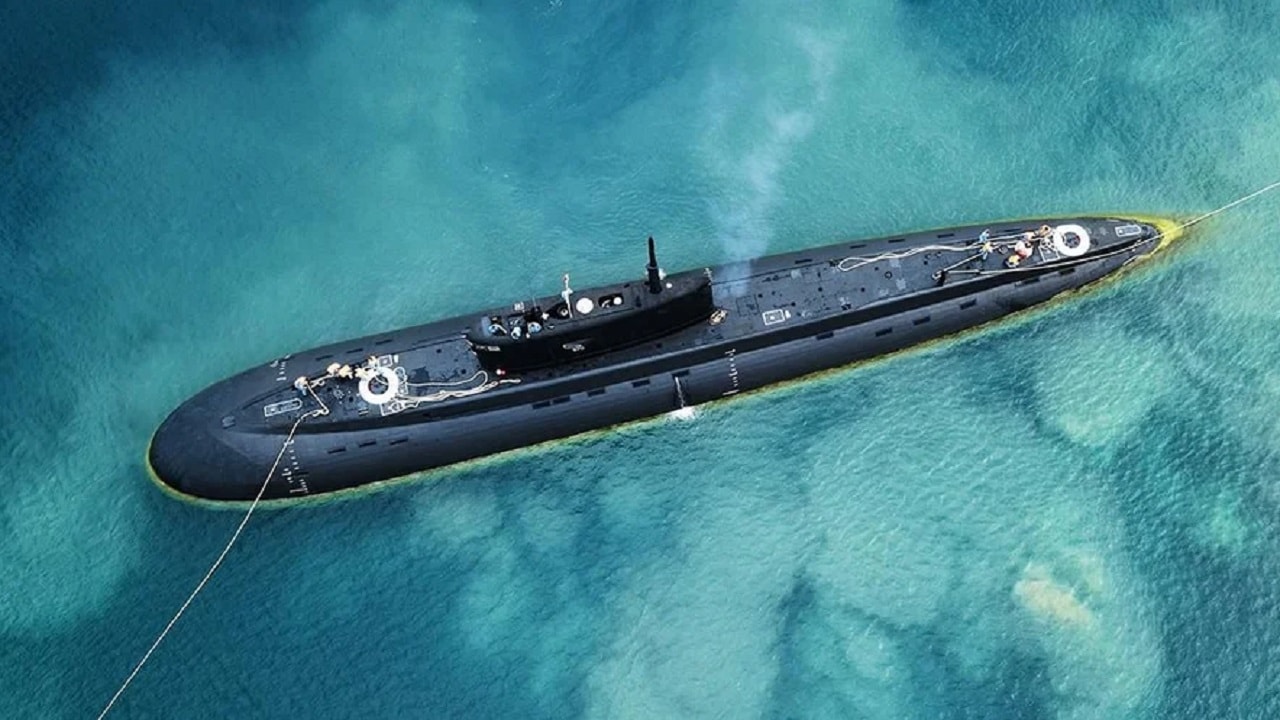
Kilo-Class Submarine. Image Credit: Creative Commons.
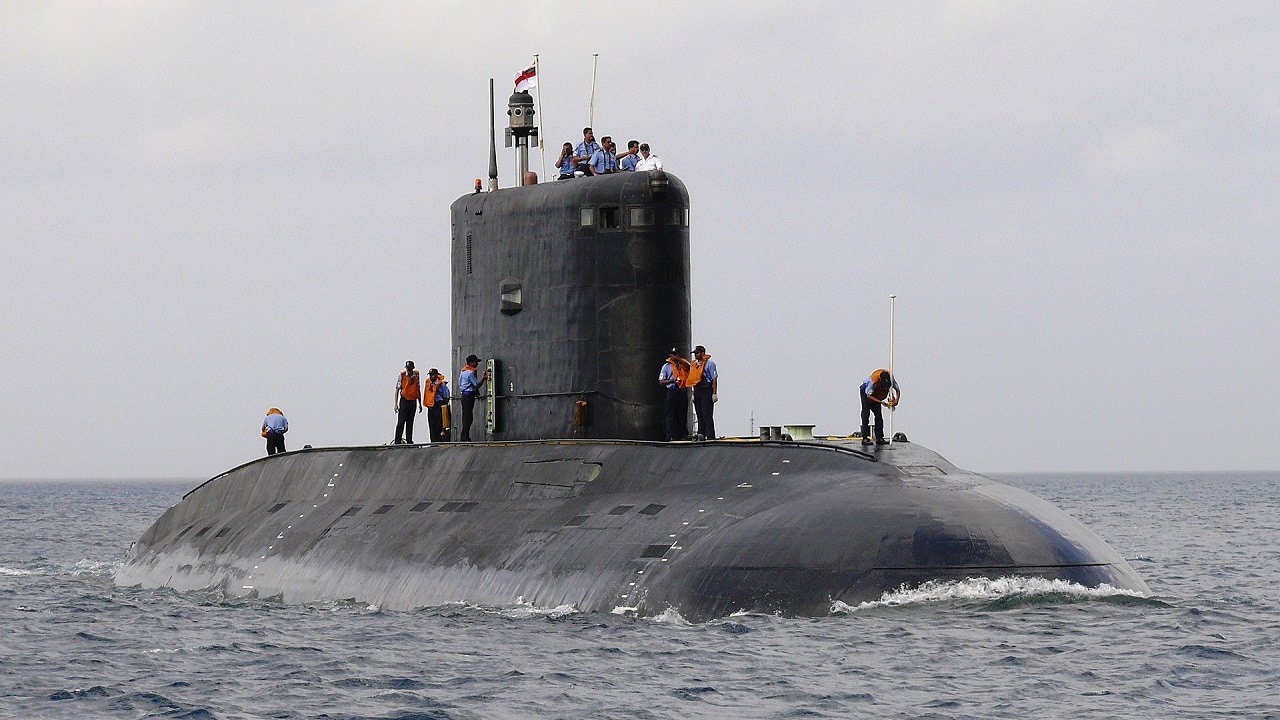
Kilo-Class Submarine.
More than 70 boats were built, and around 60 remain in service with navies worldwide. Diesel-electric submarines are powered by diesel engines on the surface and batteries when submerged, which makes them very quiet underwater – a key reason the early Kilo variants have been dubbed “Black Hole” submarines.
The subs displace around 2,300-3,000 tons submerged, measure roughly 73 meters in length, carry up to 18 heavyweight torpedoes, and can be configured to carry naval mines instead of some torpedoes.
In warmer, shallower seas like the Persian Gulf, acoustic conditions differ from the deep water, but even so, the boats remain more difficult to detect than surface warships.
Iran’s Kilo Fleet
Iran’s submarine force is relatively small compared with global navies – but it is strategically positioned at the mouth of the Persian Gulf. Between 1992 and 1996, Tehran commissioned three Kilo-class submarines – known domestically as the Tareq-class – from Russia.
The boats are the IRIS Taregh (901), commissioned in 1992 and the first Kilo in Iranian service, the IRIS Nooh (902), commissioned in 1993 and built in Saint Petersburg, and the IRIS Yunes (903), commissioned in 1996.
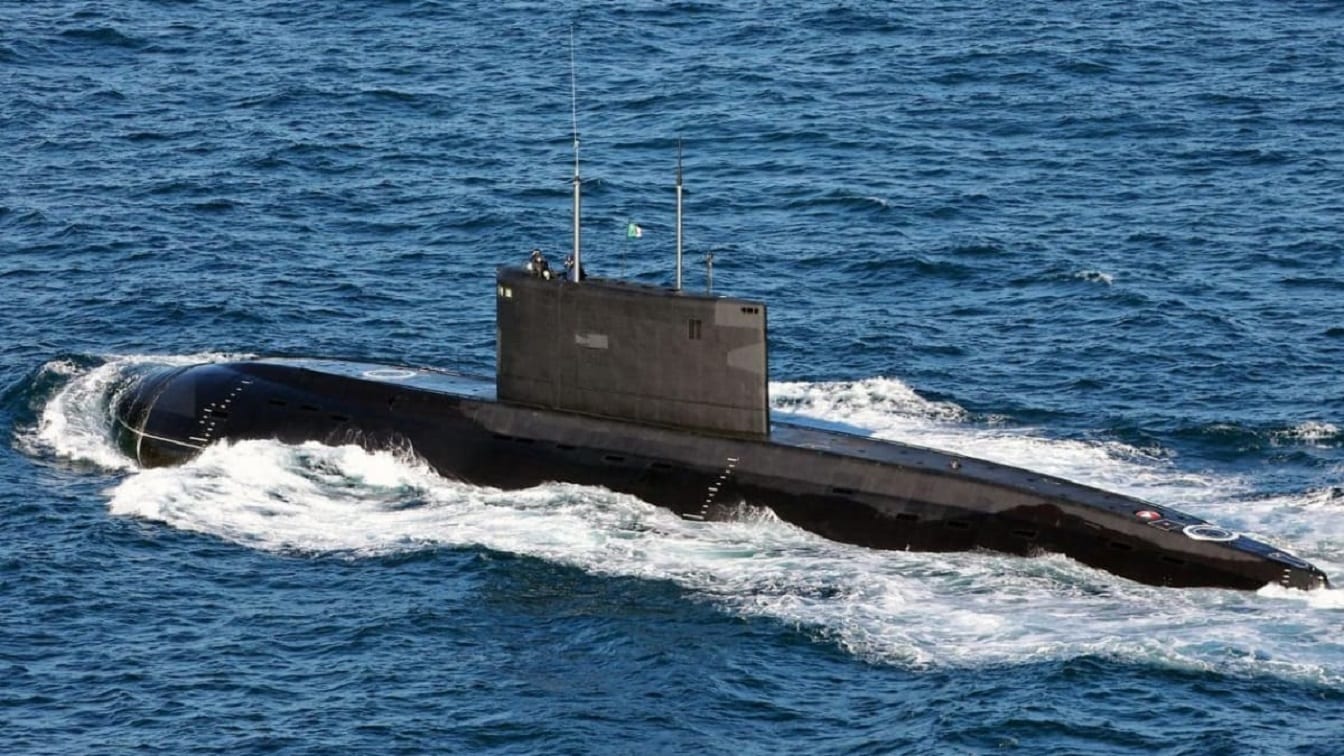
Iran’s Navy Has Kilo-Class Submarines. Image Credit: Creative Commons.
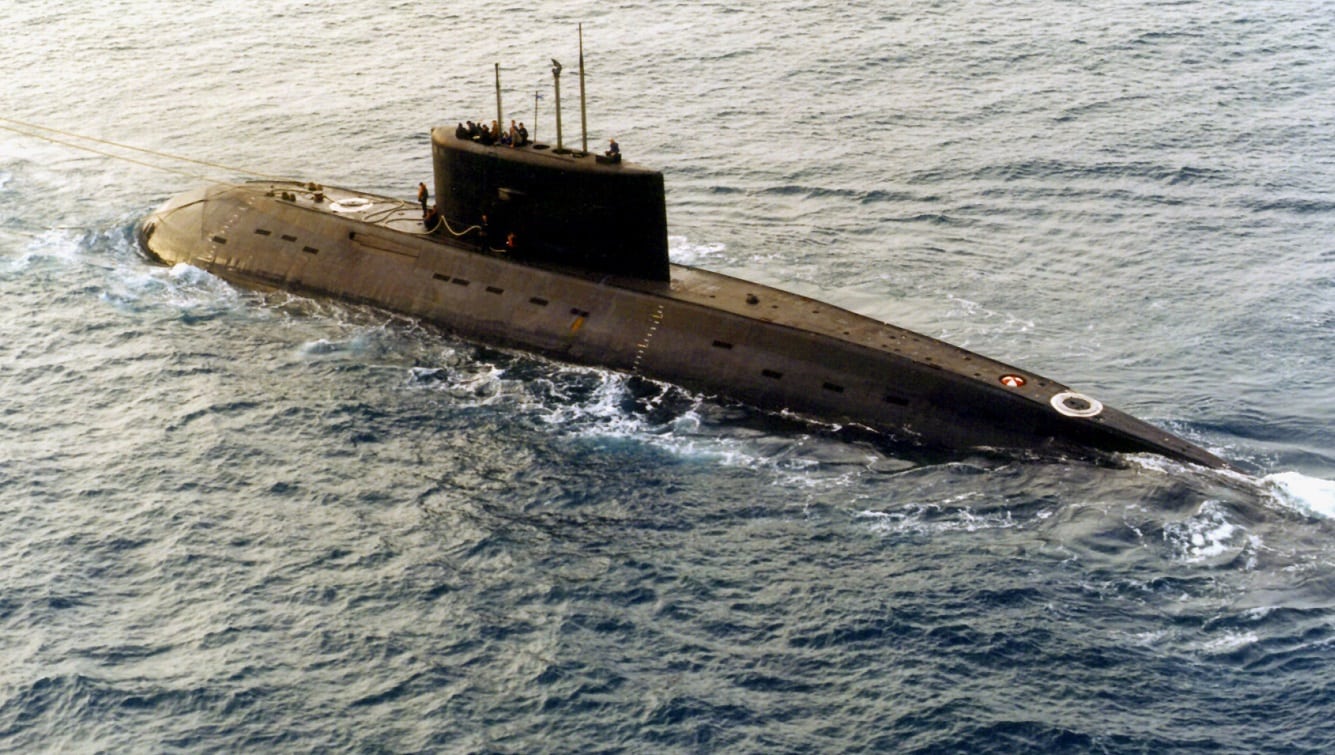
A Russian-built, Kilo-class diesel submarine purchased by Iran, is towed by a support vessel in this photograph taken in the central Mediterranean Sea during the week of December 23. The submarine and the support ship arrived at Port Said, Egypt, on Tuesday and were expected to begin transiting the Suez Canal today, Jan. 2, 1996. Ships and aircraft from the U.S. NavyÕs Sixth Fleet are tracking the submarine, which has been making the transit on the surface. This is the third Kilo-class submarine the Iranians have purchased from Moscow. DoD photo
All three are based at Bandar Abbas, Iran’s principal naval base on the Strait of Hormuz, and two of them are typically ready at any given time. The three submarines were expensive acquisitions for Iran at the time, reportedly costing the country hundreds of millions of dollars per boat.
Over the years, Iran has faced logistical challenges in maintaining these older submarines under international sanctions that limit access to original spare parts. To mitigate that, Tehran has developed its own overhaul capabilities, completing routine maintenance and refits at home-based facilities, with the February 2026 modernization reports appearing to be the latest example of those efforts.
Why Kilo Boats Matter
The geography of the Strait of Hormuz – a narrow, strategic sea lane through which around one-fifth of global oil trade passes – makes submarines especially relevant. In confined waters around deeper basins and shallow shelf areas, submarines can use thermal layers and seabed topography to hide as they approach, complicating surface and aerial anti-submarine warfare (ASW) efforts.
In Iran’s case, Kilo-class boats typically operate in waters deep enough to accommodate their draft (the vertical distance between the waterline and the lowest point of the hull), near the Strait and in the neighboring Gulf of Oman, where they avoid the shallower waters of the central Gulf.
The Kilo-class subs form the centerpiece of the Iranian Navy’s conventional undersea capability and represent the nation’s largest and most capable boats by far. They operate alongside smaller indigenous designs, such as the Fateh-class semi-heavy submarine and the Ghadir-class midget submarines, optimized for littoral and mine-laying operations.

Fateh-Class Submarine. Image: Iranian State Media.
The submarines are, by design, very quiet compared with many surface combatants and older diesel-electric designs, making them an ideal tool for asymmetric naval strategies in which Iran seeks to complicate and deter superior naval forces like the U.S. Navy.
Kilo Boats Suit Iranian Strategy
Iran’s naval posture has long centered on denying or complicating the movement of hostile naval forces near its shores because it cannot directly compete with the world’s largest navies – or even some of the world’s medium-sized navies. Iran’s strategy consists of a layered combination of missile boats and coastal anti-ship batteries capable of targeting surface ships, swarms of fast-attack craft intended to overwhelm larger warships, and mines and mine-laying submarines designed to block or threaten key shipping routes.
Kilo-class submarines fit into that strategy by offering Tehran a relatively low-profile undersea threat that could force an adversary – especially one with big surface fleets like the United States – to divert considerable ASW resources to monitor and counter them. We’re seeing this play out in real time: Iran’s strategy complicates U.S. operations and adds friction to the crisis. The U.S. knows it has more naval power, but influencing the regime in Tehran is not as simple as just turning up.
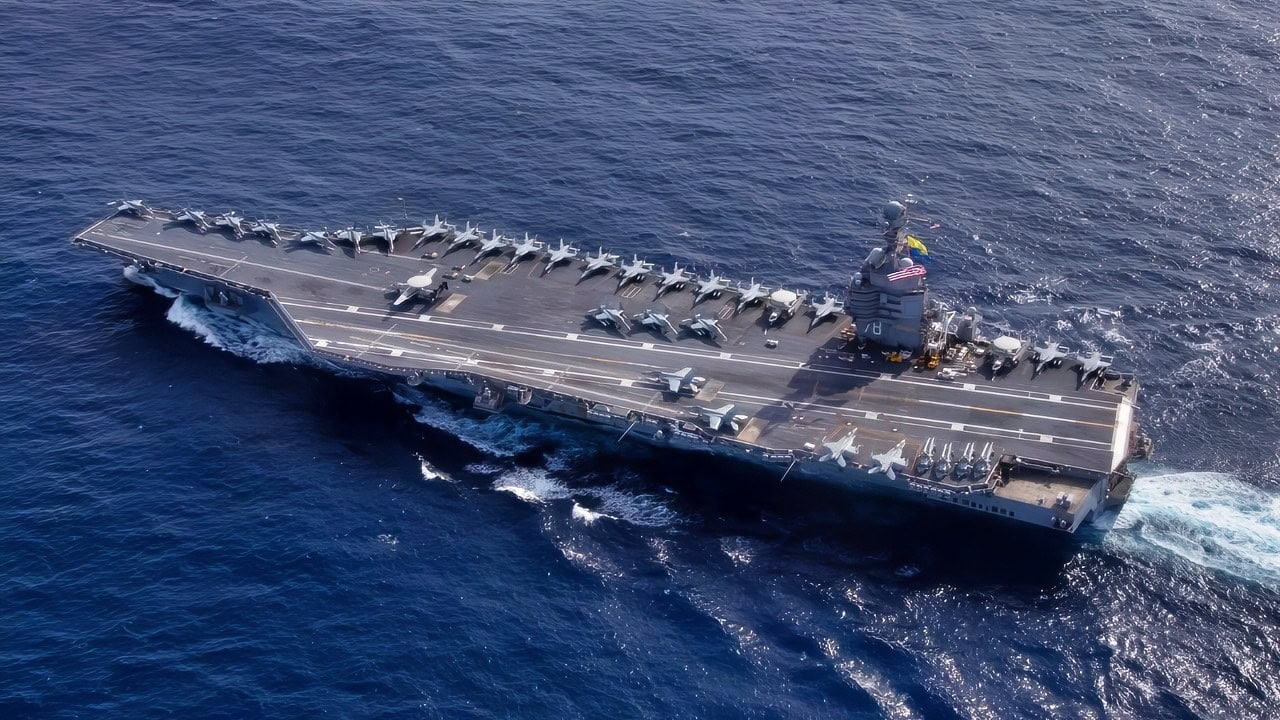
The first-in-class aircraft carrier USS Gerald R. Ford (CVN 78) steams in the Atlantic Ocean, Nov. 7, 2022. Exercise Silent Wolverine is a U.S.-led, combined training exercise that tests Ford-class aircraft carrier capabilities through integrated high-end naval warfare scenarios alongside participating allies in the Eastern Atlantic Ocean. The Gerald R. Ford Carrier Strike Group is conducting their first deployment in the U.S. Naval Forces Europe area of operations. (U.S. Navy photo by Mass Communication Specialist 3rd Class Jacob Mattingly)
The mere presence of quiet submarines off Iran’s coast compels carrier strike groups and amphibious forces to operate with heightened caution and even deploy aircraft like the P-8 Poseidons for submarine tracking or destroyers with advanced sonar systems. That costs time and fuel that could otherwise be available for other missions.
Will Iran Fire First?
While technically capable of causing damage to large and superior fleets through asymmetric tactics, Kilo-class submarines are unlikely to be used in open conflict against U.S. forces for one simple reason: such an attack would almost certainly trigger overwhelming retaliation.
A hypothetical torpedo or cruise missile strike on a U.S. warship or other vessel – even if technically feasible – would be interpreted in Washington as an act of war, prompting massive counter-strikes from both naval and air assets. The only hope Iran would have of surviving or fighting back would be in the form of support from its larger allies – and there’s no clear indication that the likes of Russia or China would consider stepping in at this stage.
The U.S. Department of Defense maintains significant ASW and strike capabilities near Iran, especially following the deployment of two carrier strike groups to the region, including long-range bombers and guided-missile destroyers equipped with Tomahawk cruise missiles and anti-submarine systems.
Additionally, Kilo-class subs – while quiet – perform better in deep ocean areas where they can dive deep and remain undetected. In shallower waters, the submarines are more susceptible to detection by acoustic sensors. Iran’s smaller midget submarines are better suited for shallow water ambushes near the coastline, while Kilo-class boats would be more effective in the Gulf of Oman and farther offshore.
For these reasons and others, it appears that Tehran views its Kilo fleet primarily as a deterrent and signaling tool, rather than as a first-strike weapon that could enable it to compete against much larger naval powers.
Missiles, Mines, and Mini-Subs
Iran bolsters the deterrent value of its submarines with an expansive arsenal of missiles, including land- and sea-based anti-ship cruise missiles like the Noor and Nasr-type systems. There is also the possibility of submarine-launched cruise missiles adapted from surface systems, and ballistic missiles capable of threatening shipping infrastructure from afar.
In 2019, Iranian sources claimed that Ghadir-class submarines fired a submarine-launched anti-ship cruise missile during exercises.
Naval mines, which Kilo-class boats can also deploy instead of torpedoes, also play a major role in Iran’s denial strategy. Placing defensive minefields near chokepoints such as Hormuz could force adversaries to slow their operations and commit additional resources to mine-countermeasure efforts.

120511-N-WO496-003 STRAIT OF HORMUZ (May 11, 2012) Guided-missile cruiser USS Cape St. George (CG 71) and aircraft carrier USS Abraham Lincoln (CVN 72) transit the Strait of Hormuz. Both ships are deployed to the U.S. 5th Fleet area of responsibility conducting maritime security operations, theater security cooperation efforts and support missions as part of Operation Enduring Freedom. (U.S. Navy Photo by Mass Communication Specialist 3rd Class Alex R. Forster/Released)
It’s also worth noting that Tehran is not solely reliant on its aging Kilo fleet. The Iranians have pursued an indigenous submarine program aimed at producing vessels better tailored to the local conditions. The Fateh-class, for example, is a semi-heavy design that Iran claims can operate submerged for extended periods and deliver both torpedoes and cruise missiles.
The Kilo, Fateh, Ghadir, and potentially other platforms form the capability behind Iran’s anti-access/area denial strategy, which is designed to pose enough risk to deter or slow foreign military intervention without engaging in direct large-scale open combat. During the coming weeks and months, however, we’ll soon learn whether those assets are enough to prevent intervention by the U.S. Navy.
About the Author: Jack Buckby
Jack Buckby is a British researcher and analyst specialising in defence and national security, based in New York. His work focuses on military capability, procurement, and strategic competition, producing and editing analysis for policy and defence audiences. He brings extensive editorial experience, with a career output spanning over 1,000 articles at 19FortyFive and National Security Journal, and has previously authored books and papers on extremism and deradicalisation.