
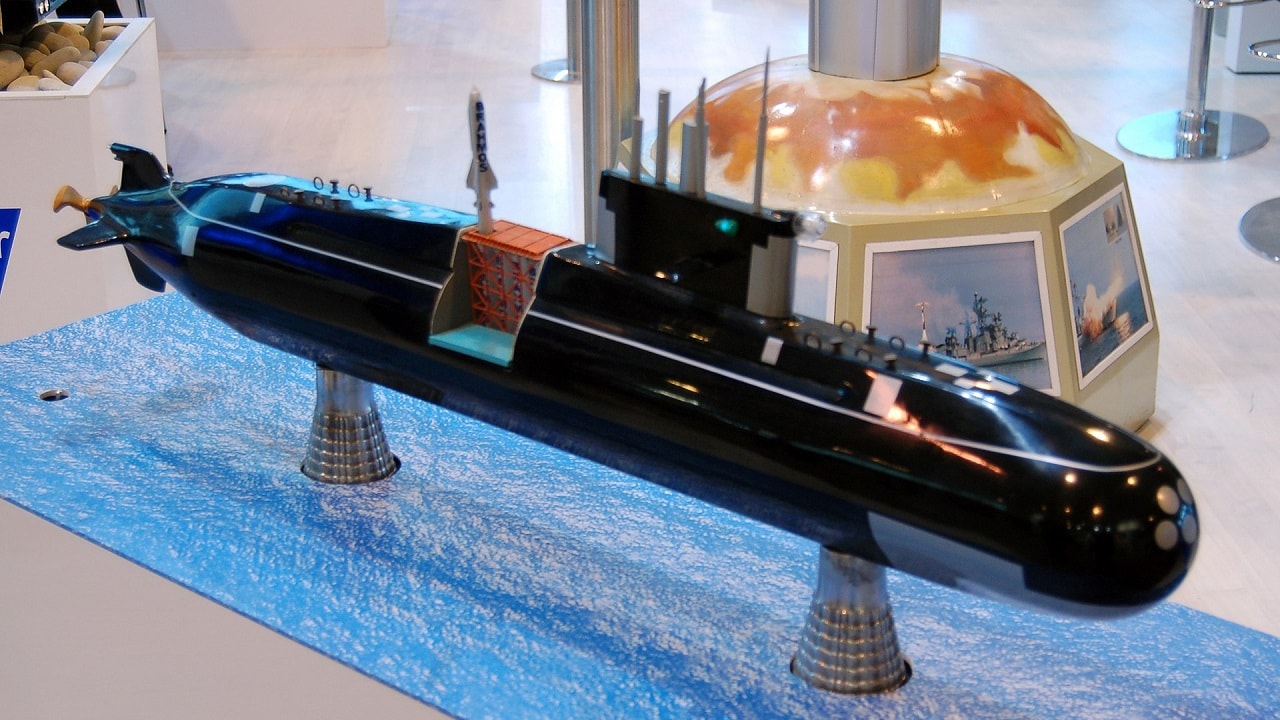
Amur-Class Submarine: What You Need To Know
Russia’s Amur-class attack submarine is marketed as an export-oriented evolution of the Lada/Kilo design family, with two variants aimed at different missions. The smaller Amur-950 emphasizes a compact platform with vertical-launch cells for rapid missile salvoes, while the larger Amur-1650 is framed as a longer-range option. Promised advantages include AIP-enabled endurance, modern electronic warfare systems, and reduced acoustic signatures. Yet the program’s core problem is credibility: no Amur boats have been built, the Lada lineage has faced delays and performance issues, and Western European alternatives offer proven delivery histories—complicating any export hopes, including rumored interest from Morocco.
Russia’s “Amur-Class” Sub Has 10 VLS Cells—And Still Isn’t Built
The Amur River forms part of the border between northeast China and southeast Siberia. This big body of water lent its name to an old Soviet-era military propaganda song, “The Partisans Song” AKA “The Song of the Amur River Partisans.”
And even though the Amur River is, obviously, a freshwater body, the Russian Navy had no qualms about naming a class of saltwater warships in its honor: the Amur-class attack submarine.
Premise and Promise
The Amurs haven’t actually been built yet; if they are finally assembled and commissioned, they will be fourth-generation boats, the newest attack submarines in the Russian Federation Navy. This automatically makes them kind of a big deal.
They are being billed as an export version of the Project 677 Lada-class submarine, which in turn is a modified version of the ubiquitous Project 877 Paltus, or Kilo-class boats. The prospective builder is the Rubin Central Design Bureau for Marine Engineering, Admiralty Shipyard, in the city of St. Petersburg.
Eleven ships of the Amur-class have been planned so far. There are two variants: The Amur-1650 is larger and geared toward longer missions, and the Amur-950 is equipped with a vertical launch system (VLS) for firing missiles in rapid succession at multiple targets.
Amur-Class Tech Specs and Vital Stats
Courtesy of GlobalMilitary.net:
-Displacement: 950 tons
-Hull Length: 58.8 meters
-Draft: 6.5 meters
-Beam Width: 5.65 m–Propulsion: 2 x AIP (Air-Independent Propulsion) diesel engines with a power of 5,400 hp – 1 propeller
-Max Speed: 20 knots
-Max Depth: 250 m
-Range: 600 kilometers
-Endurance: 45 days of autonomous operation
-Crew Complement: 18 commissioned officers and enlisted seamen
-Armament: 4 x 533mm torpedoes with 16 in-store torpedoes + 10 VLS cells.
According to Baird Martime, those 10 VLS cells will wield BrahMos cruise missiles.
Both variants will employ advanced electronic warfare (EW) systems and have the advantage of reduced sonar signatures compared to their Kilo-class predecessors—the so-called “Black Hole” submarines.
The Way Forward for the Amur-Class Submarine?
These warships are primarily intended for export, and reports in early 2025 indicated that Morocco could be a customer for Russia’s long-touted Amur-1650 diesel-electric submarines. Some outlets suggest the North African nation was evaluating offers alongside bids from European shipbuilders as it seeks to acquire its first submarines.
A sale to Morocco could create some friction with the United States. Morocco is America’s oldest friend, unofficially dating back as far as December 1777 (in the midst of the Revolutionary War) and officially formalized in the 1786 Treaty of Peace and Friendship.
This set the course for what has become the longest formal bilateral relationship in U.S. history. In the spirit of that friendship, one might wonder if Washington would offer Rabat a deal to counter Moscow’s.
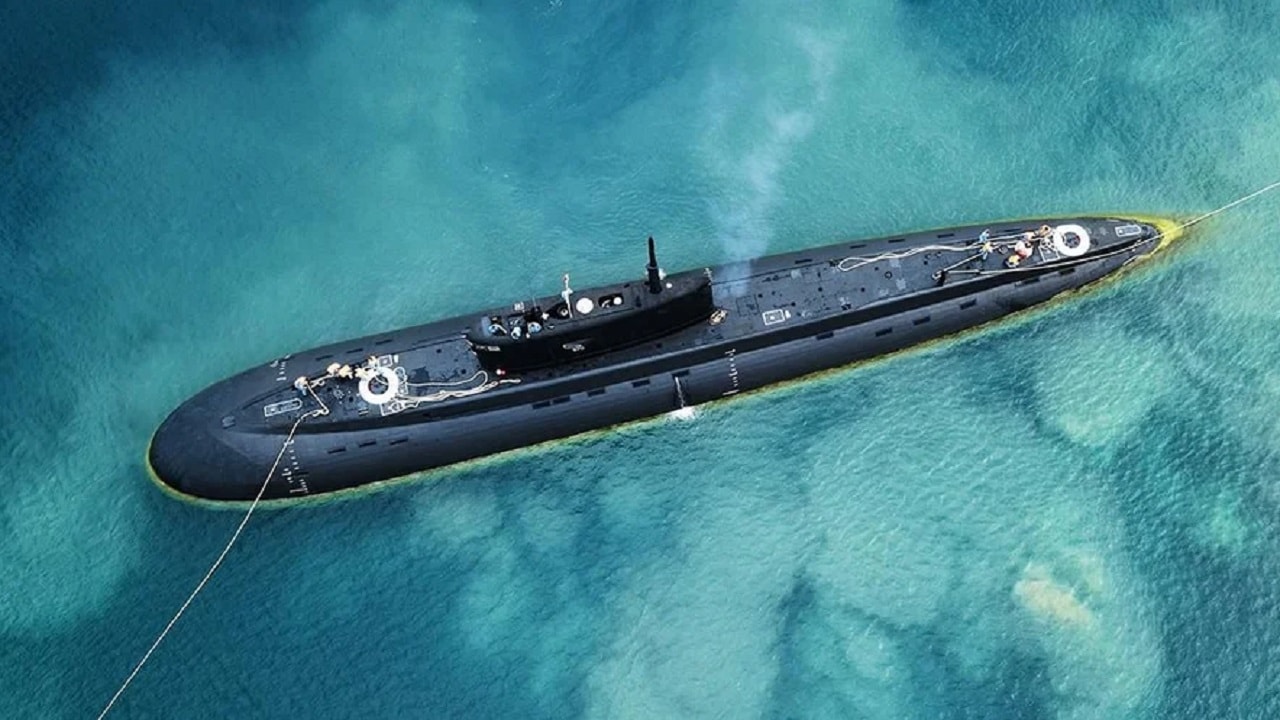
Kilo-Class Submarine. Image Credit: Creative Commons.
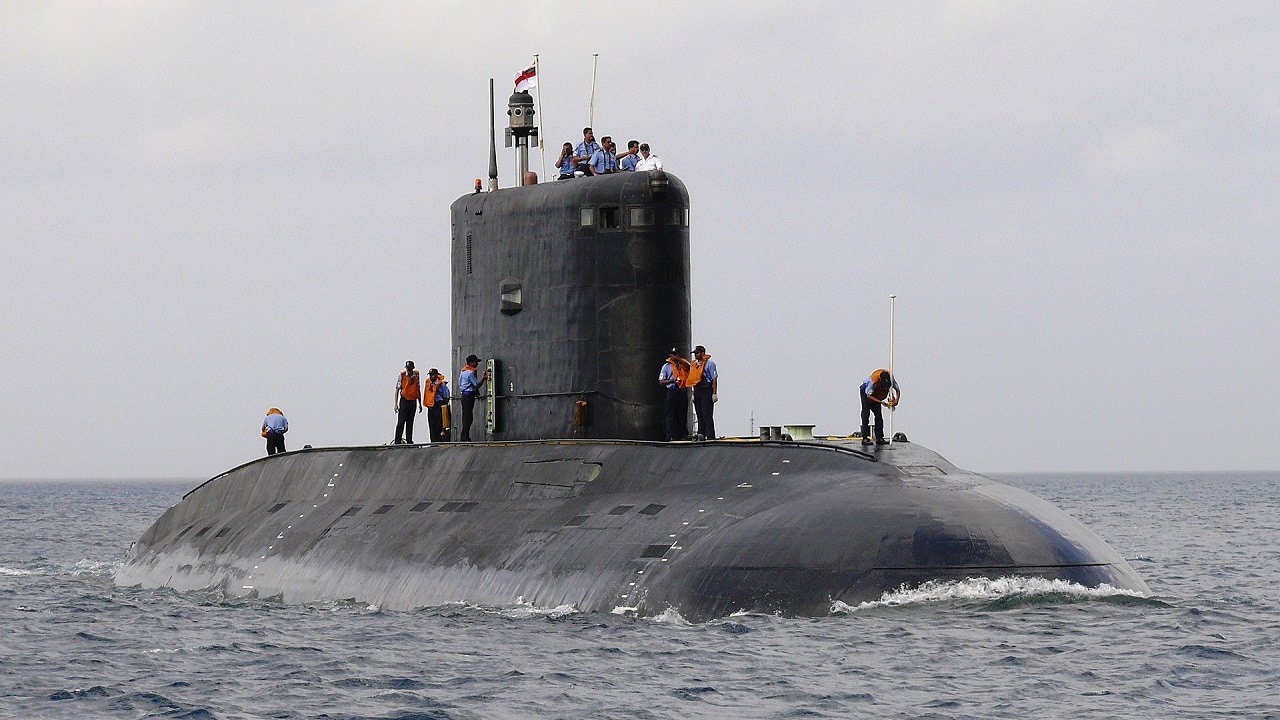
Kilo-Class Submarine.
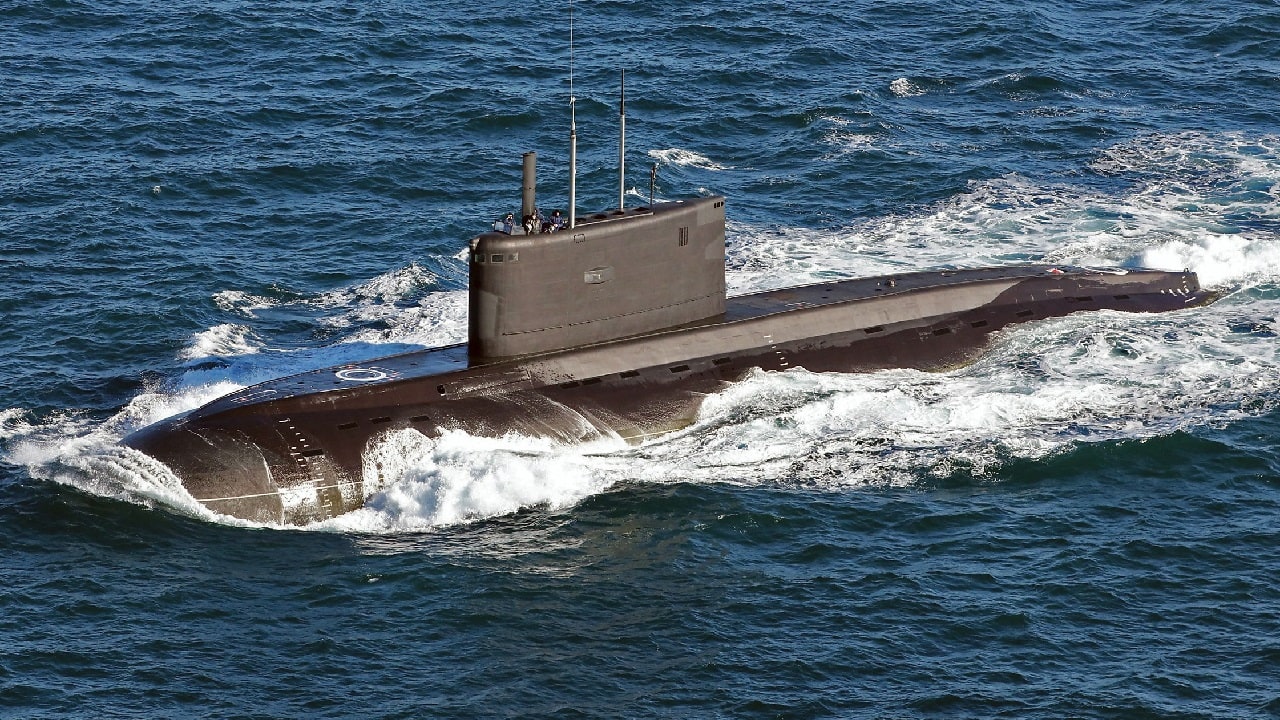
Pictured is a Kilo-Class Russian Submarine in the English Channel. The image was taken from Royal Navy Wildcat HMA2 Helicopter of 815 Naval Air Squadron. Kilo class is the NATO reporting name for the diesel-electric attack submarine.
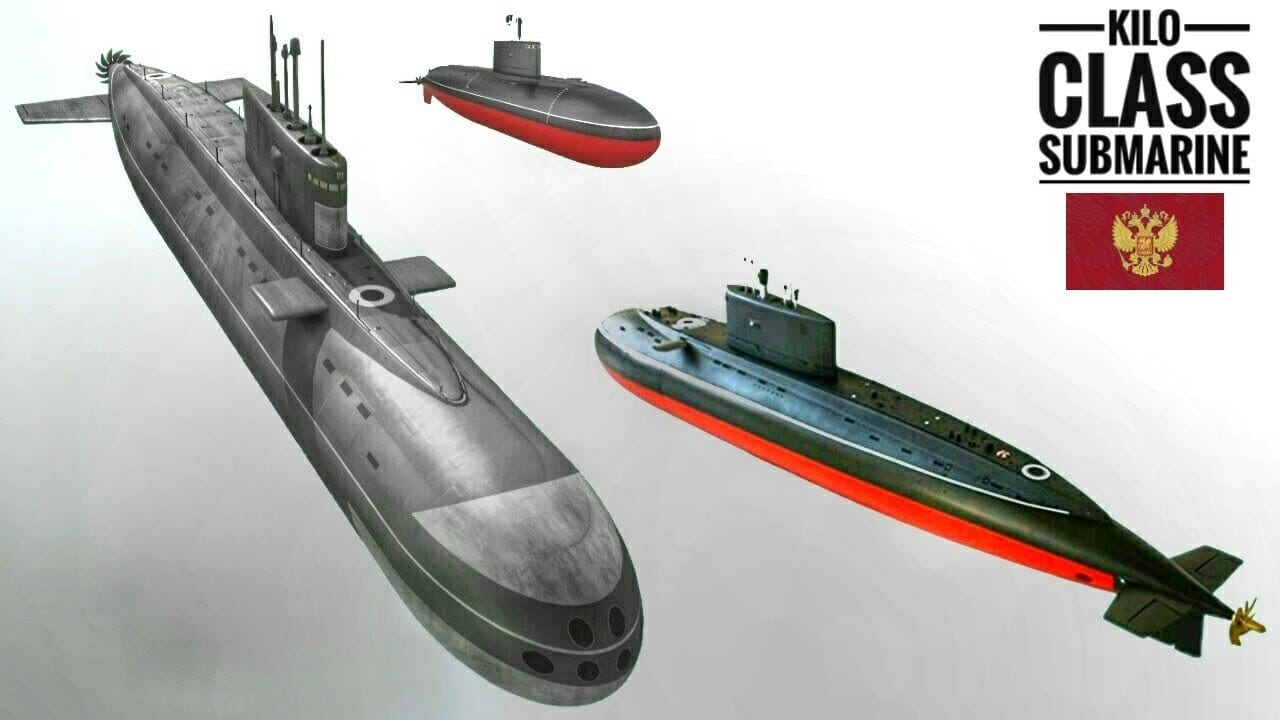
Kilo-class Submarine. Image Credit: Creative Commons.
In any event, there are a few small problems with the Amurs’ international sales prospects—whether to Morocco or any other possible buyer. For one thing, as already noted, none of them have been built yet; that makes them an awfully tough sell vis-à-vis competing Western European models such as France’s Scorpène-class and Germany’s Type 214/A-series.
Further, the Amur-class is based on the Lada-class—and the Lada program has experienced repeated delays and performance problems.
According to Global Military, the Amurs aren’t expected to be commissioned until 2030. Time will tell.
In 1 Word: Doomed?
About the Author: Christian D. Orr, Defense Expert
Christian D. Orr is a Senior Defense Editor. He is a former Air Force Security Forces officer, Federal law enforcement officer, and private military contractor (with assignments worked in Iraq, the United Arab Emirates, Kosovo, Japan, Germany, and the Pentagon). Chris holds a B.A. in International Relations from the University of Southern California (USC) and an M.A. in Intelligence Studies (concentration in Terrorism Studies) from American Military University (AMU).