
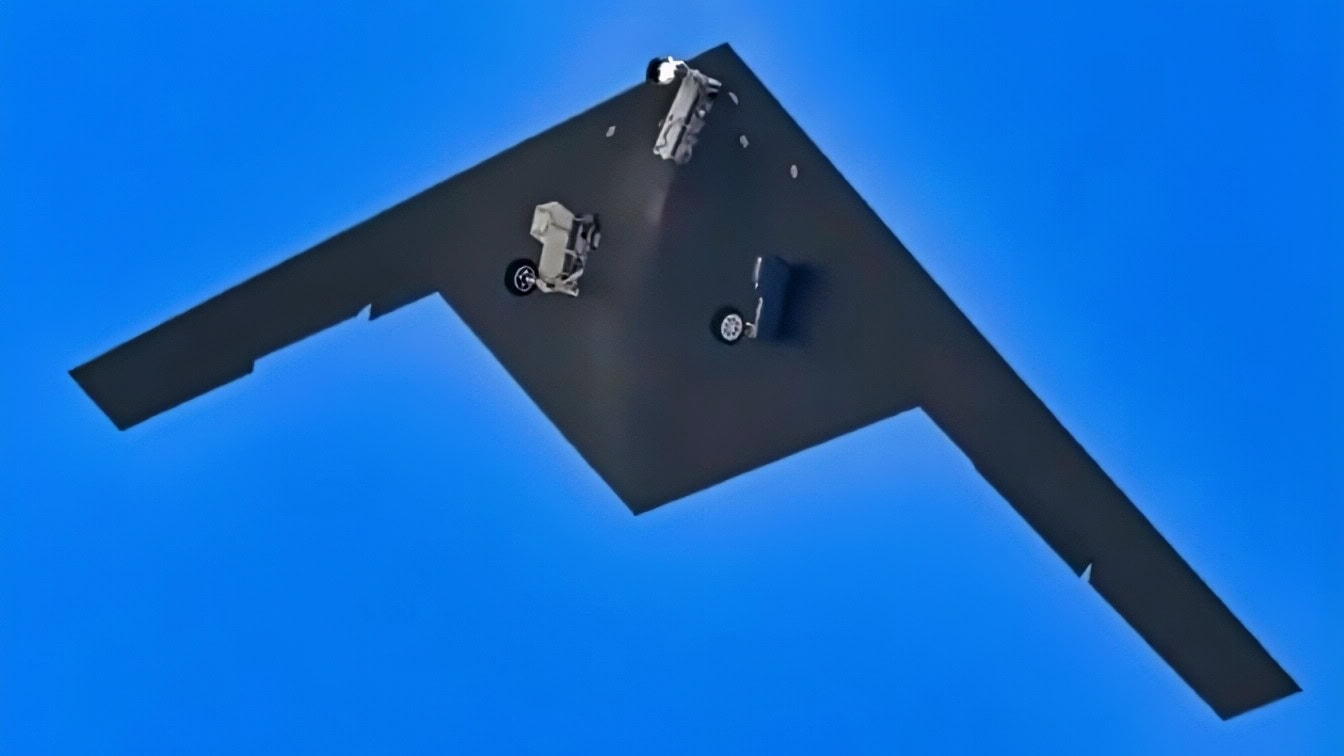
The United States is in the golden age of defense spending. The FY2027 presidential budget request is an astounding $1.5 trillion. This number may have enemies quaking in fear, but it has sounded the alarm to think tanks and government watchdogs who desire a less robust amount of defense expenditures. The $1.5 trillion request is the most expensive in Pentagon history.
Some in the Department of Defense Say This Money Is Badly Needed
But Pentagon bureaucrats believe that the dangerous geopolitical risks worldwide, with multiple types of war and potential conflicts, require this type of monetary investment.
“We’re facing one of the most complex and dangerous threat environments in our nation’s 250-year history,” Jules J. Hurst III, the under secretary of war and chief financial officer, told journalists at a briefing at the Pentagon. “Our adversaries are rapidly advancing capabilities across every warfighting domain: in the air, land, sea, space, and cyberspace, while years of underinvestment have strained our industrial base,” Military Times noted.
The Increase in Drone Spending Is Astronomical
One eye-opener for the proposed budget is the request to spend $53.6 billion on drone production and flight systems. That request is a humongous increase from the $226 million spent on unmanned systems during the last budgetary cycle. This is a many orders-of-magnitude increase.
“Specifically, the Pentagon is requesting …. to boost U.S. production and procurement of drones, train drone operators, build out a logistics network for sustaining drone deployments, and expand counter-drone systems to defend more U.S. military sites. The funding request is budgeted under the Defense Autonomous Warfare Group (DAWG),” according to Ars Technica.
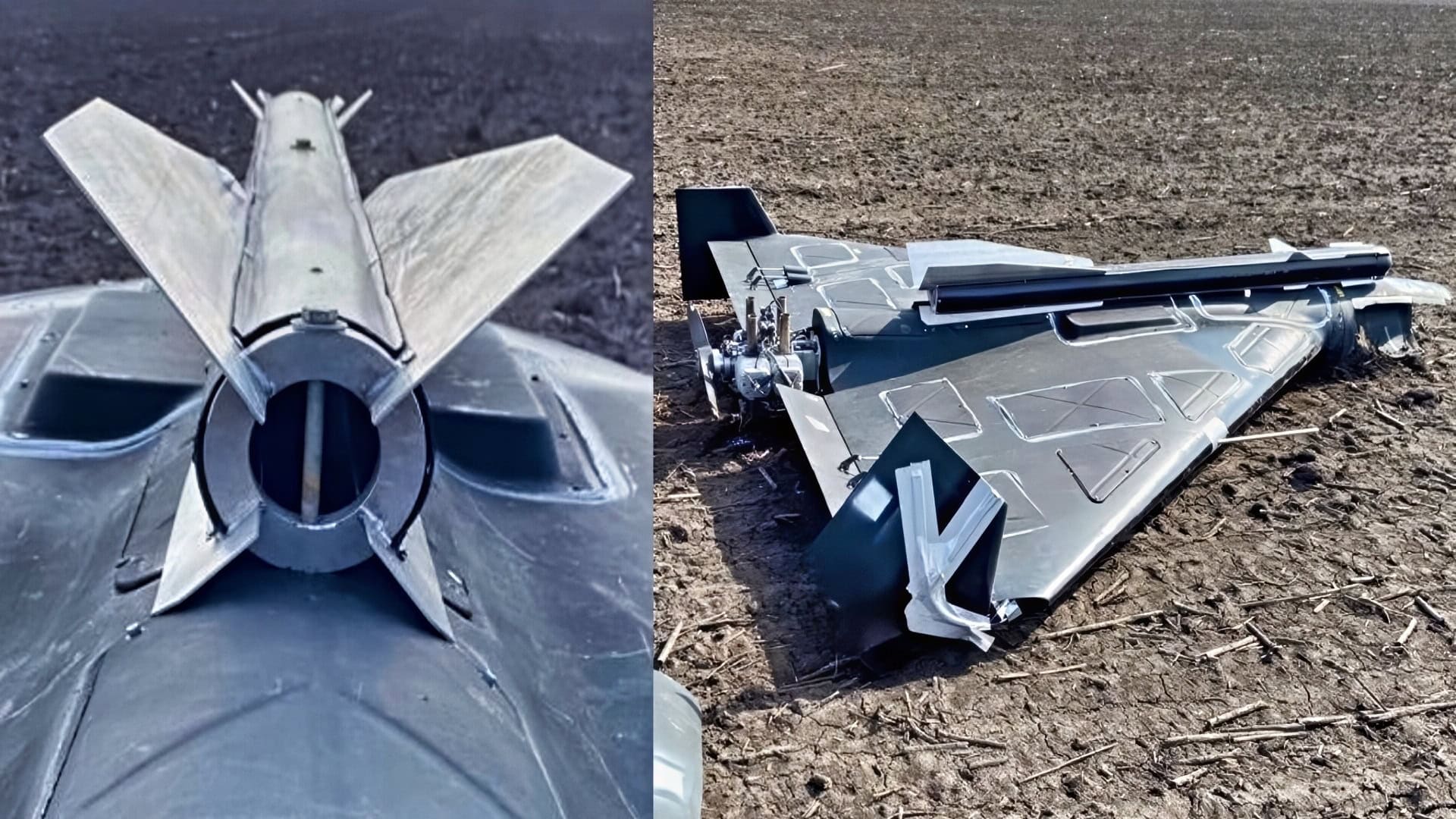
Geranium Drones from Russia X Image Screenshot
Golden Dome Is the Other Budget Headliner
Much of the other spending focuses on the Golden Dome missile defense program, new hypersonic weapons, artificial intelligence in defense systems, enhancements to military databases, and spurring defense contractors to build more offensive and defensive missiles.
Food for All Hungry Mouths
The Army, Navy, and Air Force would get at least a 30% spending increase. This could allow the branches to recruit, pay, and retain more personnel and receive new military hardware that is on various wish lists.
Trump’s Golden Fleet Would Be Fully Funded
For example, the Navy would have the new Golden Fleet – a proposed enhanced ship-building initiative that would invest $65 billion in new vessels. This would entail 34 new ships.
The Department of Defense also wants to spend $64.5 billion on next-generation tanks and helicopters. There is also a call for more investment in THAAD and Patriot interceptors.
‘Kinetic Missile Fight’ During a Two-Front War
The Americans realize that they are engaging in what I call the “Kinetic Missile Fight” in the Middle East, and a potential two-front war with Iran and China should Xi Jinping decide to attack Taiwan.
There may not be enough missiles to handle both conflicts at once. The DOD must reckon with the realities of running out of offensive and defensive projectiles, such as the Precision Strike Missile, the JASSM, and the Tomahawk cruise missile.
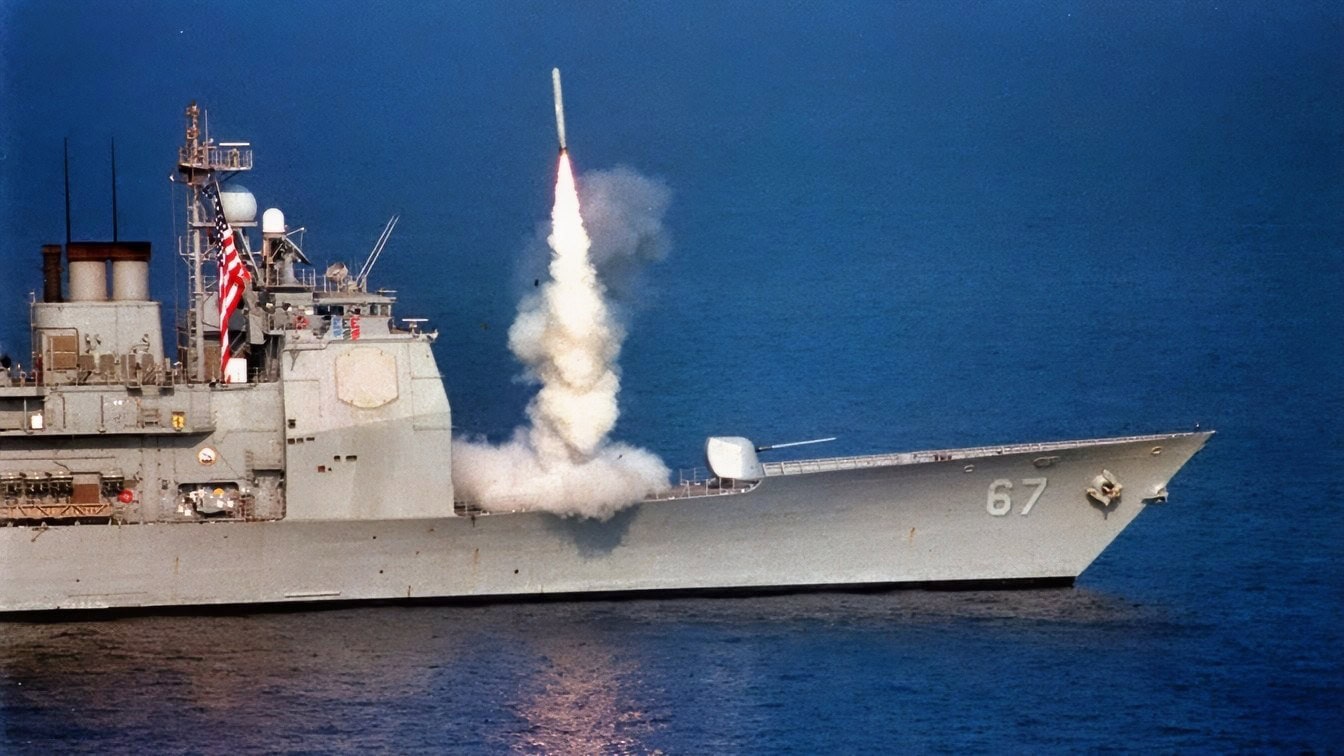
A Tomahawk cruise missile launches from the forward vertical launch system of the USS Shiloh (CG 67) to attack selected air defense targets south of the 33rd parallel in Iraq on Sept. 3, 1996, as part of Operation Desert Strike. The attacks are designed to reduce risks to the pilots who will enforce the expanded no-fly zone. President Clinton announced an expanded no-fly zone in response to an Iraqi attack against a Kurdish faction. The larger no-fly zone in Southern Iraq will make it easier for U.S. and coalition partners to contain Saddam Hussein’s aggression. The U.S. Navy Ticonderoga-class cruiser launched the missiles as it operated in the Persian Gulf.
$200 Billion Supplemental for War Against Iran
That’s not all. This budget was assembled before the war in Iran. So Secretary of Defense Pete Hegseth wants to spend even more on Operation Epic Fury, to the tune of $200 billion in supplemental funding.
Congress will be busy debating this huge topline number, but even if the legislators on Capitol Hill cut $500 billion from the request, it would still top $1 trillion.
Mega-Budget Request Already Receiving Criticism
This has many watchdog groups complaining about the high level of defense spending. Nearly 300 groups sent a letter to Congress requesting that the Trump budget not be approved.
“Further gigantic increases would be grossly irresponsible,” the letter reads. “Funding an unaccountable Pentagon by more than $1 trillion while underfunding human needs programs undermines our security by preventing us from investing in the shared prosperity that comes from more housing, health care, climate and public health protections, ending hunger, and providing quality public education.”
Beancounters Are Sweating
The Department of Defense should be given credit for devising a budget that addresses the needs of future warfare. Drones, missiles, and shipbuilding all need a boost, but $1.5 trillion is just such an eye-watering sum; it makes one wonder whether there would be a magnet for waste, fraud, and abuse, since the Pentagon has never passed an audit.
Can Congress Rationalize All of This Spending?
There should be more ways to analyze this budget request beyond Congress. Lawmakers have access to the Congressional Research Service, an internal think tank, and the Congressional Budget Office, which can score the bill called the National Defense Authorization Act, but $1.5 trillion is a substantial amount of money. It would take the best minds on Capitol Hill to analyze all this spending to determine whether it is warranted and needed.
Let’s Devise Some Priorities
Washington, DC, is in uncharted territory with this budget request. I would warn lawmakers and bureaucrats that spending at this level should be ratcheted downward. There are many dangers in the world, that is true, but throwing money at the defense budget is not always the right answer. It will be difficult to have both the Golden Dome and the Golden Fleet at the same time, as the president is requesting.
Time to Make Some Cuts
It is time to narrow the scope of certain budgetary line items and reduce this spending request. The topline number is shocking in its magnitude and, with all the money involved, would be difficult for the people meant to oversee government spending to analyze.
Trump and the current Congress, which is led by Republicans, would need to pass this proposal in the National Defense Authorization Act before the midterm elections change the composition of the House of Representatives and the Senate. It is unclear whether the American people are on board with the $1.5 trillion budget. We will keep our eyes on this budget process to see what number is finally agreed upon, but the level of spending is unprecedented and may need to be trimmed to a more manageable level.
About the Author Brent M. Eastwood, PhD
Author of now over 3,500 articles on defense issues, Brent M. Eastwood, PhD, is the author of Don’t Turn Your Back On the World: A Conservative Foreign Policy and Humans, Machines, and Data: Future Trends in Warfare, plus two other books. Brent was the founder and CEO of a tech firm that predicted world events using artificial intelligence. He served as a legislative fellow for US Senator Tim Scott and advised the senator on defense and foreign policy issues. He has taught at American University, George Washington University, and George Mason University. Brent is a former US Army Infantry officer. He can be followed on X @BMEastwood.