
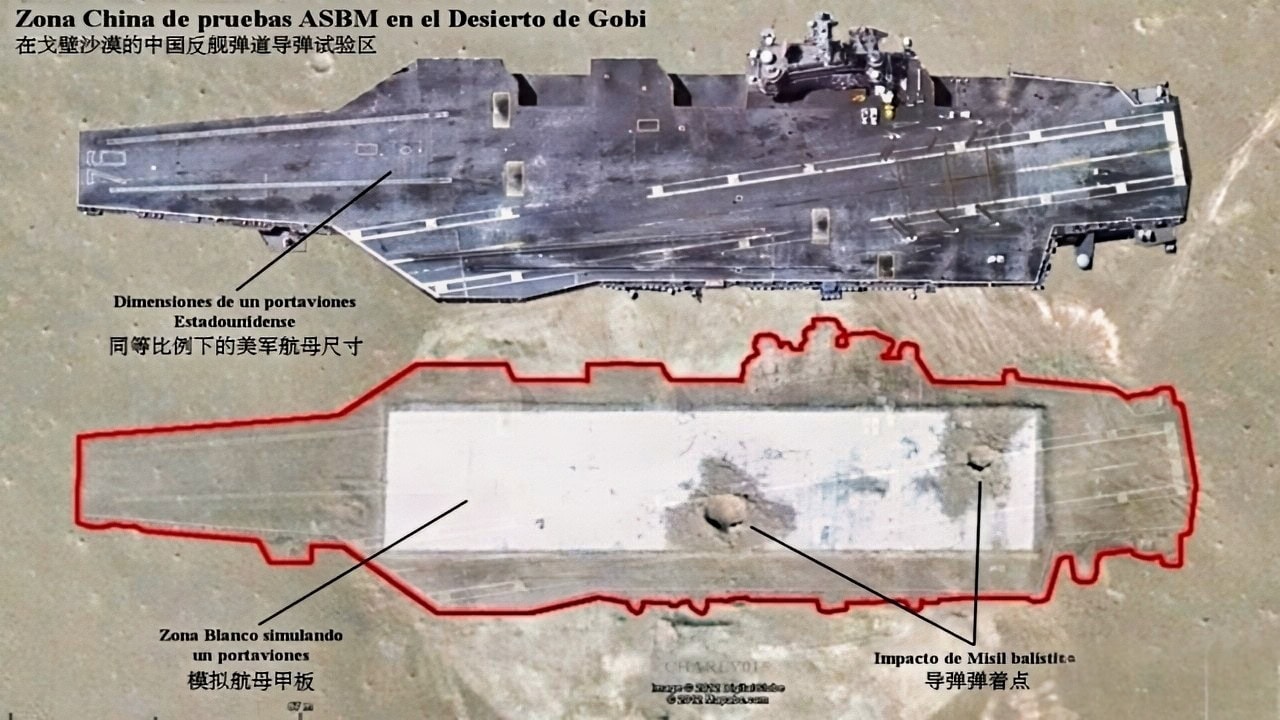
Could the United States fight a two-front war? This would entail continuing the shooting conflict with Iran and facing an aggressive China that finally attacks Taiwan – assuming the Americans decide to intervene in a Taiwan Strait crisis. This would require another huge stockpile of missiles for offensive and defensive purposes, and the United States may not have enough right now to fight two wars at once. The ceasefire comes at the right time as the Center for Strategic and International Studies (CSIS) reckons that the United States has expended more than 45 percent of its stockpile of Precision Strike Missiles in seven weeks of the war against Iran.
Offensive and Defensive Missiles Are Running Low
The analysis of missile use is not good news for missile interceptors like THAAD and Patriot air defenders. 50 percent of these defensive projectiles have already been used. Thirty percent of Tomahawk cruise missiles have been launched, and at least 20 percent of Joint Air-to-Surface Standoff Missiles have been expended, according to the Kyiv Post.
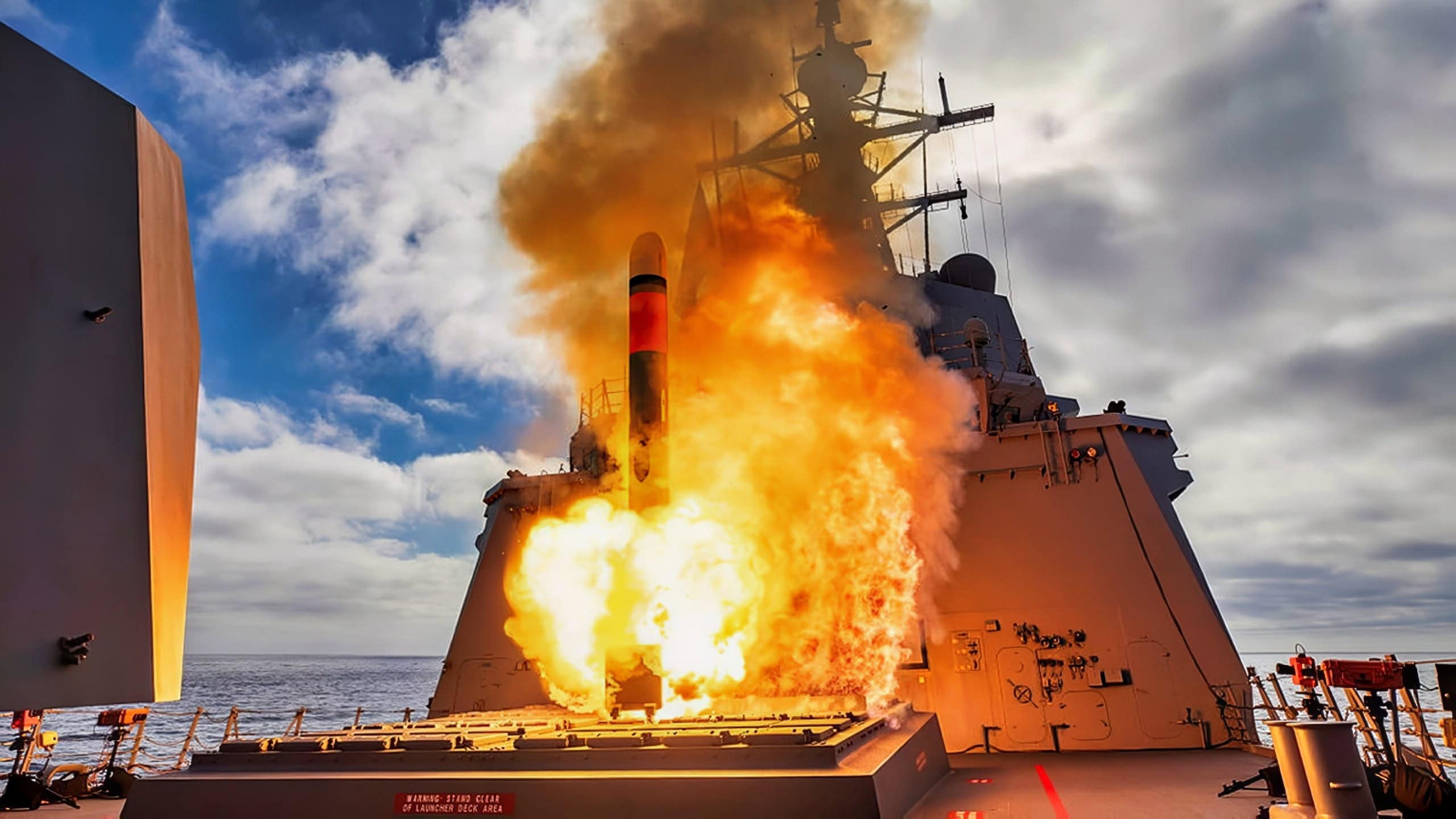
Tomahawk Missile Firing. Image Credit: Government of Australia.
The U.S. Navy is suffering, too, with its missile defenders. CSIS claims that the SM – Standard Missile family of interceptors, such as the SM-3 and SM-6, is dwindling. Stocks of these projectiles are down 20 percent.
What About the Risk of China Attacking Taiwan?
If the United States faced another war, there would likely not be enough missiles to supply to the fronts.
Transporting the Indo-Pacific to a flare-up with China would be difficult. There are just not enough missiles to go around.
If the Iranian war takes longer and the ceasefire is broken, the United States may be limited in the number of missiles that it can bring to the fight.
“The high munitions expenditures have created a window of increased vulnerability in the western Pacific,” said Mark Cancian, a retired U.S. Marine Corps colonel at CSIS. “It will take one to four years to replenish these inventories and several years after that to expand them to where they need to be.”
New Army Missile Gets a Lifeline
One of the Army’s newest weapons, the Precision Strike Missile, will be replenished according to the FY2027 presidential budget proposal. The U.S. Army would acquire 1,134 Precision Strike Missiles at a total cost of nearly $1.9 billion, for a per-missile cost of $1.7 million. These are fired by HIMARS launchers.
“Even before the Iran war, stockpiles were deemed insufficient for a peer competitor fight. That shortfall is now even more acute, and building stockpiles to levels adequate for a war with China will take additional time,” CSIS explained.
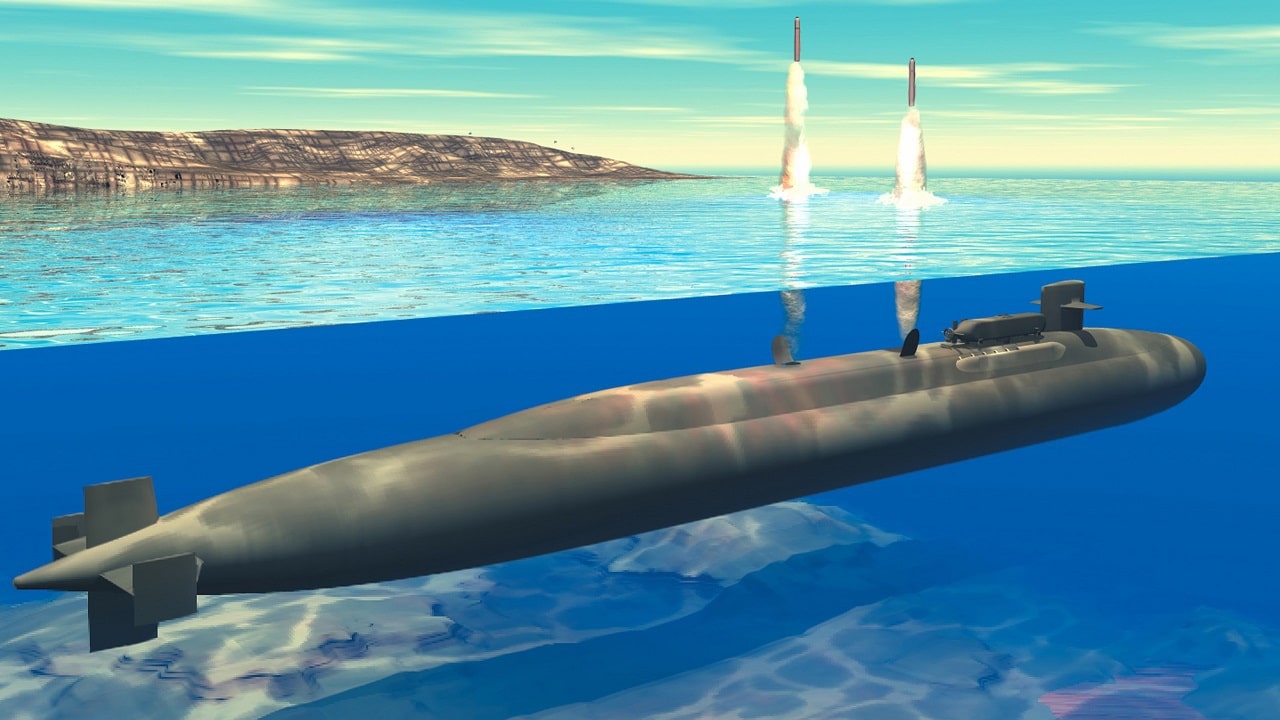
Artist’s concept of an Ohio-class SSGN launching Tomahawk Land Attack Missiles.
Iran Has Launched a Bevy of Missiles and Drones
Iran is using a huge amount of ballistic missiles and drones against the Americans and allied targets. There have been attacks by 2,000 Iranians unmanned craft and 500 ballistic missiles, according to the Ukrainian government.
The U.S. Defense Industrial Base Is Trying to Keep Up
The Department of Defense (DOD) is desperately signing new deals with defense contractors to fix these shortages. Last month, the DOD agreed with Lockheed Martin and BAE Systems to produce more THAAD interceptors. Lockheed Martin wants to quadruple production to 96 interceptors a year at $12.7 million each.
Raytheon aims to triple the number of SM-6 interceptors to at least 500 each year. These cost around $4 million per unit. Raytheon also wants to build more than 1,000 Tomahawk cruise missiles annually. Lockheed Martin also desires to build more Patriot interceptors.
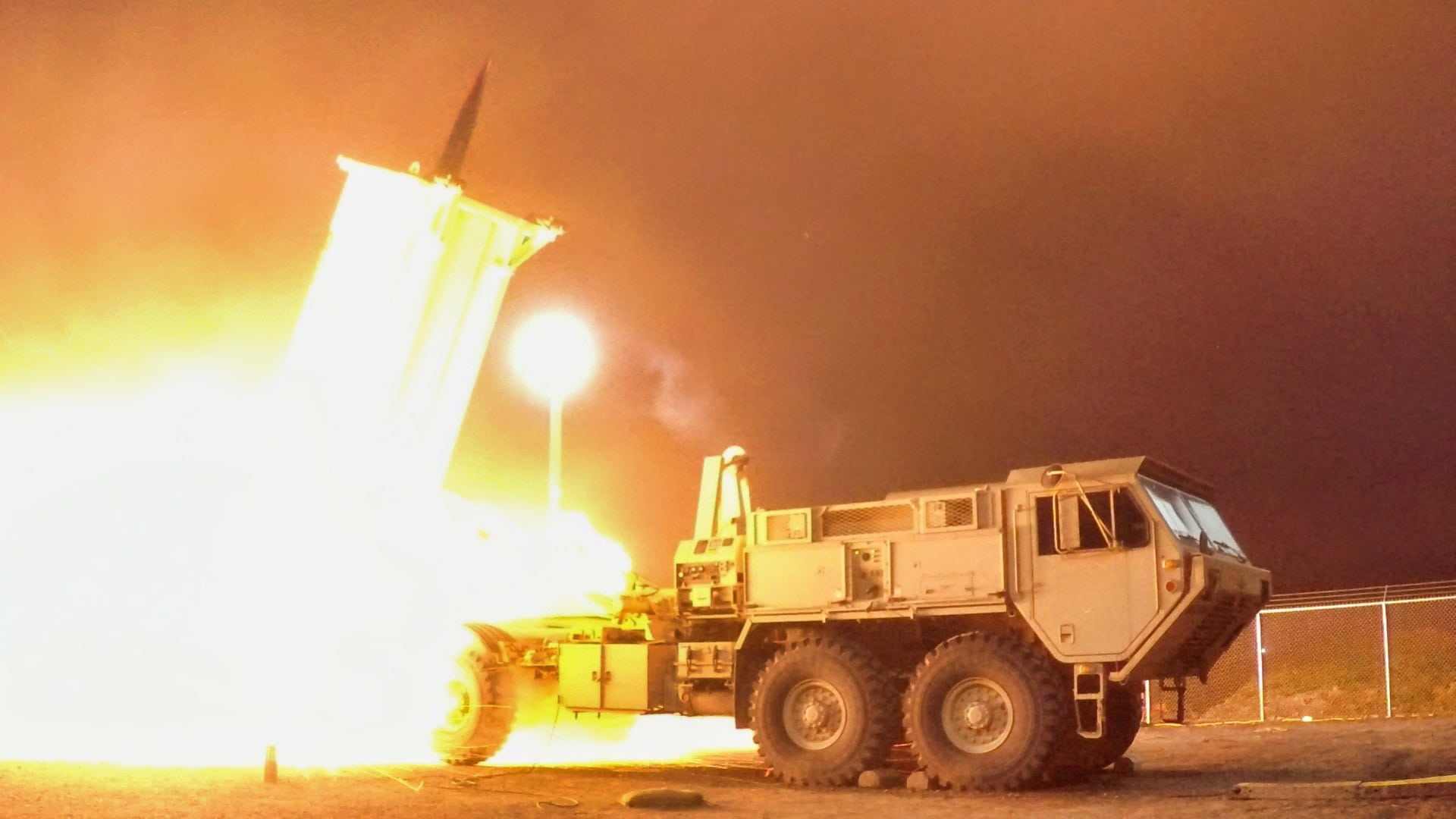
THAAD. Image Credit: Department of Defense.
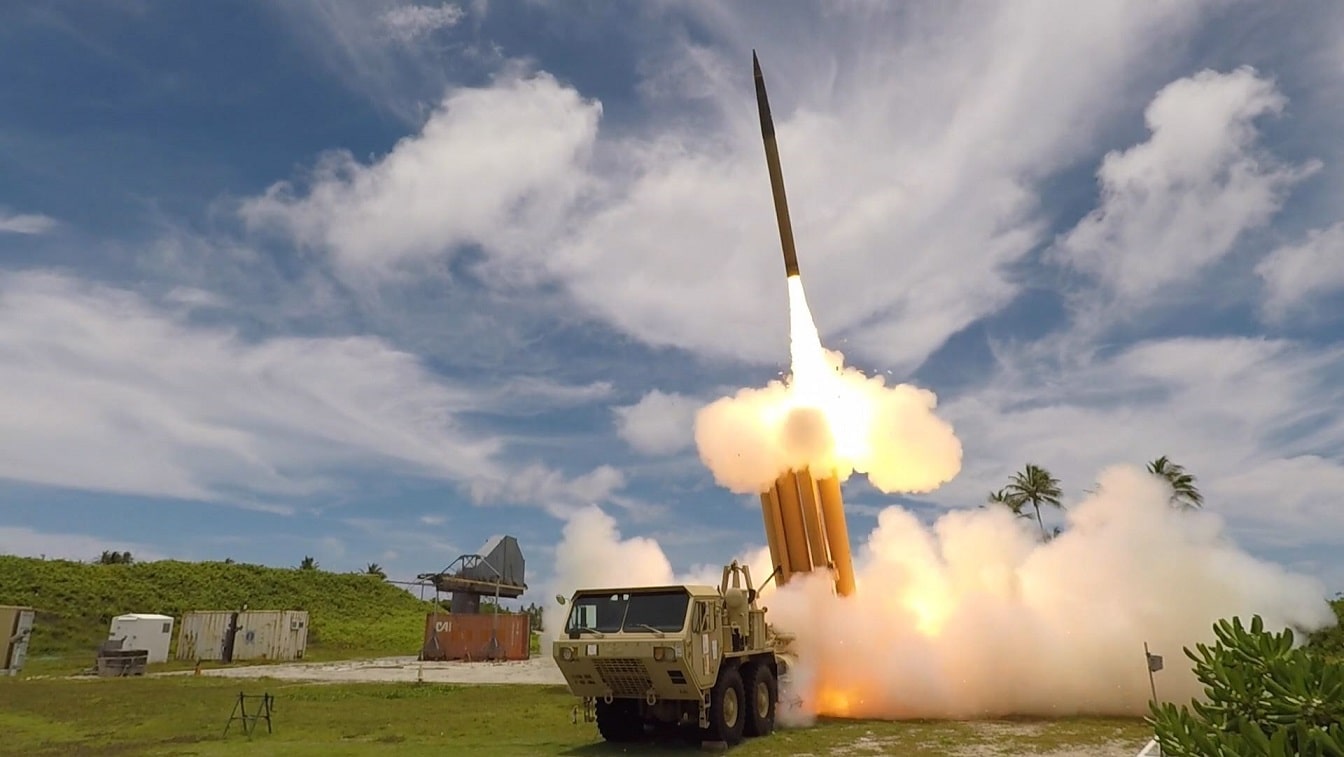
THAAD Missile Defense Battery Firing. Image Credit: Lockheed Martin.
It’s Called the ‘Kinetic Missile Fight’
This new state of warfare, which I call the “Kinetic Missile Fight,” would be replicated in East Asia, and missiles take too long to make and are expensive. The United States would need to meet all of its production quotas before a two-front Kinetic Missile Fight with China could occur.
All the United States can do is hope for a ceasefire to continue in the Middle East and that Xi Jinping does not decide to attack Taiwan. If that happened, the Americans would have to look long and hard at missile supplies and project what they could use in a fight.
Looking for a Replacement Strategy
Logisticians in the Pentagon will be busy analyzing these numbers of offensive missiles and defensive interceptors. The missiles can be replaced, but it will take years to catch up. U.S. defense strategy assumes that during the Kinetic Missile fight, stocks would not be depleted so fast.
China would be even better, as its missile and drone quality is superior to Iran’s.
Time for Congress to Act
Congress must sound the alarm on this problem, and the debate over this fiscal year’s National Defense Authorization Act will be critical. The Americans did not foresee that the Kinetic Missile Fight would require all of these munitions. The best the United States can do is keep an eye on missile stocks and project future needs by working with industry to produce more rapidly.
A New Role for the A-10 Warthog
The Kinetic Missile Fight often relies on asymmetric warfare, in which a weaker country can use cheaper drones to counter American interceptors.
One way for the United States to deal with Iranian drones has been to use the A-10 Warthog to shoot the unmanned craft down with the airplane’s heavy weapons.
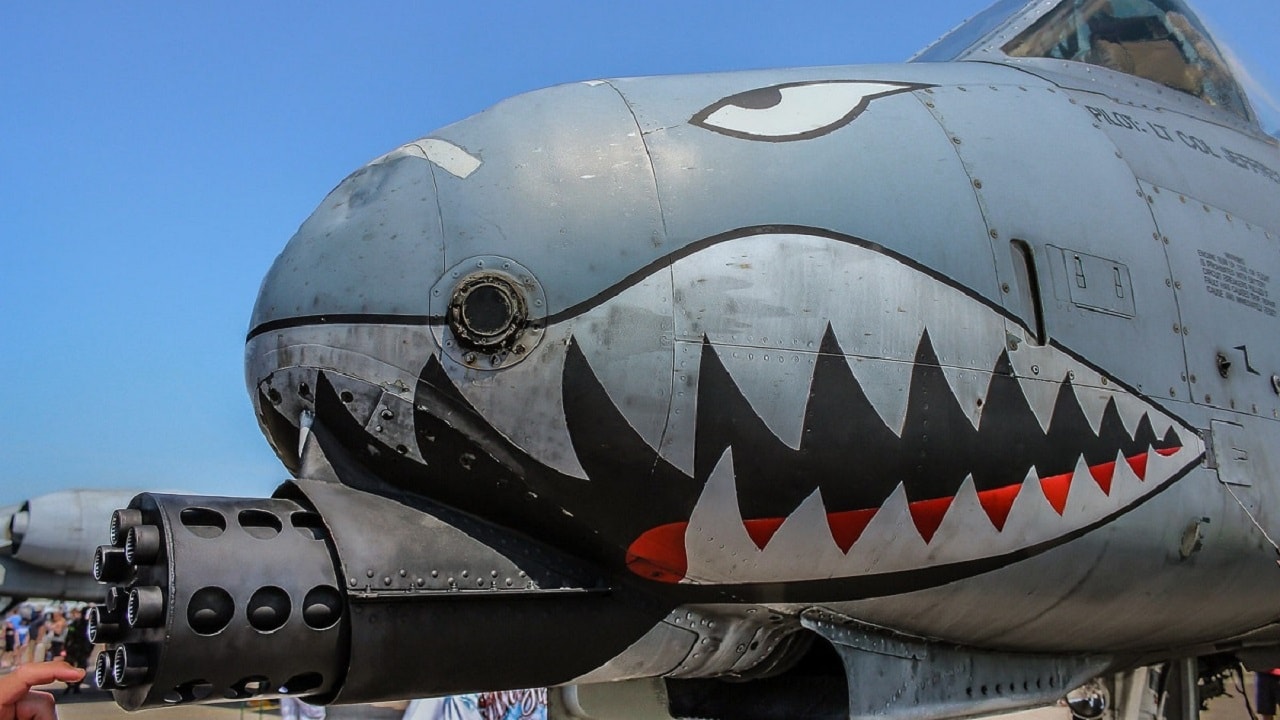
A-10 Warthog. Image Credit: Creative Commons.
The A-10, which had been slated for retirement by the Trump administration, has had its active duty status extended.
The United States must be cognizant of the dwindling missile supply and respond quickly to replenish them.
If the shooting begins against Iran, there might be enough for more months of fighting, but then there is the worry that China could spark a war in East Asia, adding another dimension to the state of conflict that the Americans are engaged in. It appears the Kinetic Missile Fight is here to stay, and the DOD must figure out a way to keep missile stockpiles increasing while preparing for a two-front war.
About the Author: Brent M. Eastwood, PhD
Author of now over 3,500 articles on defense issues, Brent M. Eastwood, PhD, is the author of Don’t Turn Your Back On the World: A Conservative Foreign Policy and Humans, Machines, and Data: Future Trends in Warfare, plus two other books. Brent was the founder and CEO of a tech firm that predicted world events using artificial intelligence. He served as a legislative fellow for US Senator Tim Scott and advised the senator on defense and foreign policy issues. He has taught at American University, George Washington University, and George Mason University. Brent is a former US Army Infantry officer. He can be followed on X @BMEastwood.