
Summary and Key Points: Dr. Andrew Latham, a professor of International Relations and a fellow at Defense Priorities, analyzes the tactical friction in the opening phase of a U.S.-Iran conflict.
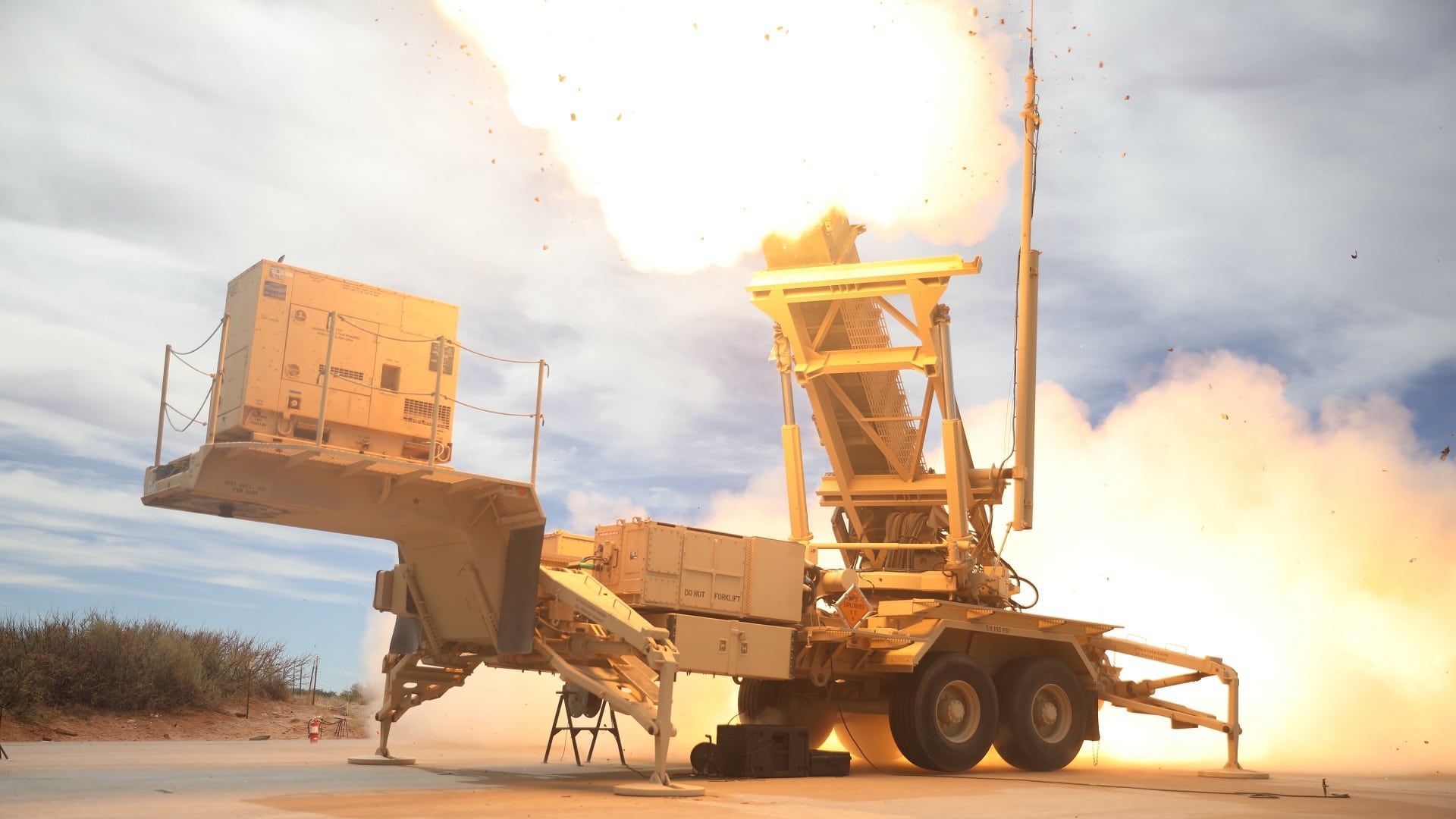
-Operating from fixed coordinates like Al Udeid Air Base in Qatar and Al Dhafra in the UAE, the U.S. Air Force faces immediate saturation threats from Iran’s Fateh-110 and Zolfaghar solid-fuel ballistic missiles.
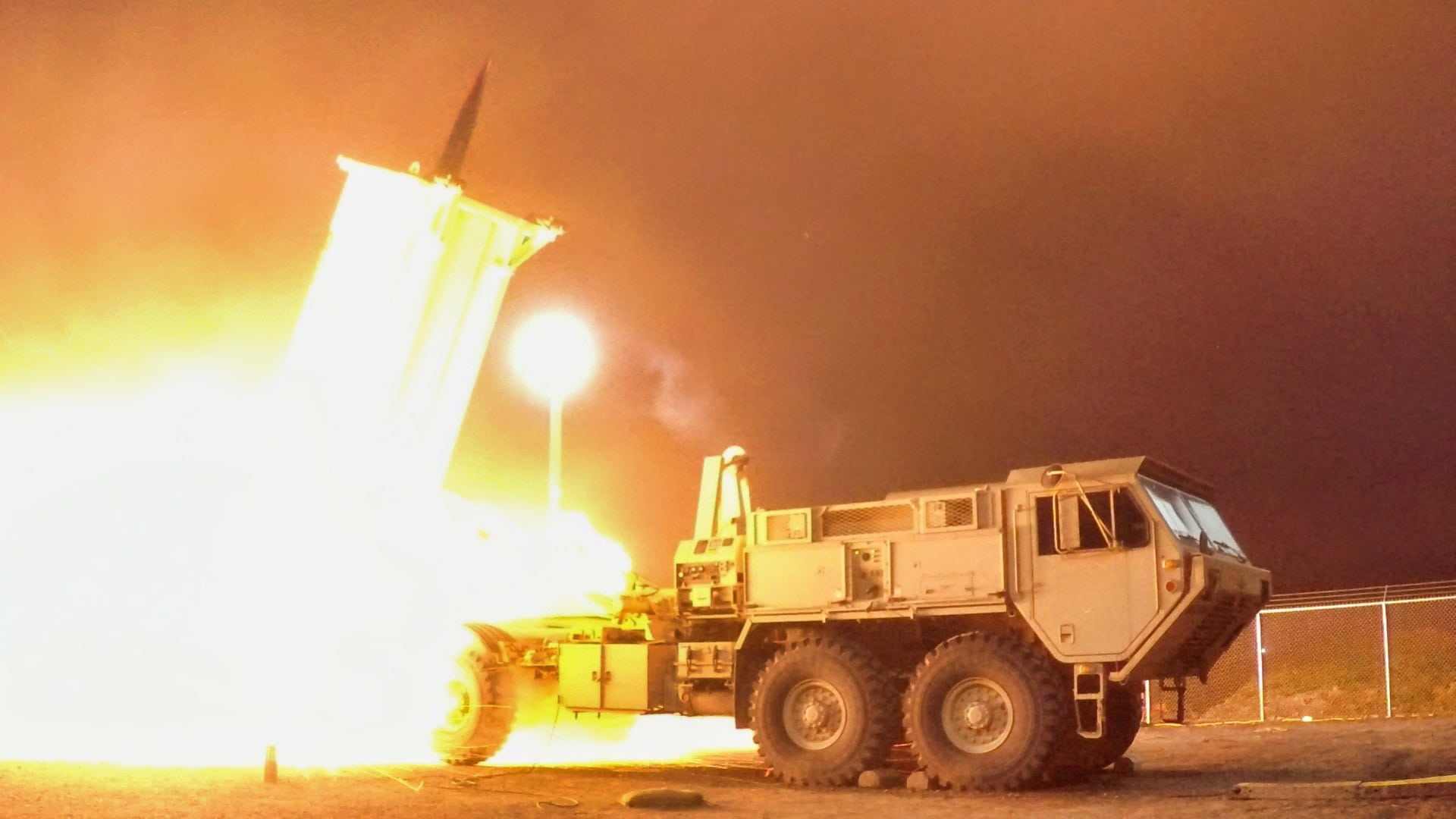
THAAD. Image Credit: Department of Defense.
-While PAC-3 Patriot and THAAD batteries provide a layered defense, this 19FortyFive analysis explores how mobile transporter-erector-launchers (TELs) exploit the first 24 hours of conflict to disrupt sortie generation before American ISR constricts Tehran’s launch capacity.
The First 48 Hours: Can Iran’s Missile Salvos Actually Cripple U.S. Gulf Bases?
If war with Iran breaks out in the coming days, U.S. bases across the Gulf will face missile fire almost immediately. Tehran cannot dominate the air in a sustained fight, and its maritime forces cannot drive the U.S. Navy from regional waters.
Missiles are the one instrument Iran can employ at scale from the opening hours. That reality defines the early phase of conflict. Iranian salvos would seek to slow sortie generation and damage critical infrastructure before American counterforce pressure begins to constrict launch capacity. The threat is genuine. It is also bounded by survivability and by stockpile depth.
Fixed Coordinates, Real Exposure
The American military footprint in the Gulf rests on installations whose locations are widely known. Al Udeid in Qatar, Al Dhafra in the United Arab Emirates, and Prince Sultan Air Base in Saudi Arabia anchor regional air operations. These bases are hardened and defended. They are also fixed.
Runways cannot shift under fire. Fuel farms sit where they were built. Maintenance complexes must operate in place. Iranian planners do not need exquisite targeting intelligence to identify target points within a large airbase’s perimeter. Volume and timing carry more weight than elegance.
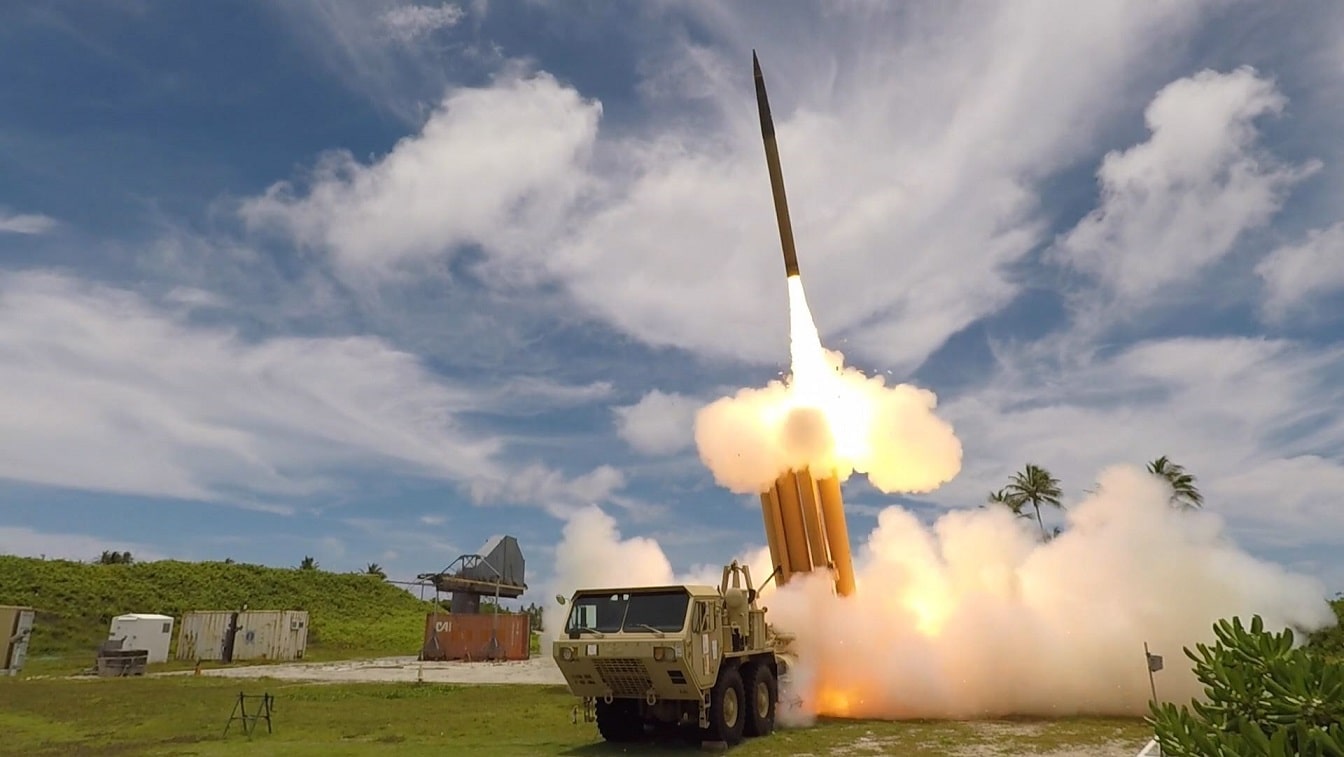
THAAD Missile Defense Battery Firing. Image Credit: Lockheed Martin.
Geography shapes the opening exchange. It gives Tehran a chance to impose friction before American operational superiority asserts itself.
What the Arsenal Delivers
Iran has spent years refining solid-fuel short-range ballistic systems associated with the Fateh line. Variants of the Fateh-110 missile feature shorter launch preparation times and improved guidance compared to earlier generations. Mobile transporter-erector-launchers complicate preemptive targeting and raise survivability in the first hours of conflict.
These advances matter. Launch preparation timelines have shortened, and dispersed firing is now more practicable under operational conditions. The result is reduced warning time before salvos begin to move.
None of this turns Iran into a peer strike power. Accuracy varies across the missile force. Damaging an airbase complex is not the same task as neutralizing the combat power that operates from it. Iran can crater pavement and hit exposed infrastructure. But it will struggle to keep a major base offline once repair teams mobilize and aircraft disperse.
Missiles threaten tempo. They do not erase capacity.
Defense Under Strain
Layered missile defense networks, including the Patriot missile system and the Terminal High Altitude Area Defense System, protect the Gulf. These systems have shown strong interception performance in operational settings. They complicate Iranian planning and reduce the likelihood of a successful impact.
The pressure point lies in endurance. Interceptors are finite, and reload cycles take time under combat conditions. Coverage cannot be concentrated everywhere at once. Tehran controls launch timing. American commanders are forced to prioritize which installations receive the densest defensive umbrella.
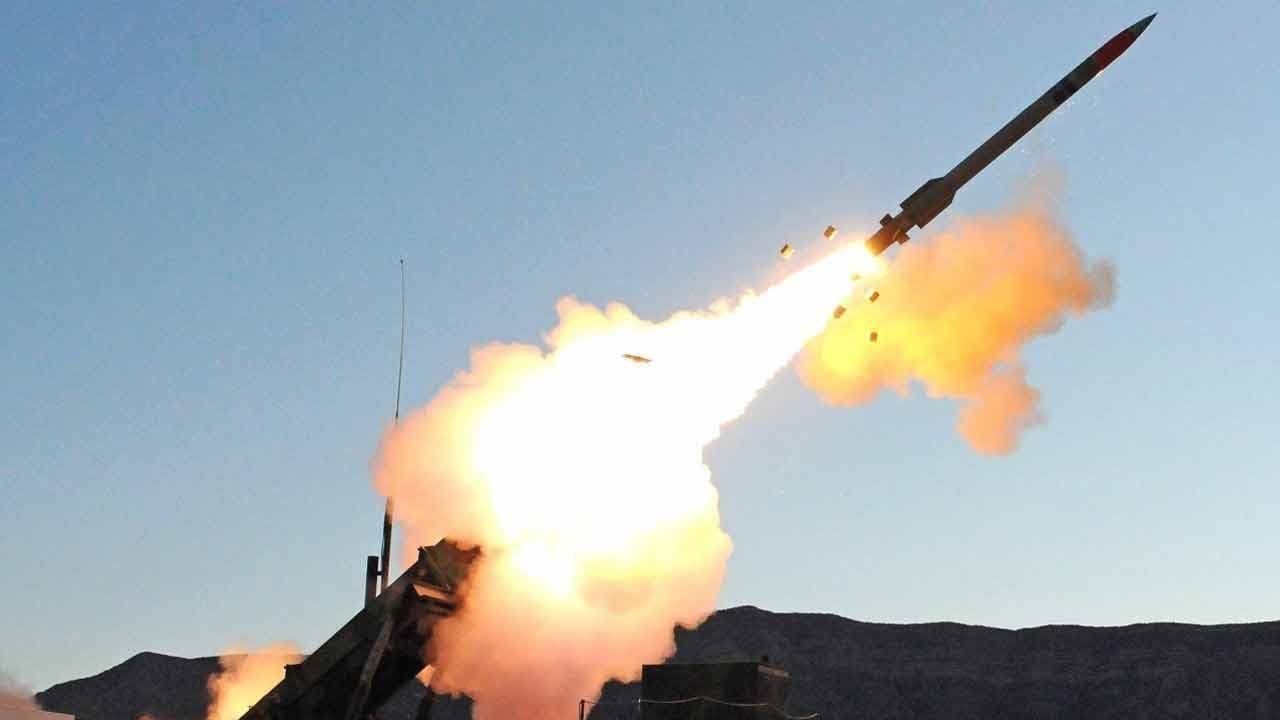
Patriot Missile. Image Credit: Creative Commons.
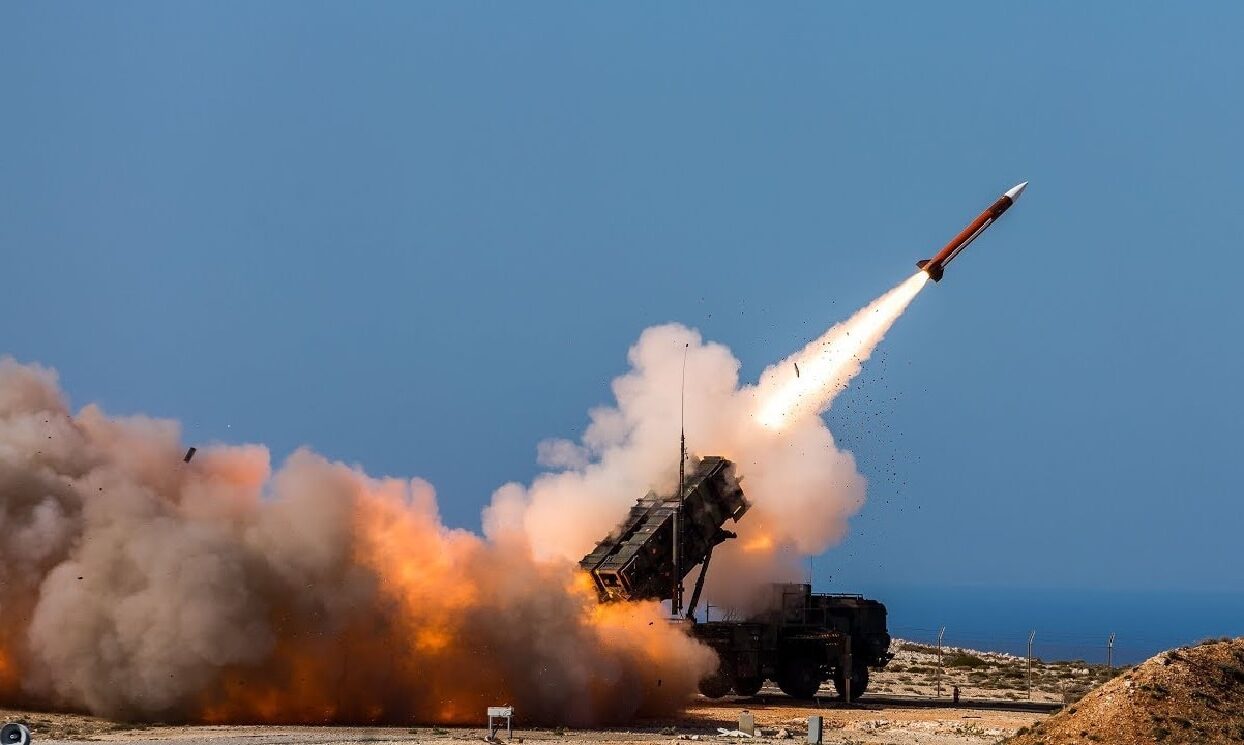
Patriot Missile. Image: Creative Commons.
A base can defeat most incoming missiles and still experience disruption. Debris alone can damage exposed assets, and even a small number of successful impacts may close a runway long enough to slow early sortie sequencing. Interceptor reload timelines are measured in hours rather than minutes, which means tactical success does not automatically translate into uninterrupted operations.
The Narrow Window
Time is the decisive variable. Iran’s missile forces are most potent before persistent surveillance and strike coverage tighten around launch activity. In the first days of conflict, mobile launchers retain higher survivability. Salvos can be generated before counterforce operations mature.
If fuel storage is damaged, early strike cycles slow. Commanders adjust sequencing while defensive units manage continued inbound threats. Even modest friction complicates efforts to establish operational momentum.
That permissive environment contracts quickly. American ISR expands once hostilities begin. Launch signatures grow harder to conceal. Strike packages shift toward transporter vehicles or storage facilities. Survivability declines under sustained hunting pressure.
Missile leverage is strongest at the outset and then begins to erode.
Inventory and Decision Pressure for Iran
Iran’s missile stockpile is substantial, yet it is not limitless. More capable systems require time and infrastructure to replace. High-volume firing in the opening phase accelerates depletion and invites intensified targeting.
Each launch strains U.S. defenses. It also reduces Iran’s remaining leverage. Shock may increase in the short term, but inventory shrinks with every salvo.
Tehran faces a difficult calculation. Heavy early firing produces visible disruption but consumes scarce assets. Restraint preserves capability, though it diminishes immediate impact. Missiles are suited to shaping the first days of a war. They are poorly suited to sustaining control of a prolonged campaign against a state with deeper industrial capacity.
A Wider Envelope
Iran’s network extends beyond its own launchers. Armed groups aligned with Tehran possess rockets and drones that can widen the battlespace. Activity from Lebanon, Yemen, or Iraq would complicate defensive allocation and stretch interception resources across a broader arc.
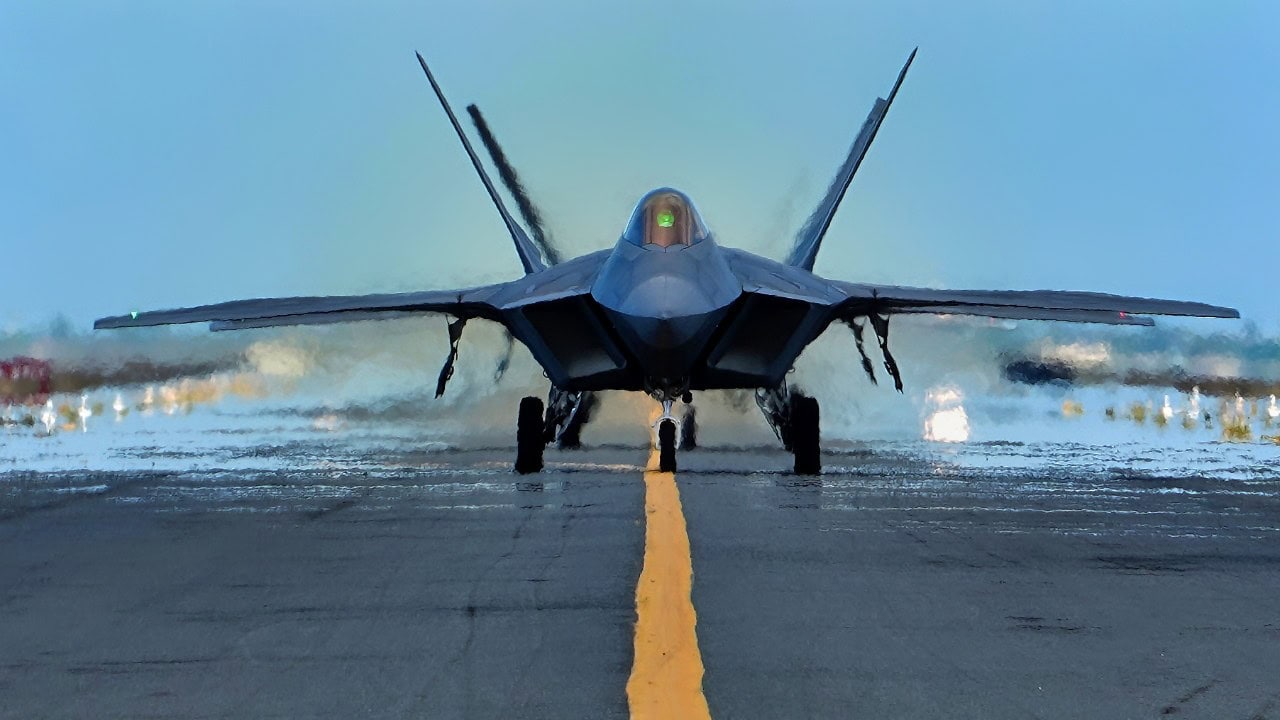
A U.S. Air Force F-22 Raptor taxis on the runway during a routine training schedule April 21, 2020, at Honolulu International Airport, Hawaii. Given the low traffic at the airport due to COVID-19 mitigation efforts, the active-duty 15th Wing and the Hawaii Air National Guard’s 154th Wing seized an opportunity to document the operation which showcases readiness and their unique Total Force Integration construct. The units of Team Hickam work together seamlessly to deliver combat airpower, tanker fuel, and humanitarian support and disaster relief across the Indo-Pacific. (U.S. Air Force photo by Airman 1st Class Erin Baxter)
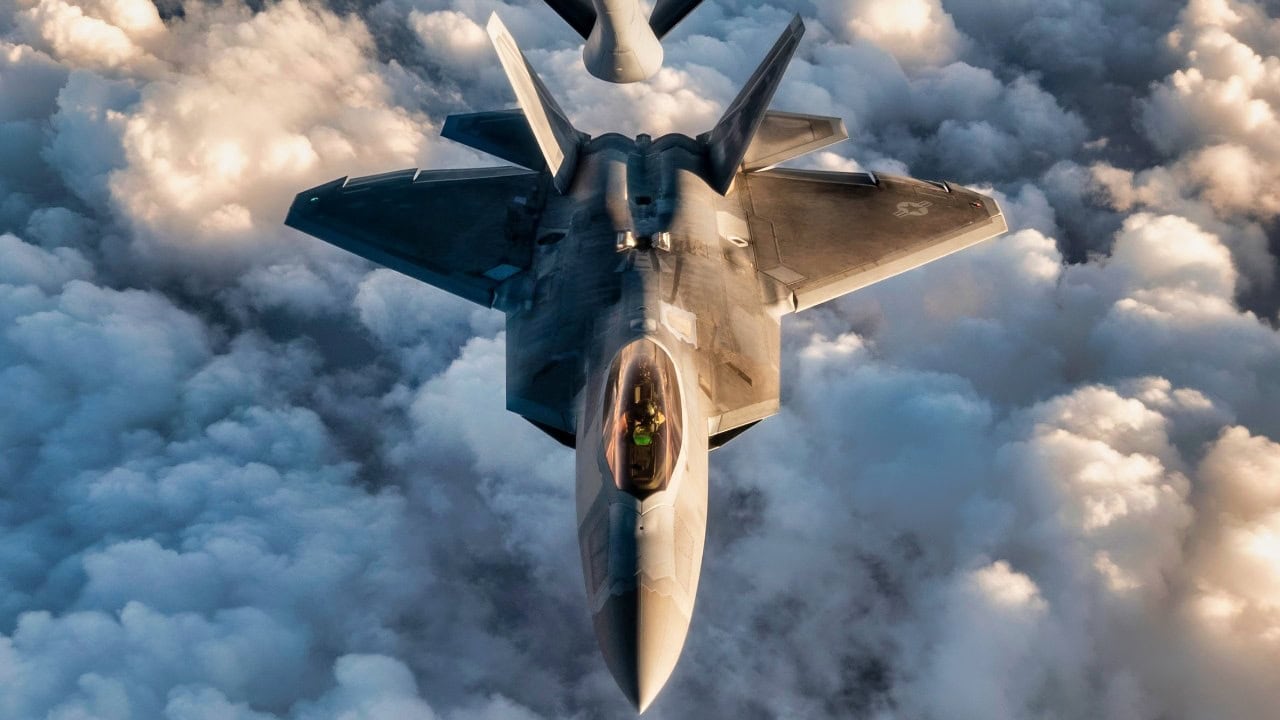
A U.S. Air Force F-22 Raptor departs after being refueled by a KC-135 Stratotanker over the U.S. Central Command area of responsibility November 5, 2024. Raptors provide air dominance and conduct missions delivering airpower within the region. (U.S. Air Force photo)
This distributed pressure increases friction. It does not overturn the operational imbalance in the region. The United States retains superior strike reach and greater logistical depth.
The Real Constraint on Iran and Its Military Goals
Iran’s missile forces present a credible threat to the U.S. military footprint in the Middle East, especially in the opening phase of war. They can damage infrastructure and slow operations while forcing difficult defensive choices.
They cannot sustain the denial of American airpower once counterforce operations intensify. Survivability declines under persistent surveillance. Inventory depletion constrains continued firing. A force designed for rapid salvos does not dominate a long campaign.
If conflict begins soon, Iran’s missiles will shape the first chapter. After that, the initiative shifts. The side with deeper capacity and broader reach begins to dictate tempo. Tehran can disrupt the opening hours. It cannot carry that disruption forward indefinitely.
About the Author: Dr. Andrew Latham
Andrew Latham is a non-resident fellow at Defense Priorities and a professor of international relations and political theory at Macalester College in Saint Paul, MN. You can follow him on X: @aakatham. Dr. Latham write a daily column for 19FortyFive.