
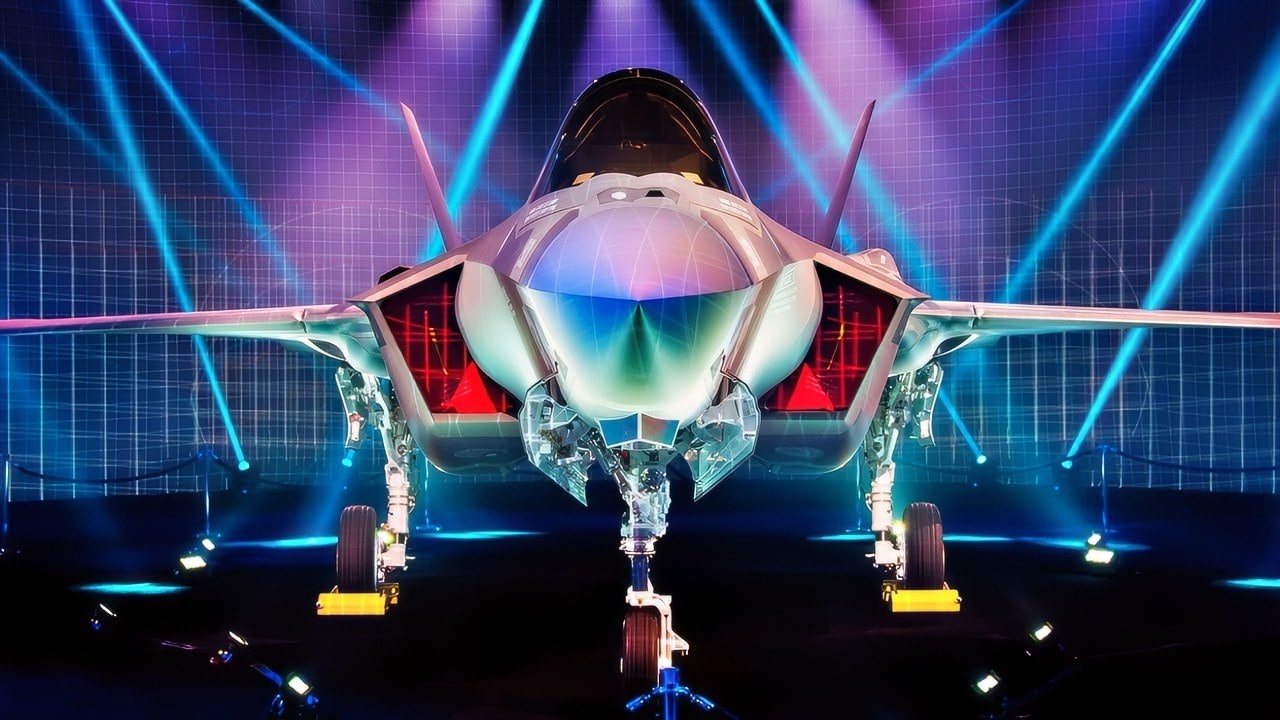
Summary and Key Points: The Israeli Air Force achieved a historic milestone on March 4, 2026, when an F-35I Adir intercepted and destroyed an Iranian Yak-130 over Tehran.
-Utilizing AIM-120C or Derby radar-guided missiles, the stealth fighter executed a beyond-visual-range kill, marking the first confirmed manned air-to-air victory for the F-35 Lightning II.
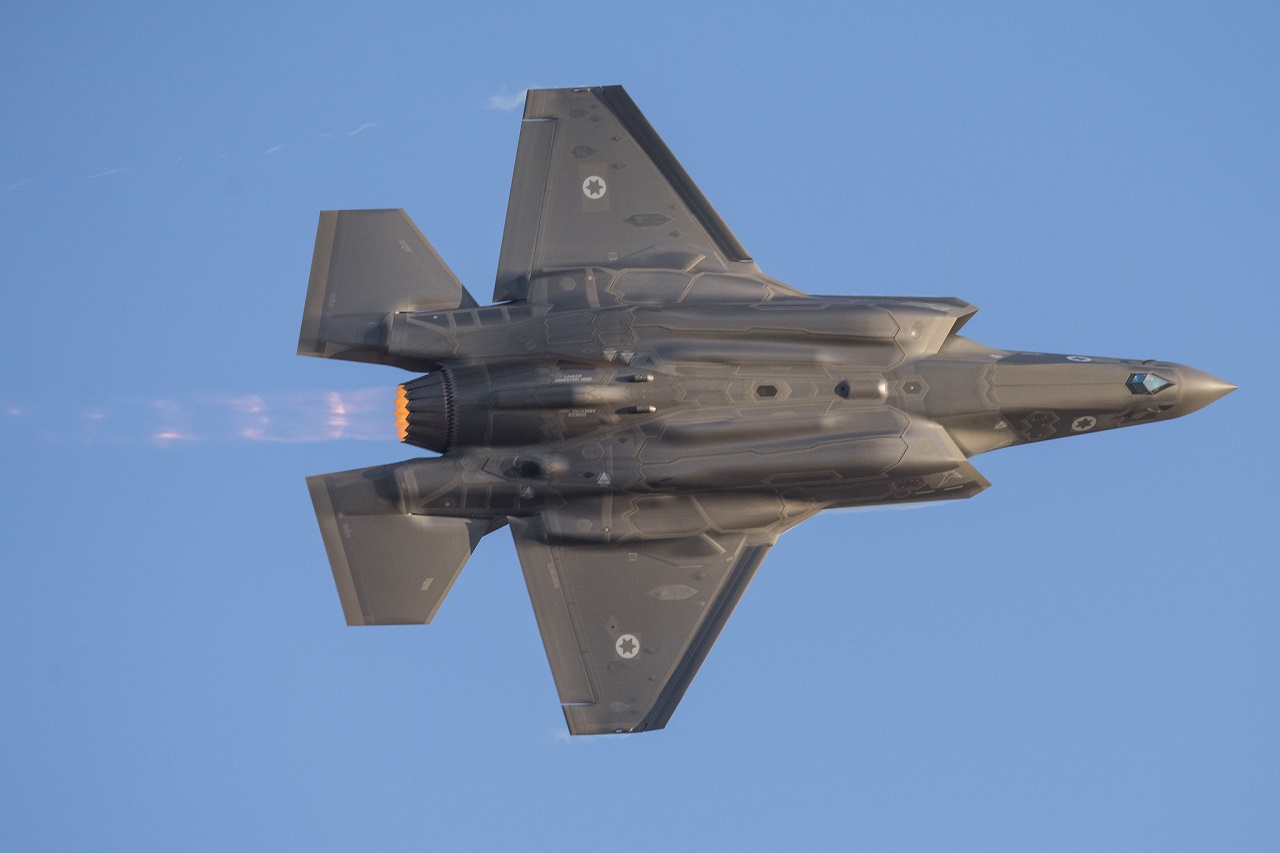
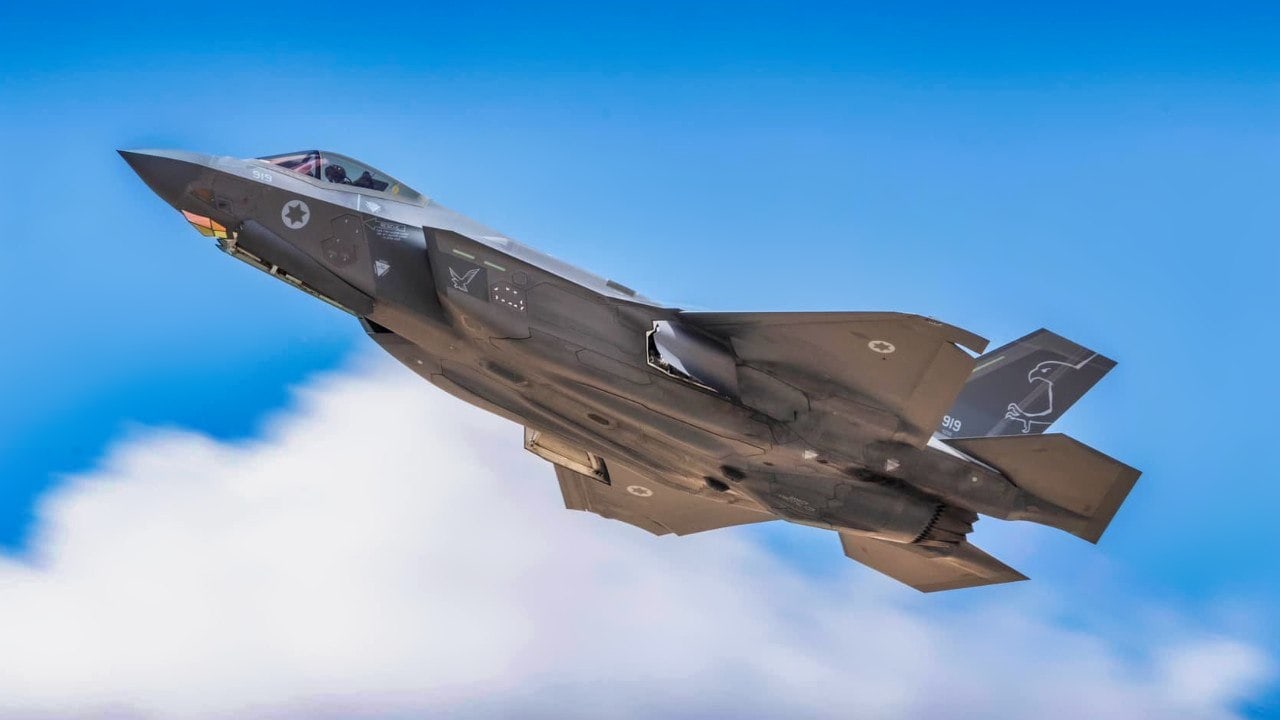
F-35I Adir. Image Credit: IDF Flickr Page.
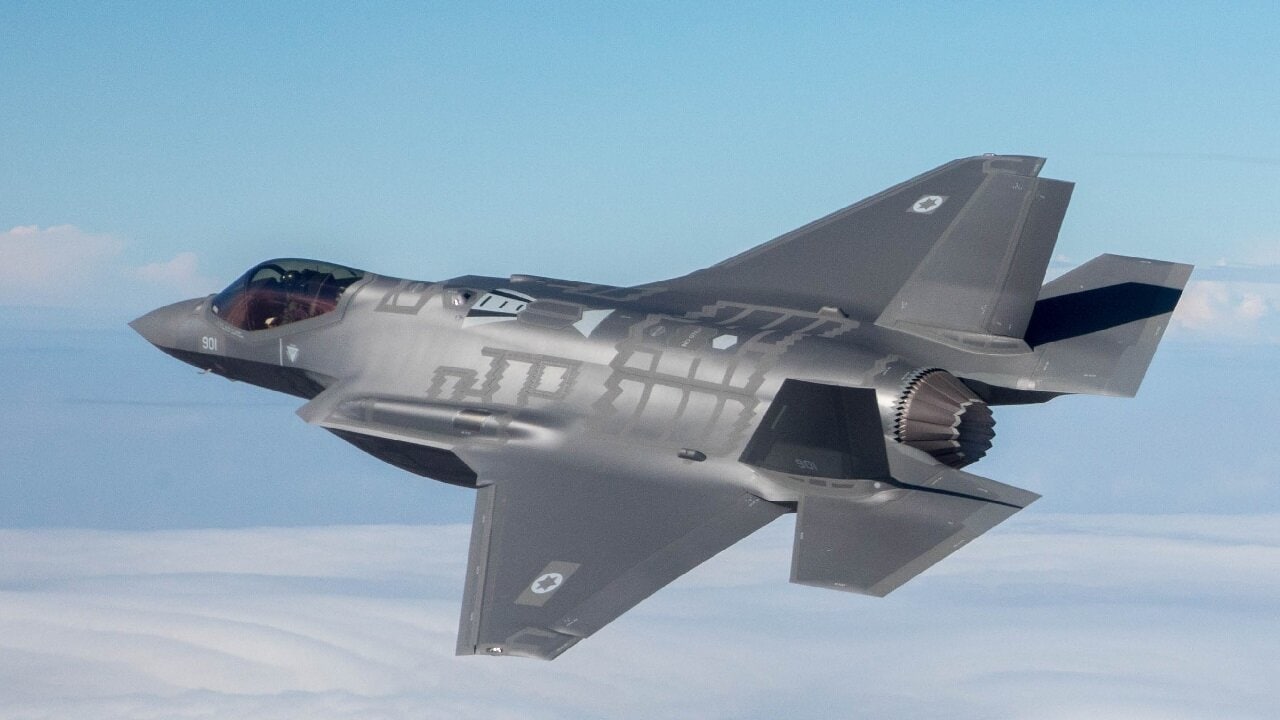
Israeli Air Force F-35I Adir stealth multi-role fighter.
-This report analyzes the tactical mismatch between the subsonic Russian-built trainer and the IAF’s fifth-generation platform during Operation Epic Fury.
-While the Yak-130 was likely patrolling for Reaper or Hermes drones, it proved unable to detect or evade the stalking “Adir” in the contested Iranian heartland.
The Adir Advantage: Inside the Custom Israeli Systems That Secured the F-35’s First Manned Victory
The Israeli Air Force claimed on March 4 that one of its F-35I stealth fighters shot down an Iranian Air Force Yak-130 two-seat jet trainer over Tehran. If that’s accurate, that would mark the first air-to-air kill by the F-35 Lightning stealth fighter, or by any stealth fighter ever, for that matter.
Though the IAF did not furnish visual evidence confirming the kill, two recordings from the ground in Tehran show the moment a jet was shot down, with both crew members seen ejecting. The footage appears to show attempted evasive maneuvers and the release of flare decoys.
The aerial engagement undeniably would have been grossly ‘unfair’ in an eagle-versus-hummingbird sense. Though the Yak-130 is capable of within-visual-range air-to-air combat, it lacks the radar, long-range missiles, and supersonic flight capabilities of modern jet fighters. However, it most likely was hunting deadly but vulnerable Israeli and American combat drones that have been harrying Iranian military forces around the capital.
An IAF statement describing the battle alludes to “advanced sensors” and “long-range missiles,” suggesting a beyond-visual-range kill executed in very little time, without requiring “any dogfight or aerial scuffle.”
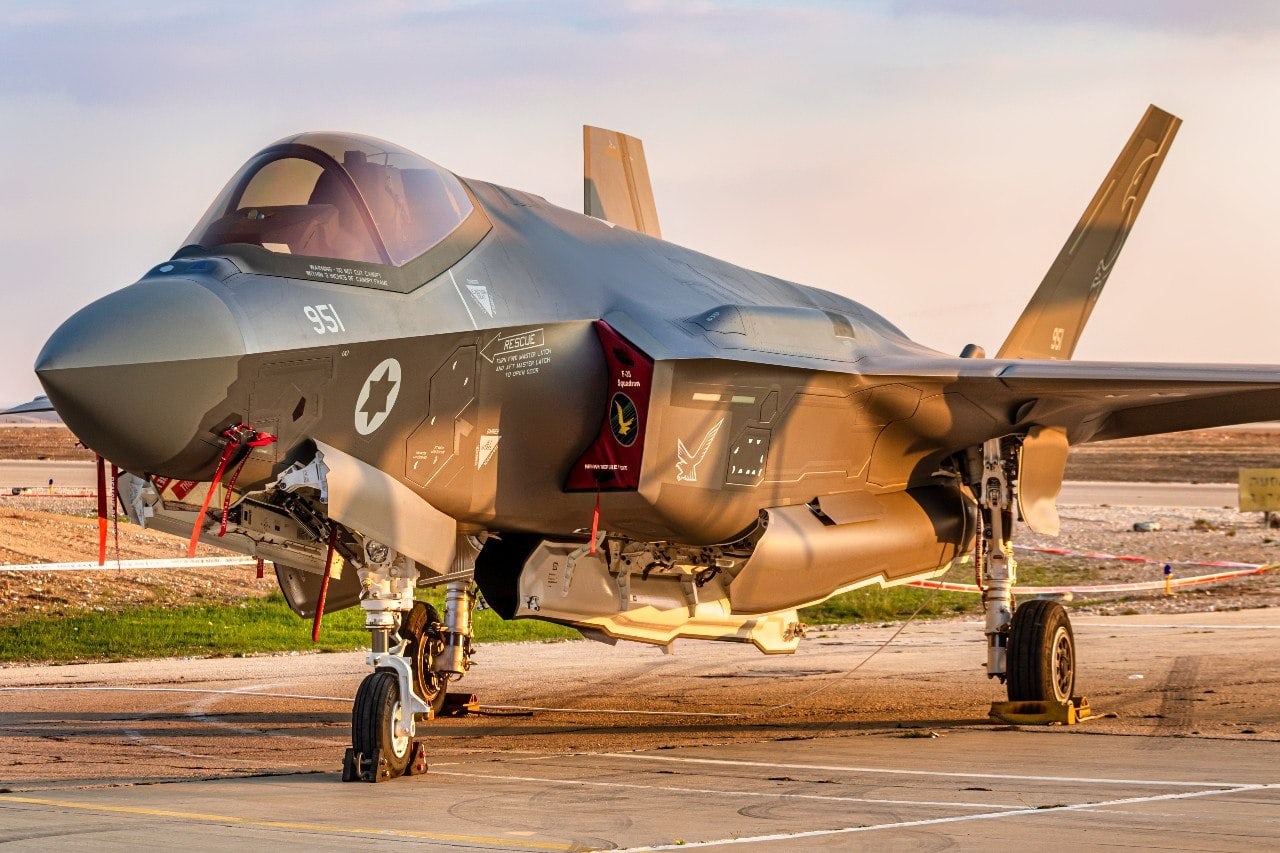
F-35I Adir from Israel. Image Credit: Creative Commons.
Israeli Air Force (IAF) F-35I Adir
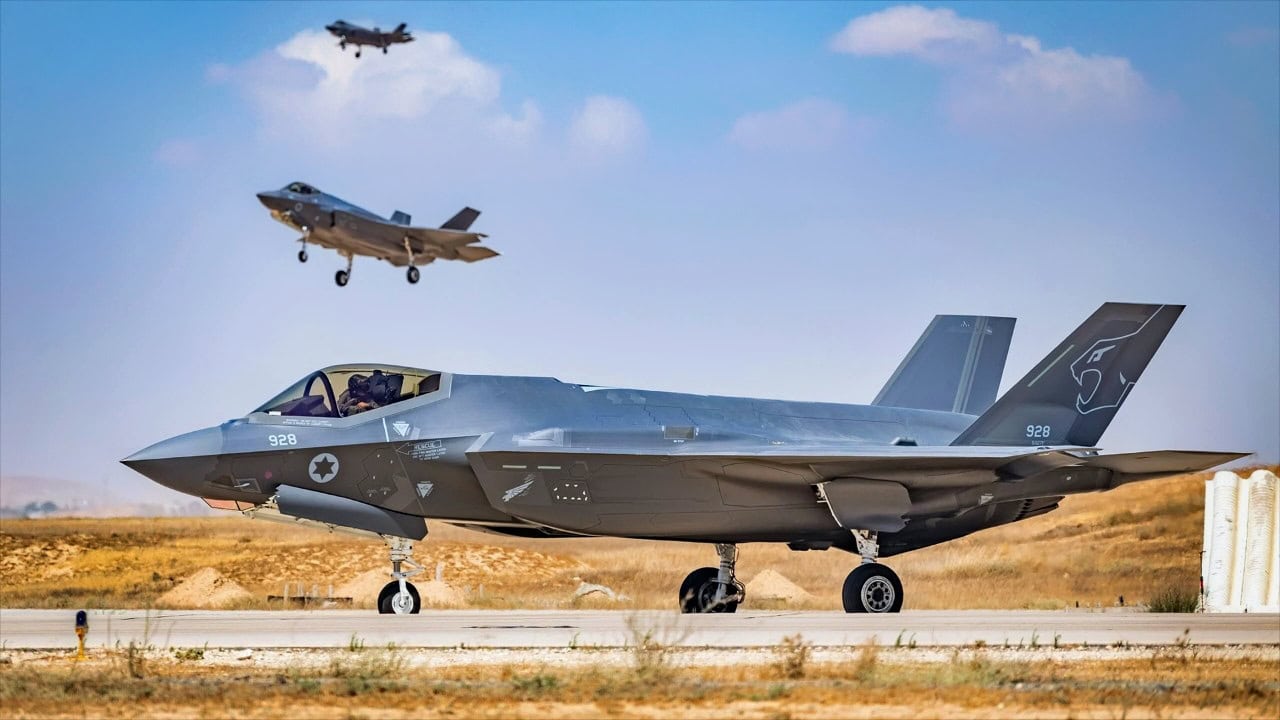
F-35I Adir. Image Credit: Creative Commons.
Likely, the F-35 employed an American AIM-120C or an Israeli Derby radar-guided beyond-visual-range missile, though some cutting-edge ‘short-range’ missiles like Python or Sidewinder can also execute kills over surprisingly long distances (12 to 22 miles).
Ultimately, the sensor and missile range advantage would have allowed the IAF to attack without exposing itself to virtually any risk.
It’s likely the Yak-130 wasn’t aware of the stalking F-35 until receiving a missile launch warning. But even after being alerted, the trainer would have struggled to escape a missile through sheer speed due to its lack of an afterburner. The sensors on more modern missiles also tend to be proficient at discriminating against decoys.
The stealth jet is finally seeing air-to-air combat
If looking beyond manned aircraft, Israeli F-35Is, Dutch F-35As, and American F-35Cs have earlier scored air-to-air kills against Iranian and Russian kamikaze drones since 2021, with British Royal Air Force F-35Bs scoring their first such kill on March 2.
IAF fighters had not shot down a manned plane since 1985, however. The first country to deploy the F-35 in combat, Israel uniquely operates its own specialized F-35I ‘Adir’ variant, with 48 delivered and 27 still on order in three squadrons. The Adir is distinguished for having custom-built Israeli operating systems and avionic ports ‘on top’ of the jet’s Lockheed-built main computer. Furthermore, it’s designed to support indigenous long-range fuel tanks, jammers, and weapons like the Python air-to-air missile and Spice glide bombs.
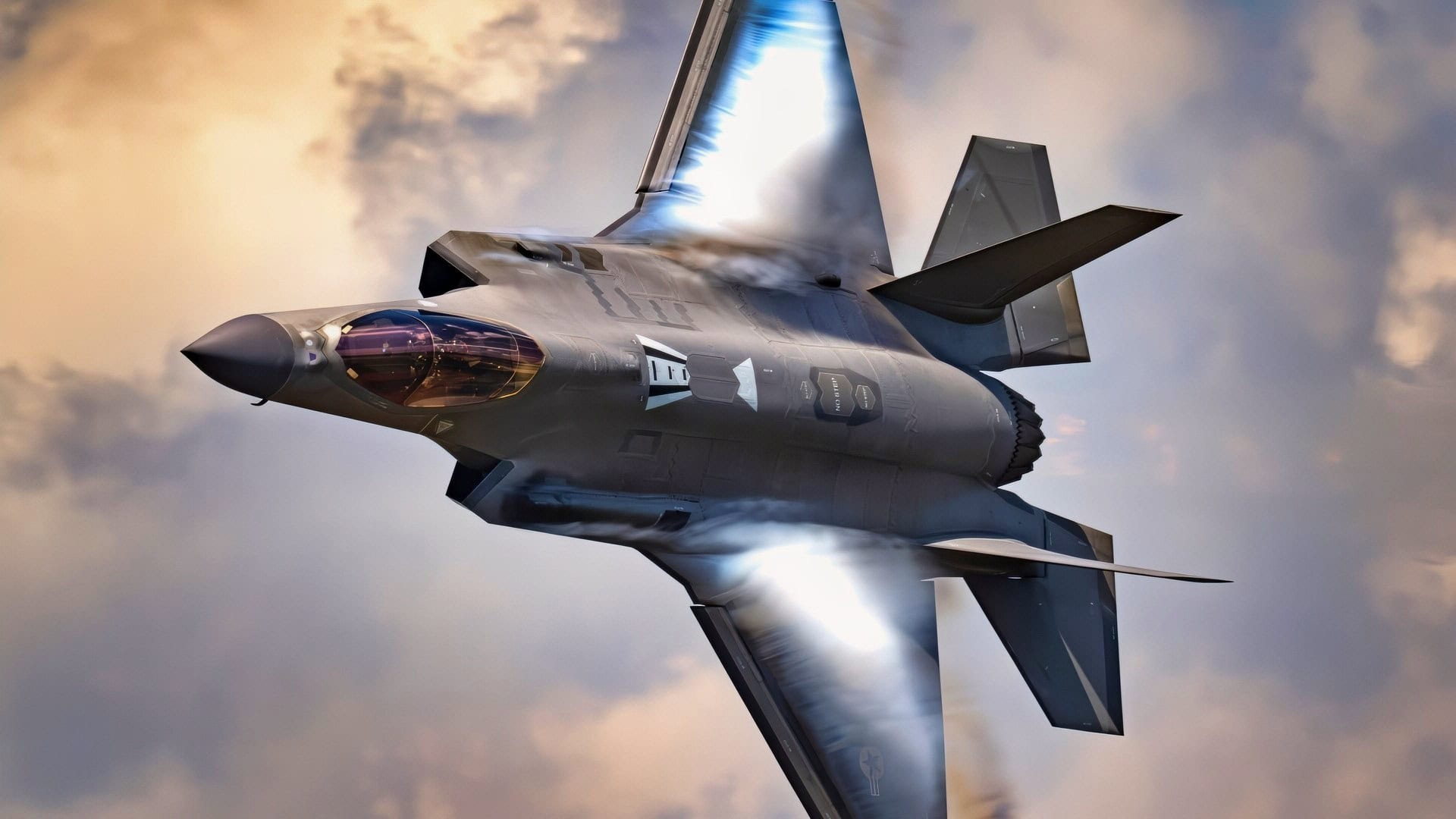
A U.S. Air Force F-35A Lightning II, assigned to the F-35A Lightning II Demonstration Team, piloted by Maj. Melanie ‘MACH’ Kluesner, performs during the 2025 Battle Creek Field of Flight Air Show over Battle Creek, Michigan, July 5, 2025. The F-35A Demonstration Team showcases the jet’s unique maneuverability and advanced capabilities at air shows across the nation. (U.S. Air Force photo by Staff Sgt Zachary Rufus)
It’s worth recalling that the F-35 was designed for versatility in air-to-air, air-to-ground, and reconnaissance missions—it wasn’t built to match preceding fighters in terms of maximum speed, altitude, and energy-efficient sustained turns. However, the ‘first strike’ advantage offered by its stealth and sensors is so great that it still outperforms more kinematically agile aircraft in air combat exercises.
Ultimately, stealth and sensors help a fighter pick its battles and avoid entering engagements under unfavorable conditions, such as a within-visual-range dogfight against a more maneuverable opponent. Even then, the F-35 can execute good instantaneous turns at high angles of attack to assist with targeting and missile-evading maneuvers.
Regarding the first ‘stealth’ air-to-air kill, Russian media have occasionally alleged their Su-57 fighter downed a Ukrainian jet or jets while conducting cross-border shots using very-long range R-37M missiles, though no official statements or visual evidence confirm such a kill. The Su-57’s classification as a stealth fighter is also criticized as borderline by some analysts.
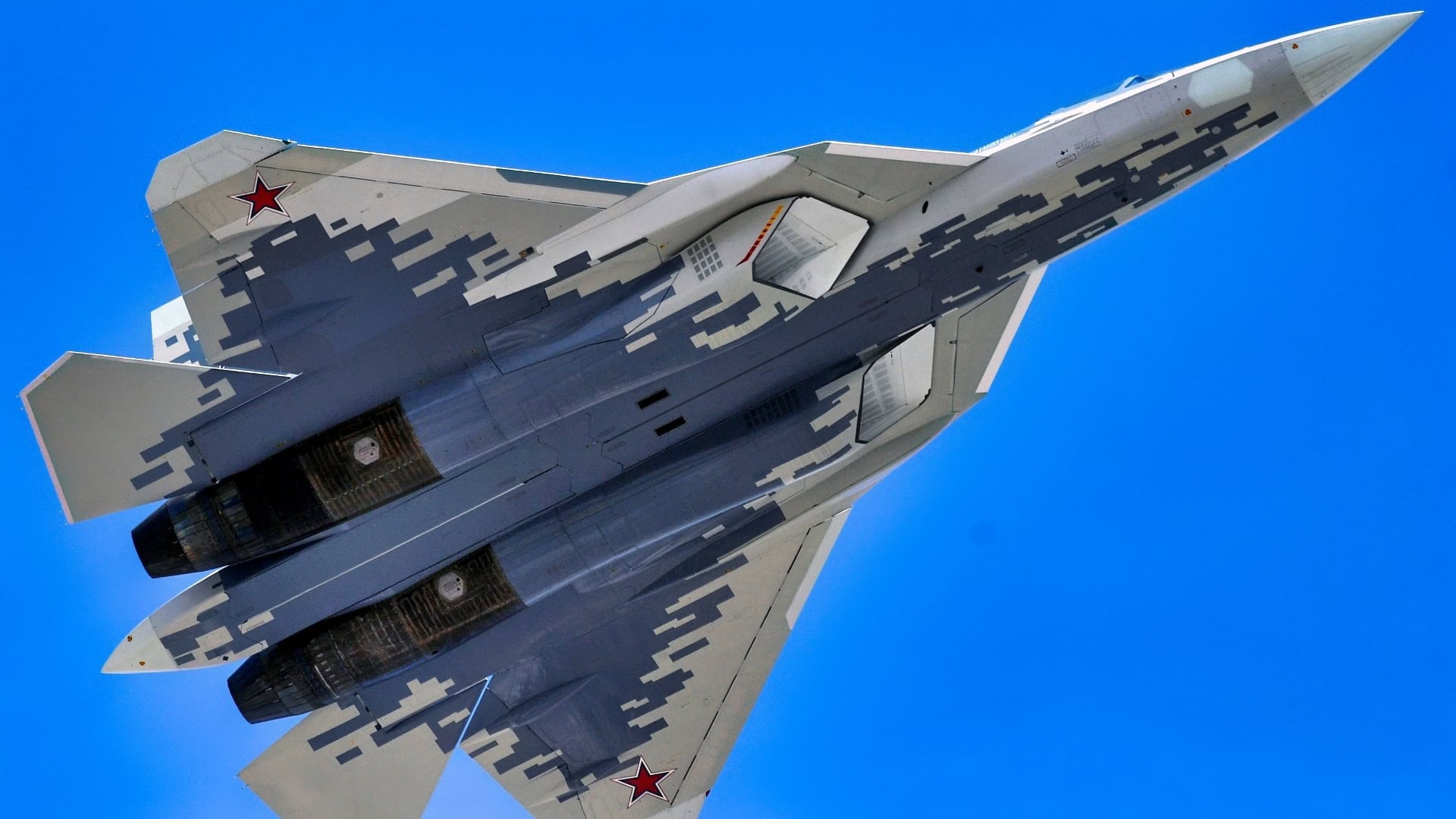
Su-57 Felon from Russia. Image Credit: Creative Commons.
Why Iran’s Russian-built Yak-130 Trainers are in the Line of Fire
Developed in the 1990s, the Yakovlev Yak-130 is a maneuverable twin-engine subsonic jet trainer/light-attack aircraft that shares the airframe of the popular Leonardo M-346 Master trainer. Production at a plant in Irkutsk remains ongoing with around 220 delivered to date; a slight majority to Russia’s military, with the balance exported to a half-dozen of Moscow’s export clients. At least fourteen Yak-130s have been destroyed in accidents, not including the recent Iranian loss.
Iran received its first two Yak-130s in 2023 at Shahed Babaei Airbase at Isfahan—it’s unclear how many more it has got since then, with some sources alleging a dozen. These aircraft were described as helping prepare Iranian pilots for promised deliveries of Russian 4.5-generation Su-35S jets, repeatedly claimed to be soon delivered to Iran in exchange for Iranian military aid used to bombard Ukraine. However, years later, the Su-35s remain absent from Iran.
Despite lacking an integral radar, the Yak-130’s fourth-generation-style digital systems (glass cockpit, fly-by-wire controls, satellite navigation) and electro-optical sensors would still have made it one of Iran’s best options to prepare to operate more modern warplanes.
Jet trainers can get pilots up to speed without incurring the steeper costs and risks of flying full-performance jet fighters. They can also perform ‘light’ combat missions in lower-threat environments—Myanmar has used its Yak-130s to strike rebel forces and, allegedly, civilians. The Yak-130 sports one fuselage, six underwing and two wingtip hardpoints variously supporting unguided rocket pods, dumb or smart bombs, short-range R-73 air-to-air missiles, and a 23- or 30-millimeter cannon pod.
The R-73M is potentially very lethal thanks to agilities, and pre-war Iranian Yak-130s practiced employing them against targets detected by MiG-29 fighters. However, fighting in Ukraine has illustrated that modern non-stealth fighters, aided by powerful sensors, are very capable of avoiding the lethal short-range air-combat envelope.
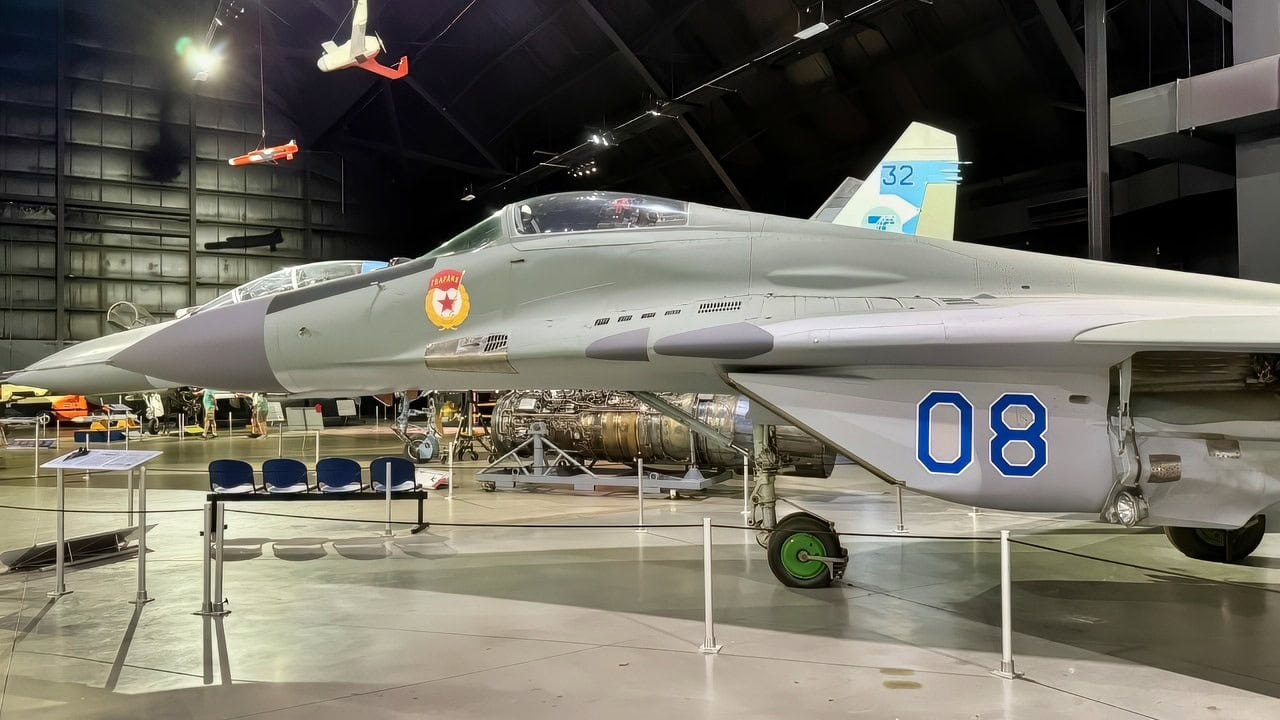
Real MiG-29 at USAF Museum in Dayton. Image Credit: 19FortyFive.com
Given the saturation of Israeli and U.S. warplanes over Iranian airspace, it may therefore seem foolhardy to have dispatched a Yak-130 on a combat air patrol. But Reports and media suggest Iran has actually been using Yak-130 to hunt for drones since the war’s opening day.
ISR and missile-armed combat drones (UCAVs) can orbit for hours over Iranian territory and help locate critical time-sensitive targets—particularly Iranian drone assets, surface-to-air and ballistic missile launchers. These can then be destroyed by other aircraft or by the drones’ own missiles. However, UCAVs are expensive and neither super stealthy nor fast enough to evade interceptors, and thus vulnerable to an aircraft like the Yak-130.
Iran’s ground-based air defenses have managed to shoot down an Israeli Hermes 900 combat drone and Heron reconnaissance drone—their only clear aerial victories in the conflict to date. U.S. MQ-9 Reaper drones are also active in the campaign.
The U.S. has also debuted its equivalent of Iran’s Shahed kamikaze drones, called LUCAS. Such exploding drones are even slower than UCAVs (75-120 miles per hour), and can be effectively gunned down even by piston engine training and cargo planes and helicopters, as Ukraine has demonstrated recently in combat.
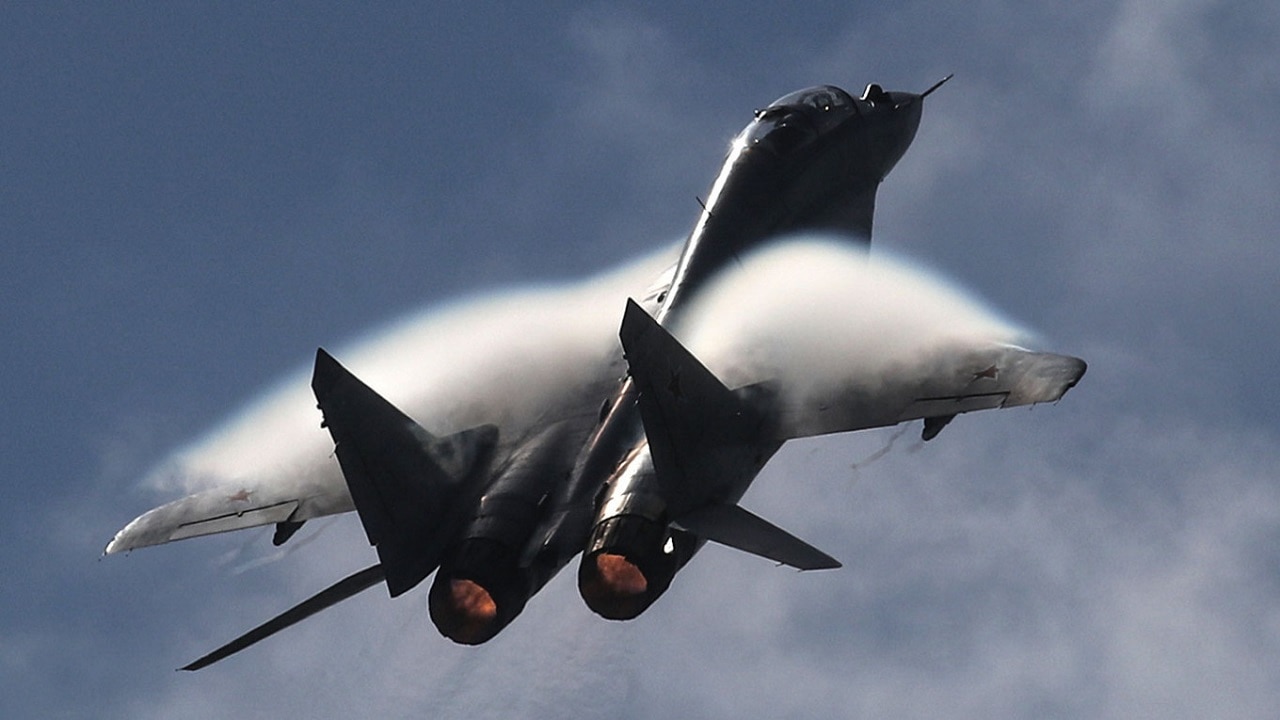
MiG-29 fighter.
That said, it’s unclear how many LUCASs the U.S. is deploying—the attack unit was only stood up last December—nor if they have sufficient range to reach Tehran.
Iranian mission planners likely banked on the premise that Tehran is situated deep enough within Iranian territory (400+ miles north of the Persian Gulf) that the trainers would have enough space and time to flee back to base should enemy fighters be detected approaching the capital area. Of course, that couldn’t account for undetected stealth fighters prowling unpredictably within the vicinity.
The Bottomline: F-35I Rules the Day for Israel and Makes History
Overall, the concept of leveraging the Yak-130’s air-to-air capabilities in counter-drone missions is sound, as Tehran tries to squeeze some combat utility from an air force that has little chance of defeating its adversaries head-to-head.
But Iran’s pilots have the misfortune of facing the most qualitatively capable air arms on the planet, able to put their remaining warplanes at risk even within the ‘safe’ interior zone.
About the Author:
Sebastien Roblin writes on the technical, historical, and political aspects of international security and conflict for publications including 19FortyFive, The National Interest, NBC News, Forbes.com, and War is Boring. He holds a Master’s degree from Georgetown University and served with the Peace Corps in China. Roblin is a Contributing Editor for 19FortyFive.