
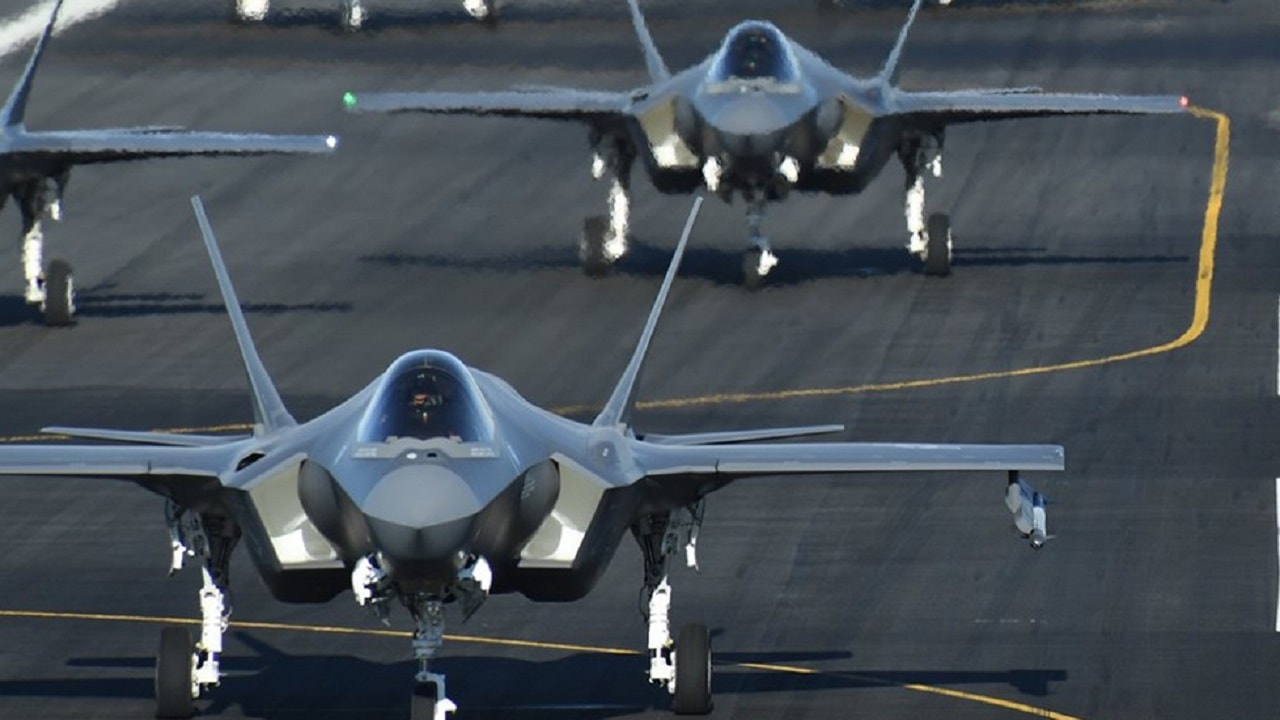
Summary and Key Points: Dr. Brent M. Eastwood evaluates the strategic competition between the U.S. F-22 Raptor/F-35 Lightning II and China’s J-20 Mighty Dragon/J-35A.
-While the PLAAF excels in economies of scale and whole-of-government manufacturing—producing stealth fighters without the budgetary constraints of the U.S. Congress—it lacks the combat flight data recently gathered during Operation Epic Fury.
-This report analyzes the Israeli F-35I Adir’s shootdown of an Iranian Yak-130 and China’s reliance on grey zone tactics in the First Island Chain.
-Eastwood concludes that while China holds the edge in range and payload, the U.S. maintains a critical lead in sensor fusion and electronic warfare.
Manufacturing Pros vs. Combat Vets: Evaluating the J-20’s Payload Advantage Against the F-22’s Battle Data
China is watching the U.S. air war over Iran closely. Xi Jinping’s air force is wondering just how dominant the American F-22 Raptor and the F-35 Lightning II are. We know that one of Israel’s F-35I Adirs just shot down an older Iranian Yak-130 warplane. While a historic kill, the Yak-130 is an obsolete, slow aircraft. But this is one action that China must come to understand – that adversarial fifth-generation stealth fighters have the right stuff.
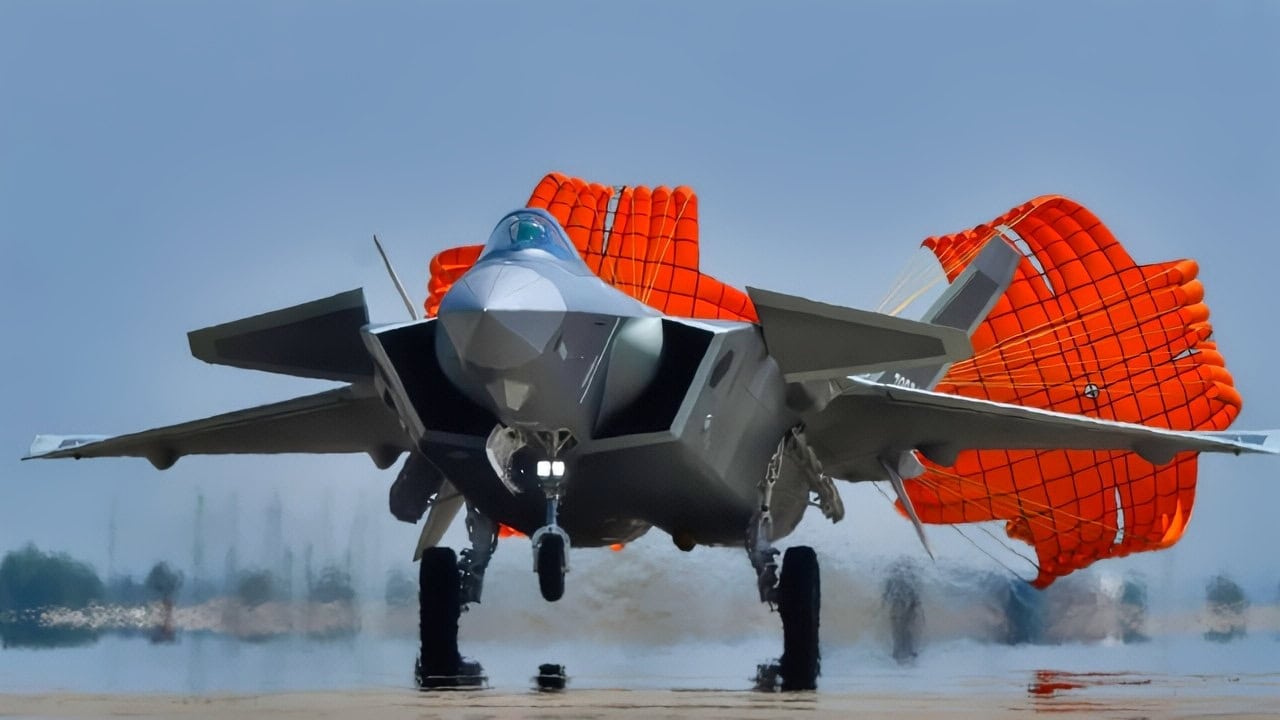
J-20 Stealth Fighter Landing. Image Credit: Creative Commons.
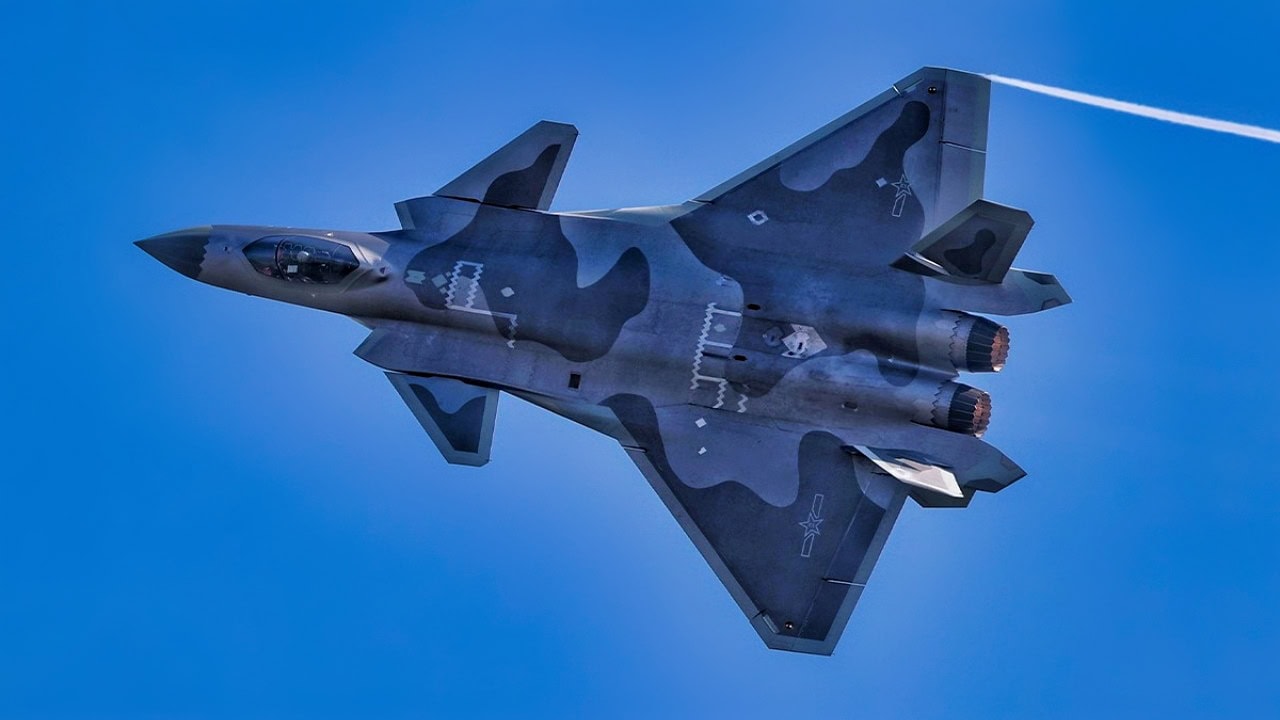
J-20 Fighter. Image Credit: Creative Commons.
China Gets a Vote in the Competition
But not so fast, say the Chinese. There is the J-20 Mighty Dragon stealth fighter and the J-35 and J-35A radar-evading warbirds for China’s navy and air force. These airplanes are impressive, though not as stealthy as the F-22 and F-35. China may already have as many as 250 J-20s in production, as they entered service in 2017.
The J-20 and J-35A Have Their Own Quality Mission Sets
Moreover, the J-35 and J-35A have been flying since 2025, and the military has high hopes for them. China believes it can close the gap with the American stealth warbirds and finally eclipse them as soon as 2027. The evidence is in breathless coverage in state-run media of both airplanes throughout 2025. The People’s Liberation Army Air Force (PLAAF) has tankers and early airborne warning aircraft to fly with the J-20 and J-35A.
The Chinese Are Manufacturing Pros
While the Chinese should be given credit for spinning up the aerospace industrial base to produce the J-20 in large numbers and continuing the rapid development of the J-35A, it still has a long way to go before it can be seen as challenging U.S. dominance in fifth-generation flight.
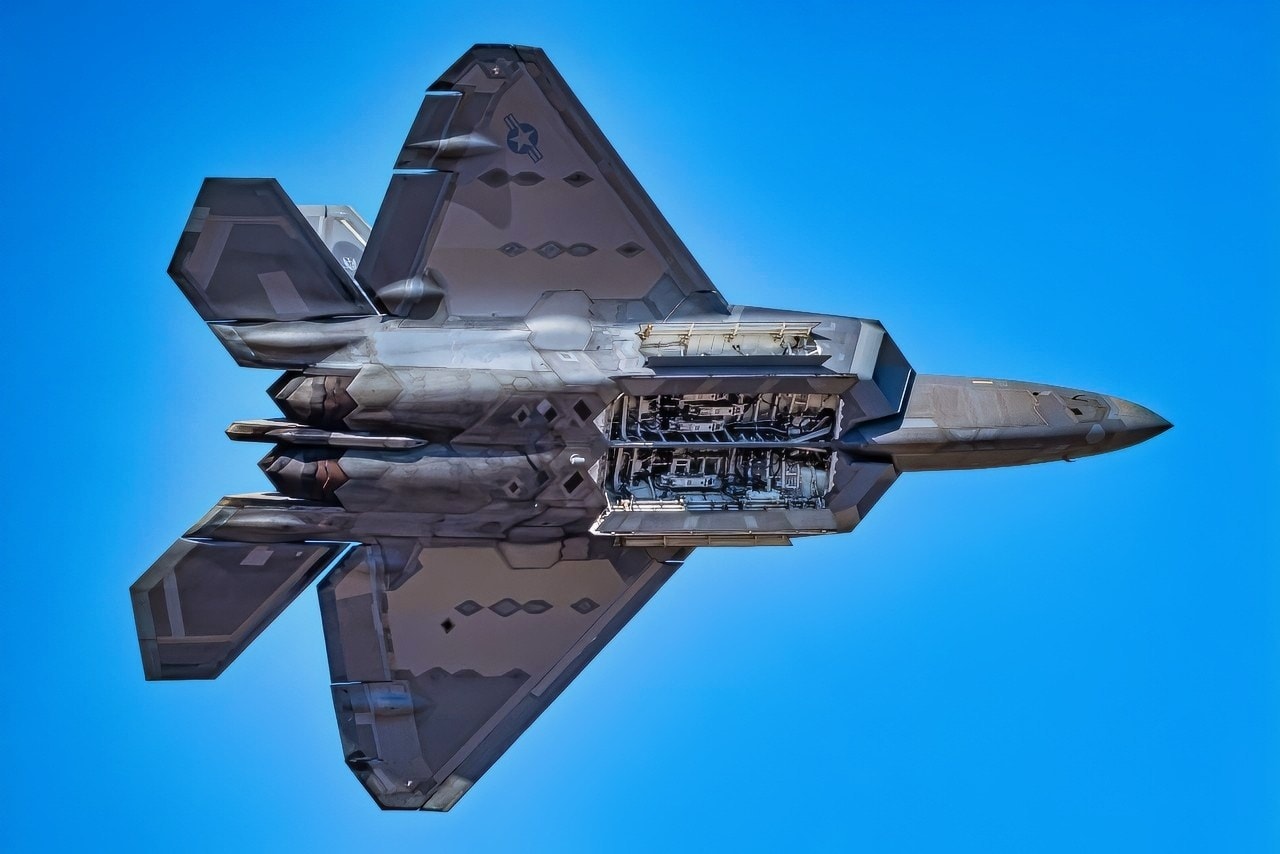
U.S. Air Force Maj. Joshua “Cabo” Gunderson, F-22 Raptor Demonstration Team commander and pilot, preforms the weapons bay door pass during rehearsal for the 2022 FIDAE Air & Trade Show, April 3, 2022 in Santiago, Chile. The F-22 Raptor is a multi-role air dominance stealth fighter that can carry of combination of air-to-air missiles and GPS guided bombs. (U.S. Air Force photo by Staff Sgt. Don Hudson)
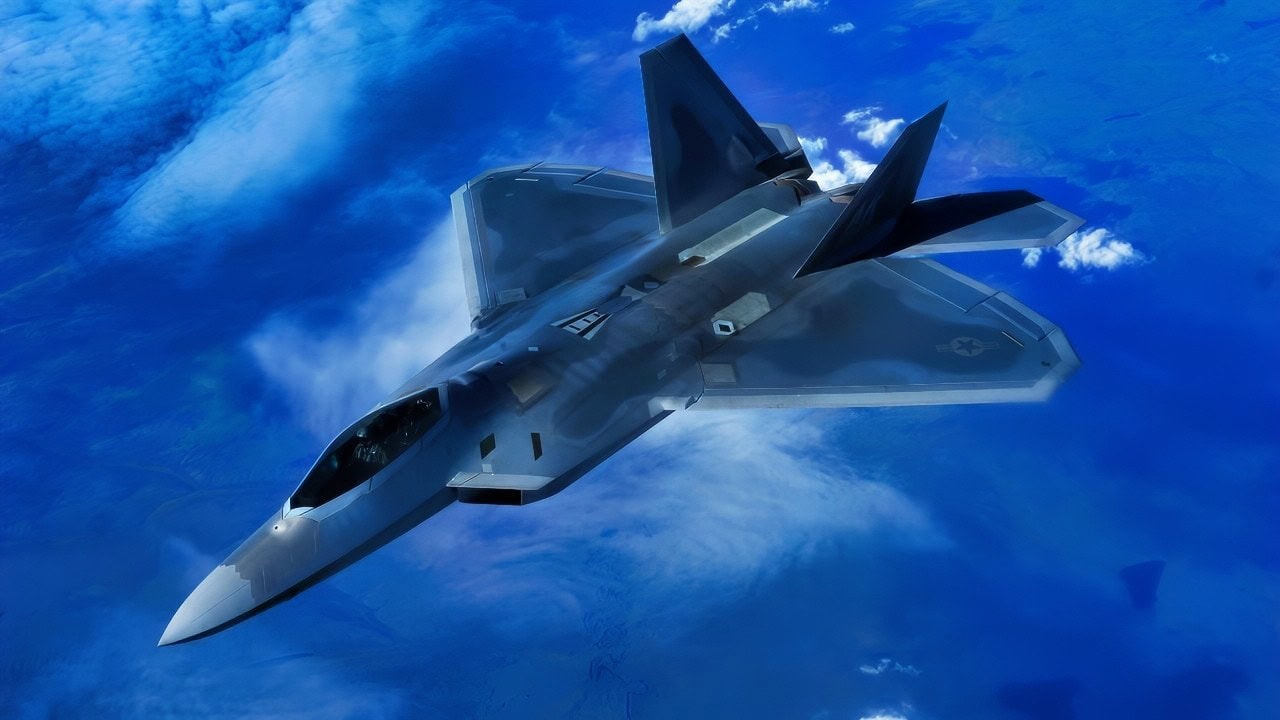
A U.S. Air Force F-22 Raptor assigned to the 90th Fighter Squadron, Joint Base Elmendorf-Richardson, Alaska, flies over clouds during RED FLAG-Alaska 14-3 Aug. 20, 2014, Eielson Air Force Base, Alaska. A combination of sensor capability, integrated avionics, situational awareness and weapons provides first-kill opportunity against threats. (U.S. Air Force photo by Staff Sgt. Jim Araos/Released)
Lacking a Real War to Test Their Mettle
First, the J-20 and F-35A have no combat experience. Yes, the PLAAF engages in “grey zone tactics” against Taiwan; this is an intensity of operational tempo somewhere between war and peace. China regularly flies its airplanes to encroach on Taiwan’s air defense identification zone. These are combat-like drills, not instances of China firing weapons in anger.
The Americans Have Been on War Footing
On the other hand, the Americans have tons of flight data they have collected in wartime. There have been lessons learned when flying real ground strike missions, and the Israelis have the shootdown of the Yak-130 with intelligence they can share with the U.S. Air Force and Navy about the F-35.
After Operation Epic Fury, there will be a full after-action review that grades the F-22 and F-35 on their combat action over Iran. These airplanes have many successful missions under their belt. China can only rehearse and simulate wartime actions, and it lacks the prior experience that would make its airplanes and pilots superior to the F-22 and F-35.

An F-35A Lightning II flown by a 65th Aggressor Squadron (AGRS) pilot takes off for its first flight with a new paint scheme at Nellis Air Force Base, Nevada, May 26, 2022. The mission of the 65 AGRS is to know, teach and replicate fifth-generation air adversaries tactics. (U.S. Air Force photo by Airman 1st Class Josey Blades)
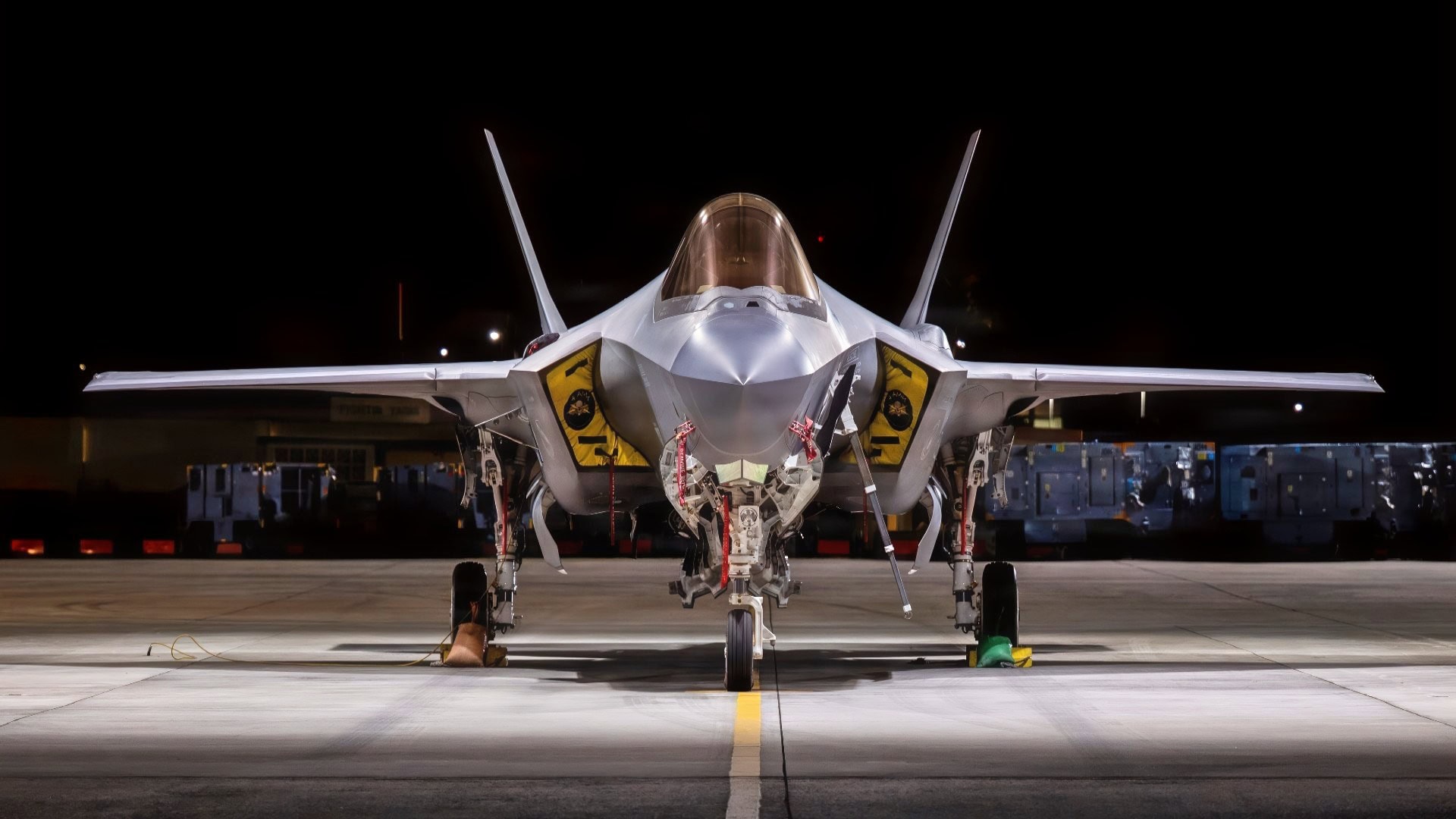
An F-35A Lightning II assigned to the 4th Expeditionary Fighter Squadron, deployed to Kadena Air Base, sit on the flight line during base-wide operational readiness exercise BH 26-1 at Kadena Air Base, Japan, Nov. 3, 2025. Kadena serves as a critical element in deterring potential adversaries through its demonstrated strength and commitment to regional security.
(U.S. Air Force photos by Senior Airman Jonathan Sifuentes)
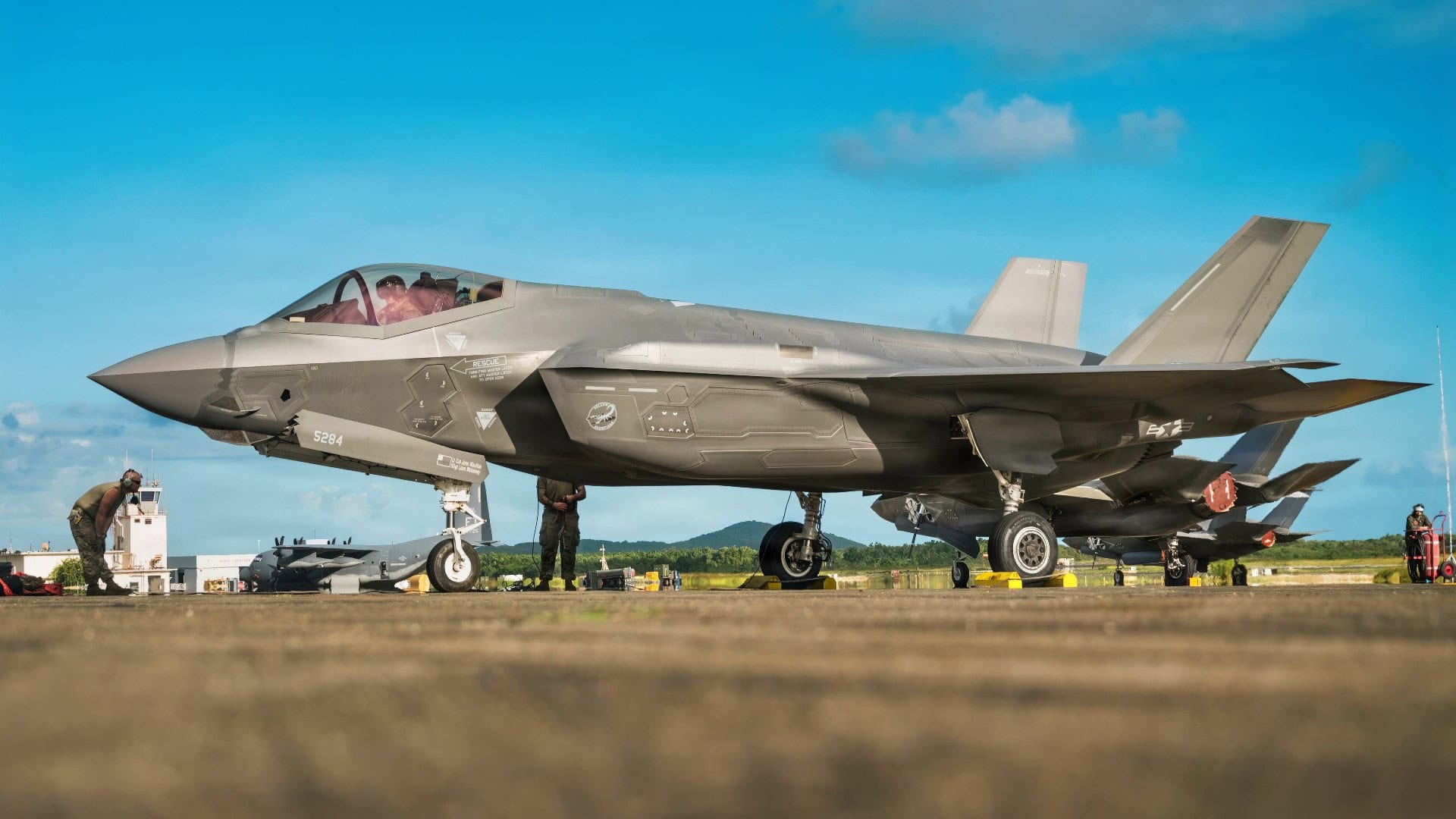
U.S. Air Force crew chiefs perform post flight maintenance on an F-35A Lightning II after its first arrival in Ceiba, Puerto Rico, Dec. 20, 2025. U.S. military forces are deployed to the Caribbean in support of the U.S. Southern Command mission, Department of War-directed operations, and the president’s priorities to disrupt illicit drug trafficking and protect the homeland. (U.S. Air Force photo)
China Is Still Testing and Evaluating in Peacetime
These two stealth fighters also have an interoperability advantage, flying many missions together.
This is the kind of teamwork that allows for excellent actions in combat. They communicate well in networked warfare, with ample sensor fusion enabled by great concerted effort from E-3 AWACS early-warning aircraft, aerial refueling, and data links to ground controllers.
China can only test these mission parameters in exercises. Drills and simulations can give the PLAAF a taste of what it is like to fly in real combat operations, but this is insufficient without a determined enemy capable of shooting down a Chinese airplane.
The Chinese Are ‘Makers’ Par Excellence
The J-20 has been integrated across Chinese combat theaters, and the entire country has regions with Mighty Dragons.
The PLAAF is also overseeing the construction of more J-35As, which have progressed from prototype to low levels of serial production. China may have an edge in new airplane manufacturing. Additional stealth fighters are being produced by the month, with no acquisition issues arising from supply chain delays or worker shortages.
Plus, there is no pesky Congress to constrain the purse strings. The entire country knows that it must make as many stealth fighters as possible.
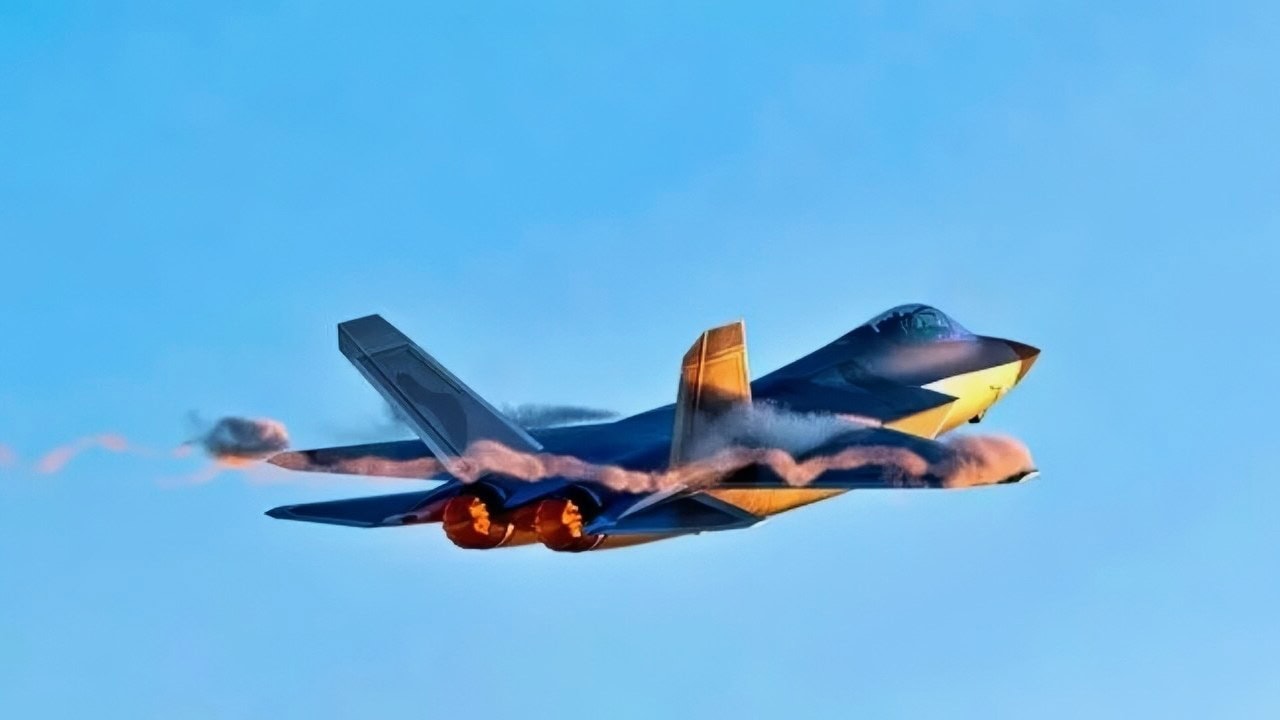
J-35A Fighter from China PLAAF. Image Credit: Creative Commons.
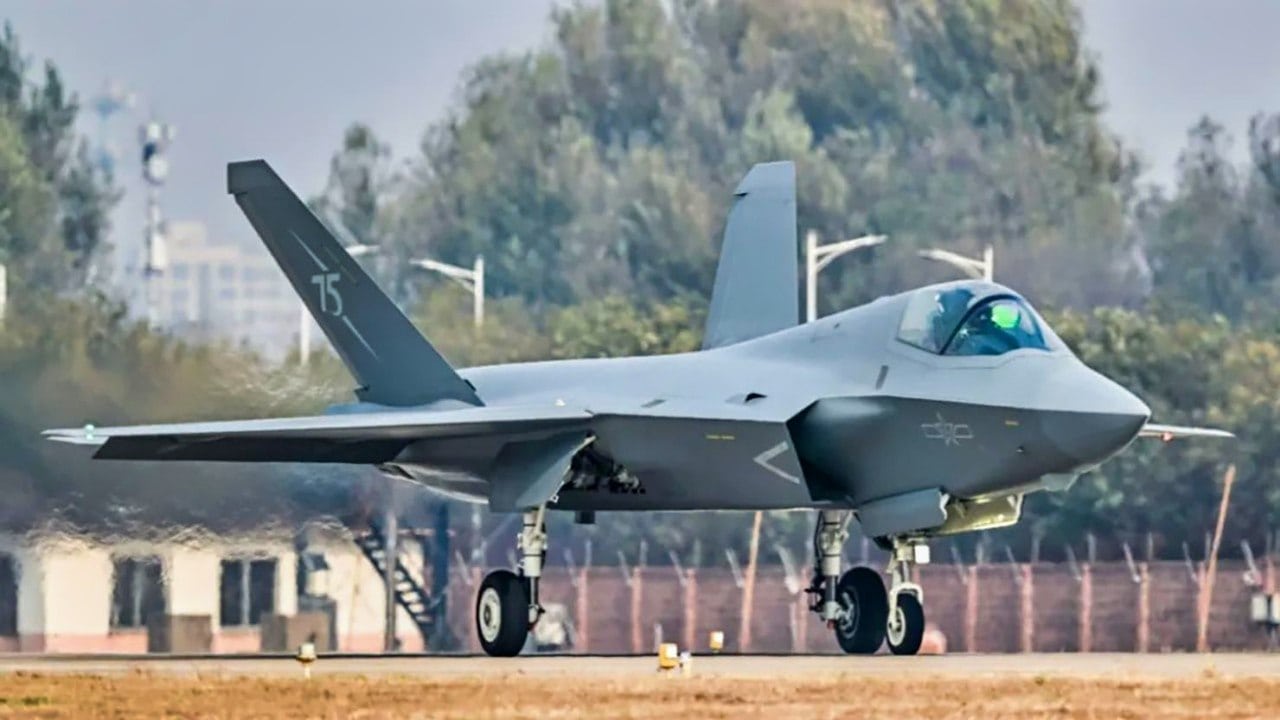
J-35A Fighter from China. Image Credit: Chinese Military
The J-20 and J-35A Do Have Advantages
One area that China is focusing on with the J-20 and J-35A is payload and range.
The Indo-Pacific is vast, and the Chinese are desperate to achieve air superiority in the First Island Chain, enabling them to hit targets in the Second Island Chain with aerial refueling.
The PLAAF stealth fighters could have a greater combat radius and a heavier weapons payload than the American models.
What Does the Fight Look Like on Day One
However, the F-22 and F-35 have improved systems integration and electronic warfare capabilities that enable them to be Day One fighters, jamming and spoofing enemy radar during surface strikes. The J-20 and J-35A have no experience in suppressing enemy air defenses.
While American pilots must go through a robust selection process that makes them the best of the best with real-world flights in dangerous missions, the Chinese have a more rigid command structure that may not allow them to take risks and chances confidently.
No Chinese Constraints or Limitations in Airplane Production
In all, the edge in manufacturing should go to China, given its speed, efficiency, and economies of scale. The Americans must go through a long budgeting process that involves the White House, the Department of Defense, the Secretary of the Air Force, the Joint Chiefs, and Congress.
The Chinese do not have the same budgetary checks and balances that limit aircraft production. This is a whole-of-government approach and country-wide effort by China. Ordinary citizens take immense pride when a new stealth fighter comes off the production line.
Americans Are Combat-Tested
However, the war experience of the airframes and pilots on the American side is impressive. Combat flight data is abundant, and the Chinese can only rehearse and react to actions at the training level and during grey-zone tactics against Taiwan.
The F-22 and F-35 are stealthier than the J-20 and J-35A with better avionics, sensor integration, and electro-optical targeting. While the Chinese fifth-generation airplanes have the edge in range and payload to cover the East and South China Sea.
This is a good comparison to make as the Americans fly more missions over Iran with F-22s and F-35s. China can only bide its time, collect intelligence on how the U.S. Air Force responds to different air-defense conditions, and better understand how the Americans can suppress enemy air defenses with electronic warfare.
China is now on its back heels and must train realistically, but face the truth that there is no substitute for real combat.
About the Author: Brent M. Eastwood
Author of now over 3,000 articles on defense issues, Brent M. Eastwood, PhD, is the author of Don’t Turn Your Back On the World: A Conservative Foreign Policy and Humans, Machines, and Data: Future Trends in Warfare, plus two other books. Brent was the founder and CEO of a tech firm that predicted world events using artificial intelligence. He served as a legislative fellow for US Senator Tim Scott, advising the senator on defense and foreign policy issues. He has taught at American University, George Washington University, and George Mason University. Brent is a former US Army Infantry officer. He can be followed on X @BMEastwood.