
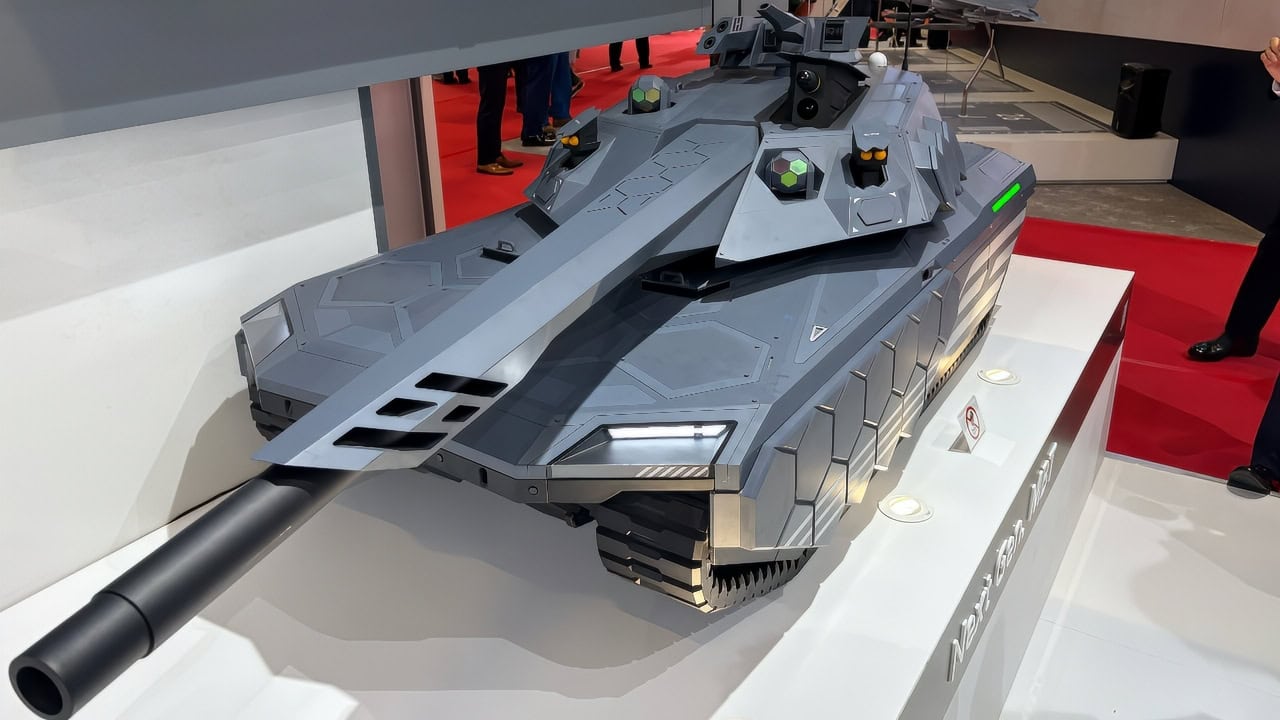
Summary and Key Points: Defense analyst Dr. Andrew Latham evaluates the South Korean K3 tank concept, a radical departure from traditional armored design.
-The Hyundai Rotem project emphasizes a low-RCS (Radar Cross-Section) hull and potential hydrogen propulsion.
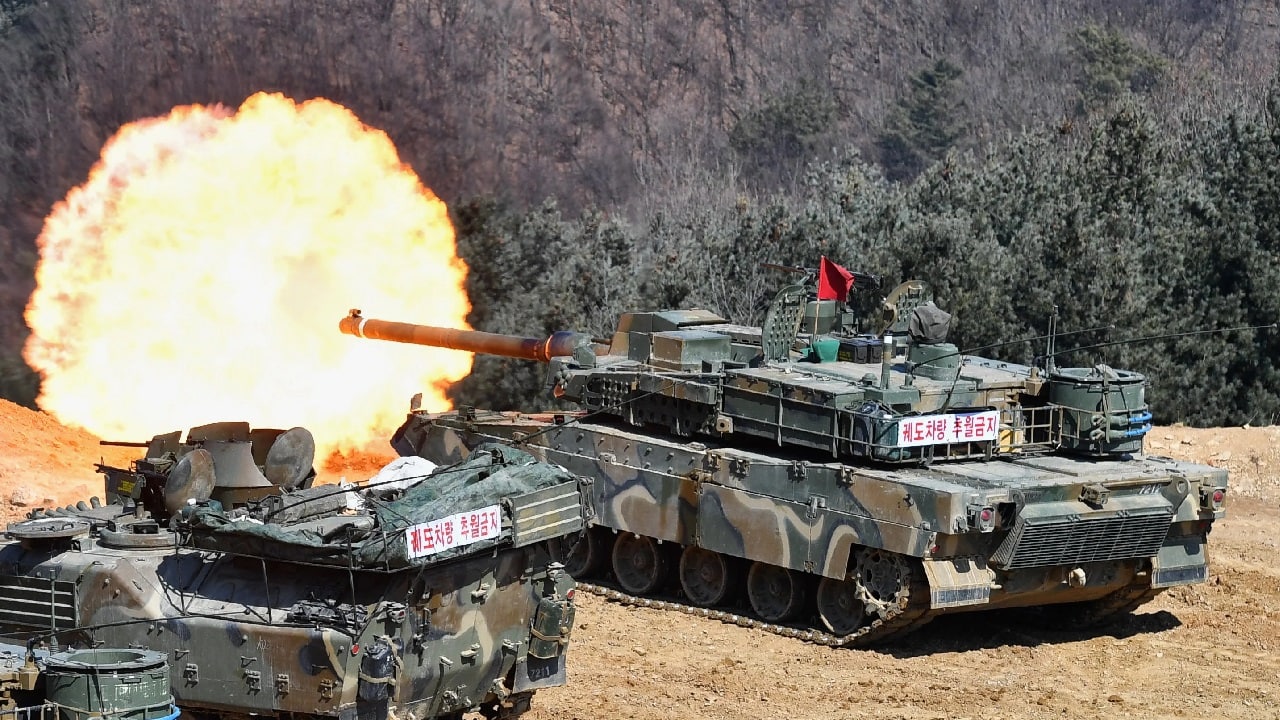
K2 Black Panther. Image Credit: Creative Commons.
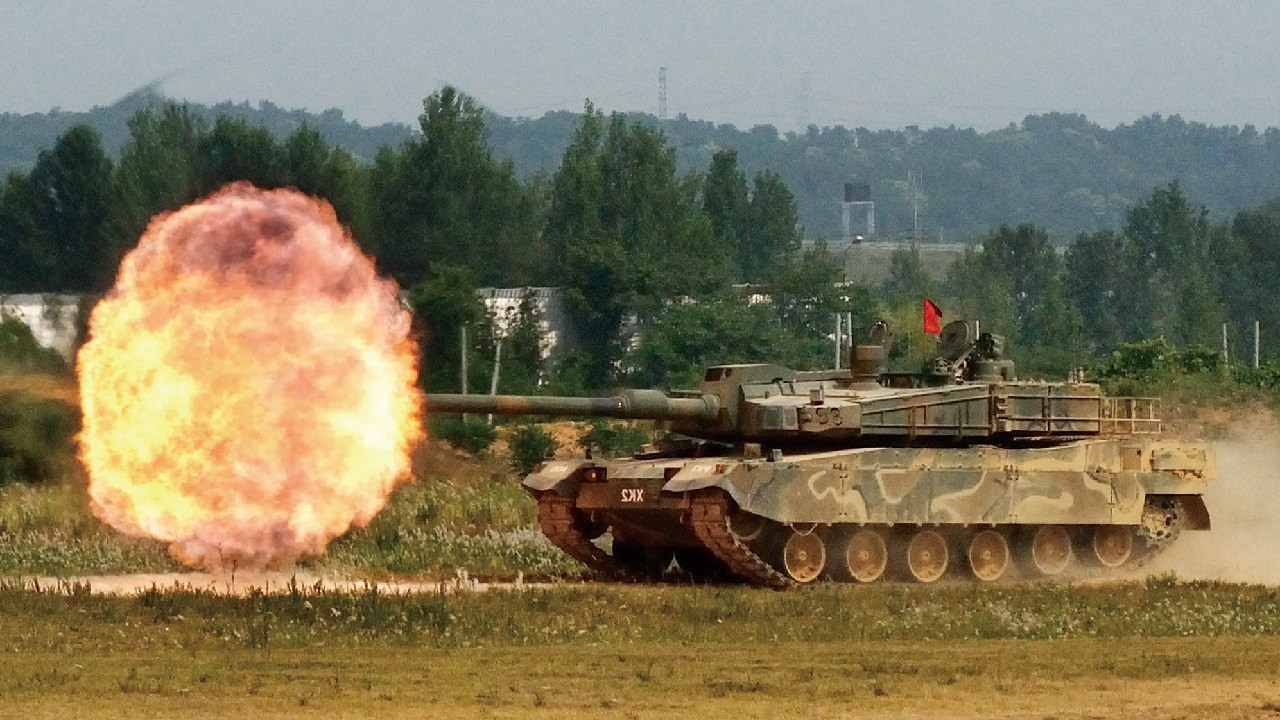
K2 Black Panther. Image Credit: Creative Commons.
-This report analyzes the K3’s role as a command node within a “kill web,” coordinating autonomous scouts and loitering munitions.
-Latham explores the parallels between the K3 and 6th-generation fighters like the F-47, concluding that the “drone age” has transformed the tank from a solitary gun platform into an armored nerve center for the networked battlefield.
The Stealth Tank: Why South Korea’s K3 Concept Looks More Like a B-21 Than an M1 Abrams
The concept images of South Korea’s proposed K3 tank look less like a traditional armored vehicle than something that escaped from a stealth aircraft design studio. The hull sits low and is sharply angled—almost flattened against the ground.
Some observers have remarked that it resembles a B-2 or B-21 Raider bomber pressed down onto tracks. Early concept discussions have even floated the possibility of hydrogen propulsion. At first glance, the design feels futuristic to the point of eccentricity.
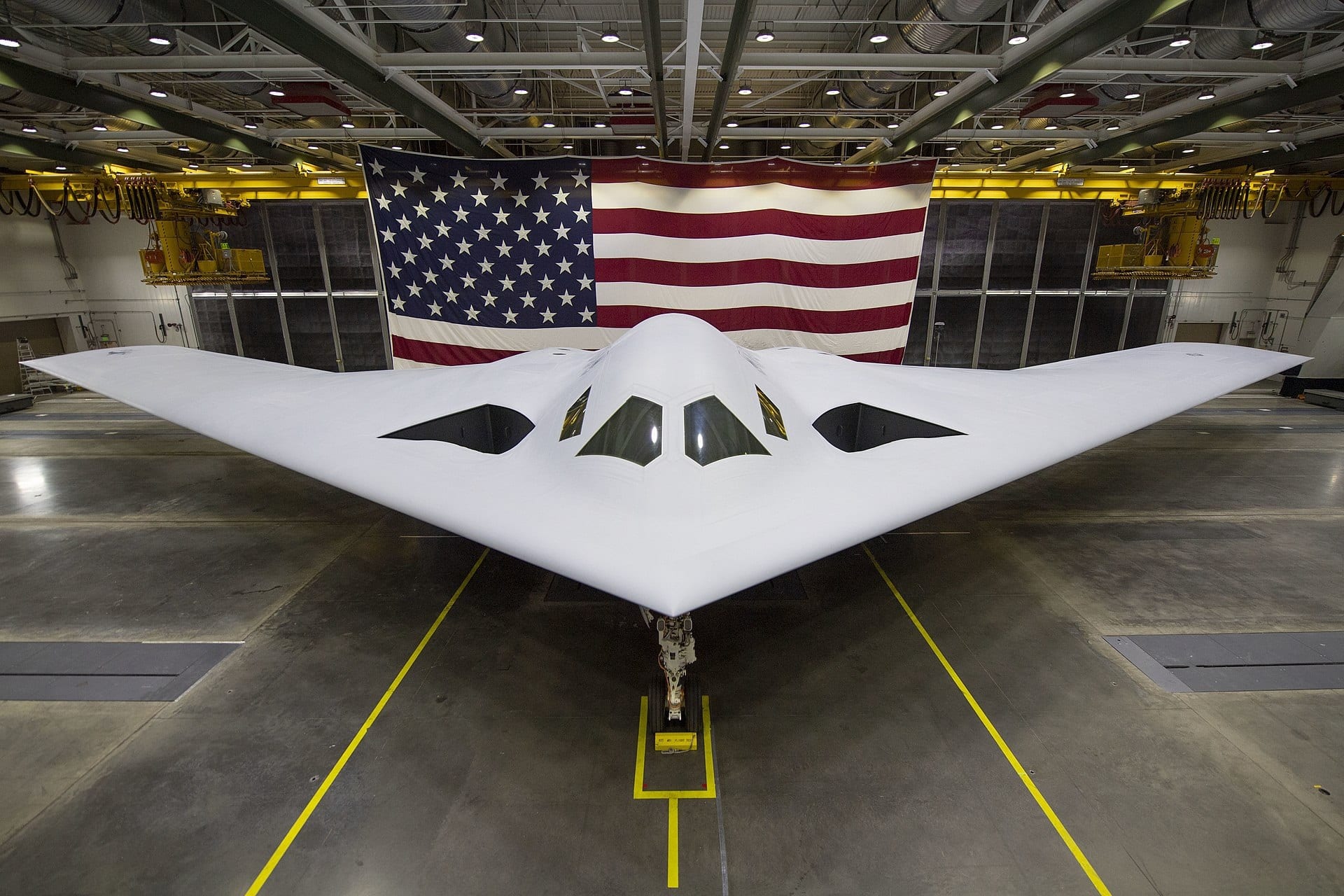
The B-21 Raider was unveiled to the public at a ceremony December 2, 2022 in..Palmdale, Calif. Designed to operate in tomorrow’s high-end threat environment, the B-21 will play a critical role in ensuring America’s enduring airpower capability. (U.S. Air Force photo)
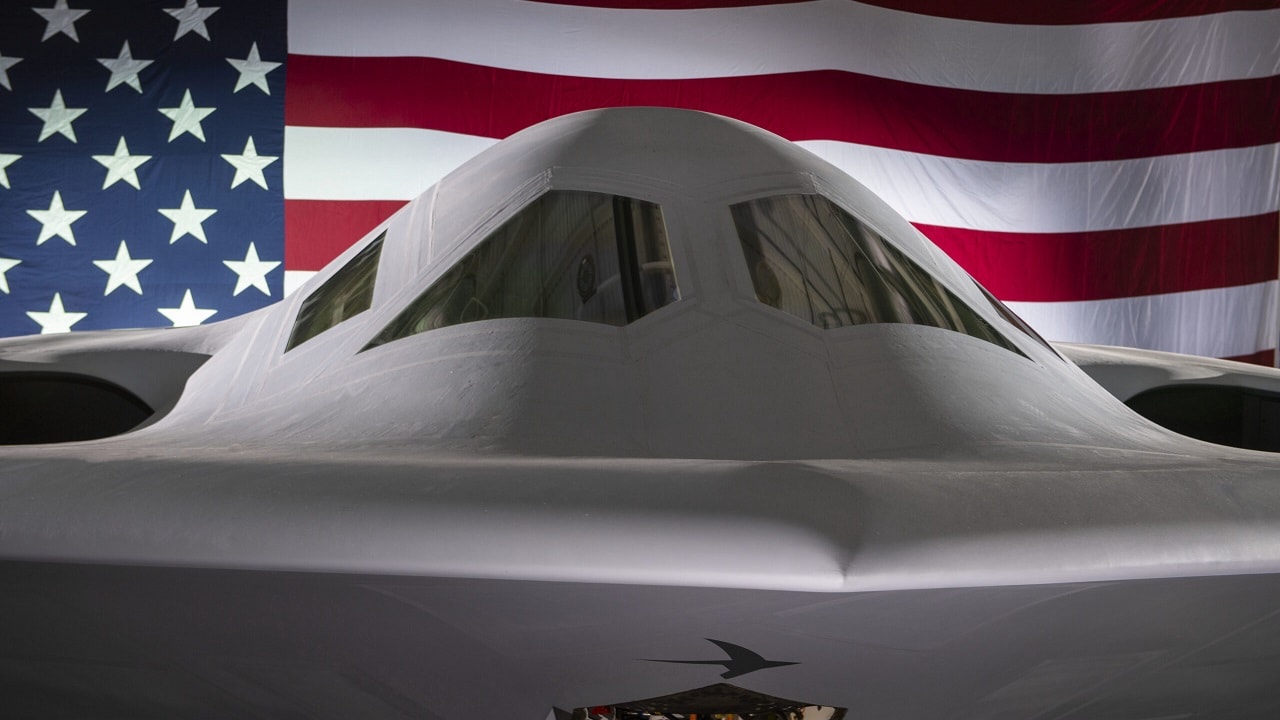
The B-21 Raider was unveiled to the public at a ceremony December 2, 2022 in
Palmdale, Calif. Designed to operate in tomorrow’s high-end threat environment, the B-21 will play a critical role in ensuring America’s enduring airpower capability. (U.S. Air Force photo)
But the real story is not how the vehicle looks. The more interesting question is what the K3 suggests about where military technology may be heading. What looks like an unusual Korean tank concept is actually part of a much larger shift now underway across modern militaries.
Across several domains at once, militaries are beginning to rethink the role of their largest combat platforms. Fighters, carriers, and armored vehicles are no longer being conceived simply as weapons. Increasingly they are being designed as command nodes that manage networks of drones, sensors, and autonomous systems. The importance now lies in the systems a platform coordinates.
Seen in that light, the K3 is less a futuristic tank than a clue about how armored warfare may be evolving in the drone age.
From Platforms to Networks
For much of the 20th century, major weapon platforms were designed to operate largely on their own. A fighter aircraft engaged enemy aircraft directly. Tanks fought opposing armor or infantry formations. Warships depended primarily on their own sensors and weapons to dominate their surroundings.
That approach made sense when battlefields were narrower and information moved more slowly.
Modern warfare takes place under different conditions. Sensors now cover the battlefield in dense layers. Drones provide constant reconnaissance. Precision weapons can strike targets located well beyond direct line of sight. Information moves quickly between units that once would have operated almost independently.
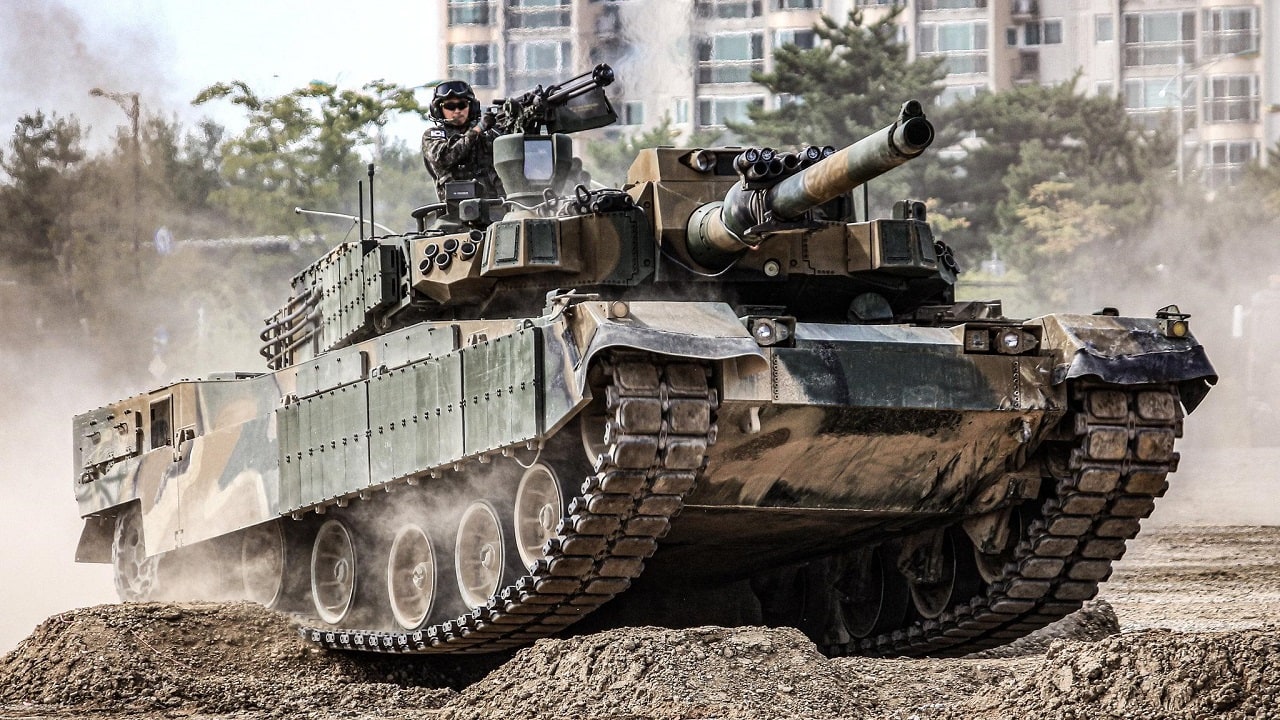
K2 Black Panther. Image Credit: Creative Commons.
Under those conditions, the effectiveness of a platform depends less on its own firepower than on how well it fits into a broader system.
Military planners increasingly use the phrase “kill web.” The underlying idea is straightforward. A larger platform becomes the center of a network of smaller ones. Drones scout ahead. Remote sensors detect threats. Autonomous systems carry weapons. The larger platform gathers information and directs the fight.
Once that shift is understood, the K3 concept begins to look less unusual.
Lessons From the Next Generation of Fighters
The clearest example of this transformation appears in the emerging generation of advanced fighter aircraft.
Programs often described as sixth-generation fighters—among them the U.S. Air Force’s developing F-47 concept—are not designed to operate as solitary aircraft dominating the sky. Instead they are expected to fly alongside autonomous support aircraft sometimes referred to as “loyal wingmen.”
In this arrangement, the fighter becomes something closer to a battlefield quarterback. The aircraft directs drones that scout ahead, extend sensor coverage, and in some cases carry weapons of their own. The pilot manages a network rather than simply flying a single aircraft into combat.
The fighter itself retains formidable capabilities. Its true value, however, increasingly lies in how effectively it coordinates the wider formation and processes the information generated by that formation.
What matters most is situational awareness and control of the network surrounding the aircraft.
This is the conceptual environment in which the K3 tank appears.
The Tank as Command Node
The K3 concept hints that armored warfare may be moving in a similar direction.
Modern battlefields are already crowded with drones. Small unmanned aircraft now scout ahead of advancing units, identify threats, and help guide precision weapons. Other systems serve as communication relays or electronic sensors. The result is a dense web of information moving across the battlefield.
Those systems expand what a unit can see and strike. They also create a coordination problem. Someone has to manage them and make sense of the information they produce.
A heavily protected vehicle like a tank remains well suited for that role. It can survive on contested ground in ways that lighter command vehicles often cannot.
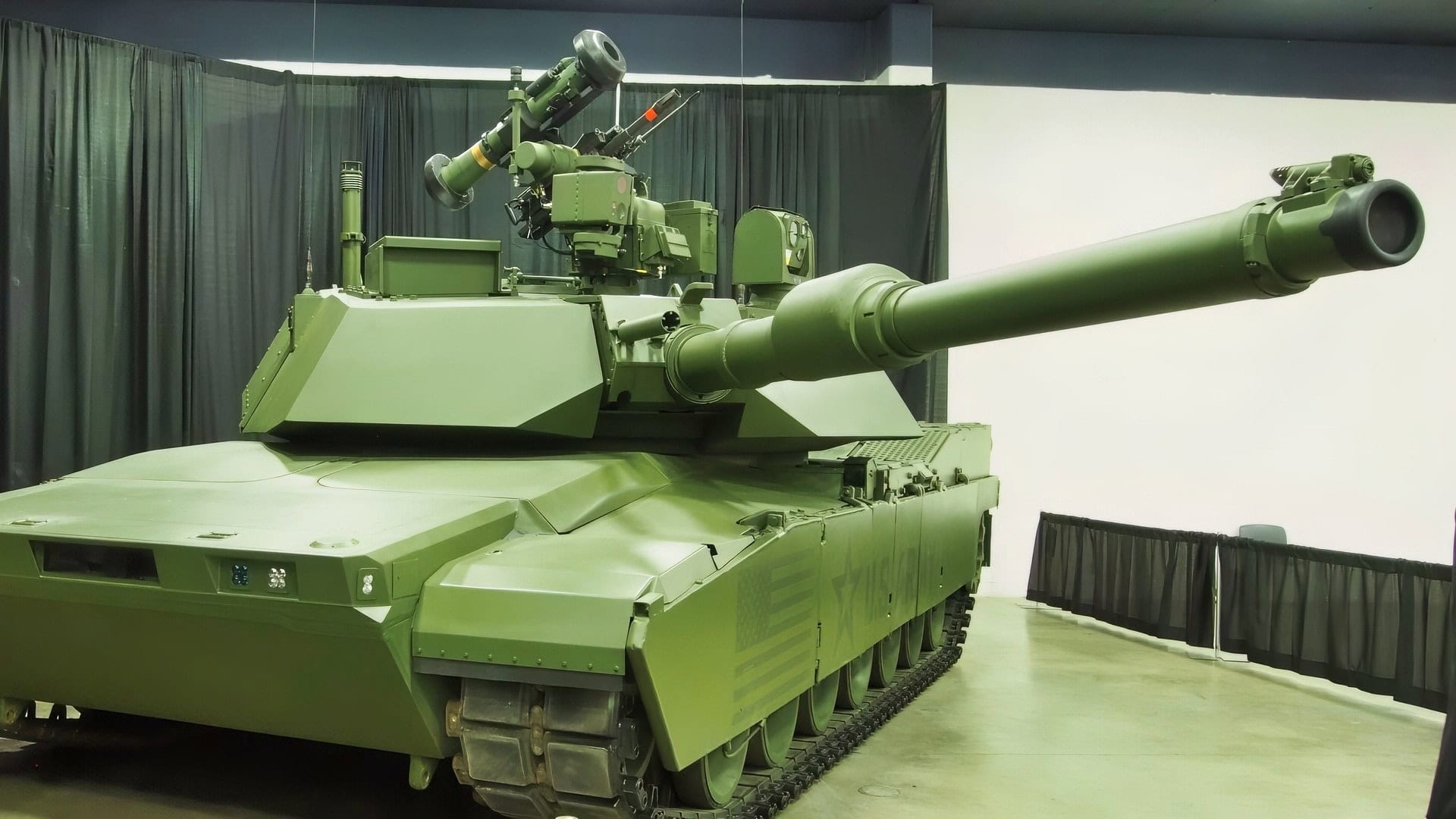
M1E3. 19FortyFive Image from the Detroit Auto Show.
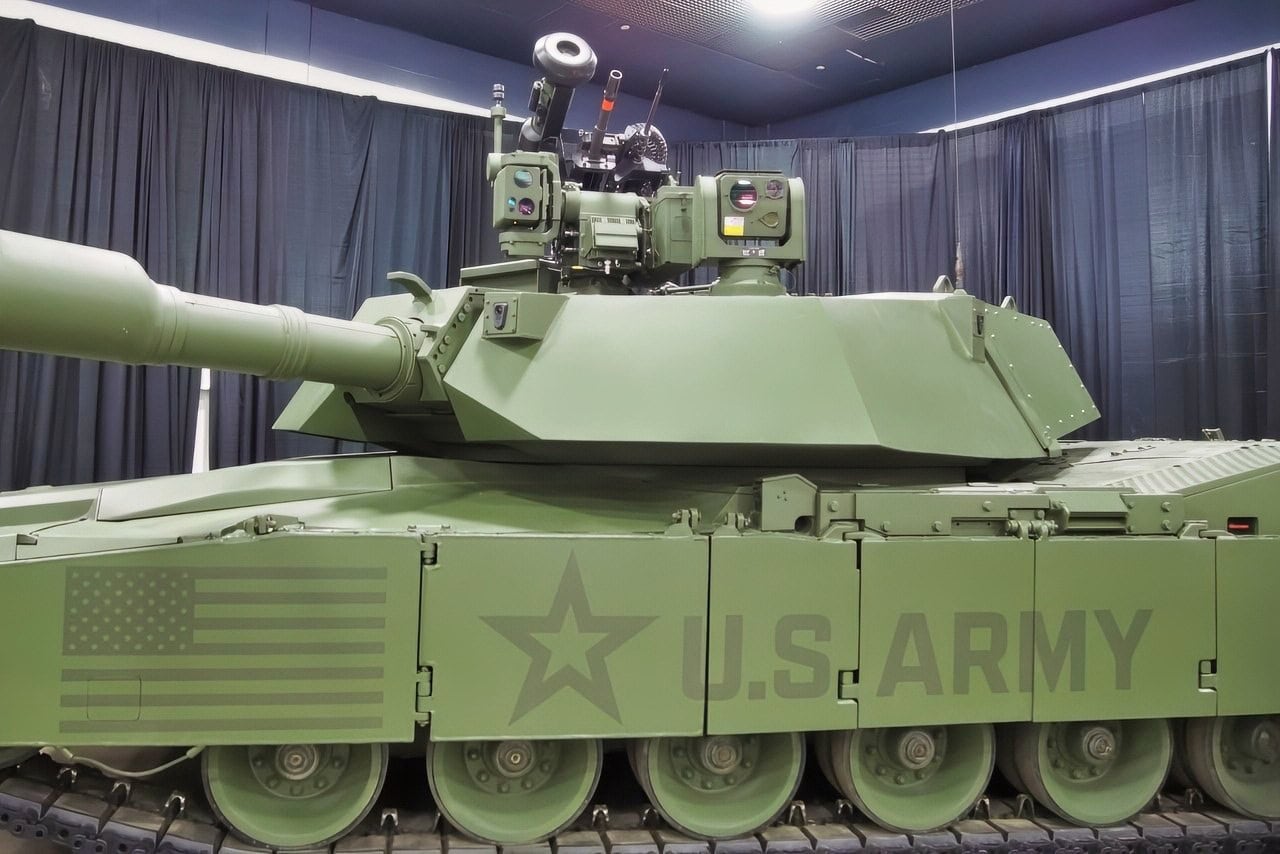
M1E3 from the Detroit Auto Show. Taken by 19FortyFive.com on 1/17/2026.
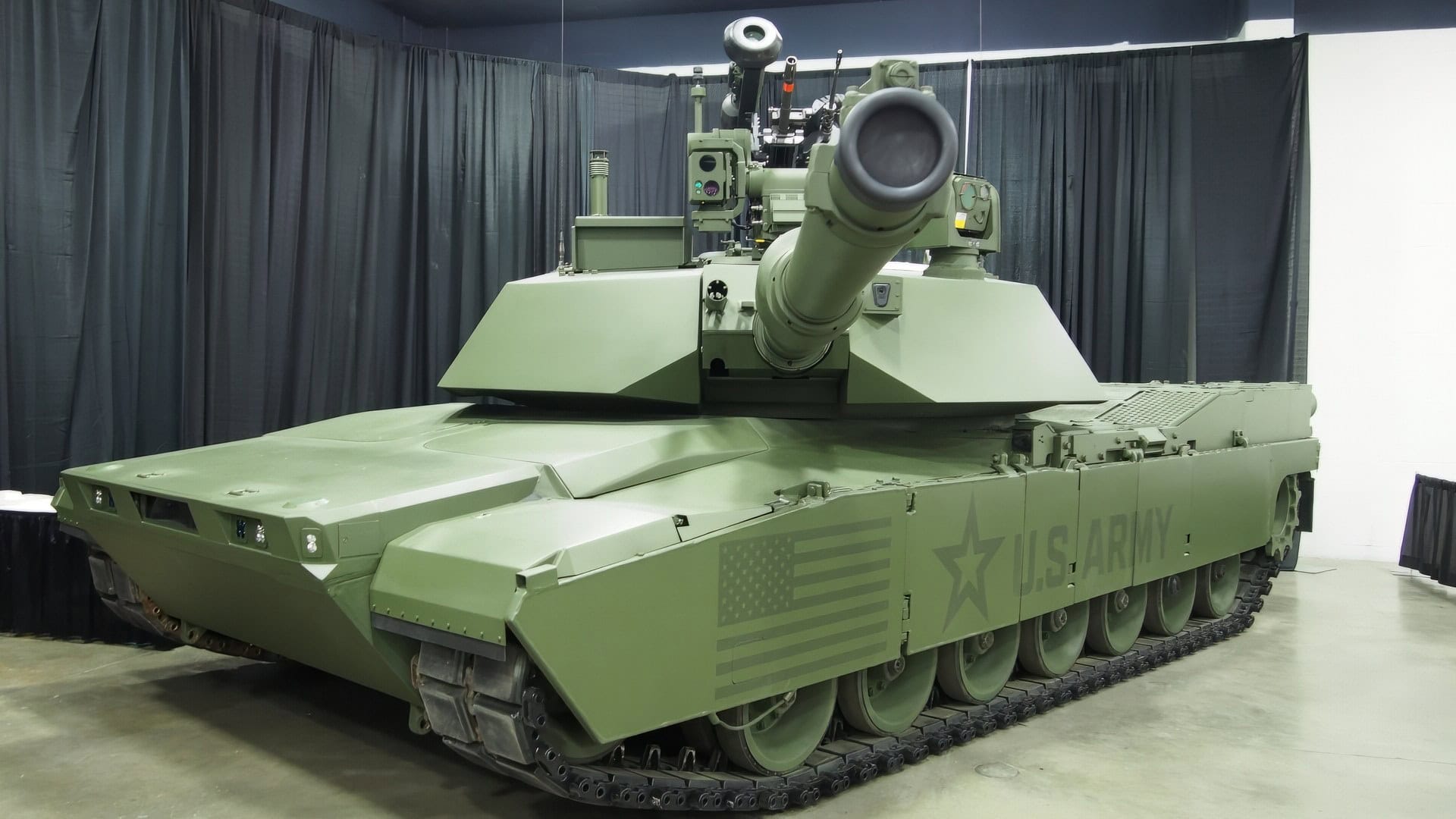
Photo taken on 1/17/2026 of the M1E3 Tank at the Detroit Auto Show. Image by 19FortyFive, All Rights Reserved.
Rather than functioning purely as a gun platform, the future tank may serve as an armored command center that directs a web of robotic scouts, sensors, and loitering munitions operating across a wide area.
The crew would not rely solely on what they can see directly. They would monitor information arriving from drones operating kilometers ahead. They would decide which threats require attention and what systems should engage them.
The K3 concept appears to move in that direction.
Why the Drone Age Forces the Issue
Recent conflicts have made this shift difficult to ignore.
Cheap drones have destroyed armored vehicles that once would have seemed highly resilient. Warships have been damaged by relatively small missiles and unmanned surface craft. Even sophisticated air-defense systems have struggled when confronted with large numbers of inexpensive unmanned aircraft.
The vulnerability of large platforms has therefore become harder to dismiss.
Yet those same wars have also demonstrated that major platforms still matter. Armies continue to rely on armored vehicles when they need to maneuver across contested ground. Air forces still require advanced aircraft to establish control of the skies. Naval power still depends on large ships capable of projecting force across oceans.
The challenge is to adapt the platforms to battlefields saturated with sensors and autonomous systems.
A Glimpse of the Next Battlefield and K3 Tank
The K3 tank may never enter service exactly as its concept images suggest. Defense programs often evolve between early concepts and final designs. Some remain experimental. Some die on the drawing board.
Even so, the idea behind the vehicle is revealing. If the trend it represents continues, the tank of the future may resemble the sixth-generation fighter more than the heavy armored vehicles of the 20th century.
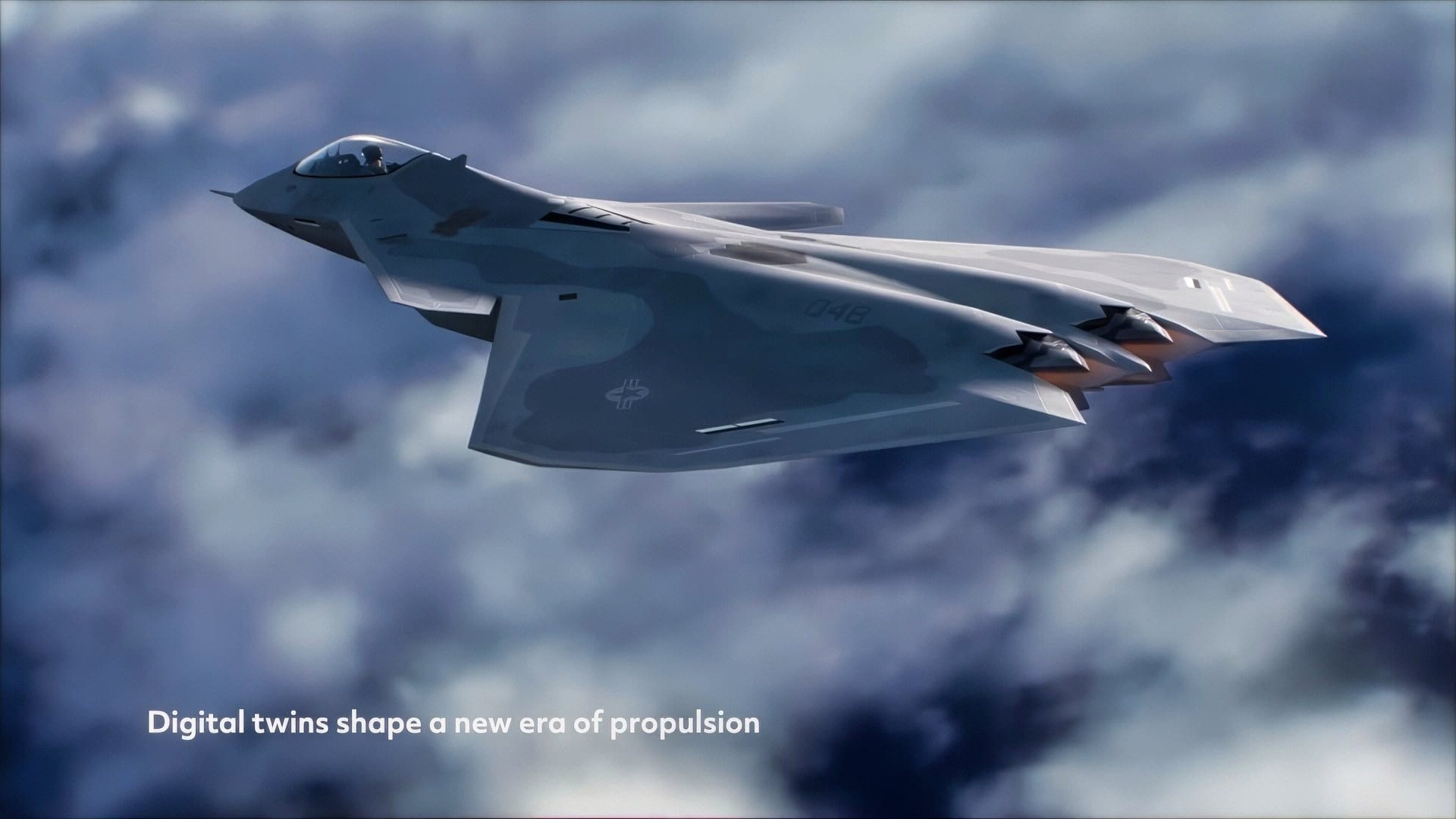
F-47 NGAD Fighter Possible Image. Image Credit: Screenshot.
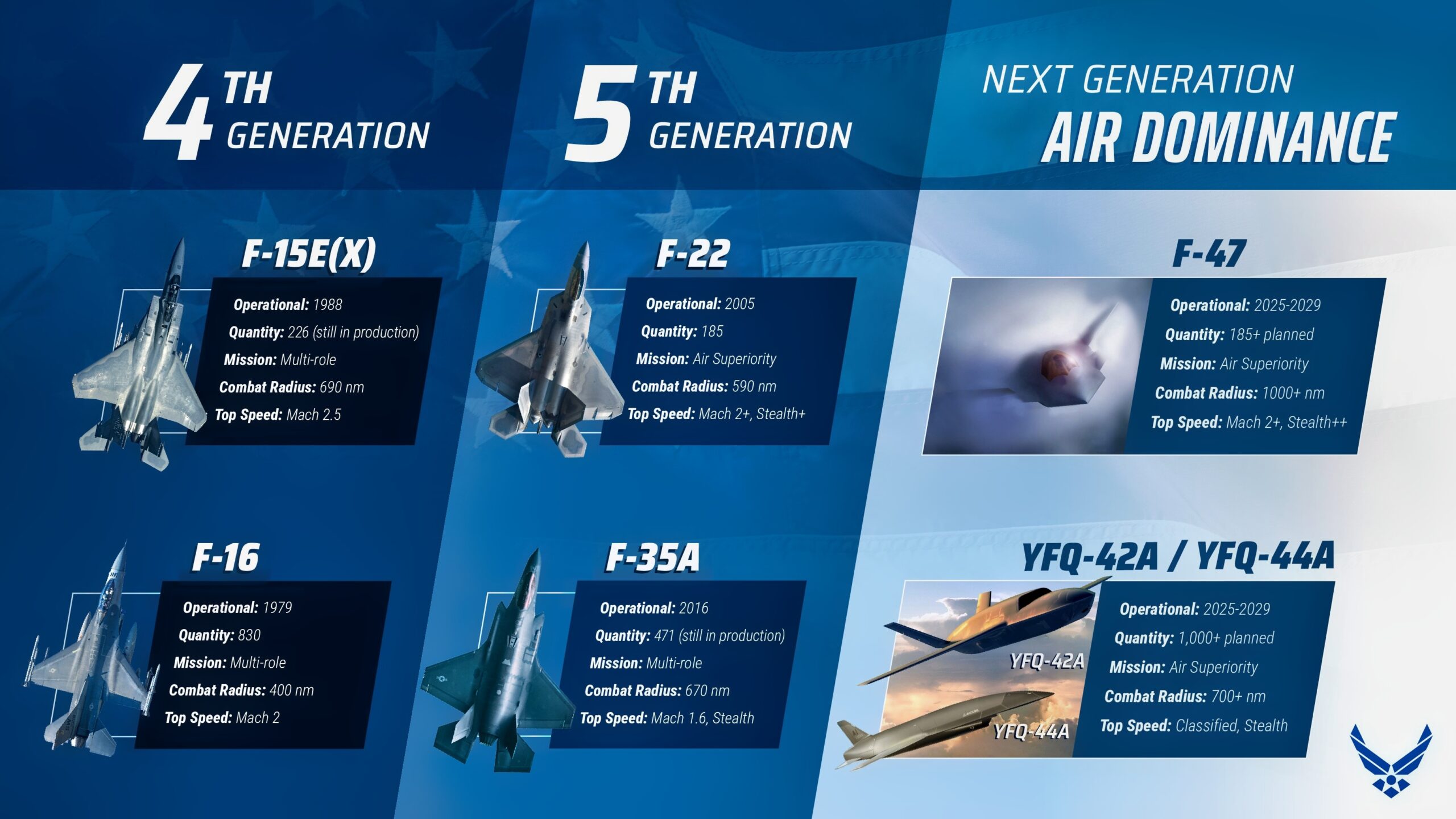
F-47 Infographic. Image Credit: U.S. Air Force
Seen in that light, the K3 is not simply South Korea’s next tank concept. It is an early sign that the age of the networked battlefield has arrived on land.
About the Author: Dr. Andrew Latham
Andrew Latham is a non-resident fellow at Defense Priorities and a professor of international relations and political theory at Macalester College in Saint Paul, MN. You can follow him on X: @aakatham.