
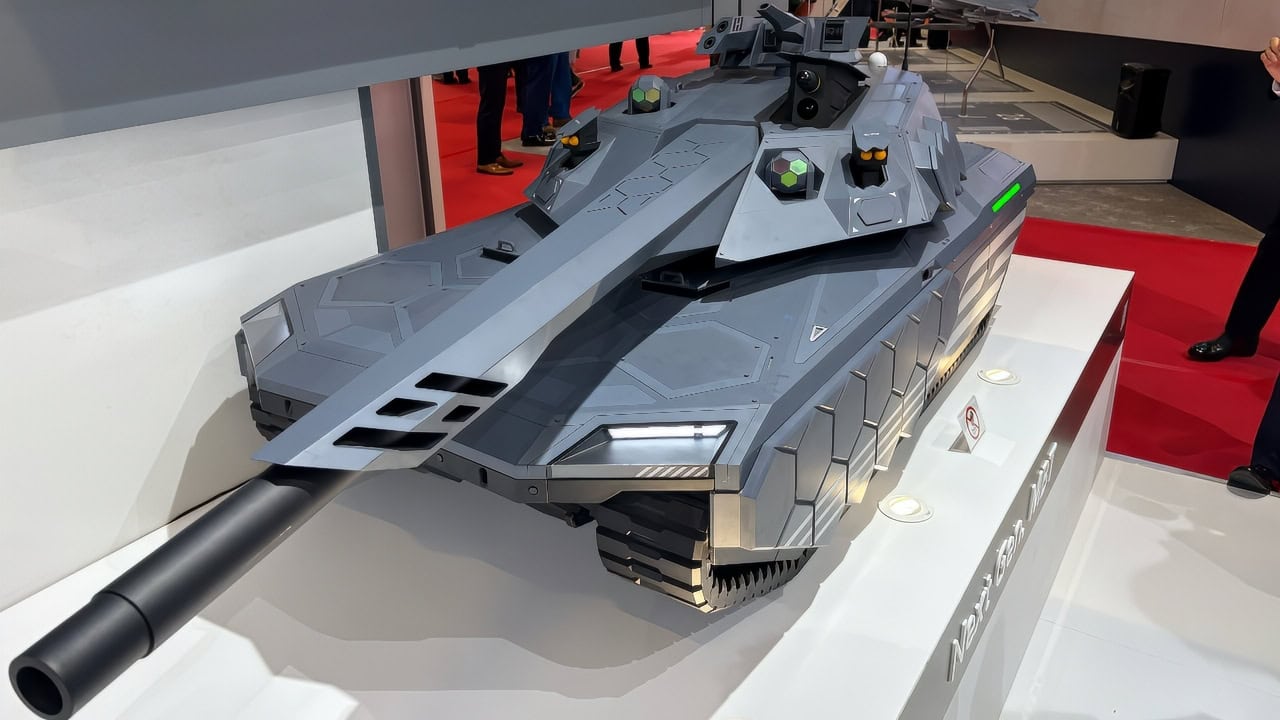
M1E3 vs. K3: The US and South Korea Race for the Ultimate Tank
With tensions ramping up worldwide, particularly against Russia and China, the West and its allies are rushing to modernize their tank fleets and develop next-generation main battle tanks.
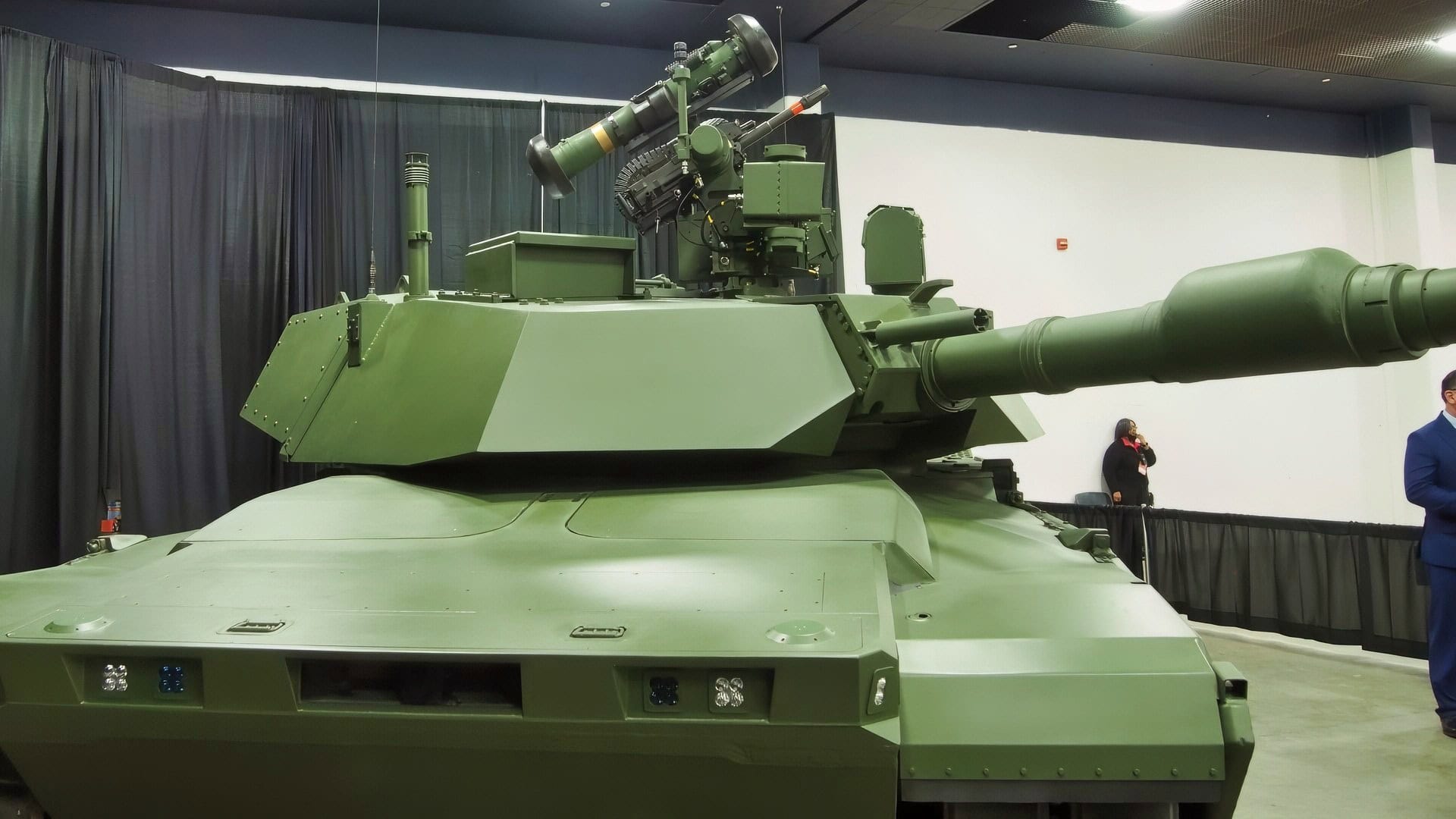
M1E3 Tank from the Detroit Auto Show. Photo Taken By 19FortyFive Staff on 1/17/2026.
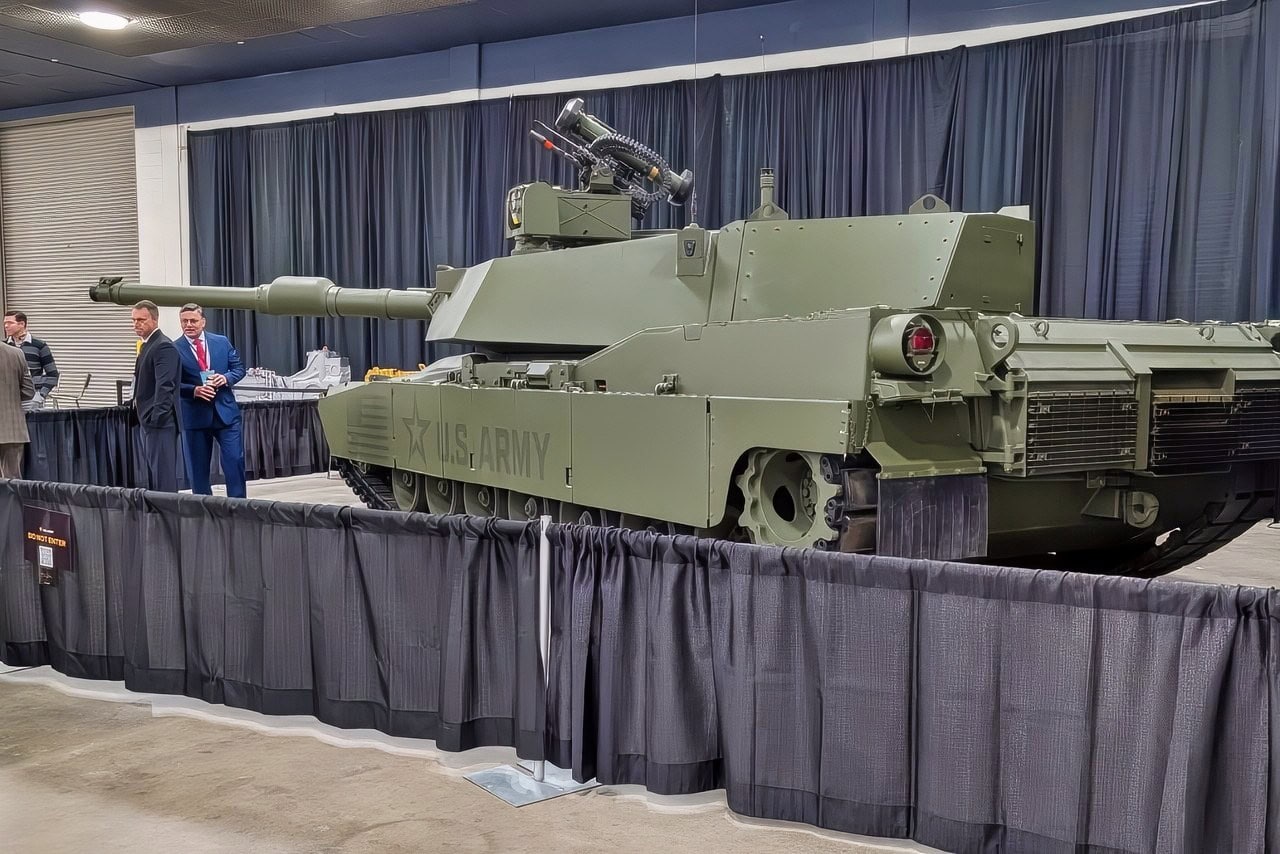
M1E3 Tank at the Detroit Auto Show. Image Credit: 19FortyFive.
The US is developing its newest variant of the M1 Abrams, the M1E3, which features an unmanned turret, active protection systems, and an open-system architecture. South Korea, meanwhile, has its own next-generation MBT, the K3, as a successor to the K2 Black Panther.
Very little is known about this project, with only its conceptual design and a model of the tank revealed.
However, work on the project is reportedly progressing smoothly, and the Koreans have high hopes for it. How does it compare with the M1E3?
Introducing the Tanks of the Future
The M1E3 Abrams arose from a decisive shift in US Army thinking in September 2023, when the service formally terminated development of the M1A2 SEPv4. Senior Army leaders concluded that the Abrams had reached the practical limits of incremental modernization.
Additional armor, electronics, and protection systems were pushing combat weight beyond acceptable limits while increasing fuel consumption and maintenance burdens to unsustainable levels. Instead of pursuing an entirely clean-sheet program, which would likely have taken well over a decade, the Army opted for a deep structural redesign built atop proven Abrams systems. This approach allowed the Army to receive its first pre-prototype by December 2025, with soldier testing scheduled for 2026.
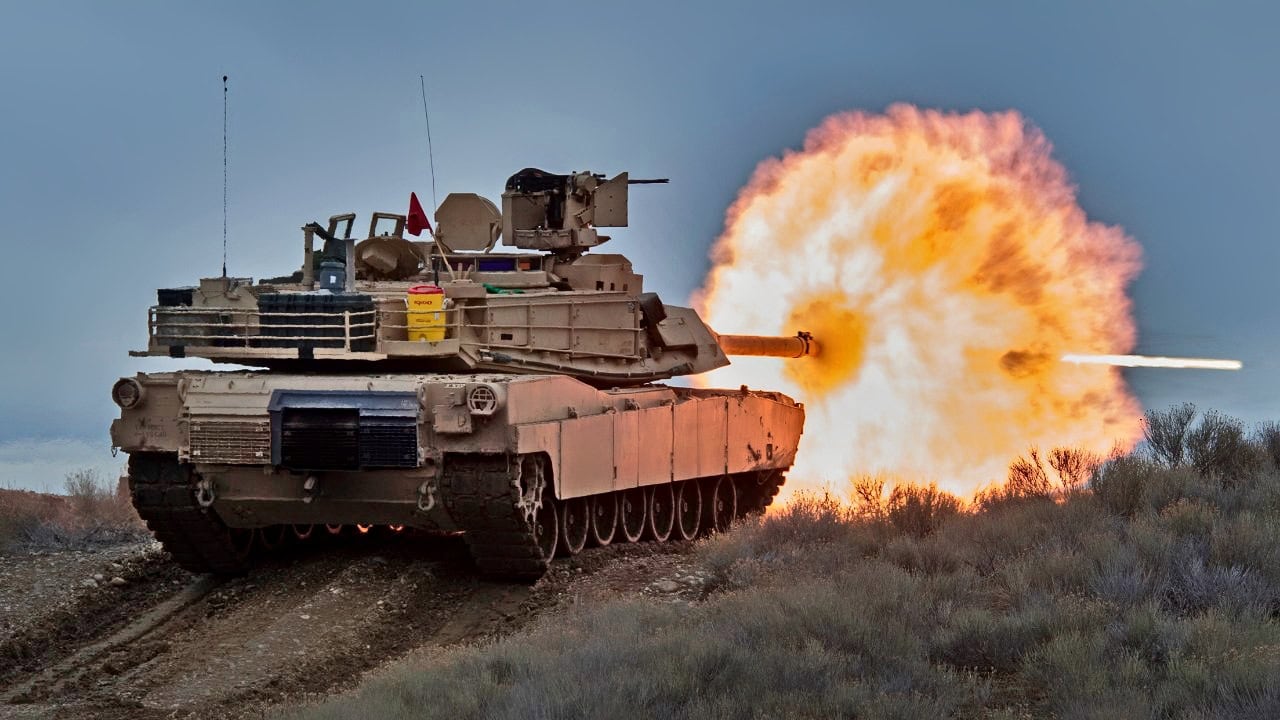
M1A2 Abrams Tanks from A Company, 2-116th Cavalry Brigade Combat Team (CBCT), Idaho Army National Guard run through field exercises on Orchard Combat Training Center (OCTC).
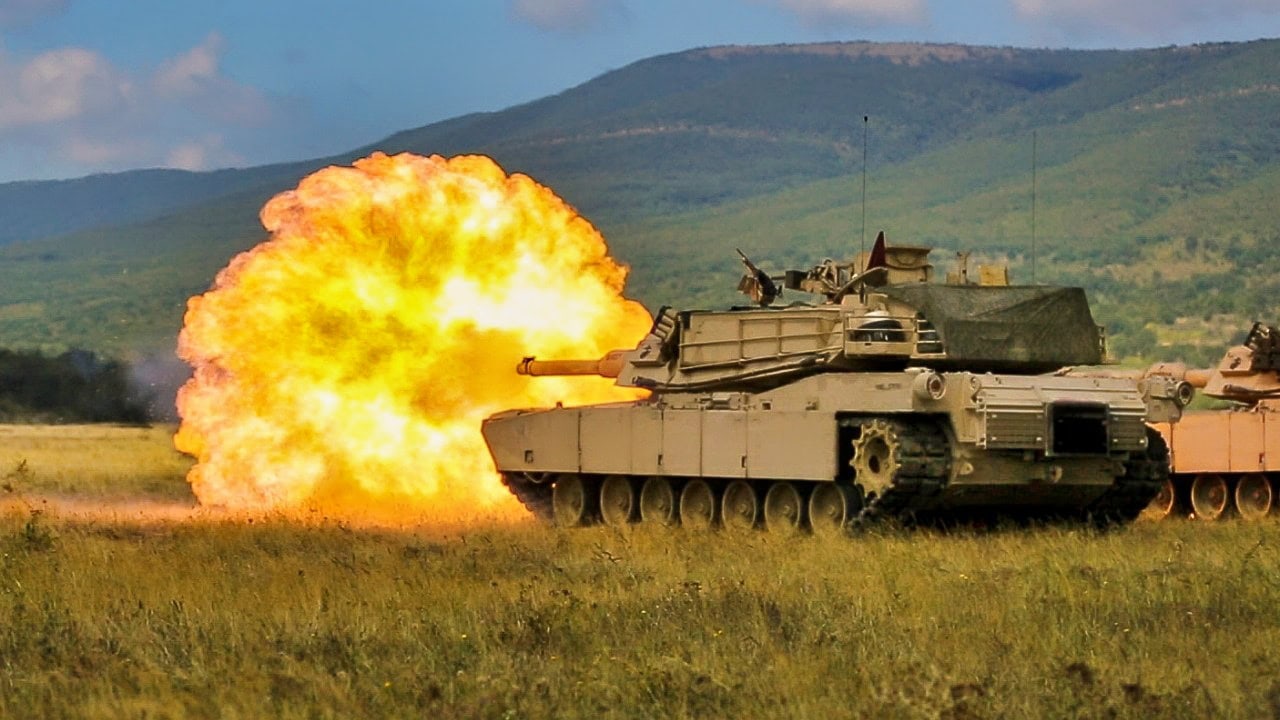
U.S. Marines with Combined Arms Company fire an M1A1 Abrams tank during a field training exercise at Novo Selo Training Area, Bulgaria, Sept. 21, 2015. The Marines underwent several days in the field to prepare for multinational training exercises over the next few months. (U.S. Marine Corps photo by Lance Cpl. Melanye E. Martinez/Released)
The K3, on the other hand, took a far more ambitious approach. Developed by Hyundai Rotem and the Agency for Defense Development, the K3 is intended to replace the highly advanced K2 Black Panther sometime around 2040. Rather than iterating on an existing platform, the K3 adopts a forward-leaning, almost experimental approach.
Its designers aim to redefine what a main battle tank looks like in the mid-21st century, incorporating stealth shaping, extensive automation, artificial intelligence, and an eventual transition to hydrogen fuel-cell propulsion.
Firepower
The K3 is designed around an unmanned turret housing a newly developed 130 mm smoothbore cannon.
According to reports, Hyundai Rotem has conducted tests with the barrel, reportedly with favorable results, and expects markedly improved penetration, range, and growth potential compared to existing 120 mm systems.
The K3 also integrates anti-tank guided missiles capable of engaging targets beyond line of sight at distances reportedly up to eight kilometers, extending its reach well beyond that of conventional MBTs.
The M1E3, on the other hand, retains the standard M256 smoothbore cannon, which has been a mainstay in the Abrams since the M1A1. This is by no means a bad thing, as the M256 is a good and reliable cannon. Still, it is unlikely to match the K3’s range and penetration capabilities (though there is not much publicly available data on the K3’s cannon).
Protection and Survivability
The M1E3 abandons the Cold War assumption that maximum passive armor equals maximum protection. Instead, it adopts a layered survivability model that combines reduced-signature management, integrated active protection systems, electronic warfare capabilities, and an unmanned turret that allows the crew to be seated in an armored capsule within the hull.
This configuration sharply improves crew survivability against turret penetrations and top-attack threats, a vulnerability repeatedly exposed in Ukraine.
The K3 pushes this philosophy even further, at least on paper. Its stealth-oriented hull and turret shaping are explicitly intended to reduce radar, infrared, and acoustic signatures. While the idea of a “stealth tank” comes with a lot of baggage, stealth is but one layer of the tank’s multi-leveled protection measures.
The tank is designed to carry drone-jamming equipment, directional infrared countermeasures, and advanced active protection systems optimized specifically for missile- and drone-heavy environments. If fully realized, these features could make the K3 exceptionally difficult to detect and target.
Mobility and Digital Systems
In terms of mobility, the M1E3 uses a hybrid-electric powertrain to replace the gas-turbine engine. This hybrid-electric propulsion offers several advantages, including quieter operation, reduced fuel consumption, and significantly increased onboard electrical power for sensors and active defenses.
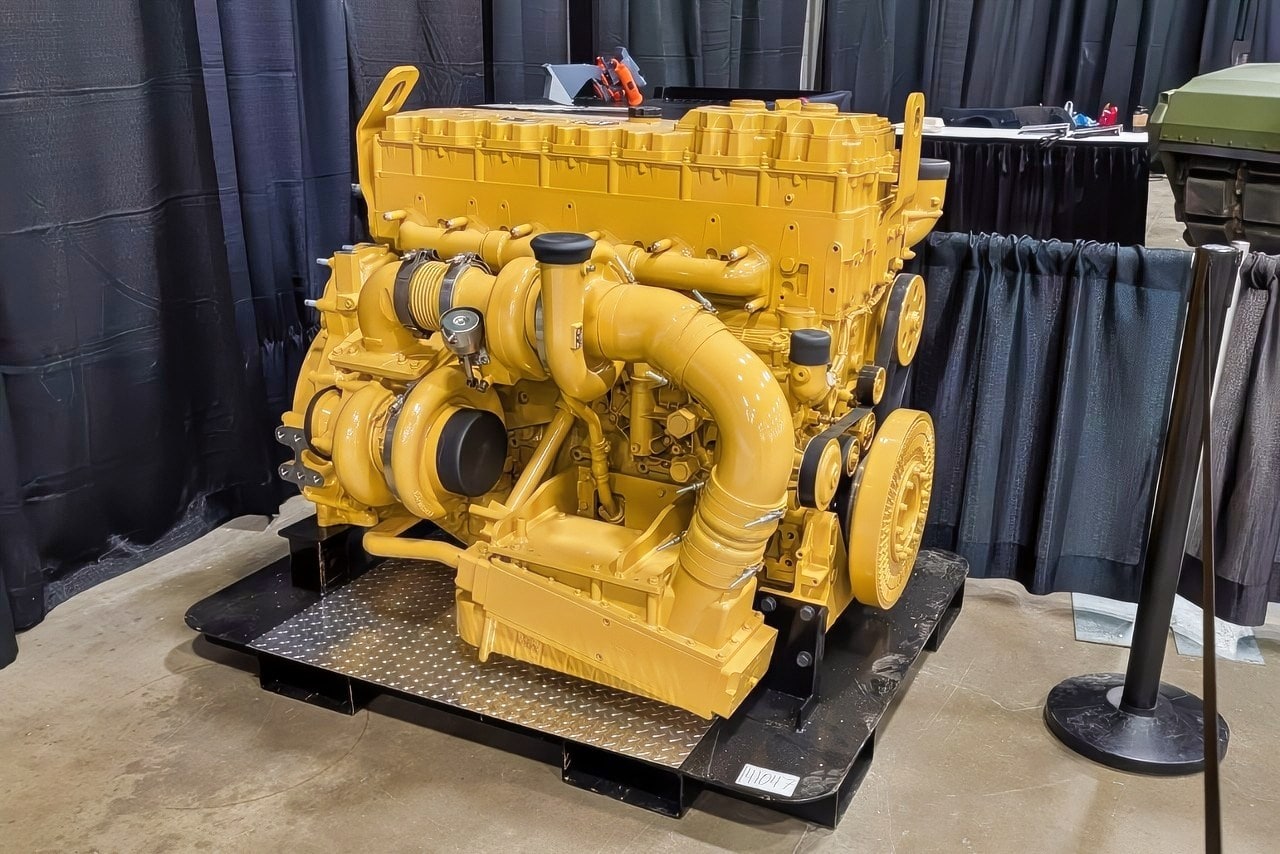
M1E3 Tank at the Detroit Auto Show. Image Credit: 19FortyFive.
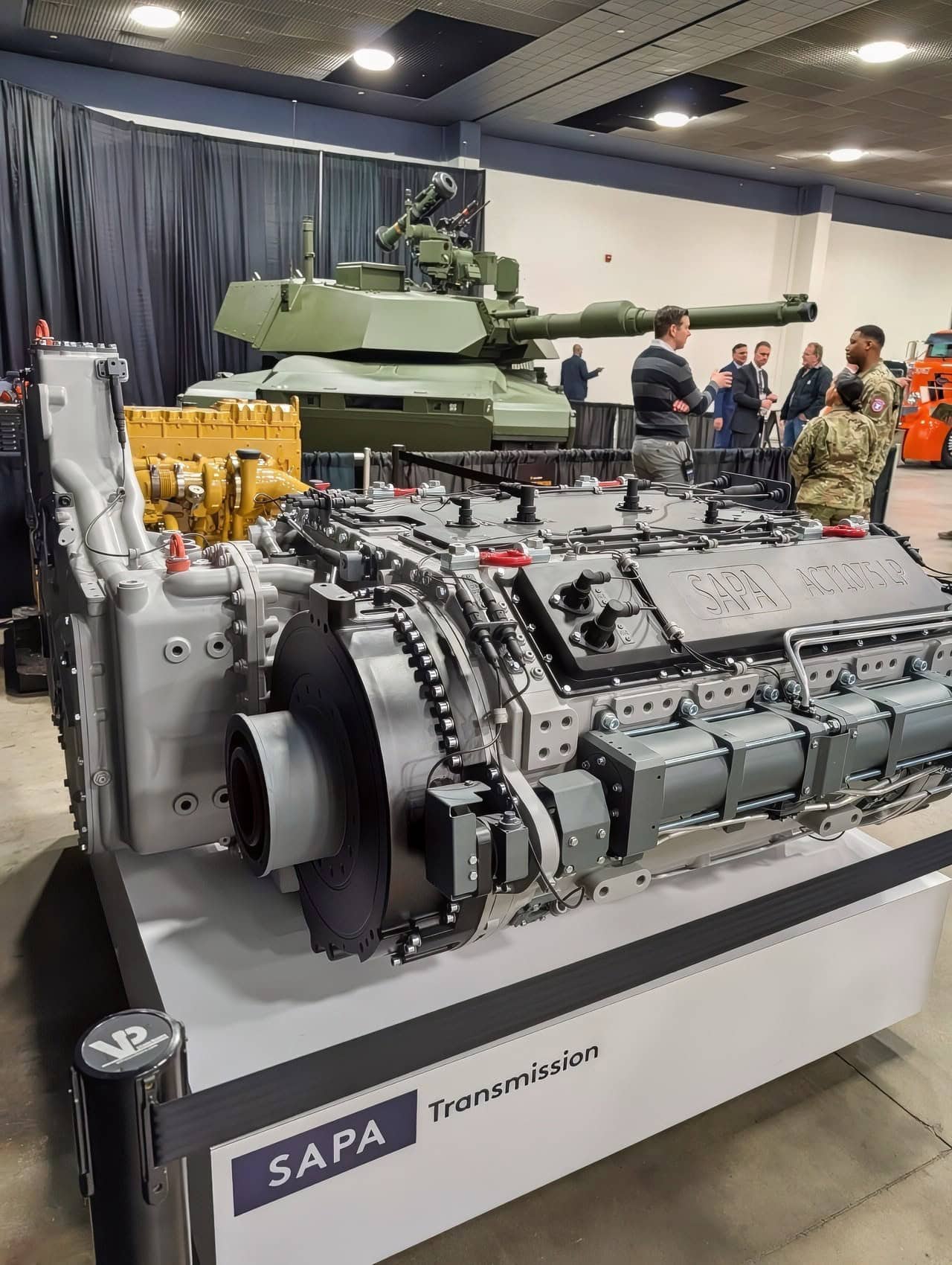
M1E3 Tank at the Detroit Auto Show. Image Credit: 19FortyFive.
The K3, however, adopts a more radical approach. Its long-term goal is full hydrogen fuel-cell propulsion, with early versions expected to use hydrogen-diesel hybrids. This approach promises exceptionally low heat and acoustic signatures, making the vehicle far harder to detect. The trade-off is a logistical reality. Hydrogen production, storage, and distribution for armored formations remain unresolved challenges, especially in expeditionary or wartime conditions. What the K3 gains in theoretical stealth, it risks losing in operational sustainability.
In terms of electronics, both tanks promise cutting-edge capabilities. Both tanks employ unmanned turrets, autoloaders, AI-assisted fire control, and extensive sensor fusion. The M1E3 places particular emphasis on a modular open systems architecture, allowing the Army to rapidly swap software and hardware without redesigning the entire tank.
This makes the vehicle adaptable to unforeseen technologies and threats. The K3, in contrast, embraces deeper autonomy, including advanced AI target recognition and integrated manned-unmanned teaming with aerial and ground drones. It should be noted, however, that both of these exist only in the conceptual realm as of the writing of this, and neither tank has an existing prototype as far as the public is aware.
Which Tank is Better?
Comparing the M1E3 and the K3 is difficult, as both exist only in the conceptual realm, though the M3 at least has a physical pre-prototype. While the M1E3’s design is still being refined, South Korea has already figured out its ambitions and expectations for its tank.
The next step, however, is translating those goals from paper to reality, which is likely to take many years. If we are judging these tanks solely by their specs on paper, the M3 is the superior tank overall, with better firepower, better propulsion, and potentially better electronics.
Again, I must stress that this is only in theory. As of writing this, the M1E3 is still in the pre-prototype stage, and the K3 has not even left the drawing board. As both concepts mature, their true capabilities will emerge, allowing us to more accurately judge which is superior.
About the Author: Isaac Seitz
Isaac Seitz, a Defense Columnist, graduated from Patrick Henry College’s Strategic Intelligence and National Security program. He has also studied Russian at Middlebury Language Schools and has worked as an intelligence Analyst in the private sector.