Summary and Key Points: Israeli airstrikes have eliminated two of Iran’s most powerful surviving security officials — Ali Larijani, secretary of Iran’s Supreme National Security Council, and General Gholam Reza Soleimani, head of the IRGC‘s Basij militia.
-Larijani was the Islamic Republic’s chief intermediary with Vladimir Putin, personally managing a strategic partnership that included a $2.5 billion drone deal paid partly in 1.8 tons of gold bars.
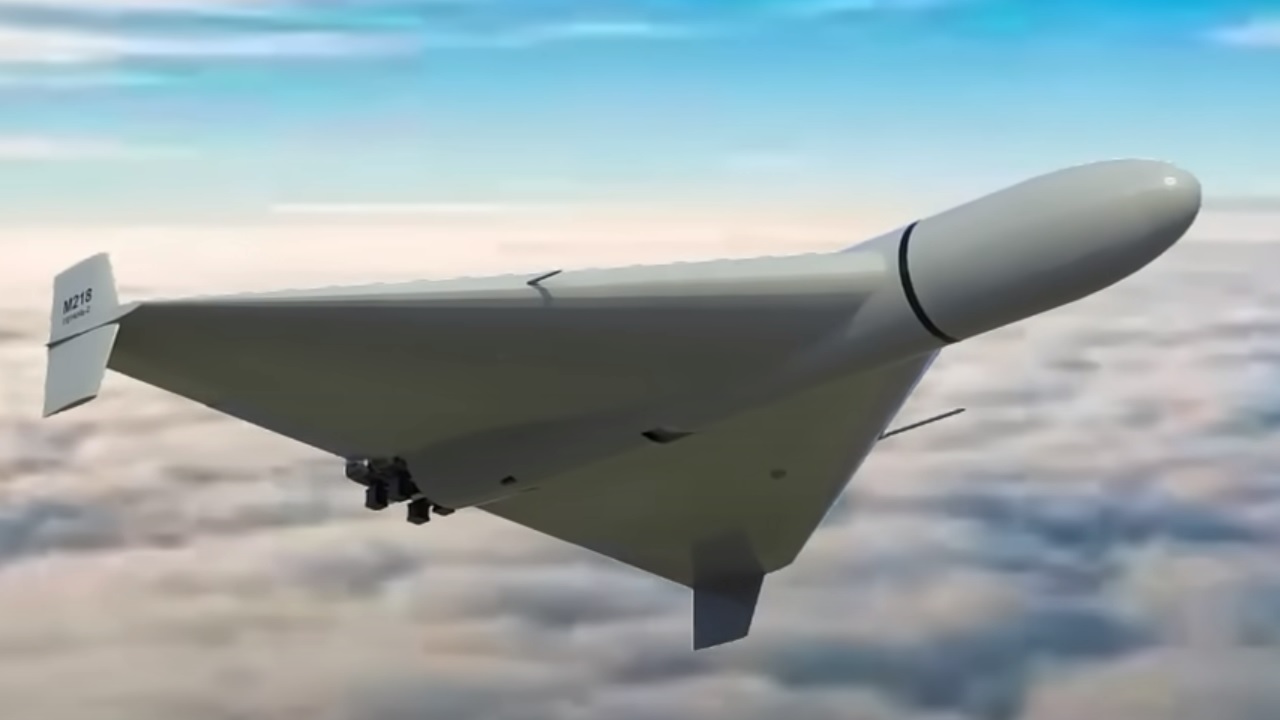
Shahed-136 Drone. Image Credit: YouTube Screenshot.
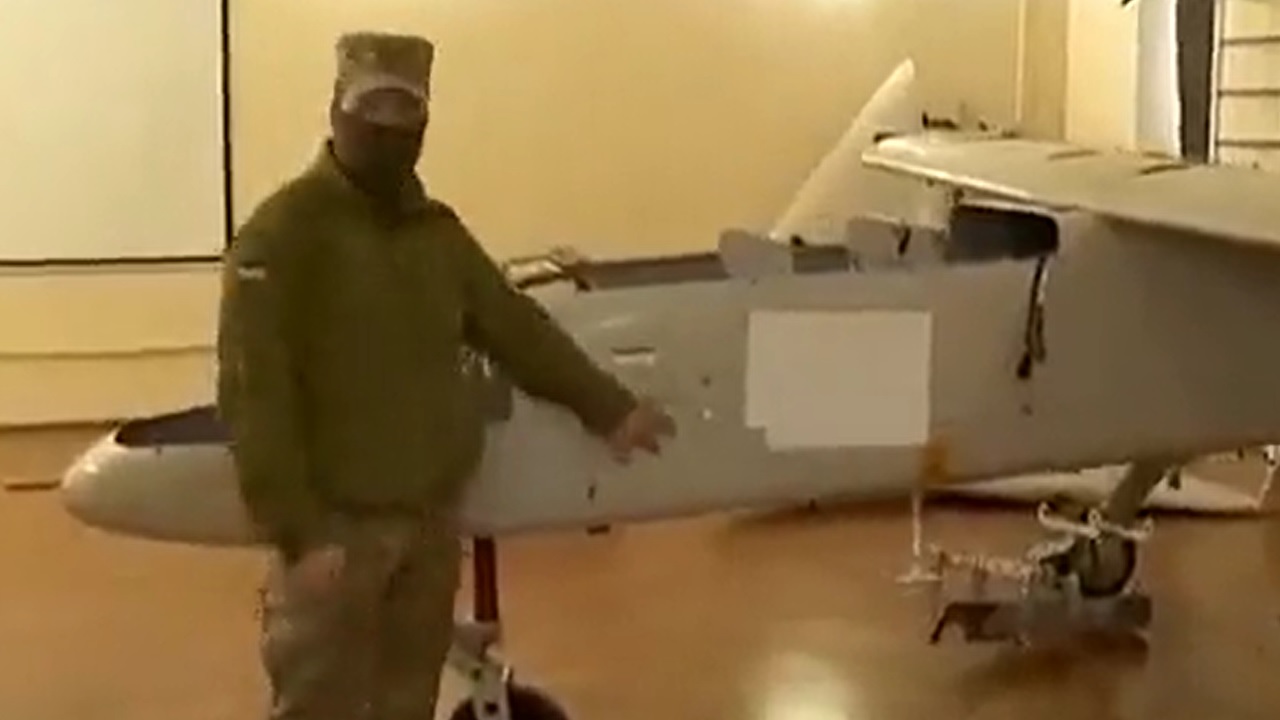
Iran Drones
-He secured Russian support for Iran’s nuclear program and air defense modernization.
-Former U.S. intelligence officials say no one in the current Iranian leadership structure is capable of easily filling his role. The vacuum at the top is now real.
The Man Who Managed Iran’s $2.5 Billion Drone Deal With Russia — Paid in Gold Bars — Was Just Eliminated in an Israeli Airstrike
Reports on Tuesday confirmed that Israeli airstrikes killed two senior Iranian security officials.
‘Their deaths are regarded as a significant blow to the Islamic Republic’s leadership at a time when the government’s existence is under threat. Iran retaliated on Wednesday with a round of missile and drone attacks targeting neighboring Arab states and sites in Israel.
One of the two figures eliminated was Ali Larijani, who was the secretary of Iran’s Supreme National Security Council. He became one of the most powerful figures in the Iranian government after Supreme Leader Ayatollah Ali Khamenei was killed in an airstrike on February 28.
The other senior security official killed was General Gholam Reza Soleimani. He had been the head of the Islamic Revolutionary Guard Corps’ Basij militia.
The two men were at the forefront of the Islamic regime’s bloody crackdown on protests that began in January and evolved into a nationwide popular uprising. The massive crowds that formed in the streets for two months became a significant challenge to the Islamic theocracy even before Israel and the United States began their attack.
Putin’s Key Contact
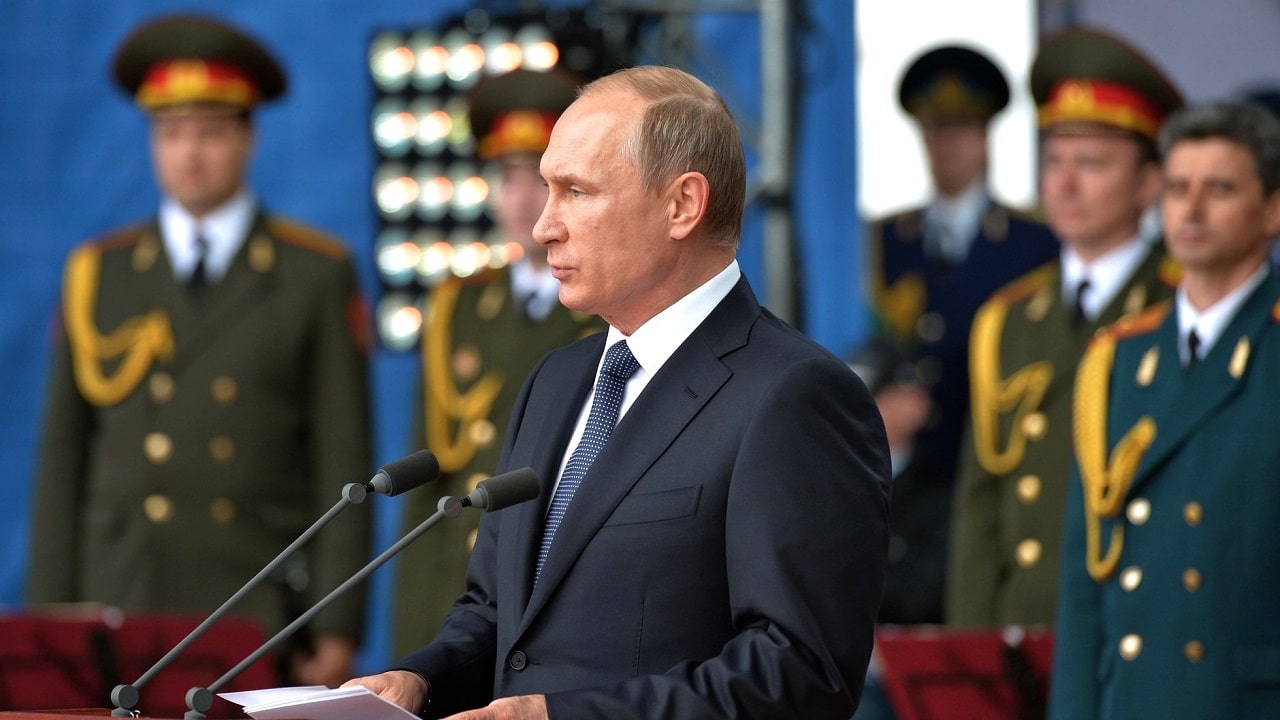
The successful strike raises questions about how Iran’s top leaders may continue to manage the country’s defense—and relations with Russian President Vladimir Putin in particular. In the years since the Ukraine War began, Putin has become the regime’s most important ally and financial supporter.
Recent data compiled by Ukrainian investigative reporters who hacked the email servers and other computer systems of Iranian and Russian entities reveals the largesse Putin lavished on the mullahs. The reporters estimate that Moscow has paid Iran billions of dollars in cash, gold, and weapons in exchange for the provision of Iran’s Shahed drones.
The investigators claimed they discovered a $2.5 billion deal in 2022 under which Iran agreed to supply and produce those drones for Russia. The materials they found suggest that one 6,000-drone contract cost Russia about $193,000 per drone, totaling more than $1 billion.
According to the same documents, the payments for these drones were made with more than 1.8 tons of gold bars. In other instances, ammunition was used as a form of payment.
Countering Western Influence
As of early 2026, Ali Larijani was the chief intermediary between Iran’s supreme leadership and Russia. His portfolio had focused on military, energy, and nuclear weapons development cooperation with Moscow.
The overall goal of Larijani’s courtship of Russia was reportedly to coordinate efforts to counter Western influence. In his position as Secretary of the Supreme National Security Council, Larijani was a frequent visitor to Moscow and personally responsible for managing the strategic partnership with Putin.
Larijani sought to secure Moscow’s support for Iran’s nuclear program and modernization of the country’s air defenses. Those interactions have been described in reports from both The Moscow Times and the Ukrainian Militarnyi.
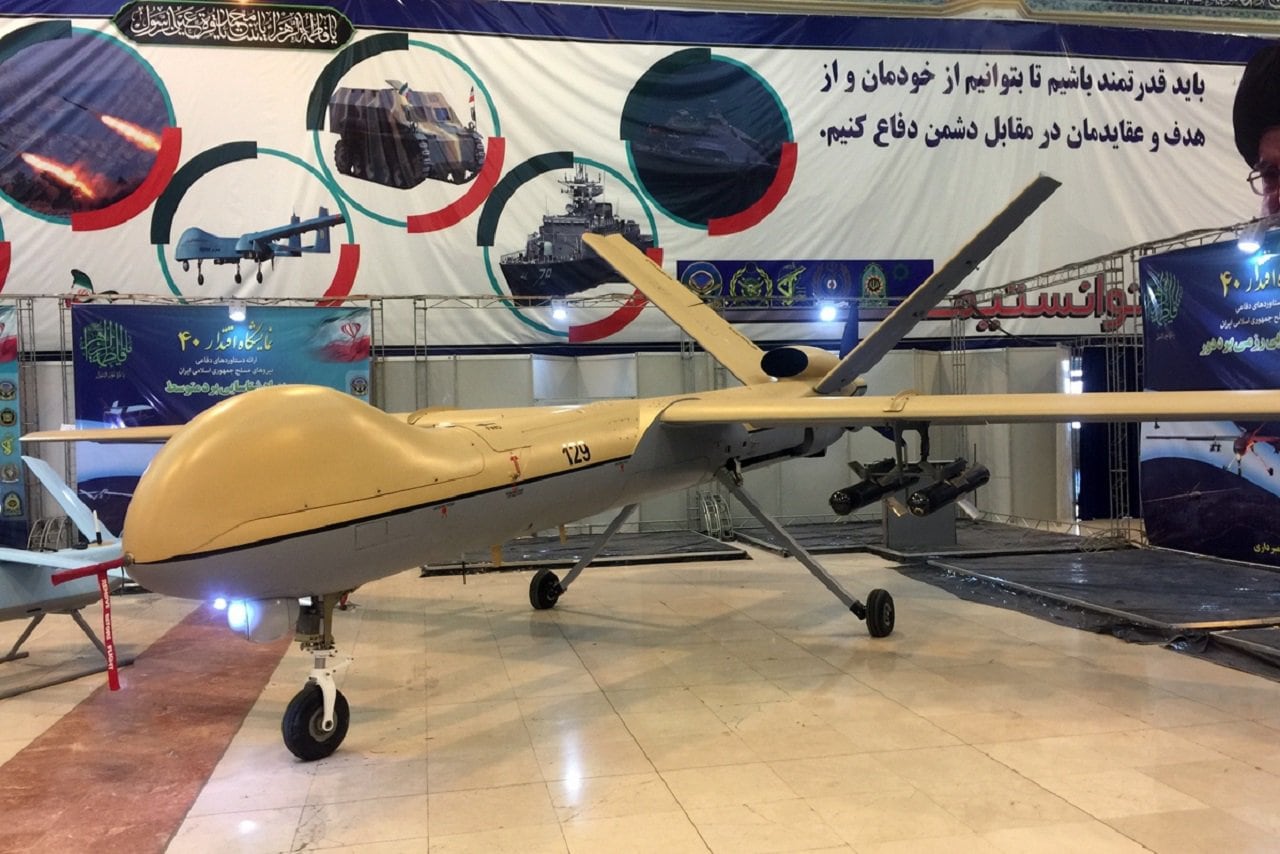
Shahed 129 UAV seen during the Eqtedar 40 defence exhibition in Tehran.
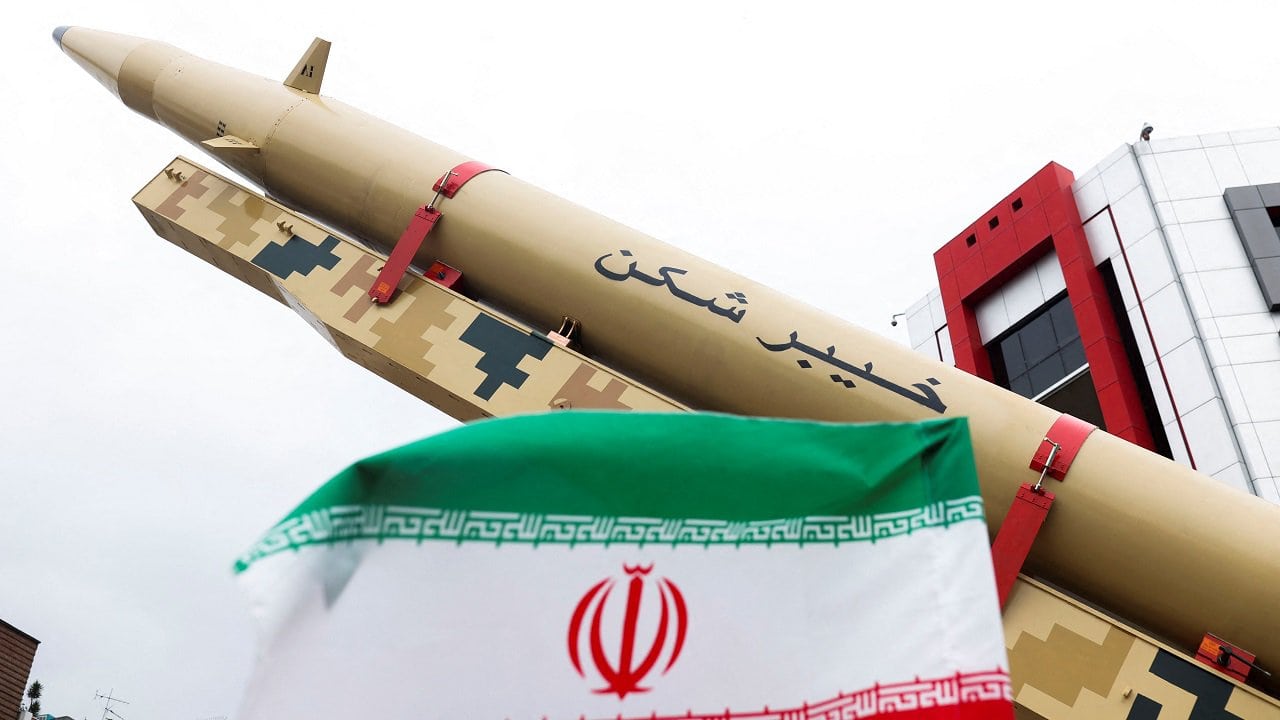
An Iranian missile is displayed during a rally marking the annual Quds Day, or Jerusalem Day, on the last Friday of the holy month of Ramadan in Tehran, Iran April 29, 2022. Majid Asgaripour/WANA (West Asia News Agency) via REUTERS
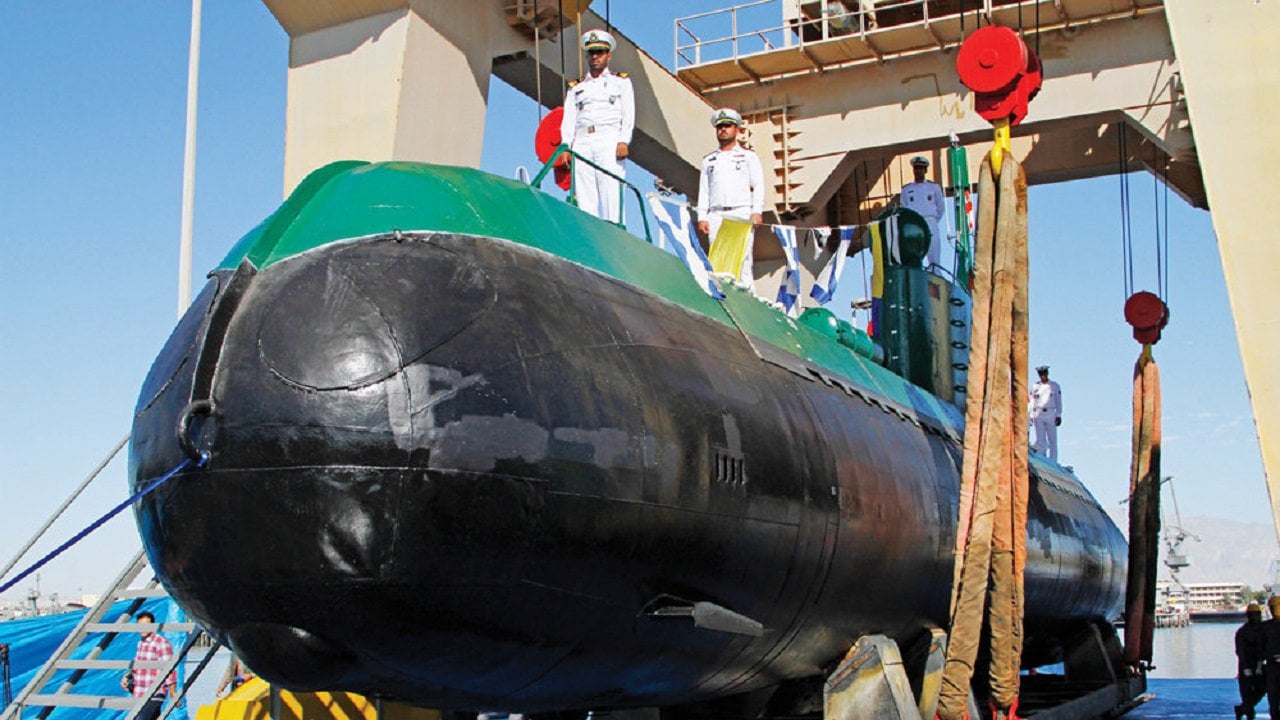
Ghadir Submarine. Image Credit: Iran State Media.
Larijani’s role, according to The New York Times, was to engage in direct diplomatic initiatives with Moscow. He conducted negotiations and made decisions sometimes even above the authority of Iran’s office of the president.
As the Iranian regime comes under more intensive attacks that degrade the ranks of the internal security forces, a real leadership vacuum could result.
According to former U.S. intelligence officials familiar with how the regime would function in this kind of crisis, there may be no one capable of filling Larijani’s shoes.
About the Author: Reuben F. Johnson
Reuben F. Johnson has thirty-six years of experience analyzing and reporting on foreign weapons systems, defense technologies, and international arms export policy. Johnson is the Director of Research at the Casimir Pulaski Foundation. He is also a survivor of the Russian invasion of Ukraine in February 2022. He worked for years in the American defense industry as a foreign technology analyst and later as a consultant for the U.S. Department of Defense, the Departments of the Navy and Air Force, and the governments of the United Kingdom and Australia. In 2022-2023, he won two awards in a row for his defense reporting. He holds a bachelor’s degree from DePauw University and a master’s degree from Miami University in Ohio, specializing in Soviet and Russian studies. He lives in Warsaw.