
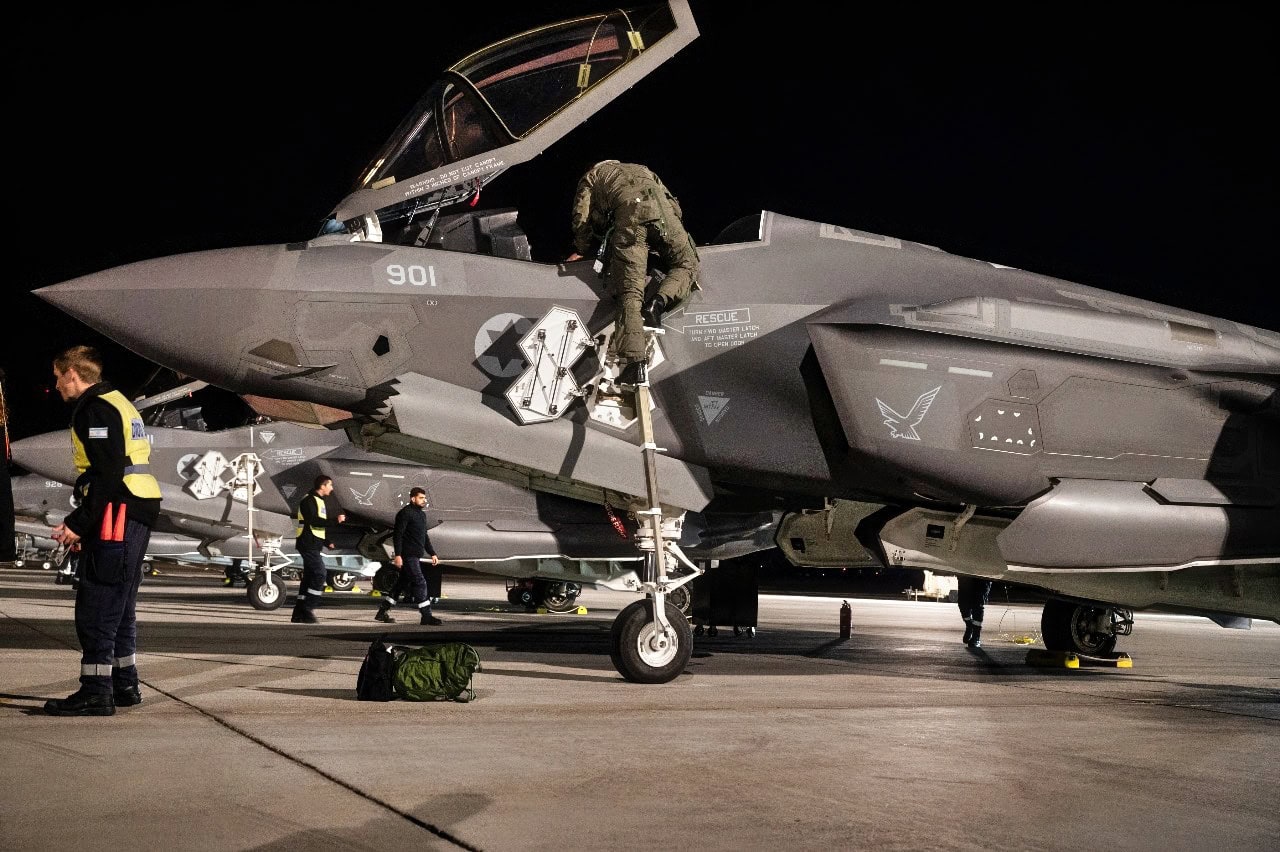
Summary and Key Points: Isaac Seitz, a strategic intelligence analyst and defense columnist, evaluates the Israeli Air Force’s (IAF) decisive performance in Operation Epic Fury.
-Utilizing a fleet of F-35I Adirs, F-15I Ra’ams, and F-16I Soufas, the IAF executed a massive 200-jet offensive to dismantle Iranian missile arrays and command nodes.
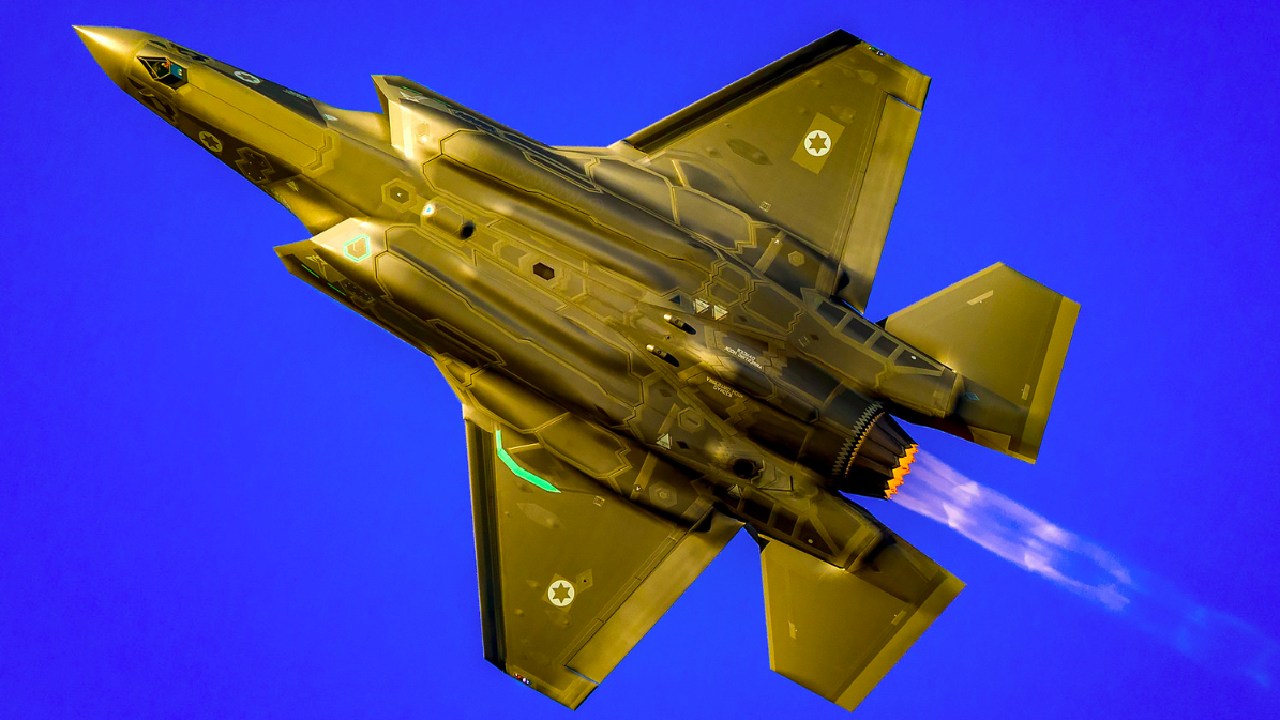
F-35I Adir. Image Credit: Creative Commons.
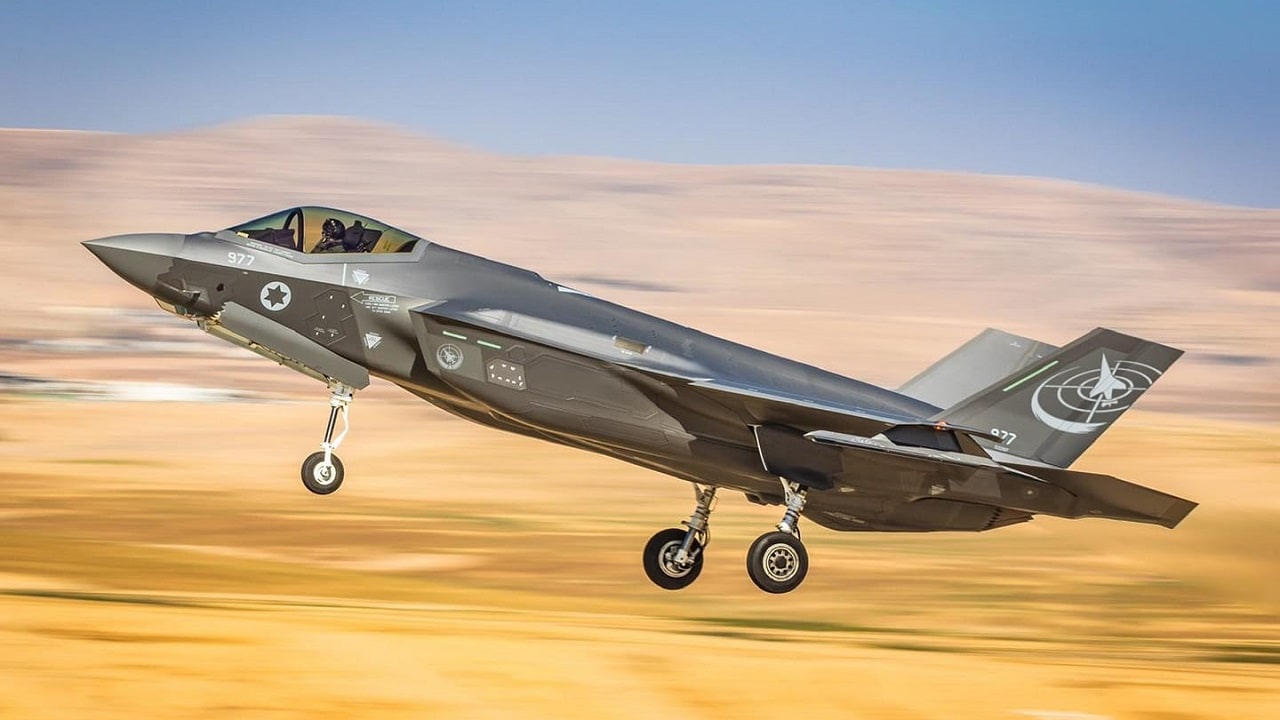
Photo by Amit Agronov via IDF.
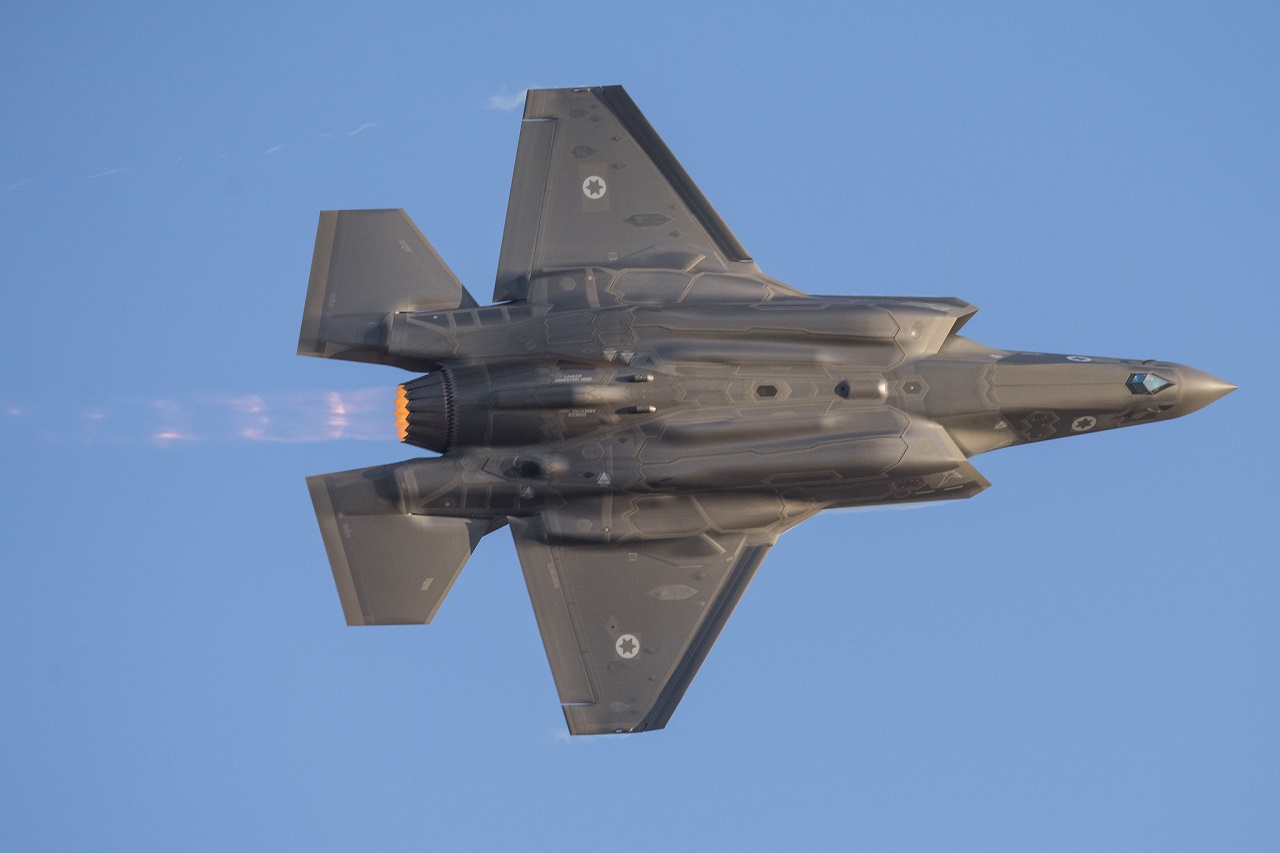
F-35I Adir. Image Credit: IDF Flickr Page.
-This 19FortyFive report analyzes the role of indigenous technology from Rafael and Elbit Systems, including Spice munitions and Python missiles, while exploring the IAF’s “strategic depth” challenges and its critical reliance on U.S. supply chains during sustained regional conflicts.
500 Targets in 48 Hours: Analyzing the Tactical Efficiency of the Israeli Air Force in 2026
As of writing this, the U.S. and Israel are currently engaged in a conflict against Iran, which is threatening to escalate even further. Israel’s Air Force is one of the major players in this conflict, but how capable are its air assets?
The Israeli Air Force (IAF) is widely regarded as one of the most capable, technologically advanced, and combat-experienced air forces in the world. Its reputation is built on a combination of modern aircraft, sophisticated command-and-control systems, a powerful domestic defense industry, and decades of continuous operational experience.
Understanding its capabilities requires examining its fleet, doctrine, strategic environment, and its adaptation to evolving threats.
Overall Strength and Global Standing
The IAF is consistently ranked among the world’s top air forces. One comprehensive index places it 10th out of 162 air forces, with 531 active aircraft and 127 more on order, reflecting both its current strength and ongoing modernization efforts.
This ranking is based on fleet composition, combat effectiveness, and the ability to project power in a challenging regional environment. As of 2024, the IAF fields 278 combat aircraft, including 174 F-16s, 66 F-15s, and 38 F-35I Adirs, forming a robust multirole and air-superiority force. The F-35I Adir, a customized variant of the American F-35, gives Israel a stealth platform capable of penetrating advanced air defenses, gathering intelligence, and conducting precision strikes. Its integration of Israeli electronic warfare systems and weapons makes it unique among F-35 operators.
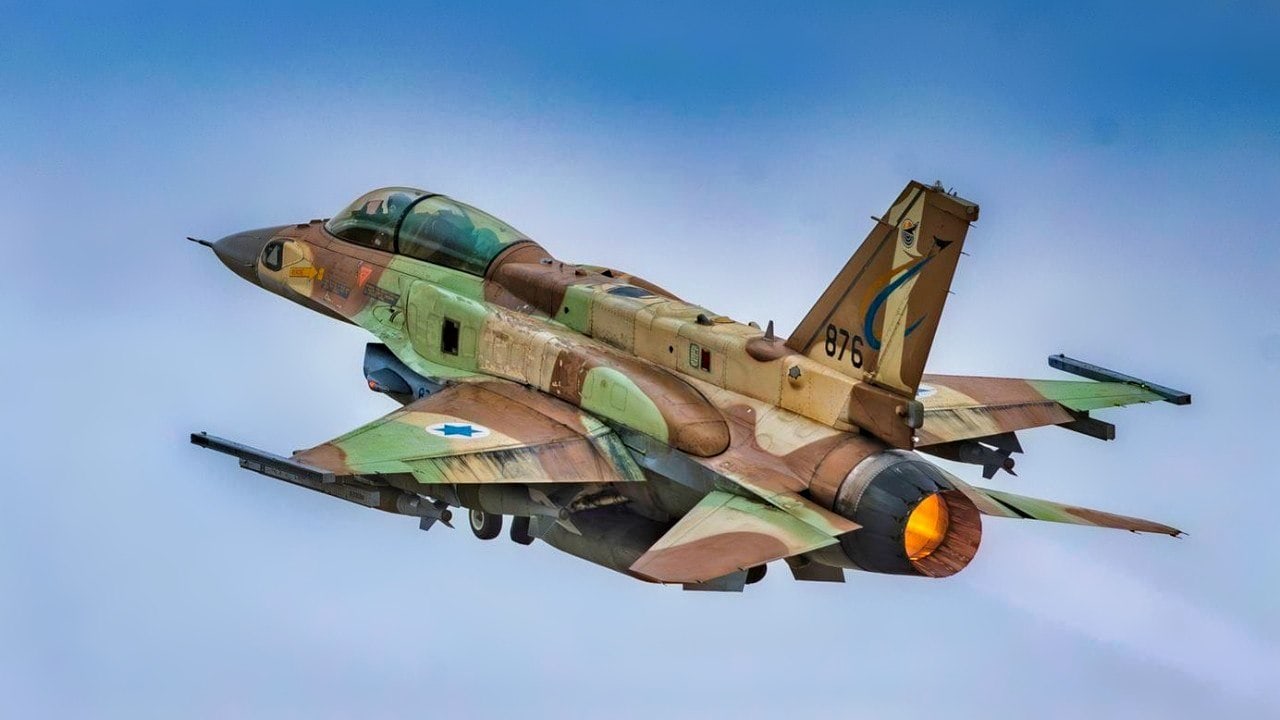
F-16I Sufa from Israel. Image Credit: Creative Commons.
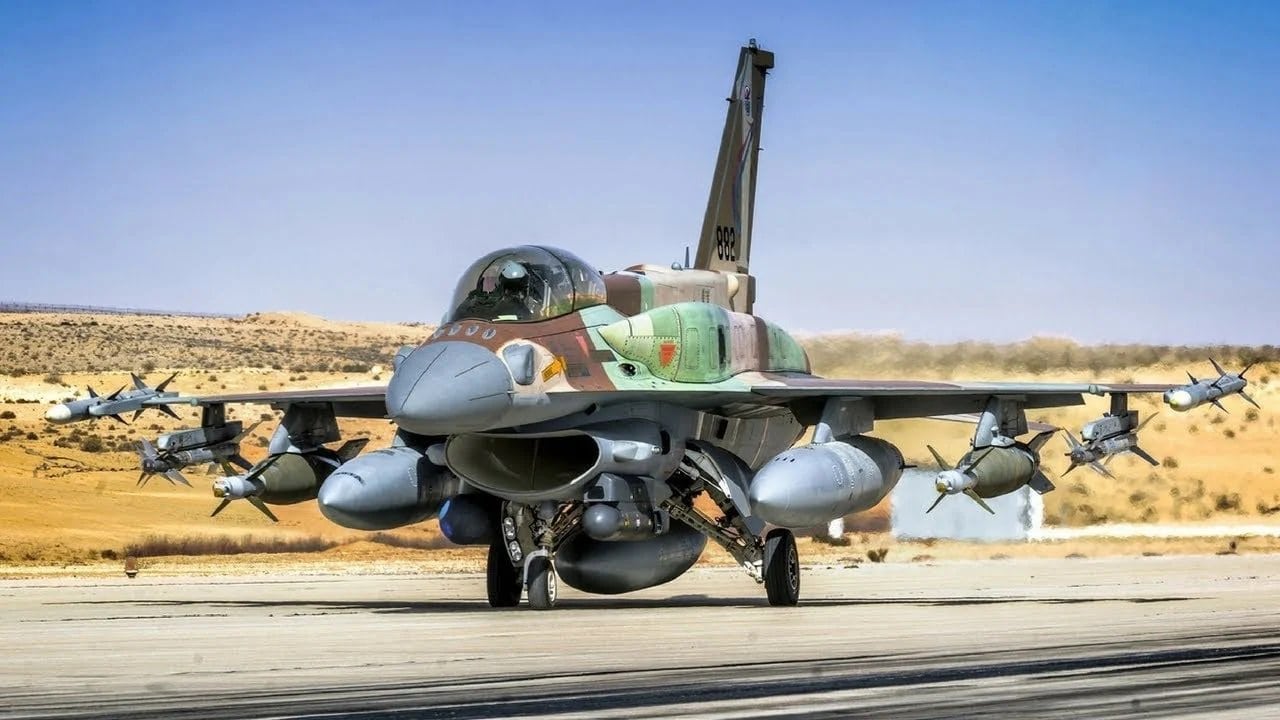
F-16I from Israel. Image Credit: Creative Commons.
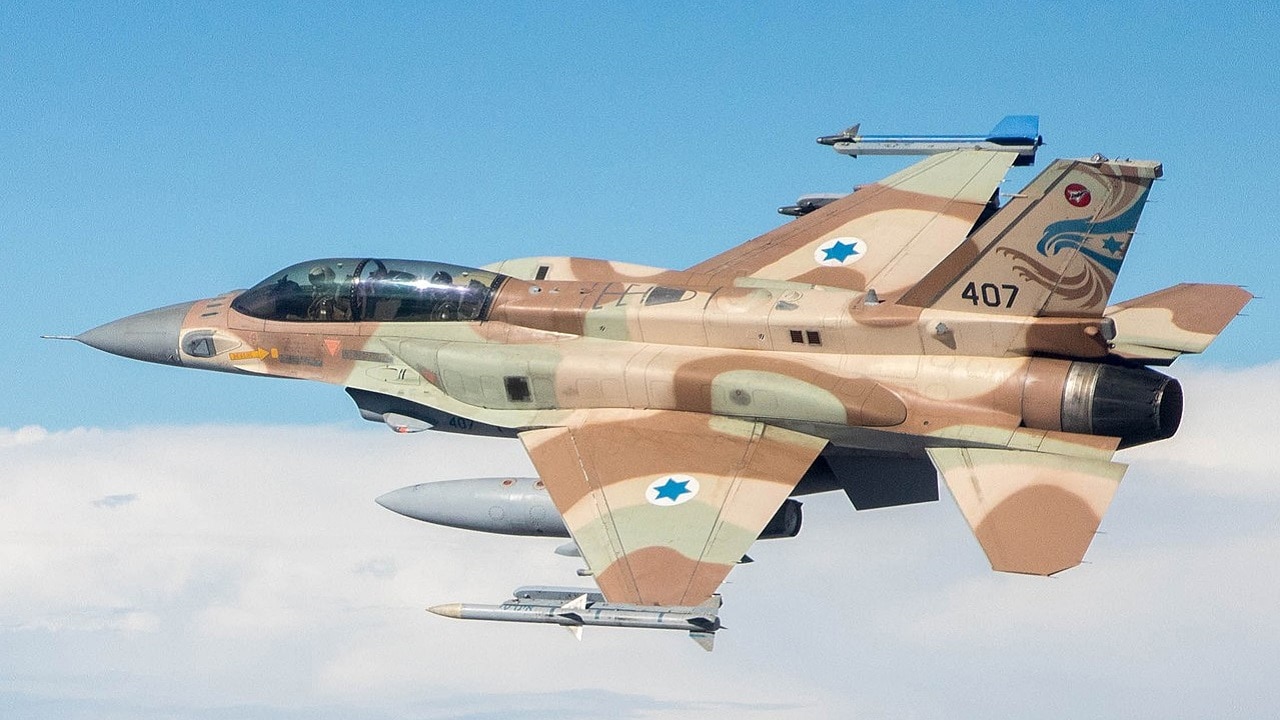
F-16I Sufa. Image Credit: Creative Commons.
The F-15I Ra’am and upgraded F-15 variants provide long-range strike capabilities and heavy payload capacity, essential for missions deep into hostile territory.
The F-16C/I Barak fleet remains a versatile workhorse for air defense, ground attack, and close air support. Supporting aircraft include a fleet of helicopters for transport and attack missions, as well as a small but capable group of transport aircraft.
While Israel does not operate strategic bombers, its fighter fleet, especially the F-15I, effectively fills the long-range strike role. The IAF also maintains aerial refueling capabilities, demonstrated in exercises involving KC-707 tankers refueling F-35Is and F-15s during long-range mission simulations. These exercises often serve as strategic messaging, such as recent drills signaling readiness for operations against Iran.
Operational Doctrine and Strategic Role
Israel’s defense doctrine emphasizes deterrence, early warning, rapid response, and decisive victory. The IAF is central to all of these pillars.
Deterrence is achieved through the IAF’s demonstrated ability to strike targets across the Middle East, often with precision and minimal detection. Historical operations, such as the destruction of nuclear facilities in Iraq and Syria, have cemented this reputation.
Early warning is supported by Israel’s advanced intelligence network, which integrates satellite imagery, signals intelligence, and real-time data from drones and reconnaissance aircraft. This information feeds directly into air operations, enabling rapid and informed decision-making. Rapid response is essential given Israel’s small geographic size and the proximity of threats.
The IAF maintains high readiness levels, with fighters capable of scrambling within minutes to intercept incoming threats or respond to attacks.
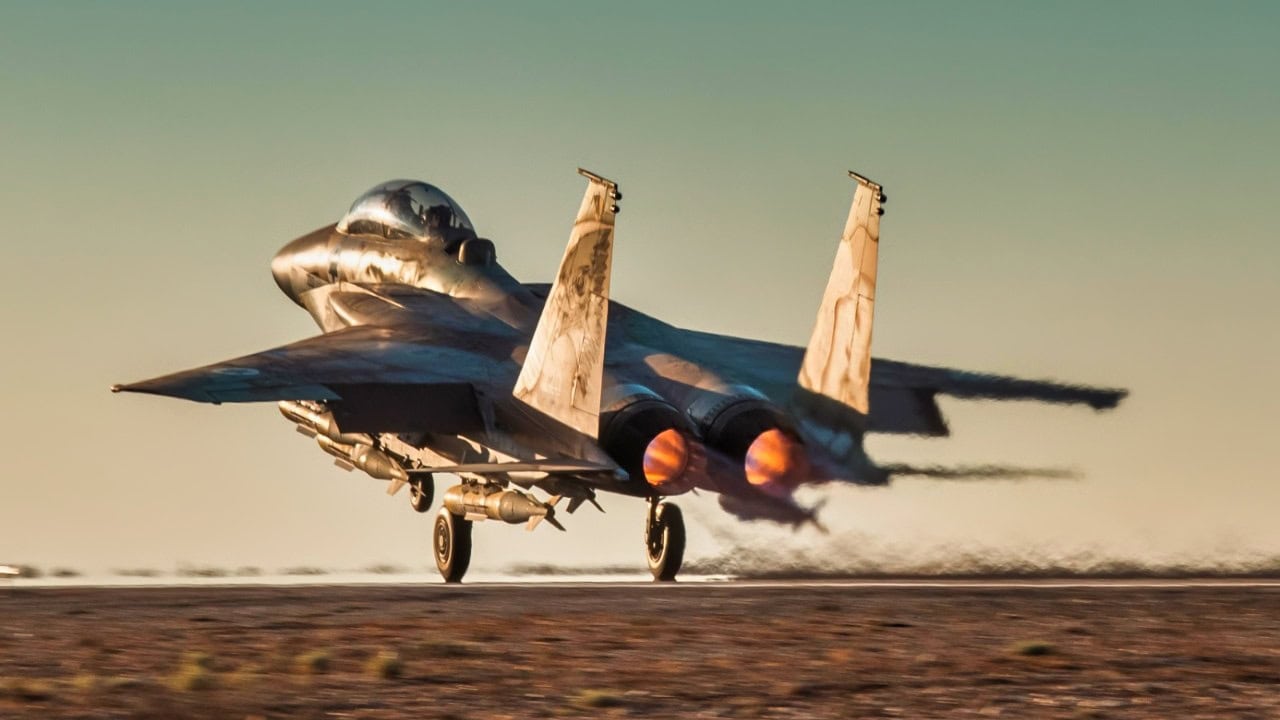
F-15I Ra’am. Image Credit: IDF.
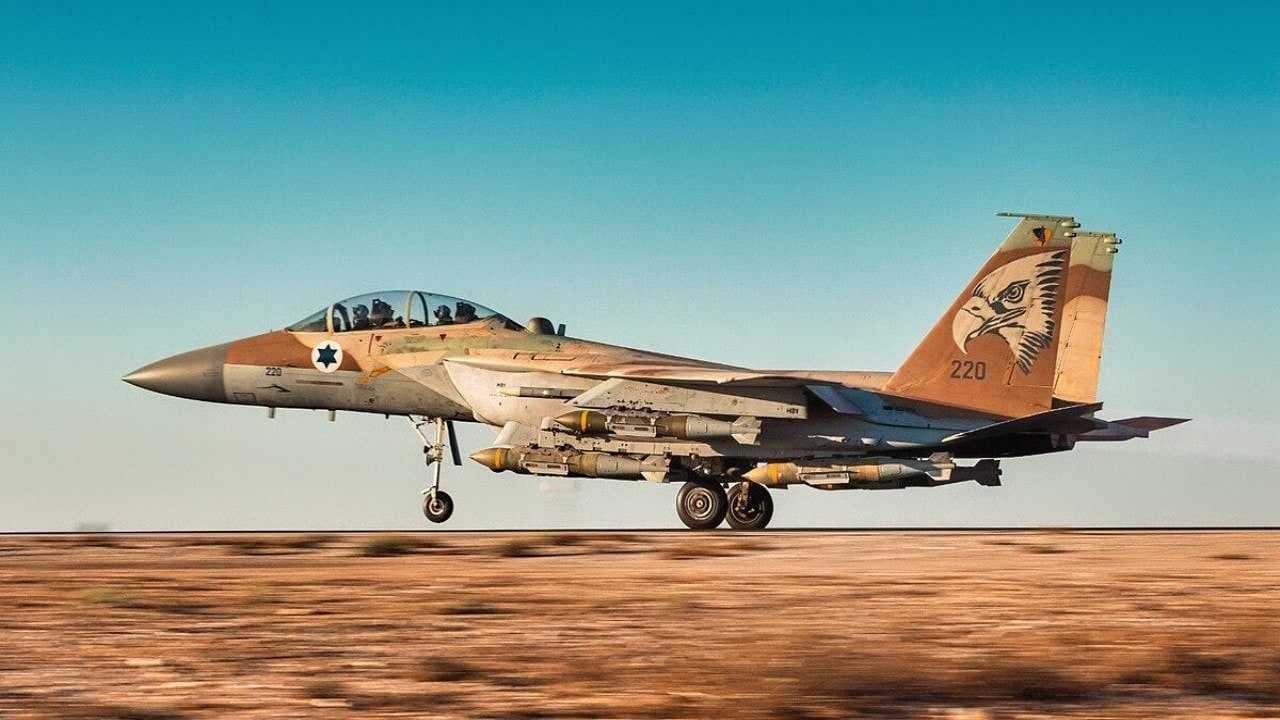
F-15I Ra’am Israeli Air Force.
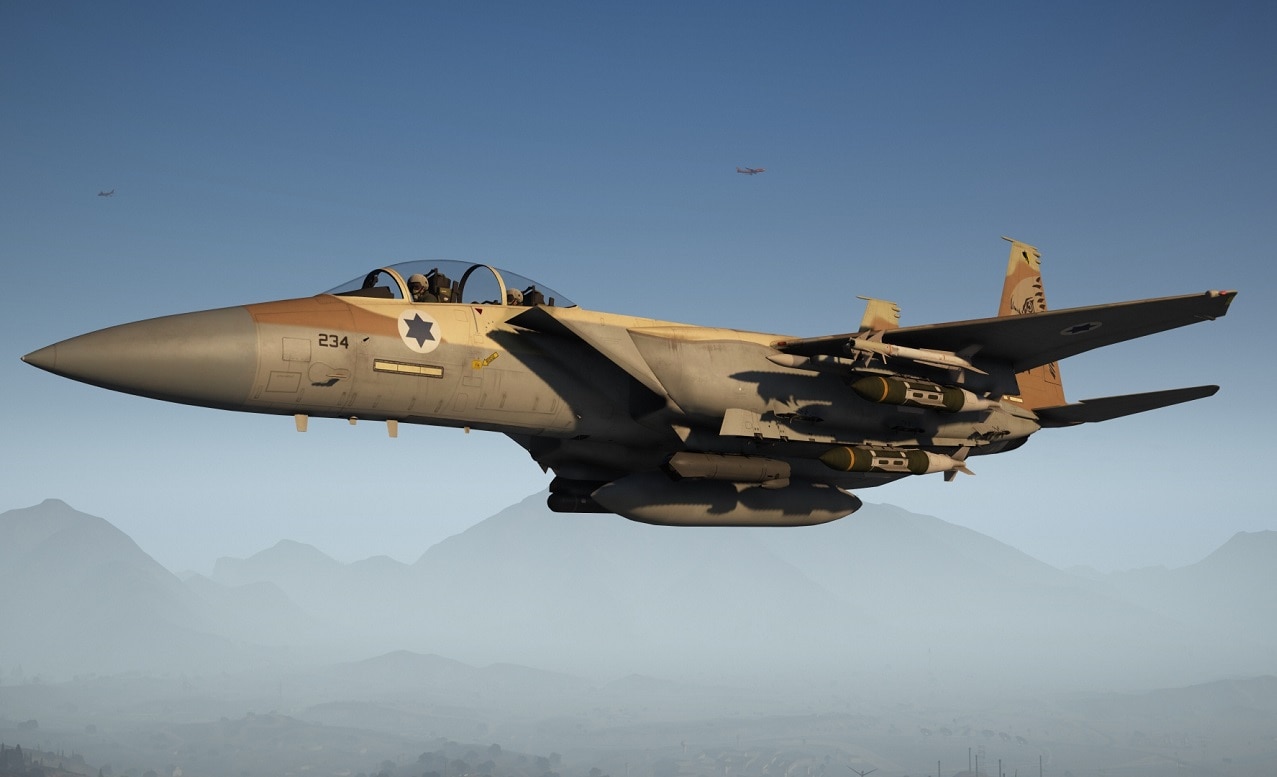
F-15I Ra’am. Image Credit: Creative Commons.
Combat Experience and Operational Record
Few air forces have as much continuous combat experience as the IAF. Since its founding, it has been involved in multiple wars, counterterrorism operations, and long-range precision strikes.
This experience has shaped its tactics, training, and technological development. The IAF is particularly skilled in suppression of enemy air defenses (SEAD), having pioneered tactics to neutralize surface-to-air missile systems. Its precision strike capabilities allow it to operate in densely populated areas while minimizing collateral damage, a necessity in conflicts involving non-state actors like Hamas and Hezbollah.
Electronic warfare is another area of Israeli expertise. The IAF integrates advanced jamming, cyber capabilities, and electronic countermeasures into its aircraft, giving it an edge in contested environments. Israel is also a global leader in unmanned aerial systems. Drones are used extensively for surveillance, target acquisition, and strike missions, and Israel is one of the world’s largest exporters of UAV technology.
Domestic Defense Industry and Innovation
Israel’s defense industry, led by companies such as Israel Aerospace Industries (IAI), Rafael, and Elbit Systems, provides the IAF with a unique technological advantage.
These companies develop indigenous weapons systems, avionics, and electronic warfare suites that are integrated into American-made aircraft. Examples include the Python series of air-to-air missiles, Spice precision-guided munitions, and advanced helmet-mounted displays.
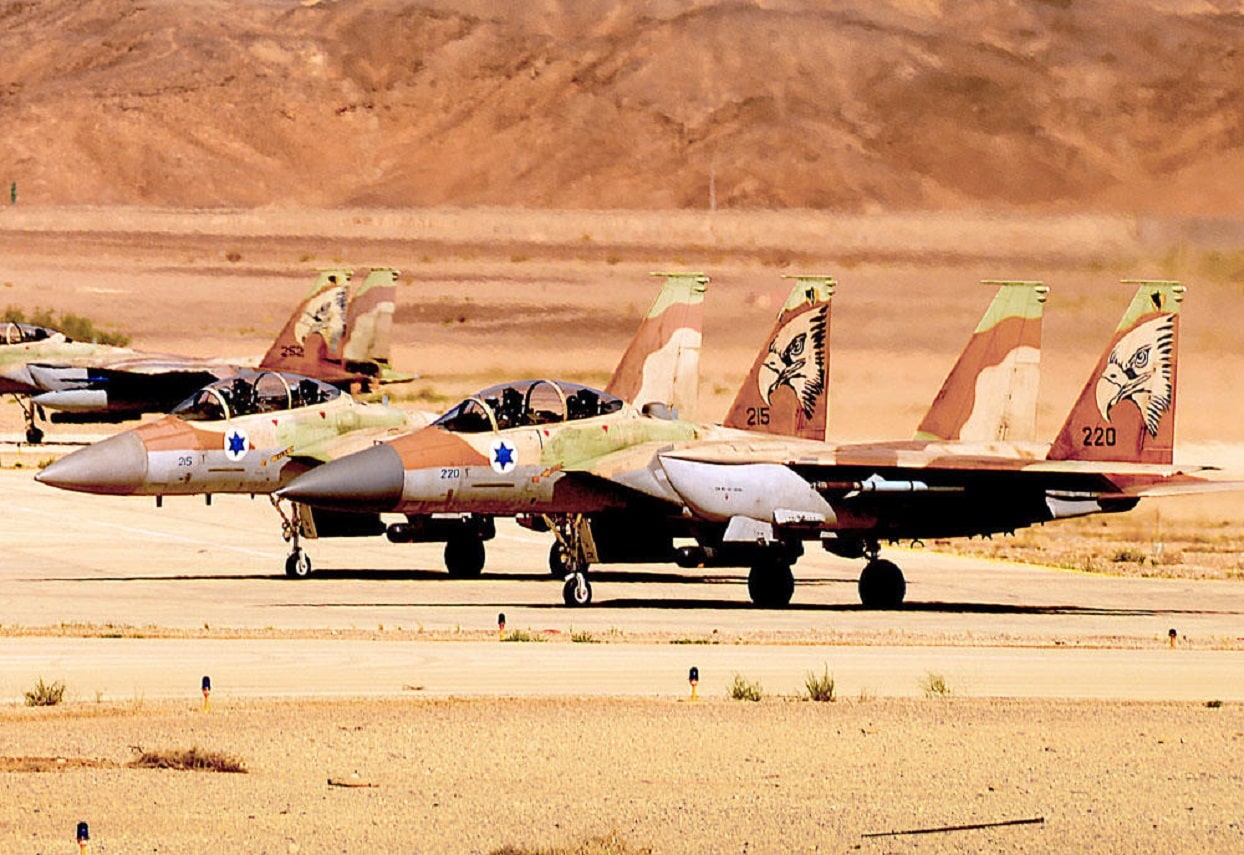
F-15I. Image: Creative Commons.
This domestic ecosystem allows Israel to rapidly upgrade its aircraft, tailor systems to its specific needs, and maintain a degree of independence from foreign suppliers. Israel’s multi-layered air defense network is also closely integrated with the IAF, providing a comprehensive shield against rockets, missiles, and other aerial threats.
Despite its advanced air defense systems, Israel still faces the threat of prolonged missile campaigns. Groups like Hezbollah possess large rocket arsenals and operate within dense urban environments, complicating targeting and increasing the risk of escalation. As seen with recent conflicts with Iran, sustained attacks can threaten Israel’s stock of interceptor munitions, both ground and air-based.
Israel’s limited strategic depth means that air bases are vulnerable to missile attacks, and aircraft have little room to maneuver before entering hostile airspace. This increases the importance of rapid response and robust air defenses.
Additionally, while Israel customizes its aircraft extensively, it remains dependent on U.S. platforms and supply chains for major components, creating vulnerabilities in times of crisis.
About the Author: Isaac Seitz
Isaac Seitz, a Defense Columnist, graduated from Patrick Henry College’s Strategic Intelligence and National Security program. He has also studied Russian at Middlebury Language Schools and has worked as an intelligence Analyst in the private sector.