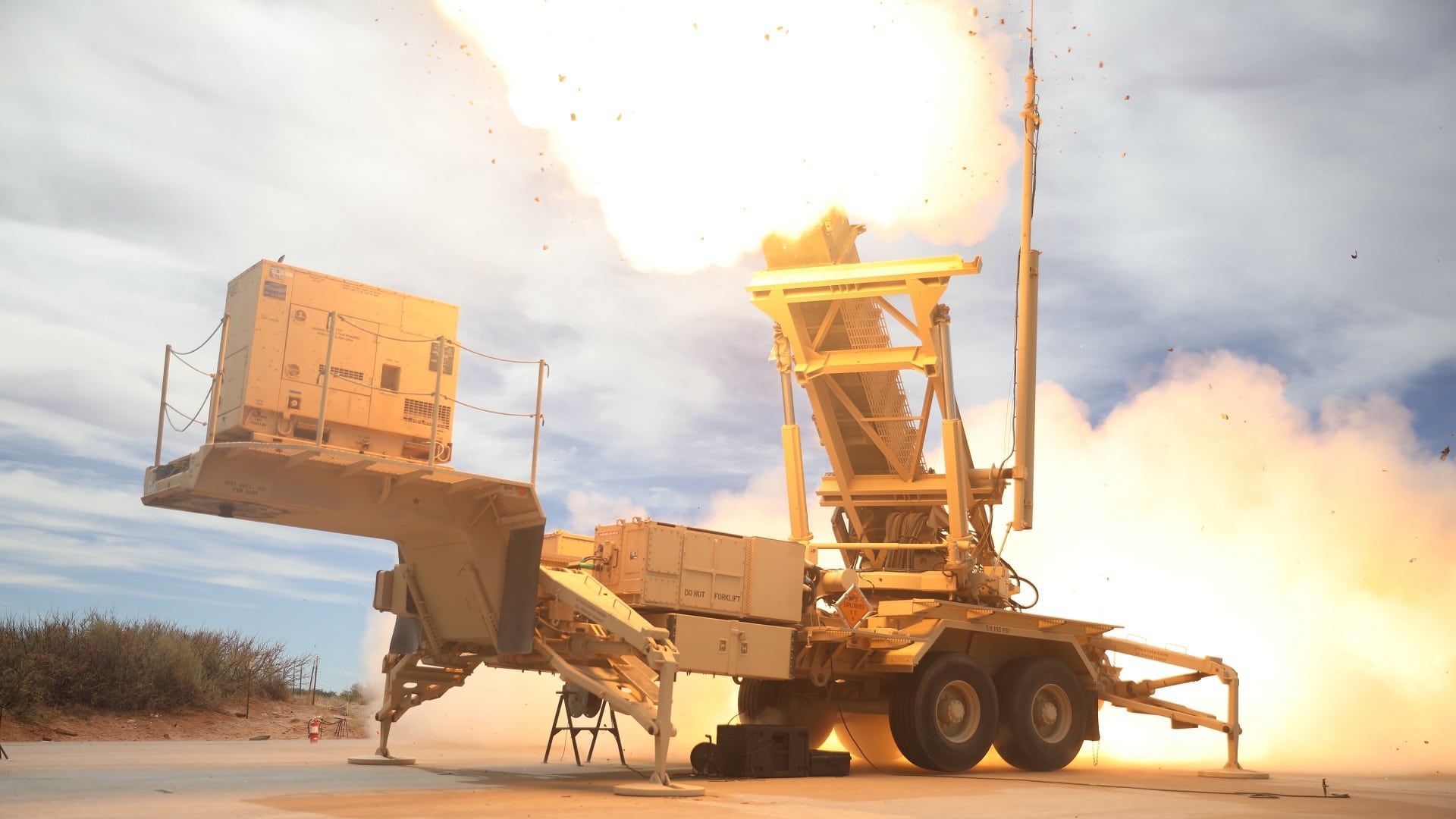
Summary and Key Points: Defense analyst Reuben F. Johnson reports that Iran is executing a massive drone campaign against Gulf Arab states, mirroring Russia’s strategy in Ukraine.
-Utilizing thousands of cheap Shahed-series UAVs ($20,000–$30,000), Tehran is successfully depleting expensive Western air defense interceptors while targeting U.S. bases in Bahrain and commercial hubs in Dubai and Abu Dhabi.
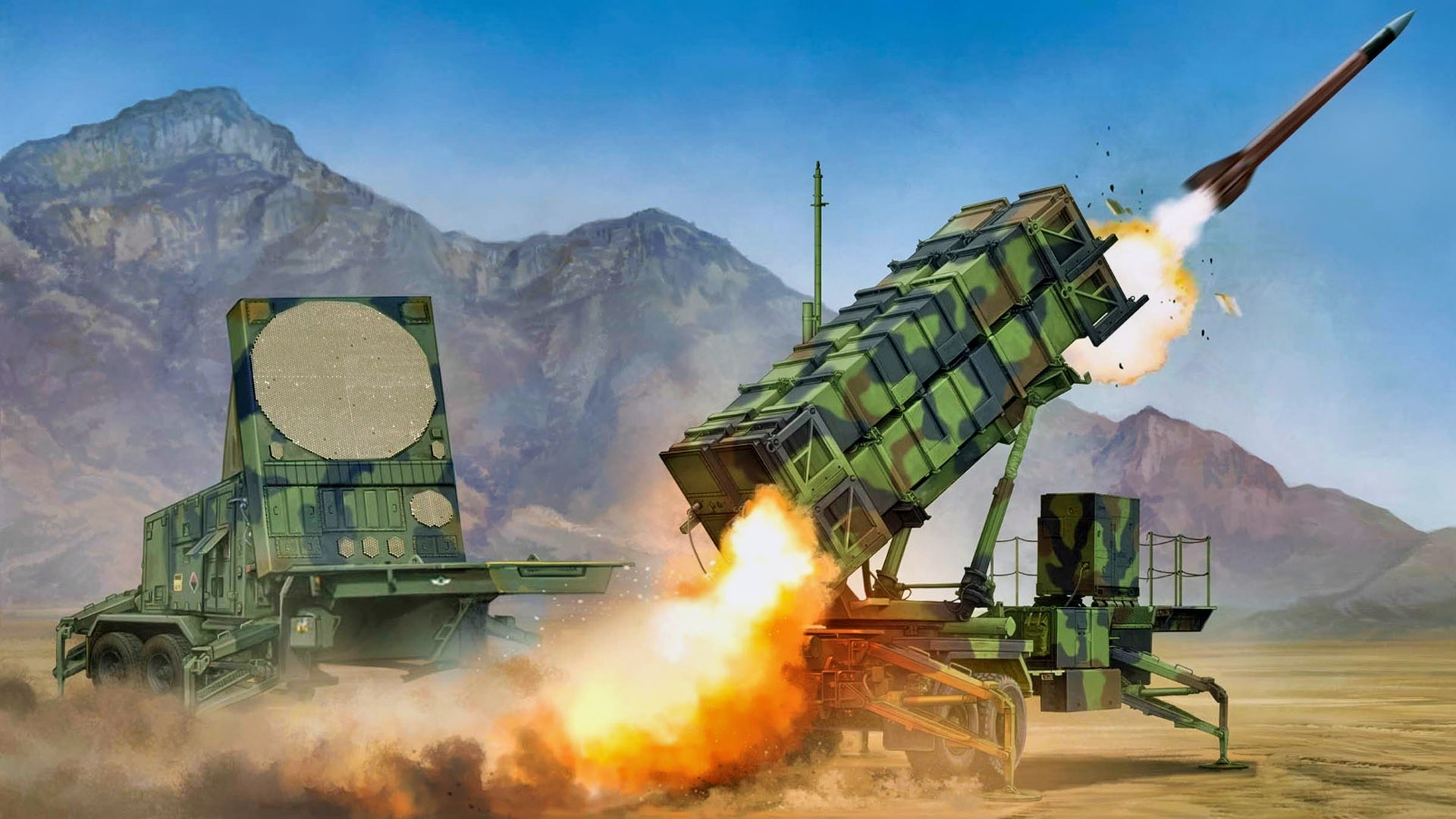
Patriot Missile. Image Credit: Creative Commons.
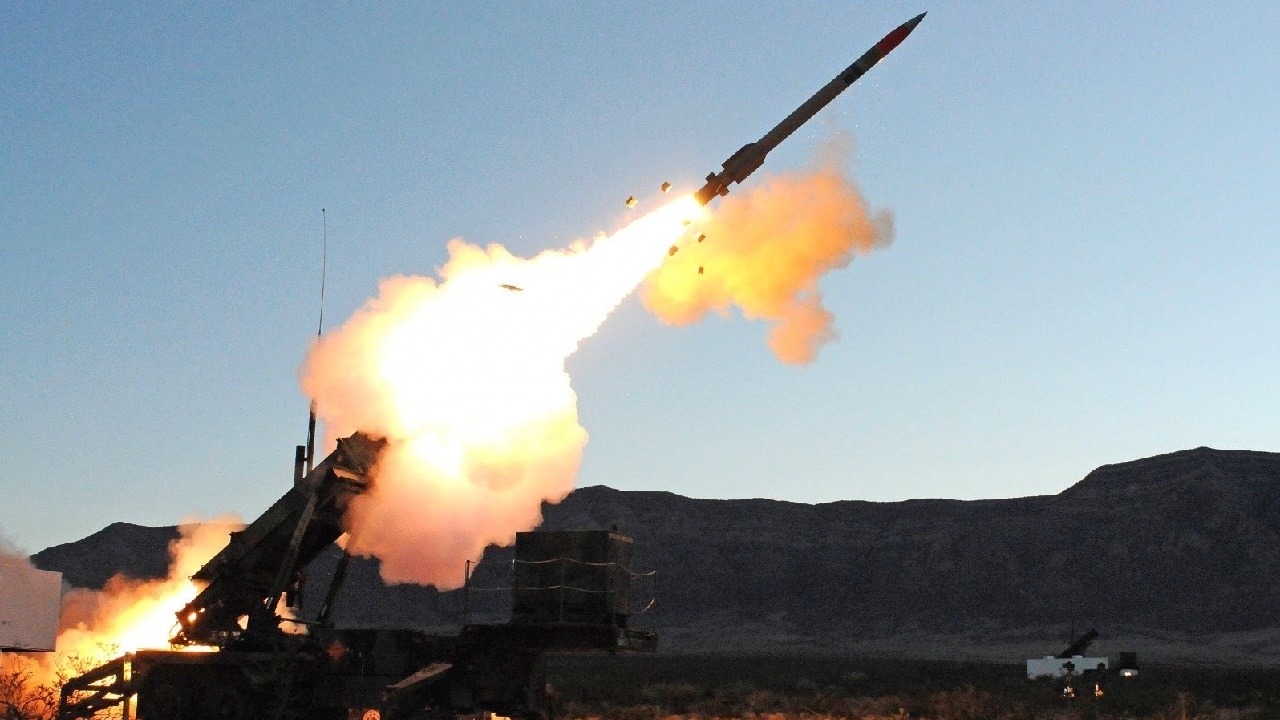
Patriot Missile. Image Credit: Creative Commons.
-With three fatalities in the UAE and one in Oman, the psychological impact threatens regional stability.
-Ukraine, now a leader in anti-drone technology, has dispatched experts to assist Gulf partners whom Johnson criticizes for “air defense malpractice” based on lessons from the 2022–2026 conflict.
Iran Using Russian Drone Campaign Against Ukraine as Its War Plan
Over the past week, Iran has launched hundreds of drone strikes against neighboring Gulf Arab states.
Tehran’s intent is to target and damage U.S. bases, kill American personnel, and wreck U.S. equipment, as well as to degrade or destroy critical infrastructure the United States and partner armed forces rely on to maintain readiness. The drone attacks appear to be succeeding—they are draining the air defense systems of Middle Eastern nations.
In many senses, Iran is replicating Russia’s methods. Moscow has targeted infrastructure and civilians in Ukraine since the second half of 2022. Iran’s strategy is the same: Launch small, cheap, tough-to-intercept drones against high-priority sites.
The most common weapon is the infamous Shahed series of drones that Iran sold to Russia. Russian factories are now turning out their own copies in staggering numbers. Firing these drones at high-value targets in the Middle East forces defenders to use interceptor missiles that cost hundreds of thousands of dollars to shoot down drones that cost between $20–30,000.
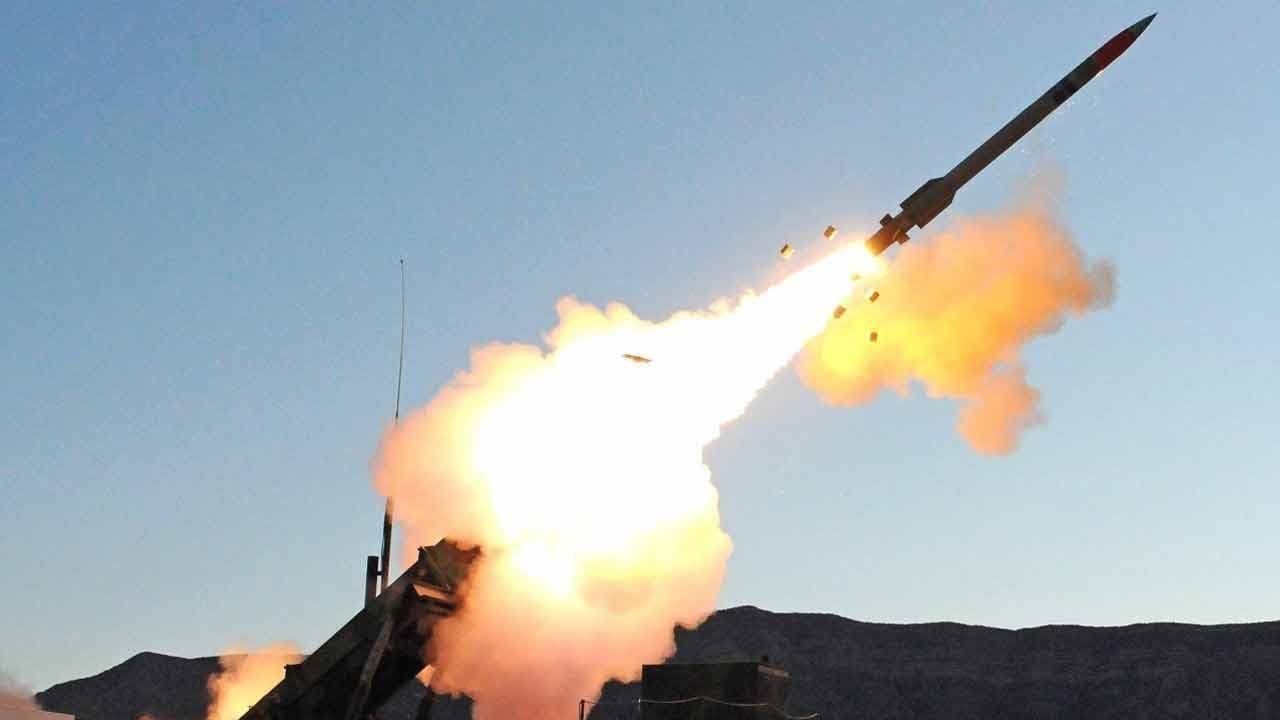
Patriot Missile. Image Credit: Creative Commons.
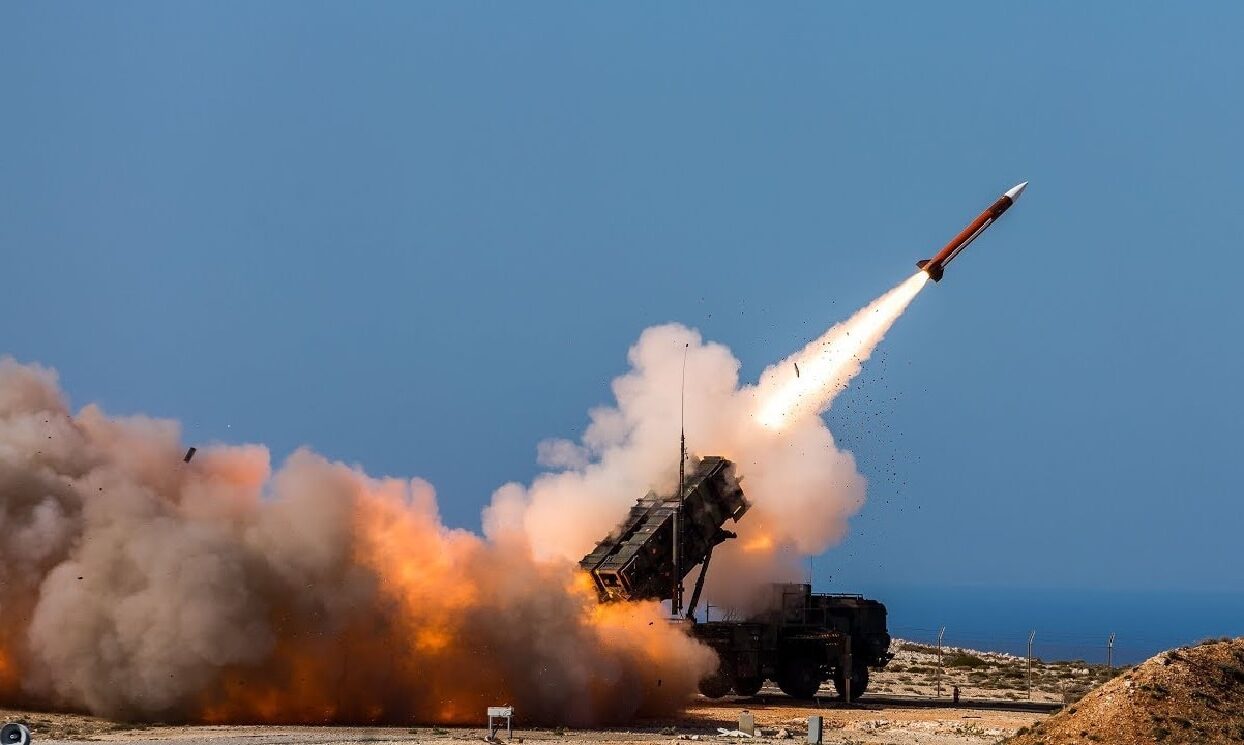
Image: Creative Commons.
It is a numbers game that can wear down the side that builds more expensive missiles. Iran has a limited supply of ballistic missiles, but its arsenal of unmanned aerial vehicles (UAVs) likely numbers in the thousands, and so far the country appears to retain the capacity to produce them en masse.
Danny Citrinowicz, a former Israeli military intelligence official and now a senior researcher at the Tel Aviv-based Institute for National Security Studies, said that Iran’s “main advantage here is that mass production is relatively simple and effective, and they can fire it both from the sea and from land.”
Quantity Overwhelming Defenses Has a Quality All Its Own
The bad news is that Iran has been building these one-way attack drones for so many years that they are now easy to produce at scale.
They do not travel at supersonic or hypersonic speeds, so they do not inflict as much physical damage as Tehran’s ballistic missiles. But Iranian drones have been successfully hitting civilian airports, seaports, and other vital facilities. They have done plenty of physical damage in numerous instances, in the process proving the old adage that quantity has a quality all its own.
The greater impact is psychological. Drone strikes hitting targets such as the busy Dubai airport, which is a major travel hub, demolish an image of safety and stability that the Gulf States have spent decades cultivating.
By using wave after wave of drones or layering them into combined drone and missile strikes, Iran’s military is degrading the ability of these nations to defend themselves.
Iran thus far has used drones to target numerous sites, including a U.S. Navy base in Bahrain, major commercial air hubs in Abu Dhabi and Kuwait, high-rise towers in Dubai and Bahrain, and even seaports. At least three people have been killed in strikes in the United Arab Emirates, and one person in Oman.
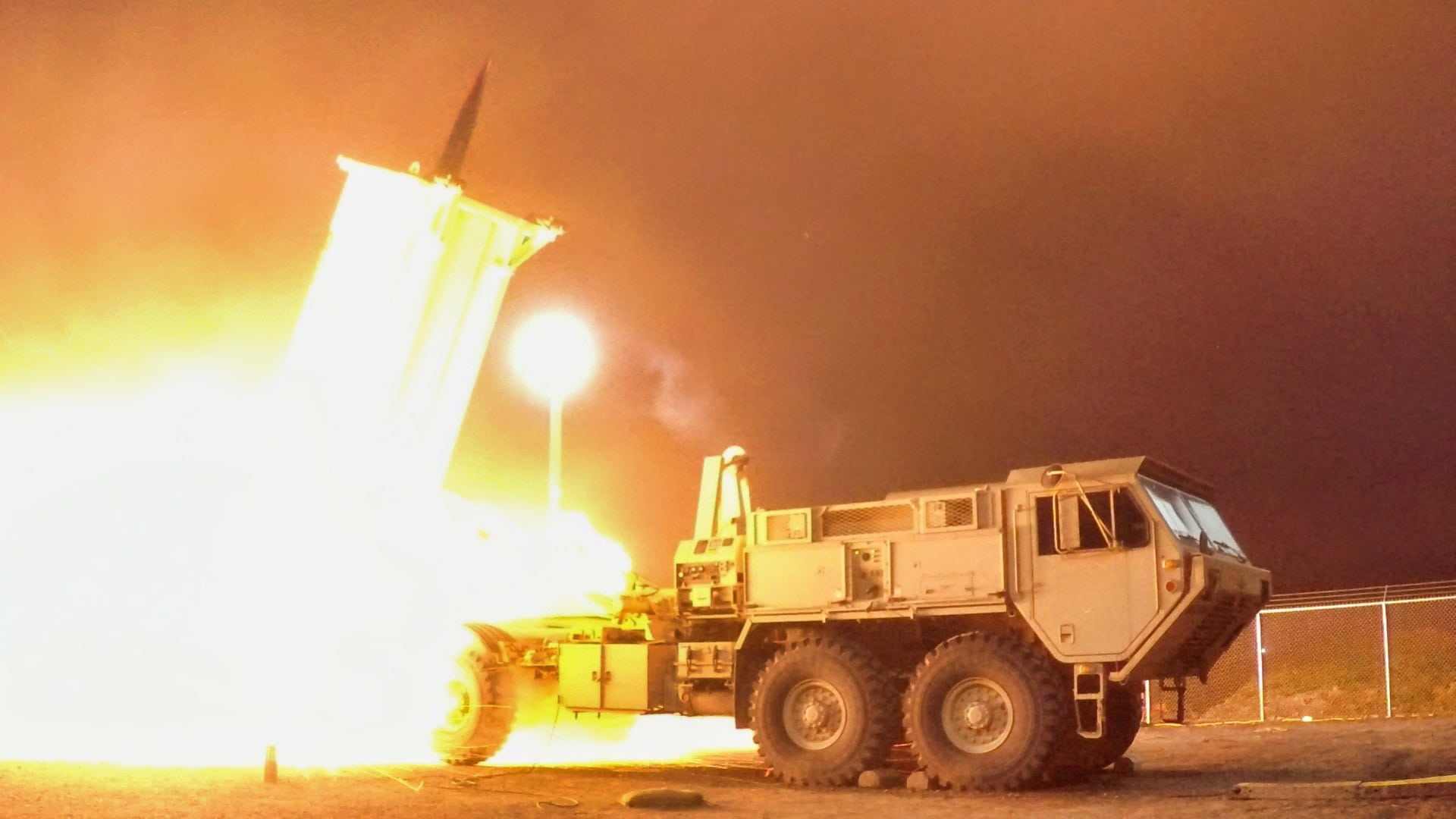
THAAD. Image Credit: Department of Defense.
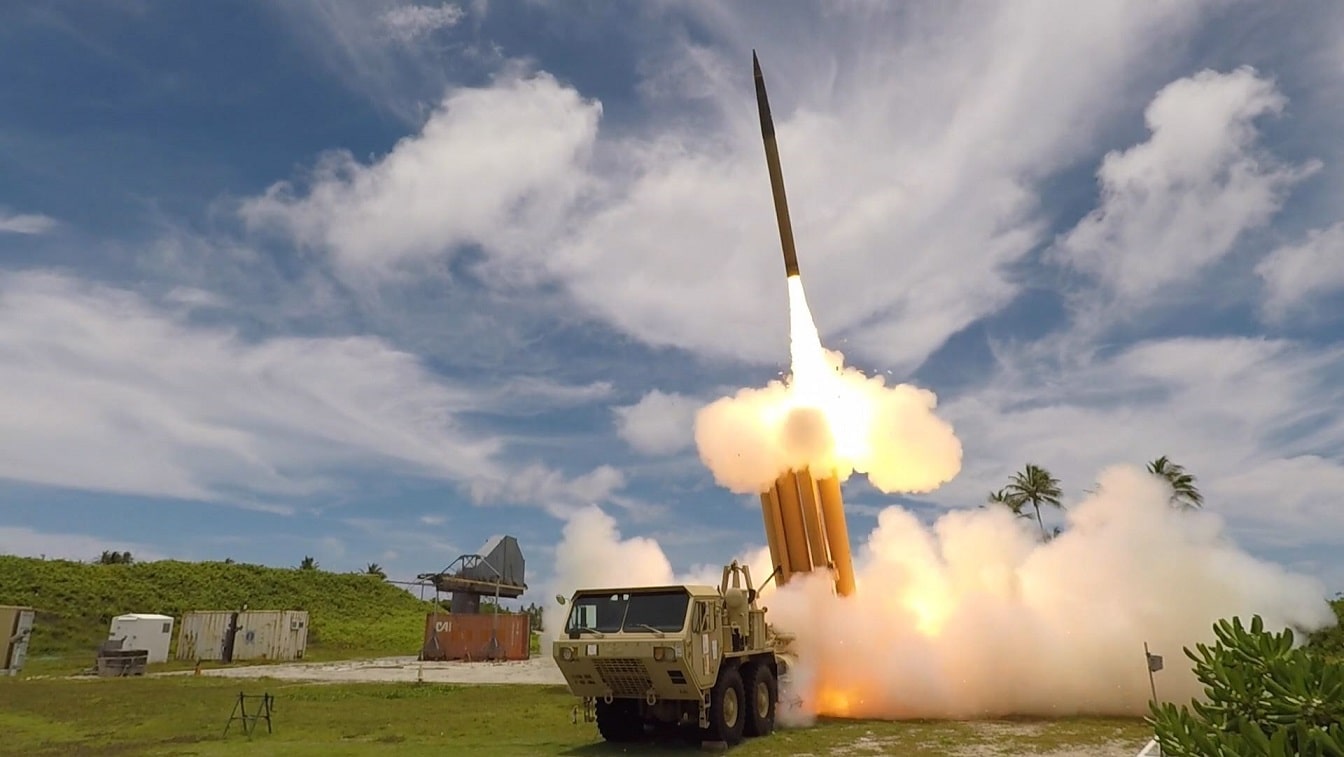
THAAD Missile Defense Battery Firing. Image Credit: Lockheed Martin.
Copying The Russian Strategy
Iran’s attacks appear to mirror the techniques Russia has used for almost four years when striking Ukraine. Just like the attacks on Ukraine’s cities, the Iranians are targeting key infrastructure to psychologically wear down the population, depriving them of basic utilities and the ability to conduct daily life—and in the process creating a considerable economic burden.
The Shahed drones became a symbol of how much Russia depends on its Iranian ally. Tehran first exported thousands of the aircraft to Russia, but the Islamic regime later helped to build a factory in the southern Russian region of Tatarstan that now produces them locally.
Since first using them against Ukrainian cities in 2022, Russia has used Iranian-made drones including the Shahed-136 to target energy facilities and ports. These attacks intensify during winter months, with the goal of depriving Ukrainians of electricity and heating.
After four years of war, Ukraine’s defense sector has become the world expert on anti-drone technology. No longer using incredibly expensive missiles to bring drones down, Ukraine has learned how to track Russian drones using cheap UAVs that can identify and then attack the Russian Shaheds.
For that reason, Ukraine has been asked to provide the benefit of that expertise—and has dispatched hundreds of its own experts to the region.
It is entirely possible that the Gulf States will eventually benefit “from what we have learned the hard way,” said one Ukrainian company representative that specializes in this technology.
“But it is abundantly clear that these Arab countries have committed no small amount of ‘air defense malpractice’ by not paying attention to what is taking place in Ukraine. They now have a steep learning curve to climb up and not a lot of time in which to do so,” he said.
About the Author: Reuben F. Johnson
Reuben F. Johnson has thirty-six years of experience analyzing and reporting on foreign weapons systems, defense technologies, and international arms export policy. Johnson is the Director of Research at the Casimir Pulaski Foundation. He is also a survivor of the Russian invasion of Ukraine in February 2022. He worked for years in the American defense industry as a foreign technology analyst and later as a consultant for the U.S. Department of Defense, the Departments of the Navy and Air Force, and the governments of the United Kingdom and Australia. In 2022-2023, he won two awards in a row for his defense reporting. He holds a bachelor’s degree from DePauw University and a master’s degree from Miami University in Ohio, specializing in Soviet and Russian studies. He lives in Warsaw.