

Summary and Key Points: Defense writer and expert Isaac Seitz highlights a crucial reality of the Ukraine war: raw casualty counts rarely tell the whole story. While it is true that Russia has lost a staggering 3,000-4,000 tanks to tactical blunders, advanced Javelin missiles, and relentless FPV drone swarms, the Russian war machine is not broken.
-Relying on a massive network of battlefield repair units, deep Soviet-era stockpiles, and a wartime industrial base churning out hundreds of new T-90s a year, Moscow is demonstrating the brutal, resource-heavy reality of modern near-peer conflict.
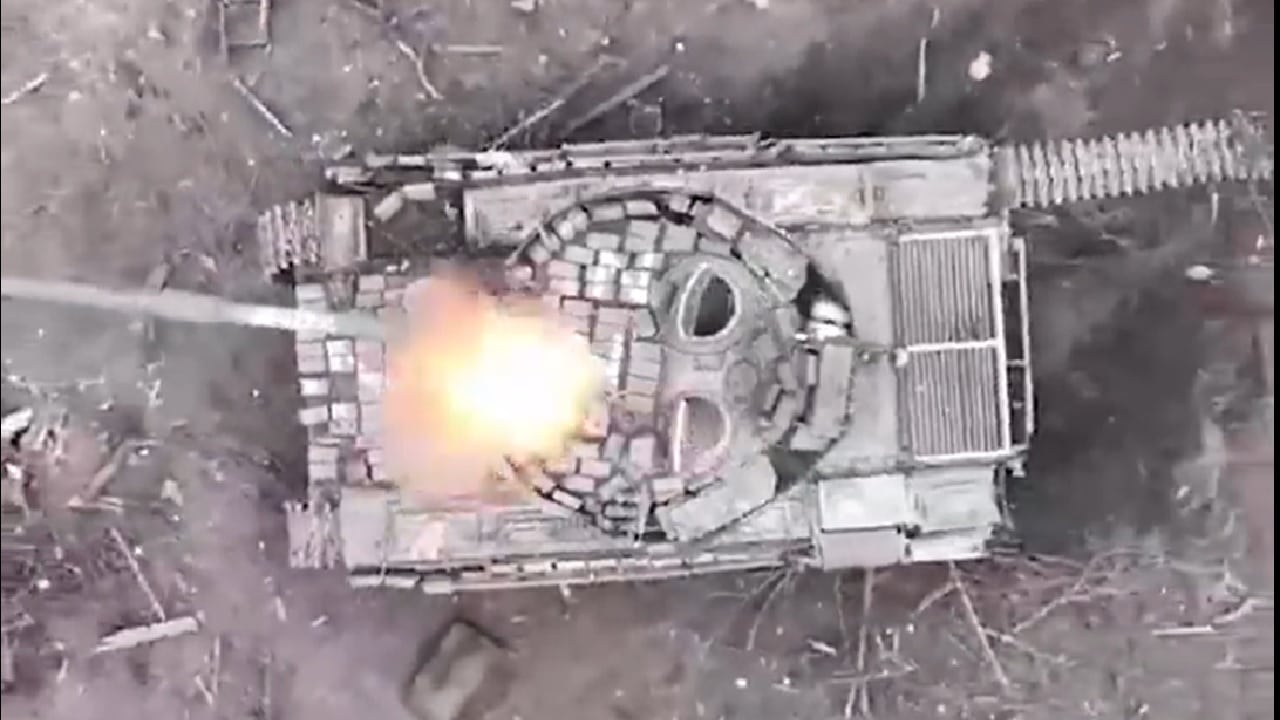
T-72 Attacked by Ukraine. Image Credit: Social Media Screenshot.
The Math Behind the Metal: Why 4,000 Lost Tanks Won’t Stop Russia
While casualty counts range all over the place, and most estimates are questionable due to ideological bias one way or the other, the fact is that Russia has lost a lot of tanks in this war. More conservative sources range from around 3,000-4,000 tanks destroyed, damaged, or captured since the loss of this war.
With attrition rates this high, one has to wonder how Russia can sustain such losses and for how much longer it can continue fighting.
However, simple casualty counts do not tell the whole story. They do not account for industrial production, nor for any vehicles retrieved and repaired. Despite high losses and some cracks appearing, Russia is still well-positioned to keep fighting the war, especially as Ukraine continues to struggle with manpower issues.
How Has Russia Lost So Many Tanks?
The Russian Army suffered its highest casualty rates across the board during the first year of the full-scale invasion. Losses among its tank forces reached their peak in March 2022, when Russia is estimated to have lost 278 tanks.
These losses can be attributed to poor tactics on Russia’s side. When the invasion first began, Russian forces entered in long armored columns, likely hoping to force Ukraine to surrender through shock and awe.
Instead, the Ukrainians fought back, and Russia’s long armored columns were easy targets for anti-tank ambush teams. While the Ukrainian Army also suffered during this period, it was especially shocking to the Russians, who did not expect much of a fight on their way to Kyiv.
As the war progressed, Russia shifted its tactics. However, its tank forces soon faced a new threat: Western munitions. Systems like NLAWs and Javelins were funneled into Ukraine and posed a serious threat to Russian armor.
These munitions were designed to target the tank’s roof armor, where it is thinnest.
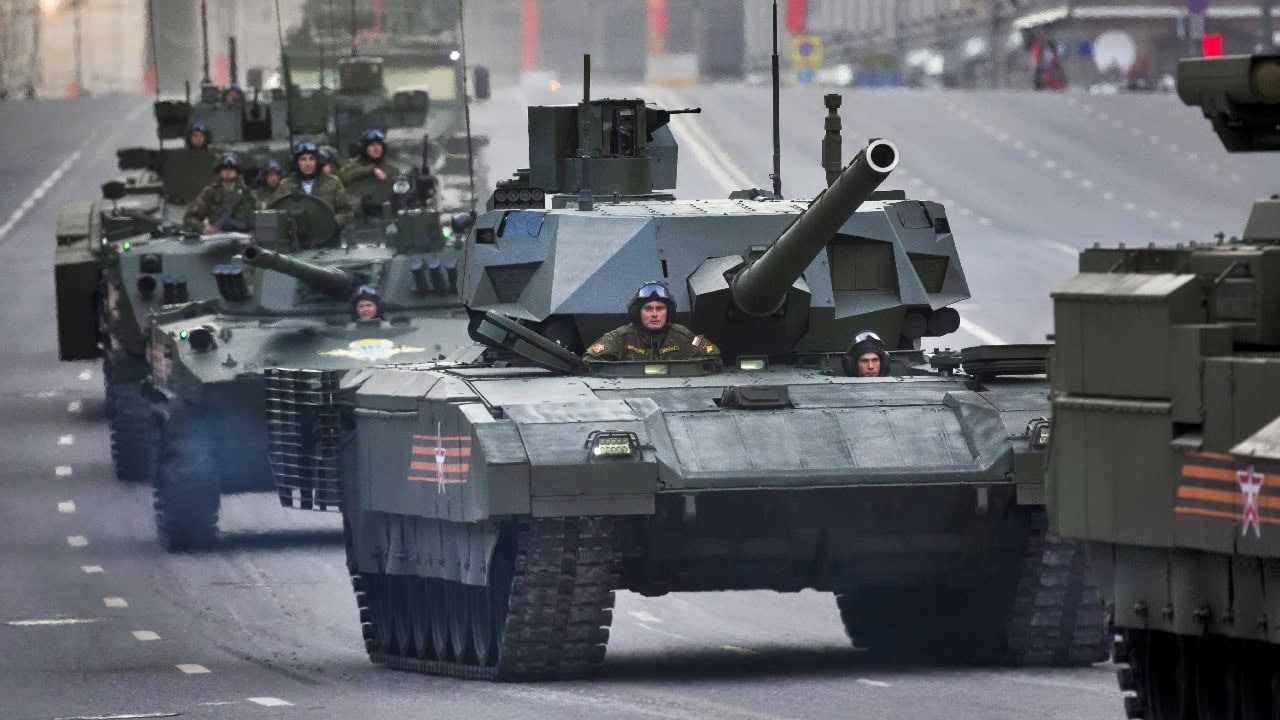
T-14 Armata Tank from Russia. Image Credit: Creative Commons.
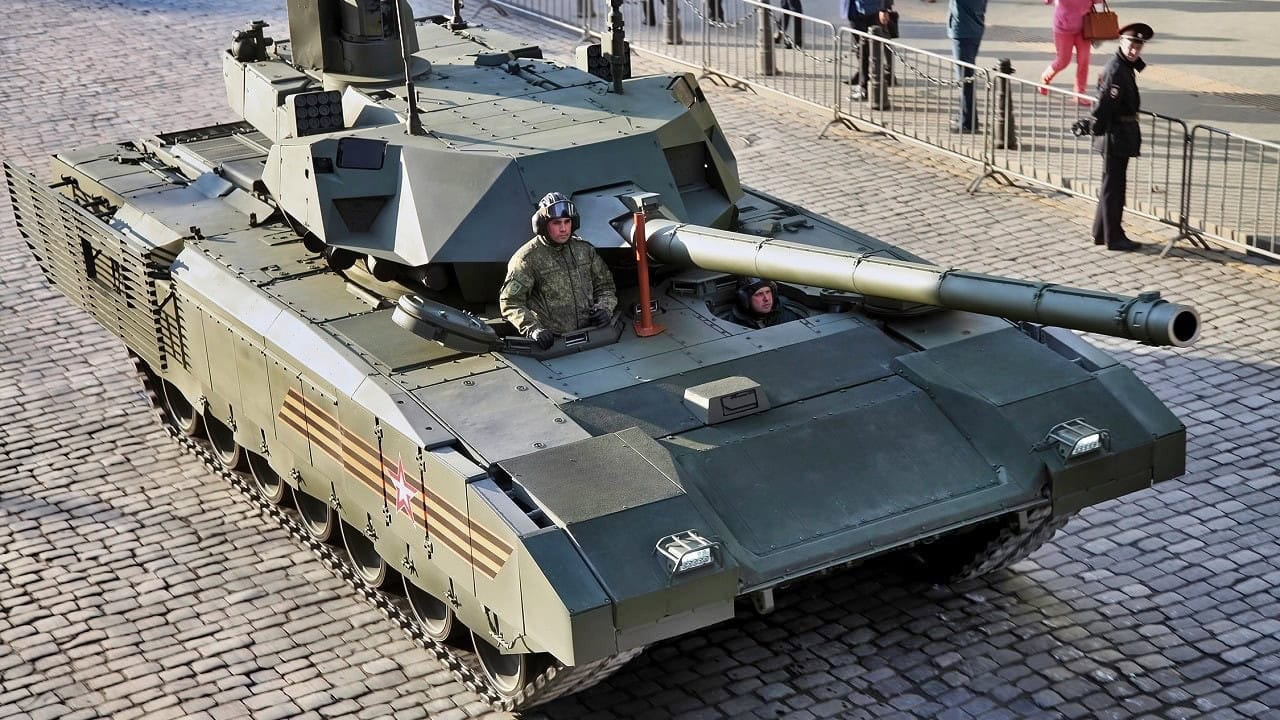
T-14 Armata Tank.
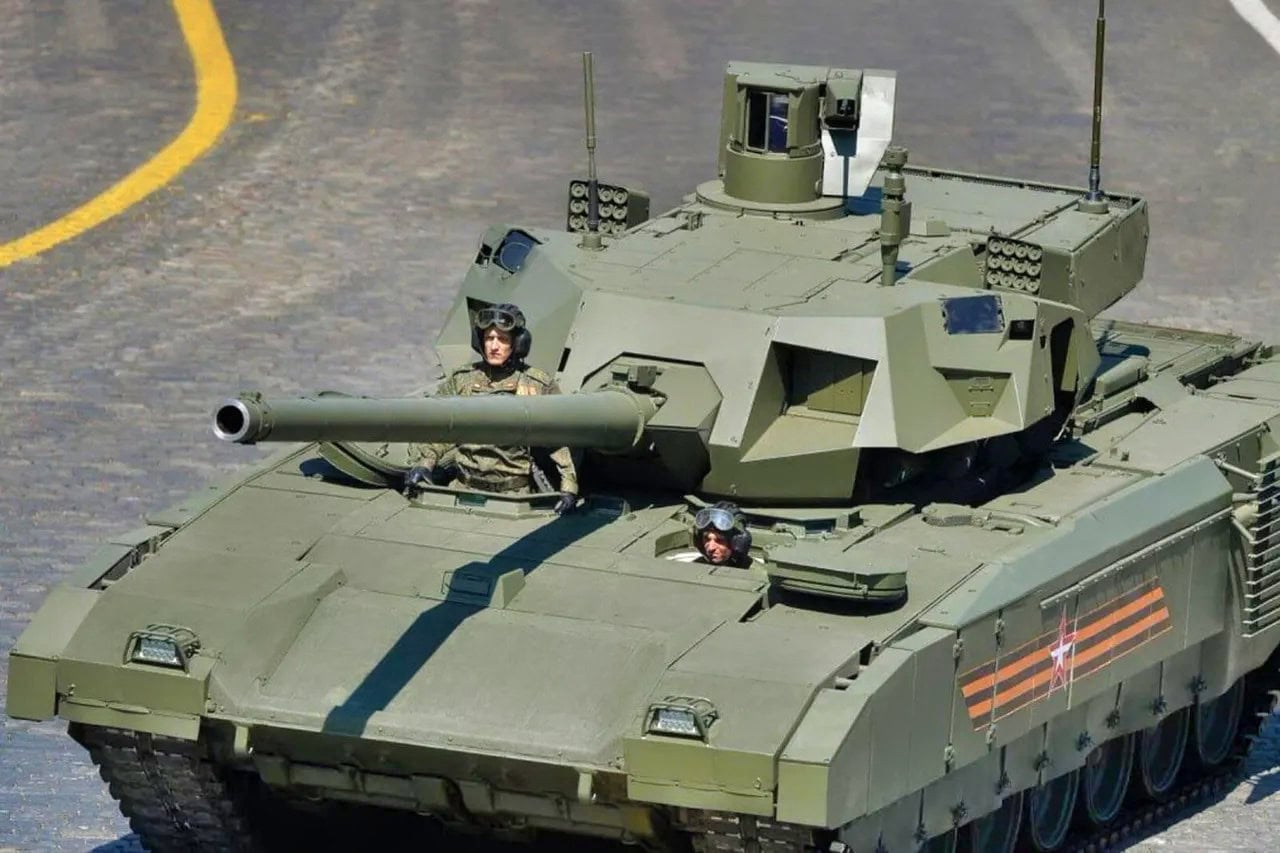
Russian T-14 Armata Tank. Image Credit: Social Media Screenshot.
Soviet tanks, already lacking in the realm of survivability, were shredded by these advanced anti-tank systems.
Currently, there are no reliable figures on how many Russian tanks have met their end to Western-made ATGMs, but some reports have claimed that around 280 Russian tanks were destroyed per 300 Javelin shots in 2022 (take these reports with a healthy grain of salt).
The casualty rates were further exacerbated by the introduction of small FPV drones armed with anti-tank munitions.
These unmanned aerial systems (UAS) have wreaked absolute havoc on Russian armored formations, thanks to their high mobility, enabling them to strike tanks from any angle. Additionally, these drones are never alone.
Easy to produce quickly and at a low price, the FPV drones saturate battlefields, and if one drone does not kill the tank, then two or three more strikes can guarantee its demise. To be fair, drones are just as big a threat to Ukrainian tanks as they are to Russian tanks.
What Casualty Figures Do Not Tell
Raw casualty rates alone do not tell the whole story, however, and it would be downright fallacious to use them to make any conclusive statements about the trajectory of this war. For instance, they do not show how many tanks Russia has recovered and repaired.
Ukraine’s recovery and repair operations in Poland have been well documented. Western tanks, which have been damaged and destroyed, are sent to Poland, where NATO engineers and repair and refurbish them before they are delivered back to the Ukrainians. In the same way, Russia also maintains a sophisticated network of recovery and repair units on the field and in the rear.
Casualty rates also do not account for Russia’s large industrial base and its large reservoir of Soviet-era tanks. While a sizable portion of its stocks were dismantled following the end of the Cold War, estimates suggested that Russia had over 7,000 Soviet-era tanks in its inventory before the war. While the tanks are significantly aged, many can still be renovated and modernized in the factories, as Russia has been doing to this very day.
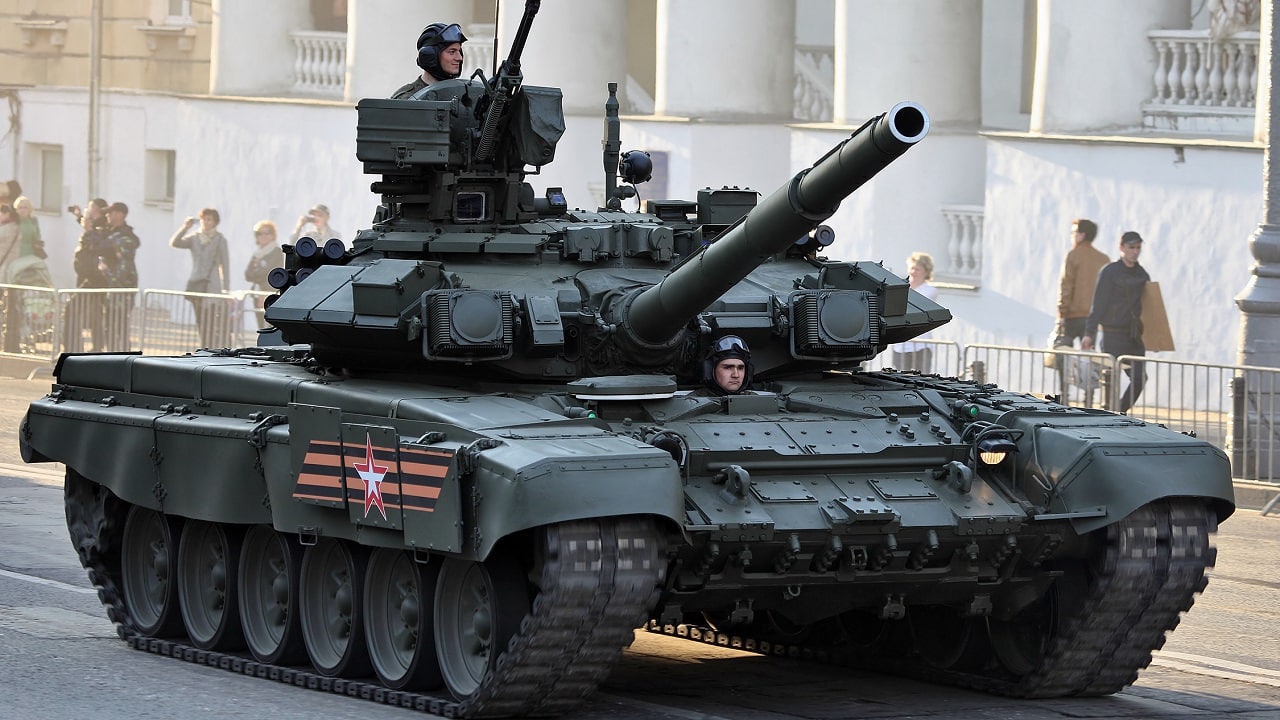
Russia’s T-90 Tank. Image Credit: Creative Commons.
Russia also possesses a robust yet capable industrial base capable of producing new tanks from the ground up. Here again, sources vary significantly, but some estimates suggest that Russia is producing and refurbishing around 280-300 T-90s per year, which is three times its prewar production levels.
Again, take these figures with a grain of salt, but by most estimates, Russian industry has been able to keep up with demand for tanks, even if cracks in the system have occurred from time to time.
War is War
While the war in Ukraine has revealed many shortcomings in the Russian Army, it has also revealed that war is a costly endeavor.
After many engagements with irregular forces in the Middle East, the U.S., for better or for worse, has forgotten about the immense costs associated with near-peer conflict.
During the Cold War, U.S. planners estimated that in the event that the Soviets made an armored thrust across the Fulda Gap, NATO forces would suffer tens of thousands of casualties within a matter of days, and that was assuming that no nuclear weapons were used.
The Russians have learned the hard way that high-scale conflict comes with a heavy price.
Even though Moscow maintains an effective industrial base, the war is still incurring a high human cost that cannot be so easily replaced.
About the Author: Isaac Seitz
Isaac Seitz, a Defense Columnist, graduated from Patrick Henry College’s Strategic Intelligence and National Security program. He has also studied Russian at Middlebury Language Schools and has worked as an intelligence Analyst in the private sector.