
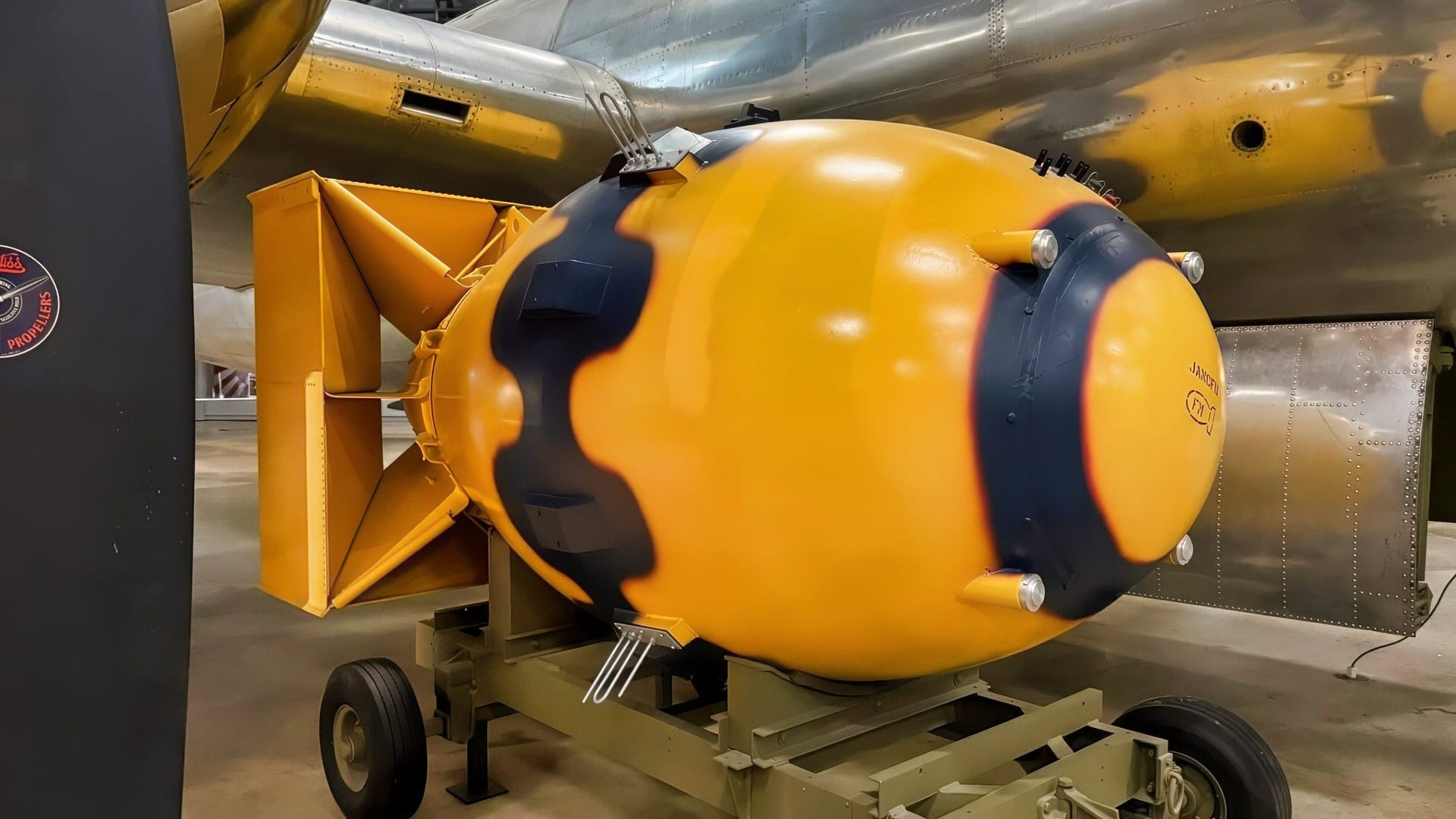
America Lost Nuclear Weapons – and Some Are Still Missing
A recent report on a Cold War-era Soviet submarine wreck in the Norwegian Sea found that radioactive material continues to leak from the vessel decades after it sank, prompting questions about the potential long-term environmental risks tied to abandoned nuclear wreckages under our oceans.
The submarine, the Soviet K-278 Komsomolets, sank in 1989 carrying nuclear torpedoes, and subsequent monitoring expeditions have repeatedly detected radiation levels above normal near the site. But those findings are by no means unique.

K-278 submarine. Image: Creative Commons.
In fact, during the Cold War, the United States also lost nuclear weapons in a series of accidents known as “Broken Arrow” incidents – events involving nuclear weapons that do not create a risk of nuclear war. In many cases, the weapons were never recovered and remain at the bottom of our oceans. Just like a famous case off the coast of Georgia and other locations.
While most were rendered safe and some were at least partially recovered, a number of nuclear weapons are still missing to this day.
What It Means to Lose A Nuclear Weapon
Broken Arrow incidents are accidents involving nuclear weapons, including crashes and fires or accidental jettison.
These incidents do not involve the risk of nuclear conflict or escalation, and dozens of such examples have been recorded by the U.S. Department of Defense during the Cold War, many of which were tied to routine airborne nuclear alert missions.
Importantly, the term “lost” does not necessarily mean that a weapon is missing and is capable of detonating. U.S. nuclear weapons are designed with multiple safety mechanisms, including environmental sensing devices and other mechanisms that are designed to prevent unauthorized or accidental detonation.
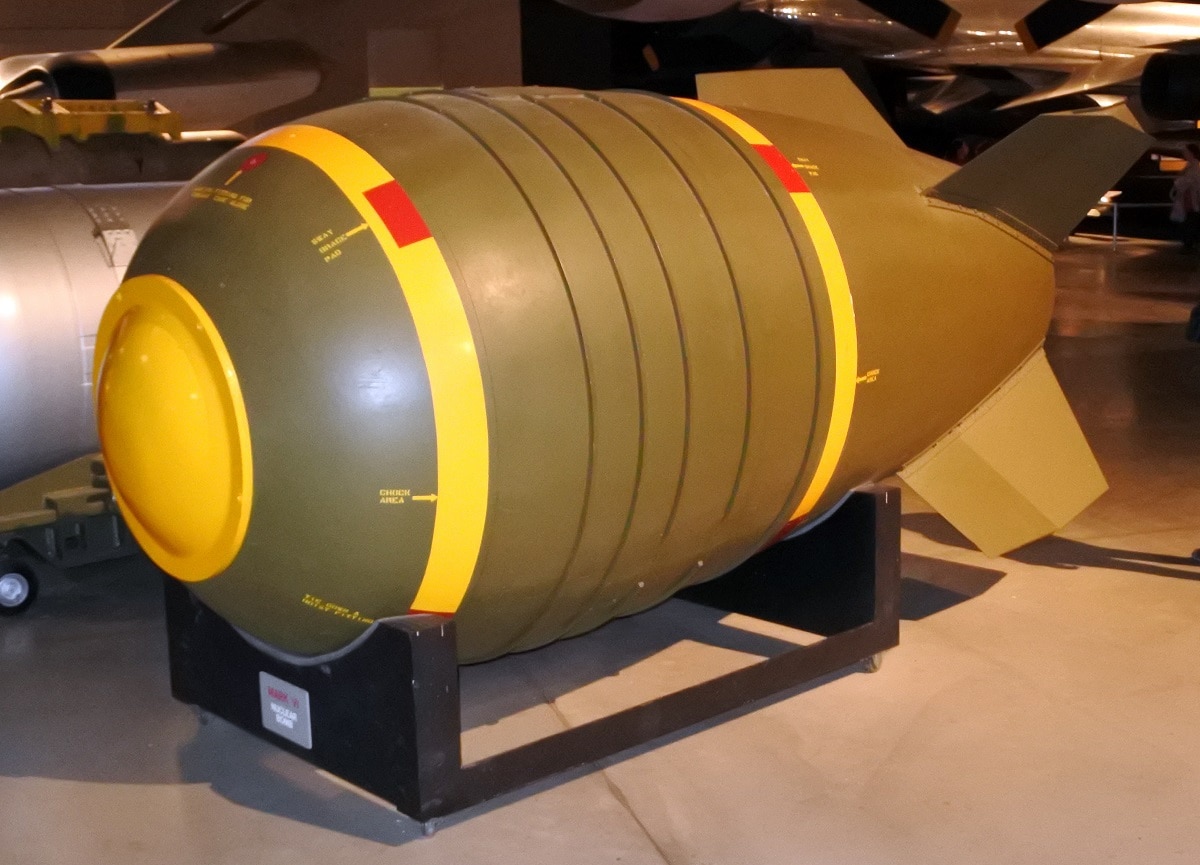
Nuclear Bomb
At a basic level, American nuclear weapons are designed in such a way that detonation can only occur as a result of a very specific sequence of physical and electronic conditions.
Environmental sensing devices effectively arm the weapon only after it detects that it has gone through the appropriate delivery profile, starting with acceleration and altitude changes. If the conditions are not met – like during a fire or accidental release – the weapon will remain in a safe and unarmed state.
What’s more, U.S. weapons utilize permission action links (PALs), which are coded electromechanical locking systems that prevent detonation without the correct authorization codes. The systems were introduced during the Cold War specifically to prevent unauthorized use, including in scenarios where a weapon might be lost or stolen. Without the correct code input, the weapon’s firing chain is physically interrupted, meaning that even if the other components were intact, the device still could not be triggered.
Modern designs also rely on what is often referred to as “one-point safe” architecture, meaning that even if the explosives inside a nuclear weapon were accidentally detonated at a single point – through impact, for example – they would not produce a nuclear explosion. Instead, the most likely outcome would be a dispersal of radioactive material rather than a nuclear explosion.
Most incidents of nuclear weapons being lost during the Cold War occurred during bomber operations, when aircraft carrying nuclear weapons suffered mechanical failures or collisions, or were forced to jettison payloads in emergencies.
At the height of the Cold War, the U.S. Strategic Air Command maintained almost continuous airborne alert missions, which increased the likelihood of these accidents taking place.
The Most Notorious Examples
One of the best-known incidents occurred in 1966, when a U.S. B-52 bomber collided with a refueling tanker over Spain in what is now known as the Palomares B-52 crash.
Four hydrogen bombs fell to the ground, two of which detonated conventionally, spreading radioactive material across farmland. A fourth bomb was lost at sea and only recovered after an extensive search involving deep-sea submersibles.
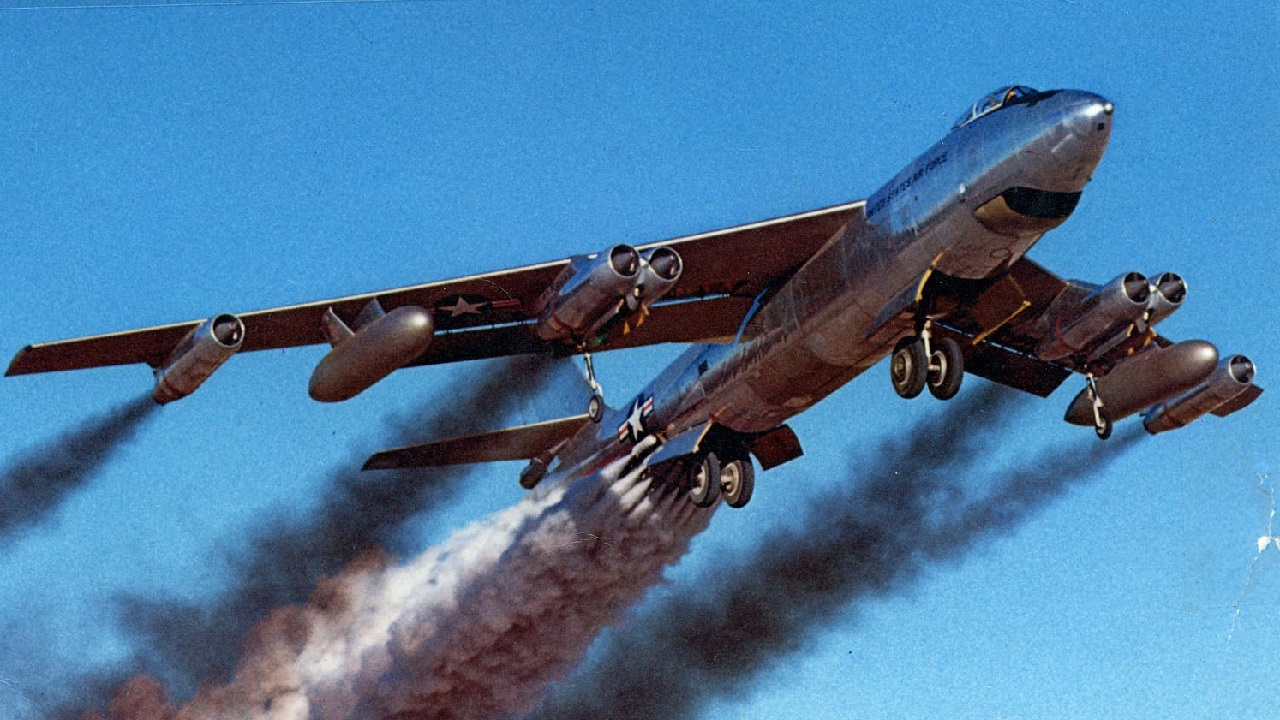
Boeing B-47B rocket-assisted take off on April 15, 1954. (U.S. Air Force photo)
A similar incident took place in 1968, known as the Thule Air Base crash, when a B-52 crashed in Greenland while carrying nuclear weapons.
The resulting explosions contaminated ice and snow, triggering a massive cleanup operation known as Project Crested Ice. While most debris was recovered, to this day, it’s unclear whether all components were found.
Another case also remains unresolved. In 1958, a B-47 bomber jettisoned a nuclear weapon off the coast of Georgia during an emergency, in what is known as the 1958 Tybee Island nuclear bomb incident. Despite multiple searches, the weapon was never found and is believed to be buried in coastal waters to this day.
Do Broken Arrow Incidents Still Happen Today?
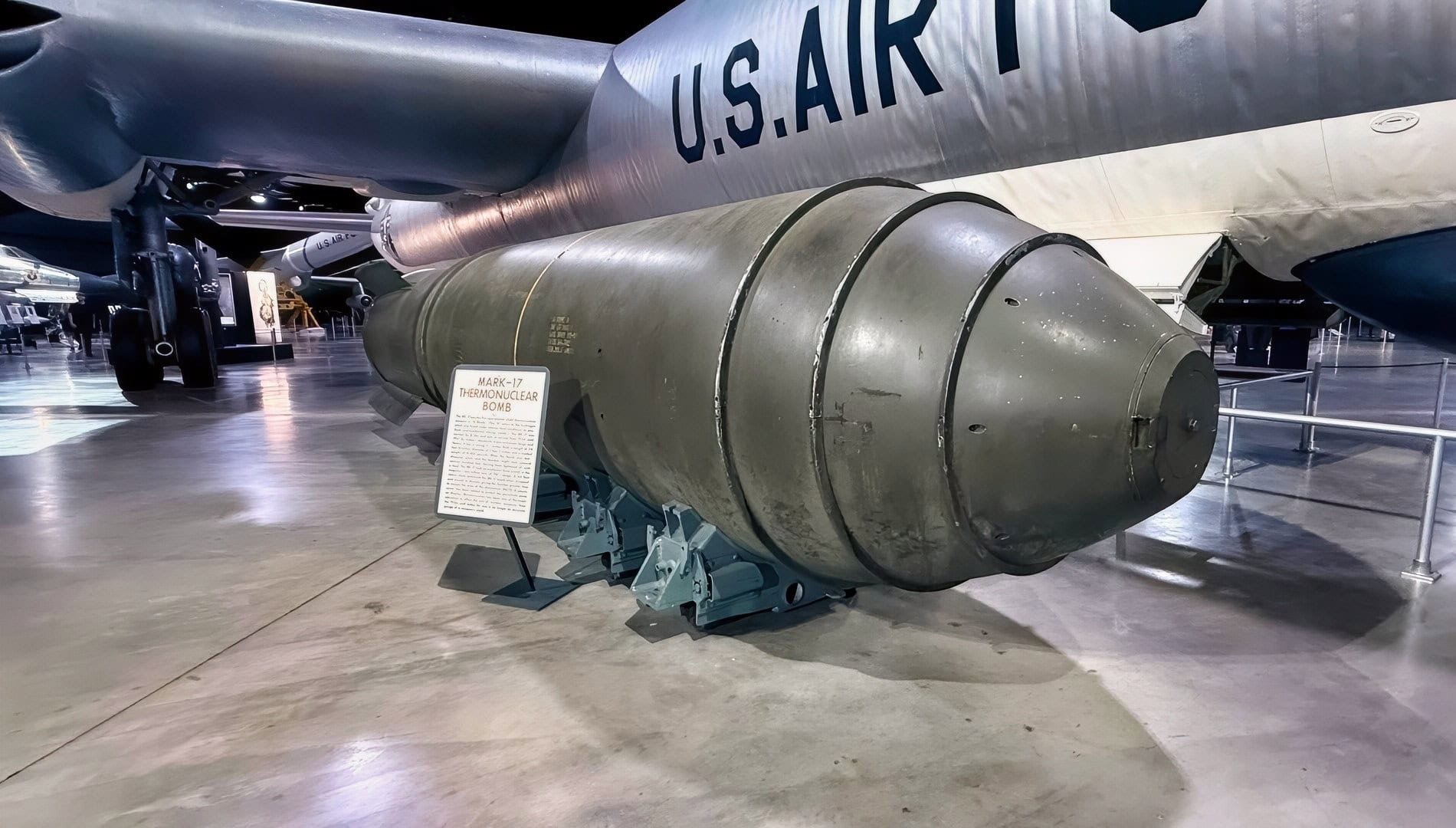
Mark-17 Nuclear Bomb 19FortyFive.com Image
In short, no – at least, not at the same scale as seen during the Cold War. The last widely recognized U.S. “Broken Arrow” incident involving a lost nuclear weapon dates back to 1968, and the airborne nuclear alert missions that created much of that risk were formally ended the same year after the Thule crash.
Since then, the U.S. military has changed its handling protocols for the weapons, and they are no longer routinely flown on continuous patrols.
Every nuclear weapon in American possession is held under far stricter conditions, with standards established for the custody and transport of each warhead.
However, that does not mean incidents have disappeared entirely. There have been more recent nuclear-related incidents, such as the 2007 unauthorized transfer of nuclear-armed cruise missiles between bases in the United States, but these involved procedural failures rather than lost weapons.
Today’s systems are far more controlled and centralized than ever before.
About the Author: Jack Buckby
Jack Buckby is a British researcher and analyst specialising in defence and national security, based in New York. His work focuses on military capability, procurement, and strategic competition, producing and editing analysis for policy and defence audiences. He brings extensive editorial experience, with a career output spanning over 1,000 articles at 19FortyFive and National Security Journal, and has previously authored books and papers on extremism and deradicalisation.