
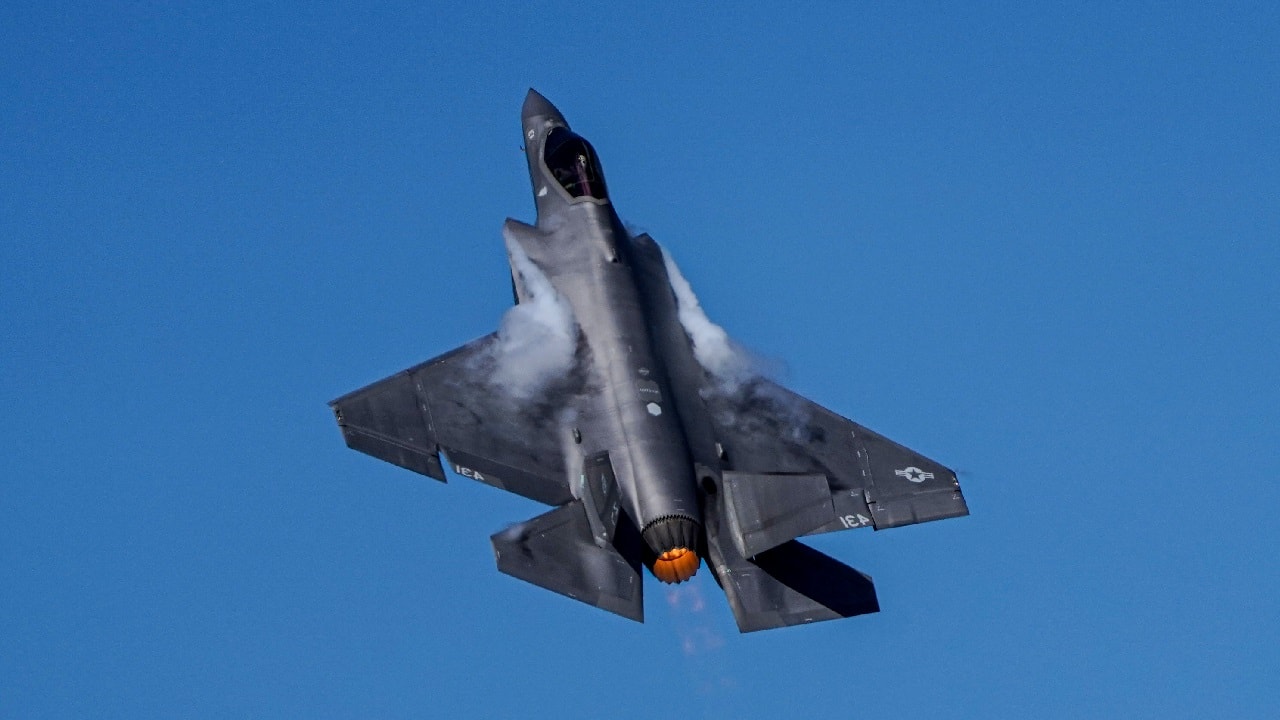
Canada Can Pick Between the F-35 and JAS 39 Gripen Fighters: The Choice Should Be Clear
When it comes to machines, certain debates seem to go on in perpetuity.
In the American automotive world, you have Ford vs Chevy, maybe with Chrysler thrown in for good measure. (Mustangs rule, of course.)
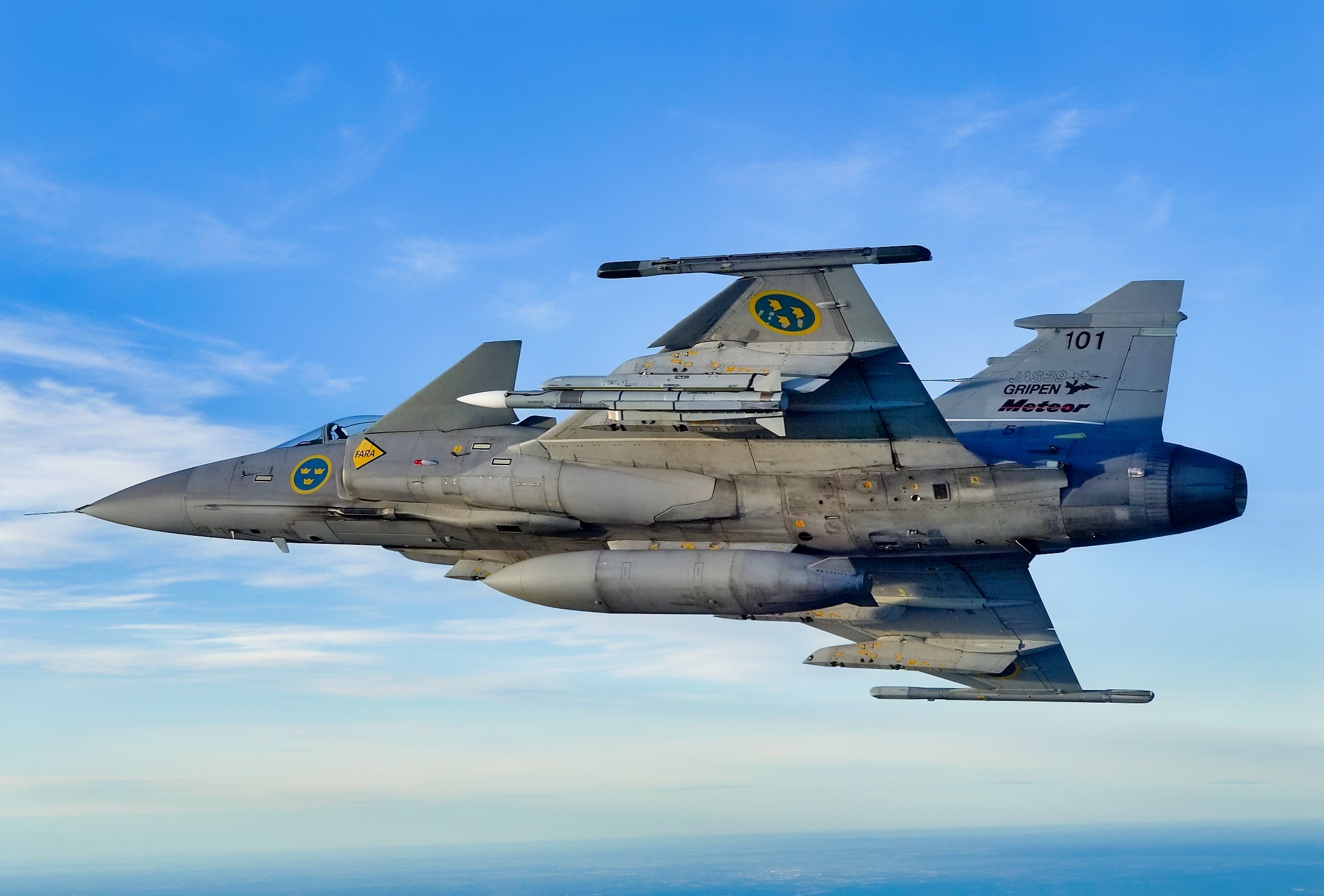
JAS 39 Gripen. Image Credit: Creative Commons.
In the realm of World War II heavy bombers, aviation history buffs can debate the merits of the B-17 Flying Fortress vs the B-24 Liberator.
Going over to firearms, there’s AK-47 vs M16, revolver vs semiautomatic pistol, 9-mm vs .45 ACP, and so on and so forth.
Meanwhile, for the Royal Canadian Air Force (RCAF), there is the seemingly undying debate about which fighter plane to choose to replace their aging CF-188 Hornet fleet: the Swedish-made 4.5-generation Saab JAS 39 Gripen, or the U.S.-made Lockheed Martin F-35 Lightning II.
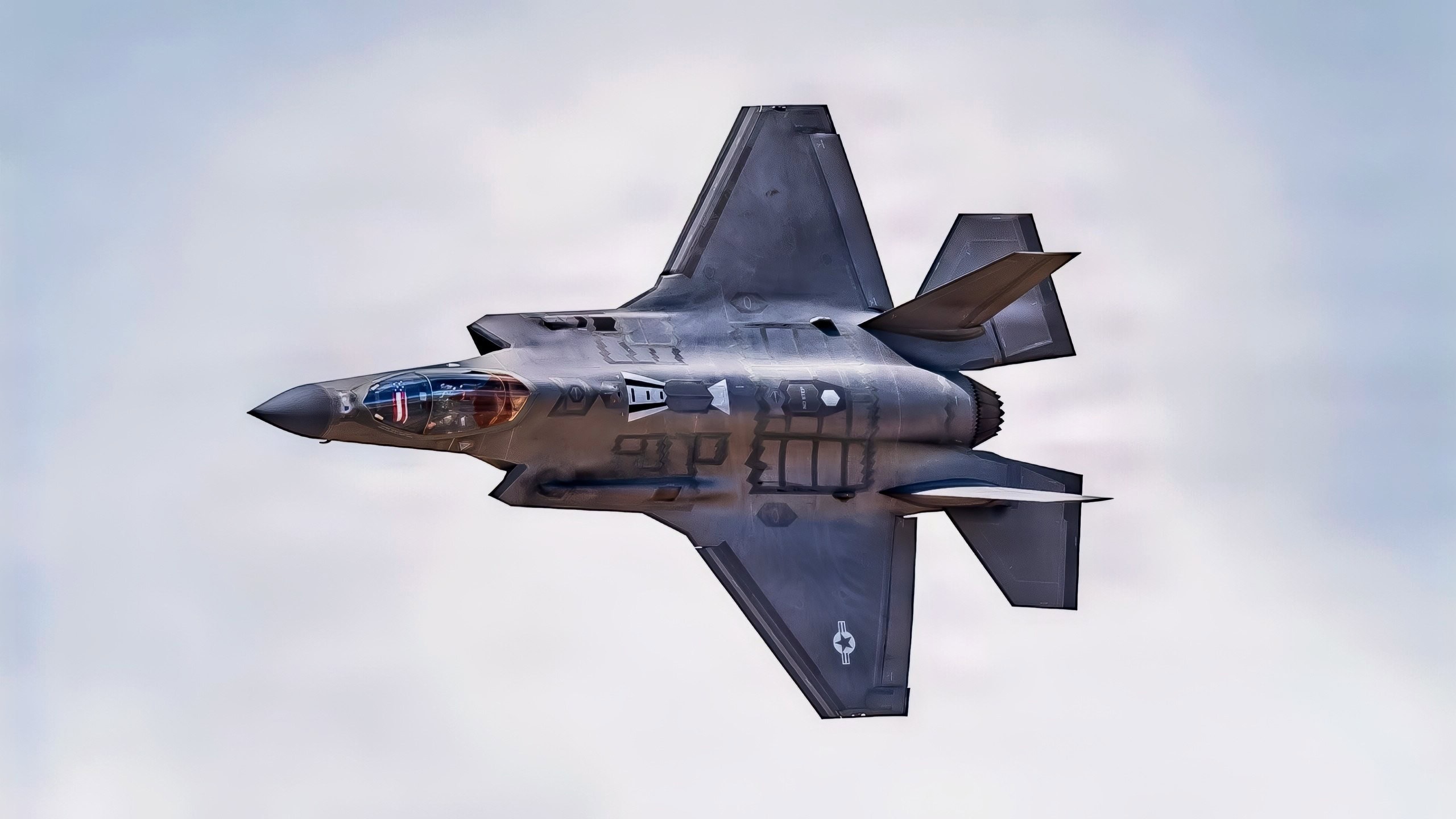
A U.S. Air Force F-35A Lightning II flies over the 56th Fighter Wing during Luke Days 2026, March 22, 2026, at Luke Air Force Base, Arizona. Luke Days 2026 highlights the precision and professionalism required to generate combat airpower and sustain the nation’s defense. Currently in operational service, the F-35A integrates stealth technology and advanced sensors to detect and defeat threats while maintaining air dominance. Opportunities for the public to see military aviation up close helps build appreciation for the readiness of the joint force. (U.S. Air Force photo by Senior Airman Belinda Guachun-Chichay)
The JAS 39 Gripen would have conferred certain advantages to Canada over the F-35 Lightning II.
First and foremost is the lower cost.
Second, the Swedish jet doesn’t seem to be plagued by horror stories of reliability issues like the U.S. warbird has.
And from a purely political standpoint, selecting the JAS 39 would enable Canadian Prime Minister Mark Carney to stick a big fat middle finger to U.S. President Donald Trump.
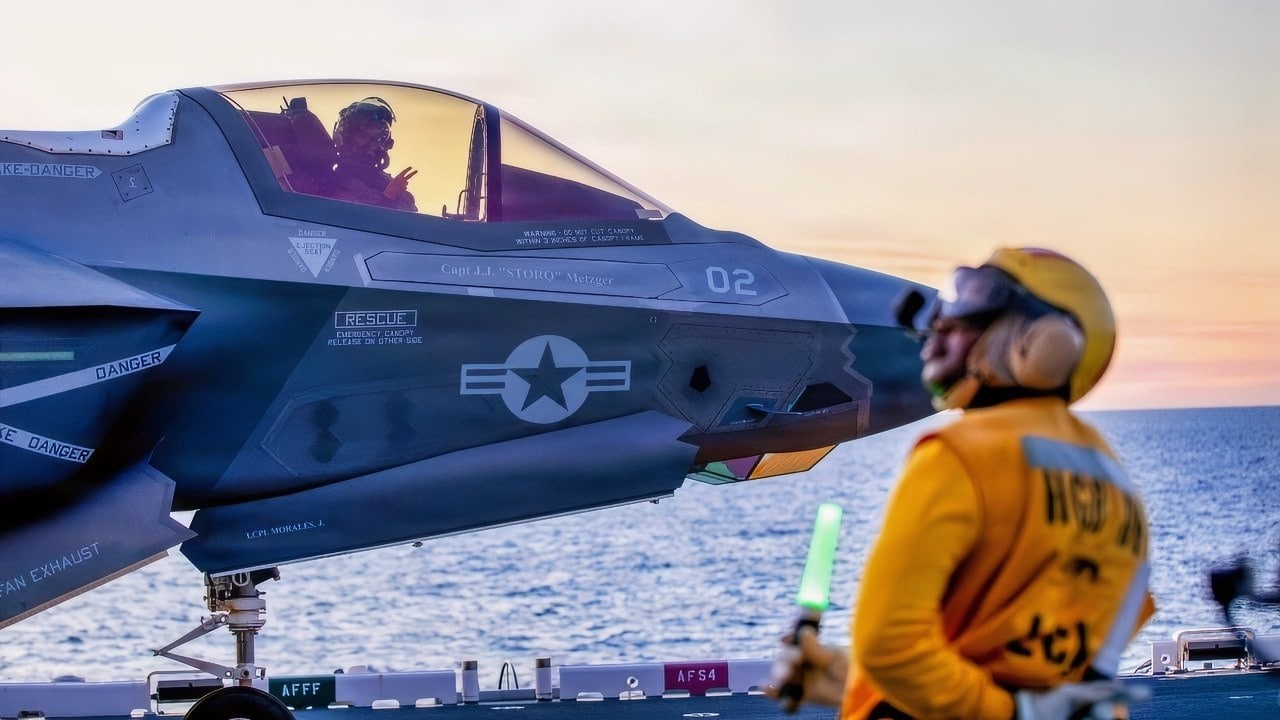
Chief Aviation Boatswain’s Mate (Handling) Stephane Togue, assigned to Wasp-class amphibious assault ship USS Makin Island (LHD 8), prepares to signal an F-35B Lightning II, attached to Marine Fighter Attack Squadron 211, for takeoff, Dec. 4, 2025. Makin Island is currently underway conducting routine operations in the U.S. 3rd Fleet. (Photo by Mass Communication Specialist Seaman Abraham Ramirez)
However, it goes without saying that the RCAF would also be losing out on a goodly number of advantages and opportunities by choosing the JAS 39 Gripen over the F-35.
Disadvantage #1: Lack of Stealth
This is the most obvious disadvantage. As a 4.5-generation fighter, the JAS 39 is stealthier and blessed with a smaller radar cross-section, comparatively speaking, than earlier fighter jets such as the F-14 or F-4.
Moreover, 4.5-generation jets remain viable fighting platforms, as has been demonstrated in the skies over Venezuela and Iran.
That said, the Gripen will never be a true stealth fighter comparable to the fifth-generation F-35.
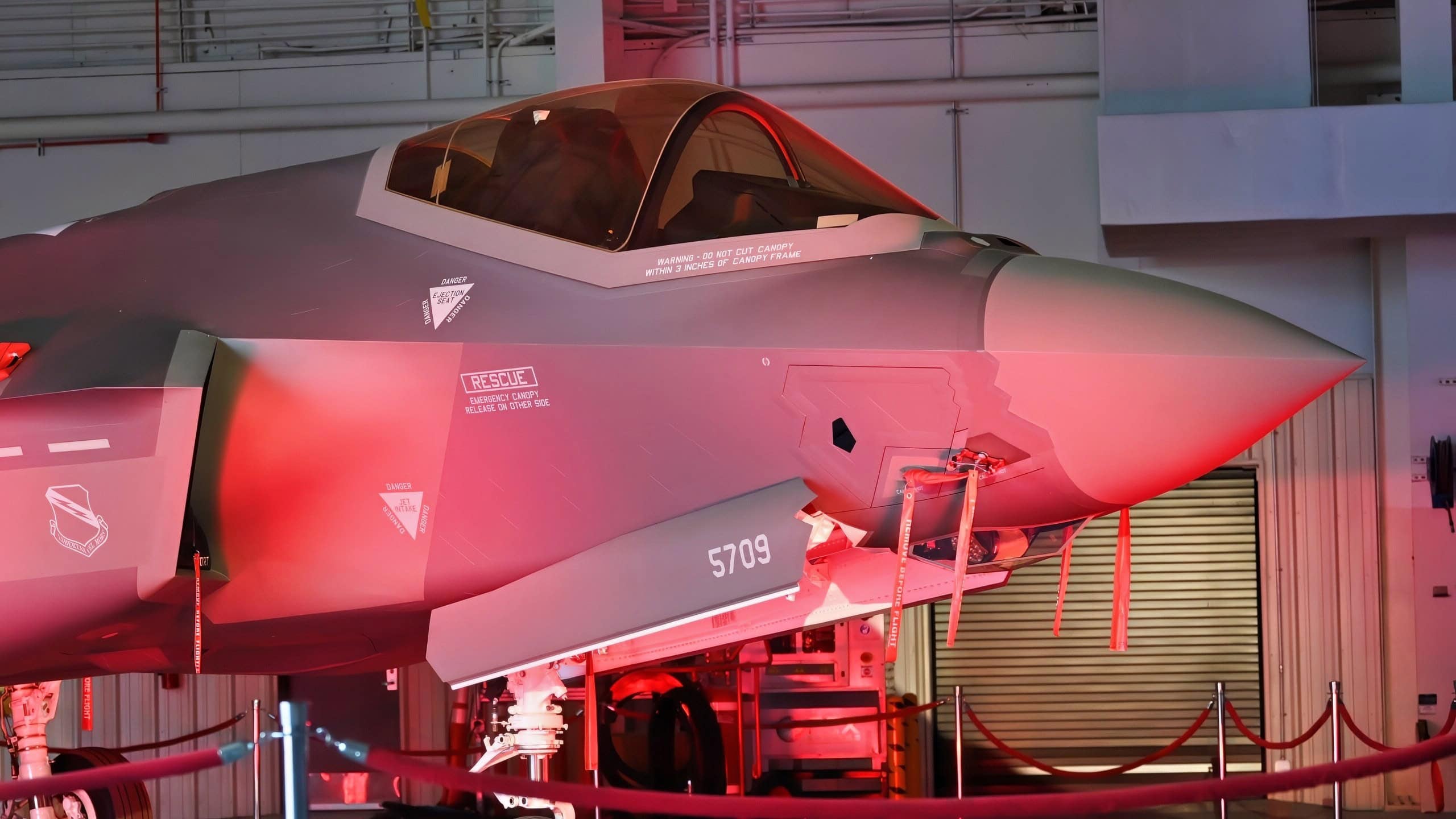
The new F-35 Lightning II stands on display at the First Aircraft Arrival ceremony on Nov. 2, 2024, at Naval Air Station Joint Reserve Base Fort Worth, Texas. The delivery of the F-35 ushered in a new era of modern-day warfighting for the U.S. Air Force. (U.S. Air Force photo by Staff Sgt. Richard Moser)
Like it or not, stealth fighters are here to stay, and if the RCAF wants to remain viable in a hypothetical fight against Russia’s own fifth-generation fighter—the Sukhoi Su-57 “Felon”—then it had better get with the program. . . . Or perhaps more accurately, stay with the program by continuing with the F-35 purchase that it had already agreed to well before Trump resumed residence in the White House.
Disadvantage #2: Reduced Interoperability with Allies
The Gripen is no slouch in the interoperability department, as has been aptly demonstrated by Hungarian and Czech pilots conducting air policing operations over the Baltic since 2004.
However, that still pales in comparison to the interoperability of the F-35, as no less than 10 NATO member-states currently participate in the F-35 program.
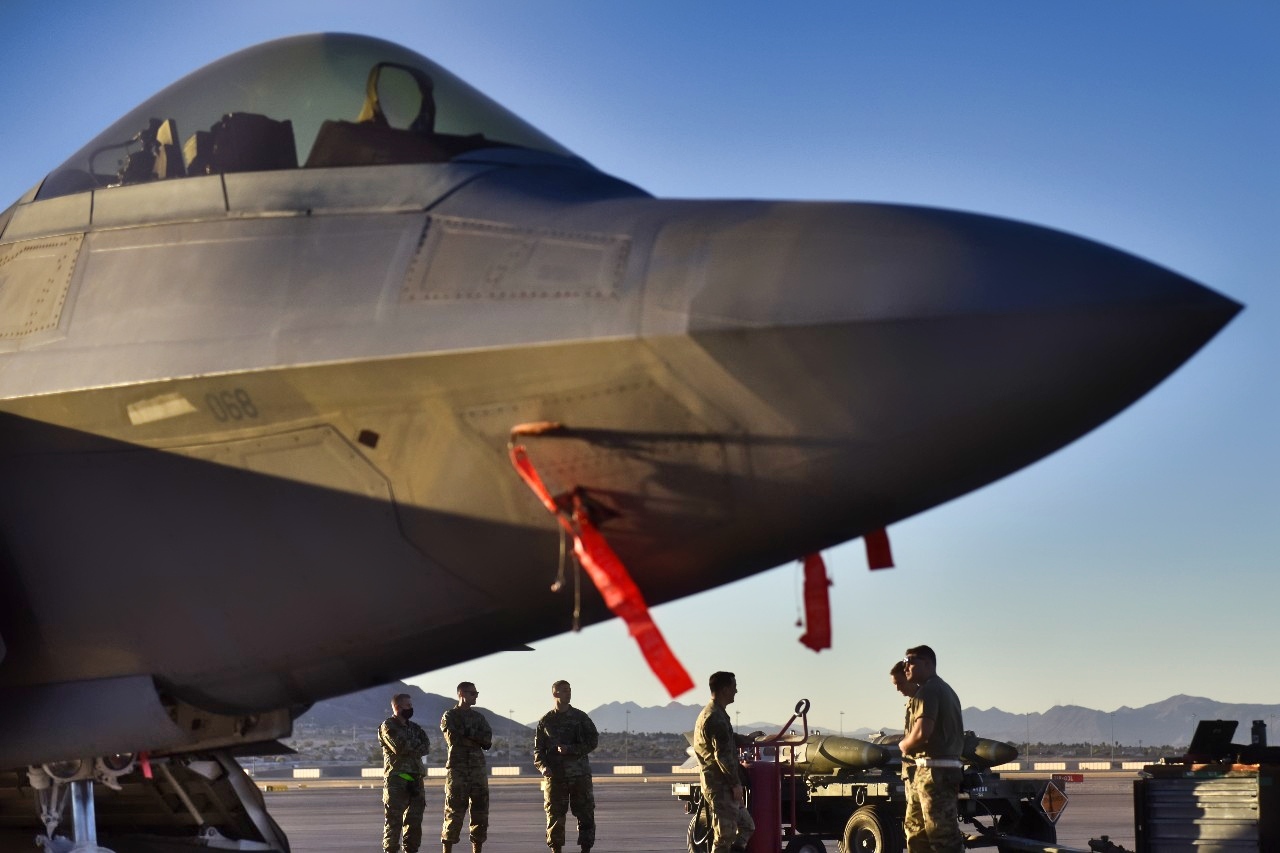
Airmen from the 757th Aircraft Maintenance Squadron talk about their execution plan next to an F-35 Lightning prior to the start of weapons load crew competition at Nellis Air Force Base, Nevada, Oct. 16, 2020. Throughout the year weapons crews are put to the test of safely loading and unloading ordinance to their respective aircraft in front of their peers while being timed. At the end of the year, the winners from each event are pitted against each other to see which team is the best. (U.S. Air Force photo by Tech. Sgt. Alexandre Montes)
In addition, non-NATO customers of the Lightning II such as the Royal Australian Air Force and the Japan Air Self-Defense Force laud how the U.S.-made jet’s interoperable capabilities transcend linguistic and cultural differences amongst the allies in “the Quad.”
Disadvantage #3: Manufacturing Legacy and Track Record
Employing some outside-the-box thinking with this one here.
To be sure, Saab is a highly respected and well-established defense firm in its own right.
But its track record pales in comparison to that of Lockheed Martin’s legendary Skunk Works division when it comes to producing truly game-changing warbirds, from the P-38 of World War II to the F-80 Shooting Star of the Korean War, and the U-2 and SR-71 Blackbird spy planes of the Cold War.
Then, of course, there is the plethora of groundbreaking stealth planes, from the F-117 Nighthawk to the F-22 Raptor and the F-35.
Experience counts. By choosing JAS 39 over Skunk Works, the Canadian government would be snubbing that sort of experience at its own peril.
READ MORE – Russia Only Has 30 Su-57 Stealth Fighters. America Has 1,300 F-35 Fighters
READ MORE – Iran Came Close to Hitting a Navy Super Hornet
About the Author: Christian D. Orr
Christian D. Orr is a Senior Defense Editor. He is a former Air Force Security Forces officer, Federal law enforcement officer, and private military contractor (with assignments worked in Iraq, the United Arab Emirates, Kosovo, Japan, Germany, and the Pentagon). Chris holds a B.A. in International Relations from the University of Southern California (USC) and an M.A. in Intelligence Studies (concentration in Terrorism Studies) from American Military University (AMU). He is also the author of the newly published book “Five Decades of a Fabulous Firearm: Celebrating the 50th Anniversary of the Beretta 92 Pistol Series.”