
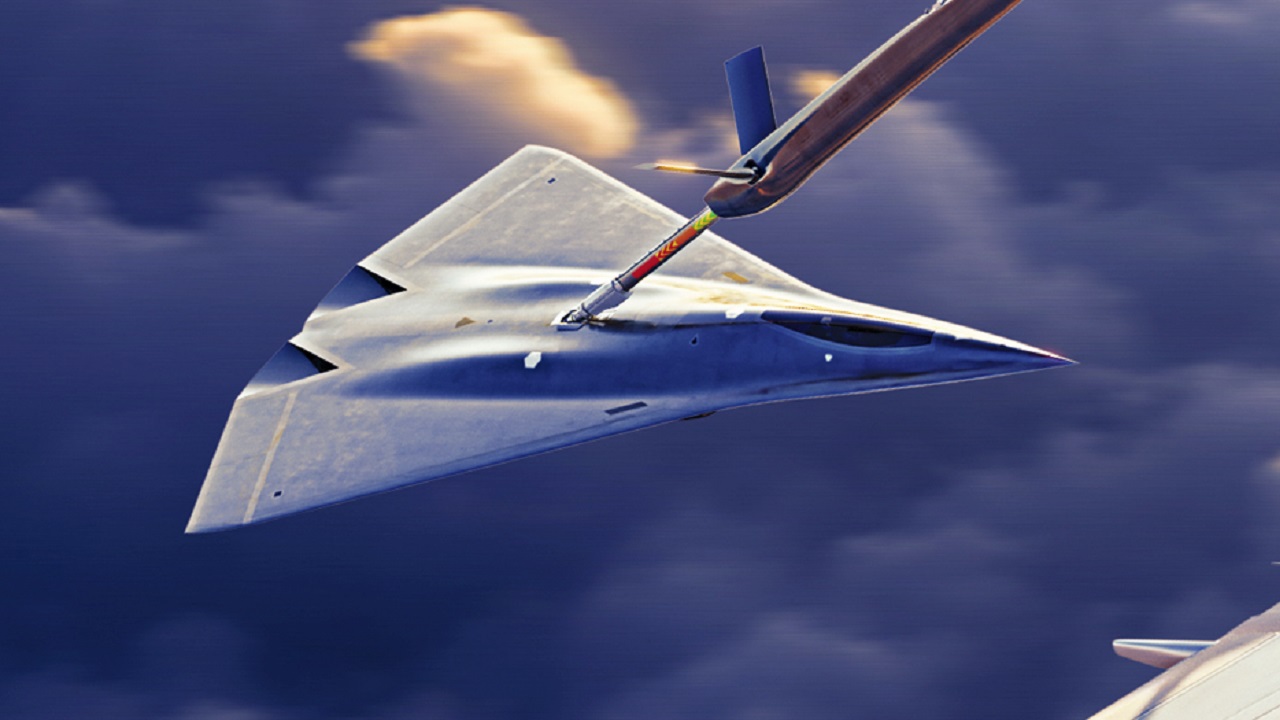
The U.S. Air Force’s New F-47 NGAD Stealth Fighter Will Be Transformative
The F-47 NGAD was always going to be different.
The warplane is a complete shift away from the traditional fighter model, where a single aircraft carrying a limited number of weapons and sensors will command a distributed network of advanced platforms, each contributing to the overall mission and spreading risk across multiple platforms rather than relying on a single platform.
The Communications System That Enables It
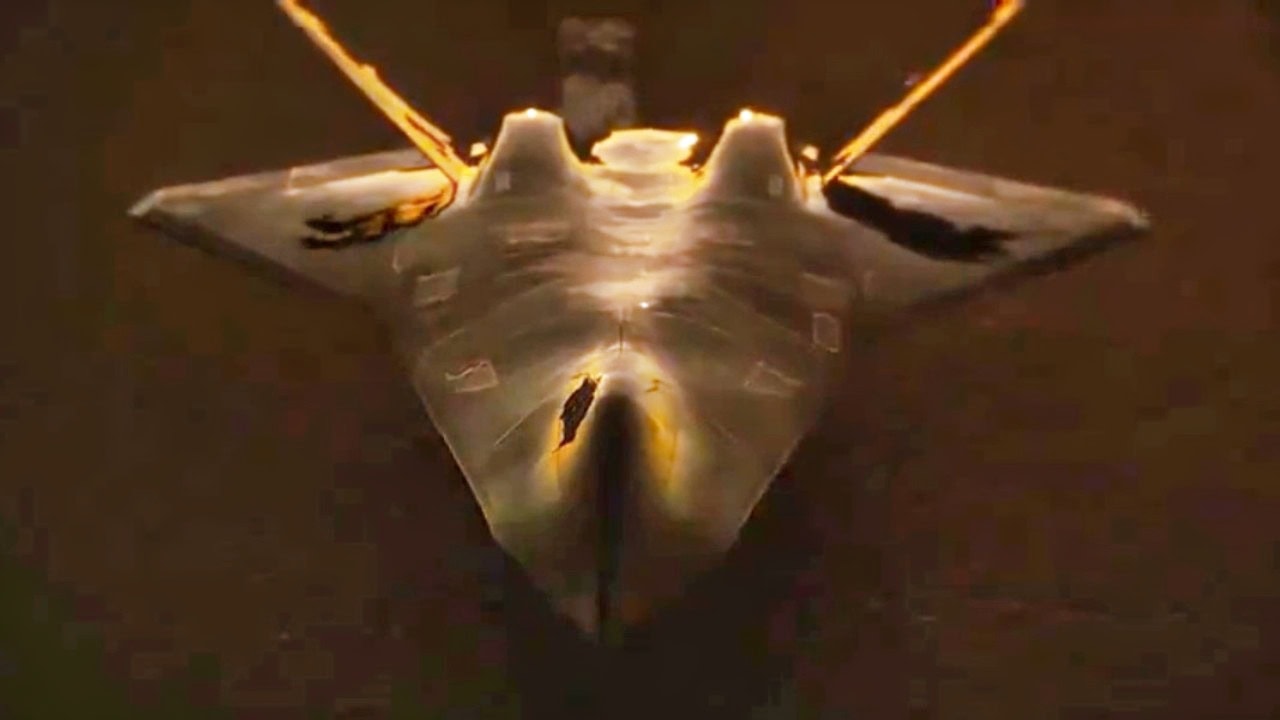
F-47 Fighter from Boeing. Image Credit: U.S. Air Force Screenshot.
We have reported extensively on these systems before, but what gets a lot less time in the press is the technology that enables these impressive new capabilities.
The concept behind the F-47 and its CCAs is impressive, but it only works if the aircraft can maintain reliable communication with the drones in highly contested environments – so that’s where programs like the Advanced Battle Management System (ABMS) and the Joint All-Domain Command and Control (JADC2) framework come into play.
These systems are designed to replace legacy datalinks like Link 16 with more resilient, multi-path communication networks capable of operating under electronic warfare conditions.
The goal is to ensure that data can still flow between platforms even if parts of the network are disrupted.
Put simply, that means using a combination of line-of-sight and beyond-line-of-sight communications, including satellite relays and airborne nodes that translate data between different systems.
Defense companies like Northrop Grumman and L3Harris Technologies are heavily involved in developing these networking and communications architectures.
A key feature of the current efforts is mesh networking – a term that some readers may recognize.
This is effectively how many home internet systems work: a number of routers communicate and relay information to provide even coverage throughout the home.
The principle is the same for CCAs: each drone can act as a relay node, passing information across the formation. That reduces reliance on a single point of failure and allows the network to adapt dynamically if individual platforms are lost or jammed.
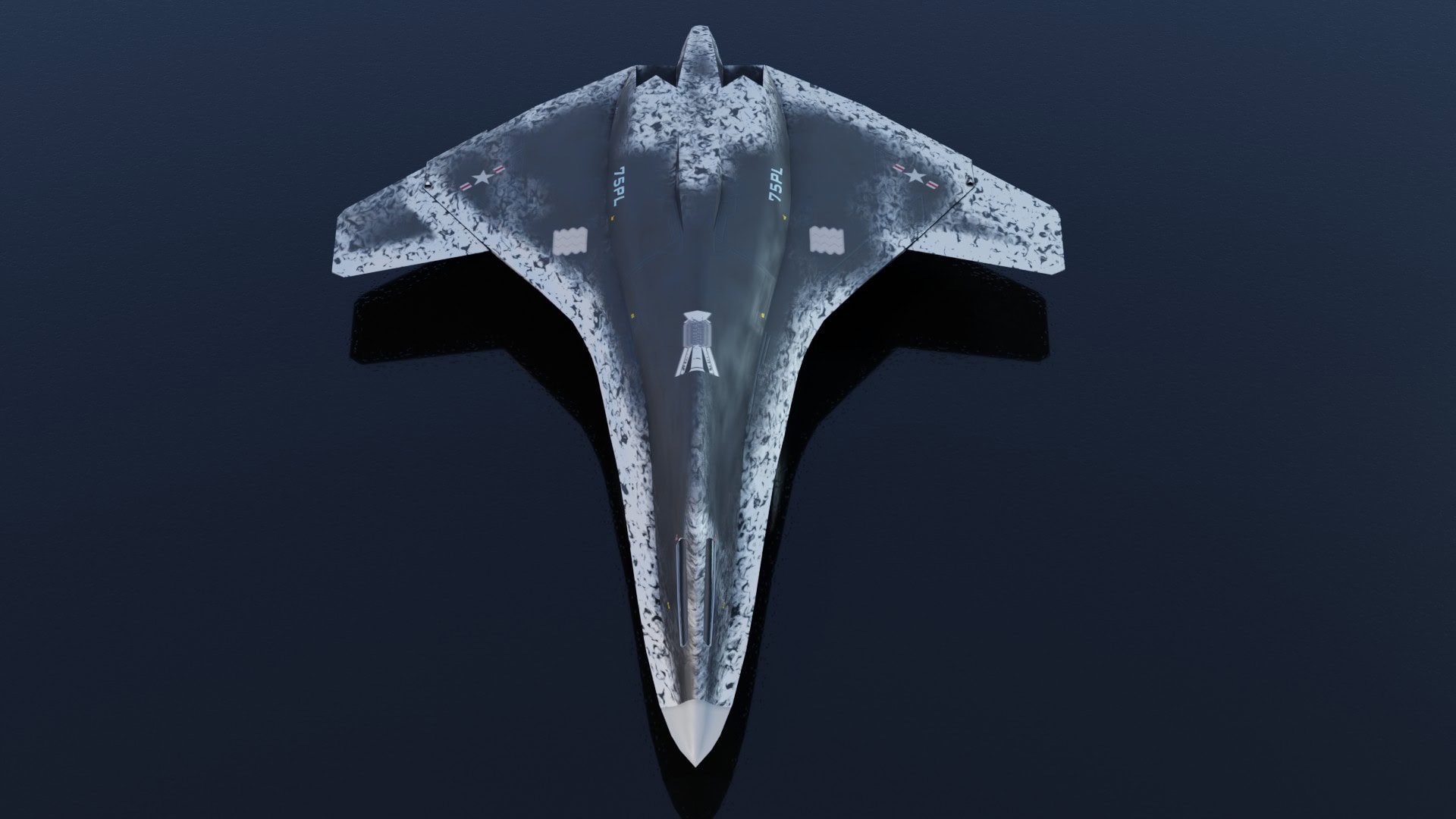
NGAD Fighter Mock Up. Image Credit: Creative Commons.
Equally important is the use of Low Probability of Intercept/Low Probability of Detection (LPI/LPD) communications.
These systems are designed to minimize the chance that enemy forces can detect or disrupt the datalink, using techniques such as frequency hopping and directional transmission. Without that communications backbone, the entire CCA concept would collapse.
The F-47’s ability to command drones depends entirely on maintaining secure, resilient connectivity in contested airspace.
Sensor Fusion and AI Decision Systems
Communications systems are only the beginning for these technologies – it is sensor fusion and onboard processing that make the data being shared usable.
The F-47 is expected to build on and significantly expand the sensor-fusion capabilities seen in fifth-generation aircraft like the F-35. Instead of simply integrating data from onboard sensors, the aircraft will fuse information from multiple sources, including drones, satellites, and other aircraft, into a single operational picture. That requires substantial advances in onboard processing and software architecture.
Companies like Raytheon Technologies and BAE Systems are currently key players in developing the sensors and electronic warfare systems that power the process, while agencies like DARPA have been working on autonomy and AI through programs such as Air Combat Evaluation (ACE).
The role of artificial intelligence is particularly important. Rather than overwhelming the pilot with raw data, the system is designed to prioritize threats and recommend courses of action – and in some cases, it will autonomously assign tasks to drones.
That changes the pilot’s role: instead of simply flying the aircraft and managing individual systems, the pilot is now a mission commander, overseeing a network of assets and making higher-level decisions.
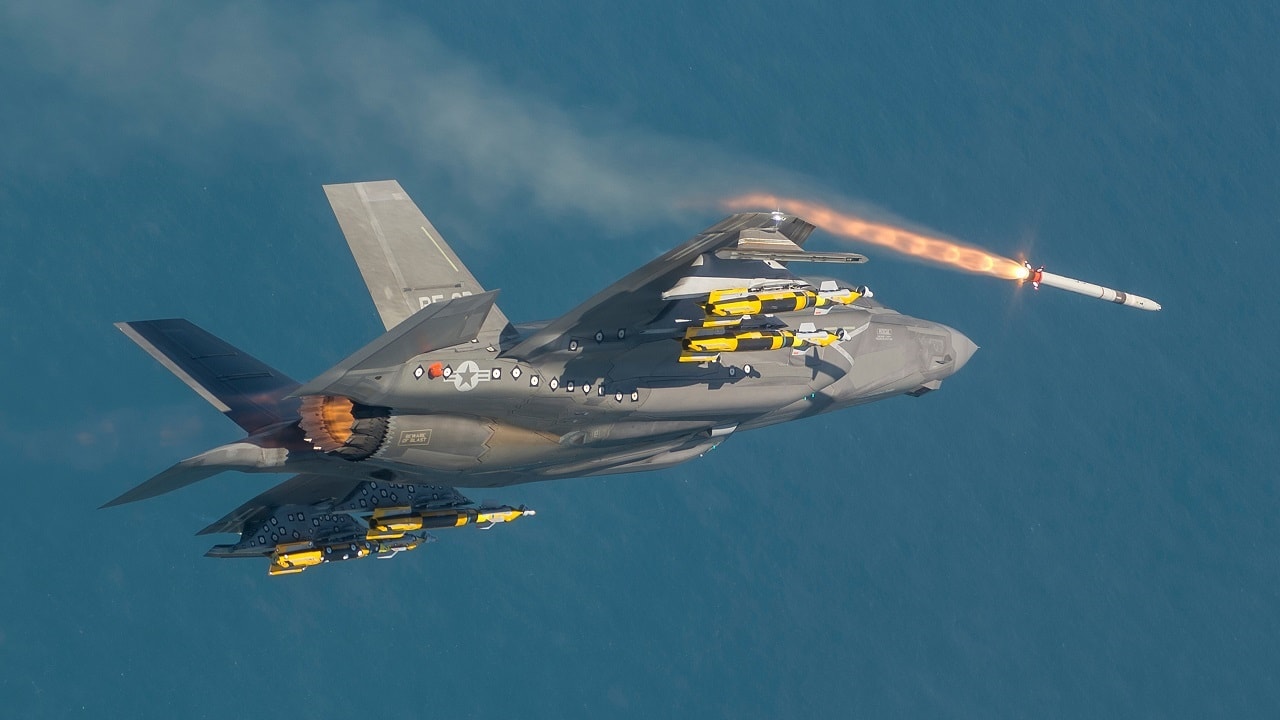
F-35. Image: Creative Commons.
There are also practical constraints driving this design. Bandwidth limitations mean that not all data can be transmitted continuously.
As a result, both the F-47 and its accompanying drones must be capable of processing data locally – known as edge computing – before sharing only the most relevant information across the network.
The end result is a system that not only sees more of the battlefield but also processes and acts on that information faster than traditional platforms.
Range and Endurance
The final piece of the puzzle is the drones themselves, which are being designed to extend the F-47’s reach far beyond what a single aircraft could achieve.
The first generation of CCAs, including the YFQ-42A and YFQ-44A, is expected to have a combat radius of more than 700 nautical miles, allowing them to operate ahead of manned fighters and carry out missions independently.
That has direct implications for range. While the F-47’s own combat radius exceeds 1,000 nautical miles, it would still require aerial refueling to operate deep into contested regions such as the western Pacific.
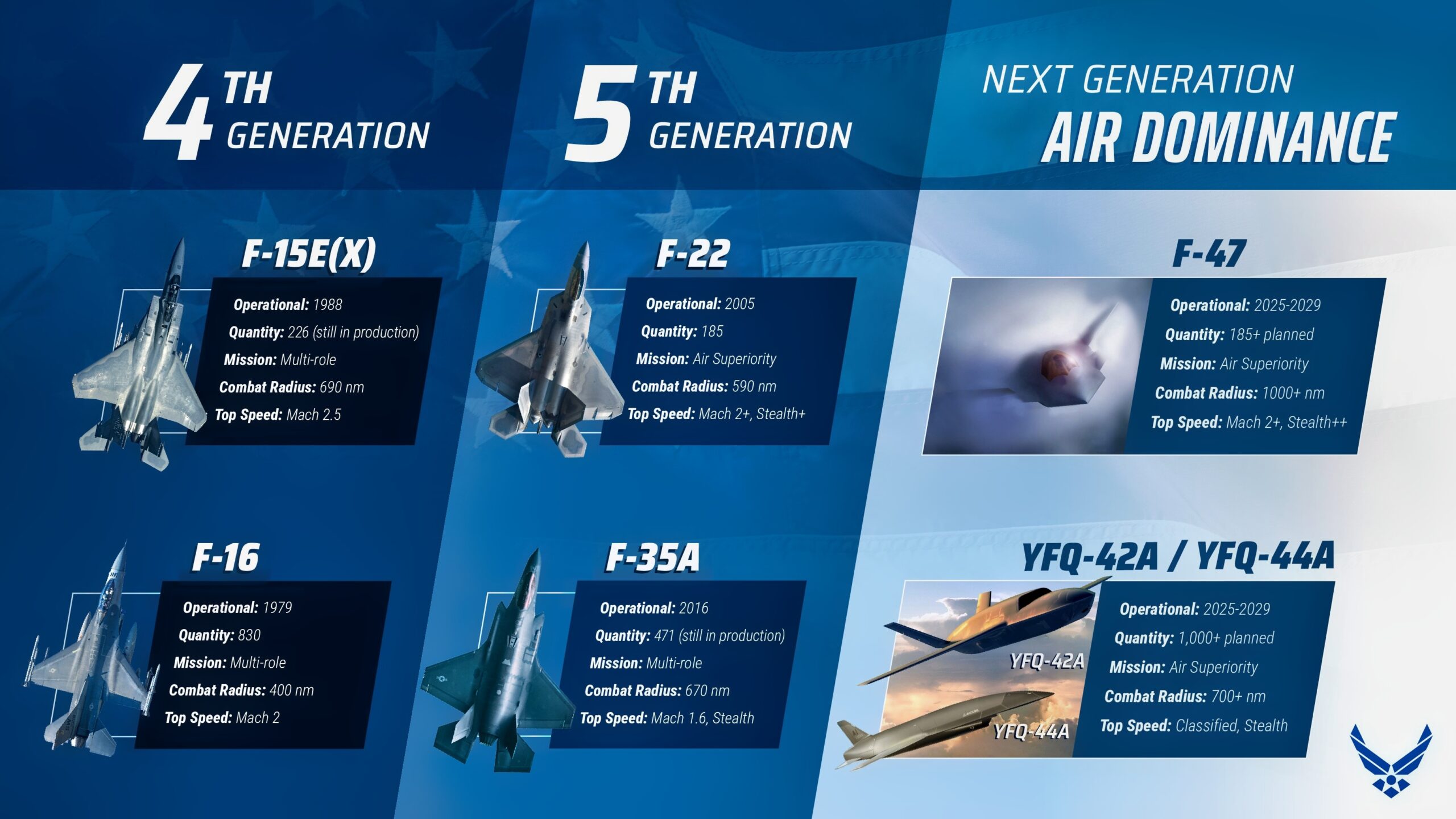
F-47 Infographic. Image Credit: U.S. Air Force
By deploying drones ahead of the aircraft, the Air Force can effectively extend its operational reach without relying as heavily on vulnerable tanker aircraft.
The drones are also designed to be attritable – meaning they will be affordable enough that losses can be tolerated. Traditional fighter aircraft are too expensive to risk in large numbers, but CCAs are expected to cost significantly less, enabling the Air Force to deploy them at scale.
In the end, the entire concept of a sixth-generation fighter rests not just on the F-47 but also on its connectivity and on how the aircraft can maintain secure, resilient communication with its CCAs under fire.
About the Author: Jack Buckby
Jack Buckby is a British researcher and analyst specializing in defense and national security, based in New York. His work focuses on military capability, procurement, and strategic competition, producing and editing analysis for policy and defense audiences. He brings extensive editorial experience, with a career output spanning over 1,000 articles at 19FortyFive and National Security Journal, and has previously authored books and papers on extremism and deradicalization.