
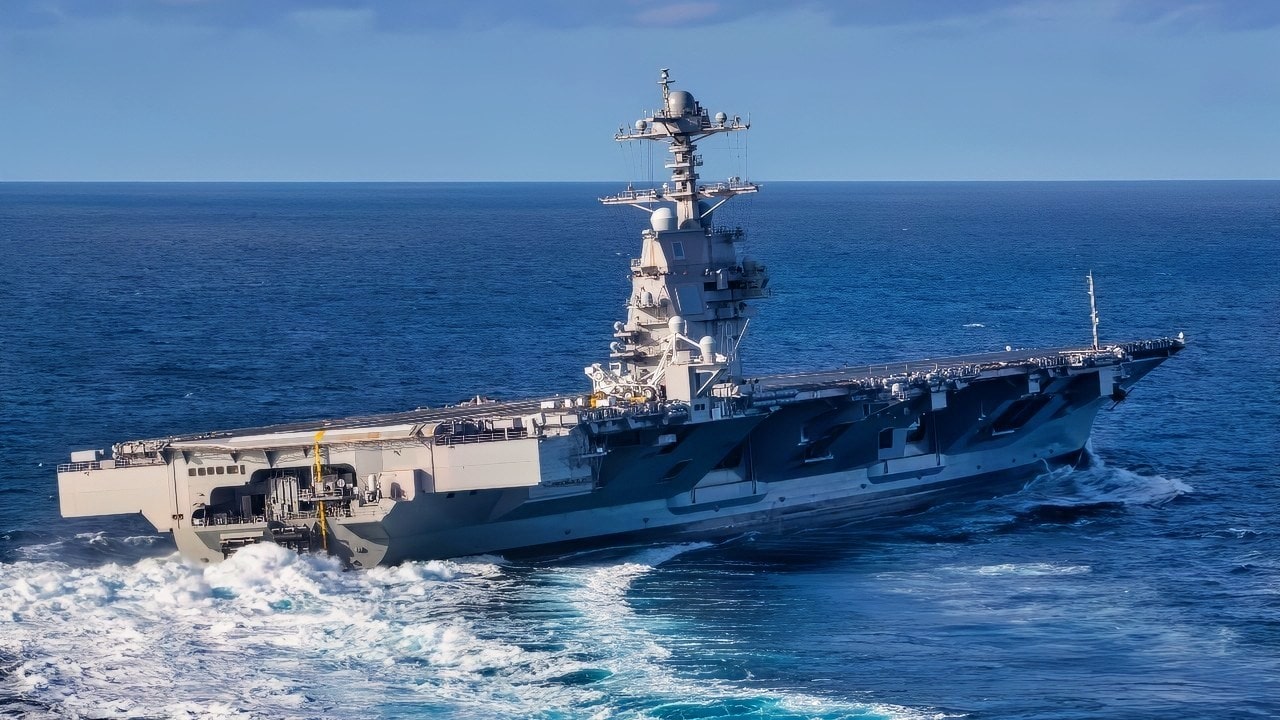
The Ford Aircraft Carrier Borrowed Its Vacuum Sewage System From the Cruise Ship Industry — Cruise Ships Don’t Run 19-Hour Combat Operations
When the USS Gerald R. Ford(CVN-78) was officially commissioned on July 22, 2017, it was kind of a big deal, both literally and figuratively.
After all, she’s the lead ship of the United States Navy‘s Ford-class nuclear-powered supercarriers, not to mention the holder of twin records as the world’s largest aircraft carrier and the largest warship of any type ever constructed.
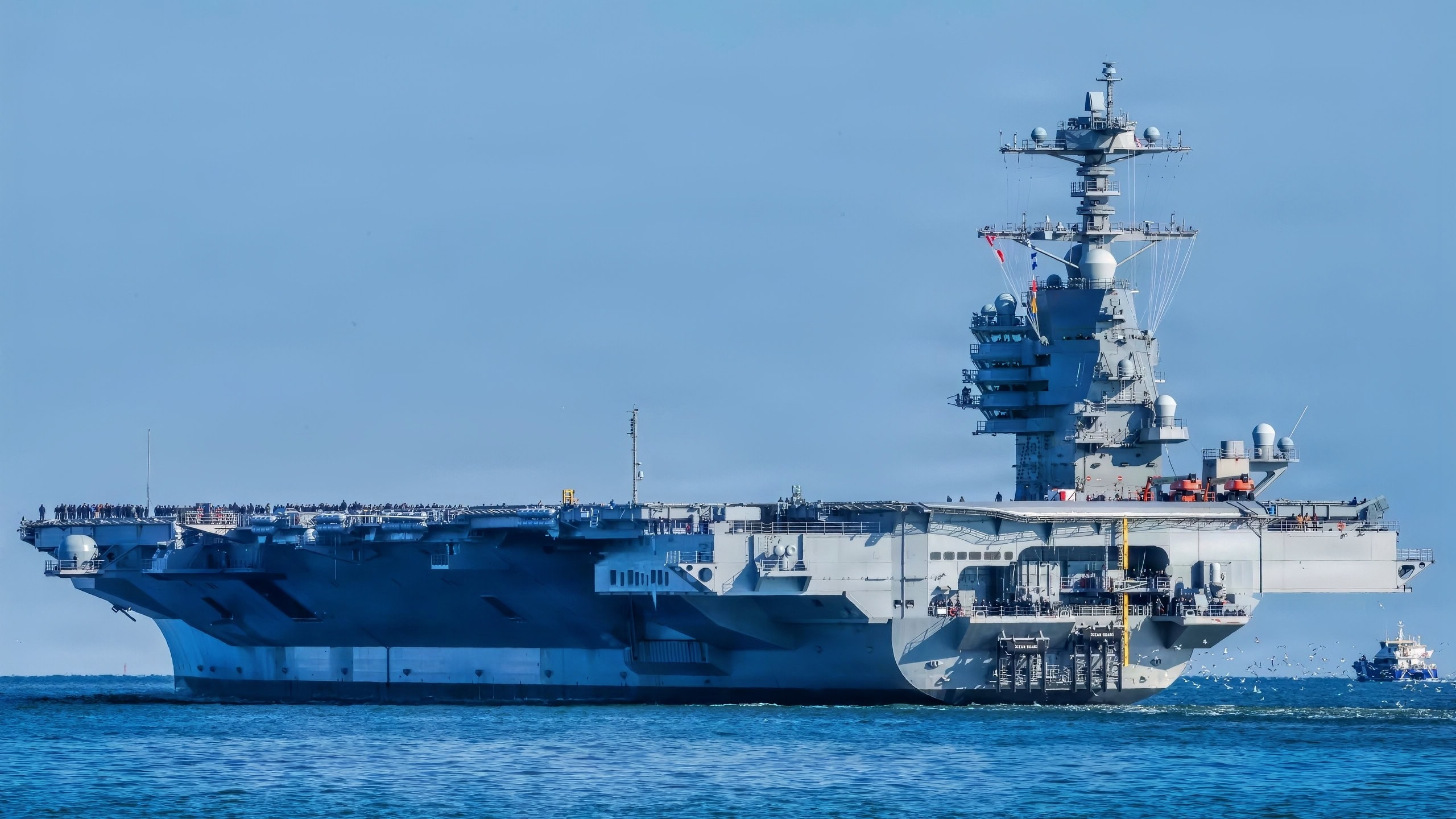
Pre-Commissioning Unit John F. Kennedy (CVN 79) transits the James River as the ship departs for Builder’s Trials, Jan. 28, 2026. Builder’s Trials provide an opportunity to test ship systems and components at sea for the first time, and make required adjustments prior to additional underway testing. (U.S. Navy photo by Mass Communication Specialist Seaman Jayden Howard)
And she and her intrepid crew (no pun intended) quickly earned her spurs in combat, from Venezuela to Iran.
However, those heroic combat actions have come at a price, from record-setting deployment extension–which has taken its toll on her crew, both psychologically and physically–to a shipboard fire that has put the Ford out of action and thus left the Navy facing a shortage of “flattops” to fight Iran.
So then, for all of the new warship’s fantastic technological capabilities, has CVN-78 been asked to do too much too soon?
The Little Things Go a Long Way for an Aircraft Carrier
For all those great technological capabilities (more on these in a bit), it’s some of the more mundane facets of the Ford that have proved to be such malingering maladies:
One of these mundane yet maddening maladies was a sewage problem that backed up the ship’s heads (toilets).
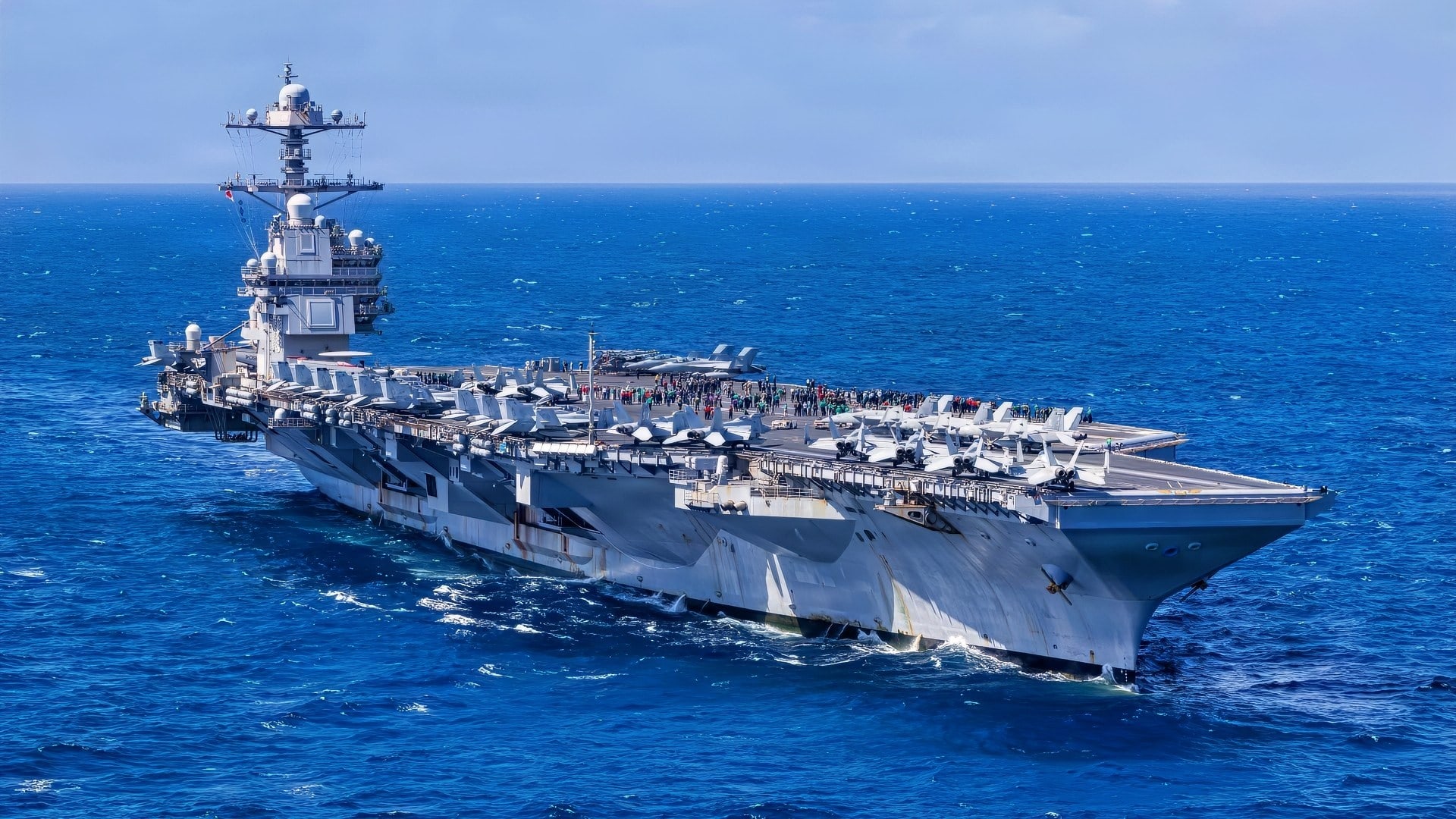
The world’s largest aircraft carrier, Ford-class aircraft carrier USS Gerald R. Ford (CVN 78), transits the Caribbean Sea during Carrier Air Wing 8’s aerial change of command ceremony, Jan. 19, 2026. U.S. military forces are deployed to the Caribbean in support of the U.S. Southern Command mission, Department of War-directed operations, and the president’s priorities to disrupt illicit drug trafficking and protect the homeland. (U.S. Navy photo)
As described by NPR reporter Steve Walsh, “It cost $13 billion, and it includes a number of new systems that hadn’t been fully tested on Navy warships. The vacuum sewage system was borrowed in part from the cruise ship industry. It uses less water. But cruise ships are very different from warships, and the crew is struggling to keep up with repairs…sailors were working 19 hours a day to track down and fix leaks.”
As for that aforementioned fire, it (fortunately) didn’t flare up in any of the aircraft hangars or the munitions storage areas, but rather in the aft laundry room.
It caused injuries to three sailors, with 200 of the unfortunate trio’s shipmates treated for smoke inhalation, and it also destroyed mattresses, forcing many of the Ford’s seamen to sleep on the floor or on tables.
Say What, No Stealth F-35C on the USS Gerald R. Ford ?
Much ado has been made of Ford’s newfangled Electromagnetic Aircraft Launch System (EMALS), which differs from the traditional steam catapult used on older carriers such as the Nimitz class by using stored kinetic energy and solid-state electrical power conversion, which permits a high degree of computer control, monitoring, and automation.
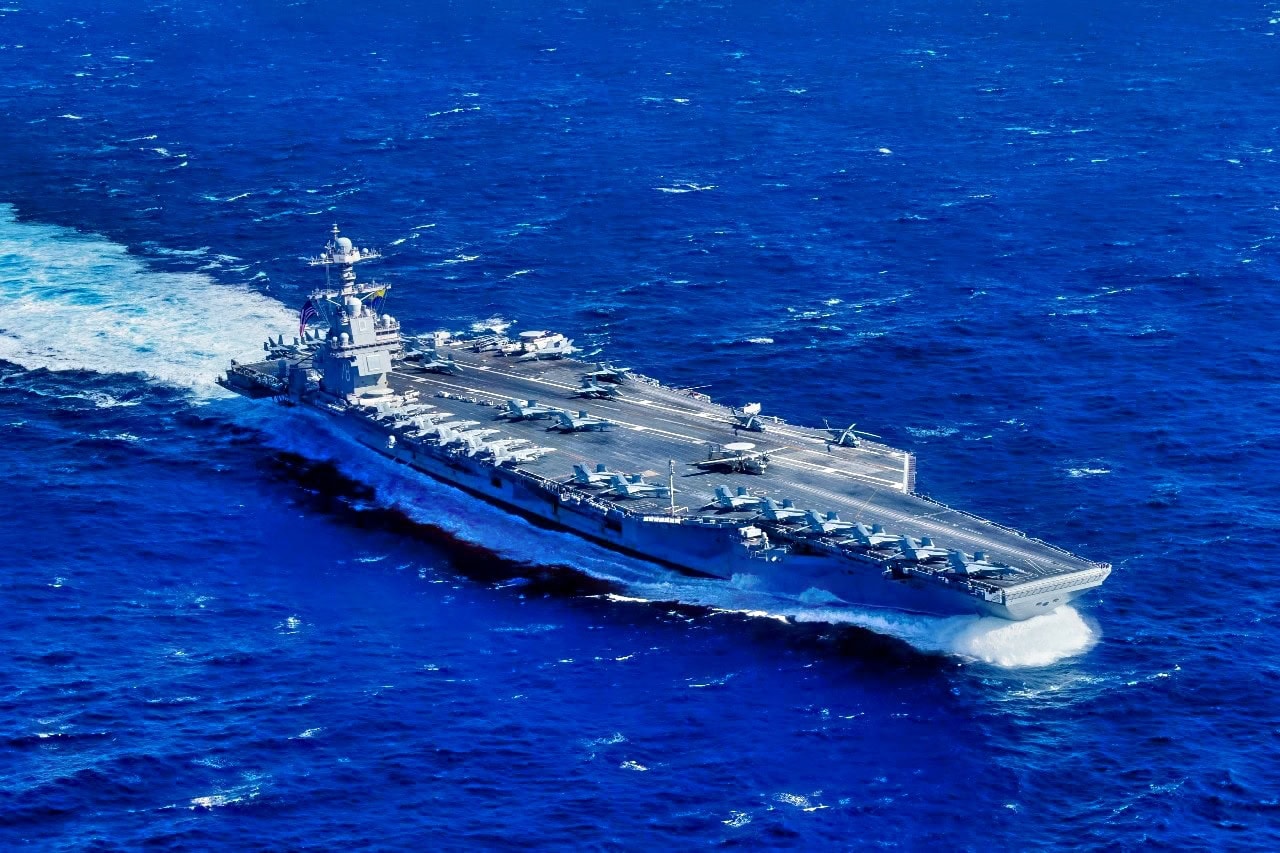
The world’s largest aircraft carrier, USS Gerald R. Ford (CVN 78), sails in formation with the Arleigh Burke-class guided missile destroyers USS Winston Churchill (DDG 81), USS Mitscher (DDG 57), USS Mahan (DDG 72), USS Bainbridge (DDG 96), and USS Forrest Sherman (DDG 98) in the Atlantic Ocean, Nov. 12, 2024. The Gerald R. Ford Carrier Strike Group is underway in the Atlantic Ocean completing Group Sail. Group Sail is the first at-sea integrated phase training event during a routine deployment training cycle. It is designed to challenge the Gerald R. Ford CSG’s ability to use the capabilities of the USS Gerald R. Ford (CVN 78), USS Winston S. Churchill (DDG 81), Carrier Air Wing (CVW) 8, Destroyer Squadron (DESRON) 2, and embarked Information Warfare team as a cohesive Strike Group to meet Navy and Joint Warfighting requirements that increases warfighting capability and tactical proficiency across all domains. (U.S. Navy photo by Mass Communication Specialist 2nd Class Maxwell Orlosky)
Yet as impressively high-tech as EMALS is, as these words are being typed, it’s not yet capable of launching the Navy’s most sophisticated warplane, the F-35C Lightning II 5th Generation stealth fighter.
A February 25, 2026, report in Forbes notes that the newest supercarrier “has yet to receive the upgrades necessary to operate with the carrier-based variant of the fifth-generation stealth fighter.”
Of course, that doesn’t mean that the Ford will be upgraded with F-35 compatibility in the near future, especially since she’s undergoing repairs right now anyway.
Historical Precedents
Before all you naysayers out there wag your fingers too vigorously and prematurely pronounce the USS Gerald R. Ford a failure, you need to gain a proper sense of historical perspective.
The U.S. Armed Forces are historically chock-full of now-respected weapon systems that went through initial major growing pains and teething issues and were thus initially written off by many pundits as pieces of junk:
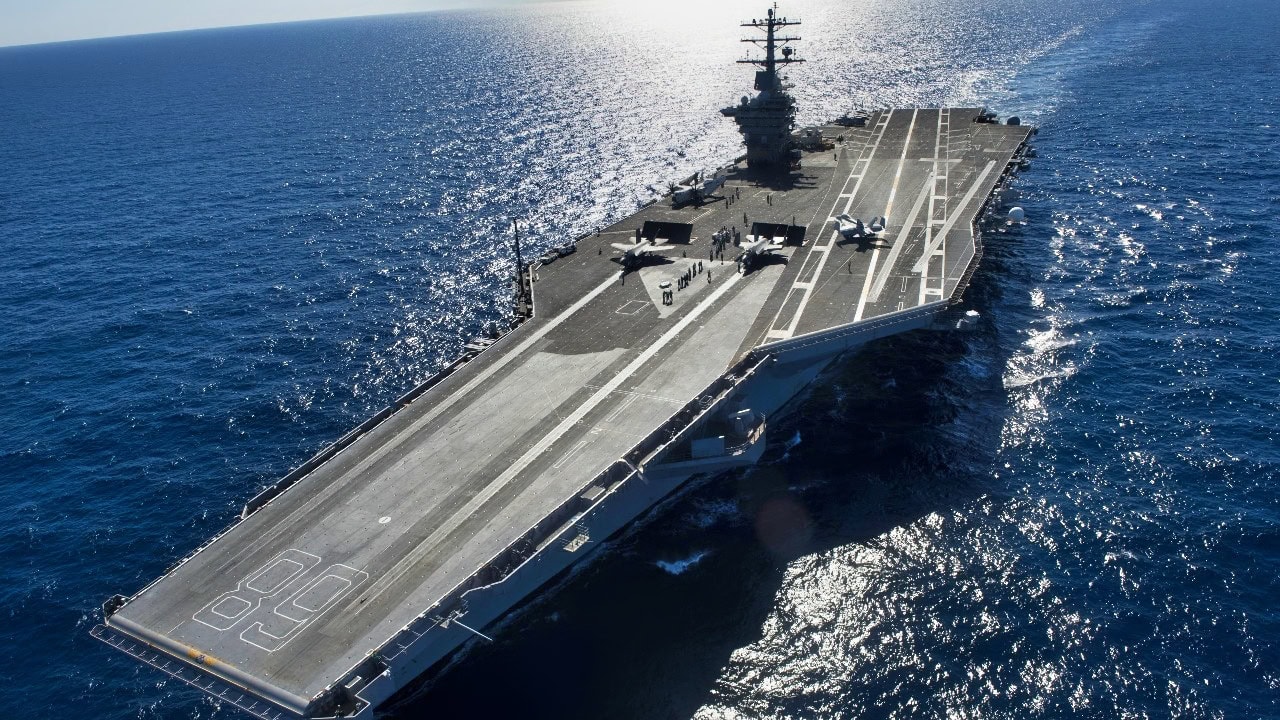
Ford-Class. Image Credit: Creative Commons.
-The Curtiss SB2C Helldiver dive bomber of World War II was supposed to be a cut above the Douglas SBD Dauntless dive bomber that preceded it (you know, the plane that sank four Imperial Japanese Navy [IJN] aircraft carriers during the tide-turning Battle of Midway).
Yet the Helldiver had such a hellish start that it took a whopping 880 changes to fix it! Cynicalaircrews joked that “SB2C” stood for “Son of a B*tch 2nd Class.”
Yet the plane persevered, making history in a big way by contributing heavily to the sinking of the IJN super-battleships Yamato and Musashi.
-The AH-64 Apache attack helicopter has been serving the U.S. Army capably for four decades (and is still kicking butt in Iran). Yet back in late 1990, the CBS-TV news show 60 Minutes ran a damning report, making it out to be a woefully worthless whirlybird.
And even after the chopper proved its effectiveness during the 1991 Persian Gulf War, aka Operation Desert Storm, its vaunted chain gun had lingering reliability problems. Yet the Apache and its gun are still with us today.
-The Bradley Fighting Vehicle is another war machine that first proved its worth in Desert Storm, wherein in ended up destroying more of Iraqi dictator Saddam Hussein’s tanks than the vaunted M1 Abrams main battle tank. And it continues to demonstrates its value today in the seemingly never-ending Russia-Ukraine War. Yet back in the 1980s, the mainstream media made it out to be a hopeless death trap.

M2 Bradley. Image Credit: Creative Commons.
As Kenneth Merchant, who served as an armor officer in the U.S. Army from 1983 to 1992, summed it up bluntly in a 2019 Quora post, “I remember after the first Gulf War marveling that all of these systems had performed better than anyone had expected. And I realized that if ABC, CBS, HBO and their fellow travelers had had their way we would have had none of them for that war.”
-Everybody loves and fondly remembers the F-14 Tomcat fighter jet, thanks to the Top Gun film franchise.
And it truly was a deadly effective warplane, in U.S. Navy and Islamic Republic of Iran Air Force hands alike.
Yet early on, its Pratt & Whitney TF30 engines had problems with engine stalls, and the jet also had a propensity for flat spins, as dramatized in Goose’s tragic death scene in the first Top Gun film. Yet those bugs were eventually worked out, enabling the Tomcat to remain in USN service until 2006.
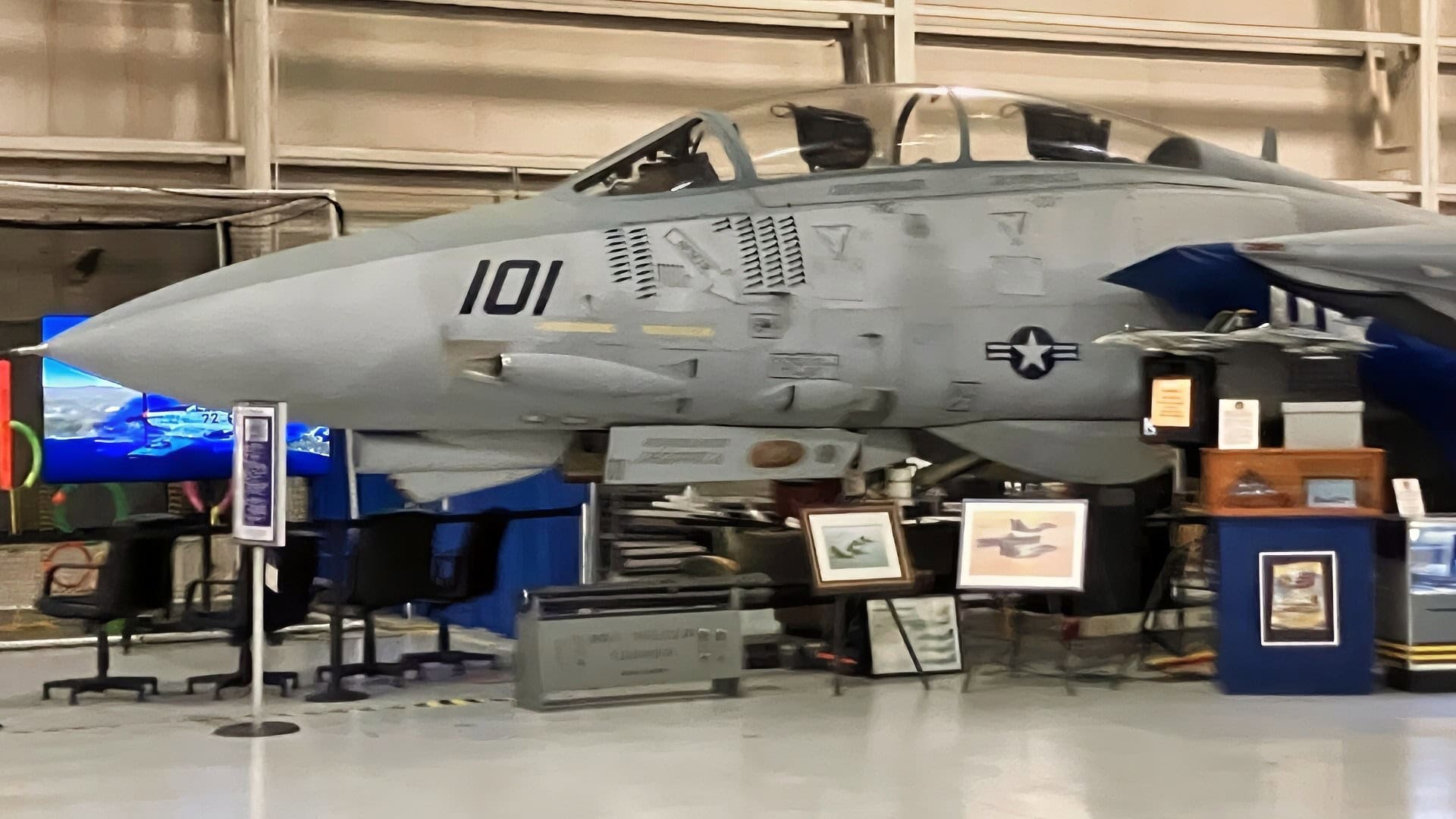
Aviation Museum of Kentucky F-14 Tomcat. Image Credit: 19FortyFive author Christian D. Orr. Taken on March 1, 2026.
So, let’s not write off the USS Gerald R. Ford as a lost cause just yet. Capisce?
BONUS Photo Essay: Meet the USS Gerald R. Ford
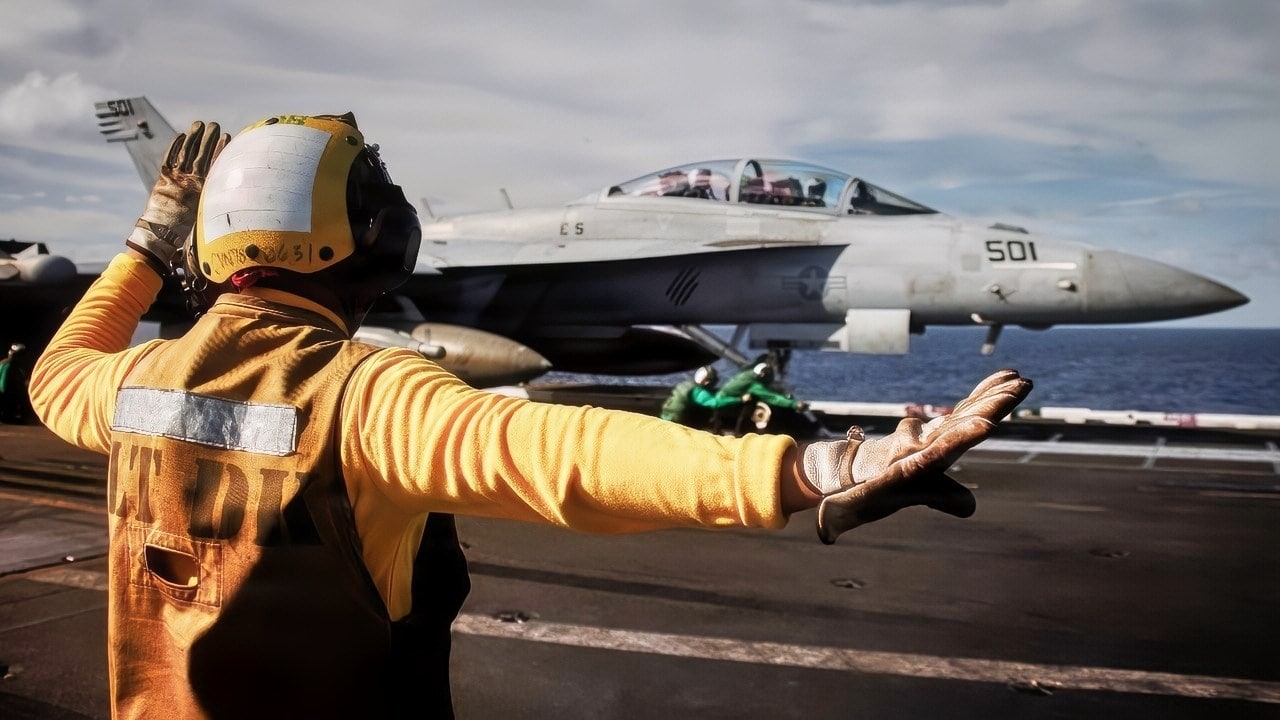
A U.S. Sailor signals to send the aircraft catapult shuttle forward on the flight deck of the world’s largest aircraft carrier, Ford-class aircraft carrier USS Gerald R. Ford (CVN 78), while underway in the Caribbean Sea, Jan. 11, 2026. U.S. military forces are deployed to the Caribbean in support of the U.S. Southern Command mission, Department of War-directed operations, and the president’s priorities to disrupt illicit drug trafficking and protect the homeland. (U.S. Navy photo)
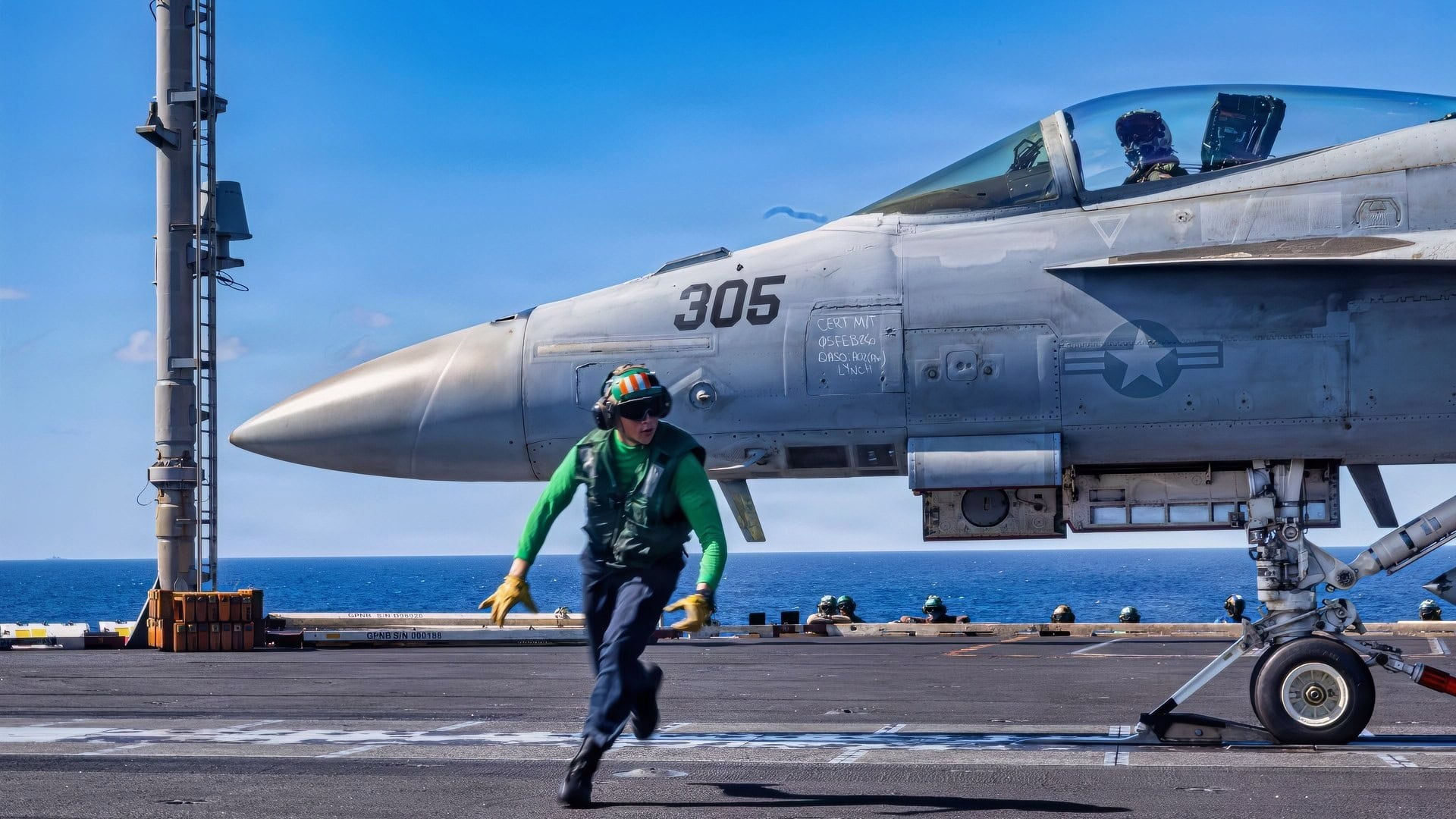
A U.S. Sailor moves behind a flight deck foul line before the launch an F/A-18E Super Hornet aircraft, attached Strike Fighter Squadron 31, from the flight deck of the world’s largest aircraft carrier, Ford-class aircraft carrier USS Gerald R. Ford (CVN 78), while underway in the Caribbean Sea, Feb. 5, 2026. U.S. military forces are deployed to the Caribbean in support of the U.S. Southern Command mission, Department of War-directed operations, and the president’s priorities to disrupt illicit drug trafficking and protect the homeland. (U.S. Navy photo)
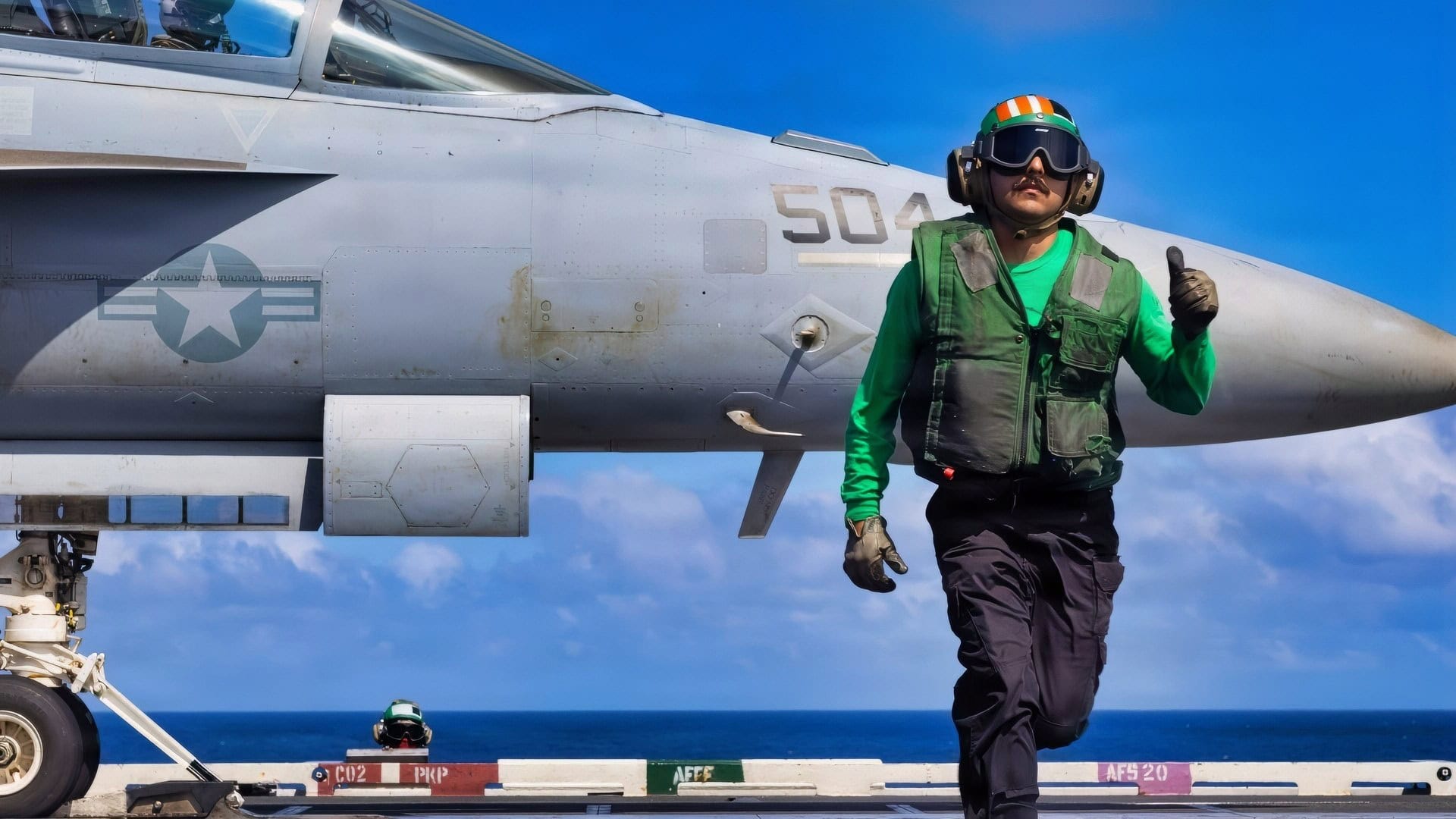
A U.S. Sailor signals the launch of an E/A-18G Growler aircraft, attached to Electronic Attack Squadron 142, from the flight deck of the world’s largest aircraft carrier, Ford-class aircraft carrier USS Gerald R. Ford (CVN 78), while underway in the Caribbean Sea, Jan. 31, 2026. U.S. military forces are deployed to the Caribbean in support of the U.S. Southern Command mission, Department of War-directed operations, and the president’s priorities to disrupt illicit drug trafficking and protect the homeland. (U.S. Navy photo)
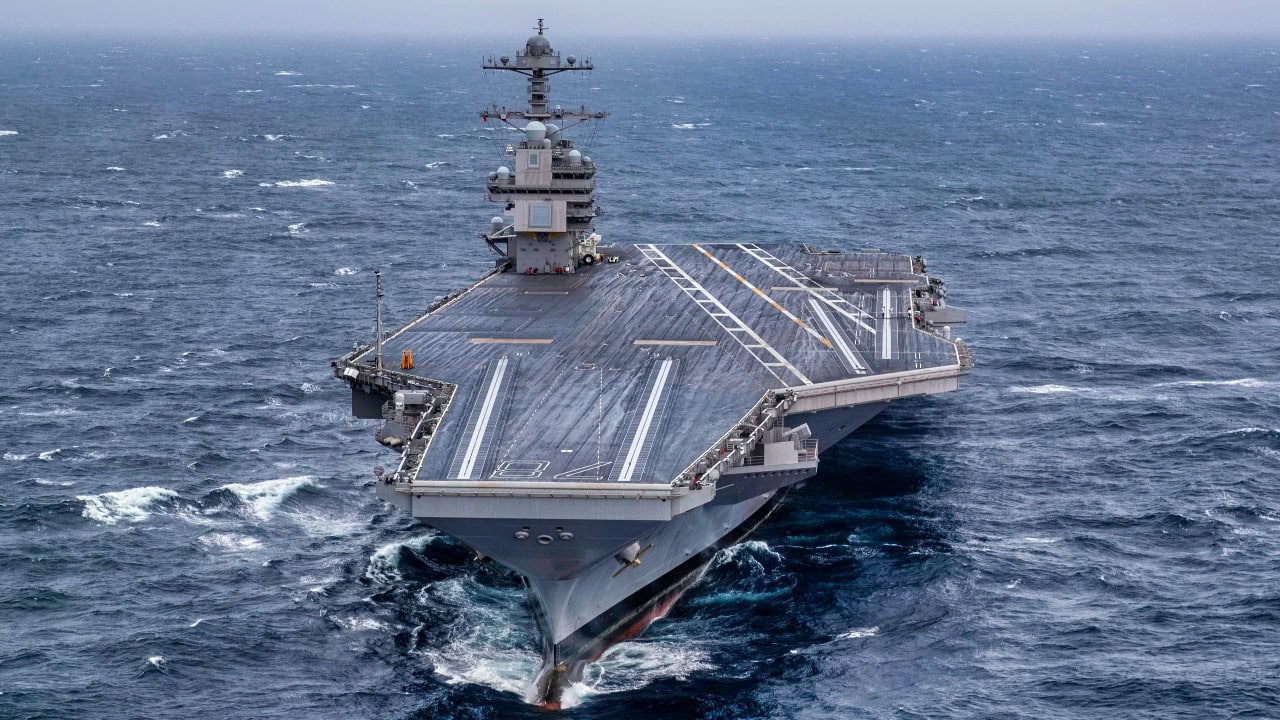
ATLANTIC OCEAN (Oct. 27, 2019) USS Gerald R. Ford (CVN 78) steams in the Atlantic Ocean for the first time since July 2018. Ford is conducting sea trials following its 15 month post-shakedown availability. (U.S. Navy photo by Mass Communication Specialist 3rd Class Connor Loessin)
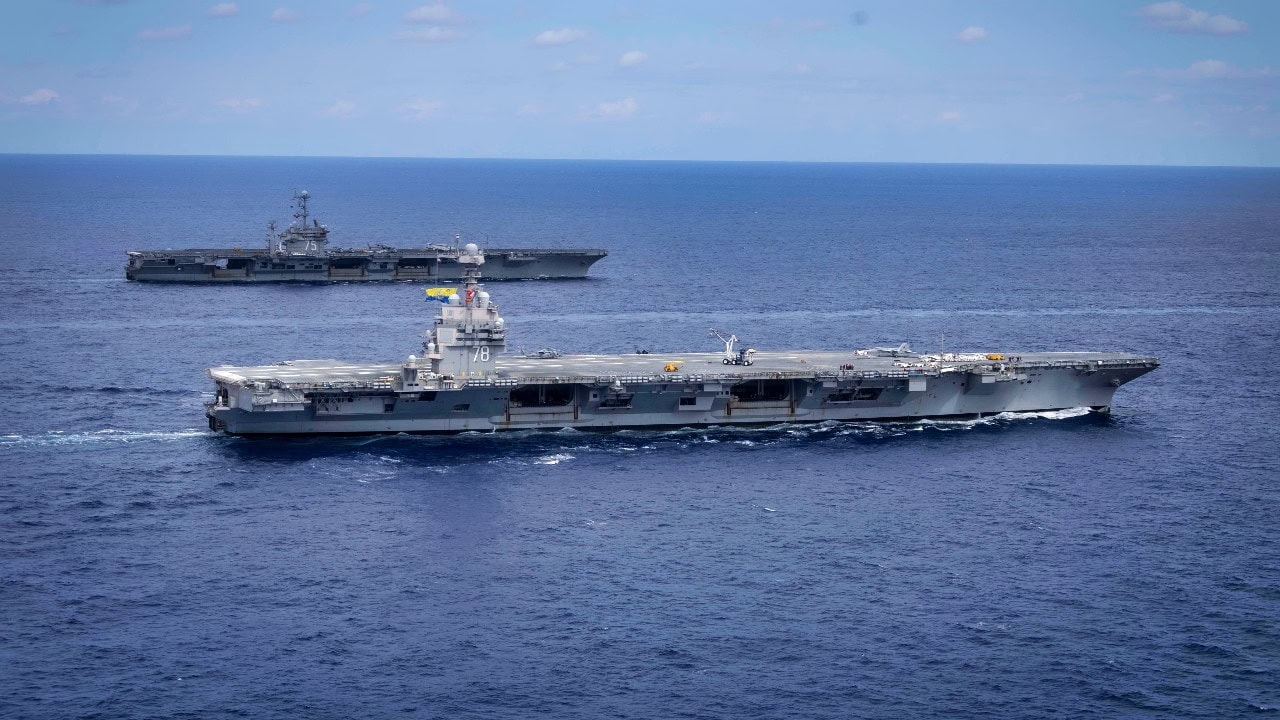
ATLANTIC OCEAN. (Aug. 24, 2024) The Nimitz-class aircraft carriers USS Harry S. Truman (CVN 75), back, and the world’s largest aircraft carrier, USS Gerald R. Ford (CVN 78), sail in formation in the Atlantic Ocean, Aug. 24, 2024. USS Gerald R. Ford is the flagship of the Gerald R. Ford Carrier Strike Group. The aircraft carrier is underway in the Atlantic Ocean to further develop core unit capabilities and skills such as fuels certification and ammunition on-load during its basic phase of the optimized fleet response plan. (U.S. Navy photo by Mass Communication Specialist 2nd Class Maxwell Orlosky).
About the Author: Christian D. Orr, Defense Expert
Christian D. Orr is a Senior Defense Editor. He is a former Air Force Security Forces officer, Federal law enforcement officer, and private military contractor (with assignments worked in Iraq, the United Arab Emirates, Kosovo, Japan, Germany, and the Pentagon). Chris holds a B.A. in International Relations from the University of Southern California (USC) and an M.A. in Intelligence Studies (with a concentration in Terrorism Studies) from American Military University (AMU). He is also the author of the book “Five Decades of a Fabulous Firearm: Celebrating the 50th Anniversary of the Beretta 92 Pistol Series,” the second edition of which was recently published.