
On April 7, 2026, the US and Iran agreed to a two-week ceasefire, which paused 40 days of high-intensity conflict that often seemed poised to spill into a full-scale regional war. Reacting to the news, markets rallied immediately, with oil prices dropping. Skeptics have questioned the merits of the ceasefire.
But the ceasefire was a necessary de-escalation given the conflict’s dangerous trajectory, including the prospect of deploying ground troops. The more interesting question is whether the war was strategically worthwhile in the first place.
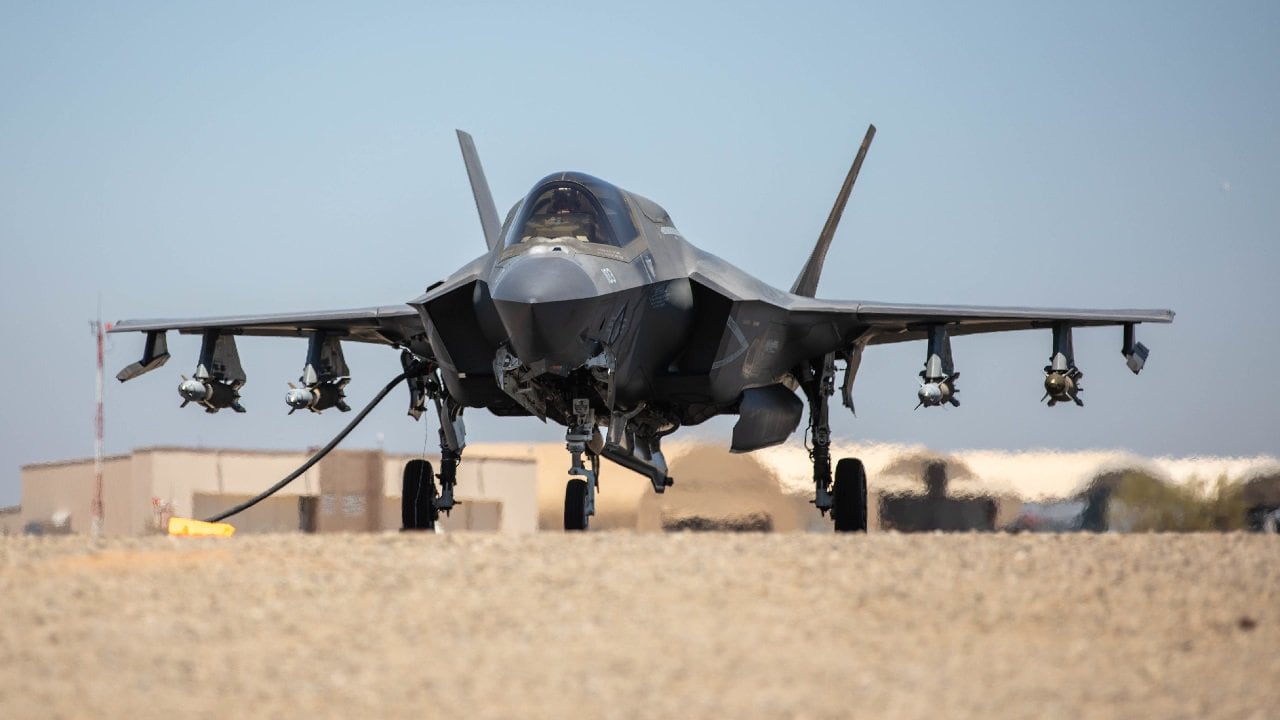
U.S. Marines with Marine Wing Support Squadron 371 , Marine Air Control Group 38, 3rd Marine Aircraft Wing (MAW), refuel a U.S. Marine Corps F-35B Lightning II with Marine Fighter Attack Squadron 225, Marine Aircraft Group (MAG) 13, 3rd MAW, on a Forward Arming and Refueling Point at U.S. Army Yuma Proving Grounds, Yuma, Arizona, May 23, 2022. The weapons configuration consists of six inert GBU-12 bombs, four mounted onto the wings and two loaded into the weapons bay, as well as an AIM-9X air-to-air training missile. MAG-13 forces are capable of conducting Offensive Air Support, Antiair Warfare, and Aviation Reconnaissance from expeditionary sites in any clime and place. (U.S. Marine Corps photo by Sgt. Samuel Ruiz)
Terms of the Ceasefire
The core agreement is a 14-day halt in offensive operations. The Strait of Hormuz will be reopened, with negotiations scheduled in Islamabad. Both sides are framing the ceasefire as a political win, with the US claiming general victory and Iran claiming a resistance success.
But both sides claiming victory suggests neither has exactly achieved their desired, decisive resolution.
Pros of the Ceasefire
The escalation risk was real. Trump’s rhetoric was becoming increasingly unhinged, signaling an expansion of the target set to include civilian infrastructure. The risk of ground operations was also real; plans were in place to seize and occupy Kharg Island, which would have meant boots on the ground, crossing a significant threshold, and entering a new phase in the war.
With the US population wary of another protracted Middle Eastern conflict, the ceasefire is welcome news.
Epic Fury was already expanding geographically, risking a regional war.
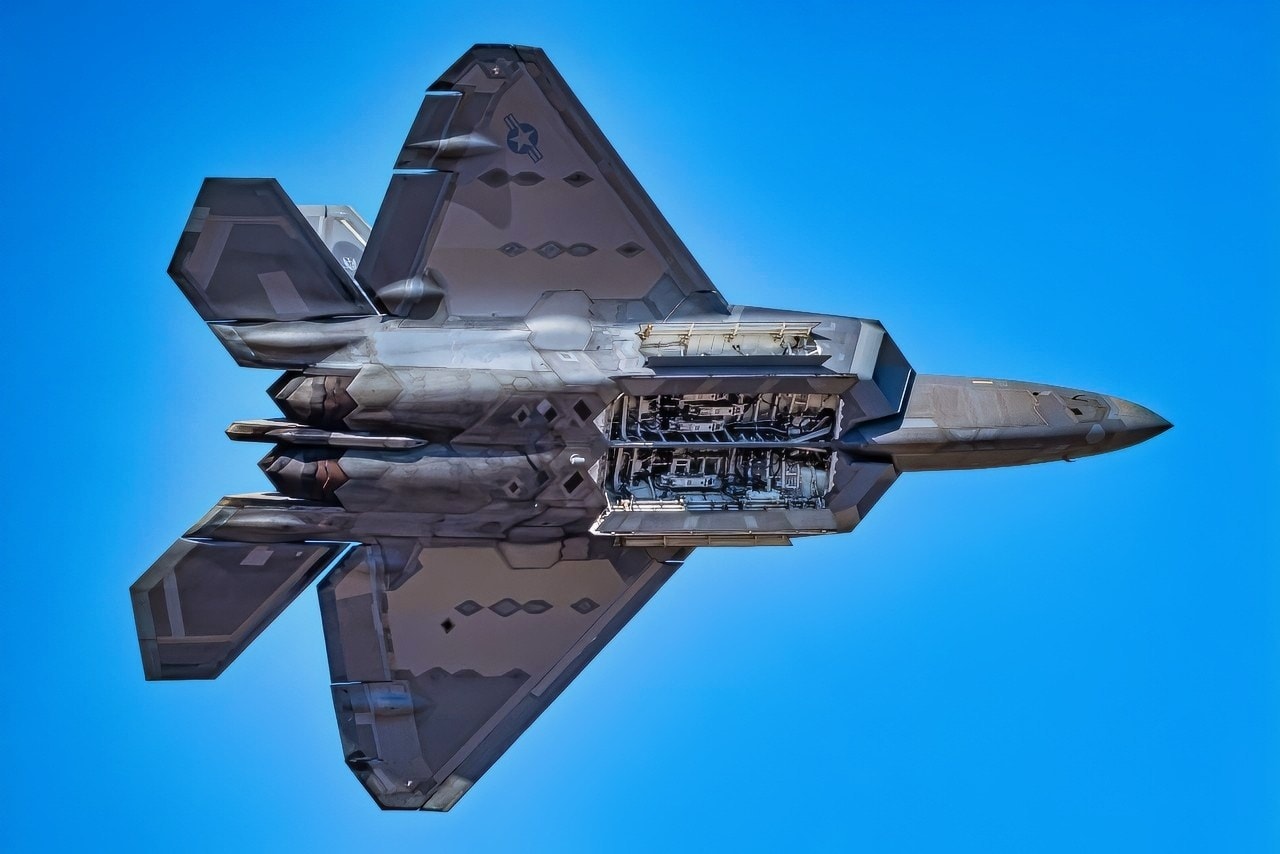
U.S. Air Force Maj. Joshua “Cabo” Gunderson, F-22 Raptor Demonstration Team commander and pilot, preforms the weapons bay door pass during rehearsal for the 2022 FIDAE Air & Trade Show, April 3, 2022 in Santiago, Chile. The F-22 Raptor is a multi-role air dominance stealth fighter that can carry of combination of air-to-air missiles and GPS guided bombs. (U.S. Air Force photo by Staff Sgt. Don Hudson)
The most immediate impact of the ceasefire is economic: oil prices dropped, helping to assuage global economic instability caused by the war and the closure of the Strait of Hormuz. In short, the ceasefire may well have prevented the transition from a limited strike campaign into an open-ended conflict. That’s a win.
Diminished Returns
The US has already achieved significant tactical wins, including the destruction of Iran’s navy, political leadership, missile infrastructure, and nuclear infrastructure. The extent of the destruction remains unclear, and Iran may have retained the ability to regenerate quickly.
But in terms of what is possible from airstrikes and remote warfare, the US has already accomplished what is feasible.
And as the conflict drags on, high-value targets will be increasingly hard to find; they have mostly already been targeted, meaning the ongoing air campaign offers only diminished returns at this point, with achievable value already achieved.
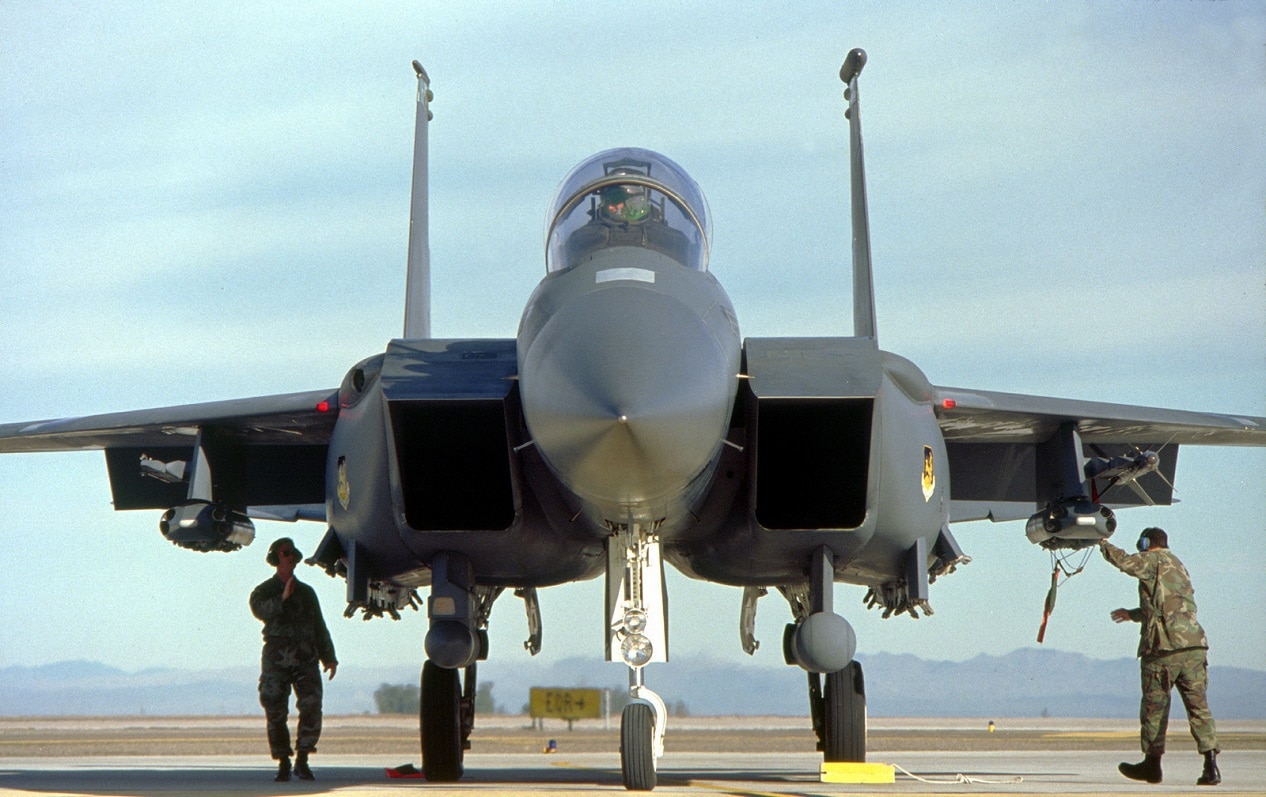
Staff Sgt. Dave Smith and Senior Airman John Pusieski from the 58th Operational Support Squadron, 58th Fighter Wing, peform last-minute checks and arm practice bombs on an F-15E Eagle aircraft from the 461st Fighter Squadron.
Risks of Continuing
Trump was threatening to target civilian infrastructure, potentially a war crime.
The risk of ground operations was also rising, as stand-off strikes had achieved what they were intended to. Iran’s response was asymmetric, depending on drones, missiles, and proxies—tactics and tools that were hardy enough to persist amidst ongoing US efforts.
The trajectory here had quagmire potential, with an unclear exit strategy, hard-to-verify objectives, and asymmetric resilience. Continuing the war could have morphed into an indefinite conflict, which would have marked the third such conflict in the Middle East in the 21st century—something that did not suit the US’s strategic goals nor the US public’s patience.
Was the War Worth It?
Now, with the war potentially winding down, the question inevitably becomes: was the war worth it?
Proponents will argue that Operation Epic Fury degraded the Iranian military, delayed the nuclear timeline, and demonstrated US resolve and capabilities.
But the costs were real, causing a global energy shock, economic disruption, and a significant strategic distraction.
Focus—and resources—were diverted from the Indo-Pacific, where the US has legitimate security and strategic objectives; wasting Tomahawk stockpiles and general treasure on Iran was likely a benefit to Russia and China.

A U.S. Air Force F-15E Strike Eagle performs a flare check over the U.S. Central Command area of responsibility, March 9, 2025. The F-15E is deployed within the CENTCOM AOR to help defend U.S. interests, promote regional security, and deter aggression in the region. (U.S. Air Force photo by Senior Airman Zachary Willis)
So the war arguably solved short-term problems while creating longer-term ones, globally and in Iran, where nuclear infrastructure likely persists and will be regenerated in a more secretive and anti-American climate, with an IRGC leadership that has likely been further radicalized in response to Epic Fury.
Moving Forward
Core issues remain unresolved—but the ceasefire offers a strategic pause and realistic off-ramp. Hopefully, the Trump administration can appreciate the opportunity presented, despite falling short of total, comprehensive victory, as a timely off-ramp. The ceasefire was a rational decision that should be leveraged to end a conflict that had questionable strategic value.
About the Author: Harrison Kass
Harrison Kass is a writer and attorney focused on national security, technology, and political culture. He holds a JD from the University of Oregon and an MA in Global & Joint Program Studies from NYU. His work has appeared in City Journal, The Hill, Quillette, The Spectator, and The Cipher Brief. More at harrisonkass.com.