
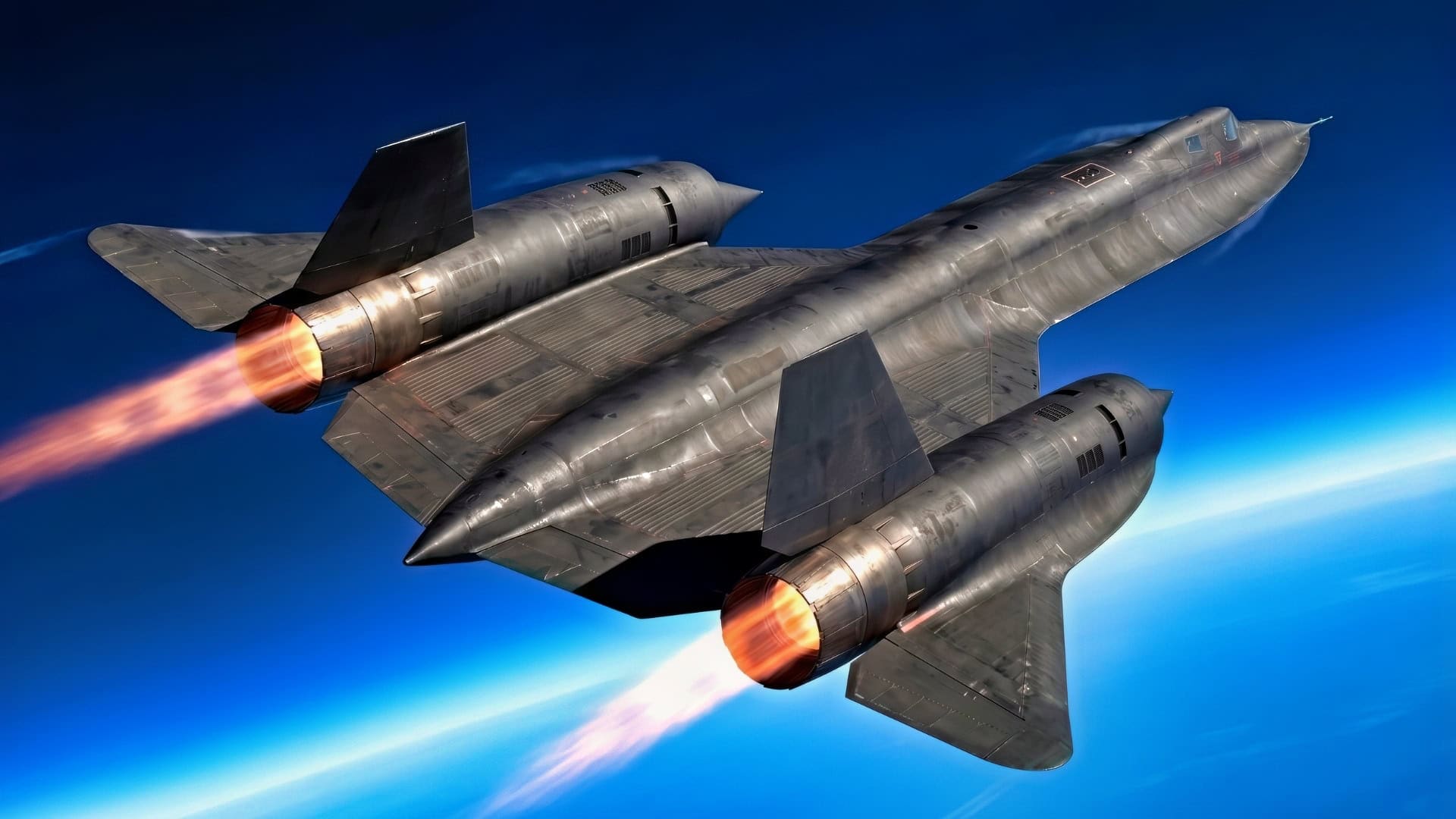
Summary and Key Points: On April 15, 1986, Maj. Brian Shul crossed Muammar Qaddafi’s self-declared “Line of Death” over the Gulf of Sidra at 2,125 miles per hour, piloting SR-71 Blackbird tail number 64-17960 on a bomb damage assessment run following Operation El Dorado Canyon. It was the fastest flight any SR-71 ever flew, exceeding the aircraft’s standard Mach 3.2 engine temperature limit and requiring a special wartime emergency authorization from the U.S. Air Force that raised the J58 engine temperature cap from 427°C to 450°C.
The SR-71 Blackbird Was Never Going to Lose
In an early scene in the 2022 movie Top Gun: Maverick, Tom Cruise’s Maverick pilots a Lockheed Martin Darkstar, taking it all the way to Mach 10.
The Darkstar from the film was inspired by certain Lockheed designs that never got past the prototype stage. including the SR-72, which was planned as the successor to the SR-71 Blackbird.
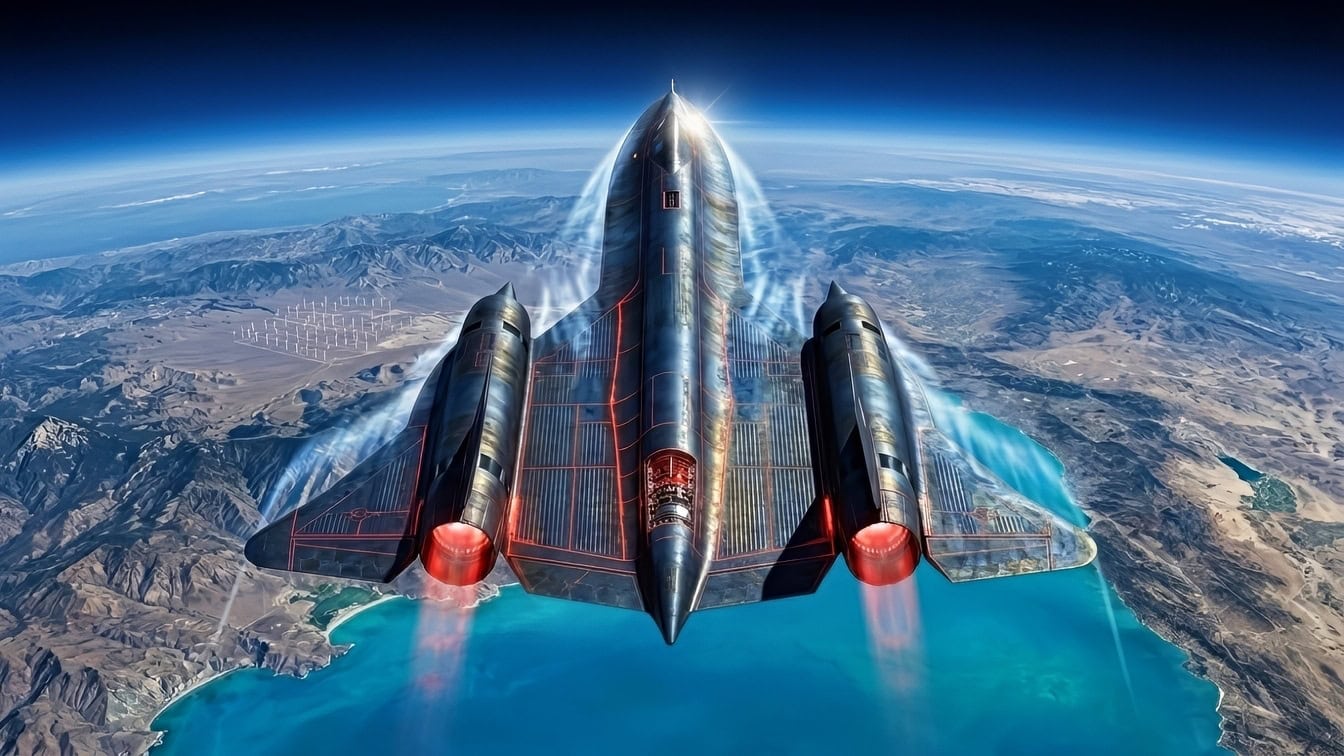
SR-71 Blackbird Hitting Mach 3. Image Credit: Banana Nano.
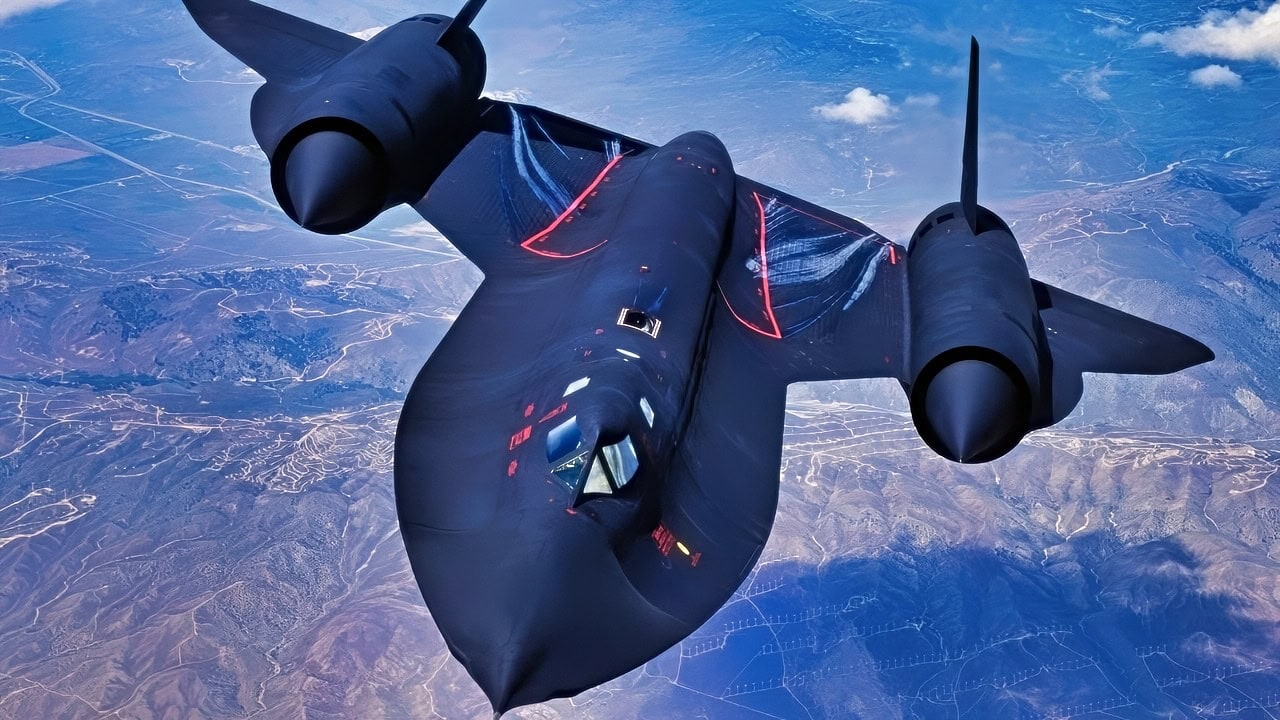
SR-71 Mach 3. Image Credit: Creative Commons.
The film’s production designer, Jeremy Hindle, told Variety at the time that the production worked with Lockheed’s famous Skunk Works.
“The greatest challenges were making sure that every inch of it was as real as possible and getting it built on time. It had to look mean, fast, and it needed to be capable of reaching Mach 10, in theory,” the designer said. Others have explored the physics of how flying at Mach 10 could be possible, with a human at the controls. And with the news this week that a third Top Gun movie is in development, perhaps we’ll get to see Maverick fly even faster.
In real life, no manned plane has ever really been able to fly Mach 10, although NASA’s unmanned X-43A has come close.
How fast could the SR-71 Blackbird spyplane fly? One flight, 40 years ago this week, went beyond most established limits.
The Blackbird’s Top Speed
This week, Aviation Geek Club looked at that question.
“Today, there are many rumors about just how fast the SR-71 could go,” the Geek Club story says. “The J58 engine temperature limited the top speed. The airplane’s speed limit, ironically, had nothing to do with the airframe; it was determined by the engines. Right in front of the engine compressor was a temperature probe that reported the temperature to the pilot; when the temperature was around 427°C, 800°Fahrenheit, that’s as fast as they were allowed to go.”
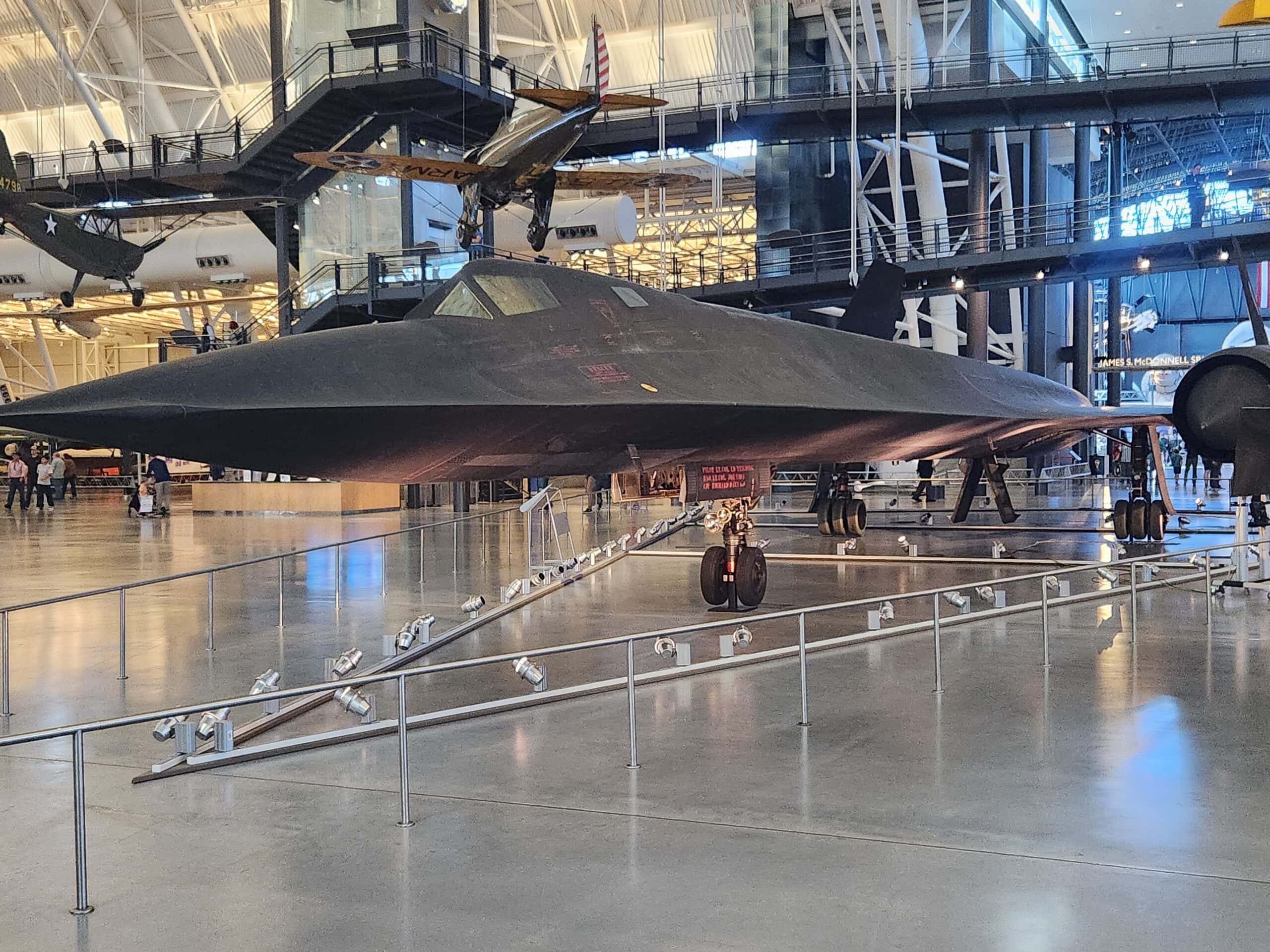
SR-71 from 19FortyFive.com original picture archive. Image taken at the Smithsonian.
However, there was one example, per that account, of the Blackbird flying faster than usual.
And that was during Operation El Dorado Canyon in 1986, which marked its 40th anniversary this week.
Operation El Dorado Canyon
The United States and Libya fell into conflict in 1986, during the presidency of Ronald Reagan, and during the longtime dictatorship of Muammar Gaddafi.
According to an account on the Air Force Historical Support Division website, it was the culmination of a long-simmering conflict.
“Since the 1960s, the relationship between the United States and Libya was marred by accusations of terrorist activity and charges of weapons smuggling and espionage,” the account said.
“Tensions between the two nations came to a head in 1986. In January of that year, the United States broke off diplomatic relations with Libya. In March, the U.S. Navy retaliated after Libyan forces launched surface-to-air missiles at Navy aircraft.
“ On April 2, 1986, the United States government blamed Libya for the deaths of four people who were killed when a bomb exploded on TWA flight 840 over Argos, Greece. Finally, terrorists bombed the La Belle Discotheque in West Berlin on April 5, killing one U.S. soldier and wounding more than 200 people.”
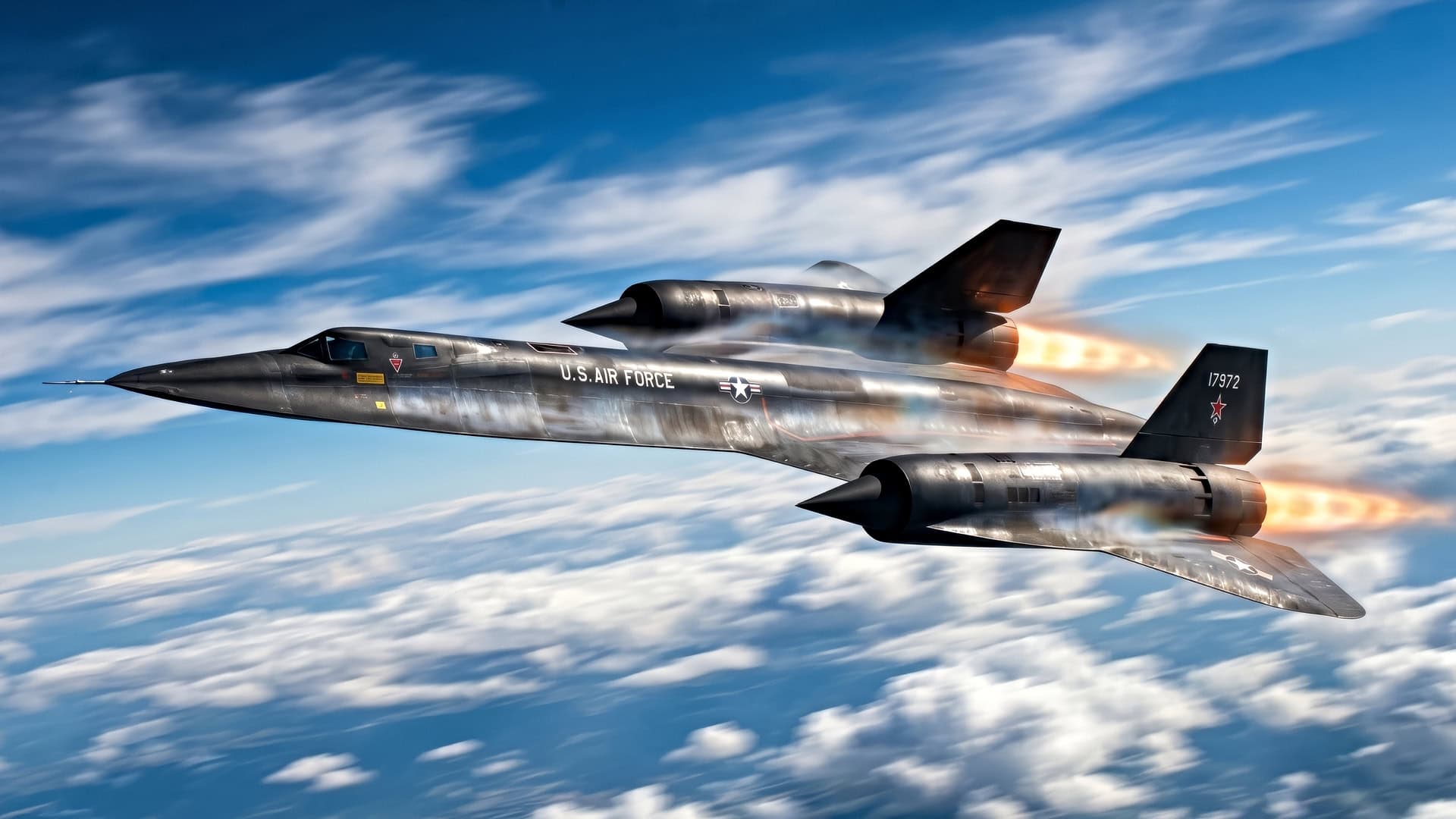
SR-71 Blackbird Mach 3.56. Image Credit: Banana Nano.
Then came Operation El Dorado Canyon, in which the U.S. bombed Libya in retaliation for the disco bombing. According to a History Channel account, the “attacks were mounted by 14 A-6E Navy attack jets based in the Mediterranean and 18 F-111 bombers from bases in England.”
“When our citizens are abused or attacked anywhere in the world,” Reagan said in an address that night. “We will respond in self-defense. Today we have done what we had to do. If necessary, we shall do it again.”
According to Aviation Geek Club, which cited Paul Crickmore’s new book “Lockheed Blackbird: Beyond the Secret Missions, The Missing Chapters,” the Blackbird was used for bomb damage assessment (BDA) following the initial bombing in Operation El Dorado Canyon. And for that mission, the Blackbird’s 427°C limitation was removed.
“A WARTIME EMERGENCY limit was established for Operation El Dorado Canyon: instead of the usual 427°C, the max was PUSHED UP to 450°C,” Aviation Geek Club said.
The same outlet reported in 2018 on a specific flight from that BDA operation, in which a Blackbird outran Libyan jets. The SR-71 #64-17960 was piloted by Maj. Brian Shul with RSO Maj. Walter Watson; Shul later wrote a book called “Sled Driver.”
“My duty was to fly over Libya and take photos recording the damage our F-111’s had inflicted,” Shul wrote. “Qaddafi had established a ‘line of death,’ a territorial marking across the Gulf of Sidra, swearing to shoot down any intruder that crossed the boundary. On the morning of April 15, I rocketed past the line at 2,125 mph.”
After crossing that line, the jet received a missile alert.
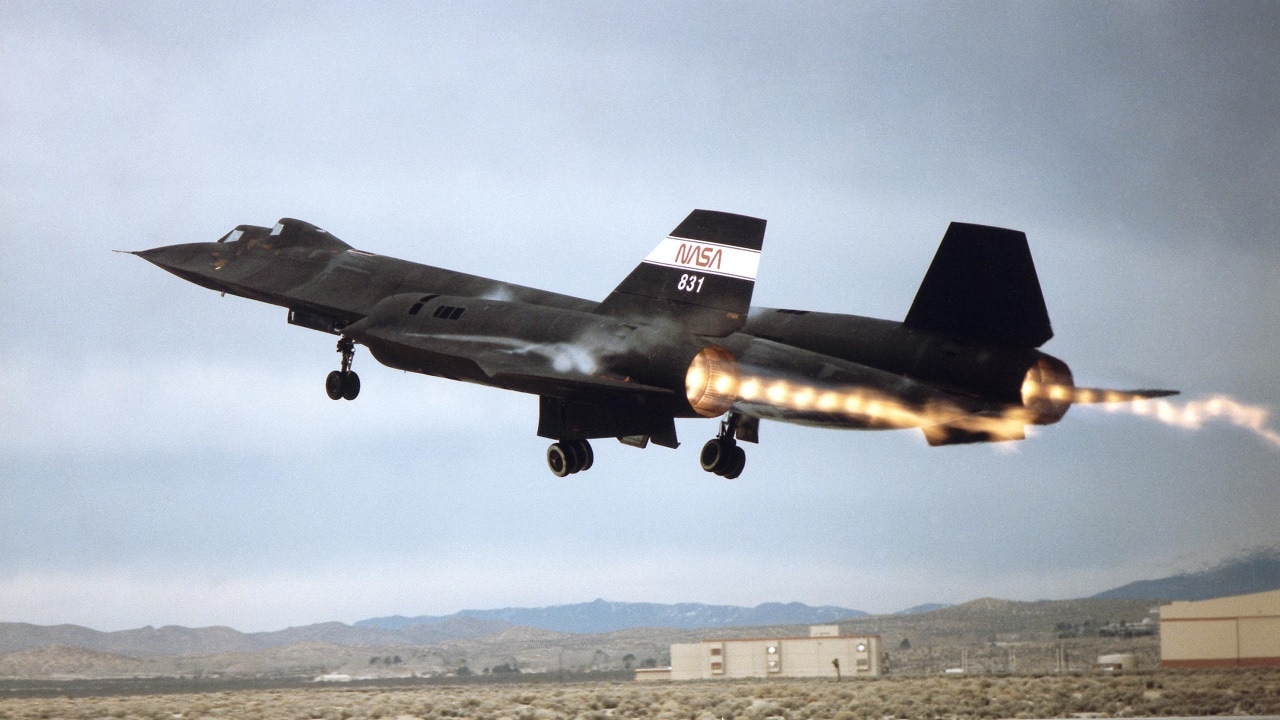
Image is of an SR-71 Spy Plane. Image Credit: Creative Commons.
“After several agonizingly long seconds, we made the turn and blasted toward the Mediterranean,” he wrote. “’You might want to pull it back,’ Walter suggested. It was then that I noticed I still had the throttles full forward. The plane was flying a mile every 1.6 seconds, well above our Mach 3.2 limit. It was the fastest we would ever fly. I pulled the throttles to idle just south of Sicily, but we still overran the refueling tanker awaiting us over Gibraltar.”
Aviation Geek Club also noted that when the SR-71 Blackbird had its final flight in 1990, consideration was given to once again lifting the 427°C restriction. However, the Air Force “refused because they didn’t want to draw attention to the fact that they were kicking out of their inventory the SR-71 Blackbird and its incredible range and speed.”
Commemorating the Mission
Earlier this week, the Air Forces in Europe and Africa commemorated the 40th anniversary of Operation El Dorado Canyon.
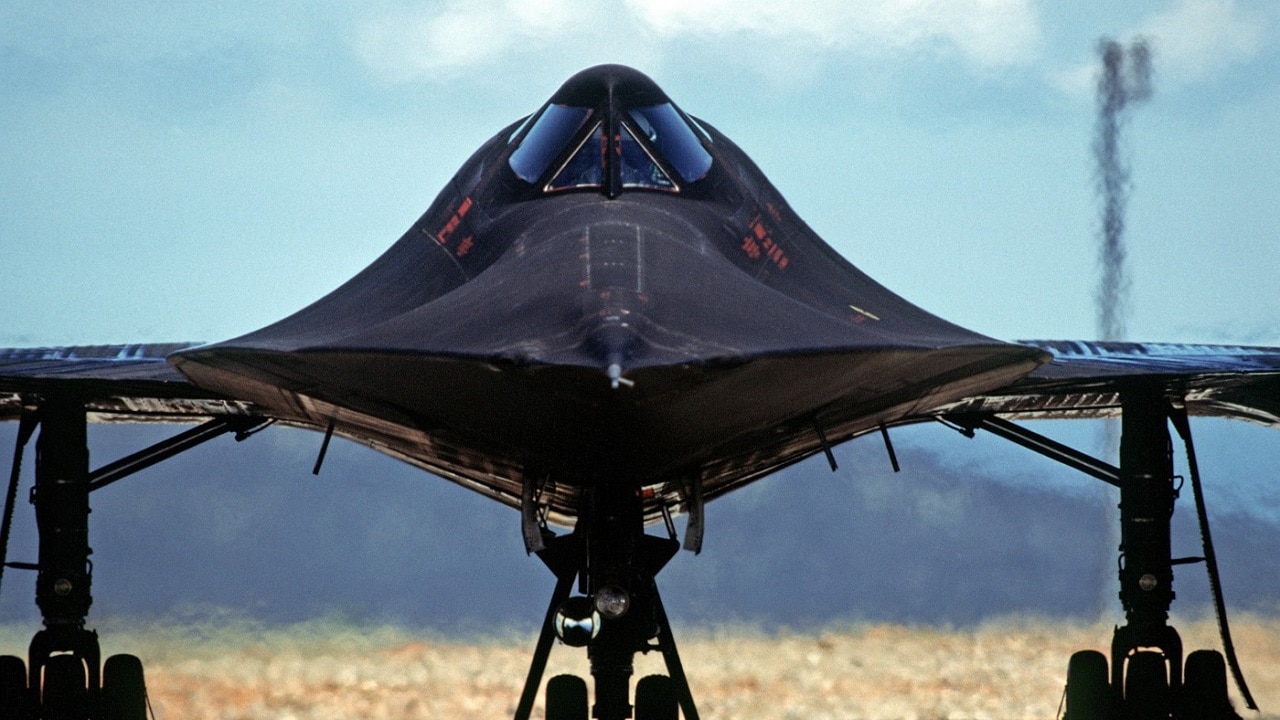
SR-71 Spy Plane. Image Credit: Creative Commons.
“Operation Eldorado Canyon was a success, demonstrating the Air Force’s global reach and serving as an effective deterrent. Libyan-sponsored terrorism decreased significantly in the months that followed,” the Air Force said in its statement remembering the mission.
About the Author: Stephen Silver
Stephen Silver is an award-winning journalist, essayist, and film critic, and contributor to the Philadelphia Inquirer, the Jewish Telegraphic Agency, Broad Street Review, and Splice Today. The co-founder of the Philadelphia Film Critics Circle, Stephen lives in suburban Philadelphia with his wife and two sons. For over a decade, Stephen has authored thousands of articles that focus on politics, national security, technology, and the economy. Follow him on X (formerly Twitter) at @StephenSilver, and subscribe to his Substack newsletter.