
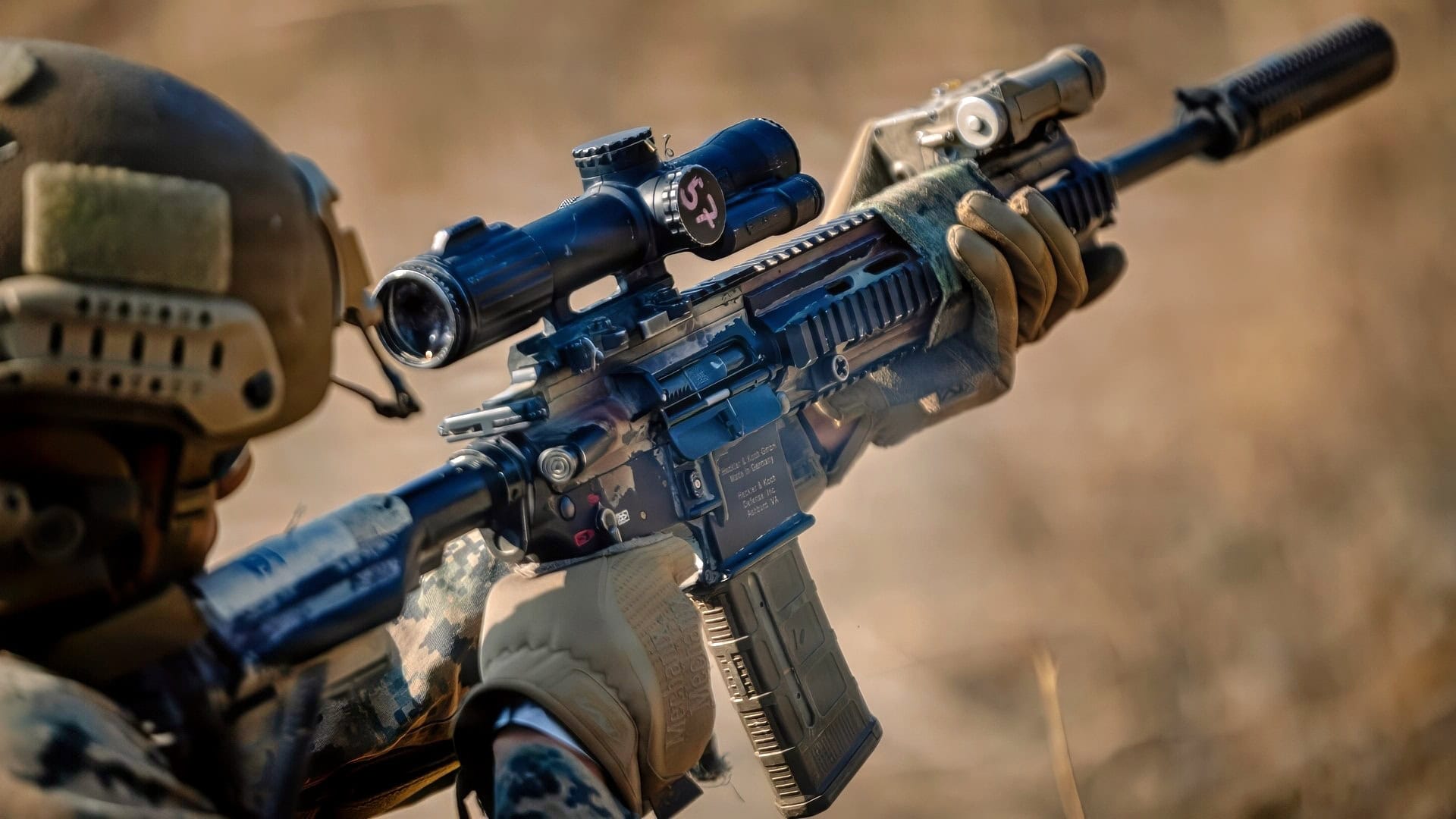
The U.S. Marine Corps fosters an environment that provides physical fitness training, elite morale, unit cohesion, valuable friendship and camaraderie, and a high level of selfless service and individual bravery.
The Marine Corps Is Not For Everyone
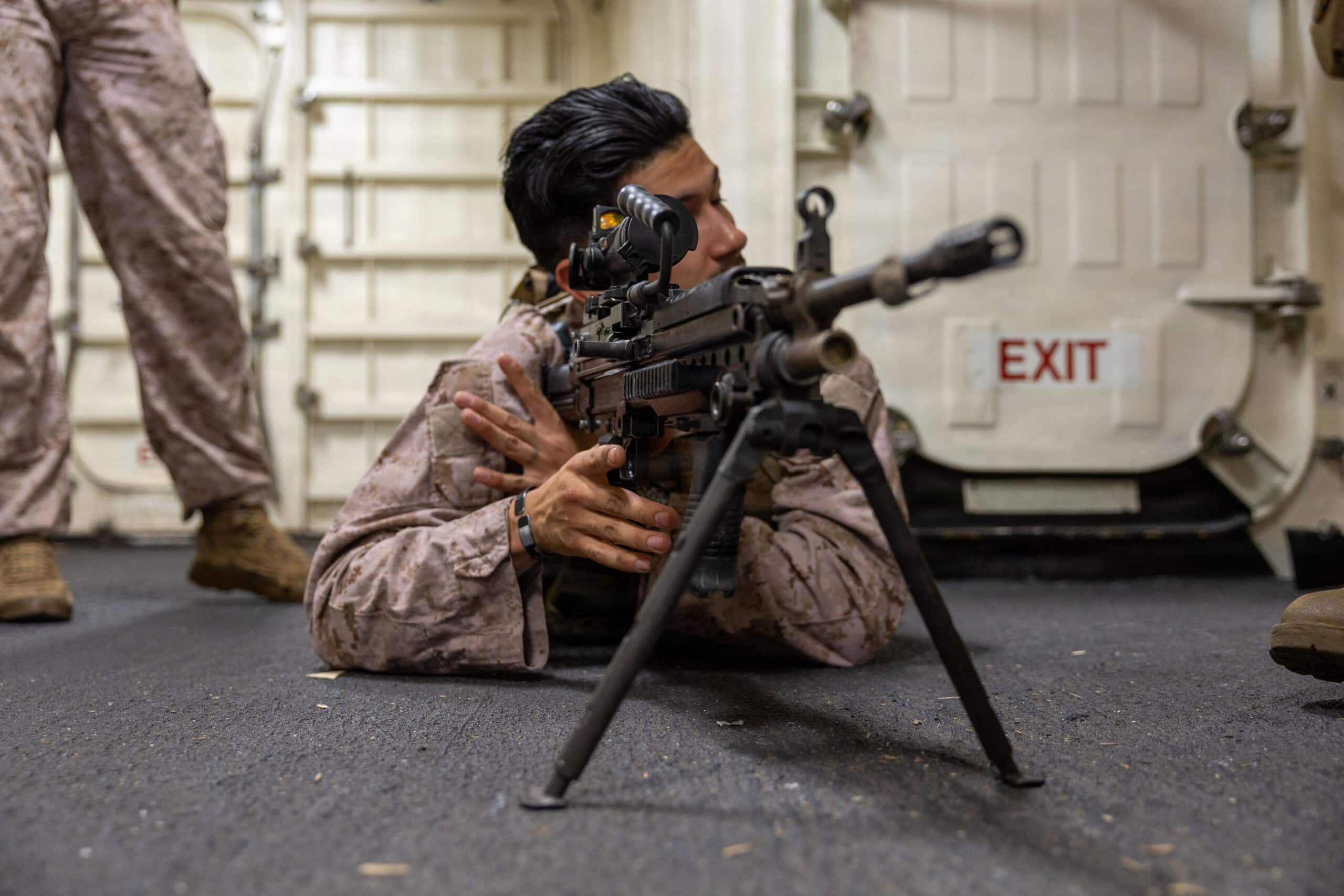
PACIFIC OCEAN (March 23, 2026) U.S. Marine Corps Sgt. Osvaldo Ochoagomez, an infantry squad leader with Lima Company, Battalion Landing Team 3/5, 11th Marine Expeditionary Unit, demonstrates how to use an M27 infantry automatic rifle aboard San Antonio-class amphibious transport dock ship USS Portland (LPD 27), March 23, 2026. Portland, part of the Boxer Amphibious Ready Group, is underway with the 11th Marine Expeditionary Unit in the U.S. 3rd Fleet area of operations demonstrating the U.S. Navy’s long-term commitment to a free and open Indo-Pacific. (U.S. Navy photo by Mass Communication Specialist 2nd Class Sheryssa Dodard)
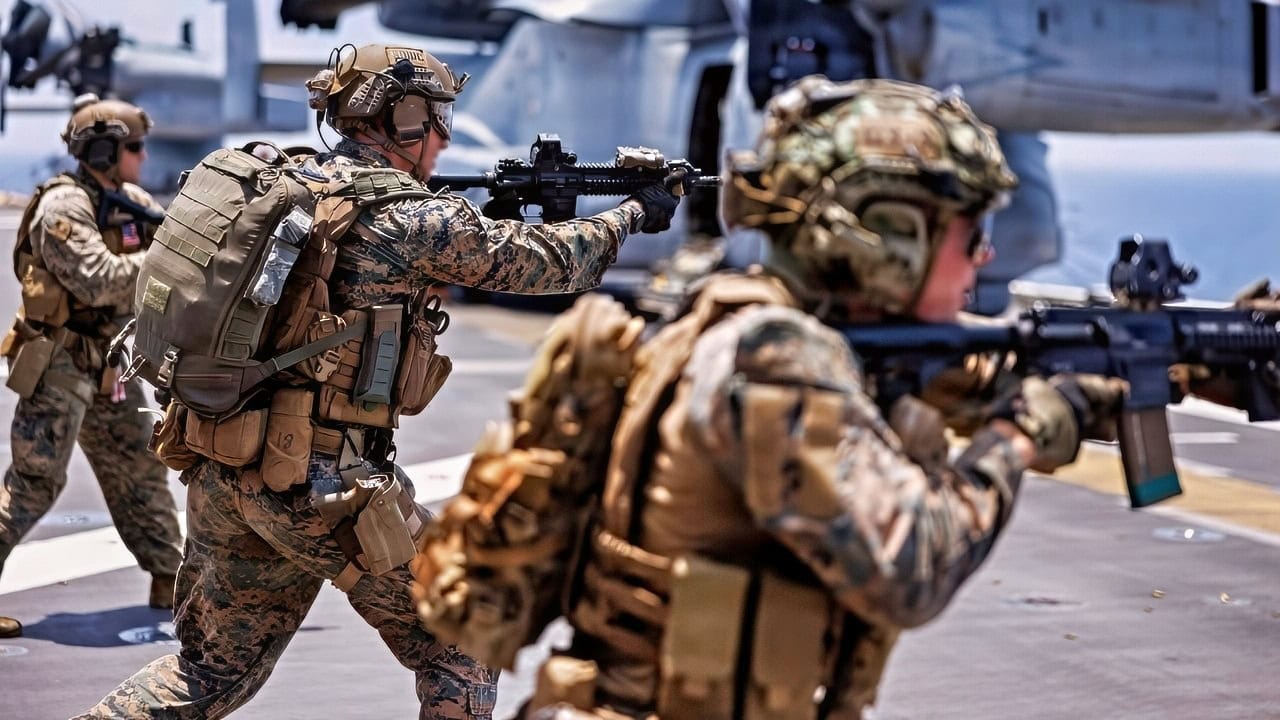
The Marines could land in Iran tomorrow. Navy SEALs would prepare the beach. The 82nd Airborne could infiltrate. The invasion would succeed initially. Then Iran would launch drones and missiles at every U.S. base, satellite terminal, and air defense radar in the Middle East. Getting in is easy. Surviving is the problem.
But the Marine Corps is not for the faint of heart. There is a high operational tempo and long deployments in geographic areas where the quality of life may not be optimal. The incidence of chronic stress is a concern among all facets of the Marine Corps. There are many hard challenges to address. The physical dimensions of service as a Marine are challenging, but the even more difficult emotional and psychological aspects of being a Marine are important to consider as well.
There are times of mental duress after long periods of combat. Intellectual burnout is possible. Marines can have trouble sleeping and may even have difficulty maintaining a healthy pulse rate and optimal breathing.
It’s All About Family
Thankfully, installations have the Marine Corps Family Team Building program. This allows Marines and their dependents to sign up for classes such as Basic Stress Management, Conflict Management, Attitude and Actions, Family Care Plan, Basic Anger Management, and Real Relationships.
Programs to Counteract Stress Problems
There is also the Combat and Operational Stress Control (COSC) and Operational Stress Control and Readiness (OSCAR) programs. COSC allows noncommissioned officers and unit leaders to recognize situations in which Marines are experiencing long-term stress and need assistance. Marines are encouraged to get plenty of rest and quality sleep, engage in physical fitness during downtime, and seek mentorship from more experienced Marines.
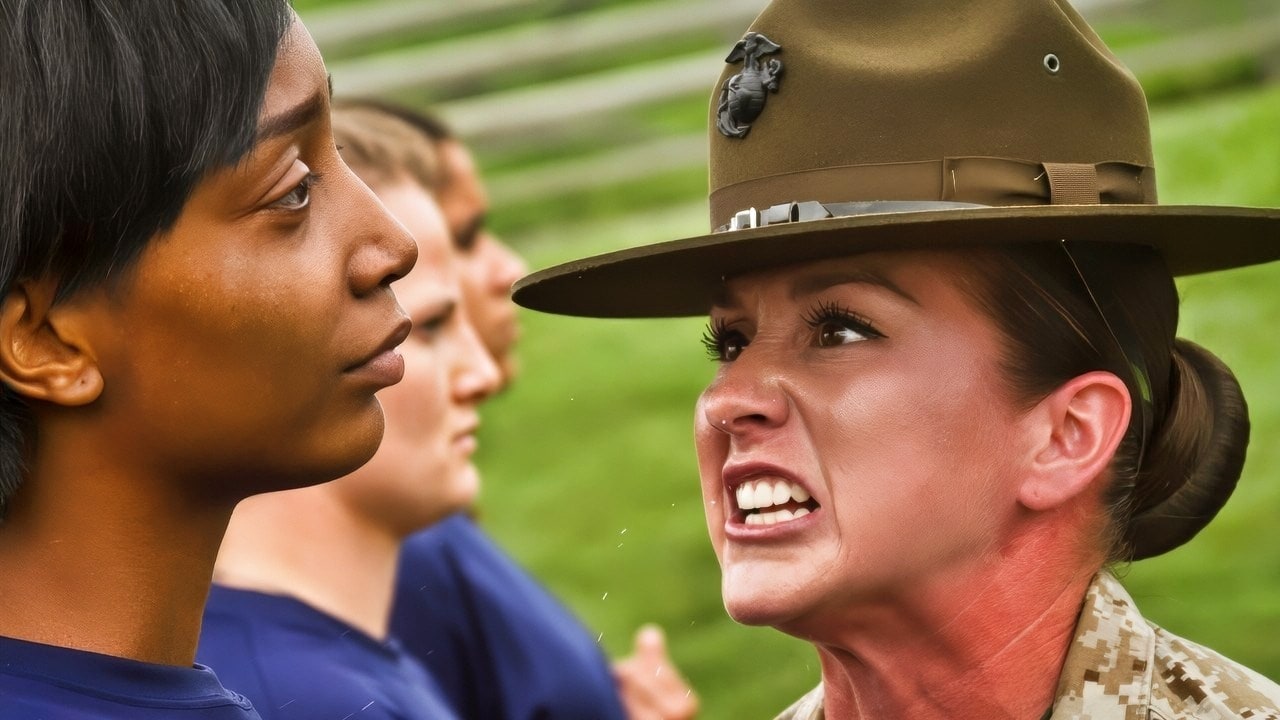
U.S. Marine Corps Sgt. Julie Martinez, a drill instructor with 4th Recruit Training Battalion, Marine Corps Recruit Depot Parris Island, South Carolina and a native of St. George, Utah, encourages a member of the Marine Corps’ Delayed Entry Program to sound off during Recruiting Station Baltimore’s annual Female Pool Function at Fort George G. Meade, Maryland, June 20, 2015. The purpose of the annual Female Pool Function is to build mental and physical toughness among members of the Delayed Entry Program and to maintain their commitment to complete recruit training in order to become United States Marines. (U.S. Marine Corps photo by Sgt. Bryan Nygaard/Released)
The OSCAR program embeds mental health specialists with units to help Marines seek help with negative emotional and mental conditions before they become a serious matter that would need more psychological inpatient care.
One Stop Shop for Mental Health Resources
The Marine Corps also provides personnel and their families with a handbook on stress management. This is focused on unit leaders, to help them make the kinds of decisions and take the actions that can help a Marine deal with long periods of mental strain and emotional demands.
“You, as leaders, are the key. It is important that each leader in our Corps learn to better recognize and manage combat and operational stress. Talk about it with your Marines. Set the example on how to deal with it. Let your Marines know that it’s okay to get help so that they can get back in the fight. Then help them to do so,” according to former Commandant of the Marine Corps General James F. Amos.
Identifying and Defining Stressors
There is stress from military life, such as physical moves to different locations, separation from friends and extended family, concerns about safety, and the need to handle personal affairs.
Then there is stress from the job’s operational requirements. This can change physical or mental behavior. Stress from combat can lead to PTSD, substance abuse, and other maladies.
What ‘Stess Zone’ Is This Marine In?
Each Marine is assigned a “Zone” that denotes how well they are reacting to stress. The Green Zone Marine is coping well with stress and has no emotional or psychological symptoms. Marines in the Green Zone execute their jobs to the best of their ability and are physically fit and alert. They sleep well and have a strong sense of responsibility and morality.
Yellow Zone Marines are reacting less well to stress. They feel anxious or fearful, sad, or angry. They worry, cut corners on the job, are short-tempered and mean, and act irritable and grouchy, the handbook explains.
Orange Zone Marines are mentally “injured.” These Marines have “more severe and persistent forms of distress or loss of function, signaling some kind of damage to the mind, brain, or spirit,” according to the Marine Corps stress handbook.
Red Zone Marines have illnesses that are clinical and chronic mental disorders that can only be addressed by mental health professionals. This is usually diagnosed as PTSD, but there could also be long-term depression and high anxiety that does not allow the Marine to function at their job or to take care of their families.
Good Sleep Habits Are Critical
Some Marines are on continuous alert and have conducted numerous combat deployments or intense training that create situations in which they cannot relax. The Marine Corps recommends that its personnel get enough sleep and contact health providers if they experience insomnia or nightmares. A good night’s sleep can reset the brain to allow the Marine to deal with life’s ups and downs.
Social Activities and Healthy Recreation
To help mental health and well-being, the Marine Corps recommends a high level of social activities and active recreation that does not include alcohol or drugs. This can be anything from visiting family and friends to taking art lessons. The Corps also recommends quiet relaxation, such as taking a sauna after a long gym workout or spending time with a dog or cat.
Develop a Personal Resume
Marine Corps leadership also recommends keeping a personal journal or diary. They also believe that improving interpersonal relationships and personal development through goal-setting and meeting objectives demonstrates that the Marine is succeeding in life.
The Marines Have Thought About Solutions
The Marine Corps seems to understand the challenges its personnel face. The different zones of Marine mental health are valuable to officers and noncommissioned officers for identifying emotional troubles in a classification program. This helps ensure each Marine has a chance to seek mental healthcare when needed.
Marines are also given various approaches to improve sleep and other physical requirements for mental health. Marines are encouraged to improve their work-life balance through social activities that reduce stress.
This handbook, if followed by all Marines, outlines how each person in the Corps can manage stress and thrive in combat and in peace. Identification of mental health problems early on is critical. And the individual Marine has a support network that can help them succeed despite mental health challenges.
About the Author: Dr. Brent M. Eastwood
Author of now over 3,500 articles on defense issues, Brent M. Eastwood, PhD, is the author of Don’t Turn Your Back On the World: A Conservative Foreign Policy and Humans, Machines, and Data: Future Trends in Warfare, plus two other books. Brent was the founder and CEO of a tech firm that predicted world events using artificial intelligence. He served as a legislative fellow for US Senator Tim Scott and advised the senator on defense and foreign policy issues. He has taught at American University, George Washington University, and George Mason University. Brent is a former US Army Infantry officer. He can be followed on X @BMEastwood.