
China’s Real Strait of Hormuz Play Has Nothing to Do with the PLAN: China demonstrated two years ago precisely how it would react to the current Strait of Hormuz crisis. Iranian forces seized the Advantage Sweet, a Chinese-owned tanker, via helicopter in the Gulf of Oman in April 2023. Days later, IRGC speedboats intercepted the Panama-flagged Niovi in the Strait and compelled it to head into Iranian waters. Beijing lodged no protest and dispatched no warships.
The 2026 crisis has followed the same script on a considerably larger scale.
Since February 28, when the United States and Israel struck Iran, the IRGC has disrupted transit through attacks, boardings, and reported mine activity. Iranian officials claimed effective control in early March.
The U.S. naval blockade of Iranian ports began on April 13, producing what analysts are calling a dual blockade — rival militaries simultaneously controlling the entry and exit points of the world’s most critical energy chokepoint.
Trump demanded in March that NATO and China help reopen the Strait.
Beijing called the U.S. blockade “dangerous and irresponsible,” pressed for a ceasefire through diplomatic channels, and continued receiving Iranian crude through whatever transit arrangements remained available, with some vessels reportedly transiting under arrangements linked to Iran’s toll system.
Most analyses treat China as a vulnerable energy importer caught between American naval power and Iranian unpredictability. That framing understates Beijing’s actual location. China imports about ninety percent of Iranian oil.
The 2021 Comprehensive Strategic Partnership established a 25-year framework for collaboration on energy, infrastructure, and security. Iran’s economy relies on Chinese demand to stay afloat under international sanctions, giving Beijing real leverage over the proximate cause of this crisis. Beijing hasn’t publicly chosen to wield it in 2023, but now knows it has it at its disposal as we head into 2026.
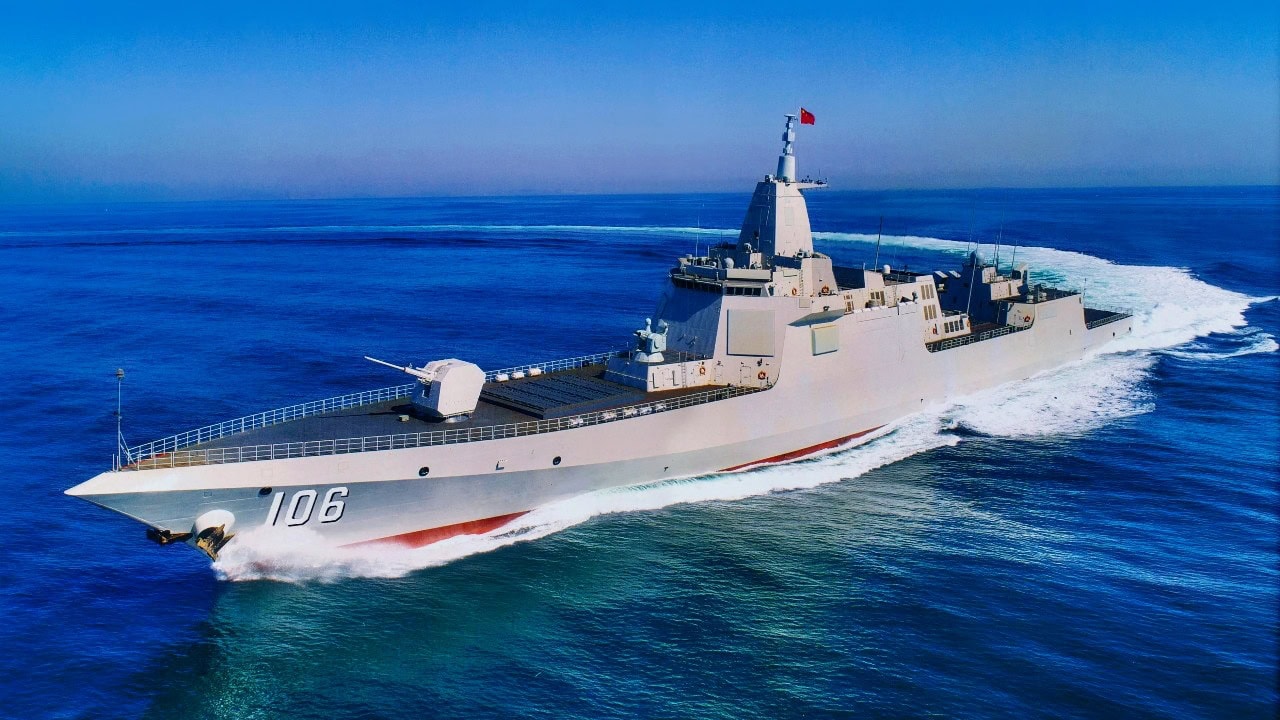
Type 055 Destroyer from China. Chinese Navy Handout/State Media.
Hormuz: Why the Military Options Were Never Realistic
Joining a U.S.-led escort coalition would have locked Beijing into a standing obligation with no natural ceiling.
Once China participates in an American-led maritime framework, future administrations will treat the precedent as permanent.
A decade of blue-water naval investment producing warships sailing under de facto American command is not an image Chinese officials can sell domestically. Tehran, which has survived years of international sanctions largely because China keeps buying its oil, would have read coalition membership as a rupture in the relationship it depends on most.
Unilateral PLAN deployment carried problems that effectively ruled it out before it reached serious consideration. Iran is the immediate source of the disruption. Chinese naval vessels in the Strait would therefore represent an indirect intimidation message to China’s close strategic partner, which becomes politically unacceptable once that truth is realized by home audiences.
The PLAN has no operational track record of sustained contested missions at this distance, and failure in front of an international audience would cost Beijing far more than any deployment could return.
The Move Washington Is Underestimating
Chinese defense messaging in April was pointed: Chinese shipping would continue through bilateral arrangements with Iran, and Beijing would reject outside interference.
That was deterrence language directed at Washington rather than the measured neutrality Beijing performs when it genuinely wants to appear above the fray.
More consequential is what Beijing may be communicating privately to Tehran. Iran’s dependency on Chinese demand runs so deep that even a quiet signal from Beijing — the suggestion that crude purchases might slow or that Security Council protection might become less reliable — would carry real weight in Tehran.
There is no alternative buyer for Iranian crude on a comparable scale.
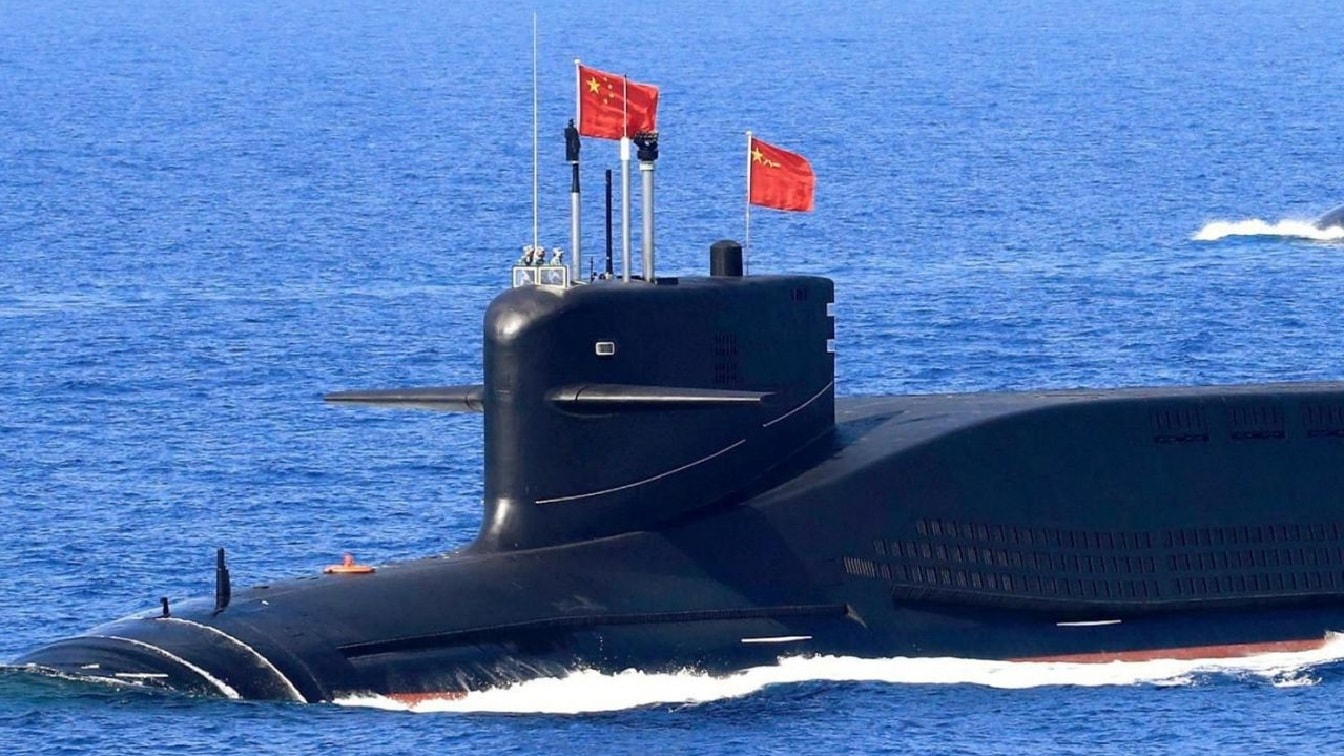
Chinese nuclear missile submarines. Image Credit: Creative Commons.
The partnership with Beijing is Tehran’s most valuable economic relationship, and Iranian officials understand that clearly.
Whether Beijing has actually applied that leverage behind the scenes, or concluded that the current arrangement suits its interests well enough without doing so, is the central intelligence question for Washington in this crisis.
The observable record is telling either way.
Chinese energy access through the Strait has continued throughout the crisis, Iranian crude has kept reaching Chinese ports, and Beijing has avoided any commitment that would constrain its options going forward.
What This Means for Washington
If Beijing has sustained its Gulf energy access through economic relationships the United States no longer holds, it has demonstrated a form of regional influence that American naval deployments cannot counter.
The Fifth Fleet cannot make the call to Tehran that Beijing can. No adjustment in American force posture changes the fact that Iran’s economy runs on Chinese demand.
The gap reflects decisions Washington made years ago about its relationship with Iran, and it grows wider each year that China deepens its economic ties with Tehran while the U.S. maintains its sanctions posture.
The 2023 tanker seizures were a preview. The 2026 crisis is the proof-of-concept. Beijing has shown it can protect its core interests in the Gulf’s most important waterway without deploying a warship, using leverage that Washington has given up and cannot easily recover.
That is the Hormuz problem Washington should be focused on — and carrier strike groups are not the answer.
About the Author: Dr. Andrew Latham
Andrew Latham is a professor of international relations and political theory at Macalester College in Saint Paul, MN. You can follow him on X: @aakatham. He writes a daily column for 19FortyFive.com.