
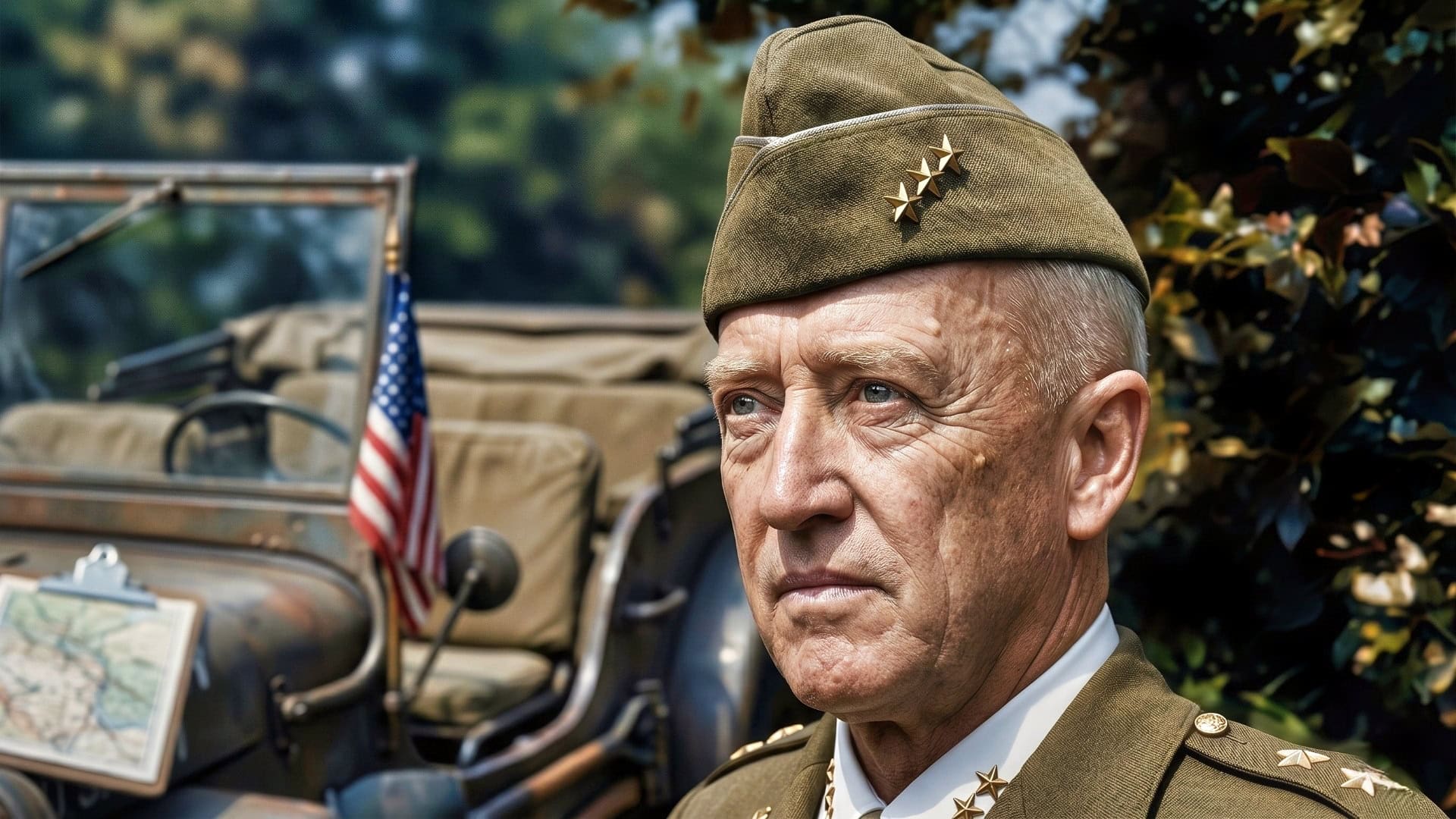
General George S. Patton said it best: “To be a successful soldier, you must know history.” The legendary “Old Blood and Guts” believed his battlefield genius was rooted entirely in his lifelong study of military history—from Roman swordsmanship to Napoleonic warfare to the German Blitzkrieg, all of which he weaponized to predict and defeat enemy commanders like Erwin Rommel.
Quote of the Day by Army Legend Patton

General Patton Portrait. Image Credit: Creative Commons.
General George Patton was an outstanding combat leader, going from a lieutenant in Mexico during the Punitive Expedition chasing Pancho Villa, to commanding a battalion of the new armored forces in World War I, to commanding the Third Army in Europe during World War II.
General George S. Patton’s belief that a successful soldier must know history means that understanding past battles, strategies, and military leaders is essential to mastering the art of war, predicting enemy movements, and avoiding repeating fatal mistakes.
Patton believed history was not merely academic, but a practical, active tool for battlefield leadership.
Patton grew up in a southern military family, where he was regaled with stories of his ancestors who fought and died in the American Revolution and for the Confederacy during the Civil War. Those stories shaped his early life and had a profound effect on his military career as an adult.
What Was Patton’s Meaning Of the Quote?
Patton believed war is an art, where successful leaders must understand human behavior and evolving tactics, which are best taught through historical examples. The US Army adopted the same philosophy, with officers studying tactics from past battles by conducting “staff rides” to the battlefields.
The Army published day-by-day guides to several battlefields. I personally attended several of these, including Civil War battlefield staff rides at Gettysburg, Antietam, and Harpers Ferry.
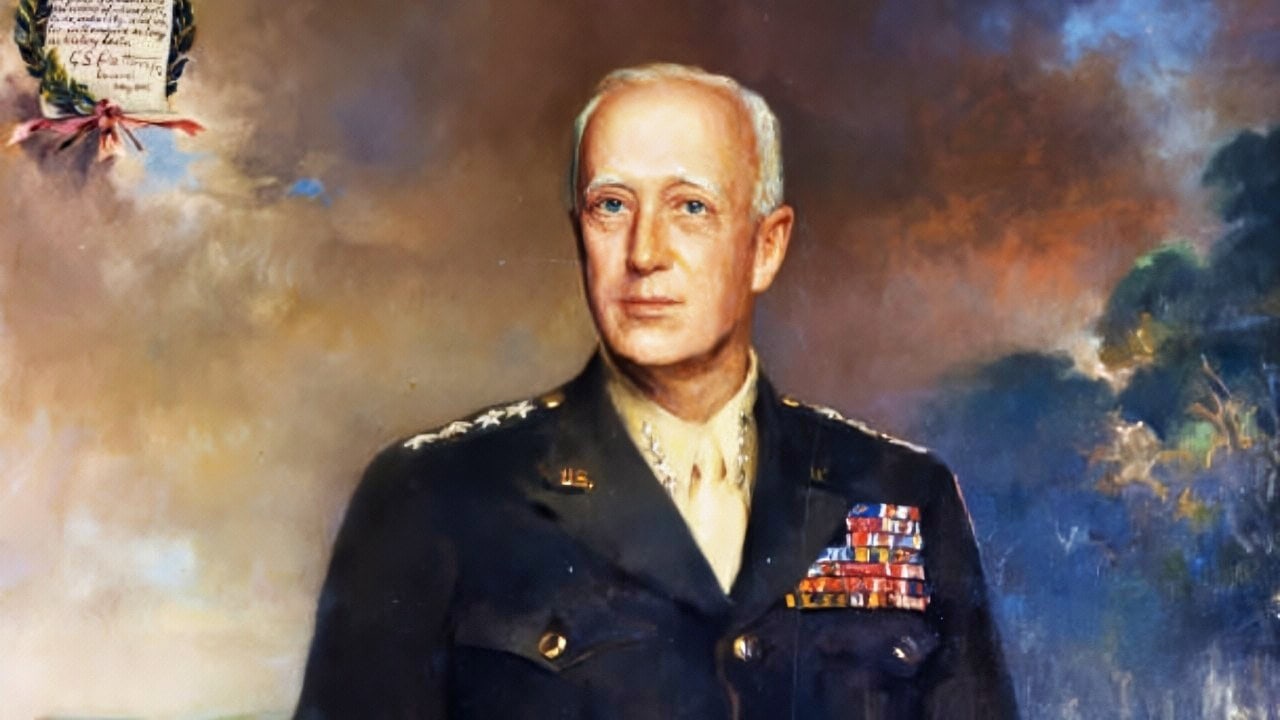
Portrait of Army General Patton. Image Credit: Creative Commons.
By studying the enemy’s previous actions—such as how Patton studied German tactics—a commander can anticipate moves, like the Battle of the Bulge relief of Bastogne, before they occur.
Operation Husky Planning And The Peloponnesian War
Applying lessons from the past, he considered them extremely important. History shows that many battles are lost due to basic failures, such as failing to cross rivers or to take the initiative. During planning for the invasion of Sicily, he told General Alexander that Syracuse was the key to Sicily, because the Athenians had failed there in 413 B.C.
Patton regarded himself as a “profound military student” who used years of study to inform his “snap judgments” on the battlefield, proving that preparation prevents disaster.
He also used leadership and character lessons to study warfare and why certain battles turned out the way they did. He studied not just tactics, but the personalities of great generals and soldiers to cultivate the mental toughness required in combat.
He Advised His Son To Know History
In a letter to his son as he was entering the US Military Academy at West Point, Patton advised him that knowing history was paramount.
“To be a successful soldier, you must know history. Read it objectively. Dates and even the minute details of tactics are useless. What you must know is how man reacts.
“Weapons change, but the man who uses them changes not at all. To win battles, you do not beat weapons – you beat the soul of man, of the enemy man. To do that, you have to destroy his weapons, but that is only incidental. You must read biographies and especially autobiographies. If you do it, you will find that war is simple.”
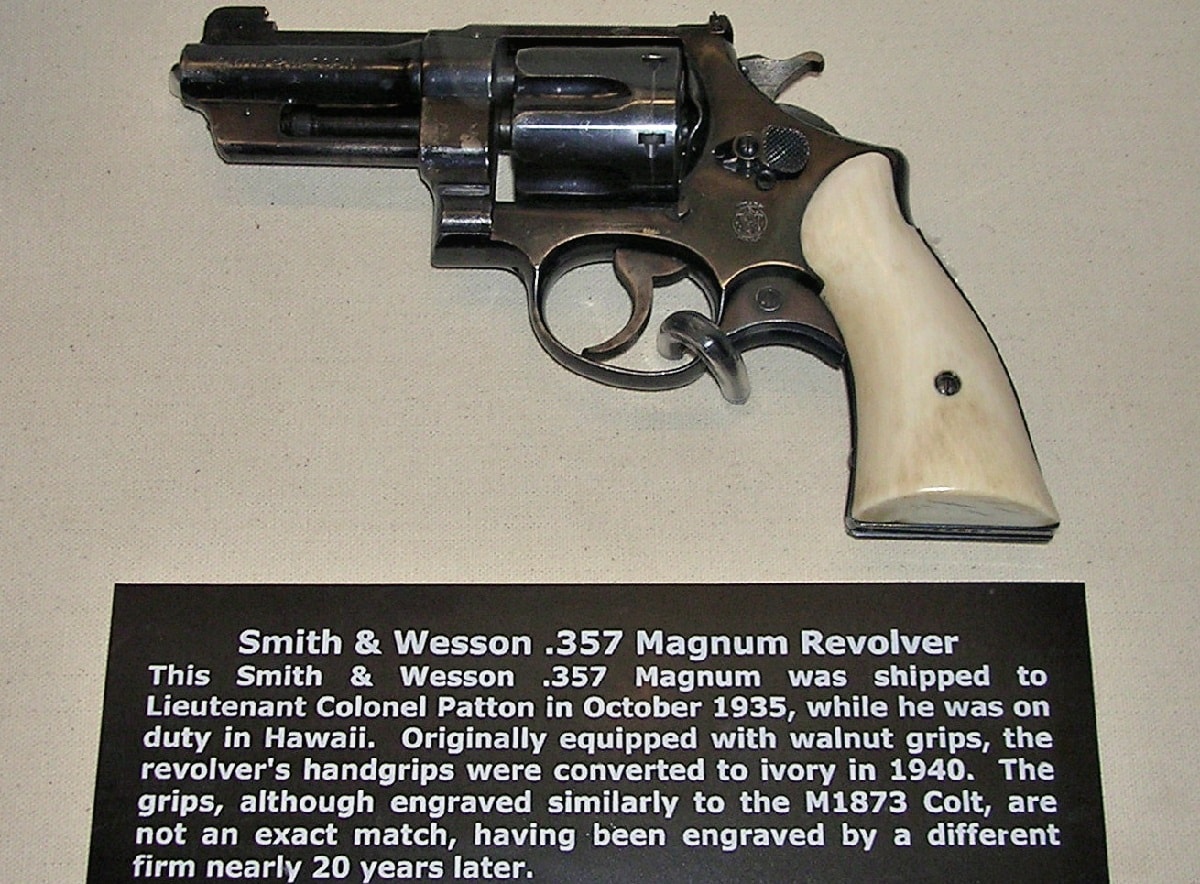
Patton’s well-known custom ivory-handled revolver.
Patton Believed That His Success Was Rooted In History
He believed his success was rooted in his extensive study of military history, which enabled him to apply lessons from Roman, Napoleonic, and early-20th-century warfare to modern armored combat.
His ability to anticipate enemy moves, embrace rapid mobility, and utilize surprise stemmed directly from analyzing past campaigns.
Before facing the Afrika Korps at El Guettar, Patton studied General Erwin Rommel’s tactics in his book “Infantry Attacks,” leading to his defeat of Rommel’s forces.
Other examples include the time as a young cavalry officer, when Patton challenged existing U.S. cavalry doctrine by studying ancient Roman sword techniques.
He argued that the point of a sword was more effective for killing than the edge, leading to the design of the Model 1913 Cavalry Saber (the “Patton Sword”). He was made the “Master of the Sword” at Fort Riley and wrote the Army’s manual.

Patton had many “favorite” firearms, and had described the M1 Garand as “the greatest battle implement ever devised,” but when it came to personal sidearms, two handguns are commonly associated with him.
He studied the German Blitzkrieg tactics and the World War I memoirs of Hans von Seeckt, the chief of staff of the German 11th Army, and Adolf von Schell’s Battle Leadership.
Patton’s style of commanding comes close to the German concept of Auftragstaktik, or mission-type orders. The Germans, in turn, believed that Patton would lead the Allied invasion on D-Day at the Pas de Calais.
About the Author: Steve Balestrieri
Steve Balestrieri is a National Security Columnist. He served as a US Army Special Forces NCO and Warrant Officer. In addition to writing on defense, he covers the NFL for PatsFans.com and is a member of the Pro Football Writers of America (PFWA). His work was regularly featured in many military publications.