
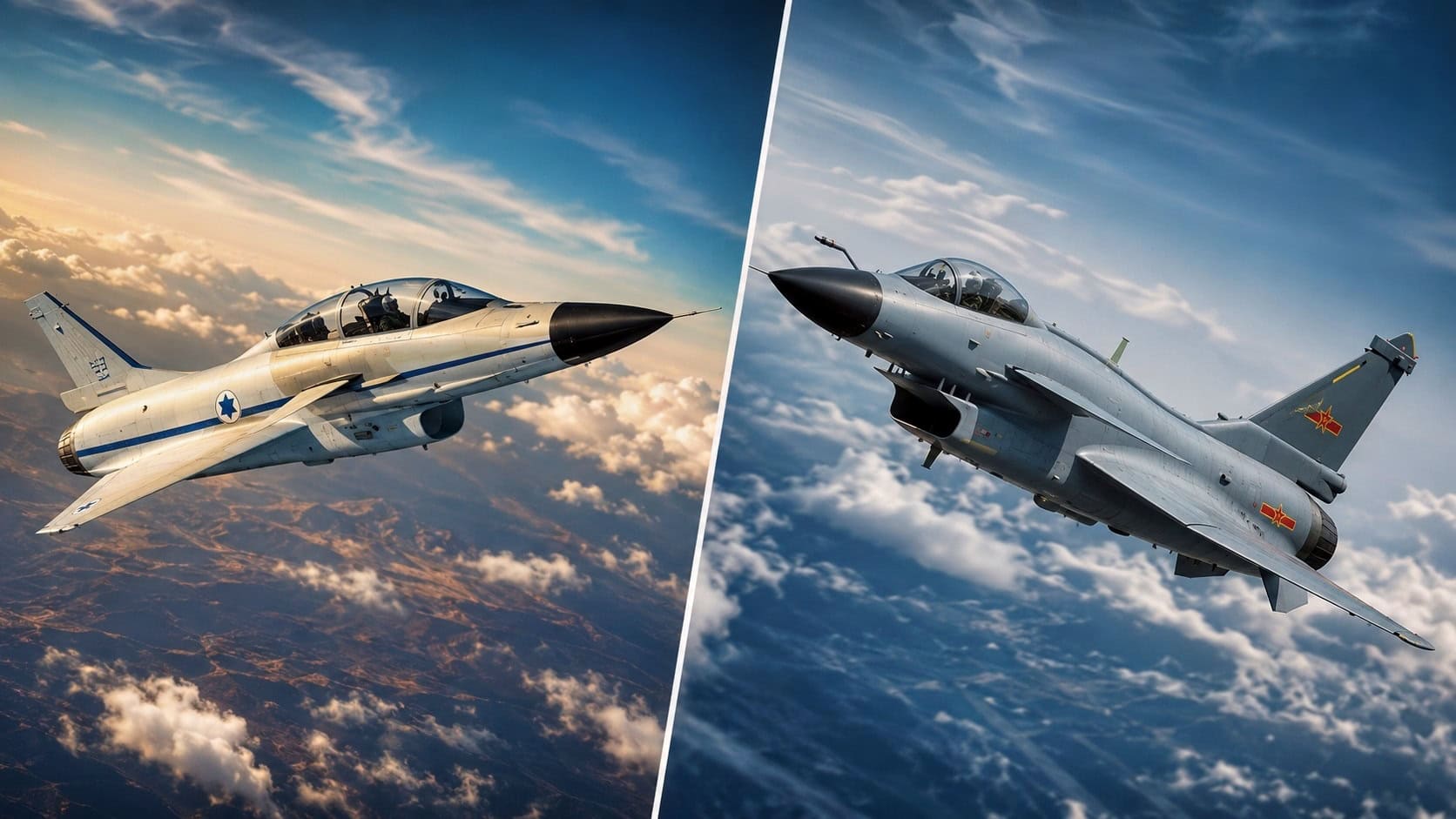
In the 1980s, Israel set out to build a fighter to rival the American F-16, and it succeeded. The IAI Lavi flew on the last day of 1986, handled beautifully in testing, and, according to those who flew it, was a world-class aircraft built in Israel.
It never entered service. In August 1987, after Washington pressed hard for its cancellation, the Israeli cabinet voted by a single vote to kill the Lavi.
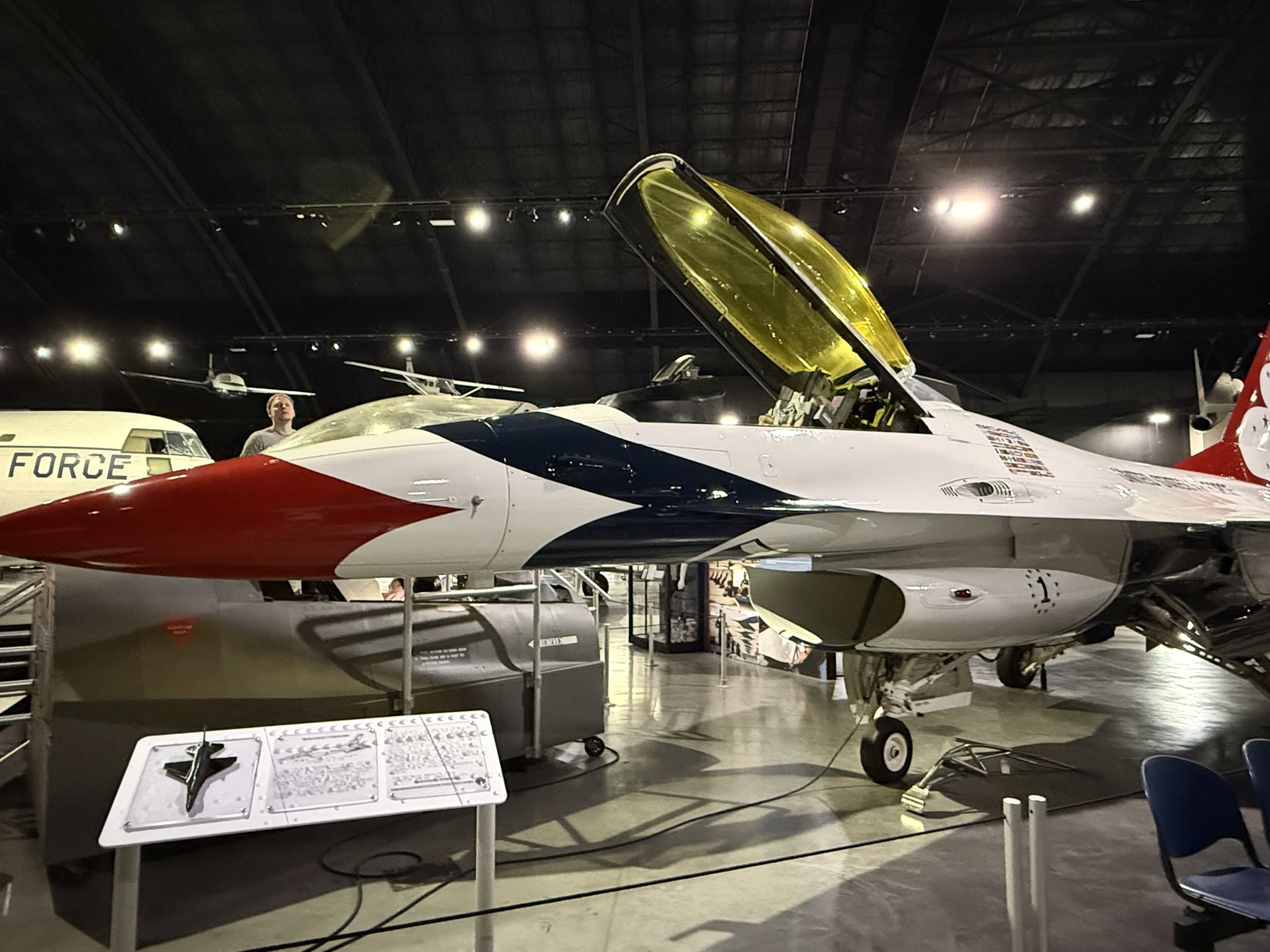
F-16 Fighter. 19FortyFive.com Image from the National Museum of the U.S. Air Force.
The reason was not that the jet did not work. It worked too well. A successful Lavi would have competed with American F-16s in the global export market, and the United States, which had funded much of the program, was unwilling to bankroll a rival to its own flagship fighter. Israel was maneuvered into scrapping its own creation, then bought 90 American F-16s instead.
The story has a long and strange tail. Within a few years, Israeli engineers were quietly helping China design a new fighter, the J-10, whose canard-delta shape bears an unmistakable resemblance to the Lavi. The aircraft America helped kill to protect its export market may have ended up, in spirit, arming its chief rival.
Why Israel Wanted Its Own Fighter
Israel had wanted a fighter of its own since France embargoed its Mirage order in 1967, on the eve of the Six-Day War. The lesson stuck: someone else’s politics could ground your air force at the worst possible moment.
That drive produced the Nesher and the Kfir, which Israel built after it reverse-engineered the French Mirage design. The Lavi was the most ambitious step yet, a true homegrown fourth-generation fighter rather than a reworked copy.
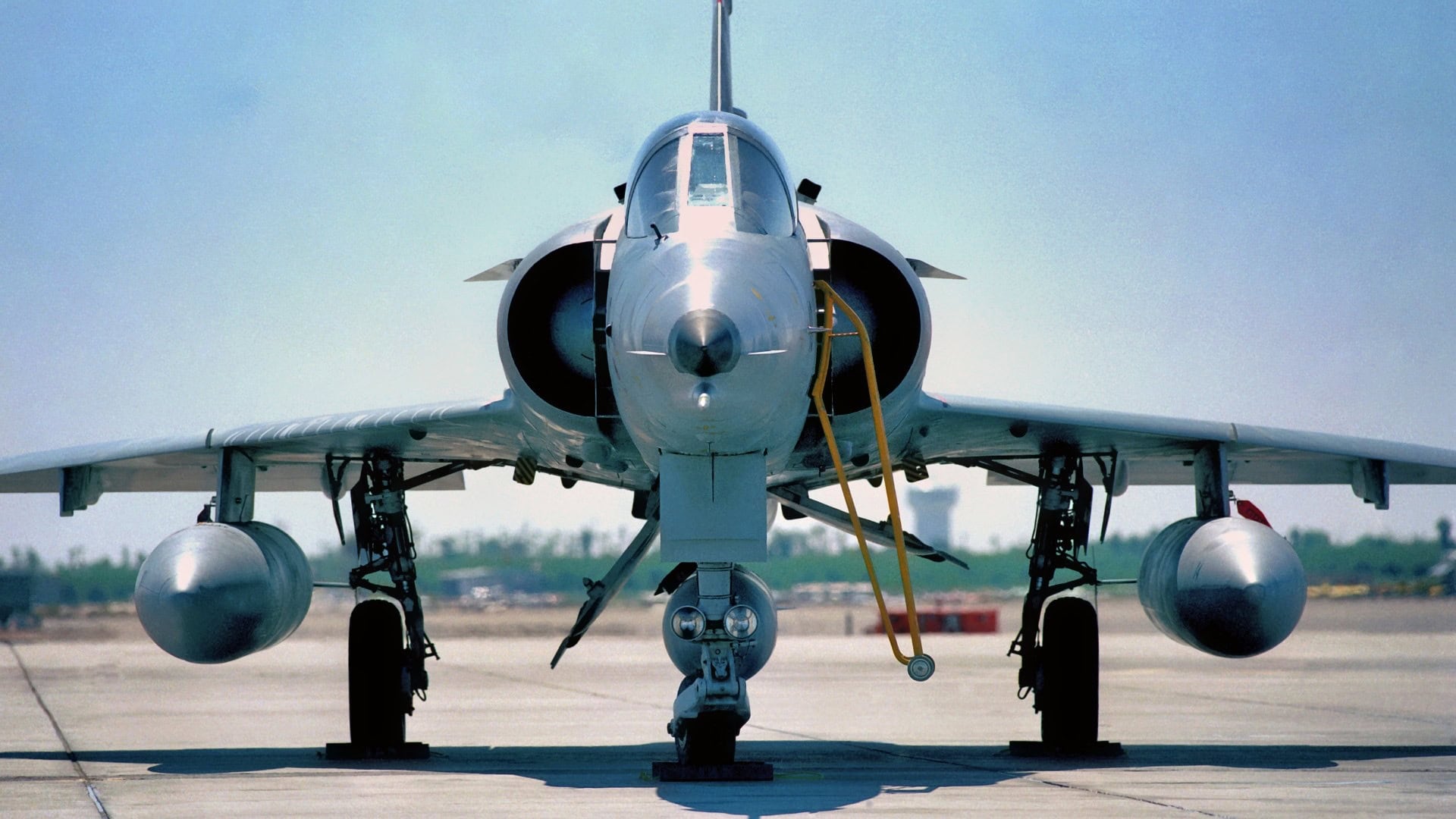
Kfir Fighter from Israel. Image Credit: Creative Commons.
The Israeli government launched full development in 1980. The plan was to build a domestic mainstay to replace the Kfir, the F-4 Phantom, and the aging A-4 Skyhawk, with projected Israeli demand for up to 300 aircraft.
The Lavi Was Genuinely Excellent
The Lavi was a single-engine delta-canard multirole fighter, deliberately unstable with a fly-by-wire flight-control system correcting it, and made heavily of composites to keep its empty weight down to about 7.25 tons. Its chief engineer was Ovadia Harari.
Powered by a custom Pratt & Whitney PW1120 turbofan of around 20,600 pounds of thrust, the design was rated for roughly Mach 1.8, with about 50 percent more range than the F-16 and advanced Israeli avionics closer to the later F-16C than the early models. Its weapons sat in semi-conformal carriage to cut drag.
The first prototype flew on December 31, 1986, with test pilot Menachem Shmul at the controls. Handling was rated excellent. Two prototypes flew 82 sorties before the program ended, exploring a large part of the flight envelope. The aircraft worked.
America Paid For A Rival To Its Own Jet
The funding arrangement was unusual. The United States supported the Lavi in principle and allowed Israel to use its foreign military sales credits to buy American components for the jet, a reversal of the normal rule that US aid had to be spent on US products. Over the seven-year program, more than $2 billion in American money flowed into it.
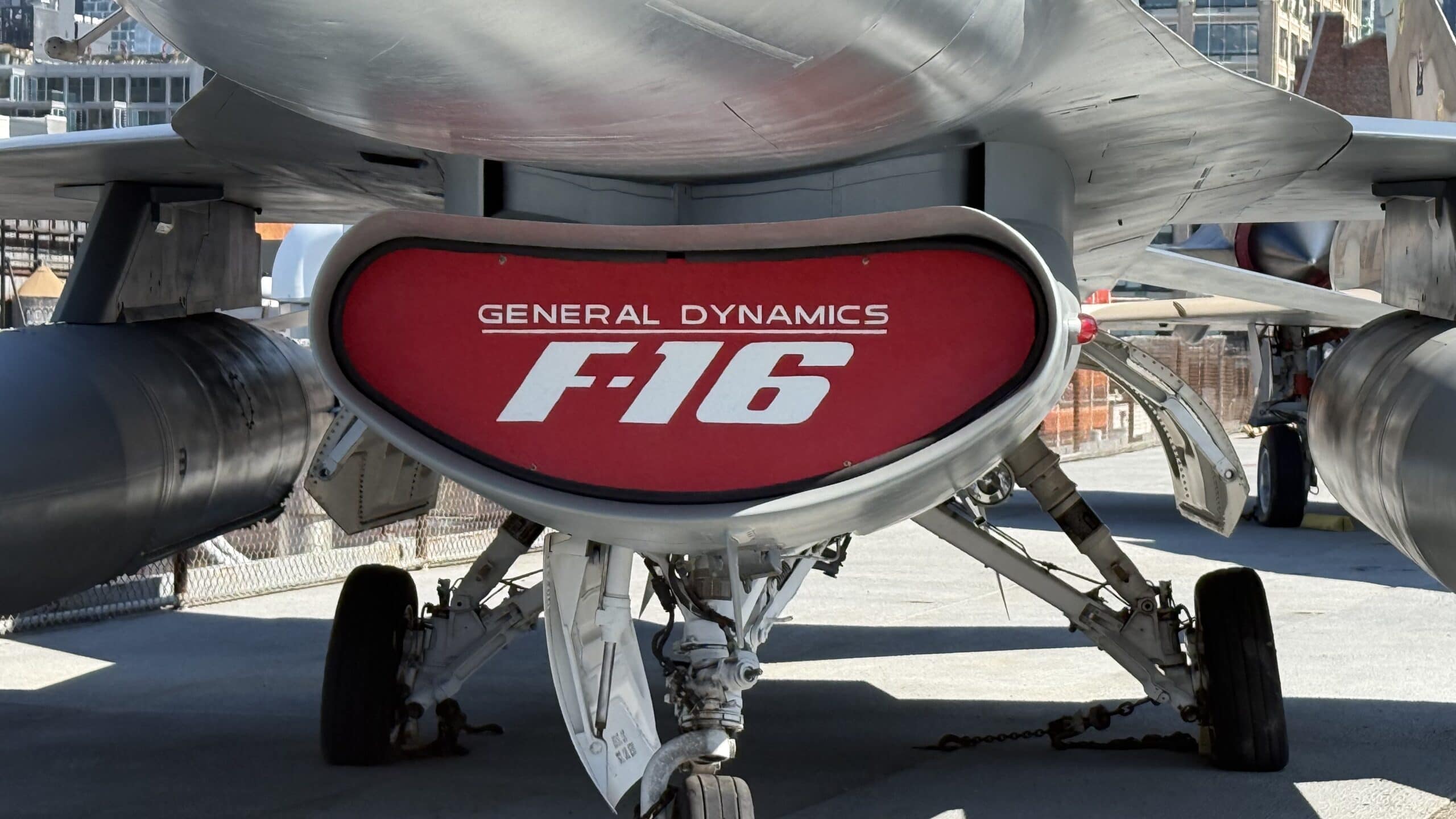
F-16 On Flight Deck of USS Intrepid. 19FortyFive.com Image.
Then Washington did the math. It was paying Israel to build an aircraft to compete with the F-16 in the export market, where American manufacturers wanted those sales.
The timing sharpened the conflict. By the mid-1980s, President Reagan had rescinded the aircraft export ban, and the United States was actively selling fighters abroad. A US-taxpayer-funded Lavi became a direct threat to those exports, and the Pentagon, the State Department, and members of Congress turned against it. As Moshe Arens, the aerospace engineer and minister who championed the jet, later put it, Washington came to see it as a threat to Lockheed’s F-16 and the F/A-18.
The One-Vote Decision To Kill It
The pressure from Washington was not the only force pushing for cancellation. The Lavi had become enormously expensive for Israel. By 1984, the country was spending close to 19 percent of its GDP on defense, among the highest rates in the world, and widely judged unsustainable.
The numbers on the jet itself kept climbing. The projected price per aircraft started near $15.2 million and rose by 45 percent as total program spending pushed past $11 billion, and the planned production run was cut from 300 aircraft to 80. The Finance Ministry under Moshe Nissim, backed by Shimon Peres and the Labor Party, pushed to cancel the Lavi on the grounds that it was unaffordable.
On August 30, 1987, with the jet still in flight test, the Israeli cabinet voted on whether to continue. Washington had lobbied hard, including compensatory offers. The vote was 12 to 11 against, with one abstention.
Arens resigned in protest. Roughly 4,000 to 6,000 jobs at Israel Aircraft Industries were eliminated in the months that followed, and Israel bought 90 F-16Cs as a replacement. The decision aroused bitterness in Israel for decades. Arens argued in 2013 that, had it survived, the Israeli Air Force would be operating “the world’s most advanced fighter.”
Did The Lavi Fly Again In China? Enter the J-10
The Lavi’s most surprising afterlife may have been in China. Israel had begun selling military technology to China in the 1980s, before the two countries even held formal diplomatic ties, and that trade quietly intensified in the 1990s.
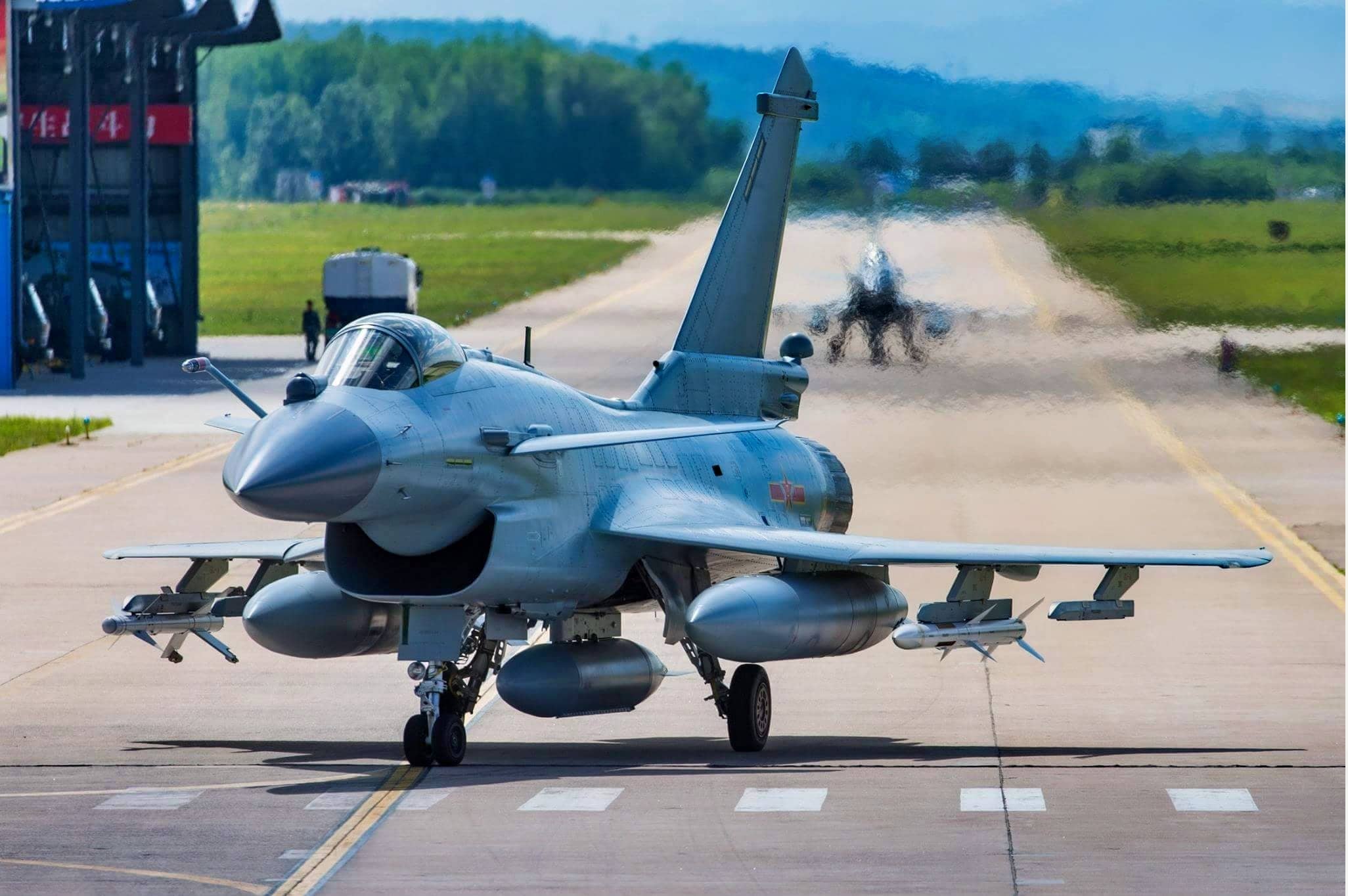
J-10C Fighter from China. Image Credit: Creative Commons.
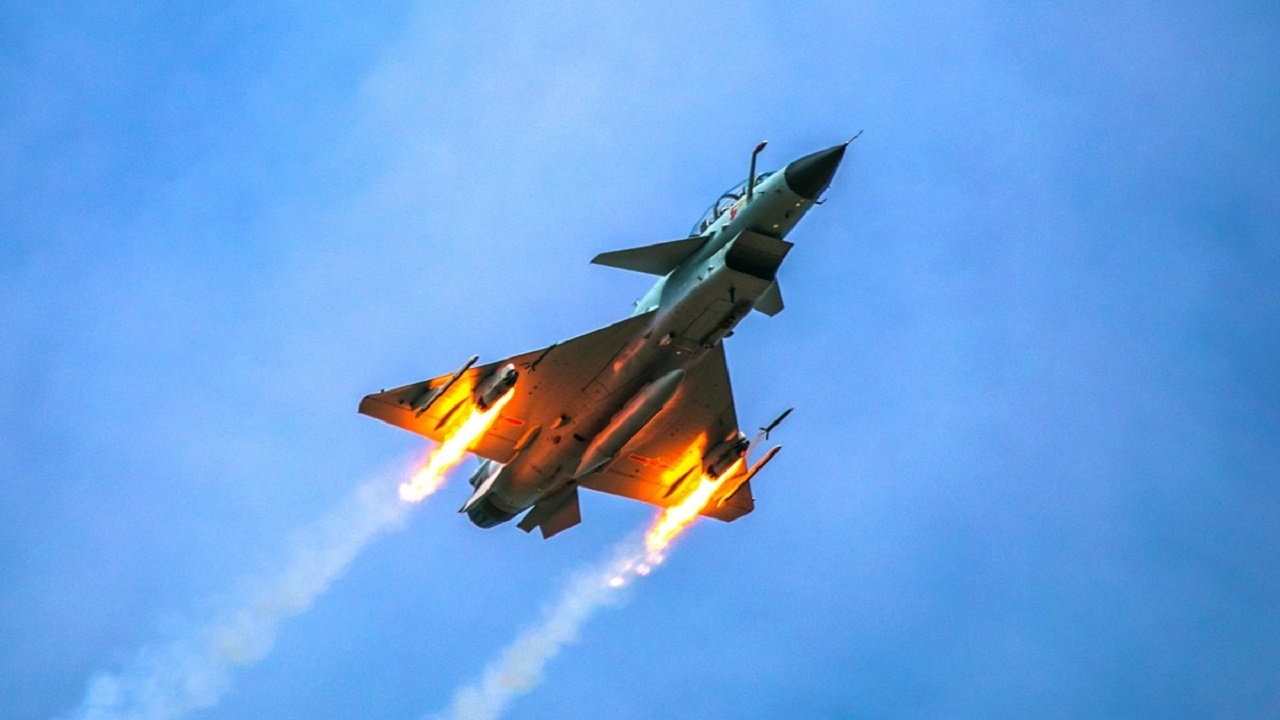
J-10 Fighter. Image Credit: Creative Commons.
In his book “Lavi: The United States, Israel and a Controversial Fighter,” John W. Golan writes that Israeli involvement in China’s J-10 program appears to have begun around January 1992, when China and Israel established diplomatic relations, with Israeli contractors engaged to help with the aerodynamic and structural outlines of the new fighter. China’s Chengdu Aircraft Corporation began work on the J-10 in 1988 under chief designer Song Wencong, and the J-10’s close-coupled canard-delta layout bears an unmistakable resemblance to the Lavi.
Washington noticed. In the mid-1990s, US intelligence grew concerned about Israeli technology transfers to China, including some components of American origin, and in 1994, US media reports alleged unauthorized transfer of technology associated with the Lavi. CIA Director James Woolsey had told a Senate committee in 1993 that China sought from Israel advanced military technology that “U.S. and Western firms are unwilling to provide.”
The strong version of the story, that Israel handed China the complete Lavi plans and secret US technology, is disputed and unproven. A 2008 Jane’s report, citing Russian engineers who said they heard it from Chinese colleagues, claimed China had a Lavi prototype in its facilities, a third-hand account, and China attributes the J-10’s canard-delta shape to its own earlier, canceled J-9.
The credible reading is that the J-10 was inspired by and assisted by the Lavi rather than being a clone of it. It is significantly larger and heavier; it uses a Russian AL-31F engine because China could not get a Western engine after the 1989 Tiananmen arms embargo, and it carries Chinese systems. Both Israel and China have denied handing over blueprints, and there is no evidence that a Lavi airframe was sent to China. My own secret Israeli DNA breakdown at 19FortyFive lays out the wider technology pipeline. The J-10 is now a mainstay of the Chinese air force, with 350 or more in service and exports to Pakistan.
What Israel Lost And Gained
The cancellation is remembered in Israel in two ways. To its defenders, it was the single greatest unforced error in Israeli industrial policy, the moment the country gave up a world-class fighter and never built another. To its critics, it was the cancellation of a luxury Israel genuinely could not afford. Both readings carry weight.
Either way, it ended Israel’s homegrown-fighter ambitions. The Israeli Air Force now buys American, with recent orders for the F-35A and the F-15EX.
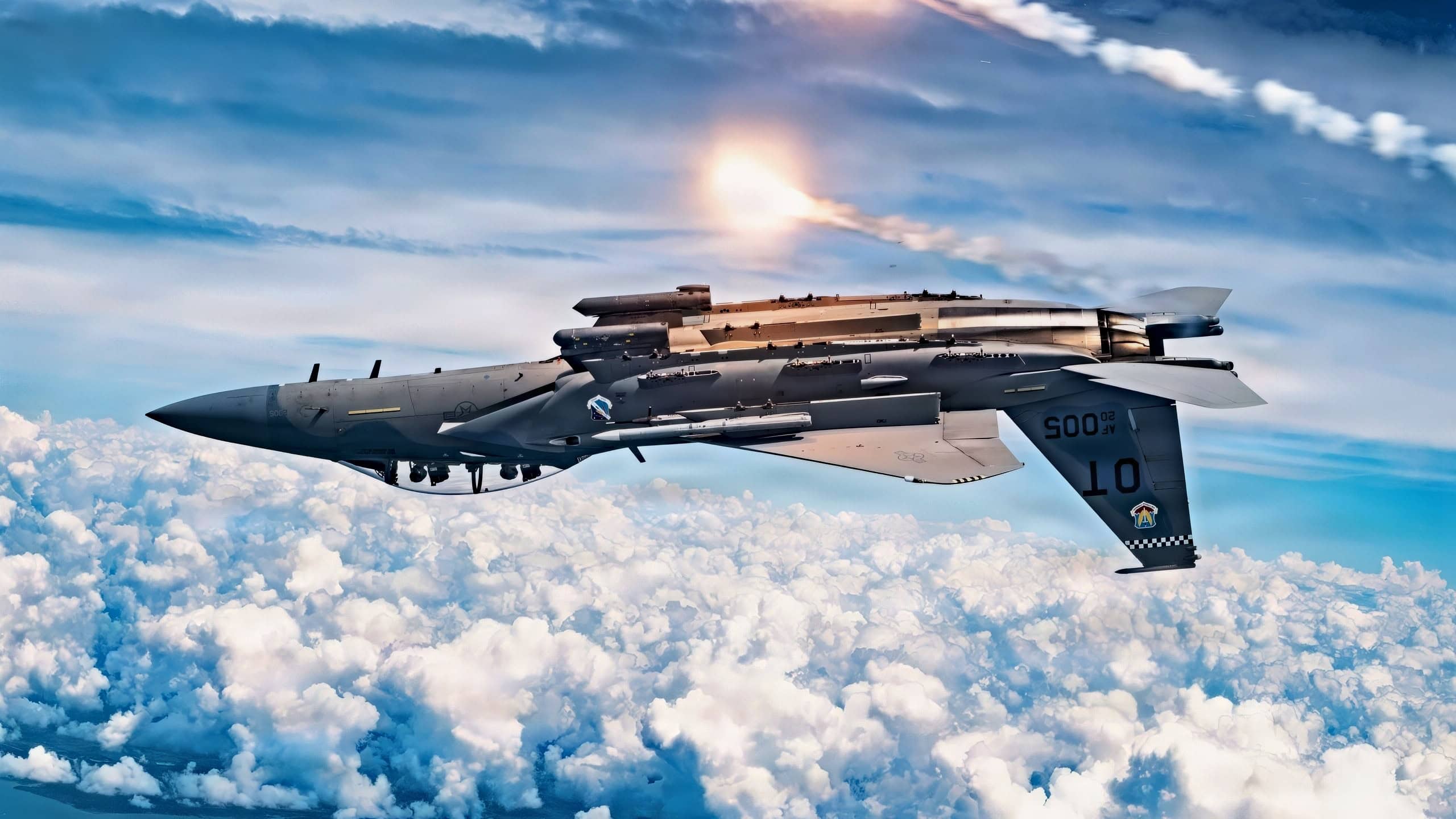
A U.S. Air Force F-15EX Eagle II assigned to Eglin Air Force Base, Florida, releases flares over the Gulf Coast, April 3, 2026. The 96th Test Wing and 53rd Wing perform developmental and operational test series on the platform including next-generation survivability, radars, sensors and networking capabilities. (U.S. Air Force photo by Tech Sgt Thomas Barley)
The technology did not vanish, though. The engineering developed for the Lavi fed Israel’s first space satellite work and the high-tech boom of the 1990s, and it helped build the Elta radars, the Arrow missile, and the missile, avionics, and drone industries that Israel now leads.
The irony is hard to miss. An ally built a world-class fighter, was pressured by its patron into killing it to protect that patron’s export market, and the design may have re-emerged years later as the mainstay fighter of the patron’s chief rival. The Lavi never flew for Israel past 1987, but a jet that looks a great deal like it now flies in large numbers for China.
About the Author: Harry J. Kazianis
Harry J. Kazianis (@Grecianformula) was the former Senior Director of National Security Affairs at the Center for the National Interest (CFTNI), a foreign policy think tank founded by Richard Nixon based in Washington, DC. Harry has over a decade of experience in think tanks and national security publishing. His ideas have been published in the NY Times, The Washington Post, The Wall Street Journal, CNN, and many other outlets worldwide. He has held positions at CSIS, the Heritage Foundation, the University of Nottingham, and several other institutions focused on national security research and analysis. He is the former Executive Editor of the National Interest and the Diplomat. He holds a Master’s degree focusing on international affairs from Harvard University.

