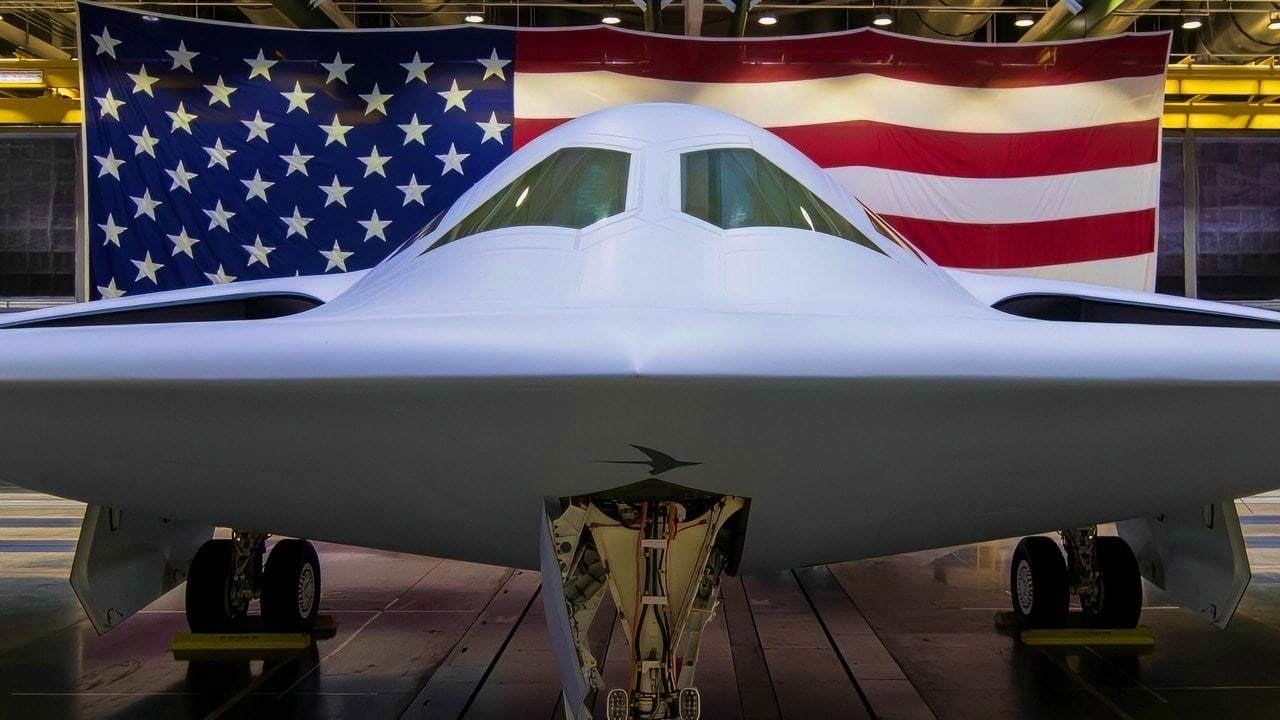
The B-21 Raider long-range, nuclear-capable stealth bomber might be the most advanced bomber ever made. It’s also too few in number to make any significant difference at the strategic level.
Originally, the Air Force wanted around 300 of these beauties.
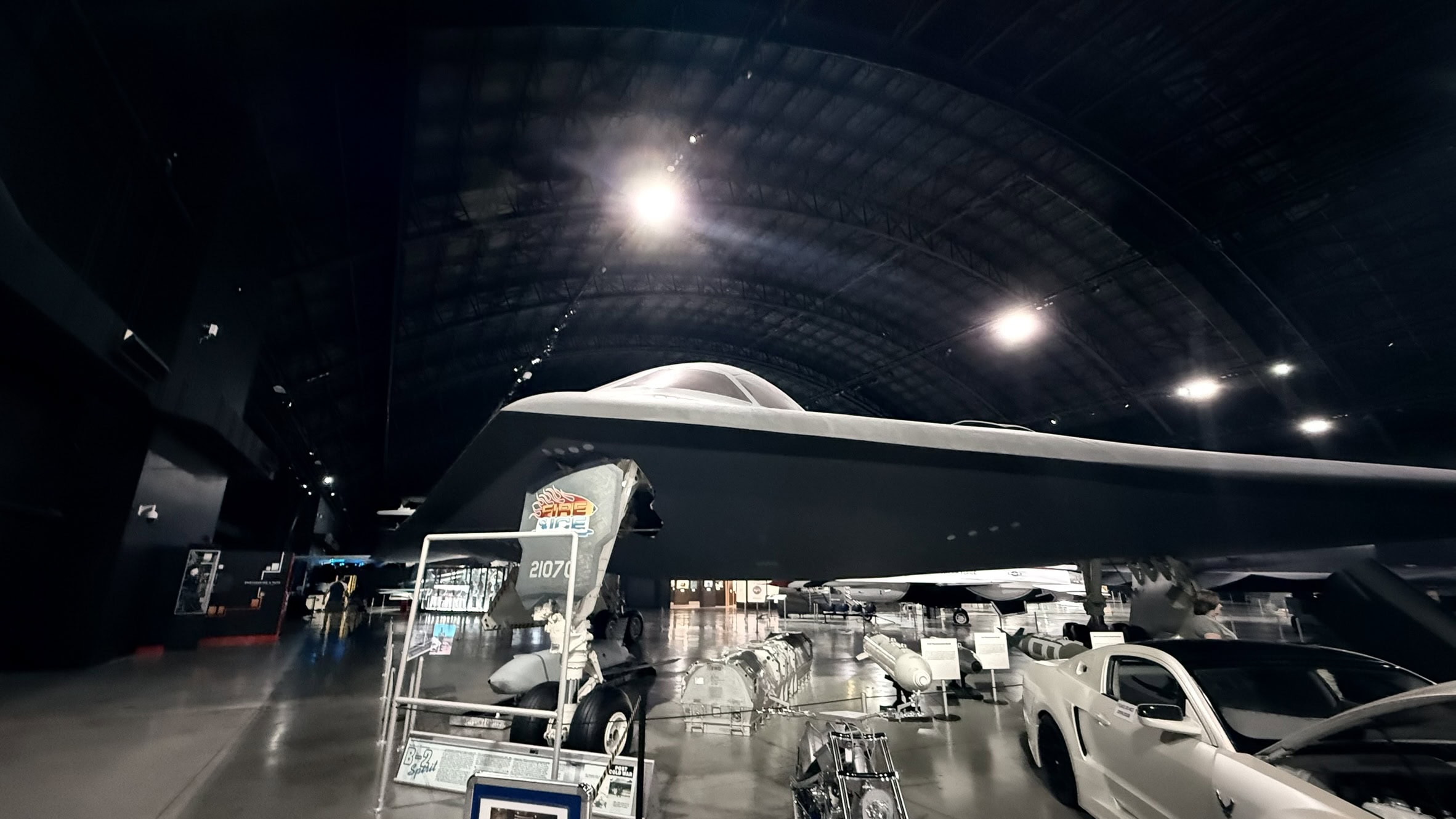
B-2 Spirit Bomber 19FortyFive Image from the National Museum of the U.S. Air Force
Now, they say they’ll settle for 100. But at $700 million per plane, it just seems like even 100 is far too much for the Air Force to ask for.
After all, even with a proposed $1.5 trillion budget for next year’s defense budget, between the Golden Dome national missile defense system, the F-47 Next Generation Air Dominance (NGAD), and the Navy’s potential F/A-XX sixth-generation carrier-based warplane, it doesn’t appear like there’ll be much room in the budget to support 100 B-21s.
The B-2 Spirit Offers a Warning
The Air Force finds itself in much the same position that it was in with the B-2 Spirit stealth bomber. Back in the 1980s and 1990s, the Air Force wanted over 100 units.
They had to settle for 20. Today, there are only 19 B-2s. And those systems are aging (which is why the Air Force wanted a new plane to replace them).
Even a force of 100 B-21s, according to many Air Force planners, won’t match the threat level the Air Force faces today.
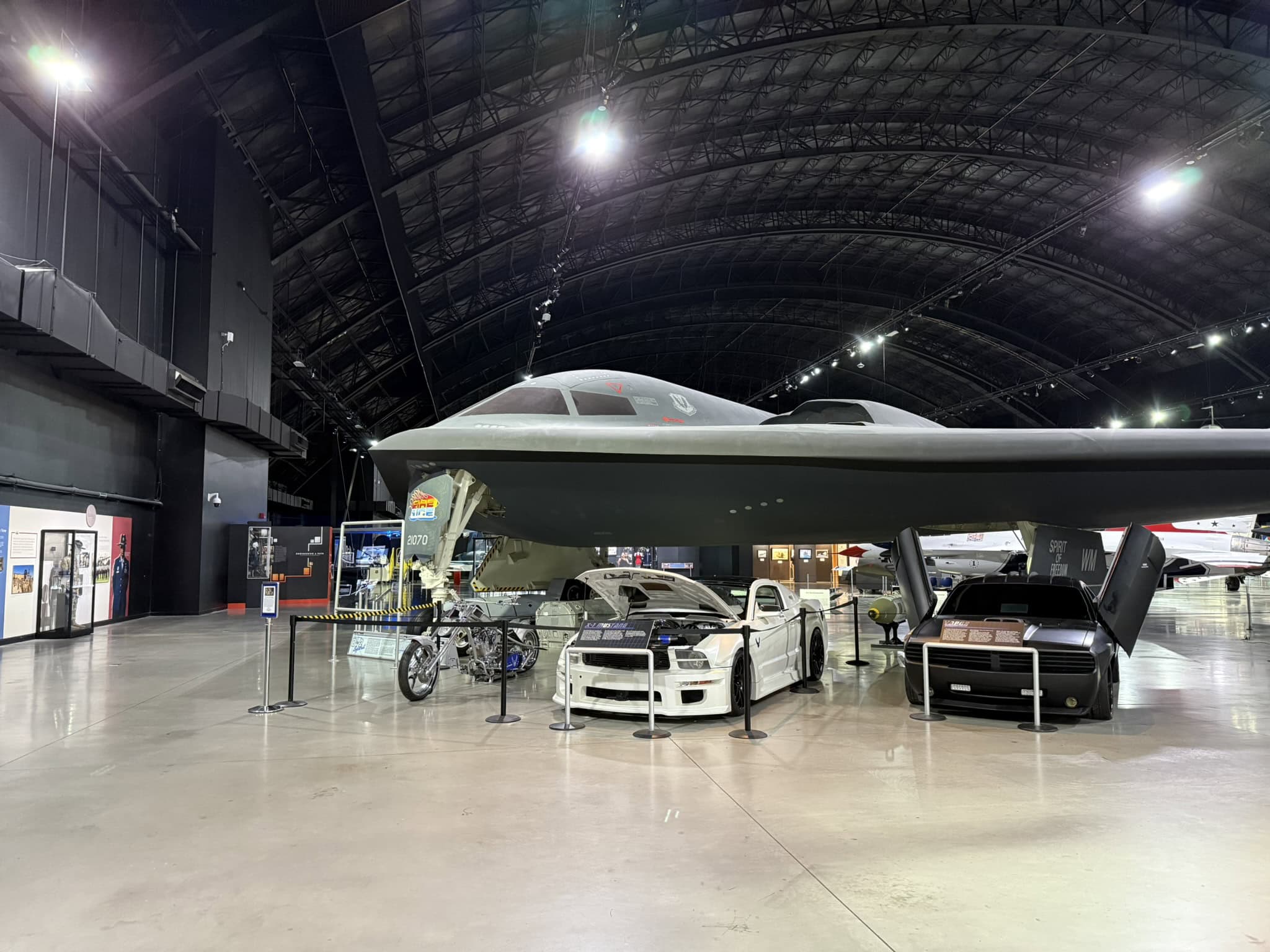
B-2 Spirit Bomber 19FortyFive Image from the National Museum of the U.S. Air Force
Generally, stealth planes are complex machines that require constant maintenance. The larger a fleet of stealth planes, the more combat-ready that force is.
Why Fleet Size Matters in Modern Warfare
A force of just 100 units of B-21 Raiders drastically reduces that plane’s combat readiness.
That’s especially considering that the Pentagon fears an impending two-front war involving the People’s Republic of China (PRC) and the Russian Federation.
In such a conflict, the United States will need closer to the desired 300 B-21 units for the plane to be truly worth the vast expenditure.
Plus, in such a high-intensity war, the likelihood that some of these birds will get shot down in combat is high.
A small 100-plane fleet lacks the operational capacity to sustain losses while maintaining its combat effectiveness.
After the first engagement in such a war, the plane’s usefulness rapidly declines. Then one starts to wonder if that lavish amount of tax dollars spent to build the paltry number of 100 B-21s
Drones and Hypersonic Weapons Would Deliver More Combat Power
For a fraction of that money spent on the beautiful, albeit nowhere near as useful, B-21 Raider, the Air Force could have purchased swarms upon swarms of various drones that would have overwhelmed the air-and-missile defenses of its enemies in war.
The B-21 cannot deliver the full measure of its intended combat effectiveness, so long as the United States Air Force cannot procure–quickly–the baseline numbers that the designers of the B-21 intended for it to possess. That number is 300. It is not 100. It isn’t even 200.
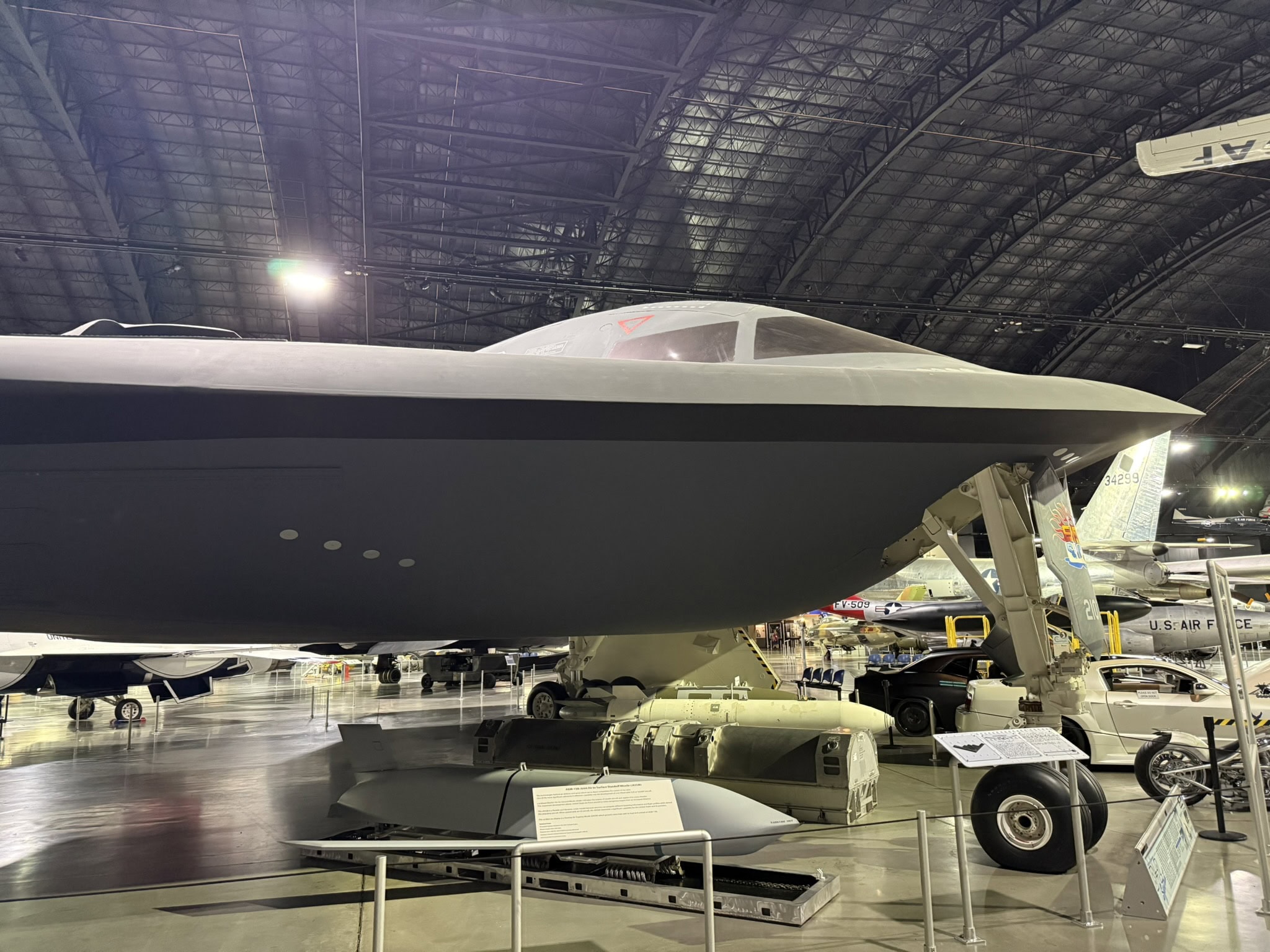
B-2 Spirit Bomber 19FortyFive Image from the National Museum of the U.S. Air Force
A plane, like the B-21, is such a precise creation that it must have all its requisite needs met to succeed as intended.
Under current conditions, the Air Force is just blowing a lot of US tax dollars on a system that won’t deliver in a high-tempo combat setting the way they think it will.
They’re better off building thousands of drones and trying to build their much-ballyhooed, underdelivered hypersonic weapons.
Those are the weapons that will matter most against a peer rival such as China or Russia.
And they’re the things we lack most.
About the Author: Brandon J. Weichert
Brandon J. Weichert is the Senior National Security Editor at 19FortyFive.com. He also manages The Weichert Brief on Substack. Weichert also hosts “National Security Talk” on Rumble. He is the author of four bestselling national security books, the most recent of which is A Disaster of Our Own Making: How the West Lost Ukraine (Encounter Books). Follow him via Twitter/X @WeTheBrandon.