
Last summer, I spent a few hours just staring at the B-2A Spirit stealth bomber that is on display at the National Museum of the U.S. Air Force in Dayton, Ohio. During that hot July day, I had one question that wouldn’t leave my mind: just how many B-21 Raider bombers will the Air Force get? Let’s face it, today, 19 B-2A Spirits aren’t enough. Could the Air Force make the same math mistake?
Here’s the challenge, as I see it: The United States Air Force operates roughly 140 bombers. Spread across three types — about 76 B-52 Stratofortresses, 45 B-1B Lancers, and 19 B-2 Spirits — that fleet is the entire American long-range strike force, the aircraft that carry the air leg of the nuclear triad and the heaviest conventional payloads in the arsenal.

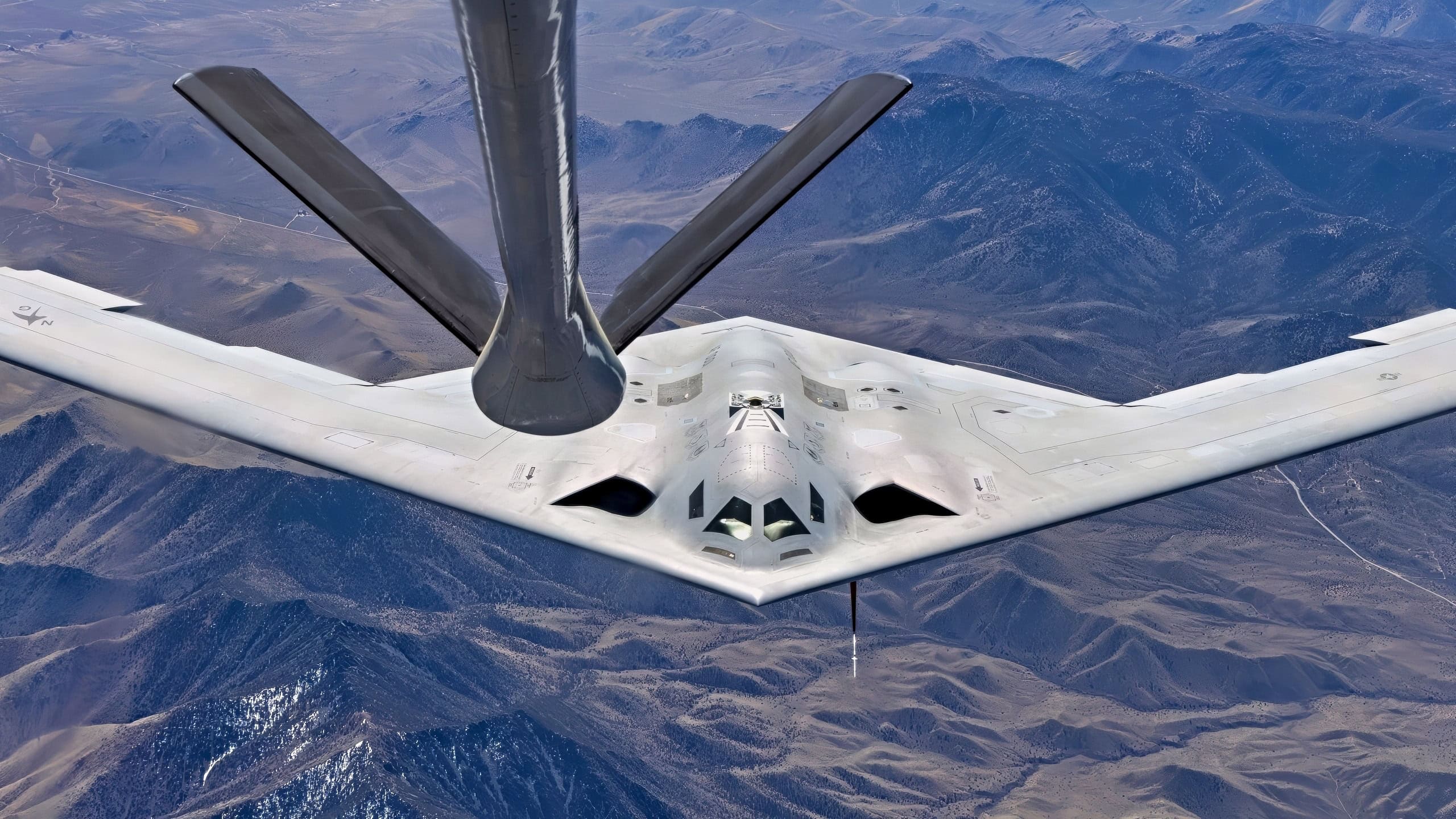
U.S. Air Force Airmen with the 912th Aircraft Maintenance Squadron prepare to recover the second B-21 Raider to arrive for test and evaluation at Edwards AFB, Calif., Sept. 11, 2025. The arrival of a second test aircraft provides maintainers valuable hands-on experience with tools, data and processes that will support future operational squadrons. (U.S Air Force photo by Kyle Brasier)
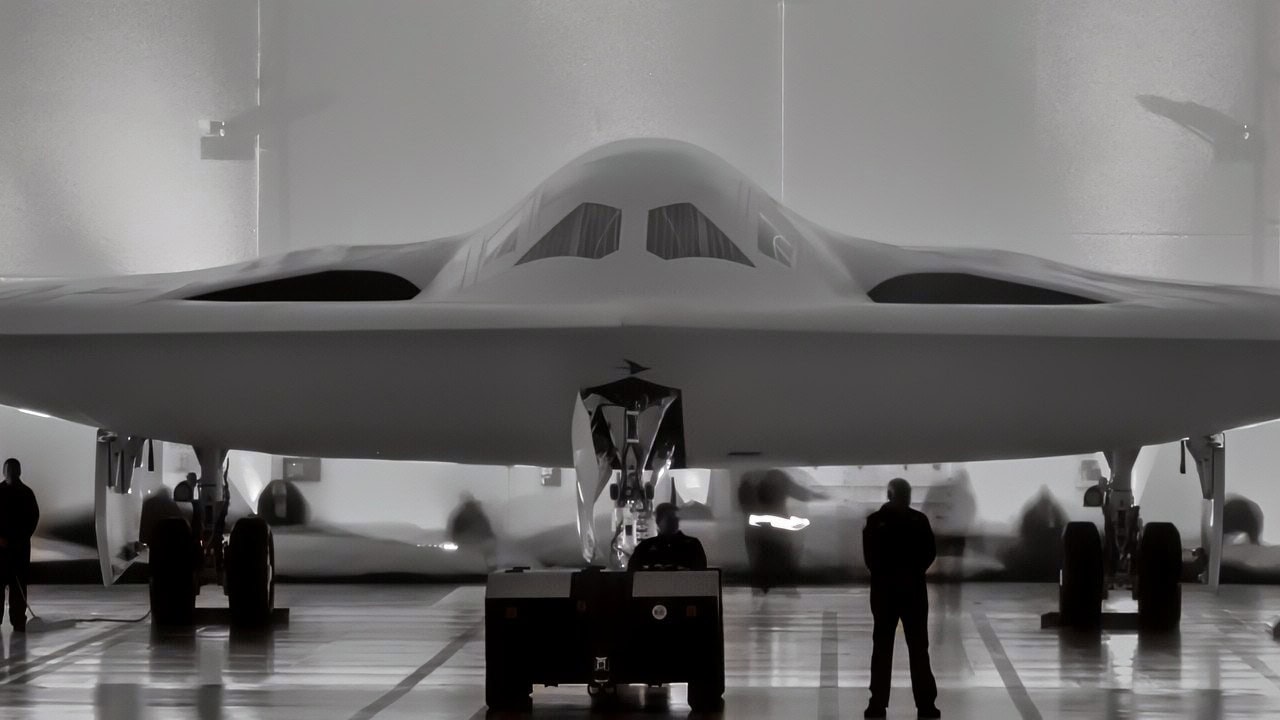
A B-21 Raider is unveiled at Northrop Grumman’s manufacturing facility on Air Force Plant 42 in Palmdale, California, Dec. 2, 2022. The B-21 will be a long-range, highly survivable, penetrating strike stealth bomber capable of delivering both conventional and nuclear munitions. (U.S. Air Force photo by Airman 1st Class Joshua M. Carroll)
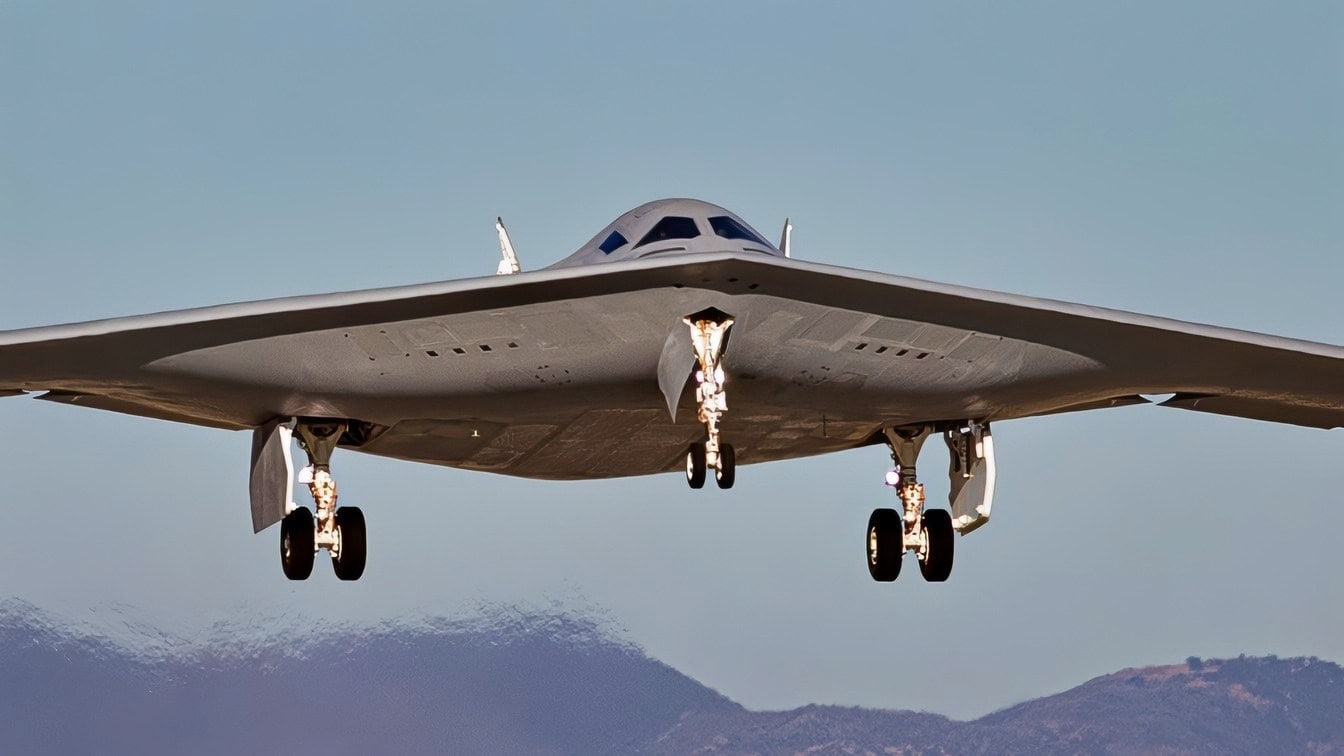
A second B-21 Raider test aircraft takes off, Sept. 11, from Palmdale, Calif., to join the Air Force’s flight test campaign at Edwards Air Force Base, Calif. The addition of the second test aircraft expands mission systems and weapons integration testing, advancing the program toward operational readiness. (Courtesy photo)
The number that keeps surfacing for the B-21 Raider meant to replace most of them is 200. A Raider fleet at that size would not merely modernize the bomber force; it would be larger than the whole bomber force flying today, a replacement program that ends up bigger than everything it replaces.
The official plan calls for 100. The people responsible for using the bomber keep saying, on the record, that 100 is not enough — and the gap between the frozen number and the requirement everyone describes is the most important unsettled question in American airpower.
The Math Behind The Headline: 200 B-21 Raiders Against 140 Bombers Today
The current inventory is a matter of public record. The Congressional Research Service documents 45 B-1B Lancers, down from an original 100, and 74 B-52s, the Air Force plans to life-extend into the 2040s, alongside the 19 surviving B-2 Spirits out of 21 ever built. Add them and the total American bomber force comes to roughly 140 aircraft — a force smaller than many people assume for a country with global strike commitments, and one built largely from airframes designed during the Cold War.
Two hundred B-21s would exceed that entire number with room to spare. Even at the official floor of 100, the Raider would become the largest single component of the bomber fleet; at 200, it would outnumber every B-52, B-1, and B-2 combined.
The figure is not arbitrary, either. It sits at the high end of a range that defense officials, members of Congress, and independent analysts have been converging on for more than a year, and the lower bound of that range already exceeds the program of record.
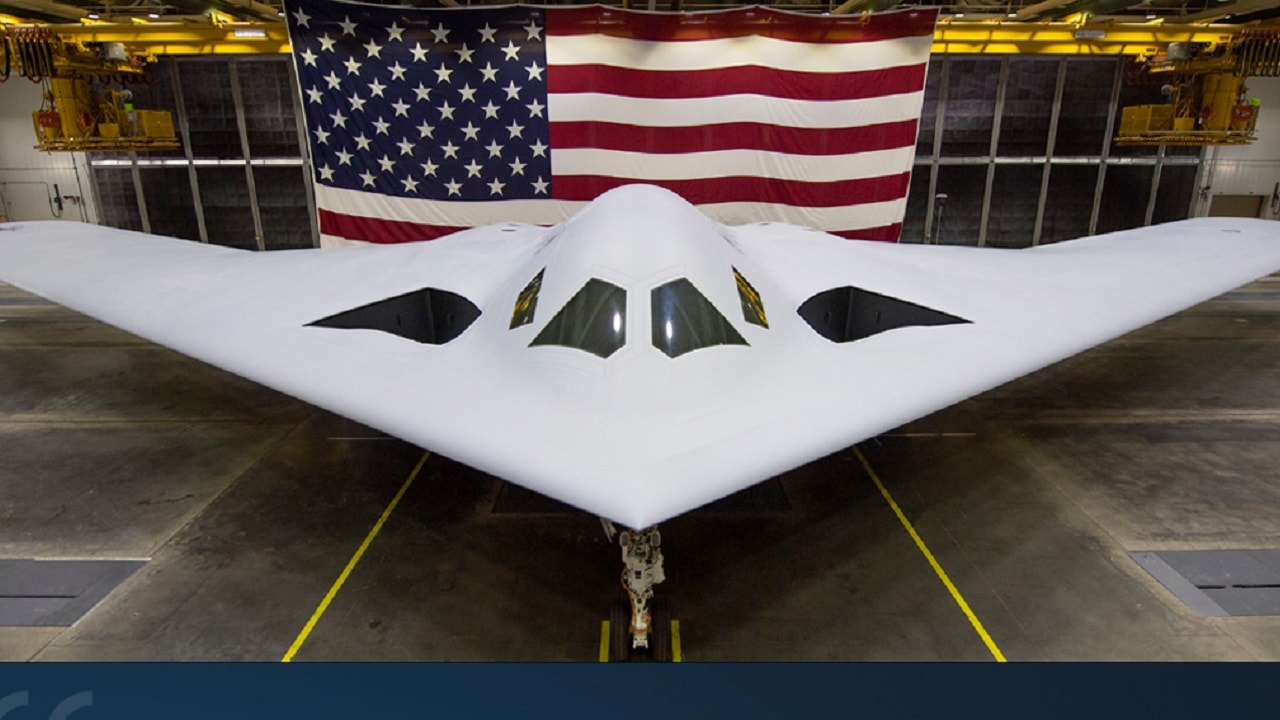
B-21 Raider
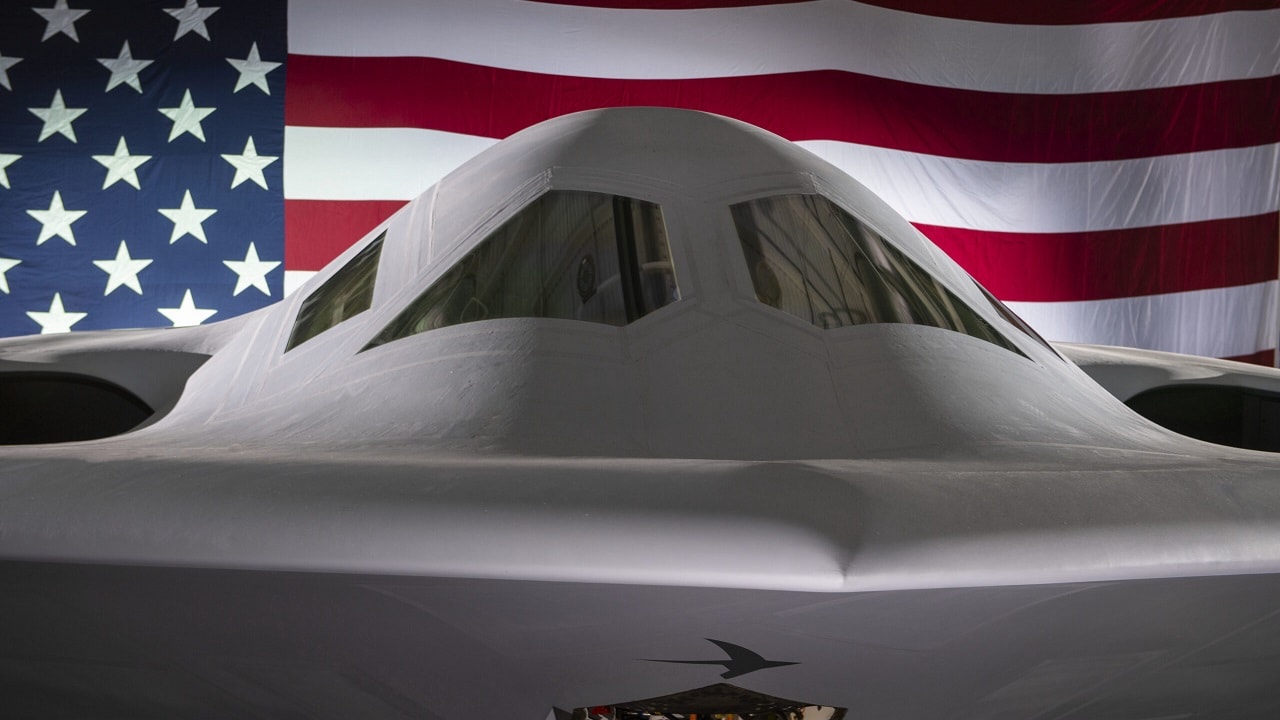
The B-21 Raider was unveiled to the public at a ceremony December 2, 2022 in
Palmdale, Calif. Designed to operate in tomorrow’s high-end threat environment, the B-21 will play a critical role in ensuring America’s enduring airpower capability. (U.S. Air Force photo)
“A Lot More Than 100”: What The Pentagon Keeps Saying
The official target has not changed, and the Air Force has been careful to say so. An Air Force official reconfirmed to The War Zone this winter that the planned fleet remains at least 100 aircraft even as production capacity expands, with the final number itself now expected to be classified. That is the number on paper. Almost no one responsible for the mission defends it as sufficient.
Defense Secretary Pete Hegseth told lawmakers in April that the Air Force would need a lot more than 100 Raiders in the future, the most direct statement yet from Pentagon leadership. Strategic Command’s commander, Admiral Richard Correll, has pointed to a fleet of as many as 145 aircraft, with a second production line under evaluation. Air Force Global Strike Command has previously signaled a desired total bomber force of around 225 aircraft, and with only about 76 re-engined B-52s expected to survive the retirement of the B-1 and B-2, the arithmetic points to roughly 150 B-21s to reach that level, with independent studies arguing closer to 200 for a prolonged Indo-Pacific fight.
The estimates vary, but each one exceeds 100, and the most demanding scenarios reach the number in this article’s headline.
Replacing Two Bombers With One: Why 100 Was Always Thin
The case for a larger fleet starts with the job the Raider is being asked to do. The B-21 is slated to replace both the B-2 and the B-1B, taking over the penetrating-strike role against defended airspace that neither the aging B-52 nor any legacy bomber can perform against a modern integrated air defense system. That is two retiring fleets — 19 stealth bombers and 45 Lancers, 64 aircraft in all — folded into one replacement, on top of the nuclear-delivery mission the B-21 inherits as a leg of the triad.

A B-52 Stratofortress with the 307th Bomb Wing, Louisiana, flies toward the boom of a KC-135 Stratotanker, with the 914th Air Refueling Wing, New York, July 9, 2022 over Southern United States. The KC-135 had spouses of the 307th Maintenance Group on board that were able to watch the refueling. (U.S. Air Force photo by Staff Sgt. Tiffany A. Emery)

A B-52 Stratofortress with the 93rd Bomb Squadron out of Barksdale Air Force Base pulls close behind a KC-135 Stratotanker from the 914th Air Refueling Wing to be refueled over Missouri, USA, 15 Aug, 2022. Air Refueling offers rapid mobility to the joint forces around the globe. (U.S. Air Force Photo by Airman Kylar Vermeulen)
One hundred aircraft to cover all of that was a thin figure the moment it was written down. A bomber fleet is never fully available at once; maintenance, training, test, and overhaul consume a steady fraction of any force, so a 100-aircraft inventory yields far fewer than 100 deployable bombers on any given day. Spread across a nuclear deterrent mission that cannot be drawn down and a conventional penetrating-strike role that a great-power war would demand at scale, the deployable remainder quickly thins. The program of record replaces two bomber fleets and a nuclear mission with a number barely larger than one of those fleets at its Cold War peak.
The China Problem And The Mass It Demands
The requirement that has changed the conversation is China. A war in the Pacific would be fought across distances that only long-range bombers can cross without depending on forward bases inside an adversary’s missile reach, and it would require striking large numbers of defended, hardened, and mobile targets repeatedly over a sustained campaign. That mission needs mass — enough survivable aircraft to generate continuous sorties across thousands of miles, to strike deep night after night, and to absorb the losses any contest against a peer air-defense network will inflict.
One hundred bombers, with only a fraction deployable and a portion held for nuclear deterrence, does not generate that kind of sustained penetrating mass against the world’s densest air defenses.
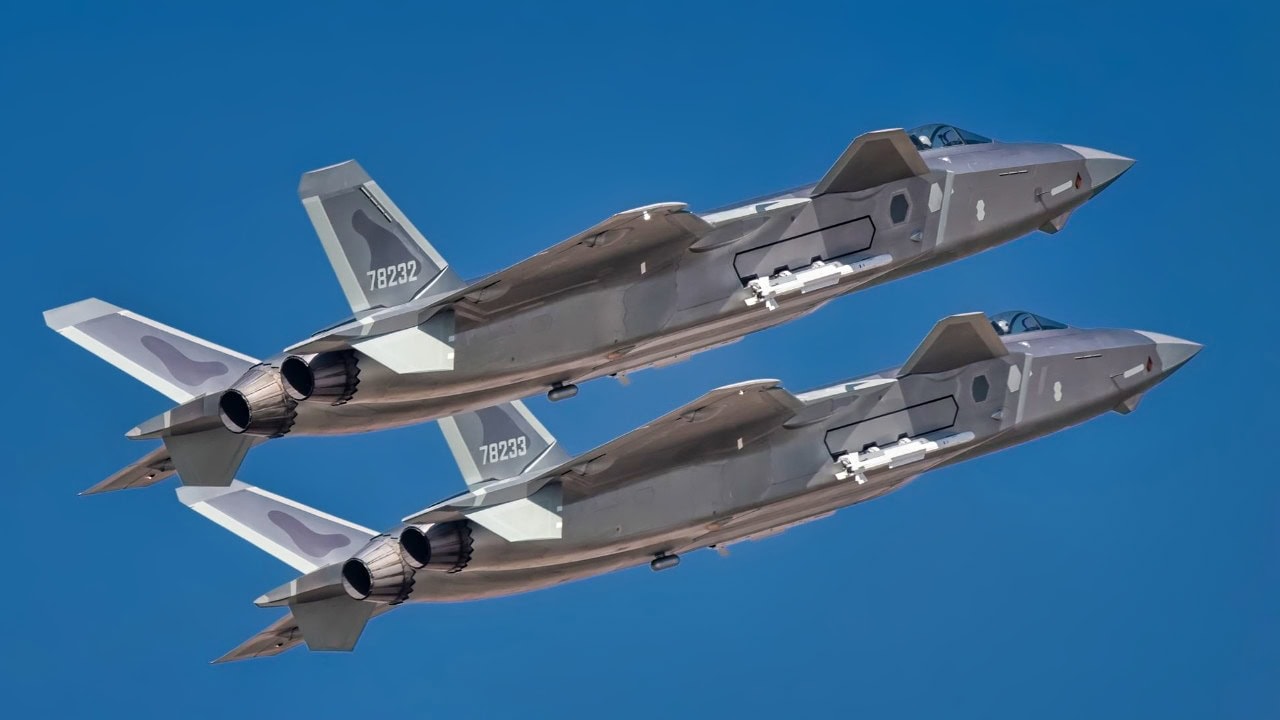
J-20 Mighty Dragon. Image Credit: Creative Commons
China is building combat aircraft, missiles, and air defenses at a rate that widens the gap each year, and the American advantage in long-range stealth strike is one of the few that Beijing cannot quickly match. That advantage holds only if the fleet is large enough to be used hard and still remain a force. A bomber arm too small to risk is a deterrent that an adversary may eventually decide it can outlast.
The Magazine-Depth Lesson, In Airframes
The B-21 debate is the same lesson the current war keeps teaching, expressed in aircraft rather than ordnance. The fighting against Iran has burned through munitions and stressed platforms faster than American industry can replace them, and the Tomahawk and interceptor stockpiles have shown how quickly a force sized for peacetime deters runs short in an actual shooting war.
A 100-aircraft bomber fleet is a small magazine of its own. Every Raider lost in combat is a Raider that takes years and a billion-plus dollars to replace, and a fleet that small cannot afford to lose many before the penetrating-strike capability itself is in question.
Mass is not a luxury in that calculation; it is what separates a force that can fight a long war from one that can only fight a short one. The same reasoning driving the push to rebuild Tomahawk production and expand the interceptor stockpile applies to the bomber that would carry much of the deep-strike burden in a Pacific conflict. Buying 100 and calling the requirement met repeats the peacetime habit of sizing the force for deterrence displays rather than for the wars the force might actually have to wage.
Nuclear And Conventional, One Airframe, Two Demands
The Raider’s dual role sharpens the shortage. The same aircraft is meant to stand nuclear alert as part of the triad and to fly conventional penetrating strikes in a major war, and those two missions compete for the same airframes. A fleet sized for one is short for the other, and a fleet sized for both at 100 is short for each. Congress has noticed.
The House Armed Services Committee, in drafting the fiscal 2027 defense authorization, expressed concern that the plan to buy 100 B-21s may be insufficient to meet the National Defense Strategy and ordered the Pentagon to report by December 2026 on how many Raiders both the nuclear and conventional missions actually require, and how long buying the additional aircraft would take.
That reporting requirement is the clearest sign that the official number is living on borrowed time. Lawmakers do not order a formal study of how many more aircraft are needed unless they expect the answer to exceed the current plan.
The question Congress has asked is not whether 100 is enough, but how far above 100 the real requirement sits.
The Machinery Is Already Moving
The infrastructure to build a larger fleet is being put in place before the number is official. The Air Force and Northrop Grumman finalized an agreement to expand annual B-21 production capacity by 25 percent, applying $4.5 billion in supplemental funding to compress delivery timelines and accelerate fielding, which is now set to begin in 2027 at Ellsworth Air Force Base. The production rate is classified but has been reported to be up to 8 aircraft per year. Planners are evaluating a second assembly line, and Northrop’s chief executive has said the company is expanding capacity partly on its own funding so that the Air Force can feel confident ordering more than the committed minimum.
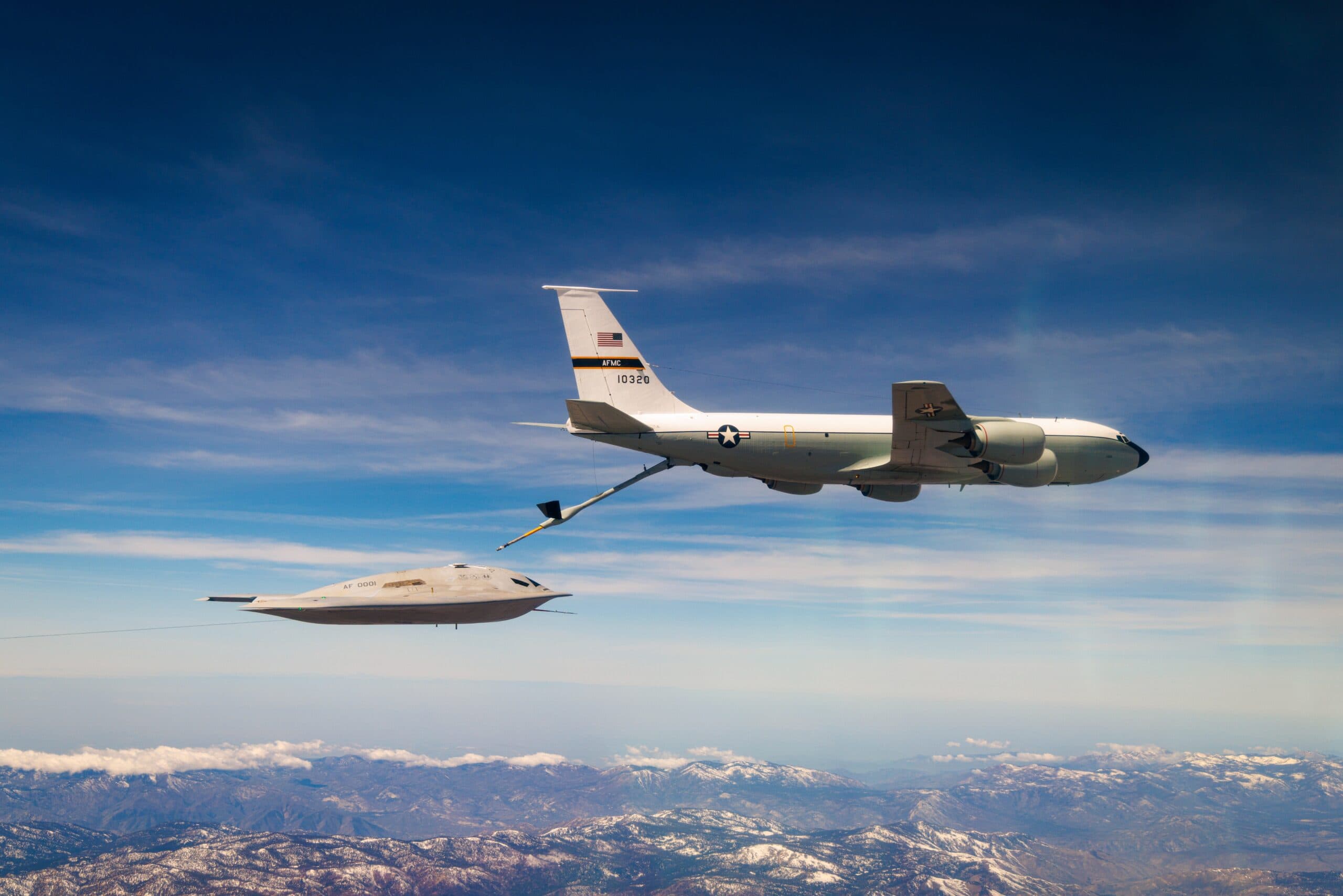
B-21 Raider Taking on Fuel. Image Credit: U.S. Air Force.
The sequence is deliberate. Raise the build rate first, prove the program can deliver at higher volume, and let the larger fleet number follow once the capacity to produce it is in place.
The Air Force’s top planner, Lieutenant General David Tabor, told the House on May 13 that the service will likely spell out its revised fleet figure in spring 2027, as part of the fiscal 2028 budget request. The capacity to build a larger force is being created now; the formal decision to buy it will wait another year.
But Is 200 B-21 Raiders Really a Good Idea?
The case for restraint deserves a fair hearing. One hundred B-21s would still be a generational increase in penetrating-strike capability over the 19 B-2s the United States operates today, and each Raider is a far more capable, better-networked, and more maintainable aircraft than its predecessor — 100 modern stealth bombers is not 100 of anything that came before.
The program has been, by the consistent assessment of military officials and members of Congress, the best-run major acquisition in the Pentagon, on cost and on schedule through its development, and overcommitting before the test program finishes carries its own risk. The production restraint also reflects genuine fiscal and industrial limits: bomber capacity, like the submarine capacity the Navy is struggling to rebuild, cannot be conjured faster than the workforce, the suppliers, and the facilities allow, and a number announced is not the same as a number the industrial base can actually deliver.
MORE – China Can Build a New Aircraft Carrier in Less Than 2 Years
MORE – The U.S. Navy’s Aircraft Carrier Crisis Has No Easy Fix
None of that resolves the core problem. The restraint buys time and protects the program, but it does not change the requirement, which continues to be described in numbers ranging from 145 to 200. The Air Force is building the capacity to produce a larger fleet, Congress is demanding to know how large the fleet should be, the Defense Secretary says it needs to be much larger, and the strategic command that would employ the bombers in a nuclear or conventional war points to half again the official number or more. The program of record stays frozen at 100 until the spring 2027 budget, by which point the threat it is meant to address will have had another year to grow.
Two hundred Raiders would outnumber every bomber the Air Force flies today, and on the evidence of what the service’s own leaders keep saying, a fleet approaching that size is not an overreach but the number the mission has been pointing toward all along.
About the Author: Harry J. Kazianis
Harry J. Kazianis (@Grecianformula) was the former Senior Director of National Security Affairs at the Center for the National Interest (CFTNI), a foreign policy think tank founded by Richard Nixon based in Washington, DC. Harry has over a decade of experience in think tanks and national security publishing. His ideas have been published in the NY Times, The Washington Post, The Wall Street Journal, CNN, and many other outlets worldwide. He has held positions at CSIS, the Heritage Foundation, the University of Nottingham, and several other institutions focused on national security research and analysis. He is the former Executive Editor of the National Interest and the Diplomat. He holds a Master’s degree focusing on international affairs from Harvard University.

