
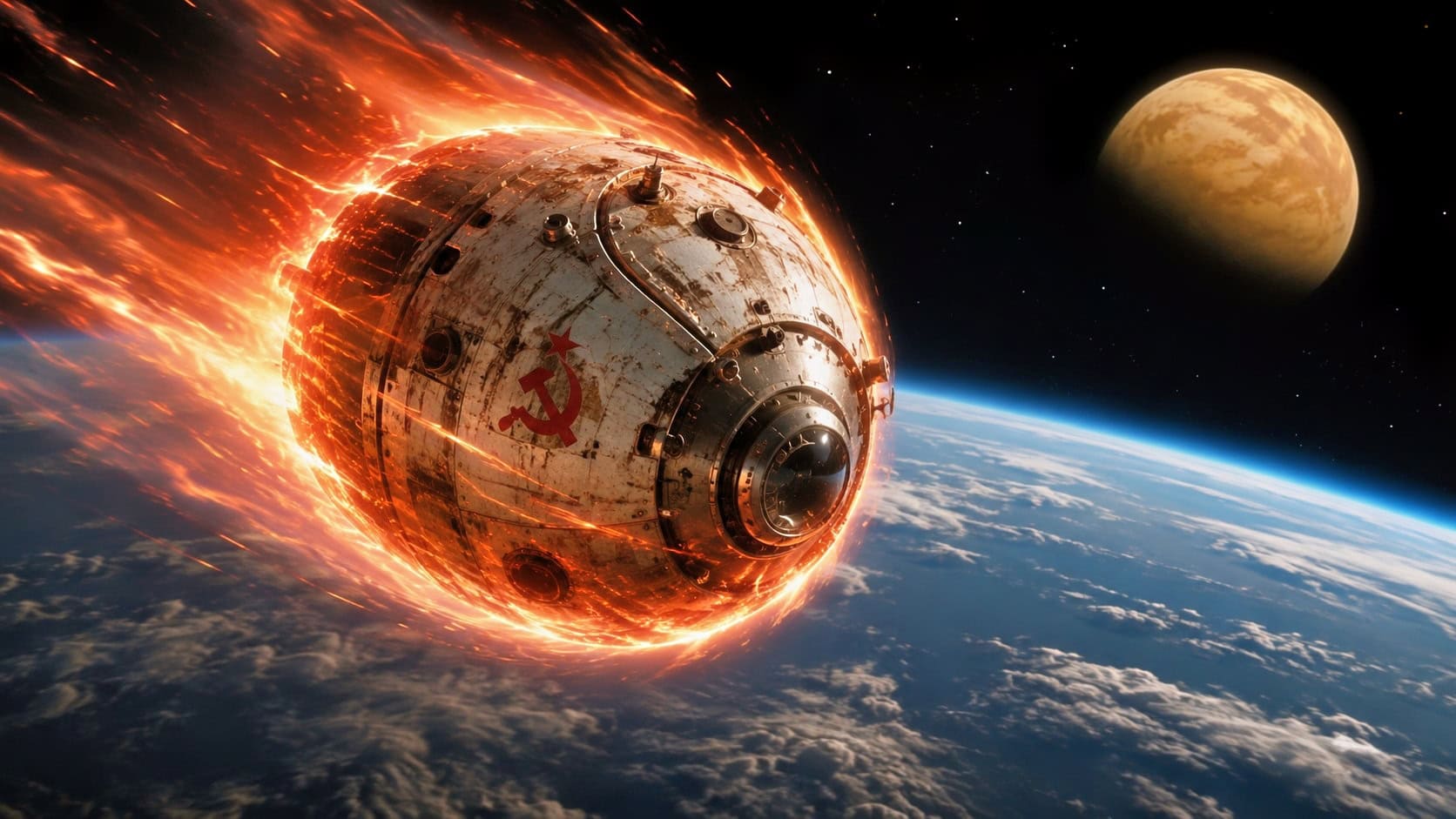
Launched in December 1984, the Soviet Union’s Vega program had the unusual objective of visiting both Venus and Halley’s Comet.
While the comet encounter generated headlines, the mission’s stop at Venus produced important scientific results. Indeed, the Vega 2 mission became one of the last great successes of the Soviet Union’s legendary Venus exploration campaign.
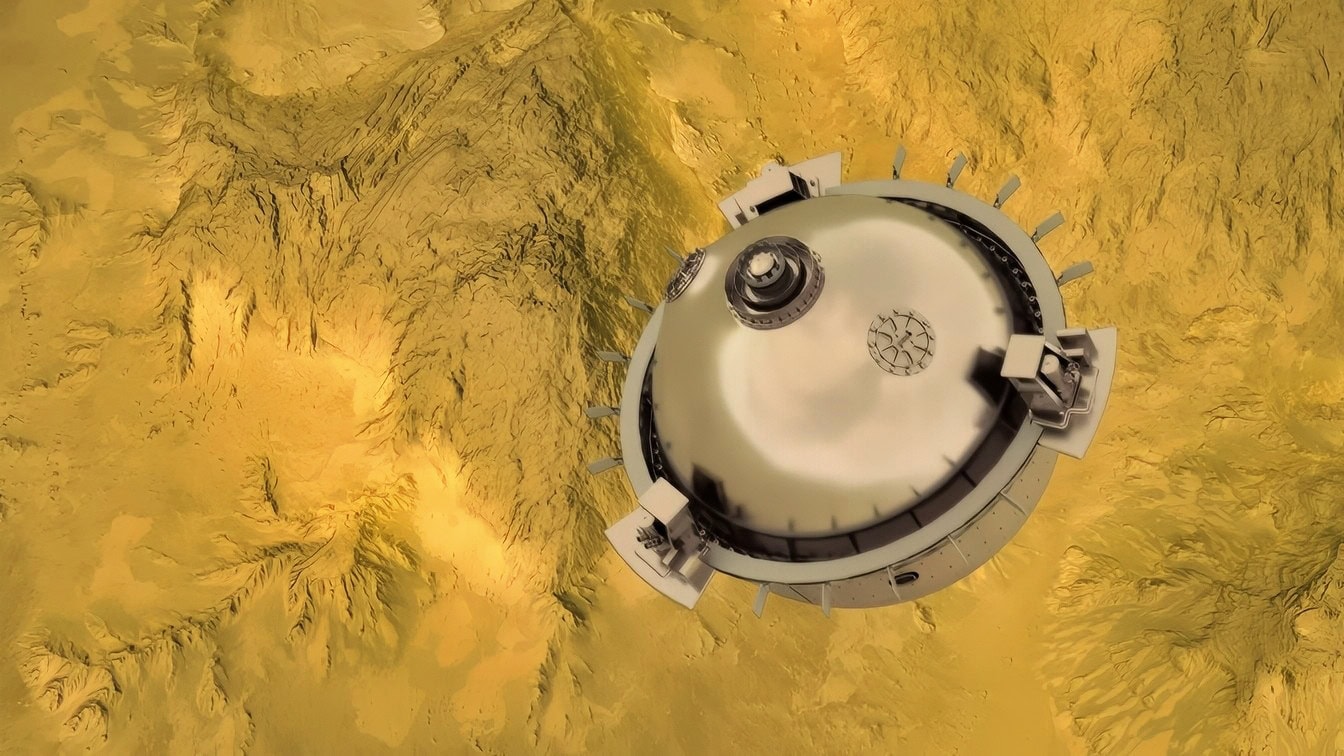
NASA Venus Lander Artist Rendition Picture
Today, the data gained from the campaign is still valuable, as Venus continues to fascinate scientists, because it is almost Earth’s twin in size, yet evolved into a world hot enough to melt lead.
The Soviets and Venus
During the Cold War, the Soviet Union dominated Venus exploration.
The Venera program achieved historic milestones as the first probe to survive descent, execute the first successful landing, and send back the first photographs ever taken from another planet’s surface.
Vega 2 was built upon more than two decades of hard-earned engineering experience. The goal was not just to land on the surface but to study the atmosphere and the surface in unprecedented detail.
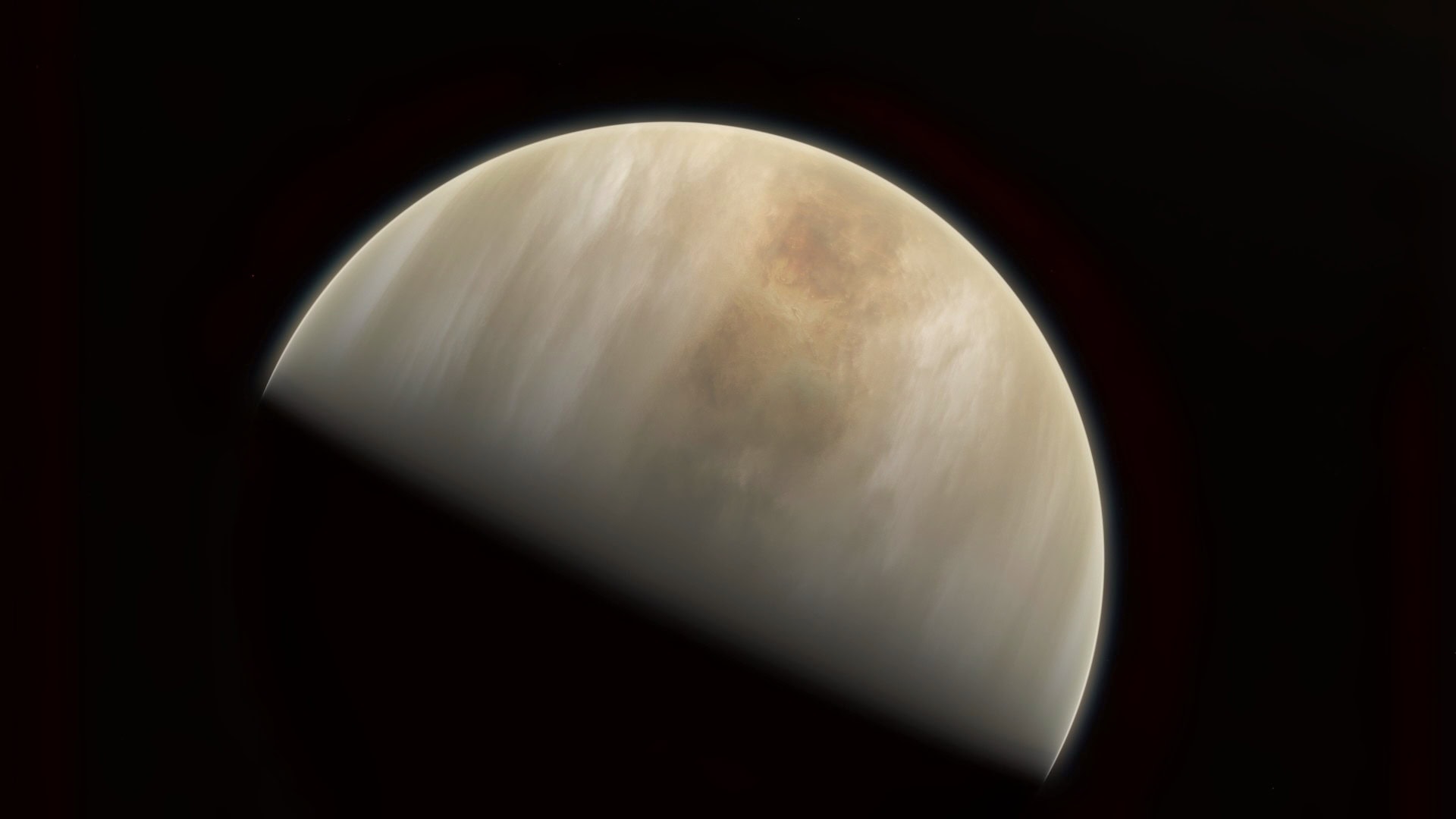
This artistic impression depicts our Solar System neighbour Venus, where scientists have confirmed the detection of phosphine molecules. The molecules were detected in the Venusian high clouds in data from the James Clerk Maxwell Telescope and the Atacama Large Millimeter/submillimeter Array, in which ESO is a partner. Astronomers have speculated for decades that life could exist in Venus’s high clouds. The detection of phosphine could point to such extra-terrestrial “aerial” life. NASA Photo.
Venus is nearly identical in size and mass to Earth, yet the conditions are vastly different. The surface temperature is nearly 900 degrees Fahrenheit, and the atmospheric pressure is about 90 times Earth’s.
The thick atmosphere is composed almost entirely of carbon dioxide, with clouds made primarily of sulfuric acid. Sunlight barely reaches the surface.
And despite being farther from the Sun than Mercury, Venus is the hottest planet because of its runaway greenhouse effect.
The Vega 2 Mission
The Vega 2 spacecraft was split into multiple components—the flyby spacecraft, the atmospheric entry probe, and the balloon experiment.
This allowed scientists to study Venus from multiple altitudes simultaneously. It was one of the most ambitious planetary missions of the 1980s.
During the descent through Venus’s atmosphere, the entry capsule slammed into the atmosphere at interplanetary speeds.
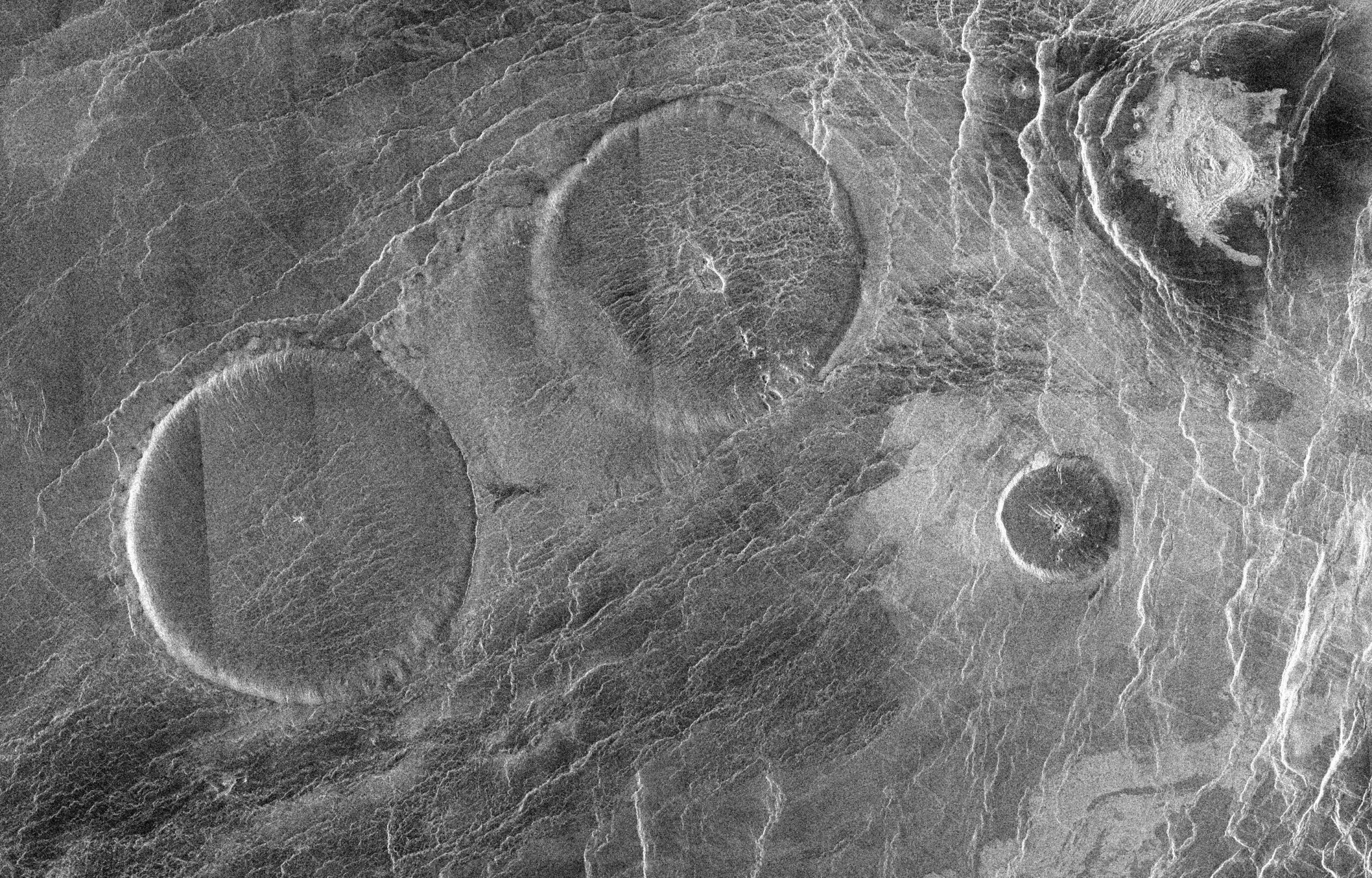
Surface of Venus. Creative Commons Photo.
The heat shield protected the spacecraft during this hypersonic entry, with parachutes deploying as the probe descended.
Then, instruments measured atmospheric pressure, temperature, cloud structure, chemical composition, and winds. This provided another detailed profile of one of the harshest atmospheres ever explored.
Perhaps the most innovative feature on board Vega 2 was the balloon.
Deployed roughly 50 to 55 kilometers above the surface, an altitude where temperatures resembled Earth’s and atmospheric pressure was much lower than at the surface, the balloon floated with high-altitude winds for nearly two days, measuring wind speeds, atmospheric turbulence, and cloud dynamics.
This demonstrated an entirely new way to study another planet.
Teaching Us About Venus
Vega 2 confirmed that Venus possesses remarkably powerful atmospheric circulation.
The upper atmosphere rotates around the planet far faster than the planet itself—a phenomenon known as super-rotation.
This insight helped refine our understanding of cloud chemistry, atmospheric stability, and vertical temperature structure. The data collected improved climate models that remain valuable today.
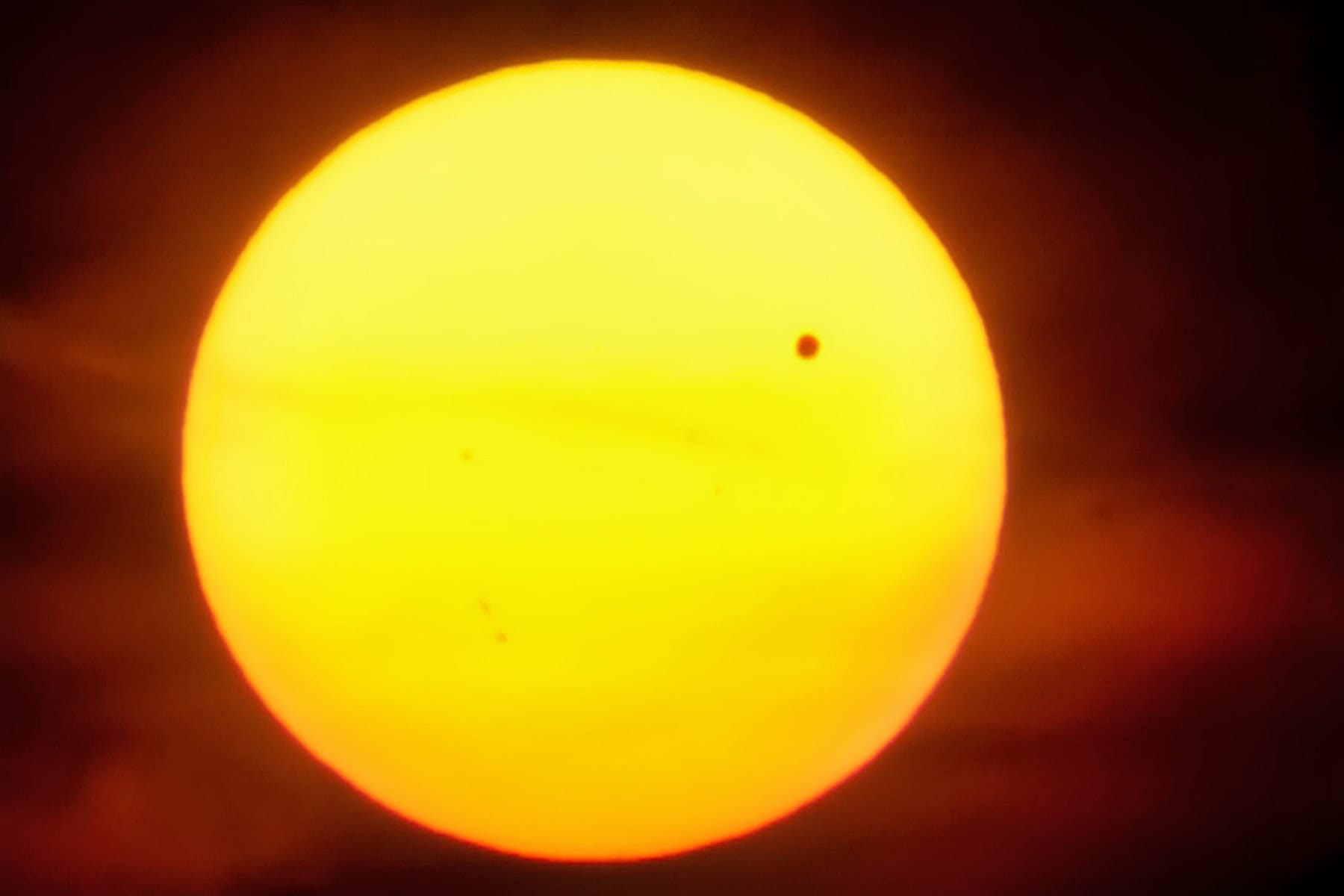
Venus Transit In Front of the Sun NASA Photo
Scientists believe Venus likely began with conditions more similar to Earth’s.
Scientists still debate whether ancient oceans once existed or whether the planet was habitable before the runaway greenhouse effect.
Understanding Venus may help explain Earth’s long-term climate evolution and also inform studies of Earth-sized exoplanets orbiting distant stars.
So obviously, insights gained from Venus are highly valuable.
Because the surface of Venus is so hostile, surface landers there had only limited survival times.
Electronics had to function despite crushing pressure, extreme heat, and a corrosive atmosphere.
Soviet engineers built pressure vessels, thermal insulation, and cooling systems because every additional minute of operation represented a major engineering and scientific achievement.
Legacy of Vega 2
Vega 2 was one of the final major Soviet Venus missions, following decades of Venera program successes.
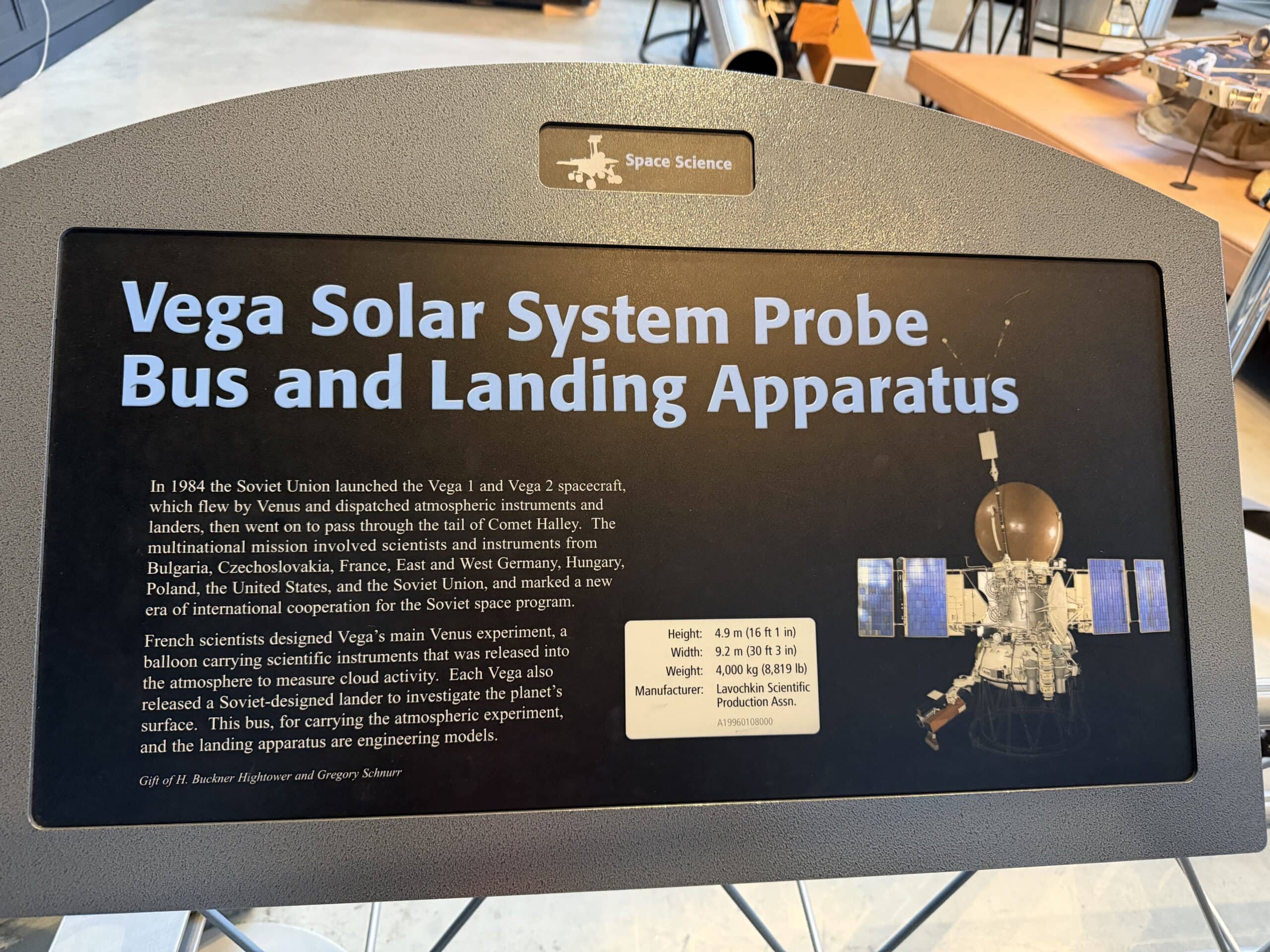
Vega Space Probe 19FortyFive Photo From Smithsonian Taken on June 30 2026
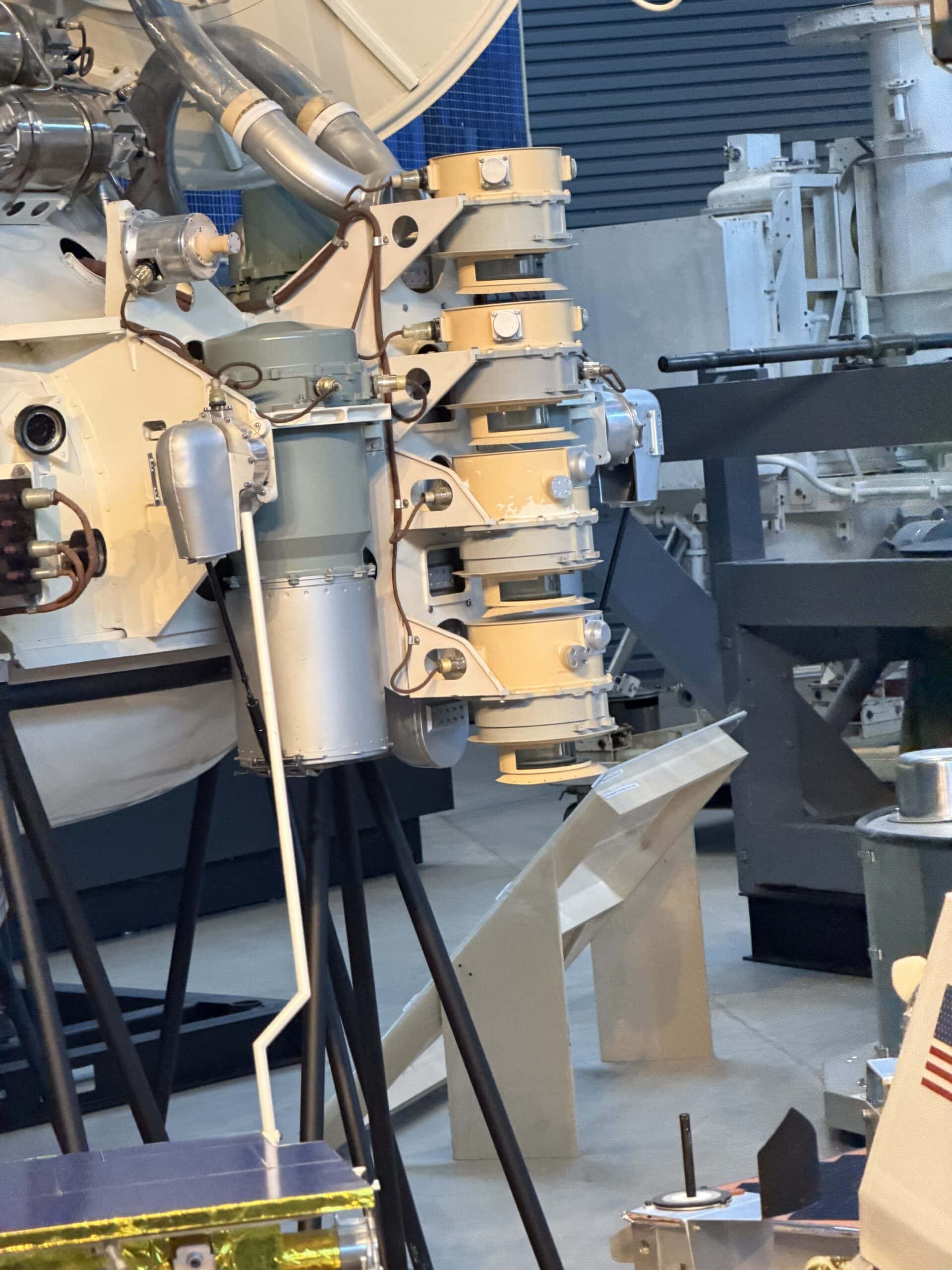
Vega Space Probe 19FortyFive Photo From Smithsonian Taken on June 30 2026
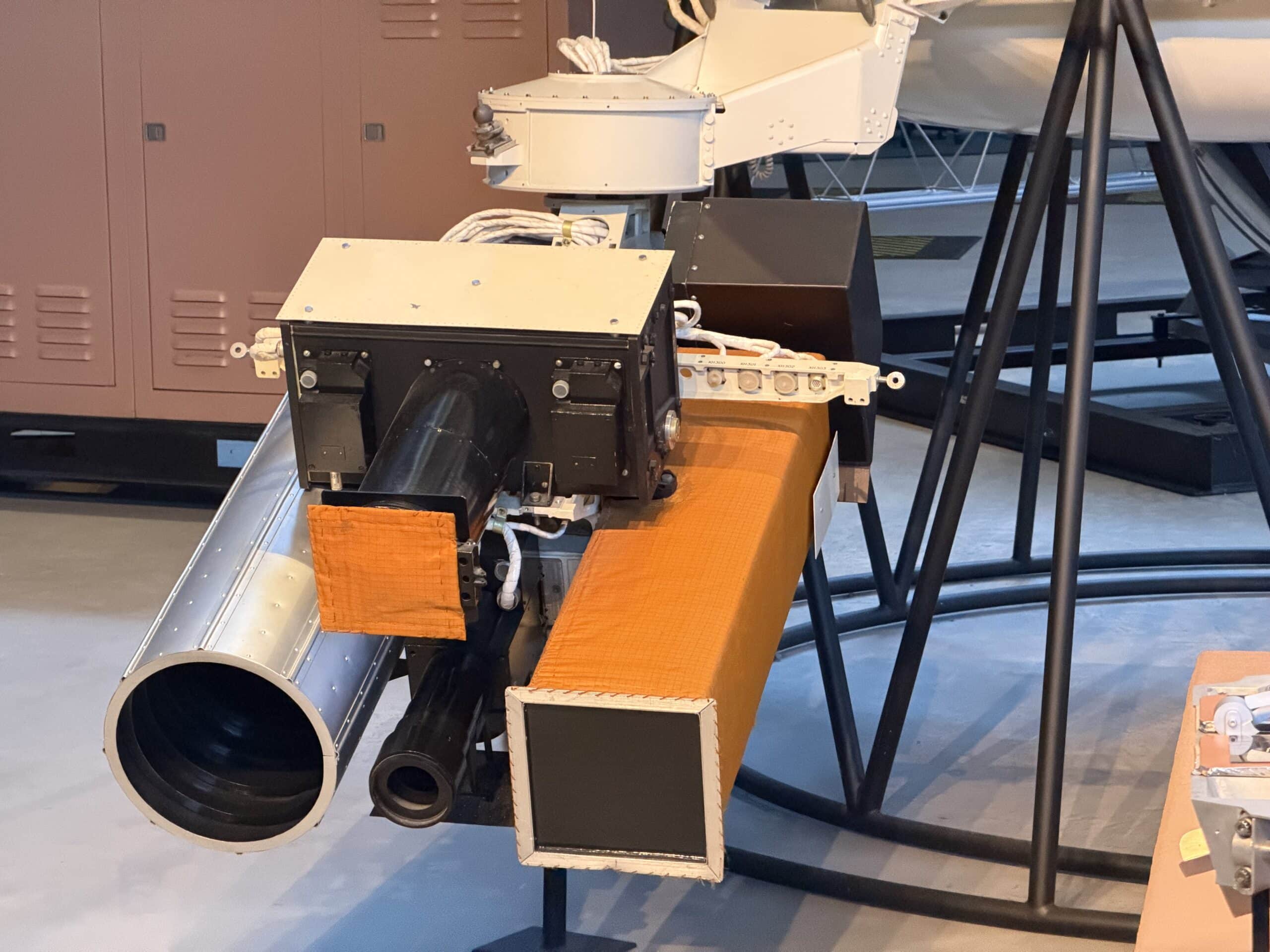
Vega Space Probe 19FortyFive Photo From Smithsonian Taken on June 30 2026
No spacecraft has landed successfully on Venus since the 1980s—yet interest in our sister planet is rapidly returning. NASA’s DAVINCI and VERITAS missions, along with ESA’s EnVision, are expected to usher in a new era of Venus exploration later this decade and into the 2030s.
Much of what those missions seek to answer builds on the foundation laid by Soviet spacecraft such as Vega 2.
Although often remembered for visiting Halley’s Comet, Vega 2’s more enduring legacy lies with Venus.
By combining an atmospheric entry probe, a pioneering balloon experiment, and decades of Soviet engineering expertise, the mission provided one of the most comprehensive looks ever obtained at Earth’s enigmatic sister planet.
About the Author: Harrison Kass
Harrison Kass is a writer and attorney focused on national security, technology, and political culture. His work has appeared in Tablet, City Journal, The Hill, The Spectator, and The Cipher Brief. He holds a JD from the University of Oregon and a master’s in Global & Joint Program Studies from NYU. More at harrisonkass.com.