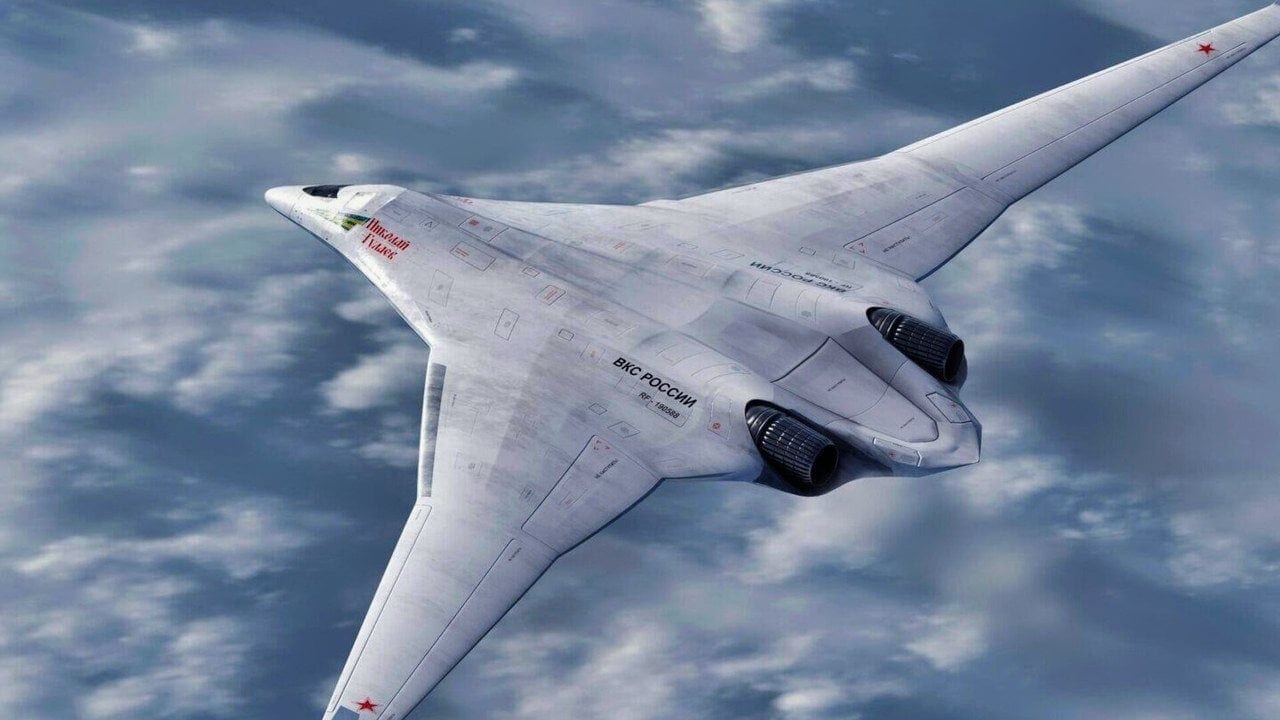
According to Ukrainian intelligence-linked researchers at InformNapalm, hackers obtained internal documents from Russian aerospace supplier OKBM.
The files allegedly contained engineering drawings, contracts, and technical specifications related to Russia’s next-generation “Poslannik” PAK DA bomber, as well as components of the Su-57 Felon fighter.
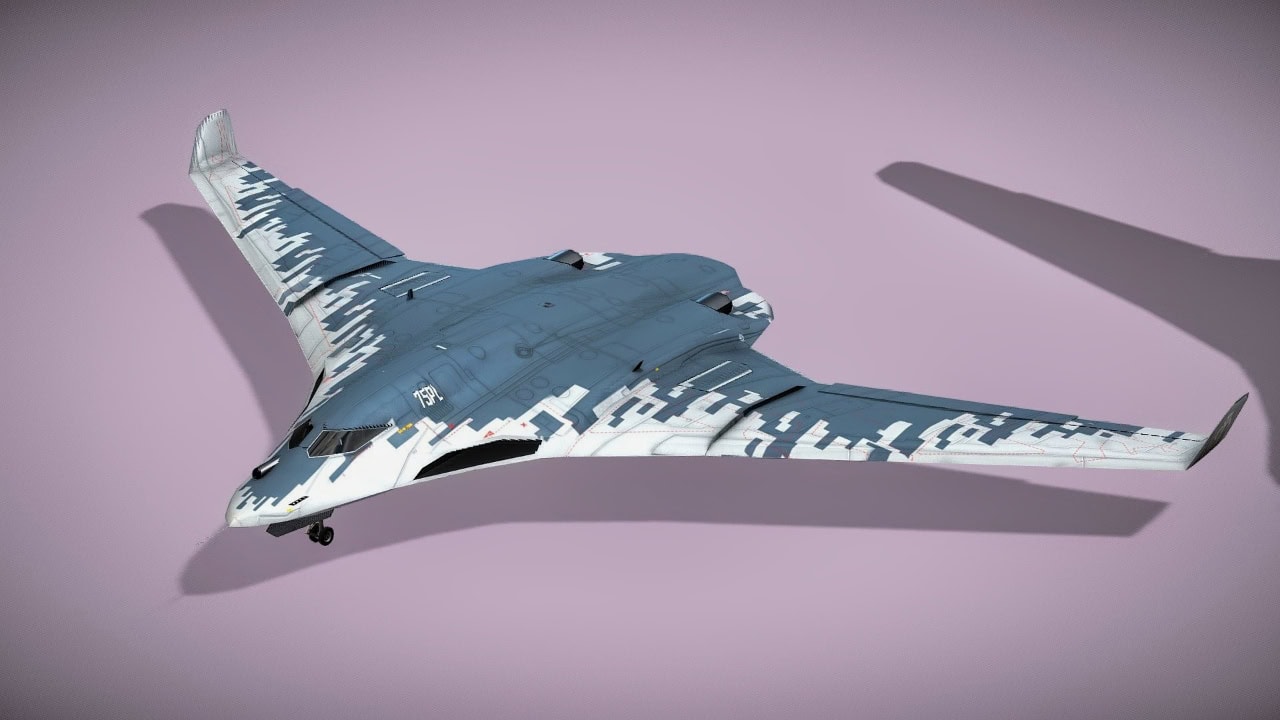
PAK DA Stealth Bomber Russia.
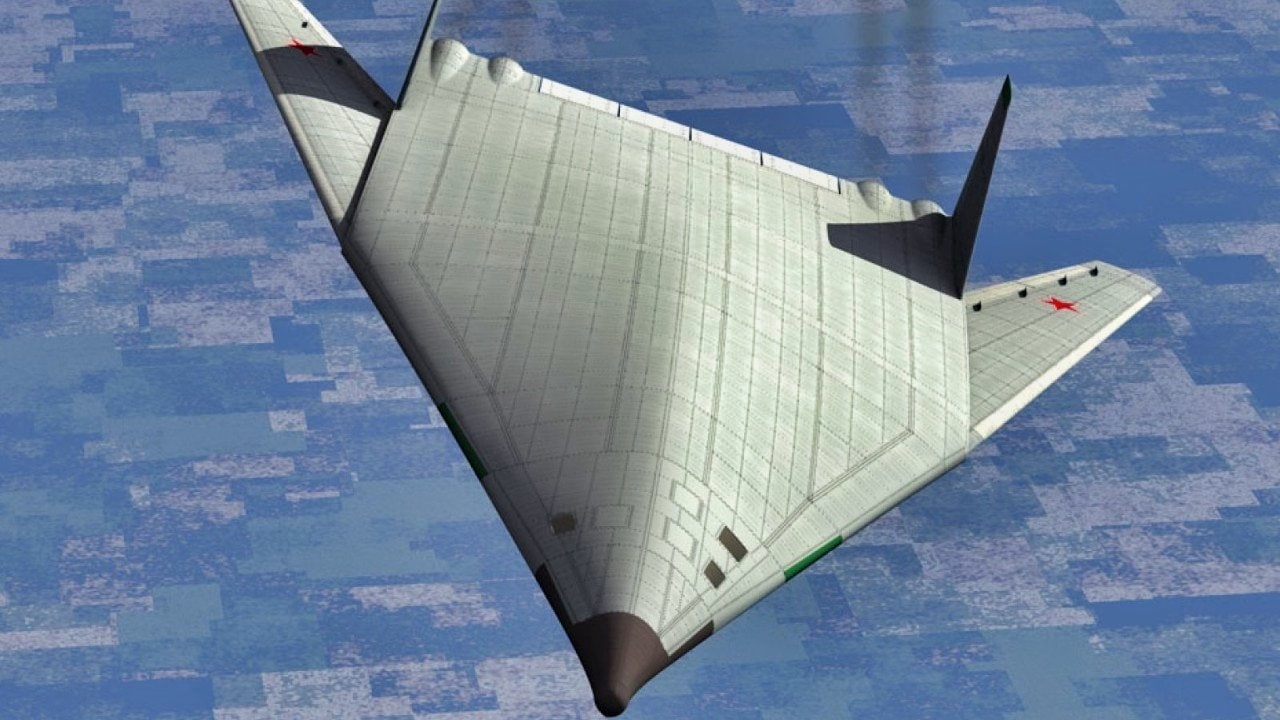
PAK DA Stealth Bomber. Image Credit: Russian State Media/Creative Commons.
Among the leaked items were details about hydraulic actuators and gearbox systems used for the PAK DA’s internal weapons bays.
The leak reportedly revealed production schedules extending through 2027, showing Russian dependence on imported CNC machine tools from Taiwan (and elsewhere) for manufacturing critical aerospace components.
What Is the PAK DA?
PAK DA is Russia’s attempted answer to the American B-21 Raider long-range stealth bomber. It is intended to replace the aging Tupolev Tu-95 bombers. Eventually, it will supplement or even replace parts of the Tupolev Tu-160 fleet.
The idea is to employ a stealthy configuration to carry nuclear weapons and conventional cruise missiles. Moscow has implied that this plane will also carry its hypersonic missiles.
But the most important aspects of this system are its range and duration.
Conceptually, PAK DA resembles a Russian version of the B-21 rather than a high-speed bomber.
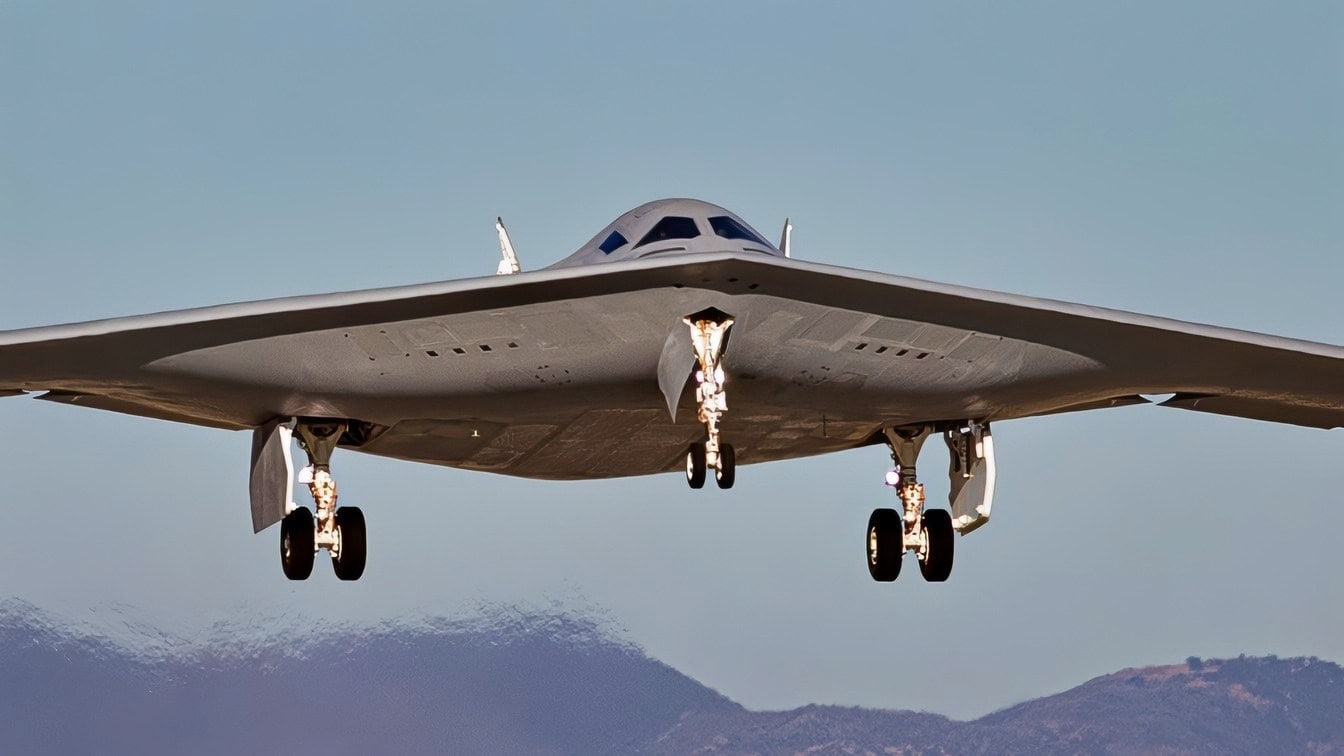
A second B-21 Raider test aircraft takes off, Sept. 11, from Palmdale, Calif., to join the Air Force’s flight test campaign at Edwards Air Force Base, Calif. The addition of the second test aircraft expands mission systems and weapons integration testing, advancing the program toward operational readiness. (Courtesy photo)
Why This Matters
These leaked documents, obtained by Ukrainian internet sleuths, reinforce what analysts have suspected for years: Russia’s aerospace industry remains heavily dependent on foreign manufacturing equipment despite years of sanctions and import-substitution rhetoric.
The documents reportedly show reliance on foreign CNC machinery for precision aerospace manufacturing.
Indeed, these have been problems plaguing other high-tech Russian warplanes, such as the aforementioned Su-57 Felon.
The planes were designed at a time when Moscow had better relations with the West and, as such, used key components and technologies from the West rather than developing their own.
There has been a push by Moscow since 2022 to indigenize as many of its manufacturing processes as possible, but that is a deep undertaking.
With the Ukraine War raging, too, the Russians must prioritize systems required to fight that conflict, which has likely slowed their transition toward an indigenized, fully self-reliant high-end industrial base.

Tu-160 Bomber from Russia. Image Credit: Creative Commons.
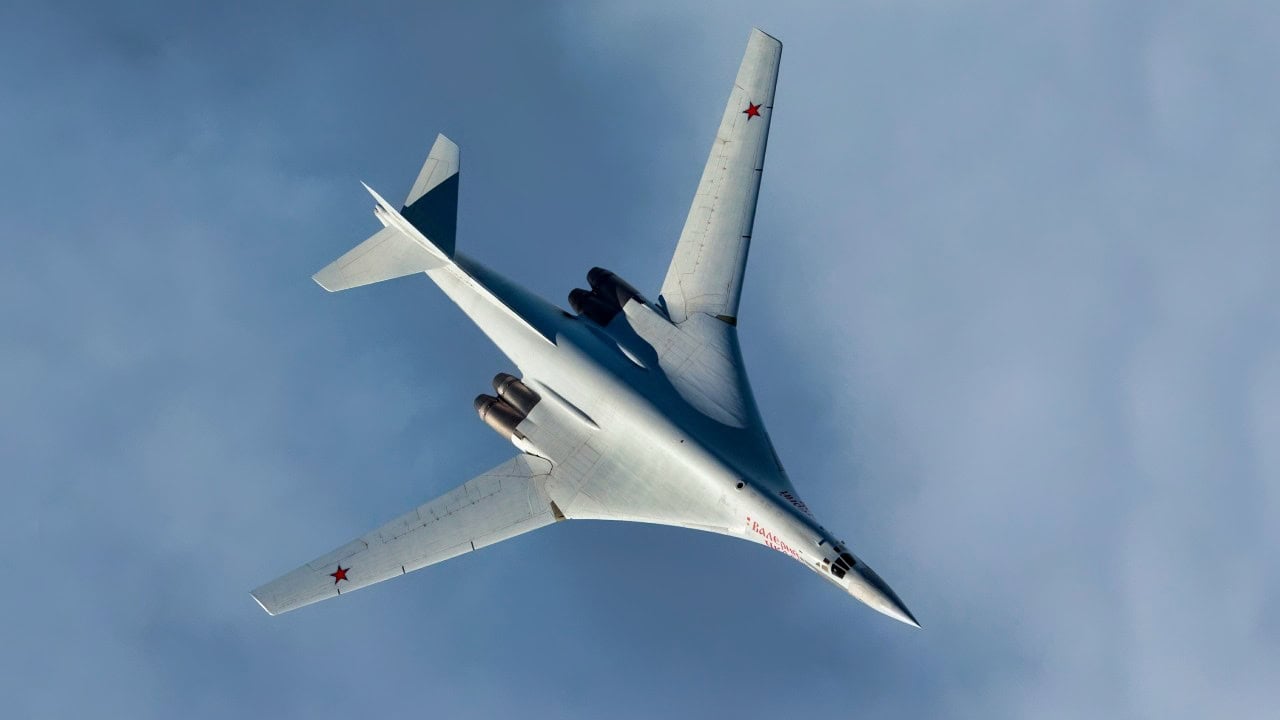
Tu-160. Image Credit: Creative Commons.
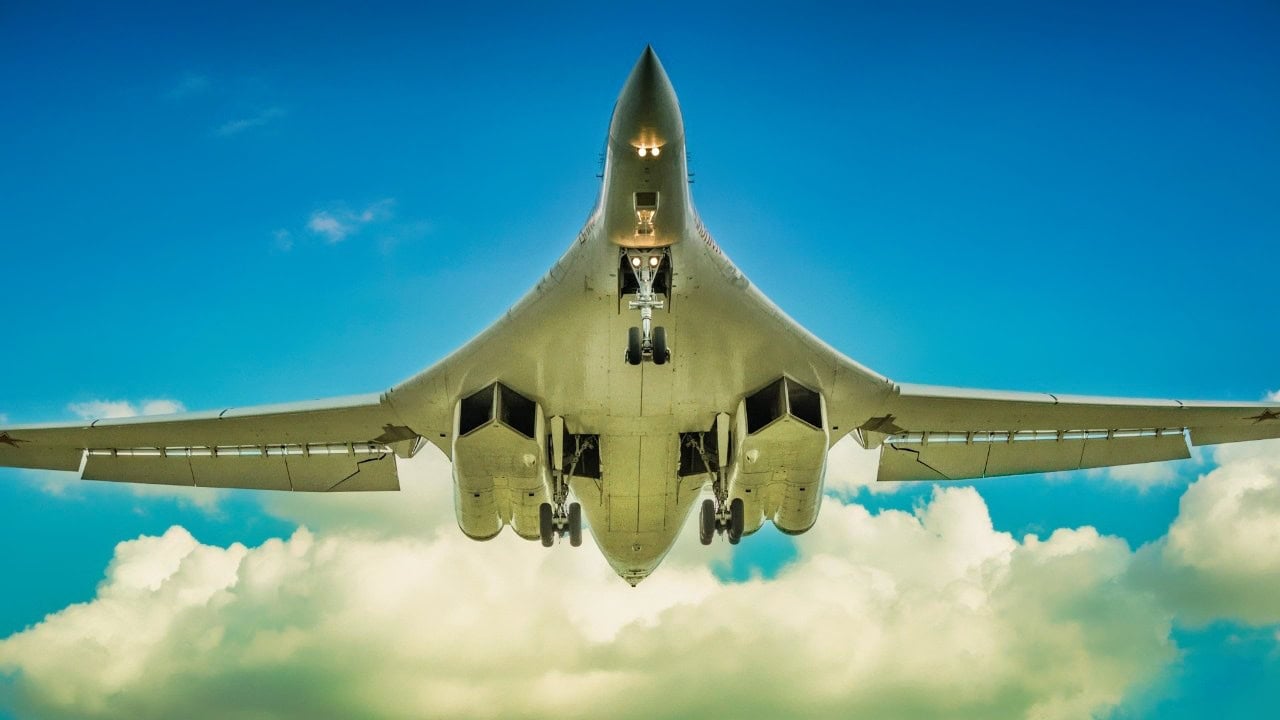
Tu-160 Bomber from Russia. Image Credit: Creative Commons.
Stealth aircraft require extraordinary manufacturing precision. Tiny imperfections can compromise radar signature reduction.
So, if Russia lacks indigenous systems capable of producing these advanced planes at scale–and if it must rely on nations that are more closely aligned with the West–it will create several serious complications for the PAK DA (and Su-57) programs.
Endless Days
Russia’s PAK DA program was first discussed in the late 2000s. Since then, Russia has repeatedly announced the construction of prototypes, engine testing, ground testing, and preparations for production.
Despite these claims, no flying prototype has ever been publicly shown. Recently leaked production records highlight the struggles Russian aerospace manufacturers have faced due to the war in Ukraine.
Recent leaked production records of the PAK DA show that Moscow is still assembling a static prototype for ground testing rather than a fully operational flight prototype.
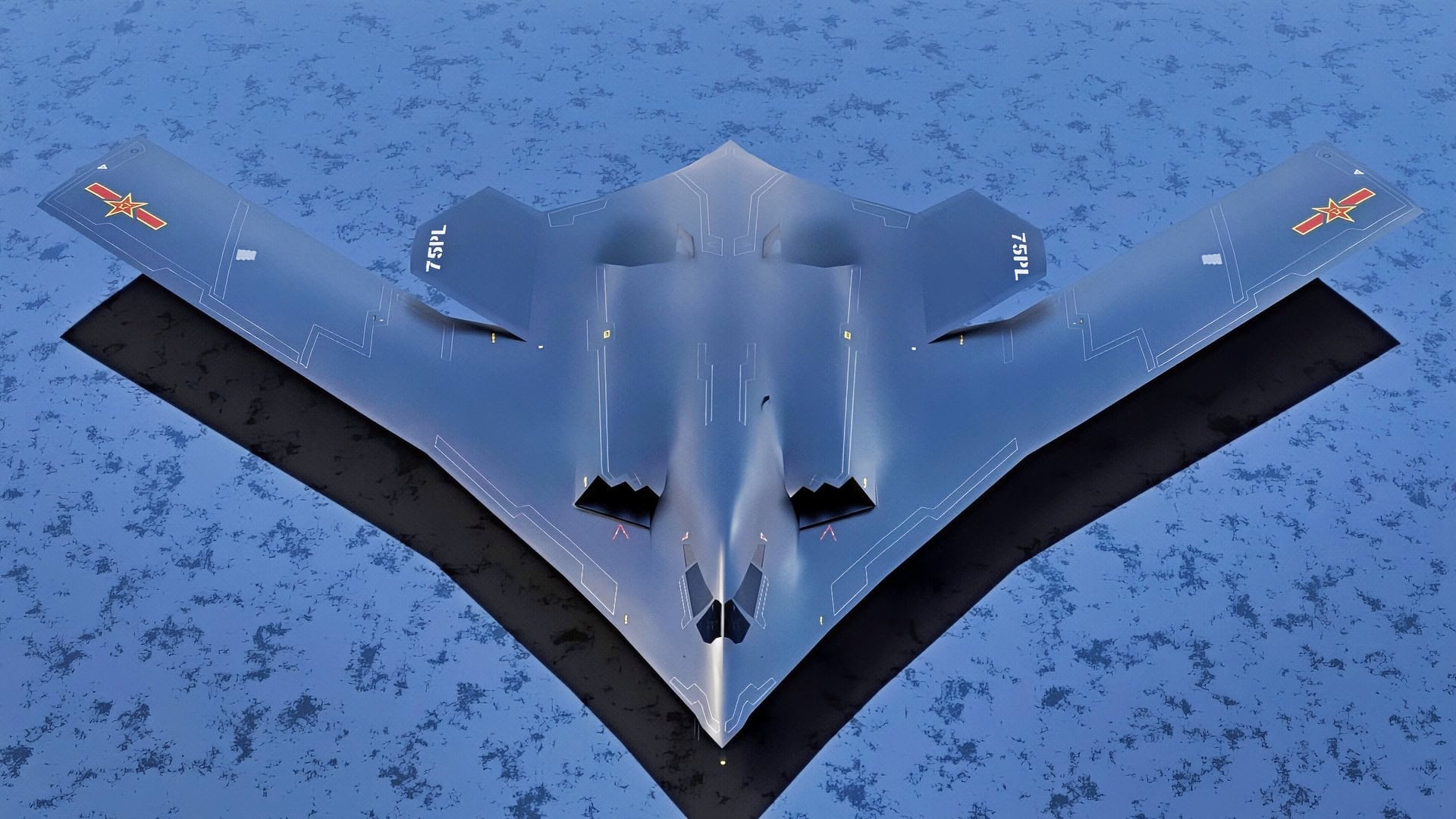
H-20 Bomber Mock Up X Screenshot 2026
One report even describes the aircraft as still undergoing component installation.
For comparison, the B-21 first flew in 2023. China’s Xi’an H-20 remains secretive but is widely seen as being closer to reality than Russia’s PAK DA.
Just as a reminder, PAK DA was supposed to fly years ago.
What Does This Mean Strategically?
Contrary to the promise the PAK DA offers the Russian Armed Forces, Moscow, because of the Ukraine War, is prioritizing the modernization of its Tu-160 fleet over rushing the PAK DA into service.
More leaked documents highlight that multiple Tu-160 bombers are undergoing modernization, while the PAK DA remains in very slow-moving prototype work.
From Moscow’s perspective, that actually makes sense. Modernized Tu-160s can launch cruise missiles from thousands of miles away.
Ukraine has demonstrated that standoff missiles are often more important than stealthy bombers capable of penetrating enemy airspace.
Plus, developing a true stealth bomber is enormously expensive.
Russia’s defense budget, meanwhile, is increasingly focused on sustaining wartime production.
Bottom Line
The leak does not prove Russia has a revolutionary new stealth bomber waiting in the wings. Quite the opposite.
These leaked documents show that the PAK DA remains a long-delayed program struggling with industrial bottlenecks, dependence on foreign machine tools, and slow development timelines.
PAK DA will likely eventually emerge.
As of mid-2026, though, Russia is clearly more focused on extending the life of the Tu-160 than fielding a true peer competitor to the B-21 Raider.
And that doesn’t imply a collapse of the Russian industrial base.
It shows a pragmatic acknowledgment by Moscow that, so long as the Ukraine War rages, it must prioritize immediate strategic needs over long-term strategic planning (the PAK DA is part of the latter portfolio).
American policymakers should not spike the proverbial ball over this news.
It just means that the PAK DA is delayed.
Yet, the Russian Armed Forces remain combat-effective even without the vaunted capabilities that a long-range stealth bomber brings to the military that employs such systems.
Before anyone starts celebrating the complications the Russian defense industrial base is experiencing, Washington should remember that the entire NATO industrial base failed last year to produce a single year in what the Russian defense industrial base produced in three months.
About the Author: Brandon J. Weichert
Brandon J. Weichert is the Senior National Security Editor at 19FortyFive.com. He also manages The Weichert Brief on Substack. Weichert also hosts “National Security Talk” on Rumble. He is the author of four bestselling national security books, the most recent of which is A Disaster of Our Own Making: How the West Lost Ukraine (Encounter Books). Follow him via Twitter/X @WeTheBrandon.