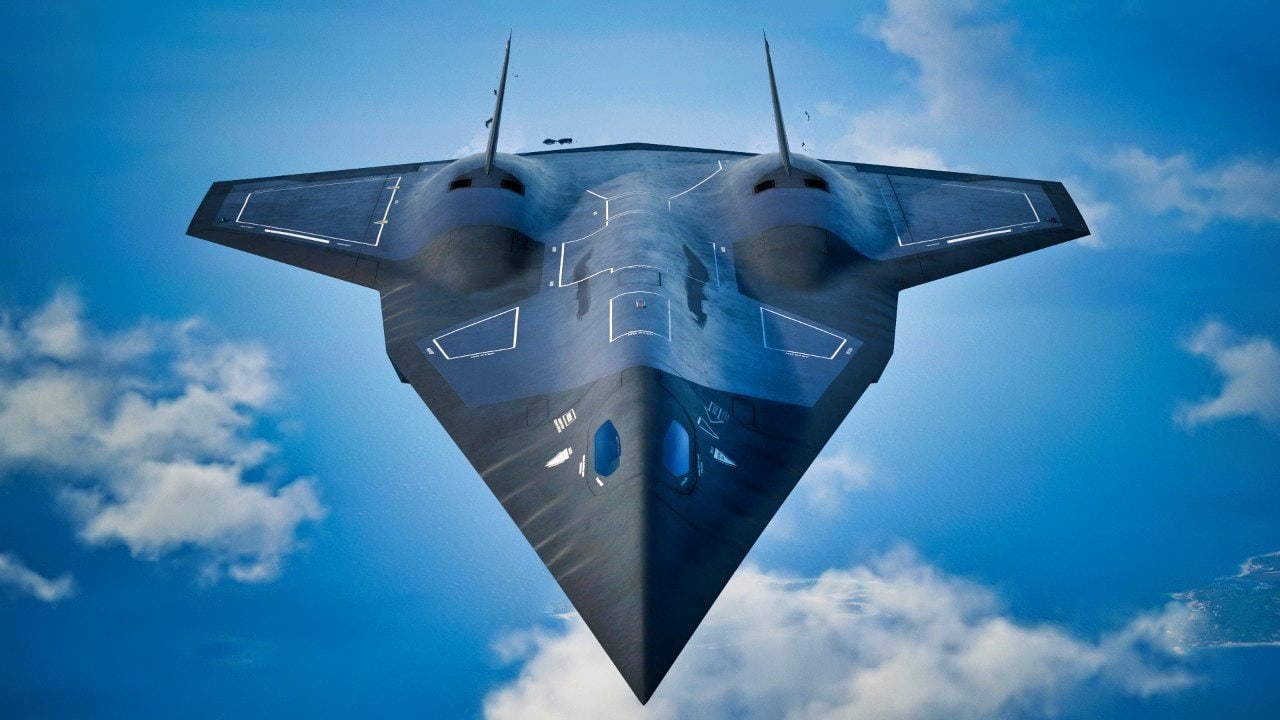
The MiG-41 PAK DP Is Designed to Replace the MiG-31 Foxhound — Russia’s High-Speed Interceptor That Has Defended Its Airspace for 40 Years
Stealthy, ultra-fast, and armed with anti-satellite missiles. These are a few characteristics of the mysterious Russian PAK DP MiG-41 interceptor fighter jet, a 6th-gen platform designed to destroy enemy fighters, reconnaissance planes, air defenses, and ground formations.
Some even dare to call it Russia’s own version of F-47 NGAD stealth fighter or China’s J-36 or J-50.
Intended as a successor to the high-speed MiG-31, the Mikoyan MiG-41 is also designed to intercept hypersonic missiles, a task known to be extremely difficult for any weapons system.
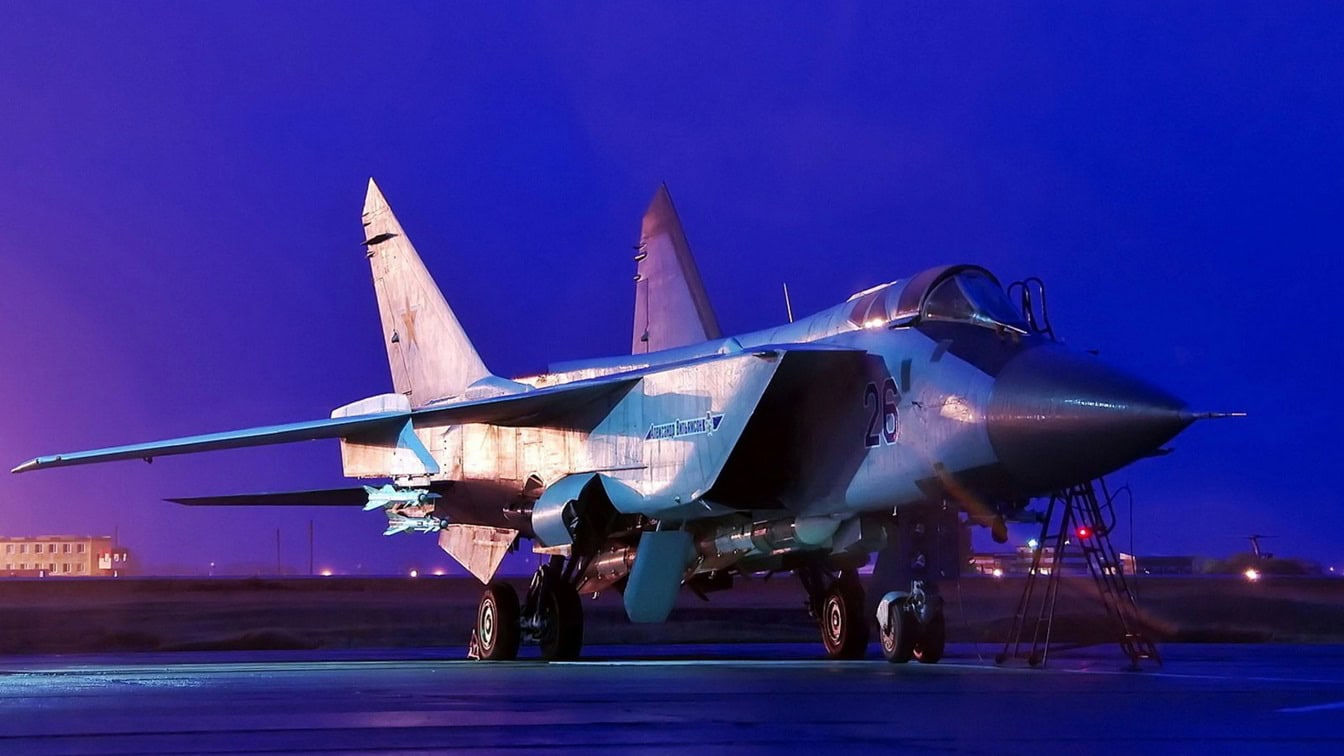
MiG-31 fighter. Image Credit: Creative Commons.
A Russian news outlet, Izvestia, states that the MiG-41 is engineered to intercept hypersonic missiles by carrying a multifunctional long-range interceptor missile system that will “disperse several sub-missiles” to optimize the chances of a successful intercept.
However, destroying a hypersonic weapon from the air would require radar or Electro-Optical/Infra-Red (EO/IR) target-tracking technology capable of maintaining a continuous track of a maneuvering hypersonic weapon.
The claim sounds ambitious yet potentially feasible if the aircraft were networked with satellites and other air- and ground-based sensors.
Given the speed with which a Hypersonic Glide Vehicle will transit from one radar aperture or field of view to another, it would seem that any successful air-launched counter-hypersonic interceptor missile would need high-speed, long-range networking and targeting technologies.
A hypersonic weapon, particularly a glide body or Hypersonic Glide Vehicle, will not follow a traditional “parabola-like” ballistic missile trajectory but will instead maneuver in unpredictable ways.
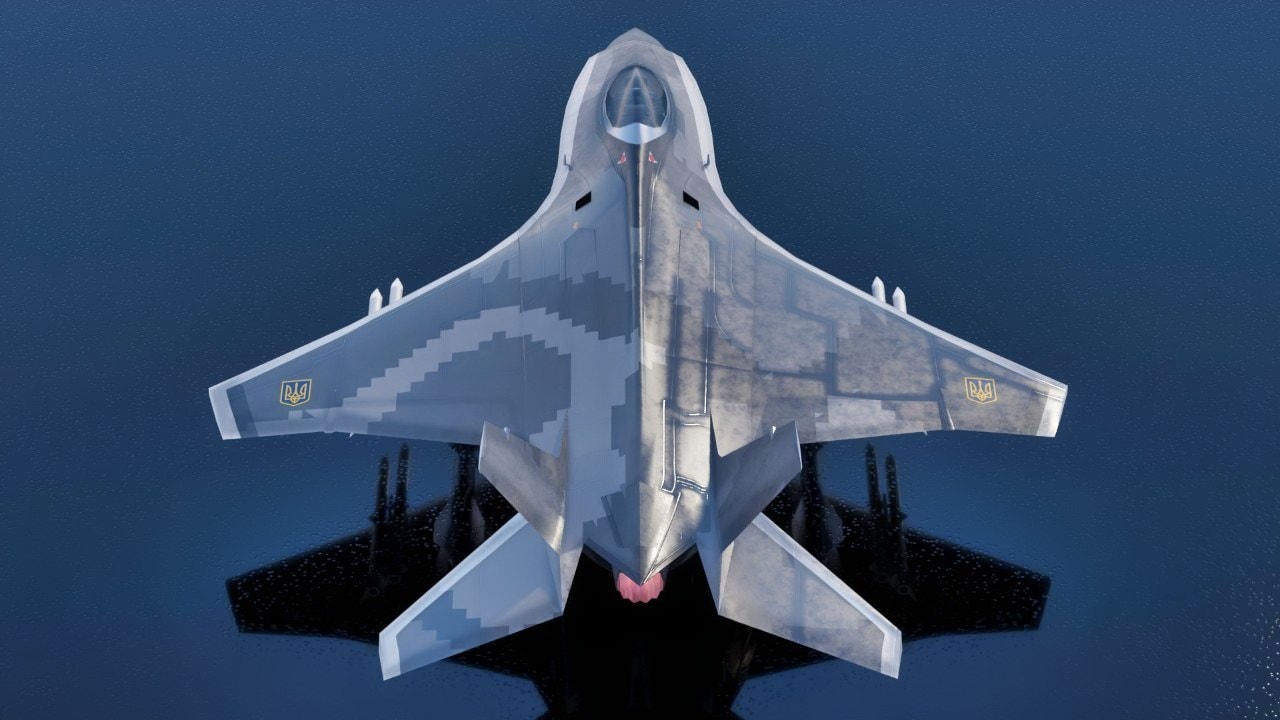
MiG-41 Fighter. Image Credit: Artist Rendition.
Does the MiG-41 Exist?
The operative question, however, is whether this plane yet exists. If so, when might something emerge?
Answers to these questions can be difficult to discern.
Yet, numerous reports in recent years have stated that development of the aircraft has “begun,” with notional arrival times cited for the late 2020s or 2030s.
In January 2021, Rostec Corporation, the owner of Mikoyan, announced that the PAK DP had entered the development phase.
Producing the MiG 41?
Russia is certainly well known for its ability to engineer new generations of weapons and advanced technologies, yet producing them at a meaningful scale has proven elusive in recent years.
Perhaps the best evidence of Russia’s struggle with weapons production is evidenced in its 5th-generation Su-57.
Russia has had financial, logistical, and manufacturing problems in building an impactful Su-57 force.
Therefore, even if the Su-57 could compete with the US Air Force F-22 and F-35, it does not exist in sufficient numbers to pose a credible threat in a great-power war. Sukhoi has been under contract to build 70 new Su-57s for several years, and it’s unclear how many of them have actually been built.
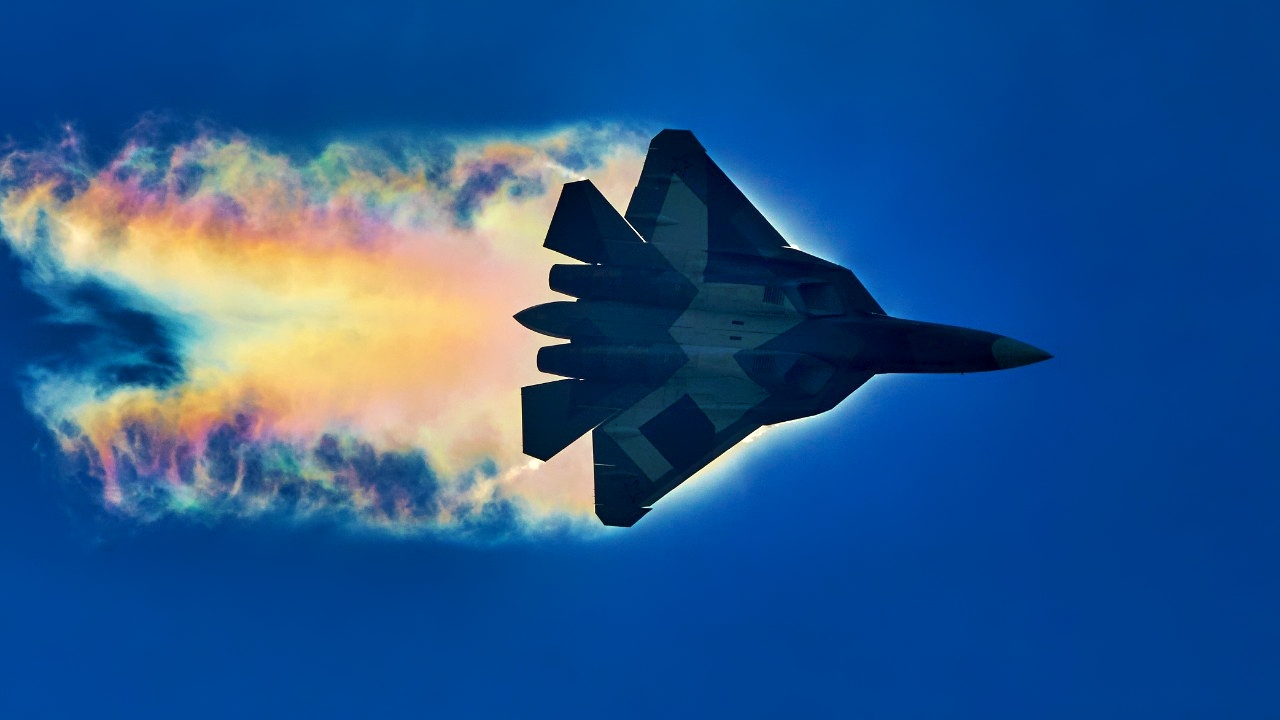
Russia’s Su-57 Felon Fighter
Flight Global’s “World Air Forces 2024” directory lists 14 Su-57s as active and another 62 as on order, according to a 2024 report from CNN.
There is much speculation regarding Russia’s production problems, which appear to be related to supply-chain issues, budget constraints, and basic manufacturing capacity.
Can MiG-41 Exist?
There are two key trajectories or areas of focus relevant to the MiG-41, the first of which is purely technological.
How mature is the hypersonic-missile interceptor system?
To what extent has it been tested, and what kinds of networking, sensing, and targeting are integrated into the system to enable the successful interception of hypersonics?
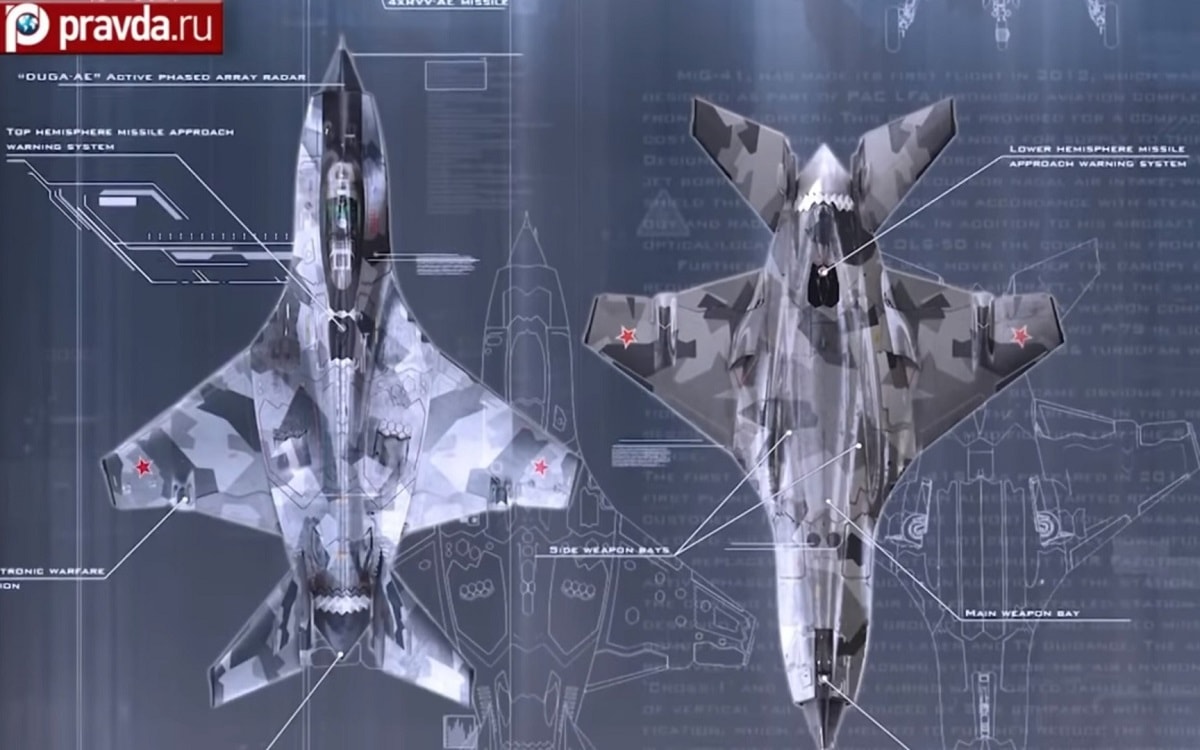
Image: Russian Media/Screenshot. MiG-41.
Secondly, there is a practical question: if the technology actually operates as intended, can it be produced at scale?
It seems realistic that Russia’s budgetary and manufacturing problems with advanced aircraft would not be limited to the Su-57 but could also imperil the MiG-41.
Any production plans or variables would only become relevant if an aircraft, demonstrator, or prototype actually “existed” and was capable of reaching the performance parameters or ostensible technological capabilities associated with the aircraft.
What The MiG-41 Could Look Like: A Collection of Artist Mockups
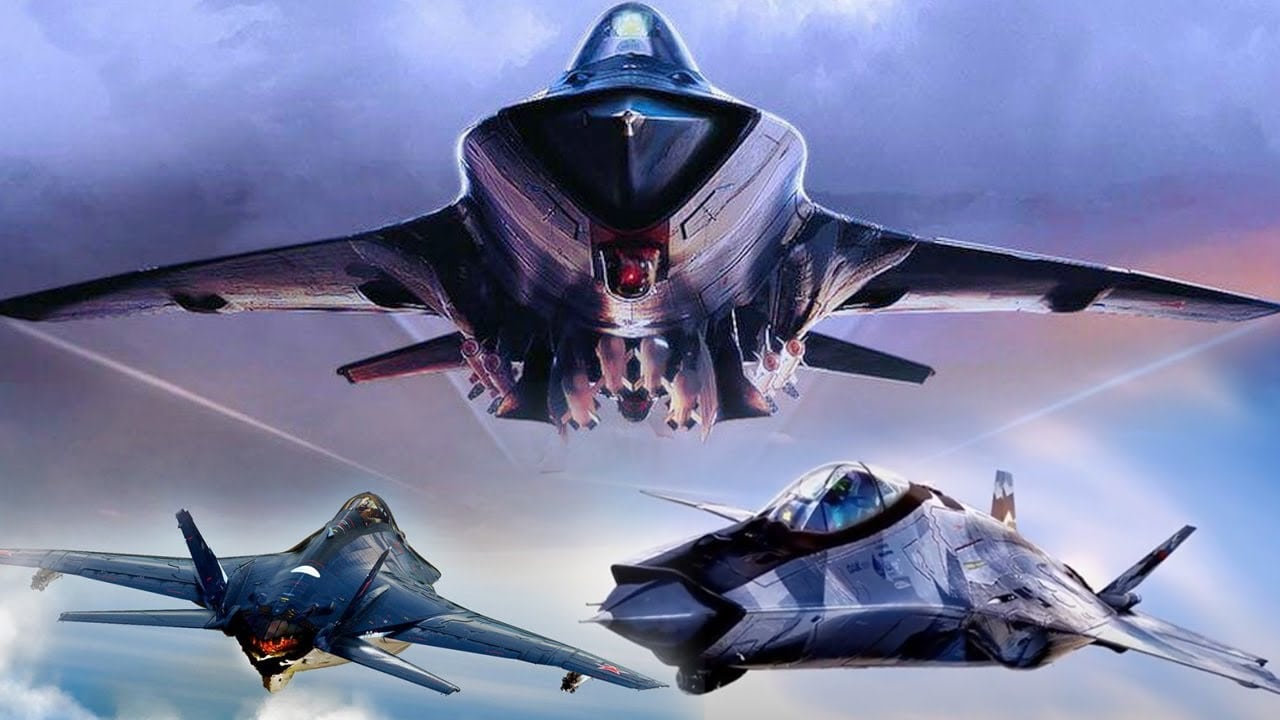
MiG-41. Image Credit: YouTube Screenshot.
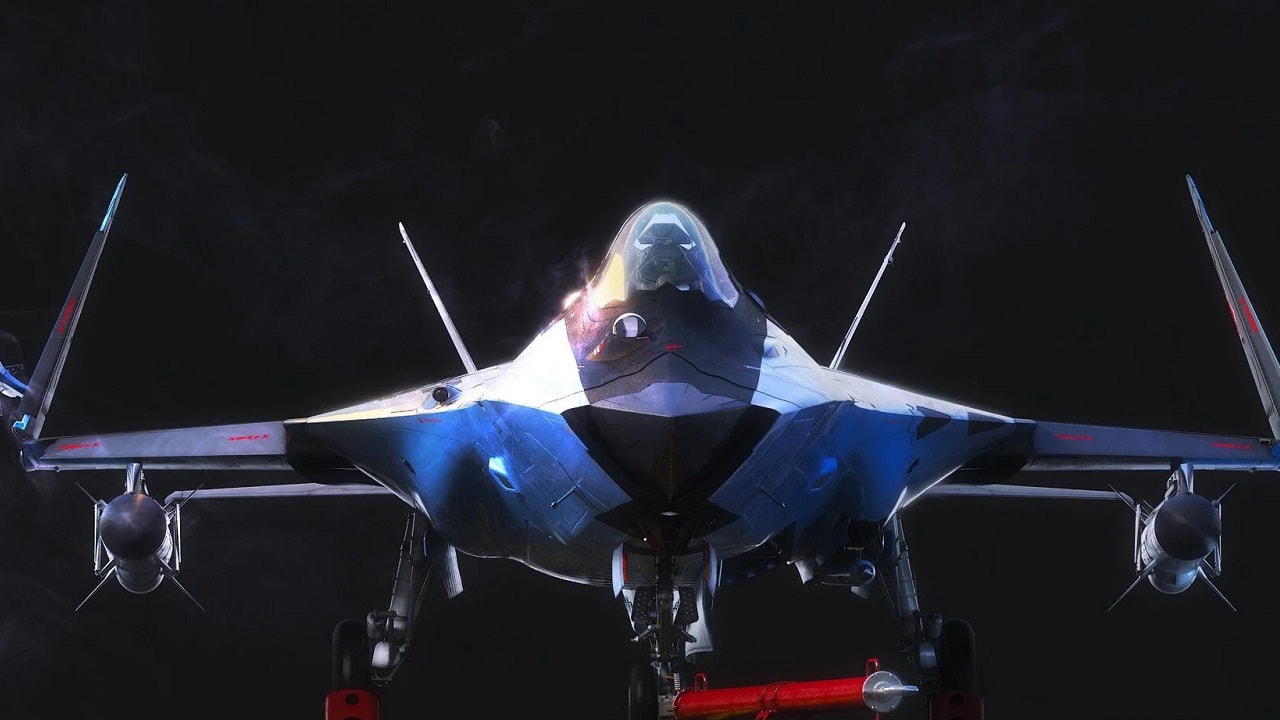
MiG-41 Artist Rendering. Image Credit: Creative Commons.
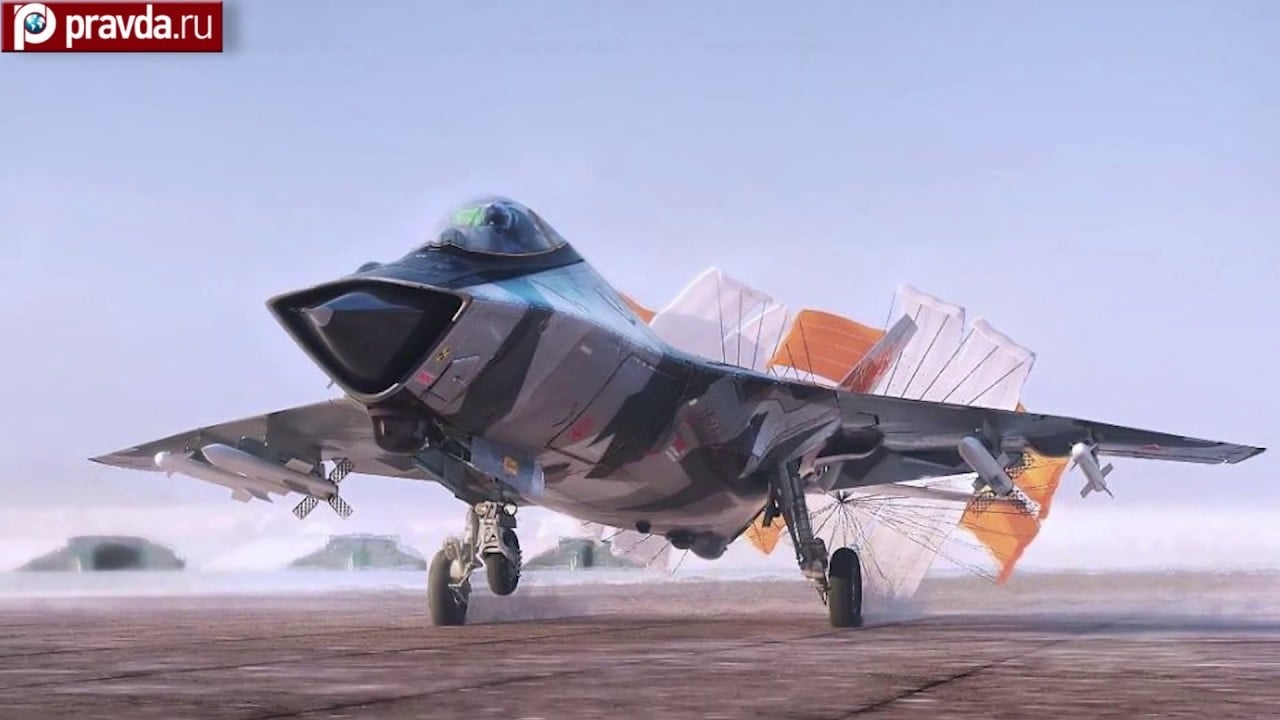
MiG-41 image. Image Credit: Russian State Media.
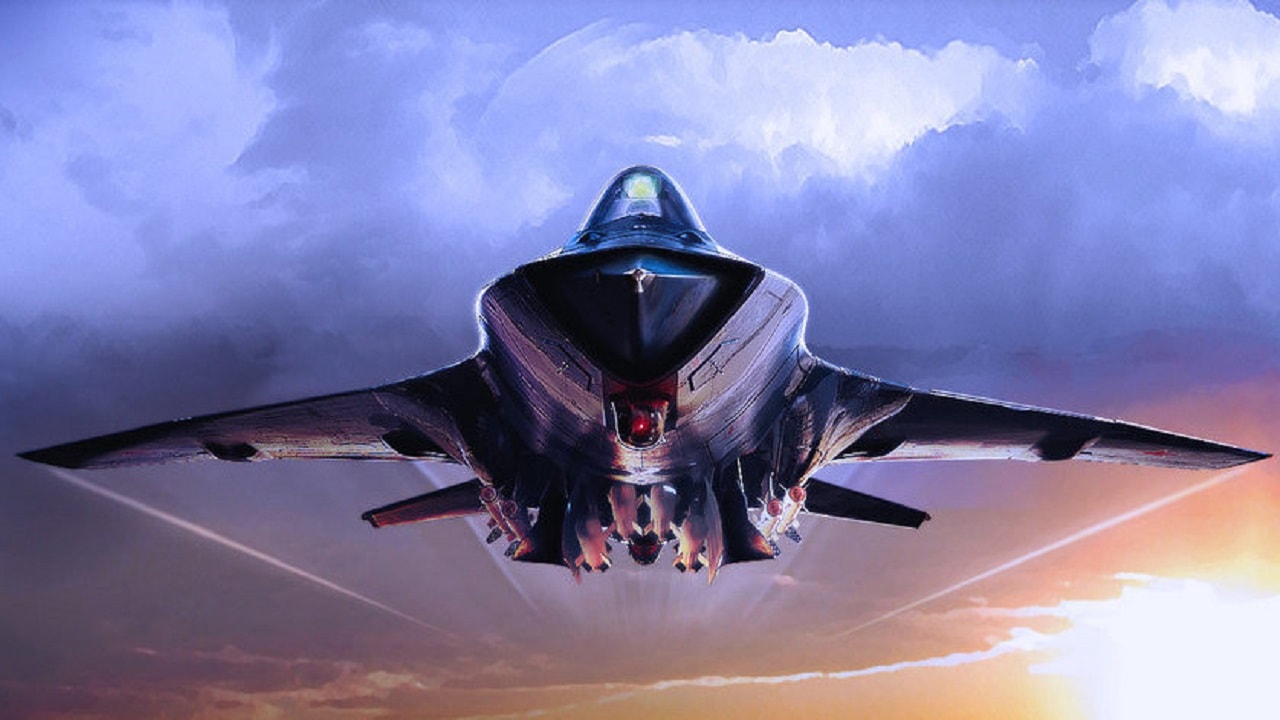
Artist Rendering of MiG-41 stealth fighter. Image Credit: Russian internet.
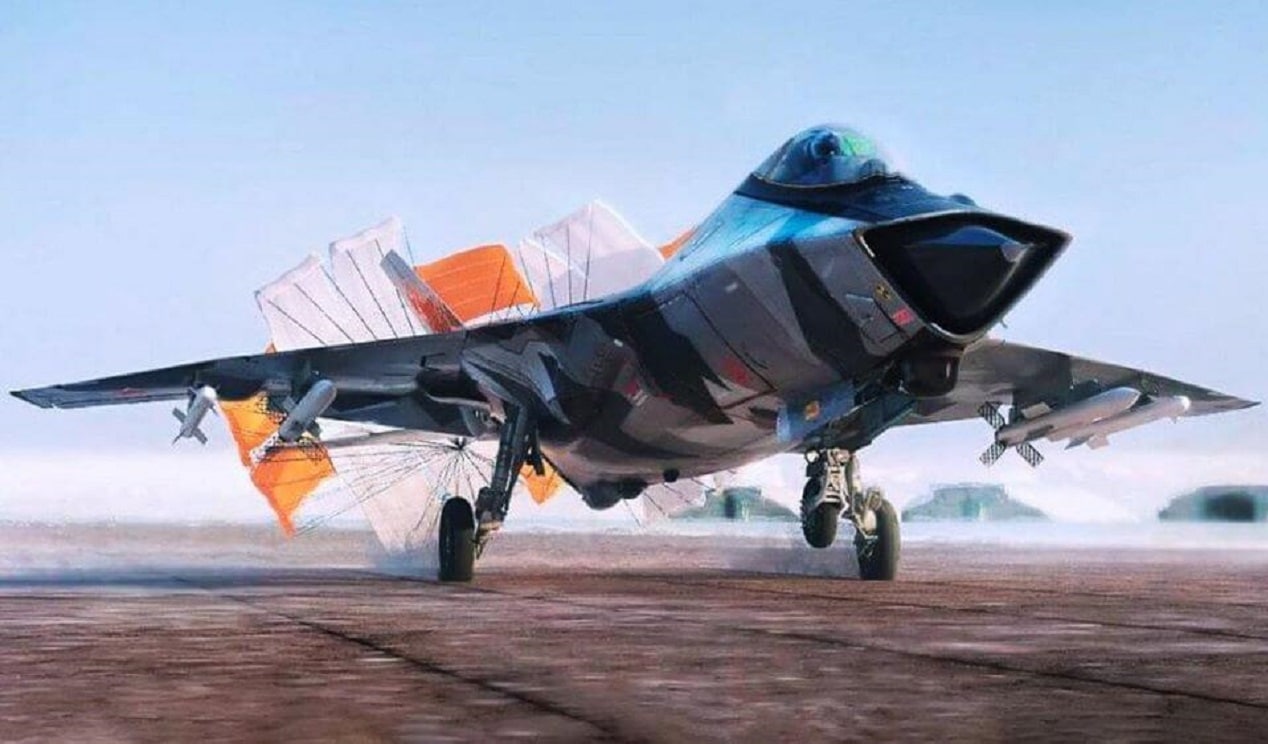
MiG-41 Fighter Artist Concept. Image: Creative Commons.
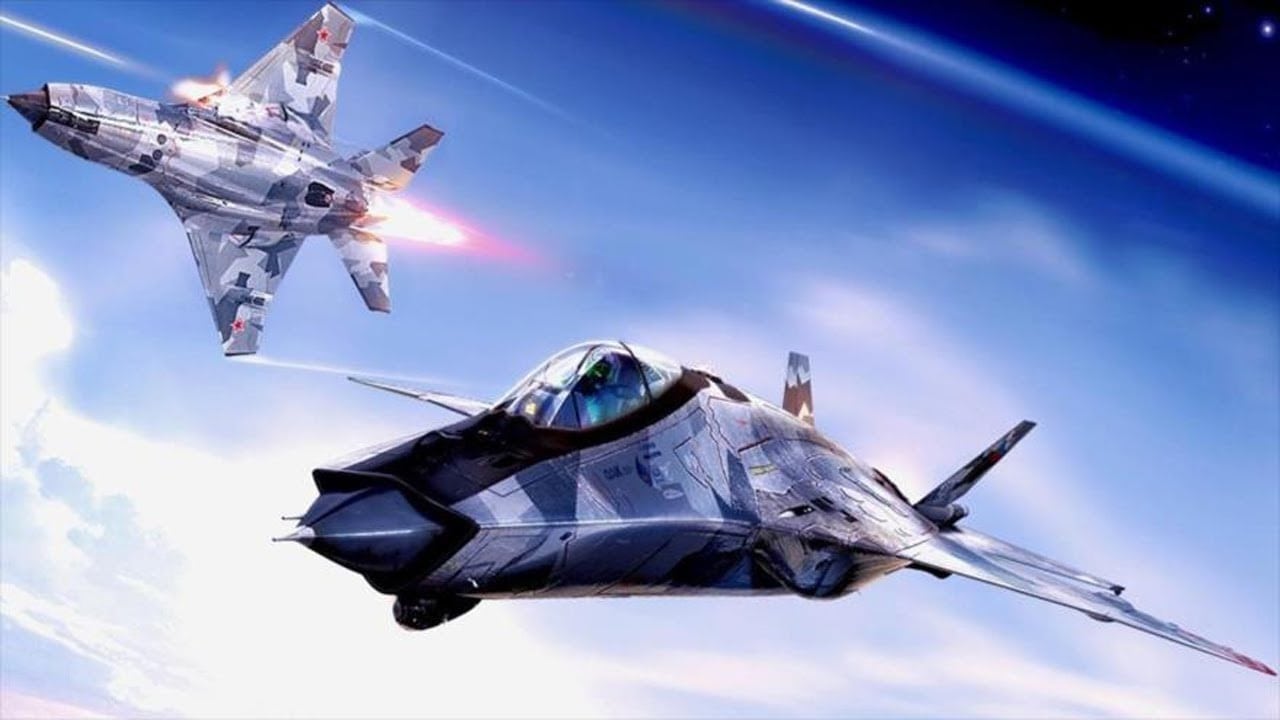
MiG-41 or PAK DP Screenshot from YouTube.
About the Author: Kris Osborn
Kris Osborn is the President of Warrior Maven – Center for Military Modernization. Osborn previously served at the Pentagon as a highly qualified expert in the Office of the Assistant Secretary of the Army—Acquisition, Logistics & Technology. Osborn has also worked as an anchor and on-air military specialist at national TV networks. He has appeared as a guest military expert on Fox News, MSNBC, The Military Channel, and The History Channel. He also has a Master’s Degree in Comparative Literature from Columbia University.