
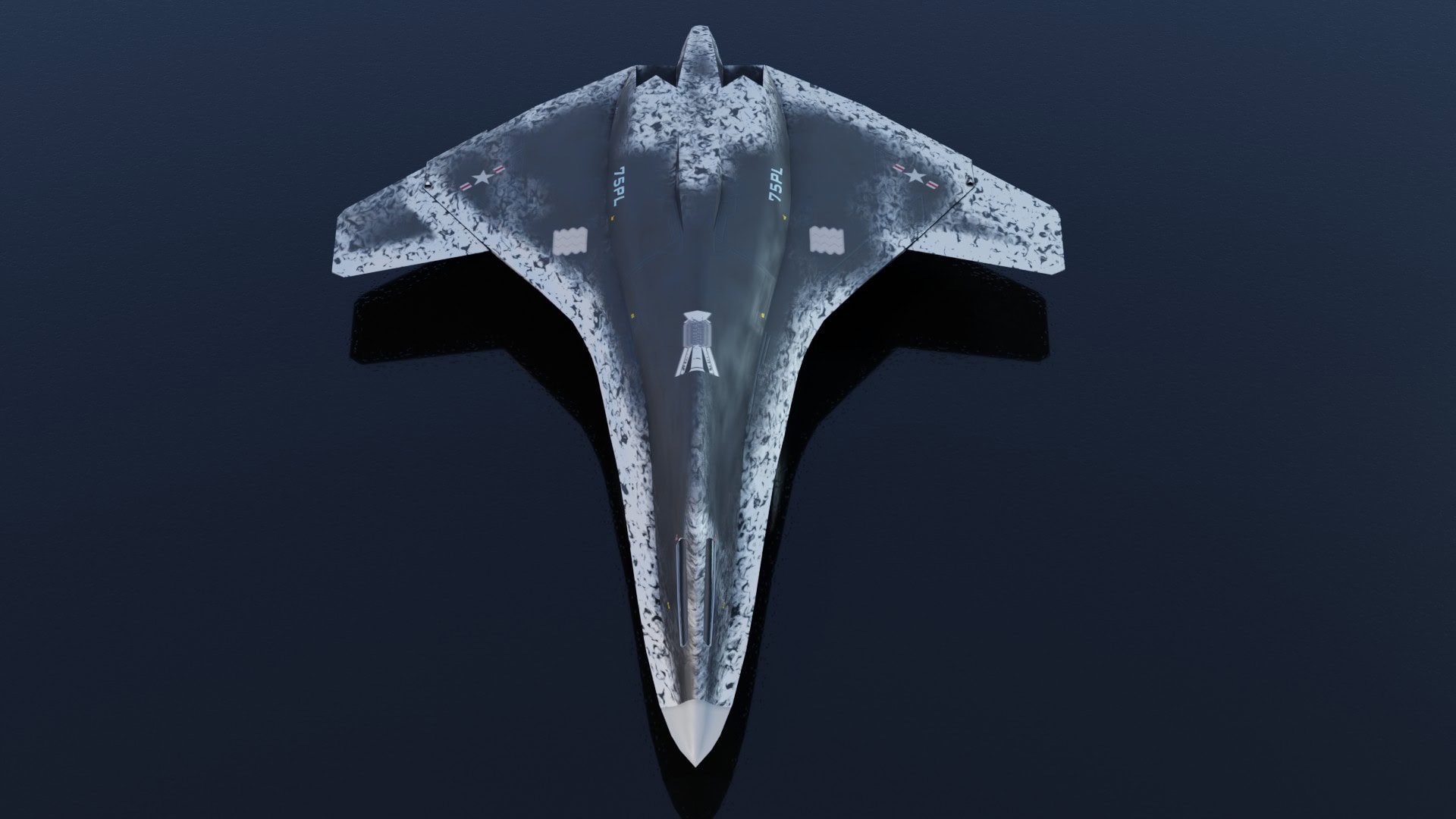
Summary and Key Points: Jack Buckby, a New York-based national security researcher, evaluates the parallel development of sixth-generation fighters by the United States and China.
-As of 2026, the PLAAF is testing the Chengdu J-36 and Shenyang J-50, which feature tailless designs and thrust-vectoring for extreme stealth.
-This report analyzes the U.S. Air Force’s F-47 (NGAD), specifically its 1,000-nautical-mile combat radius and integration with Pratt & Whitney XA103 adaptive engines.
-Buckby concludes that while China’s 2024 flight tests signal rapid modernization, U.S. superiority rests on mature Collaborative Combat Aircraft (CCA) networks and battle-tested operational doctrine.
F-47 Problem?: Analyzing China’s J-36 and J-50 Sixth-Gen Fighter Prototypes
The United States and China are now openly competing to build the world’s first operational sixth-generation fighter jet. Washington’s answer is the F-47, the crewed fighter at the center of the U.S. Air Force’s Next Generation Air Dominance (NGAD) program. But Chinese analysts argue the United States may already be behind.
China, however, has reportedly flown two different sixth-generation fighter prototypes, the Chengdu J-36 and the Shenyang J-50 (also known as the J-XDS), beginning in late 2024. The existence of two separate prototypes has resulted in a narrative in Chinese state media and military commentary that Beijing has perhaps beaten the United States to the next generation of air combat.
It’s important to note, though, that the first flight is not the same thing as operational capability. While China may be testing advanced aircraft earlier, the U.S. approach to developing a sixth-generation platform and connected systems is different. Sure, both China and the U.S. are producing networked aircraft, but the U.S. has far more experience in the field and is building a substantial network of drones, sensors, and combat networks that will change the way fighter aircraft are used for decades to come.
The Sixth-Gen Fighters China Has Already Flown
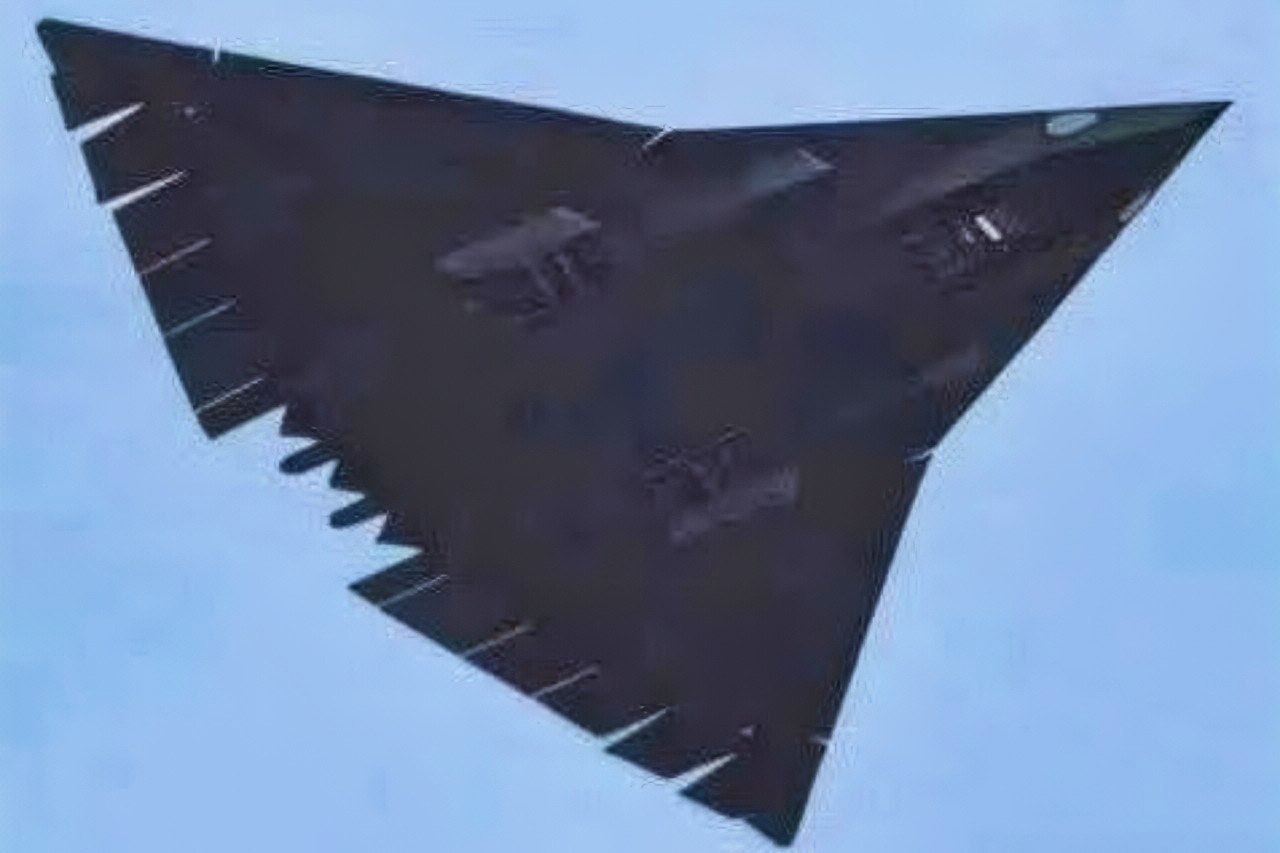
J-36 X Screenshot
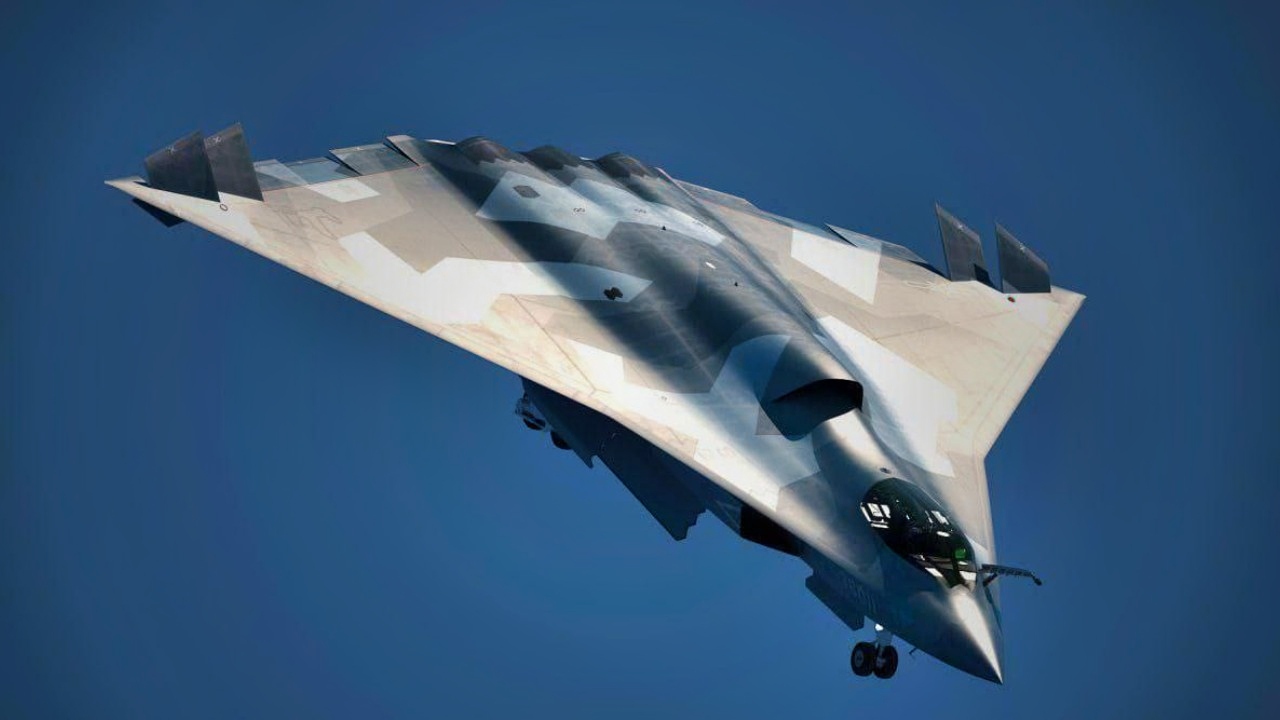
J-36 Fighter Artist Rendition. X Screenshot.
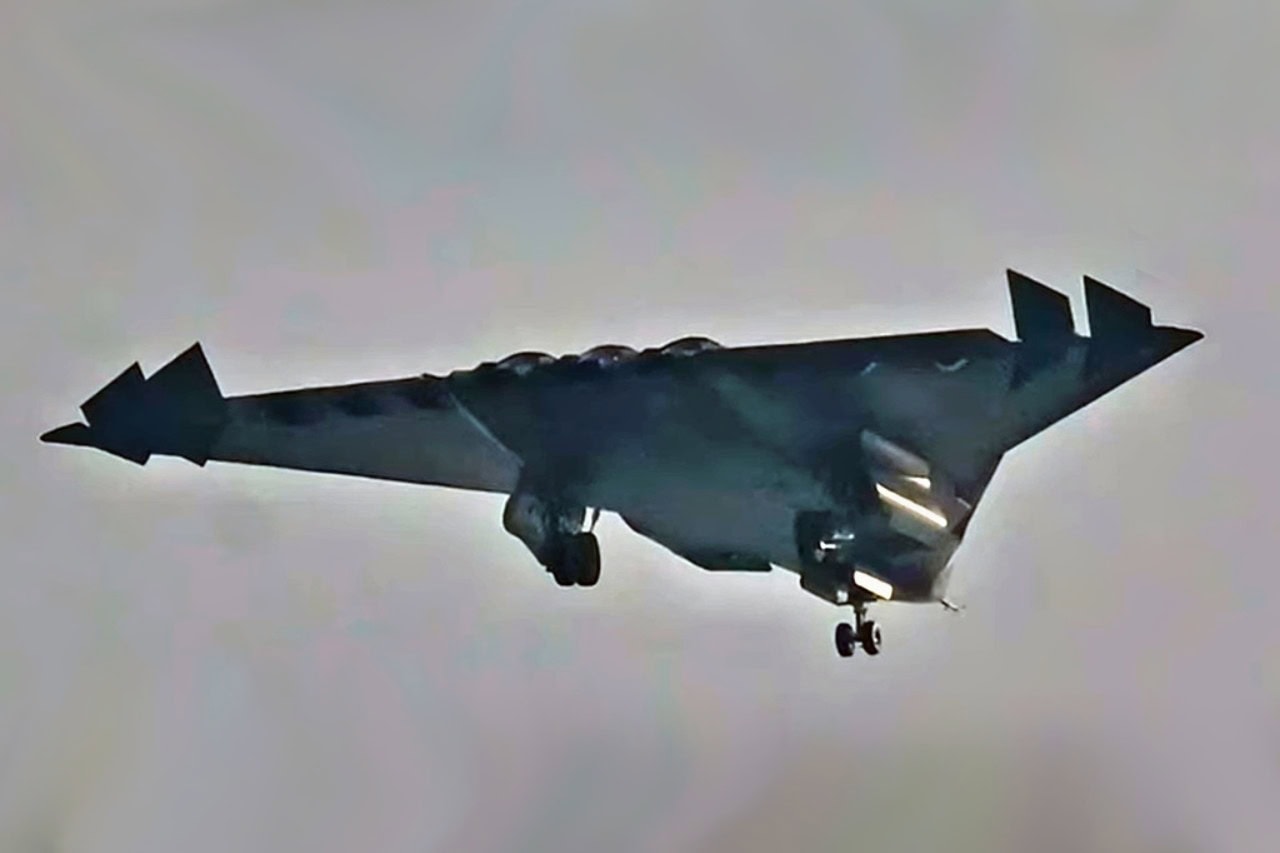
J-36 Fighter from China. Image Credit: Creative Commons.
In December 2024, imagery appeared online, apparently showing two new advanced Chinese fighter prototypes conducting flight testing. The aircraft has been widely referred to as the Chengdu J-36 and Shenyang J-50, though official designations have not been confirmed by the People’s Liberation Army Air Force (PLAAF). The development was confirmed by a U.S. Department of Defense report in December 2025 stating that the prototypes were indeed being flown, and that Beijing was pursuing two parallel development paths for its future air combat capabilities.
The J-36, believed to be built by Chengdu Aircraft Corporation, appears to be a large stealth aircraft designed for long-range air superiority or strike missions. Open-source imagery suggests the aircraft uses a tailless configuration and possibly a three-engine layout, an unusual design that could indicate the design is intended to prioritize range and payload capacity.
Meanwhile, the Shenyang J-50 or J-XDS appears to represent a different approach. Images and analysis indicate a tailless stealth fighter with thrust-vectoring engines and unique movable wingtip control surfaces, which may replace conventional vertical tails to maintain maneuverability while reducing radar signature.
The reports have been used by Chinese commentators to argue that Beijing is moving faster than the United States in terms of sixth-generation development, and it’s certainly true that China is moving quickly here. By pursuing two parallel aircraft programs, China is also proving that it is not only working fast, but developing as many new technologies as possible to ensure its rapid military modernization is as effective as possible. And if it continues at this pace, it’s not hard to imagine a sixth-generation platform becoming operational in the 2030s.
What Defines A Sixth-Generation Fighter?
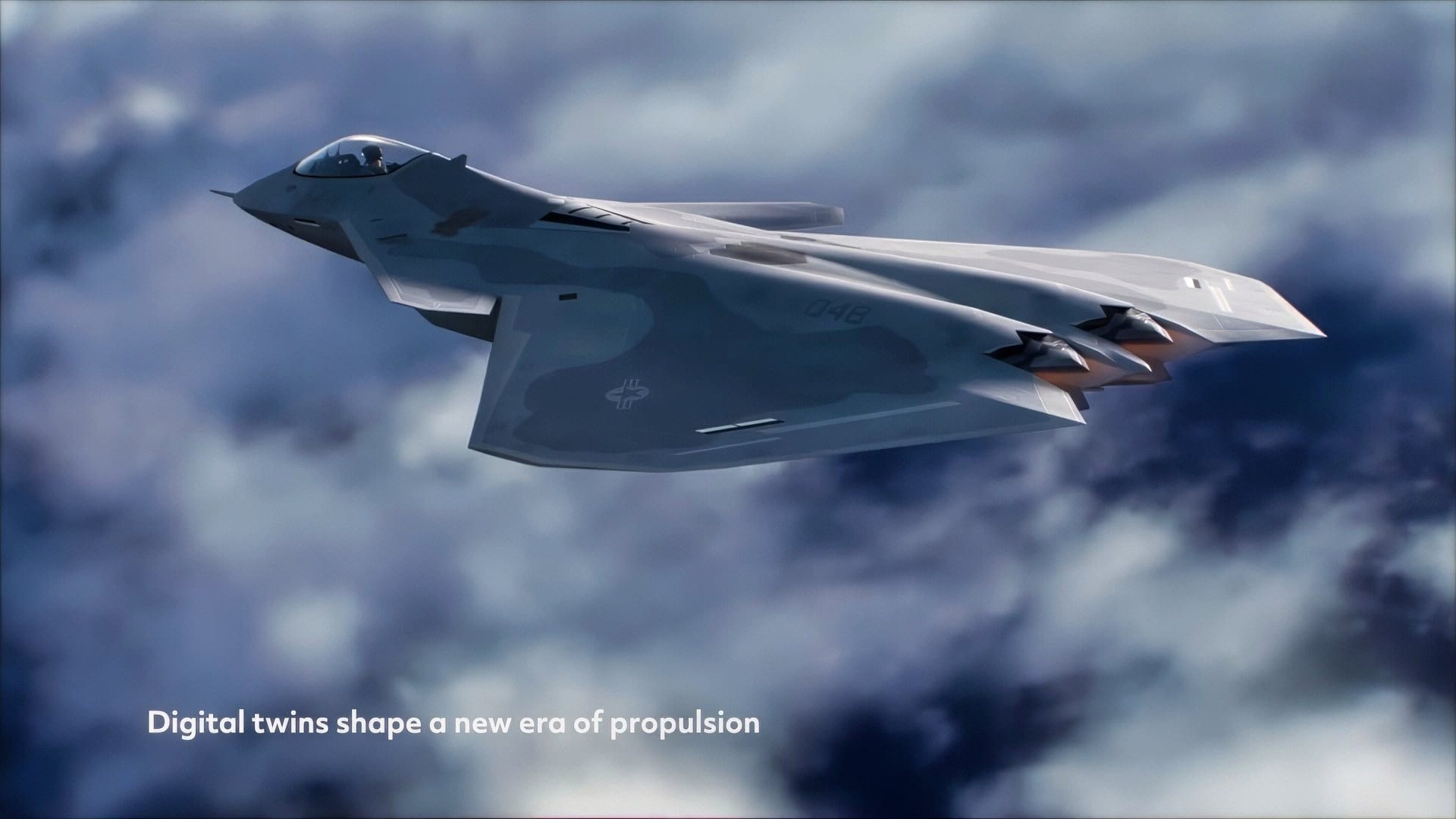
F-47 NGAD Fighter Possible Image. Image Credit: Screenshot.

Shown is a graphical artist rendering of the Next Generation Air Dominance (NGAD) Platform. The rendering highlights the Air Force’s sixth generation fighter, the F-47. The NGAD Platform will bring lethal, next-generation technologies to ensure air superiority for the Joint Force in any conflict. (U.S. Air Force graphic)
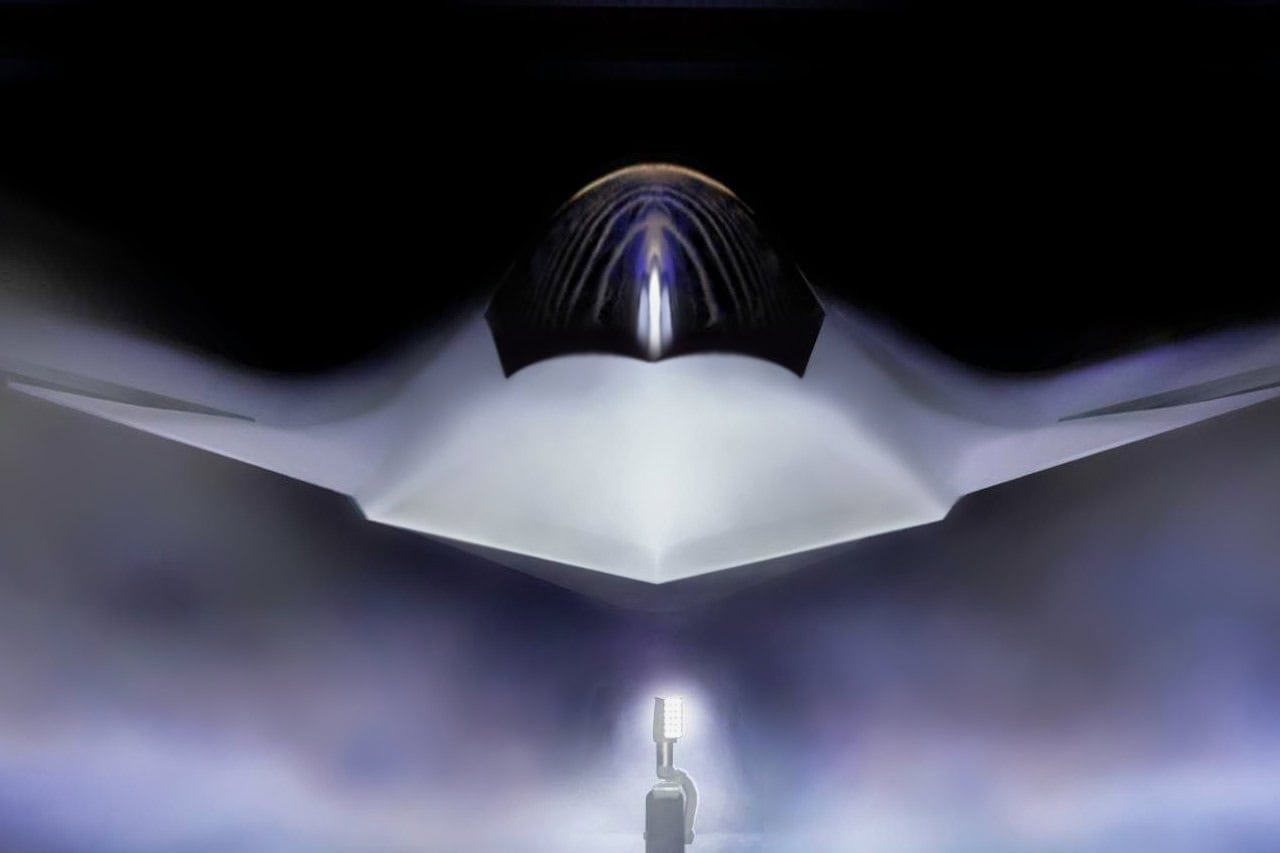
Shown is a graphical artist rendering of the Next Generation Air Dominance (NGAD) Platform. The rendering highlights the Air Force’s sixth generation fighter, the F-47. The NGAD Platform will bring lethal, next-generation technologies to ensure air superiority for the Joint Force in any conflict. (U.S. Air Force graphic)
There is still no universally agreed definition of a sixth-generation fighter, but analysts usually point to a set of new and emerging capabilities rather than one specific design.
Chief among them is next-generation stealth technology, including tailless aircraft designs and improved radar-signature management across multiple wavelengths. China’s new prototypes both appear to apply these aerodynamic concepts.
Second is adaptive-cycle propulsion, which refers to a new generation of engines capable of shifting between fuel-efficient cruising and high-thrust combat modes. In the United States, the likes of Pratt & Whitney’s XA103 adaptive-cycle engine program are pursuing this technology for future aircraft like the F-47.
Third is the concept of network-centric warfare. Unlike earlier fighters – though, much like the fifth-generation F-35 – sixth-generation aircraft are designed to act as information hubs, gathering and sharing battlefield data in real time.
And finally, sixth-generation fighters are expected to incorporate manned-unmanned teaming, operating alongside autonomous drone wingmen that expand the aircraft’s sensing and weapons capabilities. This has come to be a defining feature of these coming next-generation fighters, with the F-47 being designed specifically to function as a flying node and fighter jet that operates alongside swarming teams of autonomous systems that can take the brunt of the risk in a conflict scenario.
Can China Beat U.S. to the Punch?
China may be flying prototypes, but that doesn’t necessarily mean that it will field an operational capability first – and, even if it does, it still doesn’t necessarily mean that the United States has fallen behind.
Chinese flight testing appears to have begun in late 2024, with additional prototypes having flown since then, with later sightings appearing to show some dramatic design changes. However, even optimistic estimates indicate that Chinese operational deployment will concur in the mid-2030s at the earliest.
The United States is working on a similar timeline. The F-47, built by Boeing under the NGAD program, is currently in development and expected to eventually replace the F-22 Raptor as America’s primary air-superiority fighter and work alongside the fifth-generation F-35.
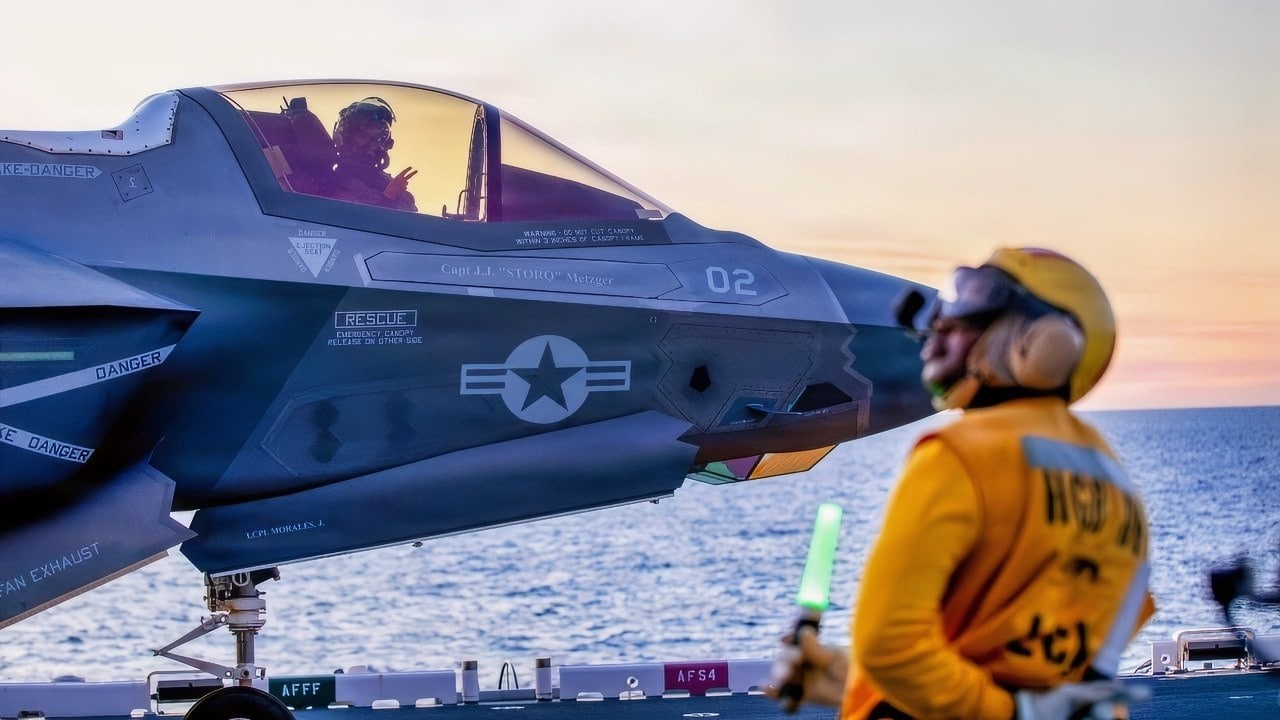
Chief Aviation Boatswain’s Mate (Handling) Stephane Togue, assigned to Wasp-class amphibious assault ship USS Makin Island (LHD 8), prepares to signal an F-35B Lightning II, attached to Marine Fighter Attack Squadron 211, for takeoff, Dec. 4, 2025. Makin Island is currently underway conducting routine operations in the U.S. 3rd Fleet. (Photo by Mass Communication Specialist Seaman Abraham Ramirez)
The aircraft is expected to have a combat radius exceeding 1,000 nautical miles, significantly greater than current U.S. fighters, allowing it to operate across vast distances in the Indo-Pacific.
If China were to field a sixth-generation fighter first, it obviously wouldn’t look great for the United States – but there’s more to this race than just timing. The F-47 is expected to become the heart of the most advanced family of systems in the world, with the aircraft operating alongside modern electronic-warfare platforms, sensors, and autonomous drones. Under that concept, a single F-47 pilot could control multiple Collaborative Combat Aircraft (CCA) drones, extending the fighter’s reach and allowing unmanned systems to carry weapons and absorb risk during combat operations. China must match and exceed those capabilities to really beat the U.S. to the punch.
The United States also has another trick up its sleeve: combat experience and pilot training. With more experience and mature operational doctrine developed over decades of real-world air operations, the Chinese air force will still take years to fully catch up. Chinese pilots have not fought a major modern air war.
The outcome of the sixth-generation race, then, will likely depend less on who flies a sixth-generation aircraft first and more on which platform is most capable.
About the Author: Jack Buckby
Jack Buckby is a British researcher and analyst specialising in defence and national security, based in New York. His work focuses on military capability, procurement, and strategic competition, producing and editing analysis for policy and defence audiences. He brings extensive editorial experience, with a career output spanning over 1,000 articles at 19FortyFive and National Security Journal, and has previously authored books and papers on extremism and deradicalisation.