
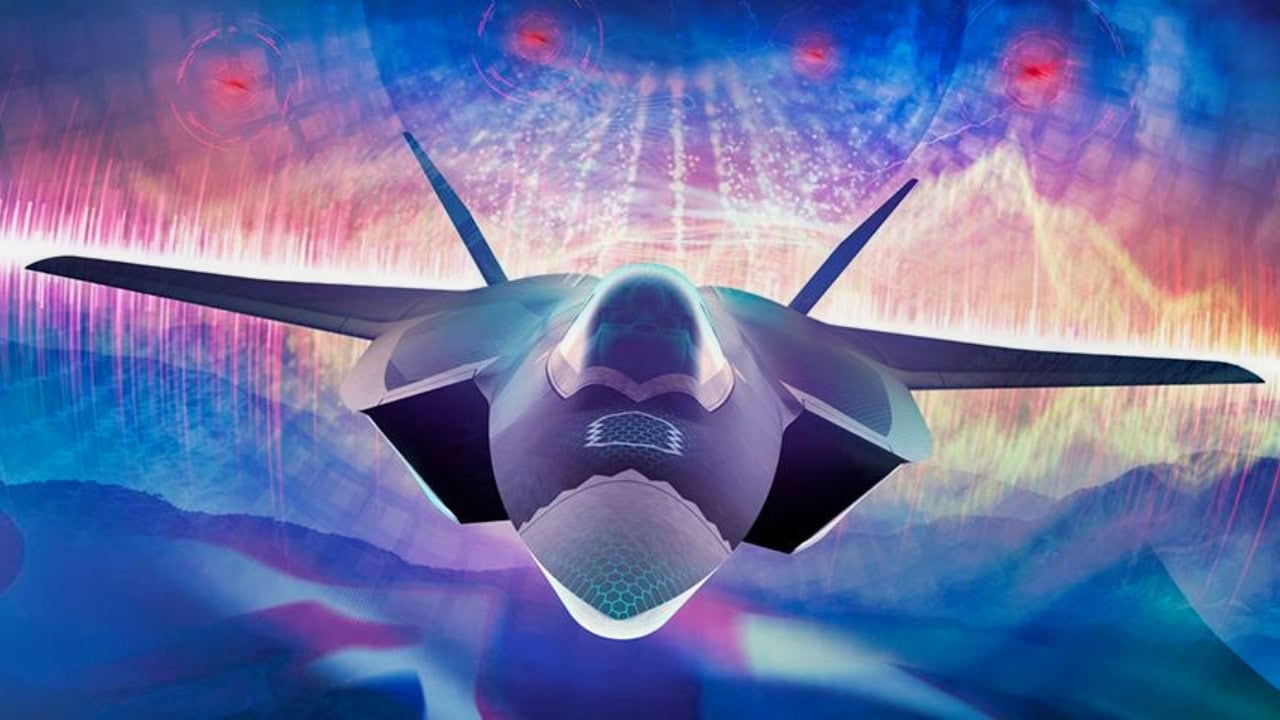
Rolls-Royce Has Completed 100 Tests for Britain, Italy and Japan’s Next Fighter Engine: Rolls-Royce, Japan’s IHI Corporation, and Italy’s Avio Aero have completed more than 100 subscale component tests for the propulsion system planned for the Global Combat Air Program. The July 20 program update said the three companies are moving toward final approval of the engine demonstrator design and continuing to manufacture its components.
The 100-test figure refers to smaller components. A complete GCAP engine has not run 100 times. The work is intended to reduce technical risk before the partners assemble and operate the integrated demonstrator, which will provide data for the propulsion system expected to support the future fighter.
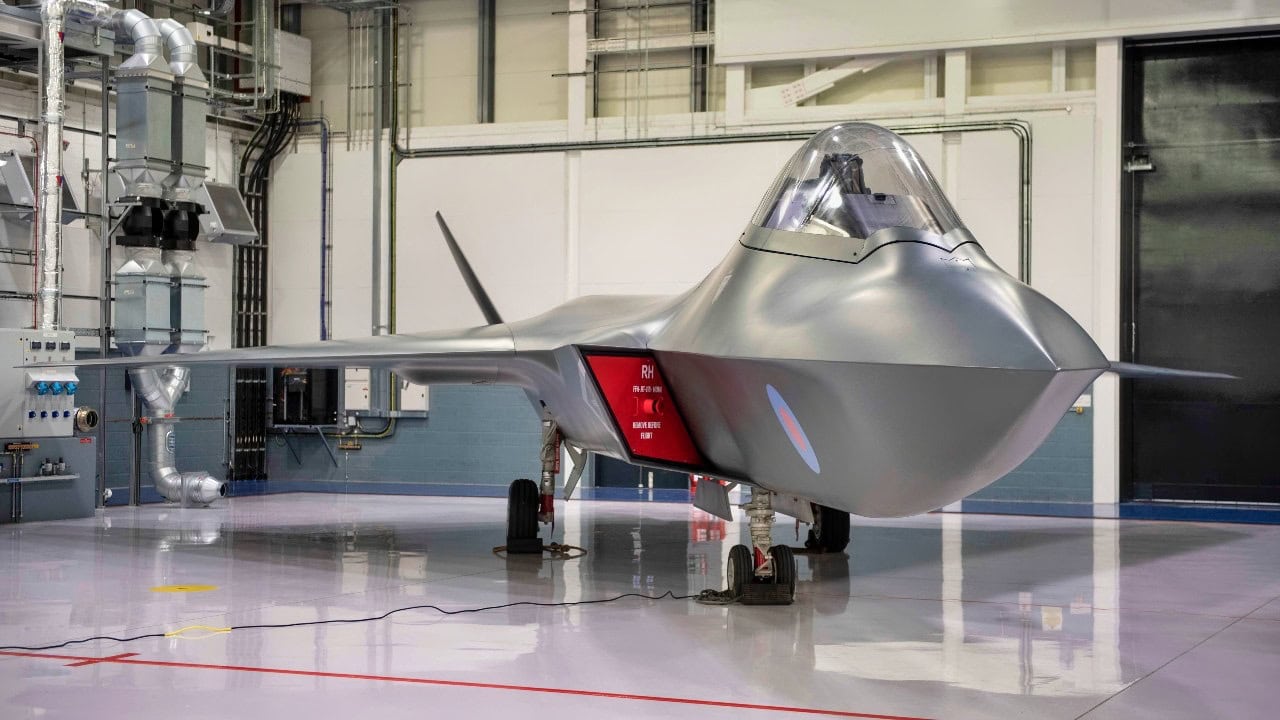
Image of the UK’s concept model for the next generation jet fighter “Tempest”, which was unveiled by Defence Secretary, at Farnborough International Air Show back in 2018.
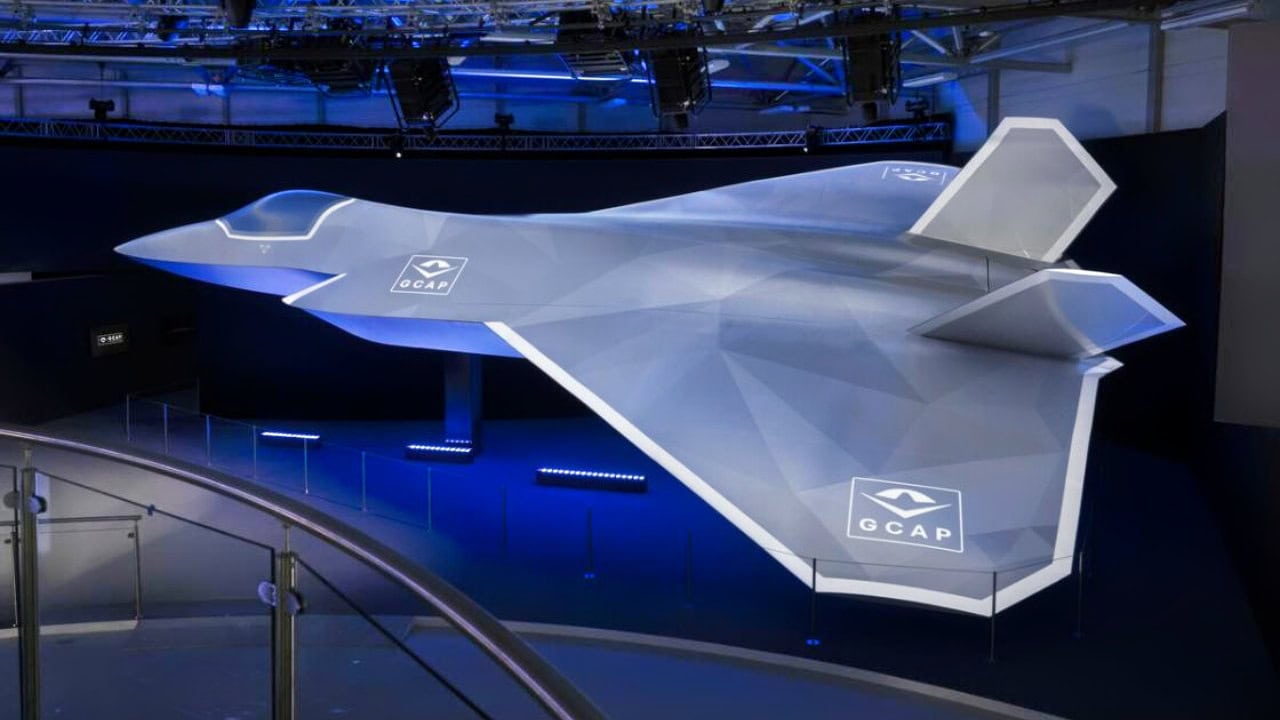
GCAP 6th Generation Fighter
Britain, Italy, and Japan are targeting 2035 for the aircraft to enter service. Edgewing, the international prime contractor owned equally by BAE Systems, Leonardo, and Japan Aircraft Industrial Enhancement Co., is responsible for the fighter’s design. Its programme guide assigns the propulsion work to Rolls-Royce, IHI, and Avio Aero.
The engine milestone arrived as Britain expanded funding for its national contribution. The UK Ministry of Defence awarded BAE Systems a £708 million contract extension covering sovereign technologies, software, digital engineering, networks, and infrastructure. BAE said approximately 4,500 people are working across Britain’s Team Tempest effort.
Rolls-Royce Is Building More Than a Fighter Engine
The GCAP propulsion system has to provide thrust while supplying large quantities of electrical power and managing heat from advanced sensors, electronic warfare equipment, communications, computers, and future weapons. Rolls-Royce says the full technology demonstrator will contain an estimated 40,000 individual parts and will integrate propulsive and electrical power in one architecture.
Those requirements help explain why sixth-generation fighter concepts are becoming larger. Range, internal payload, sensors, cooling, and power generation all consume volume. The engine will support a combat aircraft designed for long-range operations and heavy information processing, rather than serving only as a source of thrust.
The 100 Tests Reduce Risk Before the Full Ground Run
Subscale testing allows engineers to examine individual technologies before they are combined inside a complete demonstrator. Problems found during this phase are generally cheaper to correct than failures discovered after the full engine is assembled. The consortium is also testing its shared design methods, digital tools, manufacturing processes, and decision-making arrangements across three countries.
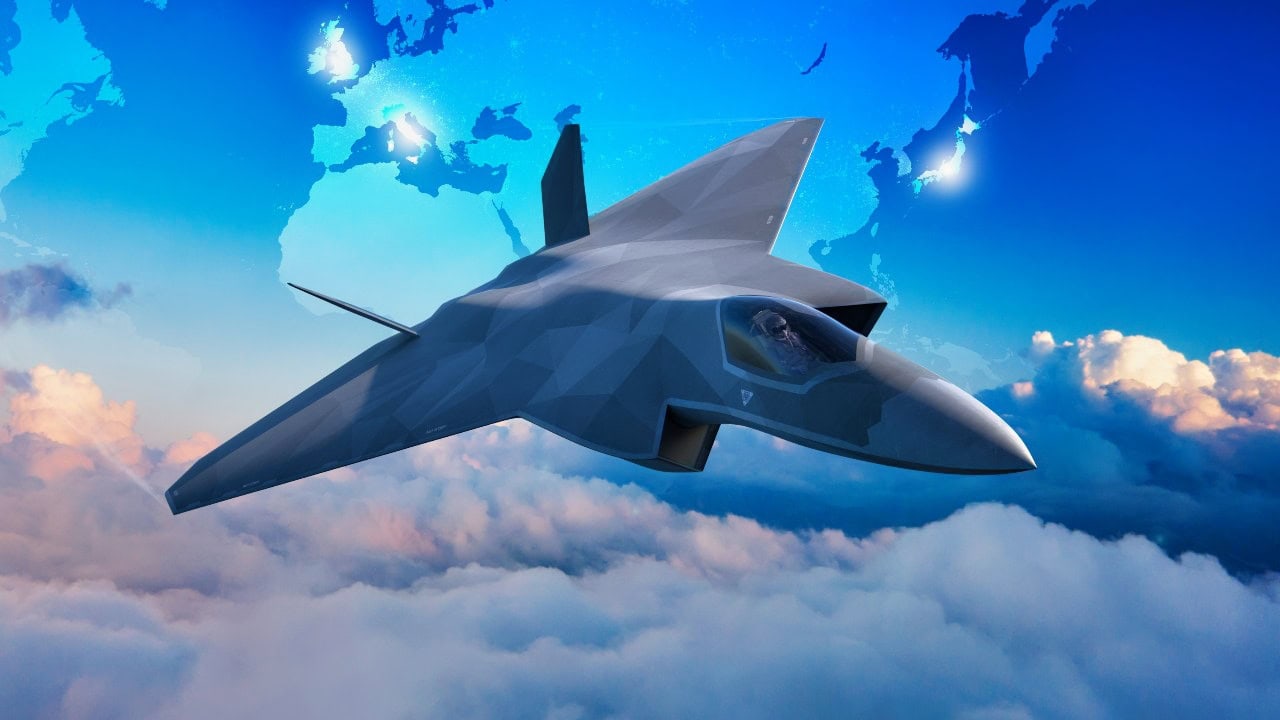
GCAP. Image Credit: Industry Handout.
The full ground demonstrator remains the more demanding milestone. It will have to show that components operate together under representative temperatures, pressures, electrical loads, control inputs, vibration, and sustained running conditions. The UK has already used recycled Tornado titanium in Rolls-Royce experimental engine work, but the GCAP demonstrator must validate an entirely integrated propulsion architecture.
The UK’s separate Combat Air Flying Demonstrator is reducing airframe, manufacturing, and flight-control risk in parallel and serves as a pathfinder rather than the prototype GCAP aircraft. The propulsion ground rig focuses on proving the integrated engine architecture before it is matched to the final airframe and moved into later flight-test work.
GCAP Has to Coordinate Three Aerospace Industries
Rolls-Royce brings British combat-engine experience, IHI is Japan’s principal military aero-engine manufacturer, and Avio Aero contributes Italian expertise in turbines, combustors, transmissions, and advanced manufacturing. Their work sits inside an industrial network that already includes more than 1,000 suppliers across the partner nations.
That scale creates capacity and political support, but it also requires agreement on requirements, intellectual property, workshare, certification, and export decisions. Japan’s schedule is especially important because its F-2 fighters are due to retire in the middle of the next decade, making GCAP central to Tokyo’s future combat-air planning.
Canada joined the program as an observer at the Farnborough Airshow, becoming the first country outside the founding group to participate formally. Reuters reported that the status carries no immediate financial commitment, although Canada could later share development costs and order aircraft. Additional partners could strengthen the program’s market while increasing the number of governments involved in major decisions.
The 2035 GCAP Schedule Leaves Little Margin
The program has less than a decade to move from component testing through demonstrator runs, detailed design, aircraft integration, flight testing, certification, production, and operational entry. Leonardo’s chief executive said any additional full partner should join soon because later changes could affect the timeline. His Farnborough comments placed the end of 2026 as the preferred point for another country to enter.
GCAP has gained momentum while Europe’s separate FCAS project has faced industrial disputes. The British program has also experienced questions about funding continuity and workforce retention. The new UK contract and the propulsion milestone reduce immediate uncertainty without removing the schedule risk.
The consortium has not released the demonstrator’s thrust, fuel consumption, electrical output, or ground-test date. The next decisive evidence will come when Rolls-Royce, IHI, and Avio Aero assemble the integrated engine and begin sustained ground operation. More than 100 component tests have moved the program closer to that point.
About the Author: Harry J. Kazianis
Harry J. Kazianis (@Grecianformula) was the former Senior Director of National Security Affairs at the Center for the National Interest (CFTNI), a foreign policy think tank founded by Richard Nixon based in Washington, DC. Harry has over a decade of experience in think tanks and national security publishing. His ideas have been published in the NY Times, The Washington Post, The Wall Street Journal, CNN, and many other outlets worldwide. He has held positions at CSIS, the Heritage Foundation, the University of Nottingham, and several other institutions related to national security research and studies. He is the former Executive Editor of the National Interest and the Diplomat. He holds a Master’s degree focusing on international affairs from Harvard University.