
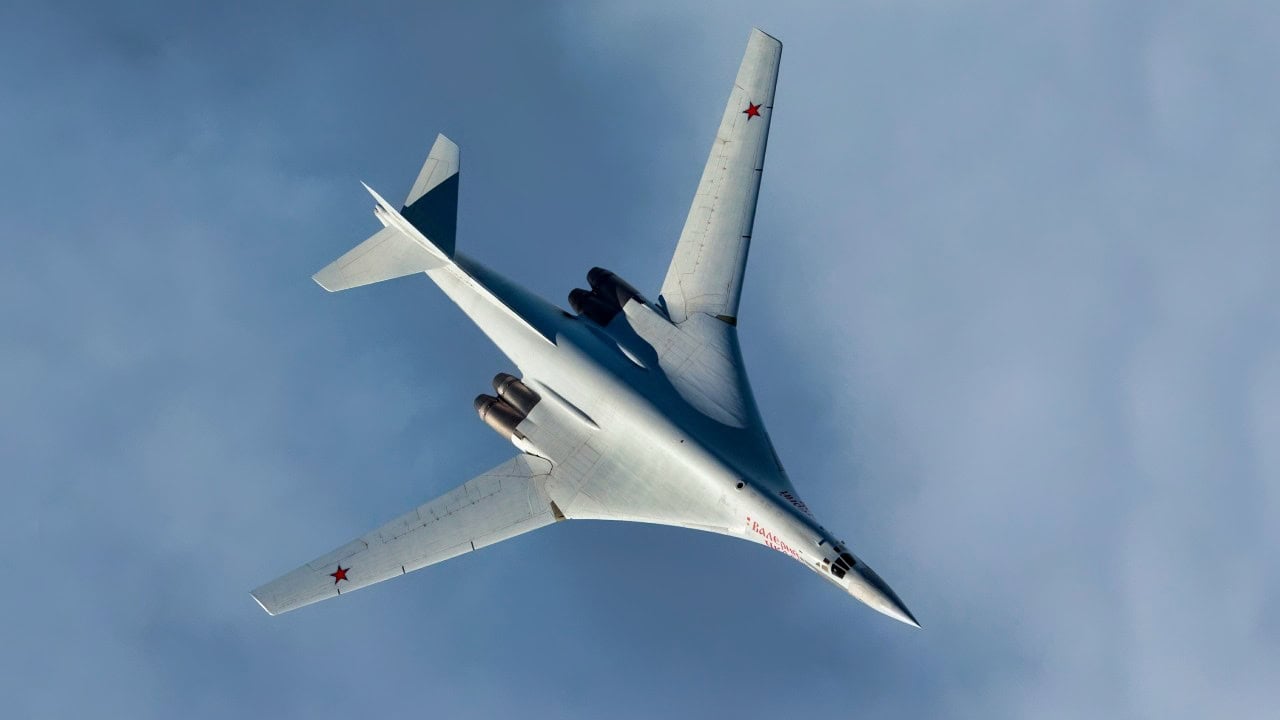
An air ceasefire would take Russian missiles out of Ukrainian skies. It could also take pressure off the Russian rear while the ground war continued.
That is a dangerous trade unless Washington links the pause in the air to limits on Russia’s offensive below it.
The proposal now circulating has obvious appeal.
Ukrainian cities have endured another summer of ballistic missiles and large drone attacks. Even a partial halt would save lives and give Ukraine’s air defenses some room to recover.
But U.S. and Ukrainian officials are discussing an air ceasefire at a moment when Kyiv’s long-range campaign is beginning to impose real costs inside Russia, while Moscow still believes it can gain more by continuing to fight.
That is the central problem. The deal could protect Ukraine from one part of Russia’s war while removing one of Ukraine’s few means of reaching the system that sustains it.
The Proposal Is Smaller Than the War
There is no agreement yet.
A Ukrainian source told Reuters that U.S. and Ukrainian officials had discussed a possible halt to aerial attacks as part of a renewed diplomatic push.
The Kremlin says it has received no specific proposal and will judge whatever emerges against Russian interests.
The missing details are substantial. A ceasefire covering attacks on cities would be very different from one that barred strikes on military facilities or energy infrastructure.
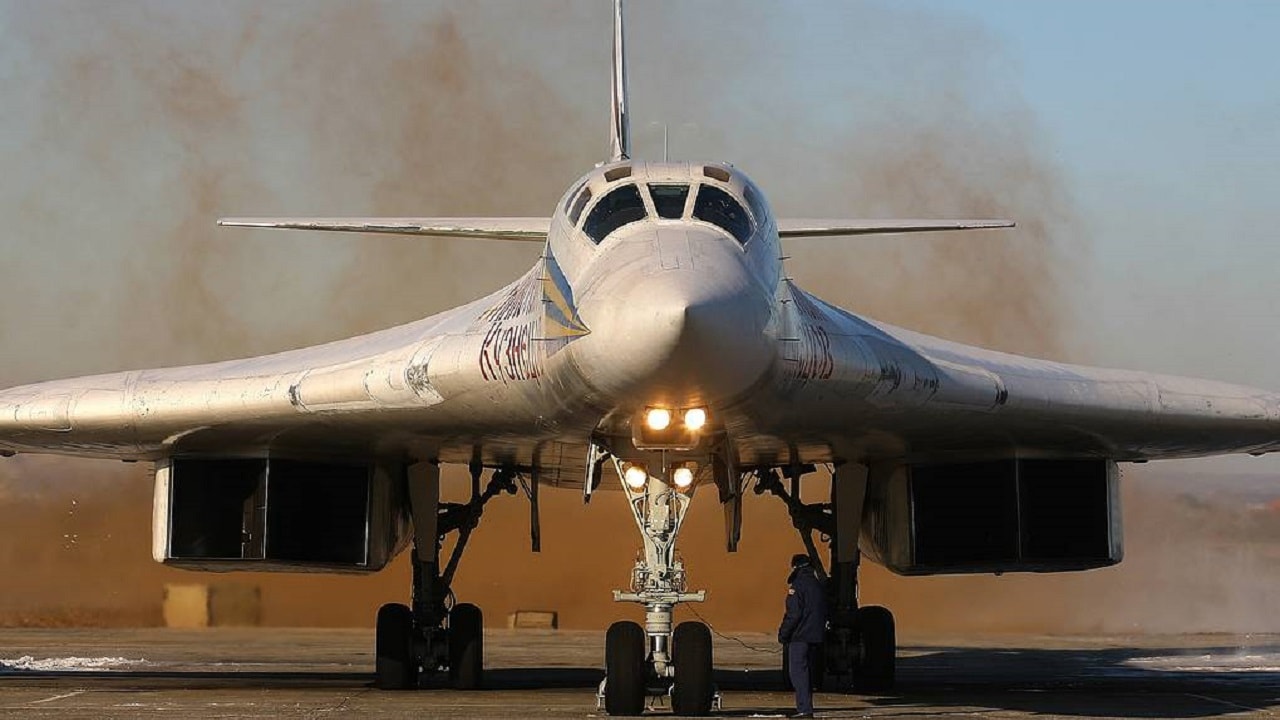
Russia’s Tu-160 Bomber. Image Credit: Creative Commons.
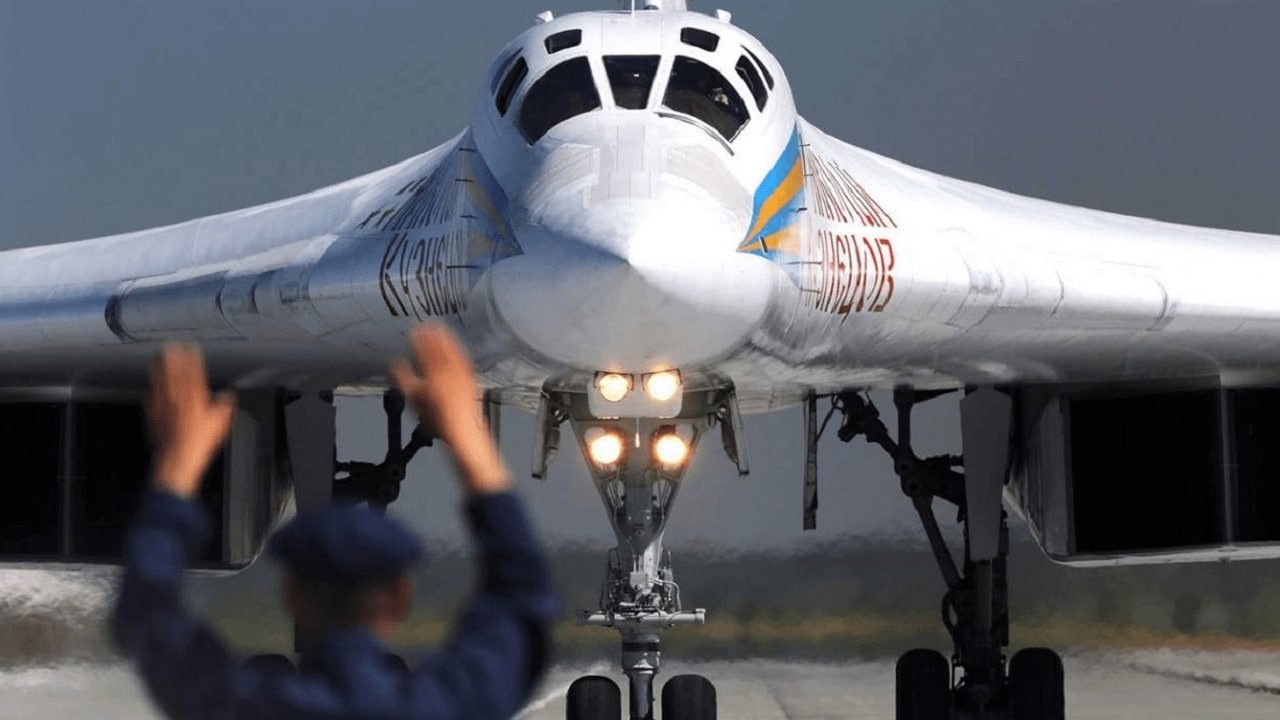
Russian Tu-160 bomber. Image Credit – Creative Commons.
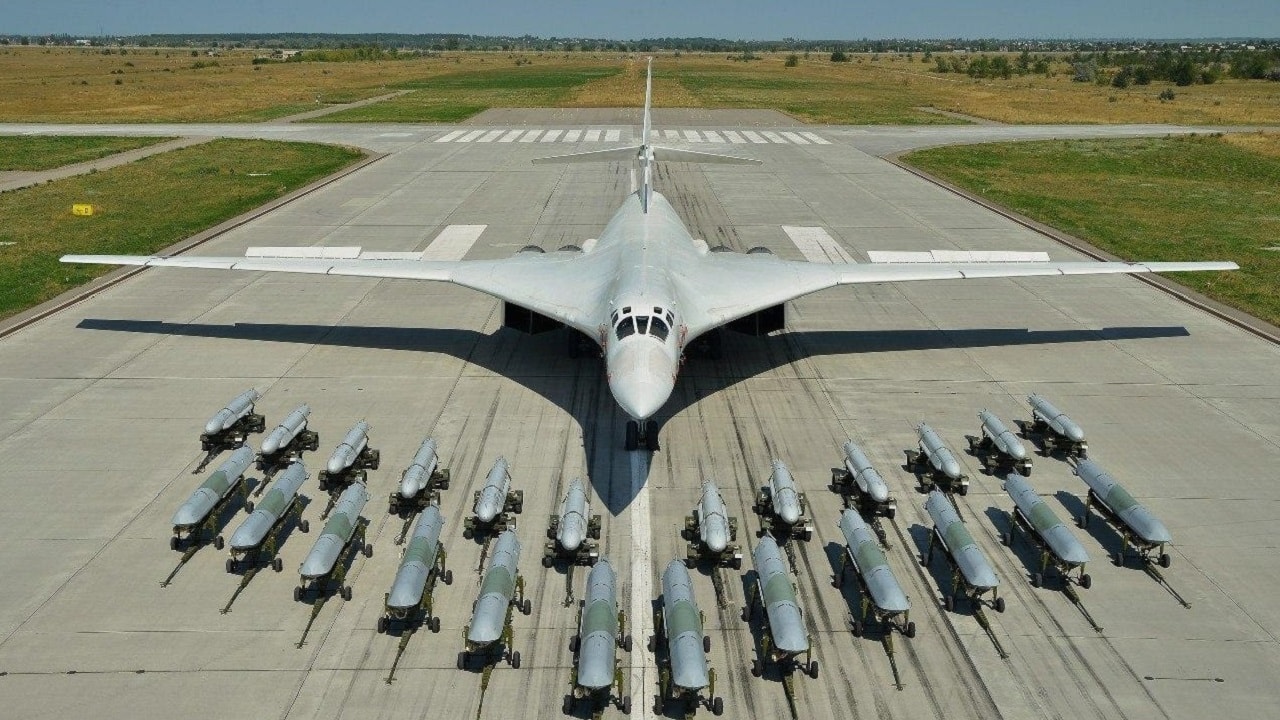
Russia’s Tu-160 bomber. Image Credit: Creative Commons.
Glide bombs near the front pose another problem. So does verification.
Each side has strong incentives to define an attack narrowly when it launches one and broadly when the other side does.
Even the broadest air ceasefire would leave the war’s main political questions untouched. Russia would still occupy roughly a fifth of Ukraine.
Moscow’s territorial demands remain intact, and Kyiv still lacks the kind of security settlement that would make a pause something other than time bought before the next round.
What remained would be the part of the war in which Russia’s material advantages count most.
The Ground War Favors Russia, Slowly
That does not mean Russia is breaking through. Its advances remain painfully slow and hugely expensive.
Over the year ending July 21, Russian forces gained roughly 1,100 square miles, about half of one percent of Ukraine’s territory.
In the four weeks before that date, the net gain was only ten to fifteen square miles, depending on the map used.
Those numbers describe an attritional front whose movement, slight as it is, continues to favor Russia.
The ground war is where Russia’s size still counts most.
Ukraine is defending a front of roughly 800 miles while dealing with persistent personnel shortages and heavy dependence on outside supply.
Russia has its own recruitment problems and has paid an extraordinary price for limited gains.
It can still replace losses, feed units into repeated assaults, and force Ukraine to spend scarce manpower holding every sector that Moscow chooses to press.
A ceasefire in the air would not make that campaign cheap. It would leave it available.
Moscow does not need to believe a decisive breakthrough is imminent.
It needs to believe that the current exchange wears Ukraine down faster than it wears Russia down. The Kremlin’s conduct suggests that it still does.
Ukraine’s Deep Strikes Are Leverage
Ukraine’s long-range campaign has not forced Vladimir Putin to change his war aims. It may never do so. That is too demanding a standard for judging its value.
The strikes compel Russia to defend a rear area extending hundreds of miles from the front. They have hit refineries and military facilities, as well as shipping in the Sea of Azov.
In July, Reuters reported that the campaign had helped force Moscow to ban diesel exports and restrict shipping. Domestic gasoline production had fallen to roughly 65 percent of capacity. Kyiv has since created a dedicated long-range command to intensify the pressure.
The campaign will not win the war by itself. It makes the war harder to sustain and forces Moscow to keep air defenses around sites that would otherwise enjoy sanctuary.
It has not forced a settlement. Moscow would still plainly prefer to see it stopped.
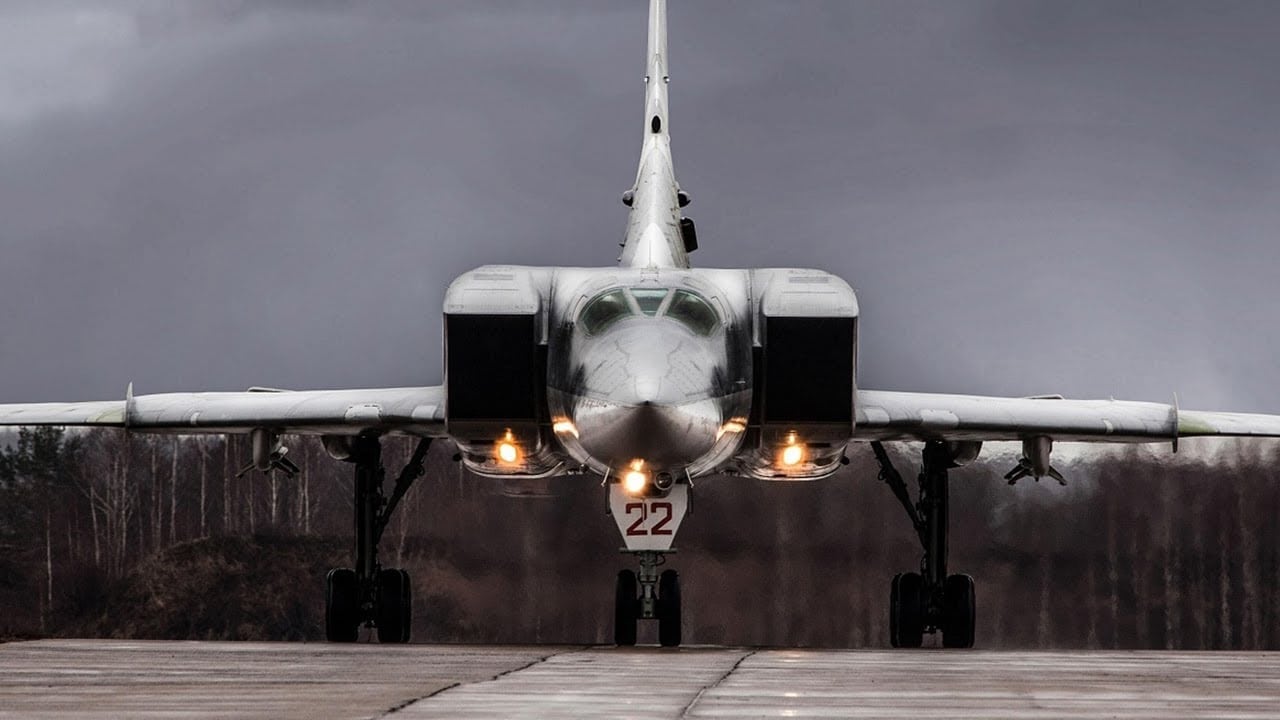
Russia’s Tu-22M3 bomber. Image Credit: Creative Commons.
The proposed ceasefire could require Ukraine to suspend part of that leverage before serious negotiations begin. Russia would give up a punishing campaign against Ukrainian cities and infrastructure.
Kyiv would surrender a growing capacity to strike the assets Russia uses to finance and support the war.
Then both sides would return to a ground contest whose burdens fall unevenly.
Washington Should Tie the Two Wars Together
The United States should still pursue an agreement that stops attacks on civilians and critical infrastructure. The humanitarian case is overwhelming. Reducing the risk of an uncontrolled escalation has value of its own.
Washington should not pursue a blanket air ceasefire while allowing Russia’s ground offensive to continue unchanged.
The ceasefire has to reach the ground war as well. A broad halt to aerial attacks should come with a halt to major offensive operations along the front.
If Moscow refuses, the air arrangement should be narrower.
Civilian targets and essential public infrastructure would be protected, while Ukraine retained the ability to strike military assets directly sustaining Russian operations.
That will be harder to negotiate. Russia will prefer a deal that protects its rear while leaving its army free to move, which is precisely why Washington should resist it.
A quieter night in Kyiv would matter.
The United States should secure that relief without stripping Ukraine of leverage while Russian units keep pressing forward.
If it cannot, the ceasefire may save lives in the short term and still leave Ukraine facing a war shifted toward the terrain Moscow finds more favorable.
MORE – China’s J-20 Stealth Fighter Was Built to Fight the US Air Force
About the Author: Dr. Andrew Latham
Andrew Latham is a professor of international relations and political theory at Macalester College in Saint Paul, MN. You can follow him on X: @aakatham.