
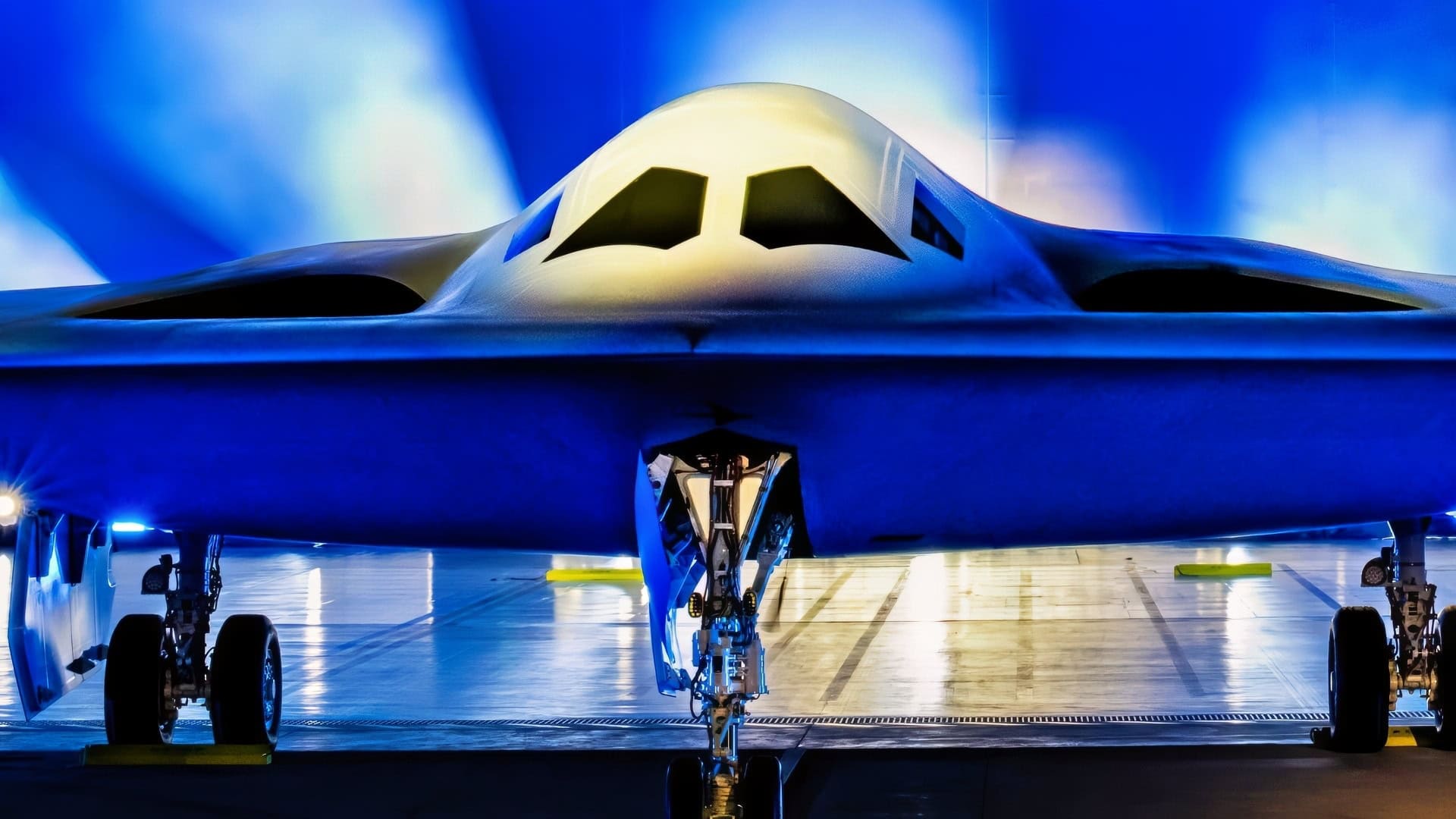
The U.S. Air Force has officially confirmed that its next-generation stealth bomber, the B-21 Raider, will operate with a two-pilot crew.
The news ends months of speculation over whether the United States’ next-generation stealth bomber will be flown by a single pilot.
Opting for two pilots also offers insight into the U.S. Air Force’s thinking about future conflicts, and reflects the service’s conclusion that modern long-range strike missions still require two fully qualified pilots capable of sharing flying duties during operations that can last well over a day – even as the aircraft introduces unprecedented levels of AI-assisted automation.
Alongside the announcement, the Air Force also revealed a new program that will allow experienced Weapons System Officers (WSOs) and Combat Systems Officers (CSOs) to transition into B-21 pilot roles.
The strategy will help the Air Force build the force needed to operate what is planned to become the backbone of America’s bomber fleet once it begins to enter operational service in 2027.
Air Force Announces Two-Pilot Crew
The Air Force confirmed the B-21’s crew configuration in a statement released on July 9, saying the next-generation stealth bomber will fly with two pilots and that a new transition program will allow eligible WSOs and CSOs to become B-21 pilots through the Undergraduate Pilot Training program.
The announcement was the first official confirmation of the Raider’s cockpit configuration, which has been a topic of speculation for some time.
Last year, reports circulated that Gen. Thomas A. Bussiere, then commander of Air Force Global Strike Command, had recommended designing the aircraft for a single pilot.
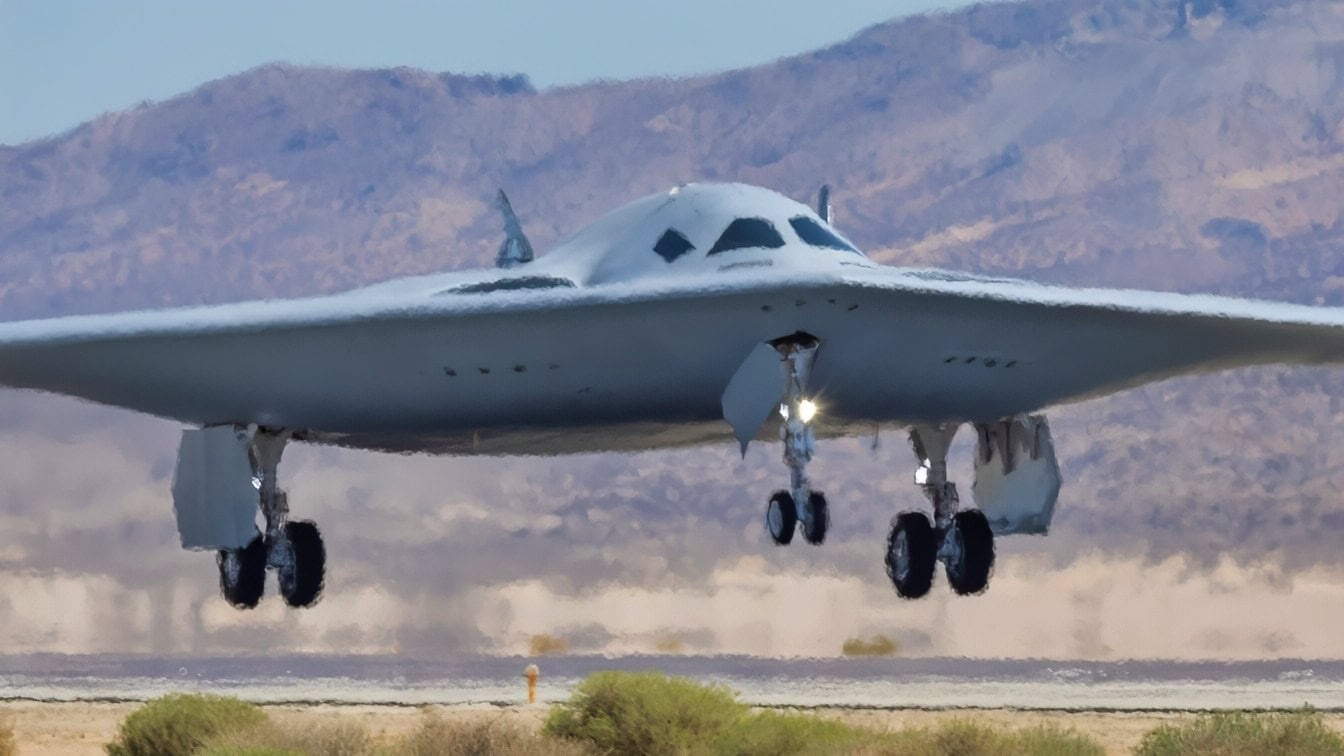
A B-21 Raider test aircraft lands at Edwards Air Force Base, Calif., during ongoing developmental flight testing, Sept. 11, 2025. The B-21 will be the backbone of the bomber fleet; it will incrementally replace the B-1 Lancer and B-2 Spirit bombers. (U.S Air Force photo by Todd Schannuth)
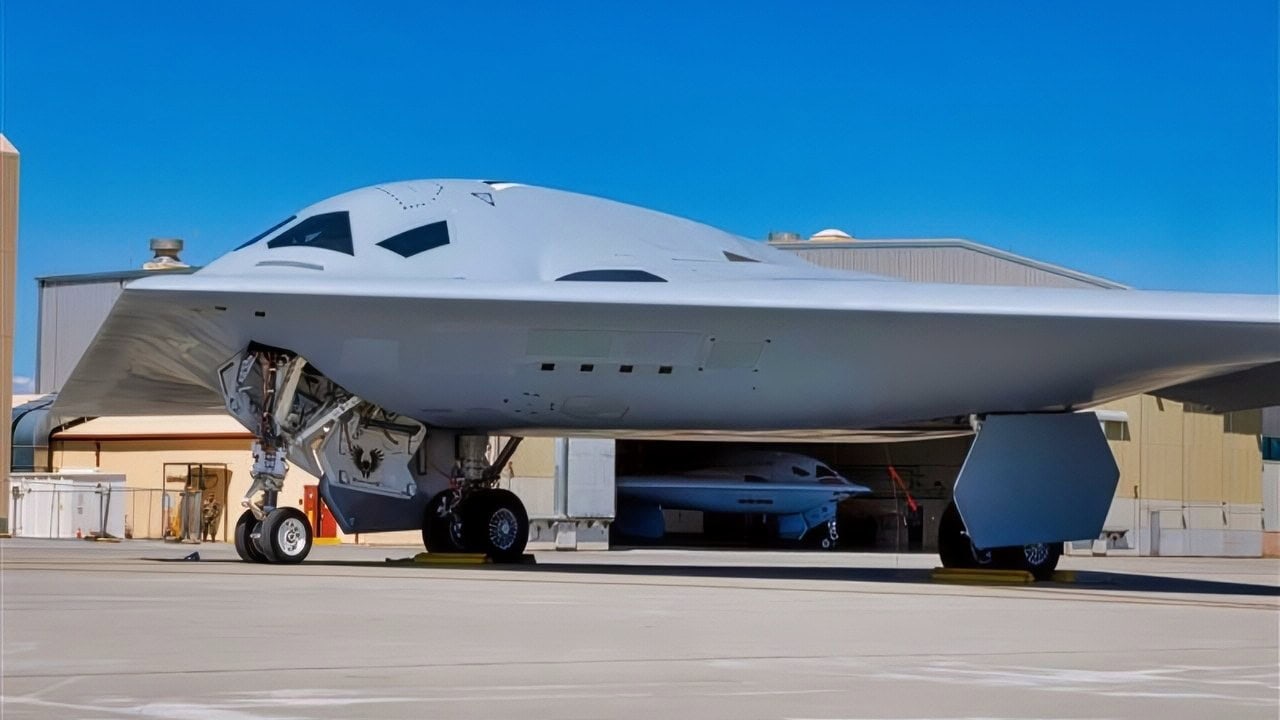
A second B-21 Raider, the world’s sixth-generation stealth bomber, test aircraft arrives at Edwards Air Force Base, Calif., Sept. 11, 2025. The addition of the second test aircraft expands mission systems and weapons integration testing, advancing the program toward operational readiness. (Courtesy photo)
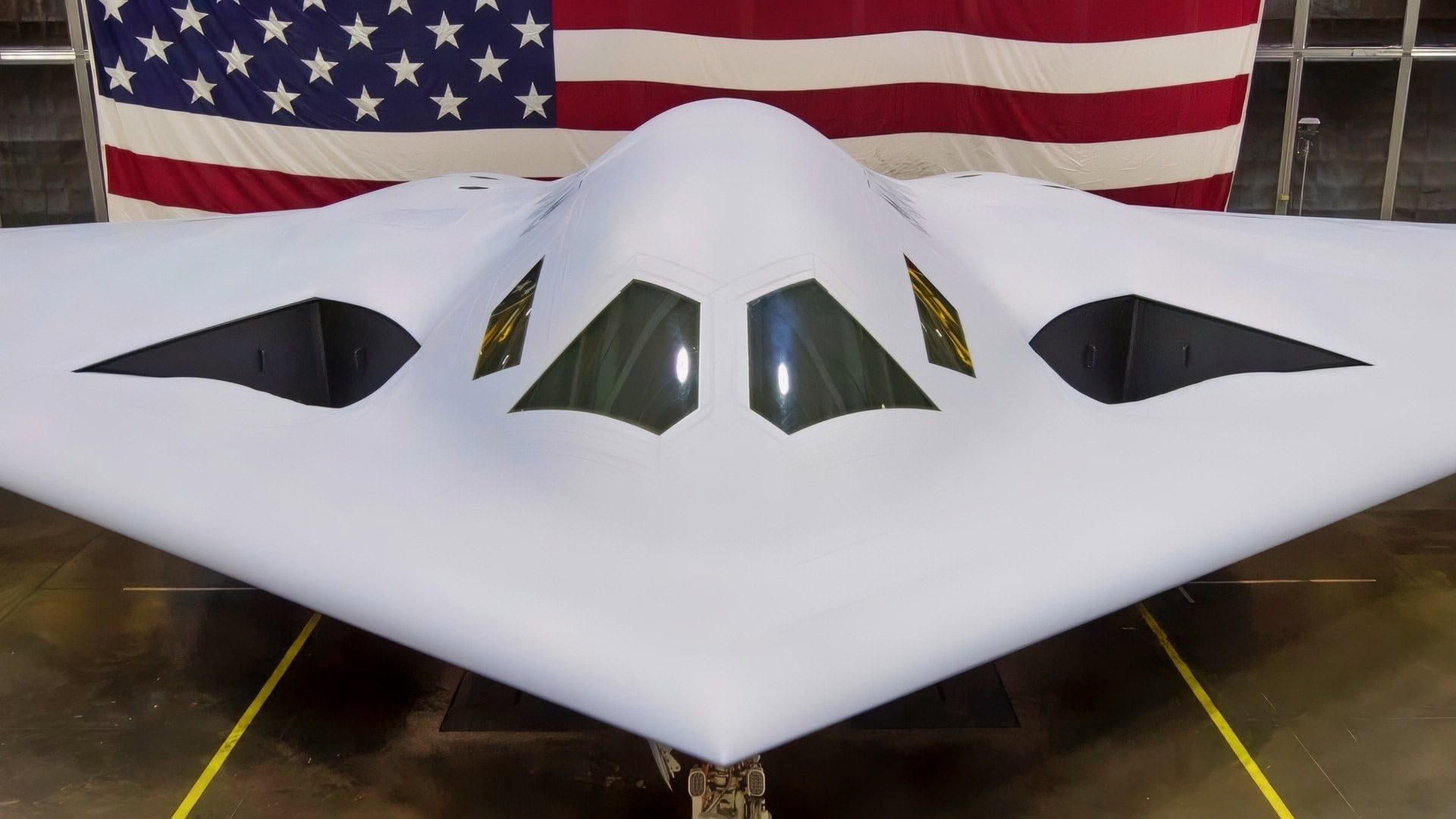
The B-21 Raider was unveiled to the public at a ceremony Dec. 2, 2022 in Palmdale, Calif. The B-21 will provide survivable, long-range, penetrating strike capabilities to deter aggression and strategic attacks against the United States, allies, and partners. (U.S. Air Force photo)
The comments did not, however, reflect the view of the Air Force generally.
In the July 9 announcement, the service said that after exploring different options, Air Force leadership had determined that a two-pilot setup was the best option for the Raiders’ operational requirements.
“Following careful analysis of the B-21’s advanced capabilities, Air Force leadership determined that a two-pilot configuration optimally supports the aircraft’s mission profile. To maximize the lethality and survivability of the Raider, it is imperative to retain the deep tactical and combat experience currently residing within the WSO and CSO communities,” the statement reads.
“This deliberate talent management strategy secures the future of global strike capabilities, ensuring the Air Force remains postured to execute extended-duration, long-range strike missions in highly contested environments,” it continued.
Why the Air Force Needs Two Pilots
While the Air Force did not identify a single factor that motivated its decision, recent combat operations show why strategic bombers need two fully qualified pilots – even as rapid advances in technology allow these aircraft to operate largely autonomously.
During Operation Midnight Hammer in June, B-2 Spirit stealth bombers flew approximately 37 hours to conduct devastating strikes against Iranian nuclear infrastructure.
The round-trip, which began and ended at Whiteman Air Force Base in Missouri, placed immense pressure on the pilots and their crew.
It became one of the longest combat bomber missions in modern U.S. military history and required crews to manage fatigue and rotate flying duties, remain in contact with crews back in the United States, and stay combat-ready throughout the mission.
Long-range missions like Operation Midnight Hammer are expected to become a defining feature of the B-21’s role, if contingencies arise that require it.
Although the Raider incorporates advanced AI-assisted systems designed to reduce pilot workload and improve situational awareness, automation still cannot eliminate the physical demands of flying missions that last more than a day – and sending an advanced stealth bomber thousands of miles away from the mainland United States with just one pilot is an enormous risk.
A second qualified pilot allows crews to alternate their flying responsibilities and provides a valuable backup in the event that one pilot becomes incapacitated or sick during the journey.
The second pilot can also monitor aircraft systems and communicate with command, and prepare for complex strike operations while the other pilot rests.
The decision to man the B-21 with two pilots means that the Raider will follow the same basic crew concept as the bombers that came before it, including the B-52 Stratofortress, the B-1B Lancer, and the B-2 Spirit.
Experienced Aircrew Will Build the Raider Force
The Air Force has not yet determined how many B-21 pilots it will ultimately need, but the numbers involved are expected to be significant as the Raider gradually replaces America’s existing stealth bomber fleet.
Existing plans call for at least 100 B-21s, although senior Pentagon leaders have pushed for a final fleet of more than 145 – and some analysts even predict those numbers could rise to 200 or more.
The B-21 is expected to enter operational service next year, but building a fleet of more than 100 bombers will likely take well into the next decade to complete as production gradually ramps up.
About the Author: Jack Buckby
Jack Buckby is a British researcher and analyst specializing in defense and national security, based in New York. His work focuses on military capability, procurement, and strategic competition, producing and editing analysis for policy and defense audiences. He brings extensive editorial experience, with a career output spanning over 1,000 articles at 19FortyFive and National Security Journal, and has previously authored books and papers on extremism and deradicalization.