
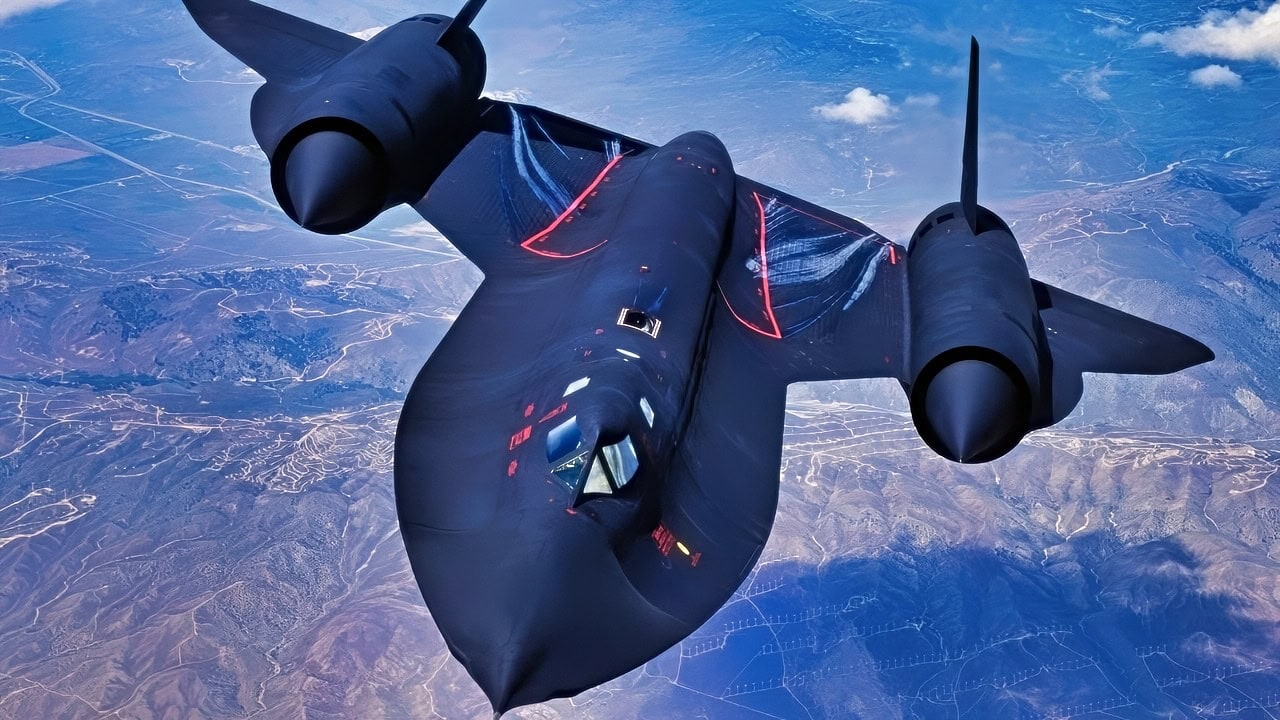
An SR-71 Blackbird near the Soviet Kola Peninsula in the summer of 1984 suffered a violent right-side intake unstart at roughly 83,000 feet and Mach 3.2. Pilot Joseph E. Matthews then placed the left inlet in the same condition to halt the asymmetric drag. For a critical stretch, both propulsion systems produced almost no usable thrust. Yes, that means effectively no engines.
The episode is often described as a double-engine failure over Russia. The published account from reconnaissance systems officer Curt Osterheld places SR-71 61-7974 in international airspace off northern Norway, west of Novaya Zemlya, rather than above Soviet territory. The precise date and a public official incident report remain unavailable, leaving the detailed sequence dependent on Osterheld’s recollection.
Three automatic restart attempts failed. Matthews restored the inlets manually only after the Blackbird had descended from 83,000 feet to about 18,000 feet in less than two minutes, averaging more than 32,500 feet per minute. The high-G recovery kept the aircraft out of the Barents Sea but left it low, subsonic and burning through its remaining fuel.
Survival then depended on a KC-135Q tanker. Matthews and Osterheld reached it with less than 10 minutes of fuel remaining and refueled repeatedly before landing at RAF Mildenhall. The emergency exposed the engineering bargain behind the Blackbird’s performance: at Mach 3, its engines, inlets, shock waves and flight controls had to function as one system through every second of high-speed flight.
The SR-71 Was Watching the Soviet Northern Fleet
Aircraft 974 had launched from Mildenhall for a reconnaissance route around the Soviet north. Osterheld operated the ASARS-1 side-looking radar while Atlantic Command sought intelligence on the Northern Fleet and its Typhoon submarines near Murmansk. Soviet tracking radars followed the aircraft near the route’s closest point to Murmansk.
The Soviet S-200 system, known to NATO as the SA-5, was designed for high-altitude targets. No missile launch was reported, but the radar attention mattered. Peacetime reconnaissance rules required crews to remain outside Soviet airspace and follow predictable tracks, giving NATO and Soviet controllers a clear picture of where the Blackbird should be.
The predictable route reduced the risk of an accidental border crossing while giving Soviet air-defense crews a genuine target for training. The SR-71’s speed supplied its main protection. The propulsion failure removed that advantage within seconds, leaving the aircraft descending under observation from both sides of the frontier.
An Intake Unstart Was More Complicated Than an Engine Failure
The title’s “lost all engines” describes the result inside the cockpit, clearly not two engines breaking apart. NASA explains that at Mach 3, less than 20 percent of the Blackbird’s total thrust came from the J58 engine core itself. The inlet, movable spike, afterburner and ejector nozzle supplied the balance by controlling and using the enormous airflow entering each nacelle.
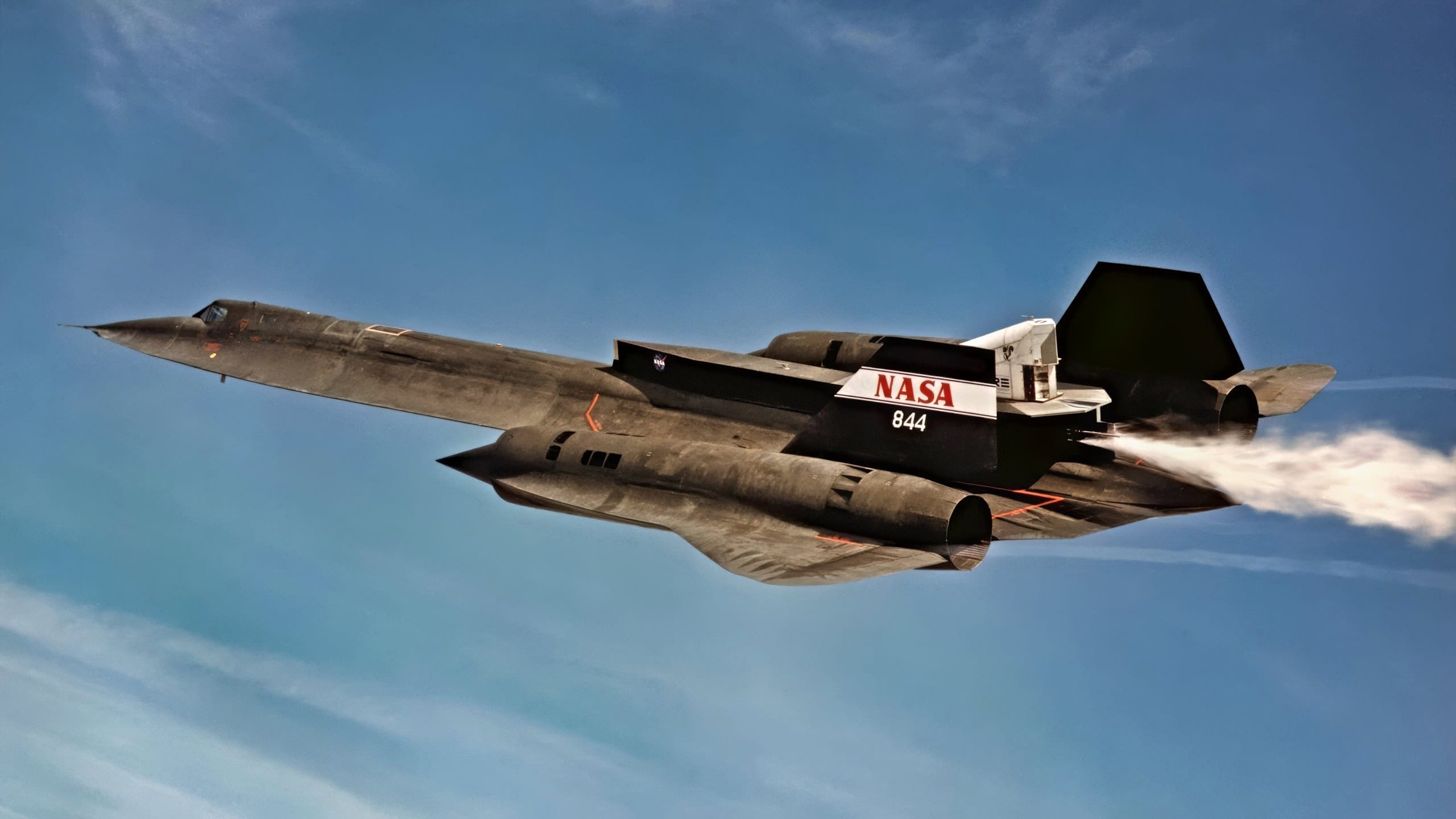
SR-71 Blackbird with NASA
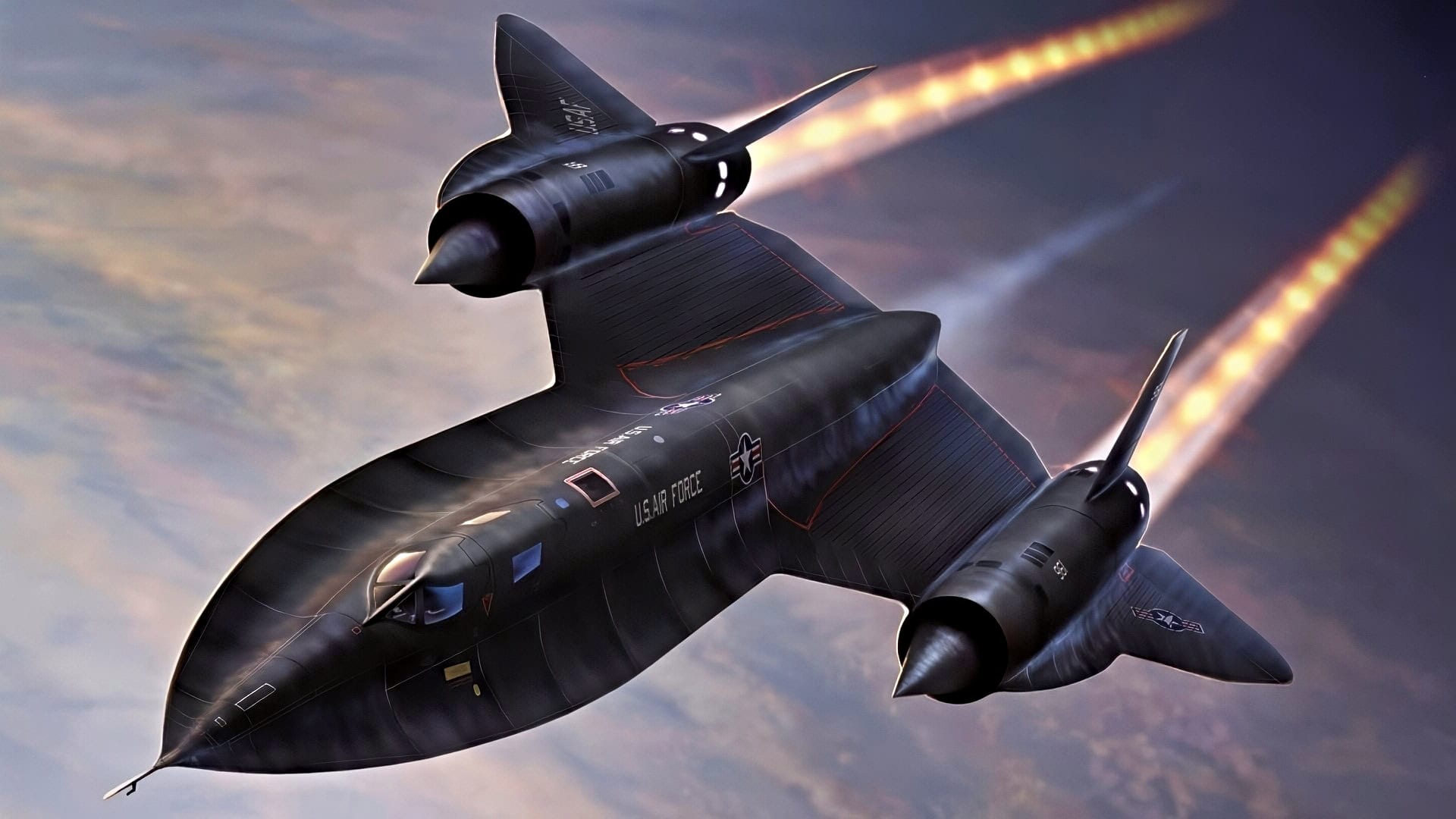
SR-71 Blackbird High in the Sky. Image Credit: Creative Commons.
The spike moved as far as 26 inches to position shock waves inside the inlet and slow incoming air before it reached the compressor. If the shock system moved outside its required position, pressure recovery collapsed, drag increased and thrust fell sharply. The resulting inlet upset could produce an immediate yaw because the J58s sat far apart on the wings.
NASA test pilot Don Mallick described an unstart as an abrupt event with enough directional force to strike a crew member’s helmet against the canopy. The Blackbird’s cross-tie system could unstart the opposite inlet above Mach 2.3, trading the imbalance of one failed side for the energy loss created by two.
Matthews used the same principle after the right inlet failed. It restored symmetry long enough to begin a restart sequence, while the aircraft shed speed and altitude as the spikes and bypass doors moved through their recovery positions.
A true engine explosion presented a different emergency. In 1968, another crew dealt with fire, shrapnel and damaged aircraft systems after a J58 failed at Mach 2.88. An unstart could still destroy the airframe through aerodynamic loads, as the loss of a Blackbird during a Mach 3.18 test flight in 1966 had already demonstrated.
The Blackbird Lost 65,000 Feet Before the Manual Restart Worked
Matthews first relied on the automatic system. It failed three times, which indicated that the underlying inlet condition had not cleared or that the controls could not restore the required shock position. He shifted to manual control while the aircraft slowed, then succeeded in returning airflow and effective thrust to both sides near 18,000 feet.
The crew had pressure suits and ejection seats, but leaving the aircraft offered no clean escape. Both men would descend separately over cold northern water and depend on rapid rescue. The full-pressure suits used for Blackbird operations protected them from decompression, not the risks of impact or prolonged exposure at sea.
Matthews also had to arrest the descent without overstressing an aircraft subjected to a sudden Mach change and severe yaw. The pullout imposed heavy G forces. Once level, the SR-71 remained in a flight condition poorly suited to reaching its planned tanker.
The KC-135Q Became the Difference Between Recovery and Ejection
The Blackbird carried enormous fuel loads, yet its mission profiles depended on carefully placed tankers. At low altitude and subsonic speed, the aircraft lost the efficiency produced by its high-speed inlet and nozzle system. Accelerating back to Mach 3 required fuel the crew no longer possessed, while the tanker waited hundreds of miles farther along the original recovery route.
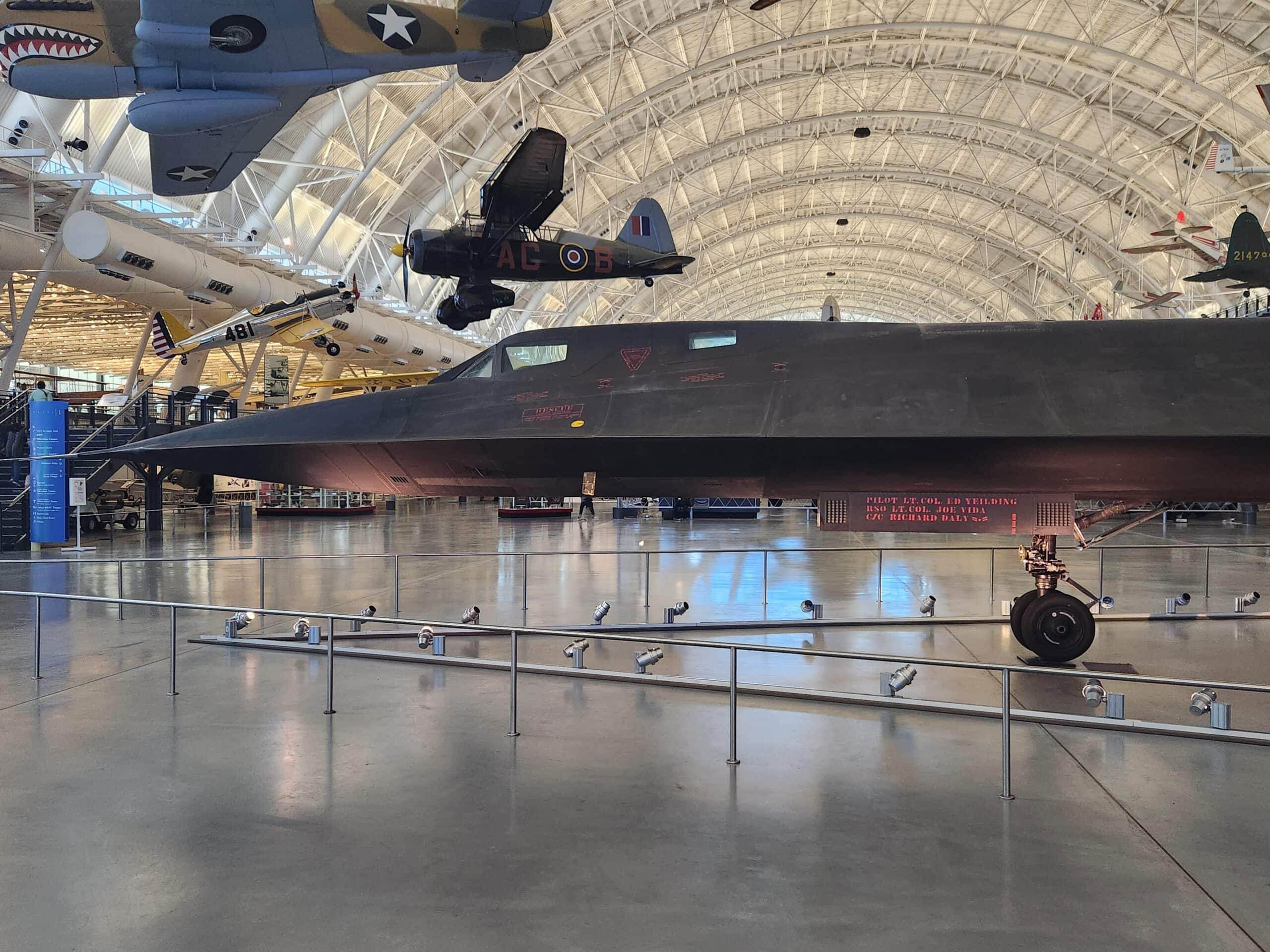
SR-71 from 19FortyFive.com original picture archive. Image taken at the Smithsonian.
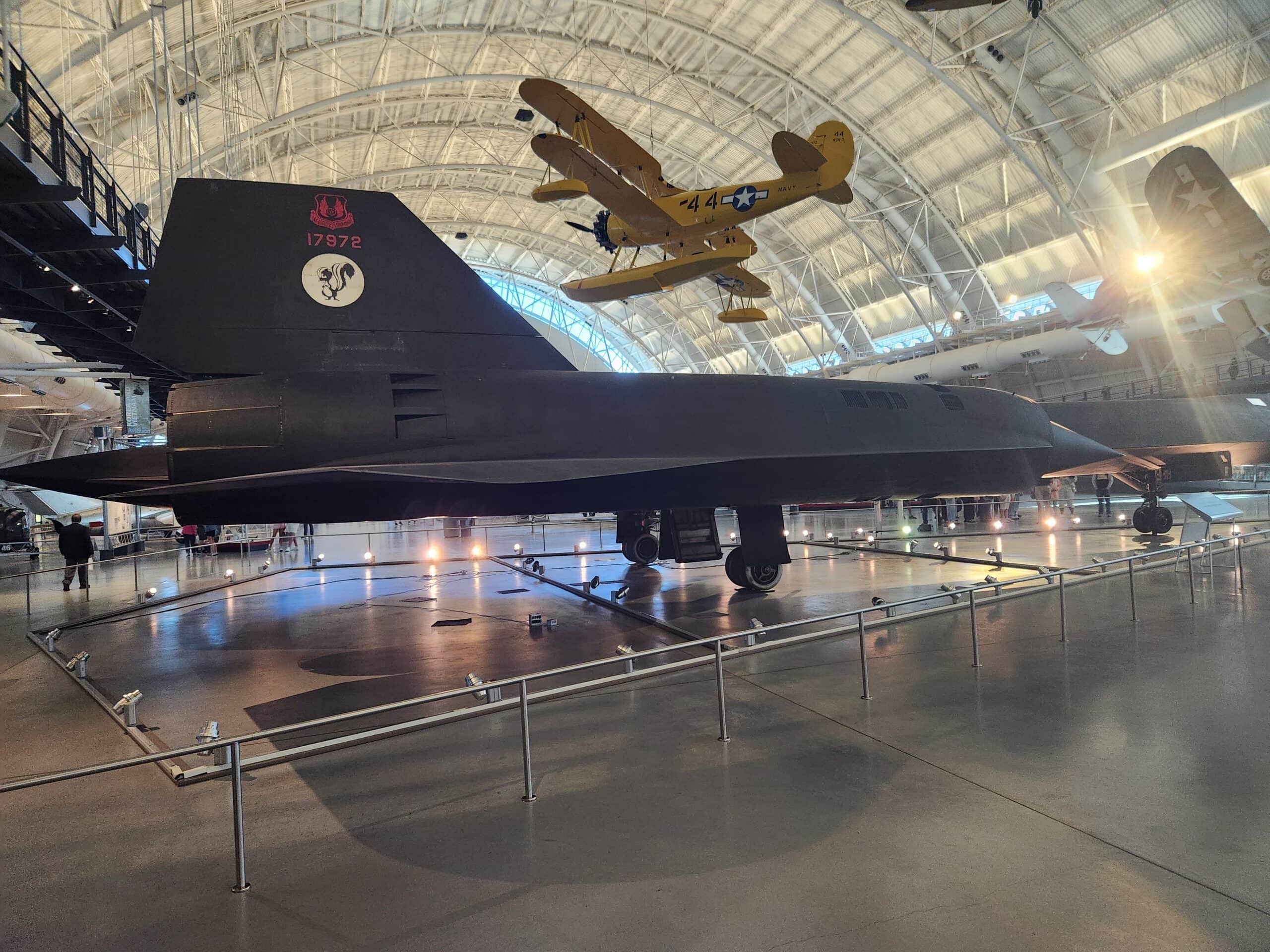
SR-71 from 19FortyFive.com original picture archive. Image taken at the Smithsonian.
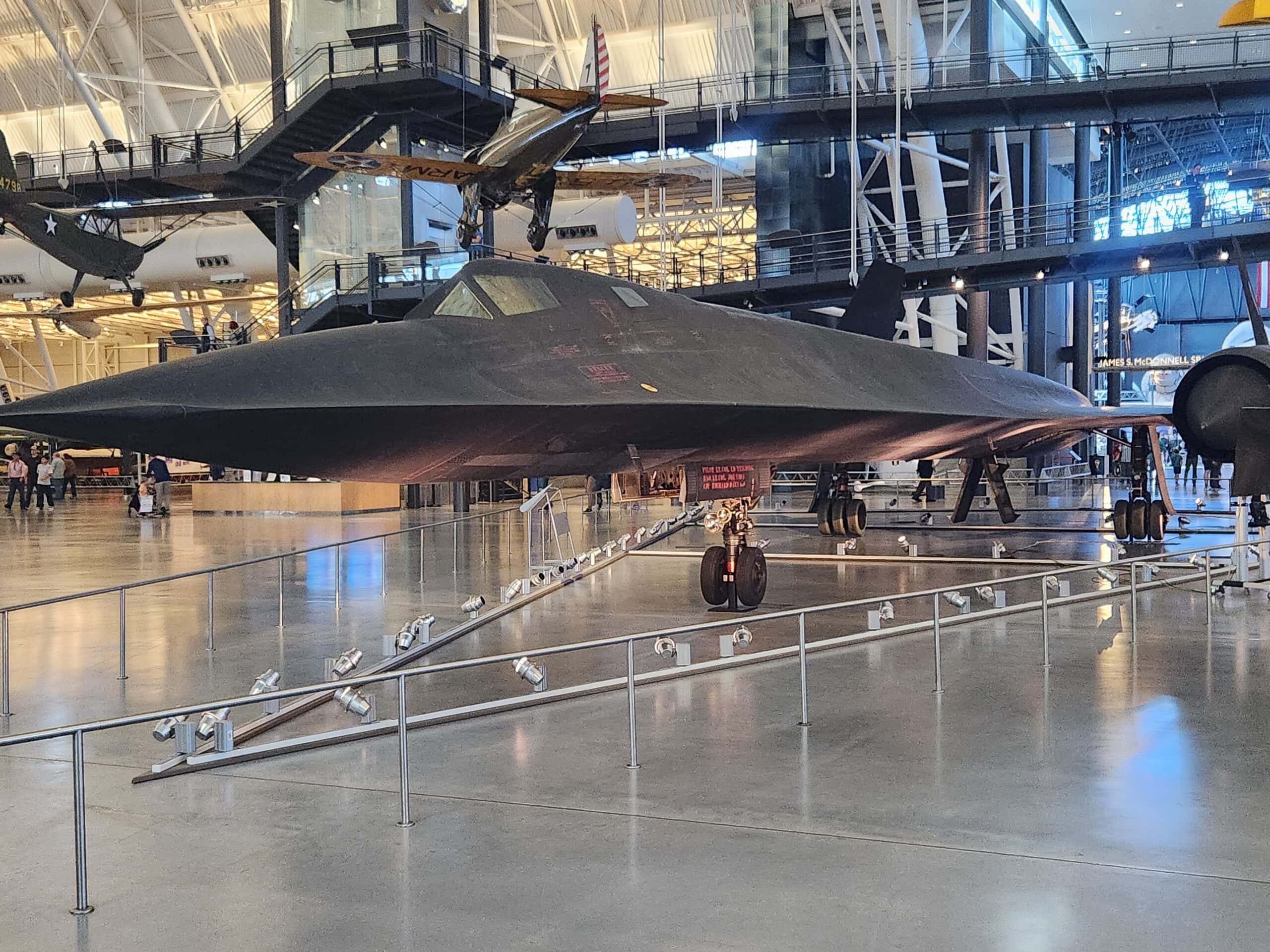
SR-71 from 19FortyFive.com original picture archive. Image taken at the Smithsonian.
Matthews and Osterheld considered Norwegian diversion fields, but their remaining fuel did not provide a comfortable approach margin. They called for support and continued south while the KC-135Q moved toward them. Matthews saw the tanker before the fuel state forced an ejection. Contact came with fewer than 10 minutes remaining.
One refueling was insufficient for the trip to England. Aircraft 974 remained with the tanker and took fuel several times. A later Blackbird emergency over the Baltic produced another unusual rescue when Swedish Viggen pilots protected a stricken SR-71 until it reached safer airspace.
The Same Right-Side Fault Returned After Maintenance
Lockheed technicians spent four days examining 974 at Mildenhall and found no definitive mechanical cause. The working suspicion involved a heat-related anomaly that did not reproduce during ground checks. NASA’s flight-test history records the same troubleshooting problem more broadly: inlet controls sometimes appeared normal after landing even when they had failed repeatedly in flight.
The aircraft returned to the air for a Baltic mission. At 83,000 feet, the right inlet lost its commanded position again. This time, the automatic restart worked, but Matthews aborted. A second failure on the same side shifted the concern from an isolated disturbance to an unresolved aircraft problem.
The crew later completed another Murmansk run in 974. On the return to California, cabin pressurization failed after a refueling over Nova Scotia, inflating the pressure suits and preventing another high-altitude dash. The SR-71 stayed beside a KC-10 and required roughly 10½ hours to reach Beale Air Force Base.
Aircraft 61-7974 Survived 1984 but Was Lost Five Years Later
The Blackbird’s 1984 emergency did not end the airframe’s operational career. It continued flying from overseas detachments until April 21, 1989, when Lt. Col. Dan House and reconnaissance systems officer Blair Bozek departed Kadena Air Base in 61-7974 for another mission.
This time the problem was a catastrophic engine failure rather than an intake unstart. An engine explosion damaged hydraulic systems over the South China Sea, leaving House unable to recover the aircraft.
The crew ejected safely and was rescued after abandoning the same SR-71 Matthews and Osterheld had saved near the Kola Peninsula.
Aircraft 61-7974 was written off.
MORE – Canada ‘Sunk’ A Navy Aircraft Carrier
About the Author: Harry J. Kazianis
Harry J. Kazianis (@Grecianformula) was the former Senior Director of National Security Affairs at the Center for the National Interest (CFTNI), a foreign policy think tank founded by Richard Nixon based in Washington, DC. Harry has over a decade of experience in think tanks and national security publishing. His ideas have been published in the NY Times, The Washington Post, The Wall Street Journal, CNN, and many other outlets worldwide. He has held positions at CSIS, the Heritage Foundation, the University of Nottingham, and several other institutions related to national security research and studies. He is the former Executive Editor of the National Interest and the Diplomat. He holds a Master’s degree focusing on international affairs from Harvard University.