
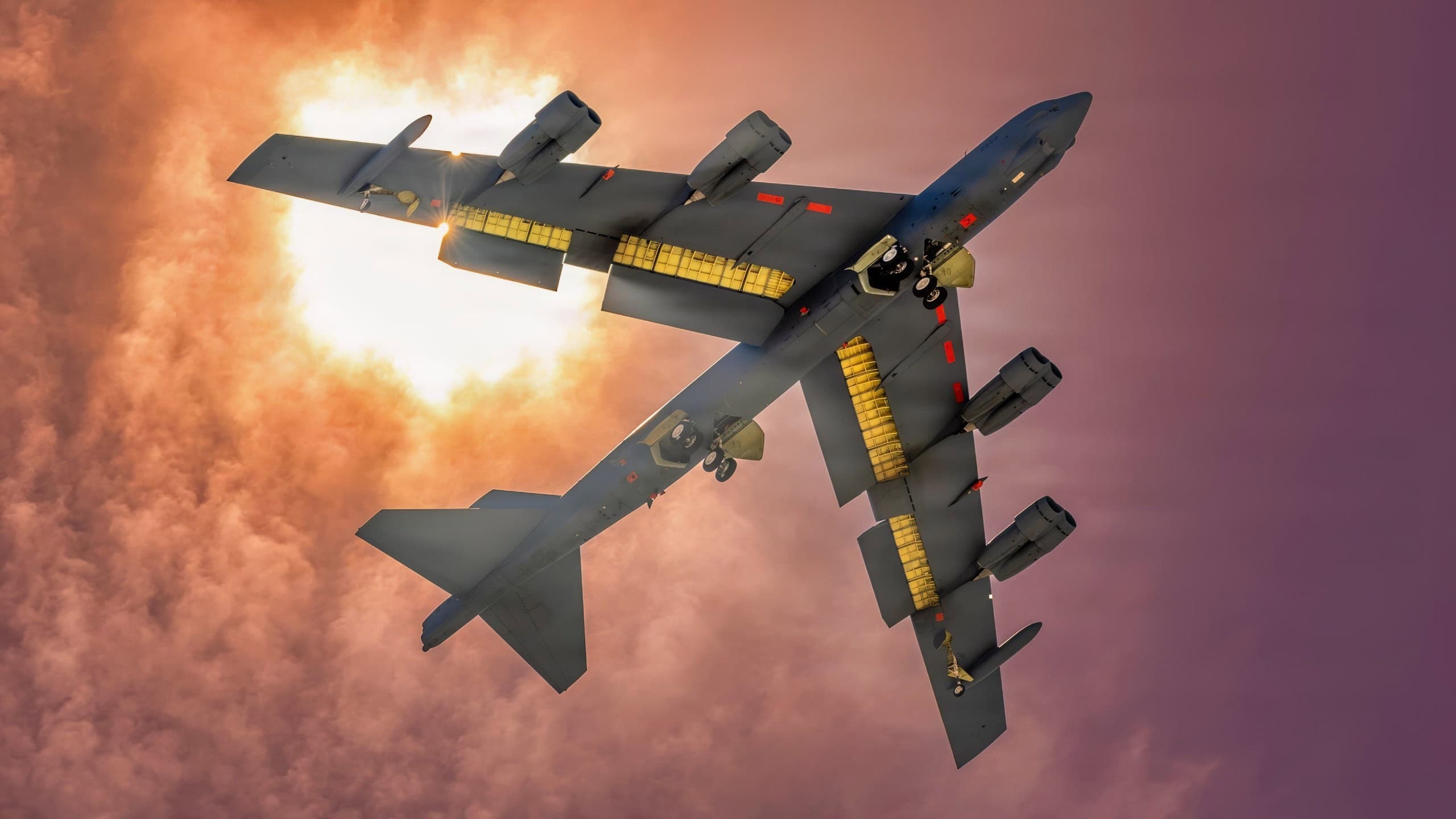
The U.S. Air Force’s $21 billion upgrade of the B-52H Stratofortress to the B-52J is meant to modernize the aging fleet and ensure the platform remains viable until the 2050s.
However, enormous cost overruns and schedule delays have put the program to replace the B-52 Stratofortress’ engines a whopping $3 billion over budget.
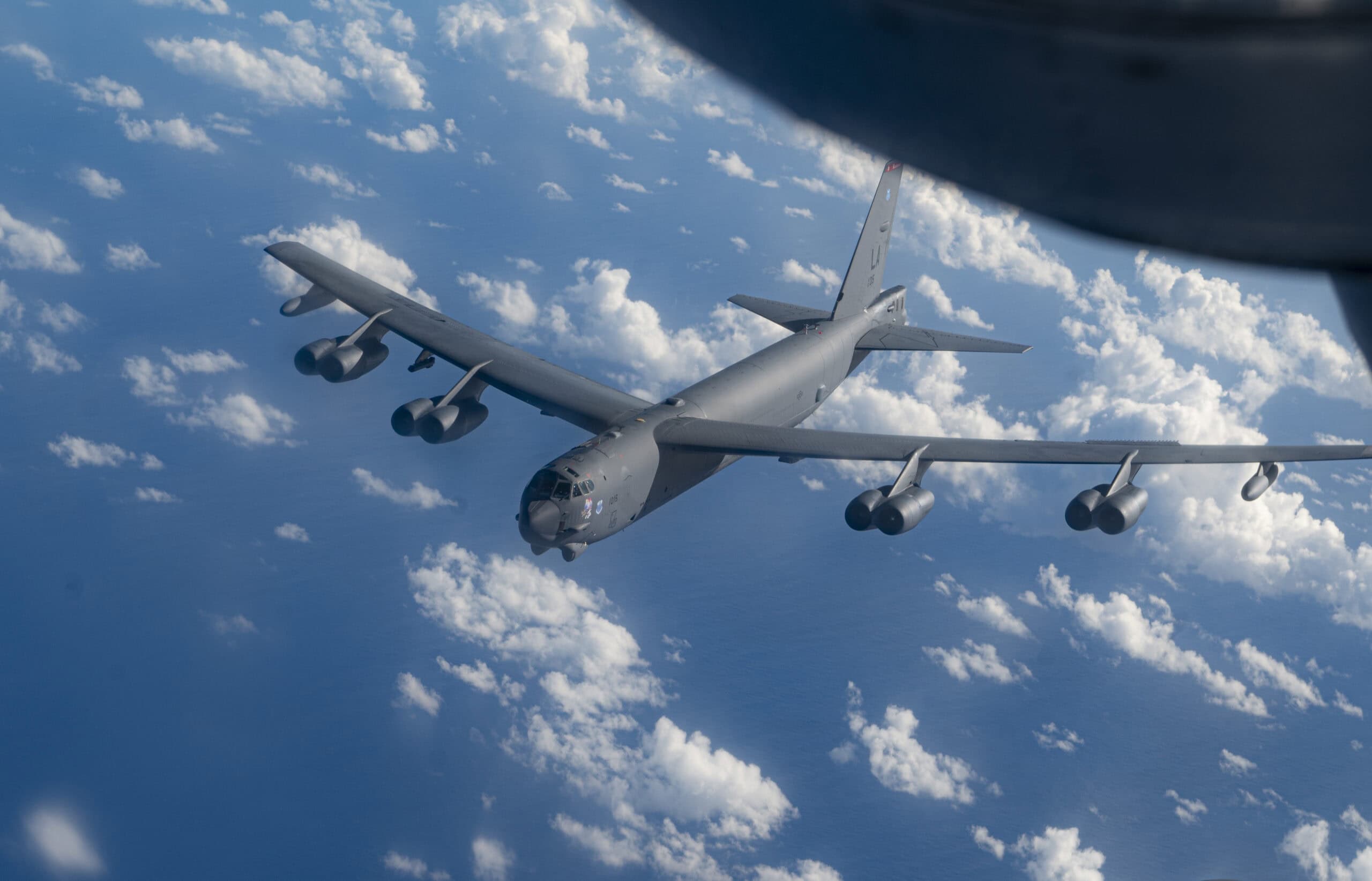
A B-52 Stratofortress assigned to the 2nd Bomber Wing at Barksdale Air Force Base, Louisiana, flies next to a KC-135 during a bomber task force mission over the Pacific Ocean, Dec. 17, 2022. Bomber missions demonstrate our long-range precision strike capabilities, which are integral to enforcing a free and open Indo-Pacific. (U.S. Air Force photo by 2nd Lt. Ariana Wilkinson)
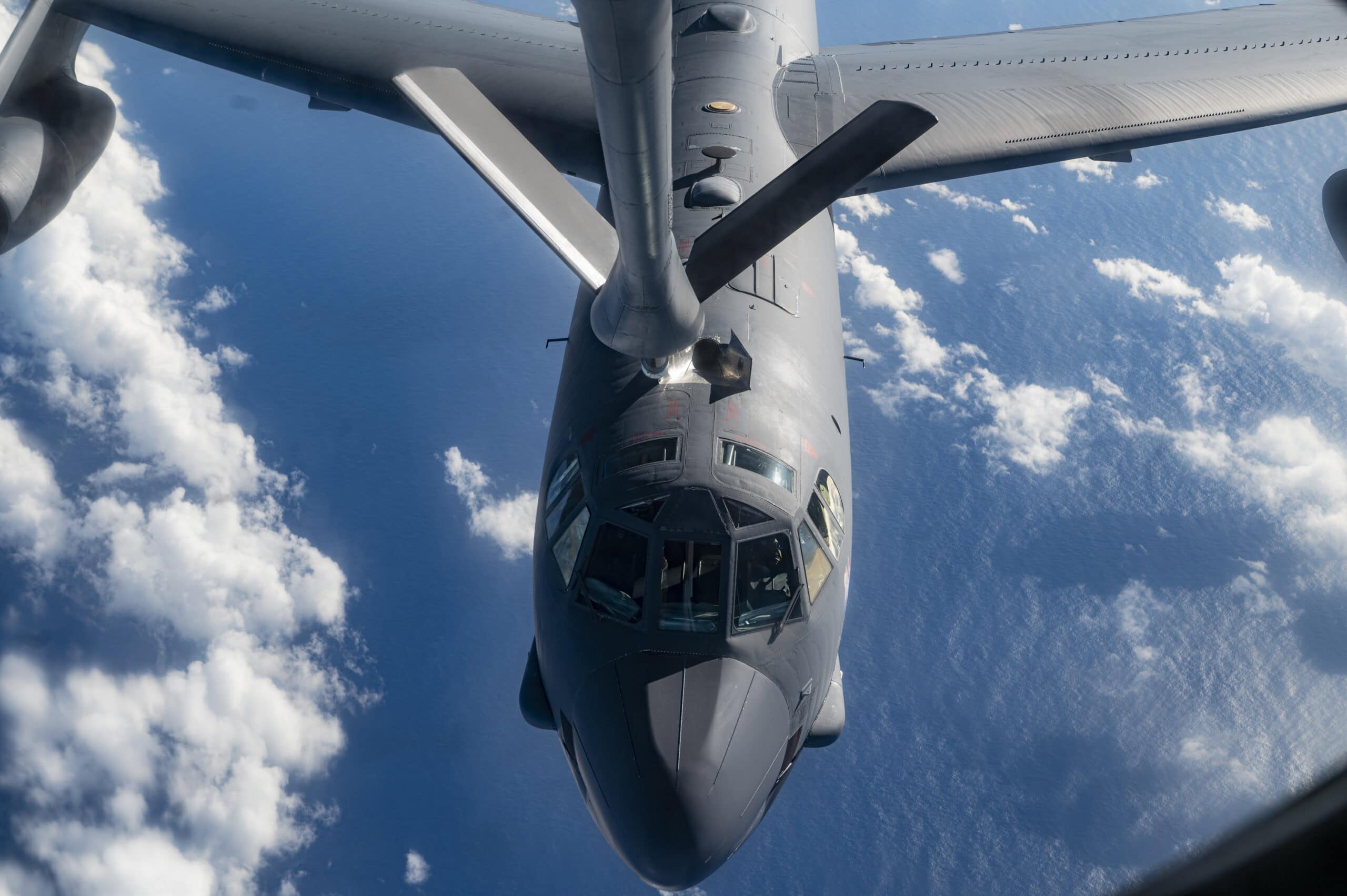
A U.S. Air Force KC-135 Stratotanker from Fairchild Air Force Base, Washington, refuels a B-52 Stratofortess from Barksdale Air Force Base, Louisiana, during a bomber task force mission over the Pacific Ocean, Dec. 17, 2022. BTF missions contribute to joint force lethality by demonstrating the U.S. Air Force’s ability to operate anywhere in the world. (U.S. Air Force photo by 2nd Lt. Ariana Wilkinson)
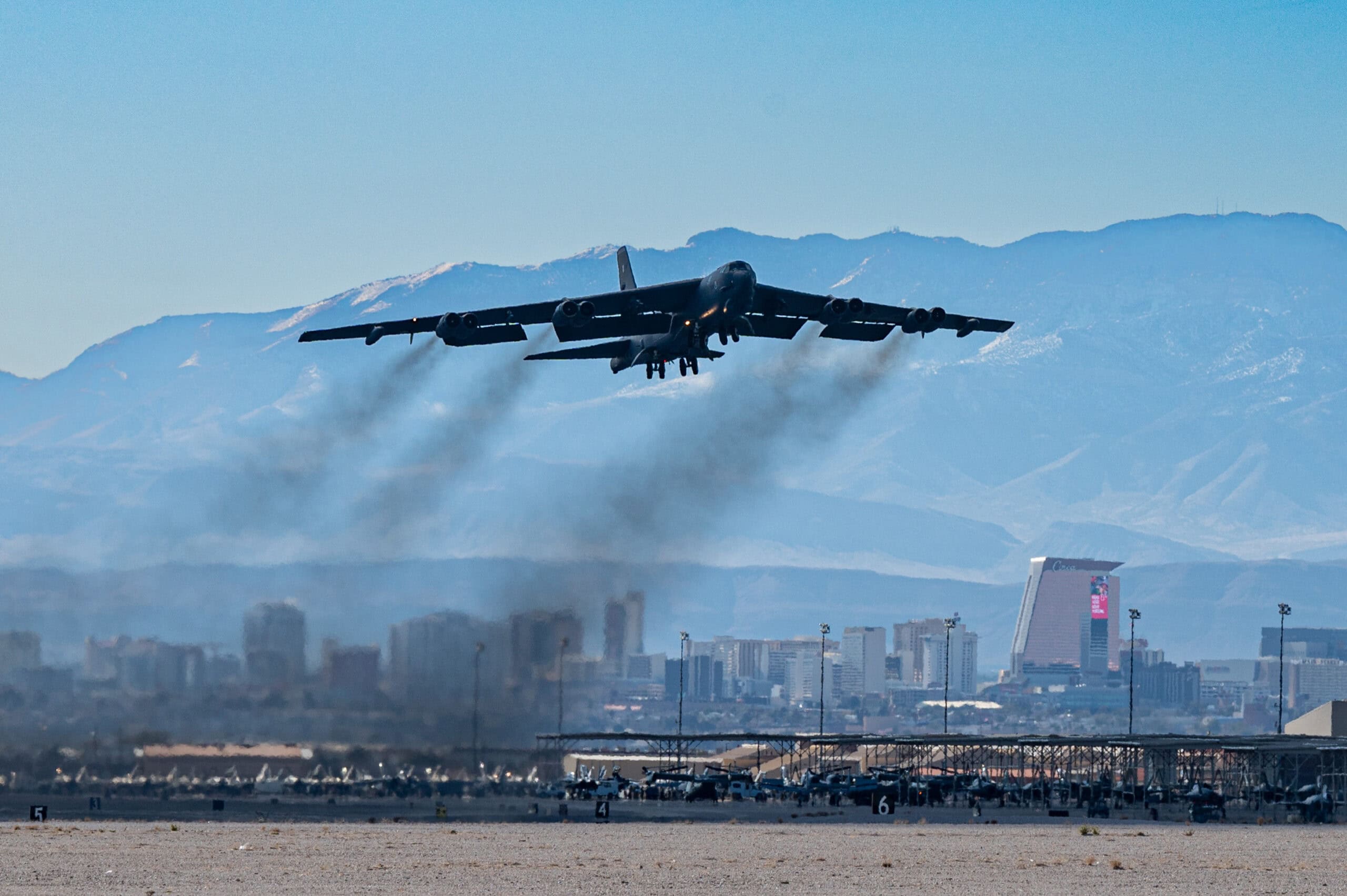
A B-52 Stratofortress from the 2nd Bomb Wing at Barksdale Air Force Base takes off for a Red Flag 23-1 Mission at Nellis Air Force Base, Nevada, Jan. 23, 2022. With approximately 2,200 targets, realistic threat systems and an opposing enemy enemy force that cannot be replicated anywhere else in the world, Nellis and the NTTR enable combat air forces to train to fly, fight and win.(U.S. Air Force photo by Airman 1st Class Trevor Bell)
“The Air Force’s Commercial Engine Replacement Program will likely continue to face significant challenges as the Air Force plans to begin production with little to no developmental flight testing,” the Government Accountability Office (GAO) said.
The GAO issued a new report on the overhaul’s progress on July 31. The watchdog found that two of the biggest parts of the modernization effort — new engine and radar programs — have “experienced cost increases of more than 30 percent and schedule delays of more than 3 years since the programs began early development.
“Both programs are at risk for additional cost, schedule, and performance challenges as they plan to begin production of modernization efforts about the same time developmental testing begins.”
Key Upgrades For The B-52J Bomber
There are 13 modernization programs, including: a new radar; six new communication systems; integrating a new long-range, survivable, nuclear-capable missile which is still in development; a new “black box; two new training devices; new advanced target pod displays; and a plan to reduce the crew size from five to four.
Key upgrades include the Commercial Engine Replacement Program (CERP) with new Rolls-Royce-GE F130 engines for better fuel efficiency/reliability, a new radar system, and enhanced weapons capacity to carry advanced hypersonic and standoff missiles.
However, the CERP program is currently 38 percent over budget.
And integrating the new active electronically scanned array radar — which replaces the current APQ-166 system — is proving difficult to manage, the GAO said.
The plan is for the B-52J to act as a cost-effective, reliable “bomb truck” that supports the nuclear triad while bridging the gap in bomber numbers as the new B-21 Raider is fully fielded.
A 100-Year-Old Bomber? It Is Possible
The Air Force has had one constant in the past 70+ years: the B-52 bomber. The B-52 has been flying in the Air Force since the Eisenhower administration.
The last B-52 was delivered in 1962 when Kennedy was president. Think about that one for a moment.
The B-52J is a proposed upgrade to the B-52 Stratofortress, aiming to extend its service life well into the 2050s with new engines, advanced radar, and updated avionics. That would put the iconic bomber’s age at the century mark.
The B-52J bomber remains the subject of ongoing debate, with some advocating for its continued service and modernization, while others question its long-term value and strategic relevance.
It is costly; the planned modernization was already to cost $21 million, and with the modern B-21 Raider set to enter service, many analysts argue that the funds would be better spent on the Raider.
Some military leaders have advocated for increasing the number of B-21s to accelerate their production timeline, arguing that the B-21 will be the backbone of the future bomber fleet, even with the modernized B-52. The B-52J upgrade is intended to keep the B-52 flying until the 2050s, while the B-21 is the new, stealthy next-generation bomber.
Why The Air Force Wants The B-52J Model
The Air Force is considering combining the B-21 Raider and the B-52J into a package that will deliver massive amounts of firepower, range, and the ability to penetrate enemy defenses to deliver precision weapons.
The B-52J won’t penetrate an enemy’s anti-access/area denial (A2/D2) umbrella; it would be highly vulnerable to modern air defenses. That is for the B-21 Raider to do.
Weapons integration has also been improved; the J-variant was designed to carry the JASSM-ER, LRASM, hypersonic weapons, and the LRSO nuclear cruise missile.
The B-52J becomes a stand-off missile arsenal that launches long-range cruise missiles, such as the Long Range Stand-Off (LRSO) weapon and hypersonic missiles, without entering contested, heavily defended airspace.
The B-52 Modernization Program Is Over Budget And Late
As in so many US military programs, the B-52J is over budget and late…three years late.
Boeing is the prime contractor for performing the integration work on the B-52, which includes a comprehensive list of other modifications to these aircraft, in addition to the engines.
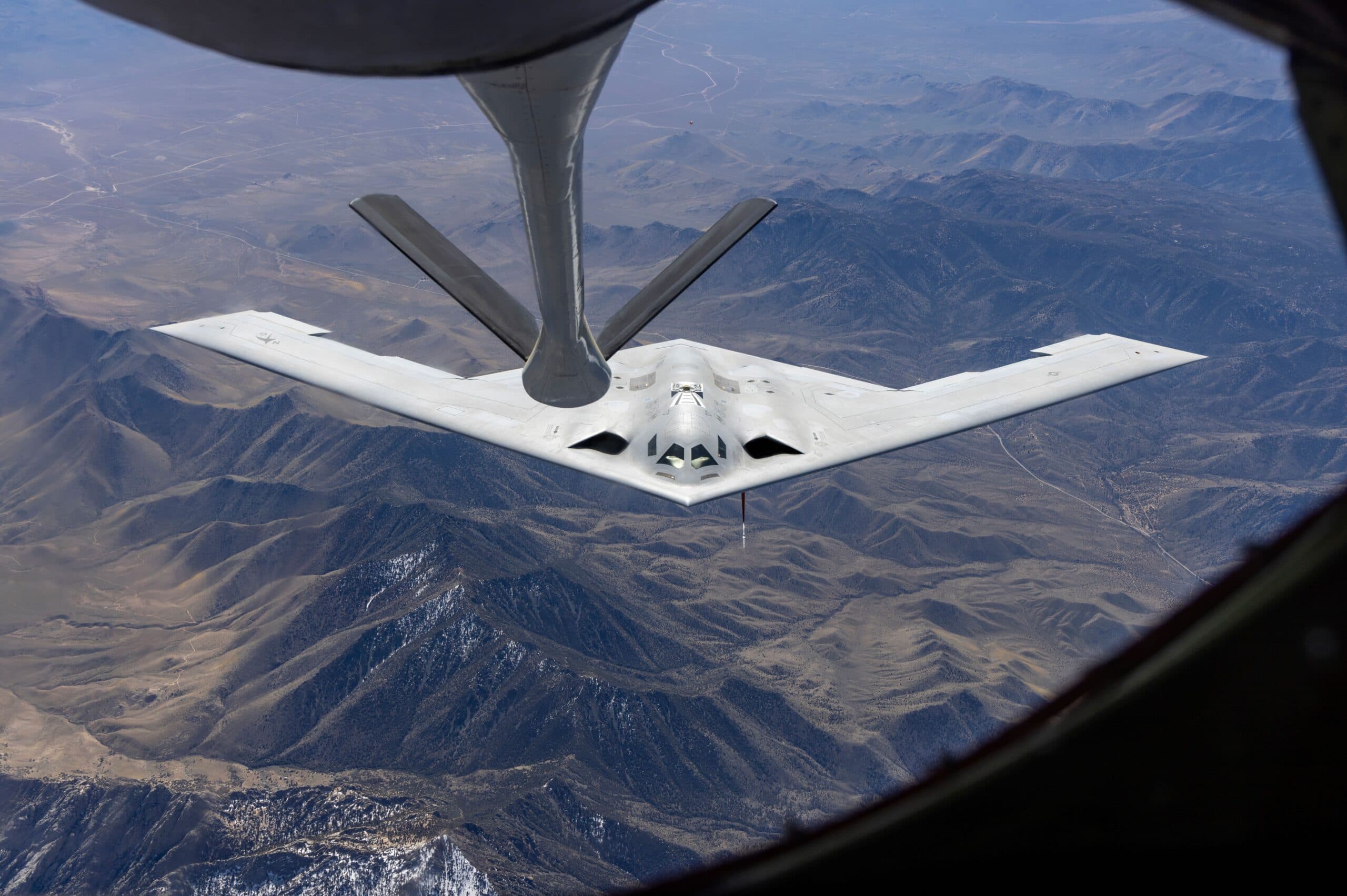
B-21 Raider. Image Credit: USAF.
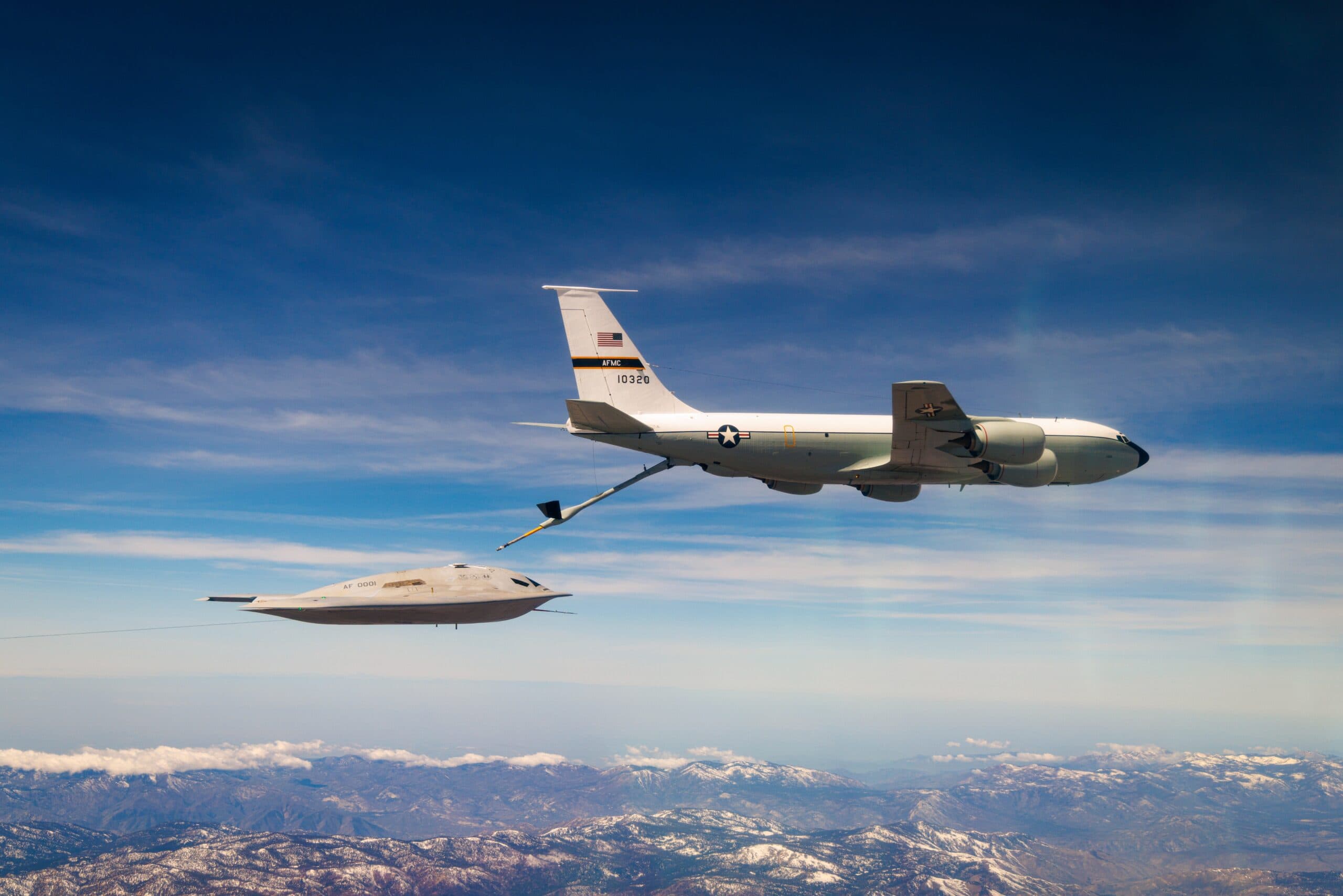
B-21 Raider Taking on Fuel. Image Credit: U.S. Air Force.
Once these bombers have been retrofitted with this extensive set of onboard systems upgrades, they can remain in service into the 2050s.
The B-52J is expected to be a versatile platform capable of carrying a wide range of weapons, from gravity bombs to cruise and hypersonic missiles. In total, the B-52J will carry 35 tons of bombs, missiles, etc.
The Bomber Force, Both Old And New
Once the B-21 Raider and B-52J are in full production, the US bomber fleet will number approximately 200, with more than 100 B-21s and the remainder B-52Js, thereby enlarging the force.
According to Gen. Thomas Bussiere, commander of the Air Force Global Strike Command (AFGSC), the bomber force currently stands at approximately 141.
However, one intriguing possibility for the B-52J is its deployment with the Air Force’s newest aircraft, the Collaborative Combat Aircraft (CCA).
“It is the ability of the B-52 to carry such a large payload that can put these unmanned systems into the middle of the fight that makes a difference and will provide more justification for the cost of the upgrade,” said a US air power specialist, quoted by Reuben Johnson.
“It will make the ‘long arm’ of the B-52 even longer.”
Will the B-52J Be Obsolete When It Arrives?
Given all the technological issues the aircraft has faced and the ongoing delays, one must wonder whether it will become operational in 2033 (not a sure thing) and whether it will already be obsolete.
The billions in investment in the B-52J upgrades divert resources from developing and procuring next-generation platforms like the B-21 Raider.
As adversaries advance their air defense capabilities, the need for stealthier and more survivable bombers becomes increasingly critical. The B-52 would not survive against dedicated air defenses of a near-peer adversary.
Many argue that the focus should be on accelerating the deployment of these next-generation systems rather than sinking money into a nearly 80-year-old platform. Wouldn’t the money be better spent on more B-21s?
The lack of spare parts for the venerable B-52s ‘ mission-capable rates “have not improved” since a November 2022 assessment that found the aircraft was failing to meet the required benchmarks.
“The scope of the cumulative B-52 modernization effort, combined with the inherent complexity associated with simultaneously executing multiple independent and concurrent programs, results in technical, programmatic, and operational challenges for the entire community tasked to develop, integrate, test, and field these upgrades,” the GAO wrote in the report.
MORE – How Newport News Builds America’s Aircraft Carriers
About the Author: Steve Balestrieri
Steve Balestrieri is a National Security Columnist. He served as a US Army Special Forces NCO and Warrant Officer. In addition to writing on defense, he covers the NFL for PatsFans.com and is a member of the Pro Football Writers of America (PFWA). His work has been regularly featured in many military publications.