
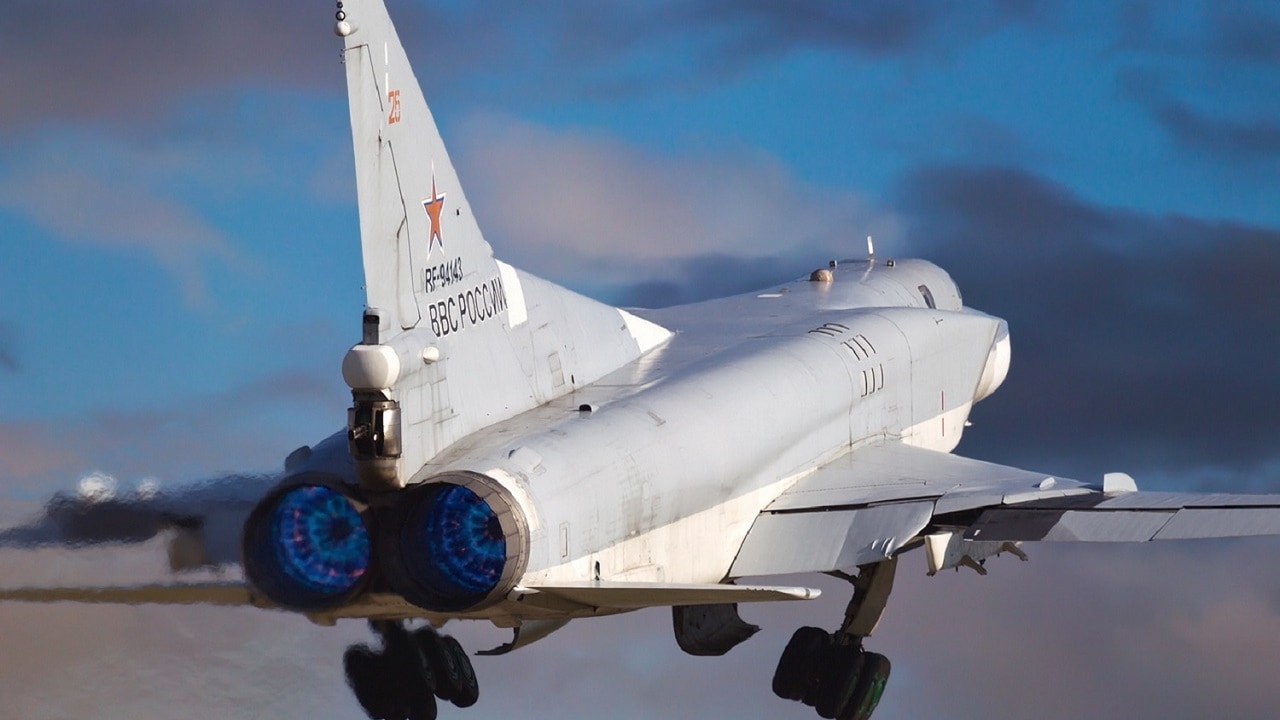
The Tupolev Tu-22M (NATO designation: “Backfire”) was the workhorse of the Soviet Union next to the Tu-95 Bear.
Designed as both a conventional and strategic long-range bomber, the Tu-22M was one of the first supersonic strategic bombers to incorporate a variable-sweep wing configuration.
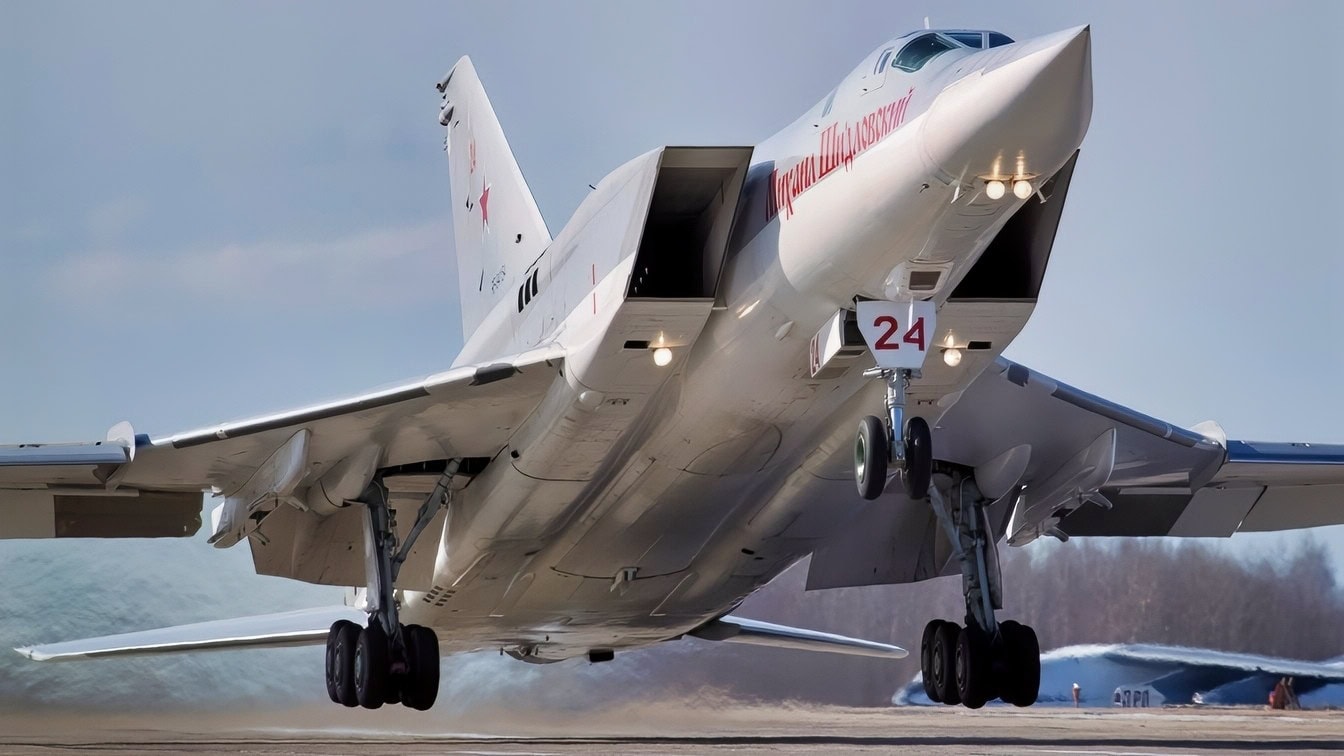
Tupolev Tu-22M3. Creative Commons Image.
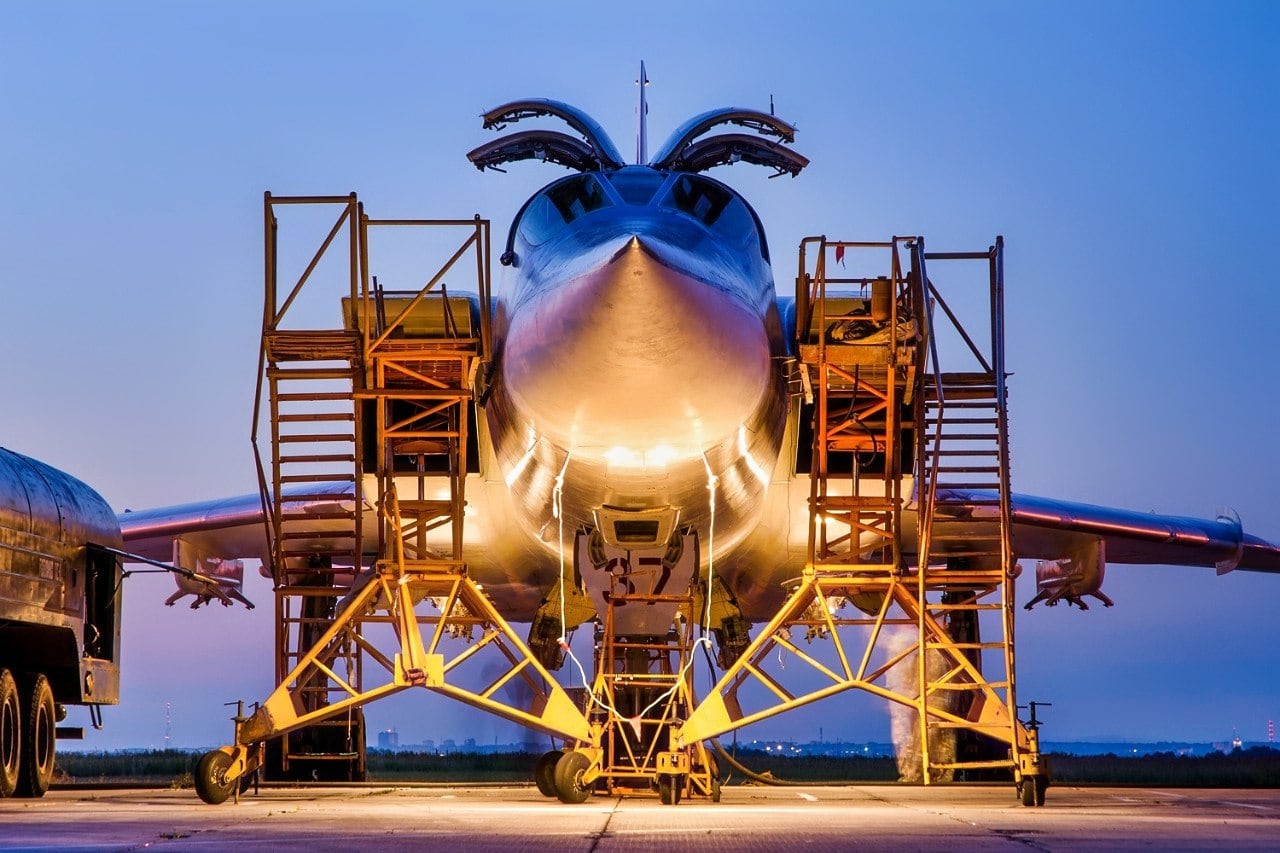
Tu-22M Bomber from Russia
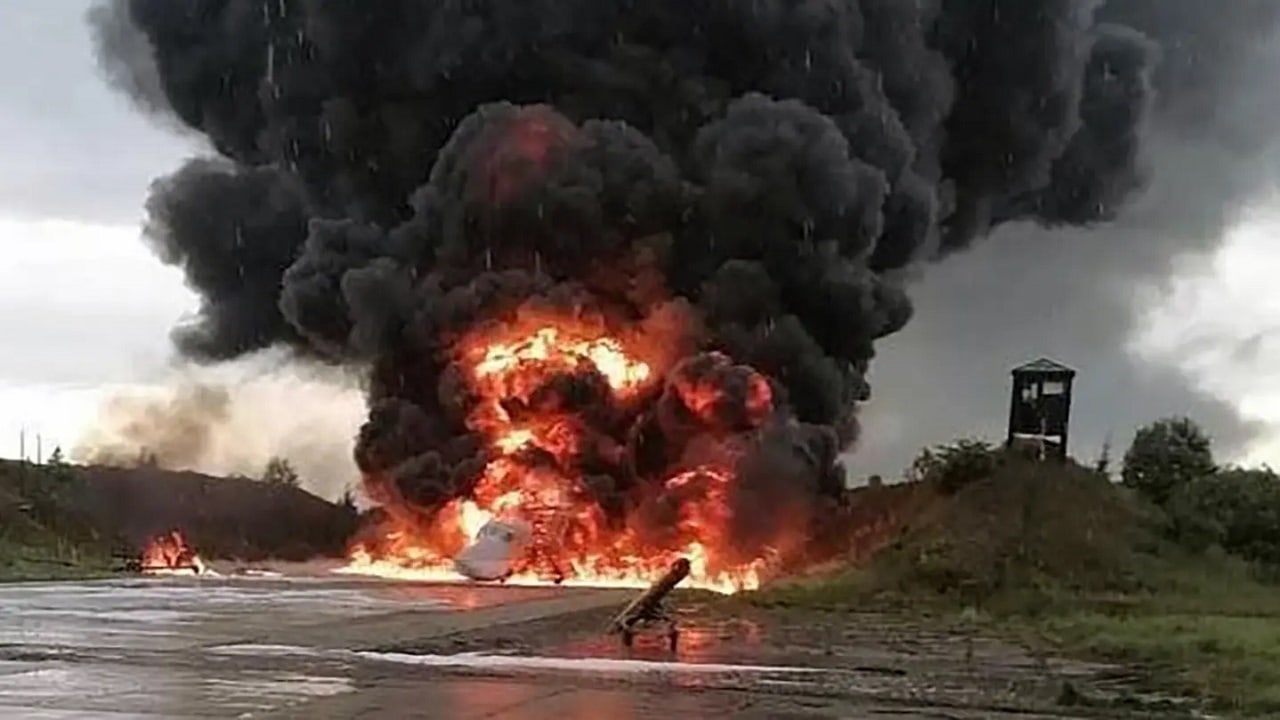
Tu-22M3 Ukraine Drone Attack. Image Credit: Twitter Screenshot.
The Bomber has been used on multiple occasions in Ukraine during Russia’s long-range missile attacks against Ukrainian infrastructure.
Since the invasion began, at least 10 airframes have been damaged or destroyed either due to Ukrainian attacks or accidents.
These incidents are not necessarily the bomber’s fault, but reflect a simple reality: the Tu-22M is an old platform nearing the end of its service life.
The Tu-22M3 in Ukraine
The Tu-22M3M, the aircraft’s latest variant, is less versatile than the Tu-95 because of its smaller size. Unlike its larger counterparts, which can carry up to eight Kh-101 cruise missiles, the Tu-22M3 can only carry three Kh-22/32 missiles at a time.
As a result, long-range strike missions typically have to rely on three or more bombers at a time to achieve any results. That being said, Tu-22M3 has seen extensive use during the war in Ukraine.
It was first used during the siege of Mariupol, where it dropped conventional bombs on Ukrainian forces hiding in the Azovstal iron and steel works plant.
The Backfire then became an integral part of Russia’s long-range campaigns against Ukraine’s energy infrastructure during the winter.
The Tu-22M3 has also been used in other long-range strikes to take out military sites, logistics centers, and other unknown targets throughout Ukraine.
More recently, the bombers have taken part in Russia’s ongoing strikes against Ukraine’s Black Sea ports. Kh-22/32 missiles have repeatedly struck port infrastructure throughout Odesa and Mykolaiv, which the Russians claim is being used to unload/transport military equipment.
Because of widespread shortages of Ukrainian air defenses, very few of these strikes have been intercepted.
High-Value Target
Because of its role in Russia’s long-range campaigns, the Tu-22M3 is considered a high-value target by Ukraine.
Ukraine has claimed to have destroyed multiple aircraft on numerous occasions, though not all of these claims have been independently verified.
At least six bombers have been confirmed damaged/destroyed by Ukrainian activities, four of which occurred during Ukraine’s “Operation Spiderweb.” During that operation, Ukraine’s SBU managed to smuggle several civilian trucks, which were modified into drone carriers, near a strategic airfield.
The resulting attacks managed to damage or destroy a sizable portion of Russia’s Tu-95 fleet, with four Tu-22M3s also struck during the attack.
In addition to the six (minimum) destroyed by Ukraine, Russia has also lost four Tu-22M3s to accidents. Most of these accidents likely resulted from simple flight-control malfunctions that caused the pilots to lose control.
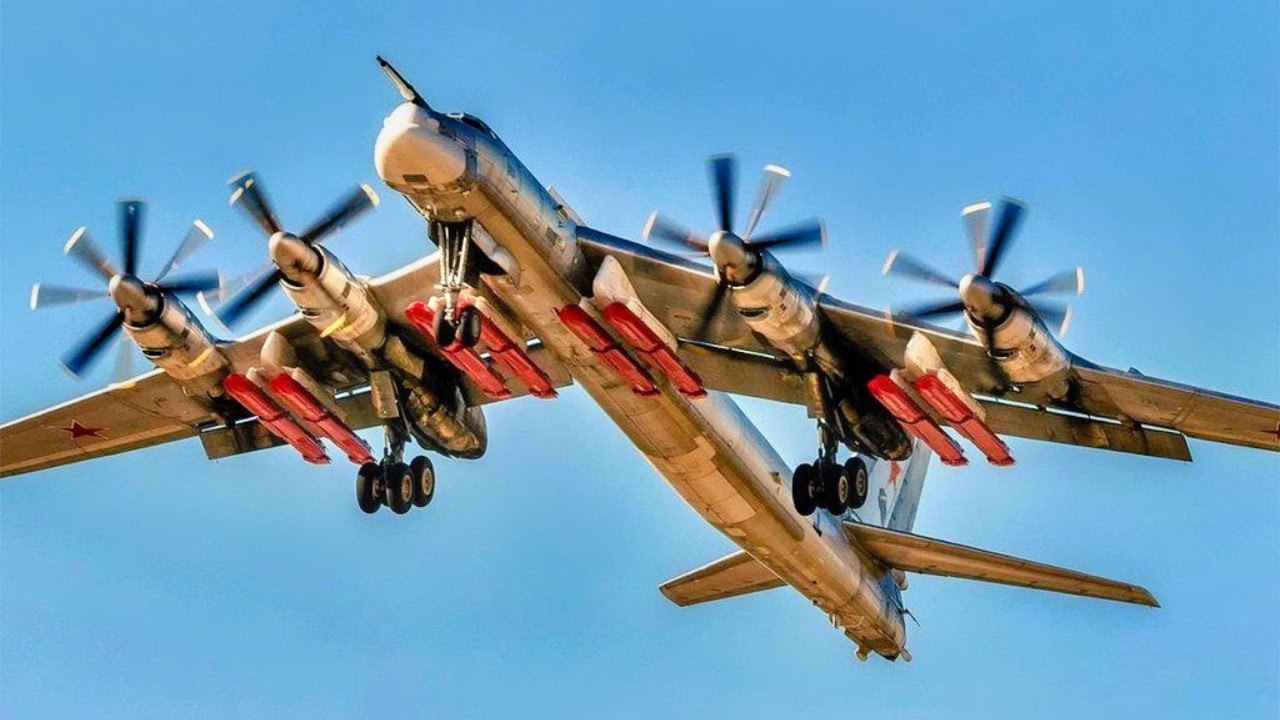
Tu-95 Bomber from Russia. Image Credit: Creative Commons.
The most recent loss occurred in June 2026, during a routine training mission.
According to Russian sources, the accident occurred as the aircraft was attempting to land during a pre-scheduled training flight.
Initial reports indicated that all three crew members survived without any major injuries, and the aircraft was not carrying any live ammunition.
The Russian Ministry of Defense did not disclose the exact cause of the incident.
The Tu-22M3 is Nearing the End of its Life
Attacks against the Tu-22M3 are not the fault of the aircraft.
The blame instead lies with the Russian Air Force for failing to prepare adequate defenses.
However, the Backfire is an old plane, and its age is finally showing.
The aircraft was first built in the 1960s, and its production lines have been closed since the 1990s.
While not as old as the Tu-95 or the American B-52, the Tu-22M3 has not received the same continual support both aircraft have throughout their service lives.
The aircraft received a mid-life upgrade in 2014, and there have been talks of modifying the bomber to carry a wider range of weapons, but there have been no talks of comprehensive life-extension programs.
During the war in Ukraine, the Tu-22M3 has racked up hundreds of flight hours (there’s no way of knowing exactly how many).
These flights have taken a toll on many airframes and have likely contributed to some of the accidents Russia has experienced with these aircraft since 2022.
These issues could be resolved through life-extension programs, but given Russia’s current financial state, the Tu-22M3 is unlikely to receive such attention.
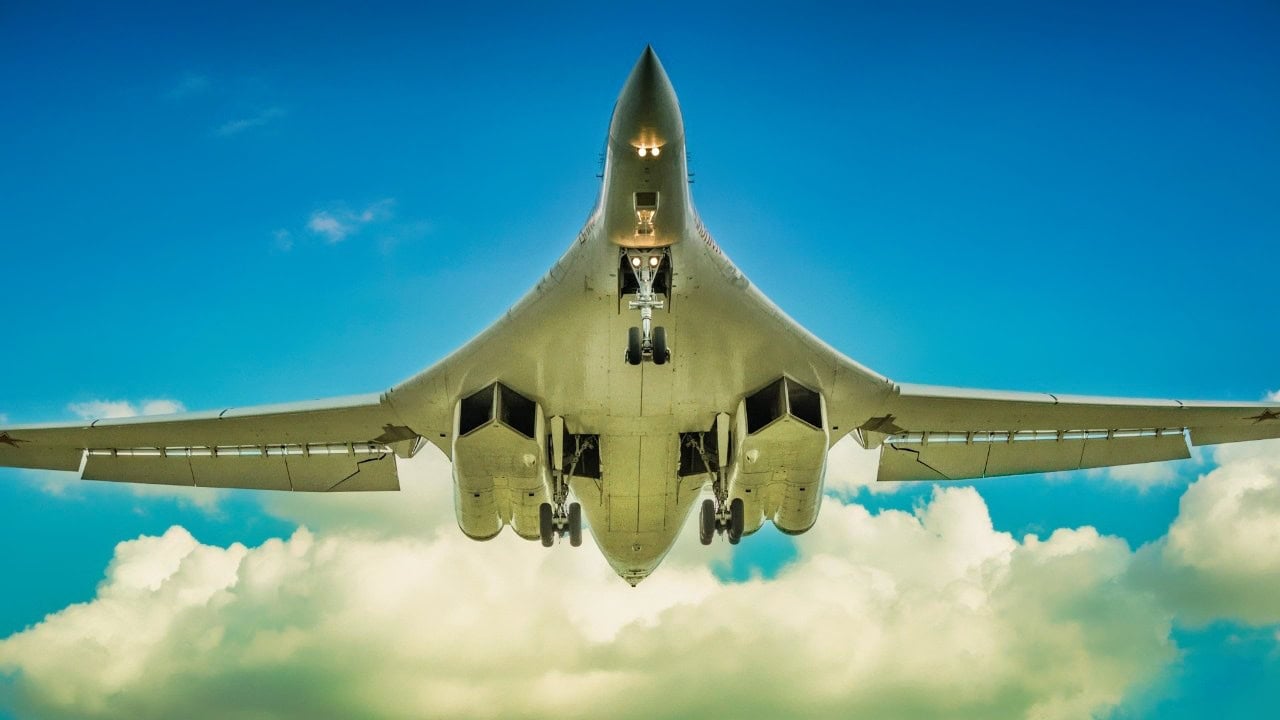
Tu-160 Bomber from Russia. Image Credit: Creative Commons.
Instead, the bomber will likely continue to operate as usual, and after the war in Ukraine, the Russians will likely begin phasing the bomber out of service.
The problem is that no replacement is readily available for the Tu-22M3.
The only bomber currently in production is the Tu-160M2, and given the current production rate, Russia is unlikely to produce enough to fully replace the Backfire.
The PAK-DA program aims to develop Russia’s first stealth bomber, but there has been no word on the project for several years, and its future prospects remain unknown.
Russia currently operates around 50 Tu-22M3s. With no prospective replacements in sight, its bomber fleet is set to shrink substantially unless Moscow plans to extend their service life further.
MORE – The Iowa-Class Battleship Was Rebooted to Fight Russia
About the Author: Isaac Seitz
Isaac Seitz, a Defense Columnist, graduated from Patrick Henry College’s Strategic Intelligence and National Security program. He has also studied Russian at Middlebury Language Schools and has worked as an intelligence Analyst in the private sector.