The Canadians are in the midst of one of the biggest military spending sprees since the end of the Cold War, with purchases aimed at bolstering Canada’s military capacity while also bringing some of their biggest, most complex platforms out of the Cold War and into the modern day. One of the platforms that tops the list of things Ottawa wants — and needs — is a replacement for its current crop of fighter jets: the Royal Canadian Air Force’s old and increasingly incapable CF-188 Hornets, a variant of the United States Navy’s F/A-18 fighters.
Canada has, in theory, committed to buying into the F-35 stealth fighter program and replacing its fourth-generation fighters with 88 of those fifth-generation stealth fighters. Sufficient funding has already been handed over for 16 of the F-35s.
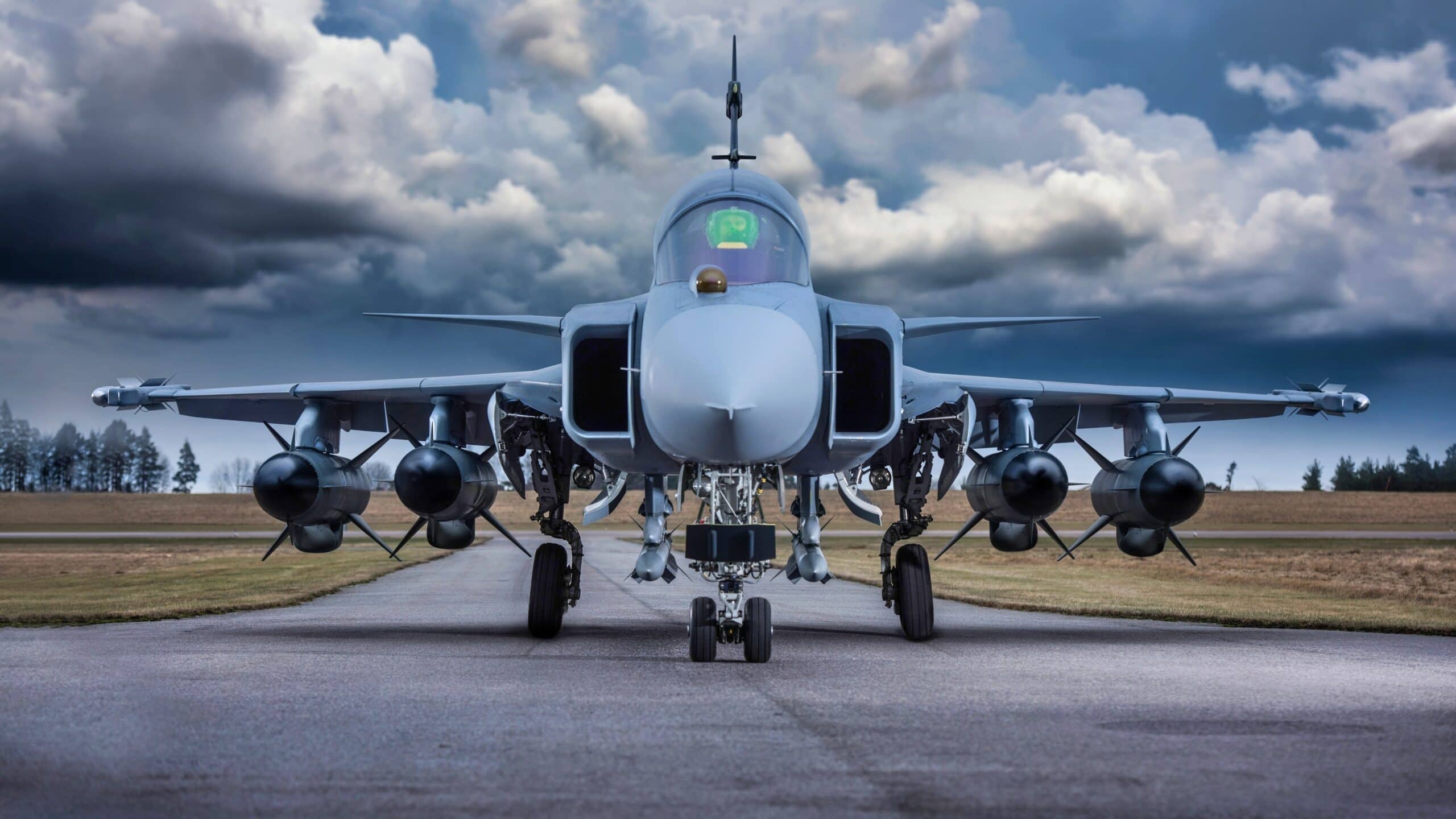
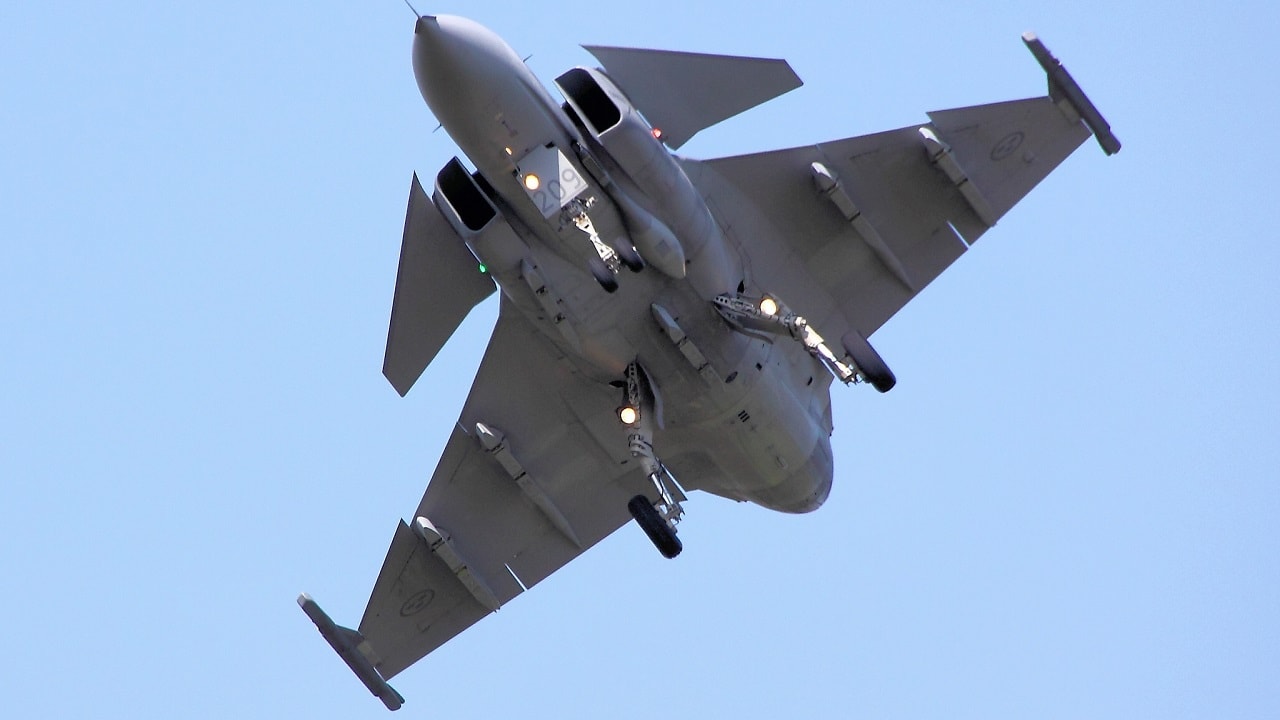
JAS 39 Gripen. Image Credit: Creative Commons.
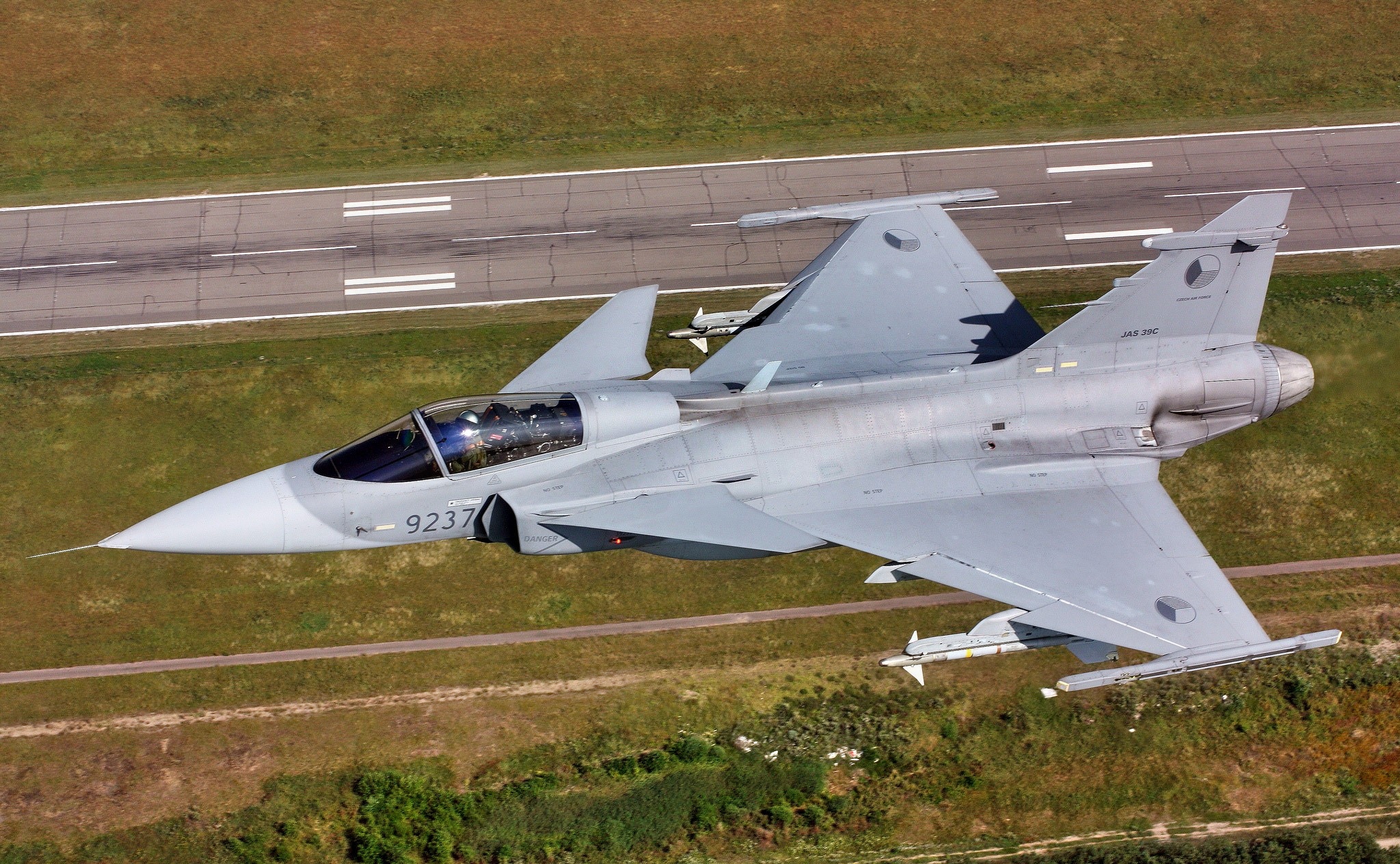
JAS 39 Gripen over a Road. Image Credit: Creative Commons.
But animosity between Ottawa and Washington — in fact, a tiff sparked by American President Donald Trump — has threatened to derail the deal. Spurred in large part by Trump’s seminal focus on levying significant tariffs against one of the United States’ closest neighbors, the Canadians have been mulling an exit from the F-35 program. The move has caused some consternation at the diplomatic level.
Diplomatic Dissatisfaction
In an interview with the Canadian outlet National Post, the United States Ambassador to Canada, Pete Hoekstra, explained that he’s “irritated” by Canada’s decision to reevaluate the F-35 stealth fighter program. “Canada can do what it wants on the F-35, OK?” the ambassador exclaimed.
“Does it irritate me, personally, that we’re revisiting this issue again? Yeah, it’d be nice to put this one to bed and just move forward,” the Ambassador said, underscoring the historic closeness between the two countries in years past on components for the F-35. “It would be nice if Canada made a commitment,” the ambassador said. “But if they want to go through another review, they can go through another review.”
Other Countries Reconsidering
Canada has not been the only country upset enough with the president’s trade war — and unsure of what course the United States will take in the future. The heart of the matter is an uncertainty about the future reliability of the United States as a defense partner and ally.
Both Portugal and Spain canceled their F-35 orders following the trade war. Switzerland also cut its F-35 order after it became apparent that the funds it had originally set aside for its 36-aircraft F-35 fleet would not be sufficient to cover the full order, something the American side chalked up to an accounting error.
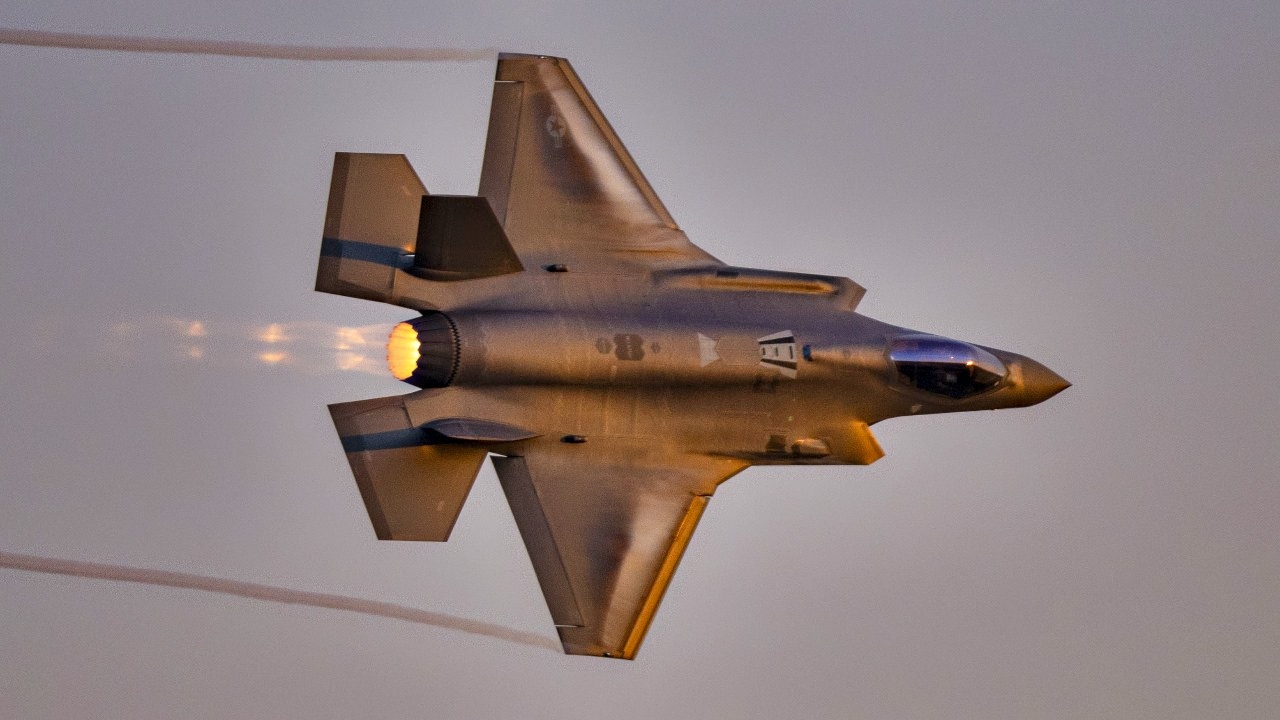
A U.S. Air Force F-35A Lightning II assigned to the F-35A Lightning II Demonstration Team performs at the Capitol Air Show over Sacramento, California, July 15, 2024. Innovations such as the F135 Smart Stacking Tooling Enhancement developed by the OC-ALC mechanics and engineers have significantly improved the rotor assembly process, increasing precision and enhancing the depot’s ability to produce the engine that powers the F-35 Lightning II. (U.S. Air Force photo by Staff Sgt. Zachary Rufus)
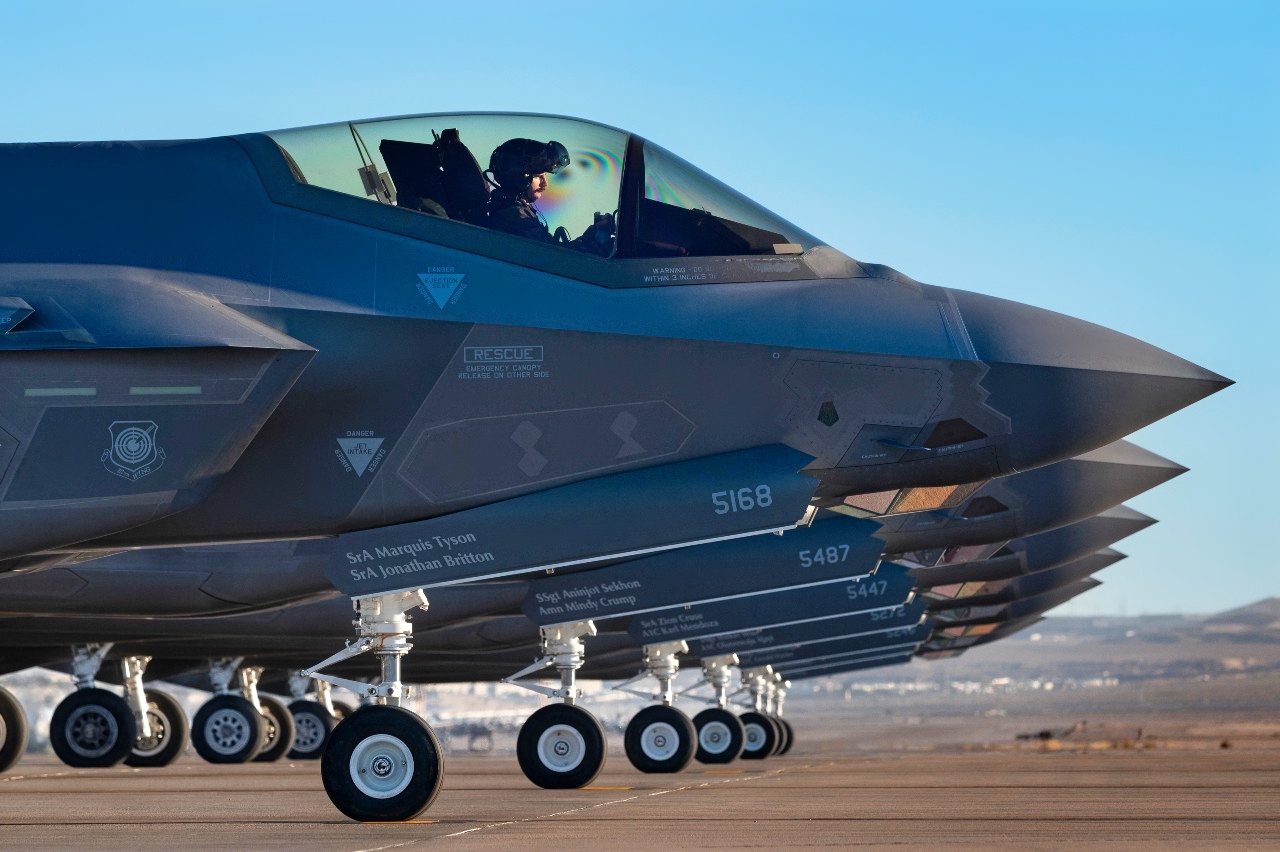
Seven F-35 Lightning II aircraft wait to take off for a U.S. Air Force Weapons School training mission at Nellis Air Force Base, Nevada, Jan. 31, 2024. The U.S. Air Force Weapons School teaches graduate-level instructor courses that provide advanced training in weapons and tactics employment to officers and enlisted specialists of the combat and mobility air forces. (U.S. Air Force photo by William R. Lewis)
Instead of increasing the funds available to ensure they receive the full 36-plane complement, the Swiss opted to purchase as many F-35s as possible with the funds previously allocated to the project. It was not immediately clear just how many F-35s the Swiss funds would cover.
Saab’s JAS 39 Gripen E
In selecting the F-35, the Canadians evaluated several fighters. One of these, the Gripen E, manufactured by Saab, came in second to the F-35 and is being reconsidered for the CF-18 replacement role.
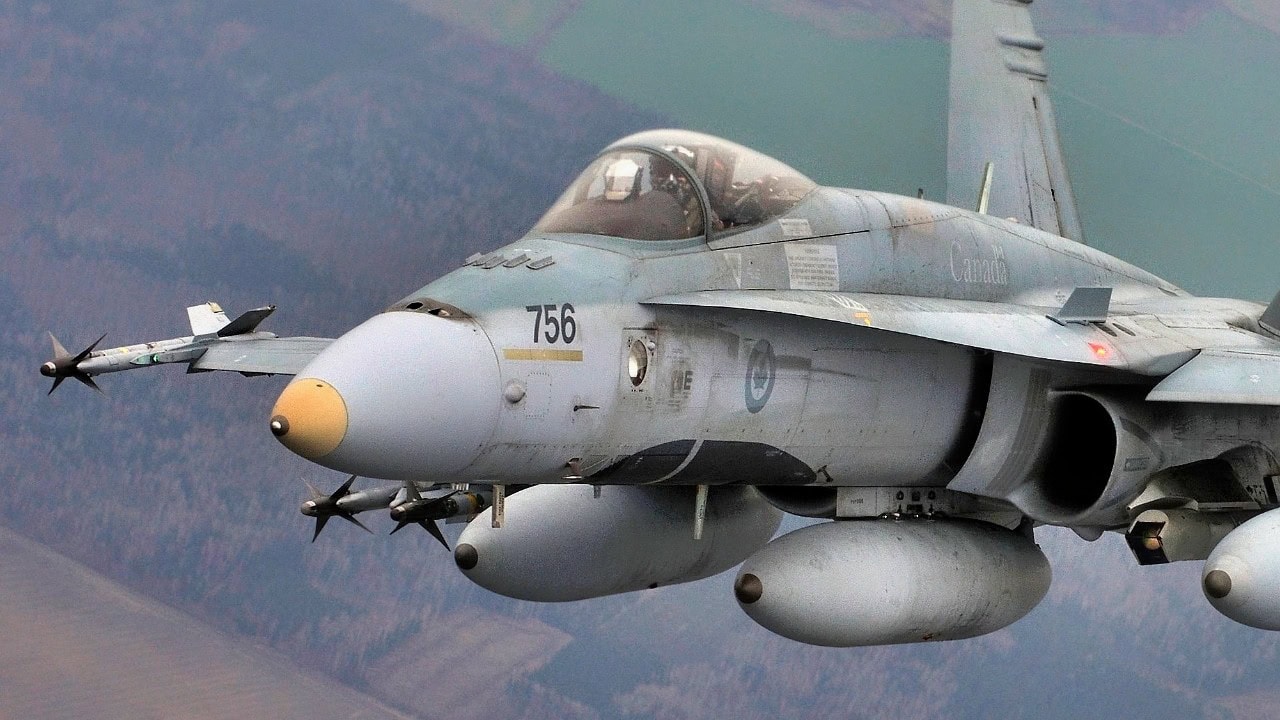
A CF-188 Hornet from the Canadian Air Task Force Lithuania flies over Lithuania on November 20, 2014 for the NATO Baltic Air Policing Block 36 during Operation REASSURANCE.
Photo: Air Task Force — OP Reassurance, DND
Un chasseur CF188 Hornet de la Force opérationnelle aérienne du Canada en Lituanie survole la Lituanie, le 20 novembre 2014, à l’appui du bloc 36 de la police aérienne de l’OTAN dans les pays Baltes, dans le cadre de l’opération REASSURANCE.
Photo : Force opérationnelle aérienne — Opération Reassurance, MDN
WG2014-0437-0052
That fighter differs substantially from the F-35. Perhaps most important for Canada, however, is that the Swedish fighter is a fourth-generation fighter and, as such, lacks the radar-mitigation features — stealth — that make the F-35 so popular.
Leaked Review
The discussion about a possible move away from the F-35 and to the Gripen E gained some notoriety after an internal Royal Canadian Air Force document was leaked. The conclusion of that document was clear: the F-35 was a far superior platform. The stealth fighter outclassed the Gripen E in every single area of evaluation, and sometimes by a landslide.
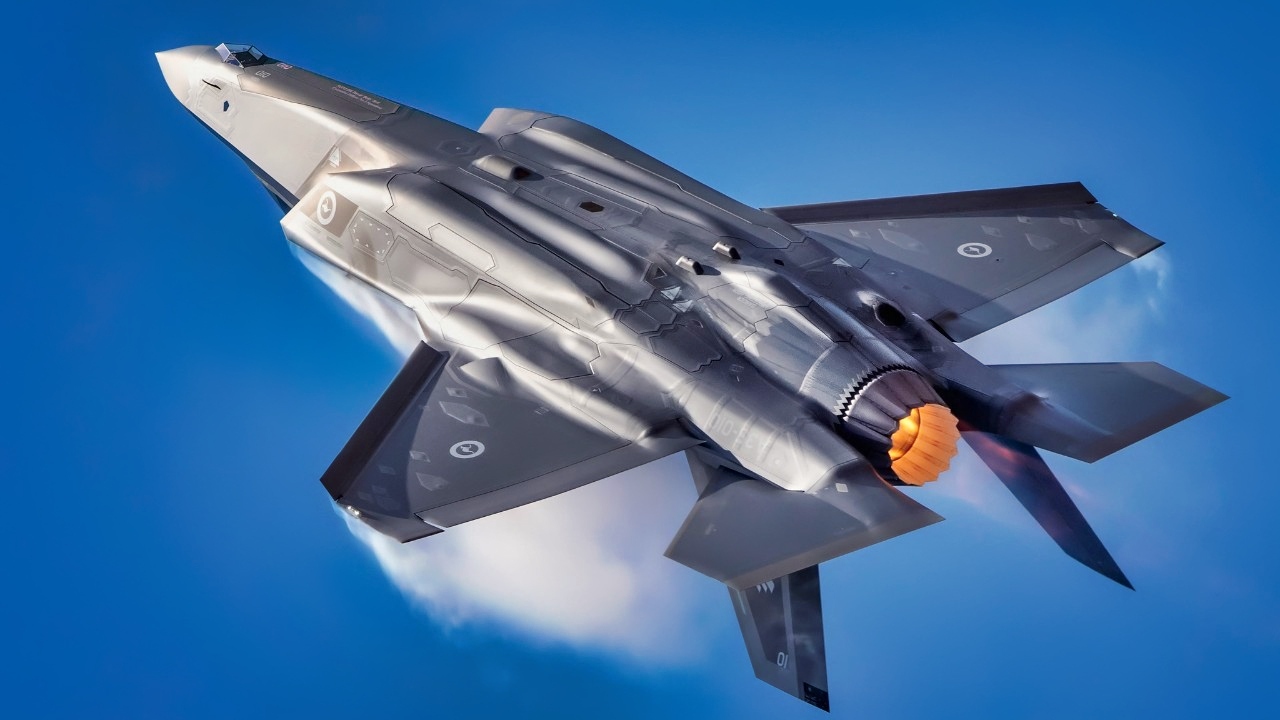
F-35 fighter. Image Credit: Creative Commons.
In sum, the F-35 received a 95 percent score in the RCAF evaluation. The Gripen E, on the other hand, scored just 33 percent. Some of the Gripen E’s lowest marks were in upgradability and mission performance. And while the fourth-generation fighter’s manufacturer touts the jet’s electronic warfare capabilities, even saying that they “render stealth useless,” that belief is not particularly widely shared.
Political Decision-making
Saab has also attempted to pitch its fighter jet as part of a broader economic deal that would create jobs in Canada. But forming a decision on a platform as significant as the F-35 is one of a political nature rather than one that accounts for practical or security considerations, Justin Massie, a military analyst and political science professor at the Université du Québec à Montréal, told CBC News.
“We need to have a number that is based on military considerations, and that doesn’t seem to be the case at the moment. It seems that economic and political considerations are guiding this choice,” he explained, saying that even if Canada purchased Gripen E fighters, it would be up to Washington to integrate Canadian Gripens into NORAD, or not.
“If all this is just to have a fleet of 16 [American F-35 stealth fighters], Massie added, “it’s completely pointless from a military point of view.”
About the Author: Caleb Larson
Caleb Larson is an American multiformat journalist based in Berlin, Germany. His work covers the intersection of conflict and society, focusing on American foreign policy and European security. He has reported from Germany, Russia, and the United States. Most recently, he covered the war in Ukraine, reporting extensively on the war’s shifting battle lines from Donbas and writing on the war’s civilian and humanitarian toll. Previously, he worked as a Defense Reporter for POLITICO Europe. You can follow his latest work on X.