
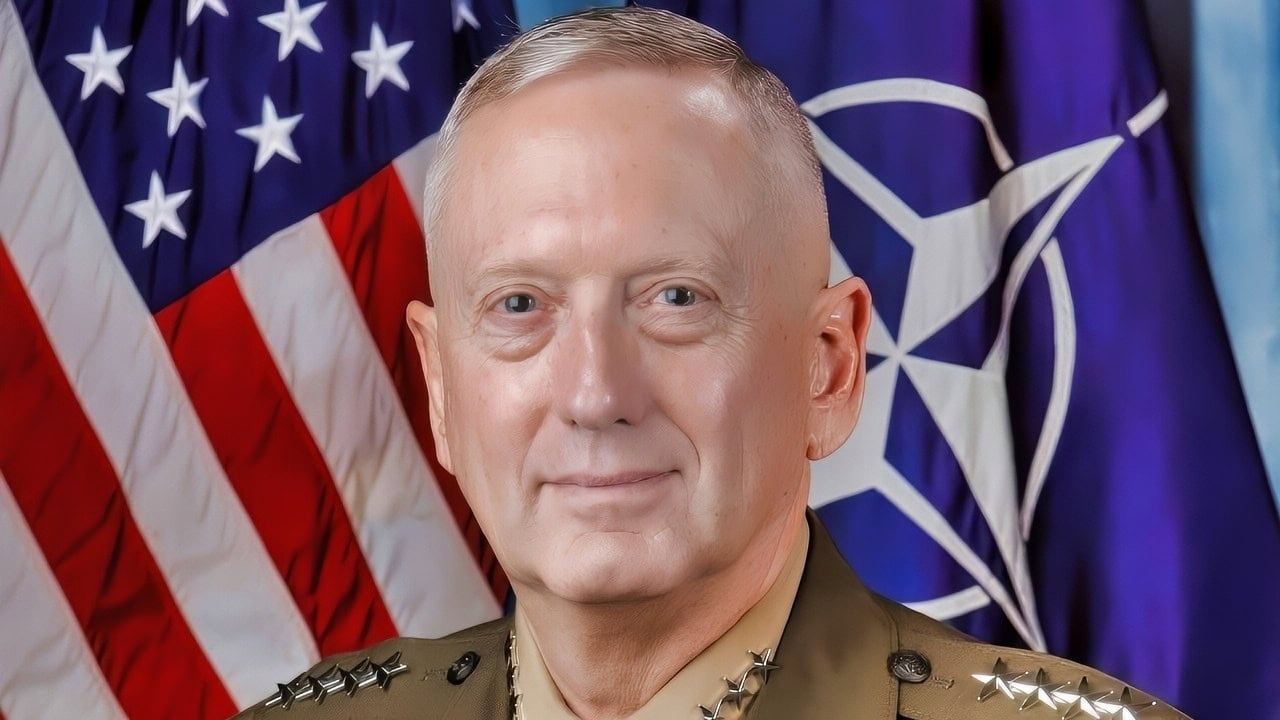
The sentence was one of a list of rules a Marine major general issued to the 1st Marine Division in Iraq, practical guidance for young Americans manning checkpoints in a country where the next handshake might hide a trigger: “Be polite, be professional, but have a plan to kill everybody you meet.” It reached print through Thomas Ricks’ book Fiasco, escaped the military within months, and has spent 23 years since on posters, t-shirts, barracks walls, and business books, quoted more than any line by any living American commander. It endures because it compresses its author into thirteen words: courtesy and lethality, fused without contradiction. The author is James Norman Mattis, and the sentence is the shortest available biography of him. Here is the longer one:
The Making of James Mattis
Mattis was born on September 8, 1950, in Pullman, Washington, and raised in Richland, a bookish kid in a house without a television.
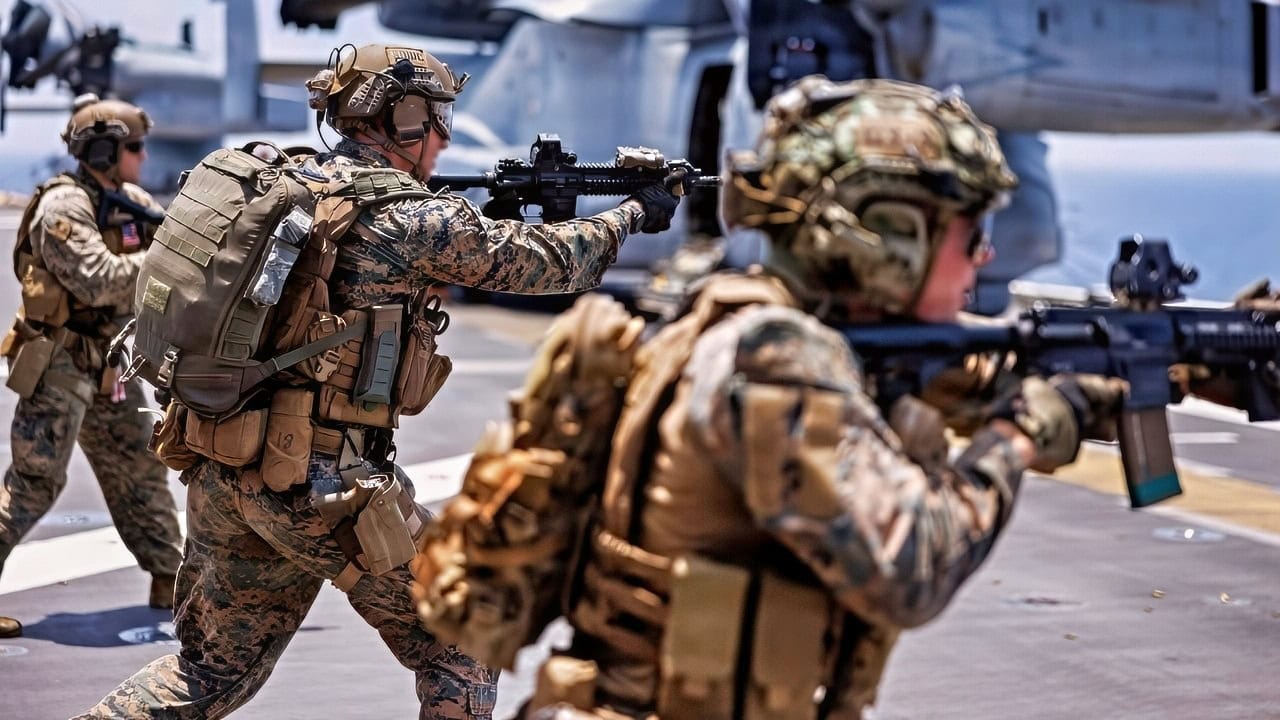
The Marines could land in Iran tomorrow. Navy SEALs would prepare the beach. The 82nd Airborne could infiltrate. The invasion would succeed initially. Then Iran would launch drones and missiles at every U.S. base, satellite terminal, and air defense radar in the Middle East. Getting in is easy. Surviving is the problem.
He enlisted in the Marine Corps Reserve in 1969 at 18, earned his degree at Central Washington University through ROTC, and was commissioned a second lieutenant in 1972, then spent two decades in the unglamorous middle of the profession: rifle and weapons platoons, company command, even a tour running the recruiting station in Portland, Oregon.
What set him apart was the reading.
Mattis never married until age 72, and in the meantime, the Corps became his family while his library grew past 7,000 volumes, history and philosophy hauled from post to post, the habit that earned him the Warrior Monk nickname he deflected with a joke about preferring monasteries stocked with beer.
His actual callsign was CHAOS, which his staff insisted stood for Colonel Has Another Outstanding Solution.
The Wars
His combat career tracked every American war of his era.
In Desert Storm, he commanded the 1st Battalion, 7th Marines, during Task Force Ripper’s drive into Kuwait.
In 2001, as a one-star, he led Task Force 58 from ships in the Arabian Sea deep into landlocked Afghanistan to seize the airstrip that became Camp Rhino, the first Marine ever to command a naval task force in combat.
In 2003, commanding the 1st Marine Division, he drove to Baghdad in 17 days, issuing the guidance that produced the famous sentence, along with its gentler sibling: the order to engage your brain before you engage your weapon.

U.S. Marine Corps photo by Sgt. Devin Nichols/Released
He led the First Battle of Fallujah in 2004, helped plan the second, and, with Army General David Petraeus, co-authored the counterinsurgency doctrine that reshaped both services.
The ledger has its rough page: at a 2005 panel, he mused that it was fun to shoot some people, and the Commandant publicly rebuked him for it, a reminder that the bluntness that made him quotable was never risk-free.
Four Stars
The intellectual kept rising: Marine Corps Combat Development Command, I Marine Expeditionary Force, a NATO transformation command, and then, in 2010, U.S. Central Command, succeeding Petraeus at the height of two wars.
At CENTCOM, his hawkish push for harder options against Iran reportedly unsettled the Obama White House, and he left command in March 2013, retiring after more than four decades in uniform.
Civilian life brought the Hoover Institution, teaching, and writing on civil-military relations, along with the entry he later called his lasting embarrassment, a seat on the board of Theranos, the blood-testing startup that collapsed in fraud convictions.
He owned the mistake the way he taught lieutenants to own theirs: by name, without excuses.
The Pentagon and the Letter
In December 2016, the president-elect nominated him as Secretary of Defense, a job requiring a special act of Congress, since the law demands seven years between uniform and the office, and Mattis had been retired for three. Congress granted the waiver, and the Senate confirmed him 98 to 1; the press called him Mad Dog, a nickname he never used and never liked.
For two years, the 26th Secretary of Defense rebuilt readiness, reassured allies from Seoul to Brussels, and served as the administration’s most trusted figure abroad.
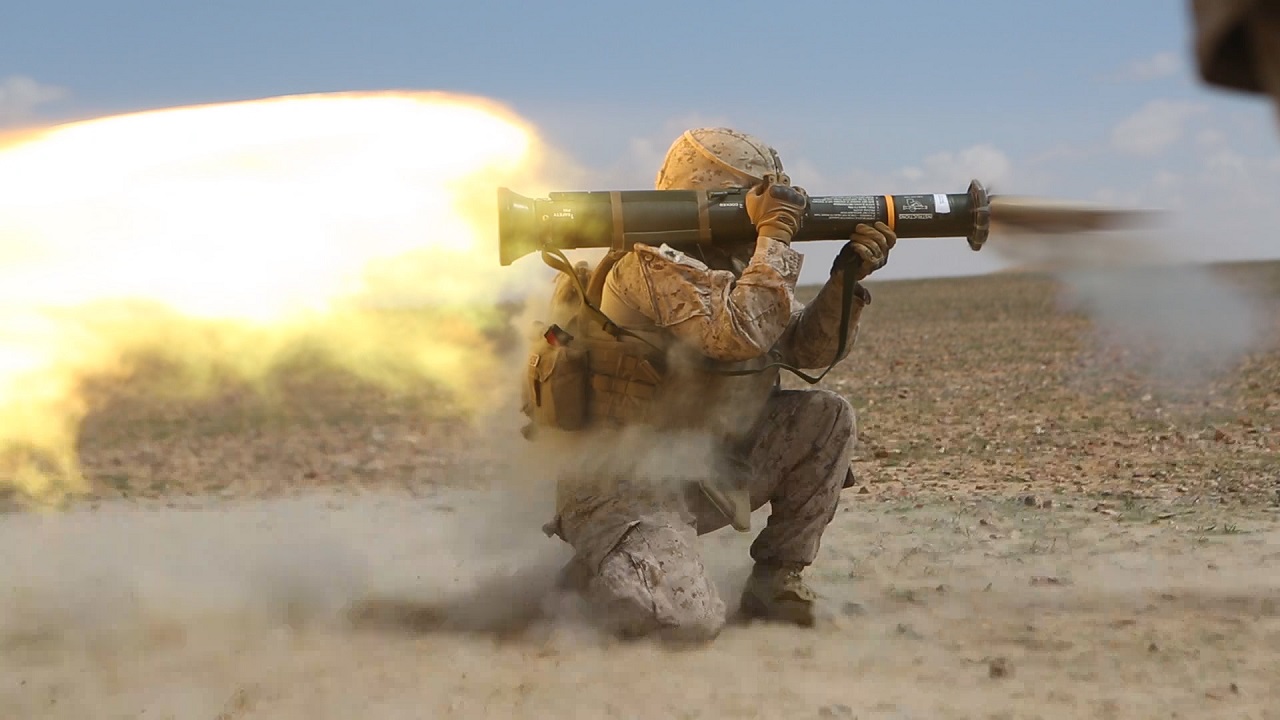
A Marine with Company G, 2nd Battalion, 7th Marine Regiment, Special Purpose Marine Air Ground Task Force – Crisis Response – Central Command, fires an AT4 antitank rocket launcher in the Central Command area of operations, March 23, 2015. The 2/7 Marines participated in a range that tests their ability to conduct an integrated combined arms assault against a simulated enemy position. (U.S. Marine Corps photo by Cpl. Will Perkins/Released)
Then, in December 2018, came the abrupt order to withdraw from Syria, abandoning the Kurdish partners still fighting alongside American troops, and Mattis did the rarest thing in Washington: he resigned on principle, in writing.
His letter never raised its voice, laying out a creed of alliances honored and authoritarians resisted, and closing that the president deserved a secretary whose views were “better aligned with yours.”
He was gone by January 1, 2019, and his memoir Call Sign Chaos, published that summer, taught the same creed at book length.
Twenty-three years after a division commander handed his Marines thirteen words in the Iraqi desert, the sentence outruns every office its author ever held.
It is still taught to young Marines at checkpoints, still quoted by executives who will never stand one, and, its author would note, still misunderstood by anyone who hears only its second half.
About the Author: Harry J. Kazianis
Harry J. Kazianis (@Grecianformula) was the former Senior Director of National Security Affairs at the Center for the National Interest (CFTNI), a foreign policy think tank founded by Richard Nixon based in Washington, DC. Harry has over a decade of experience in think tanks and national security publishing. His ideas have been published in the NY Times, The Washington Post, The Wall Street Journal, CNN, and many other outlets. He has held positions at CSIS, the Heritage Foundation, the University of Nottingham, and several other institutions related to national security research and studies. He is the former Executive Editor of the National Interest and the Diplomat. He holds a Master’s degree focusing on international affairs from Harvard University.

