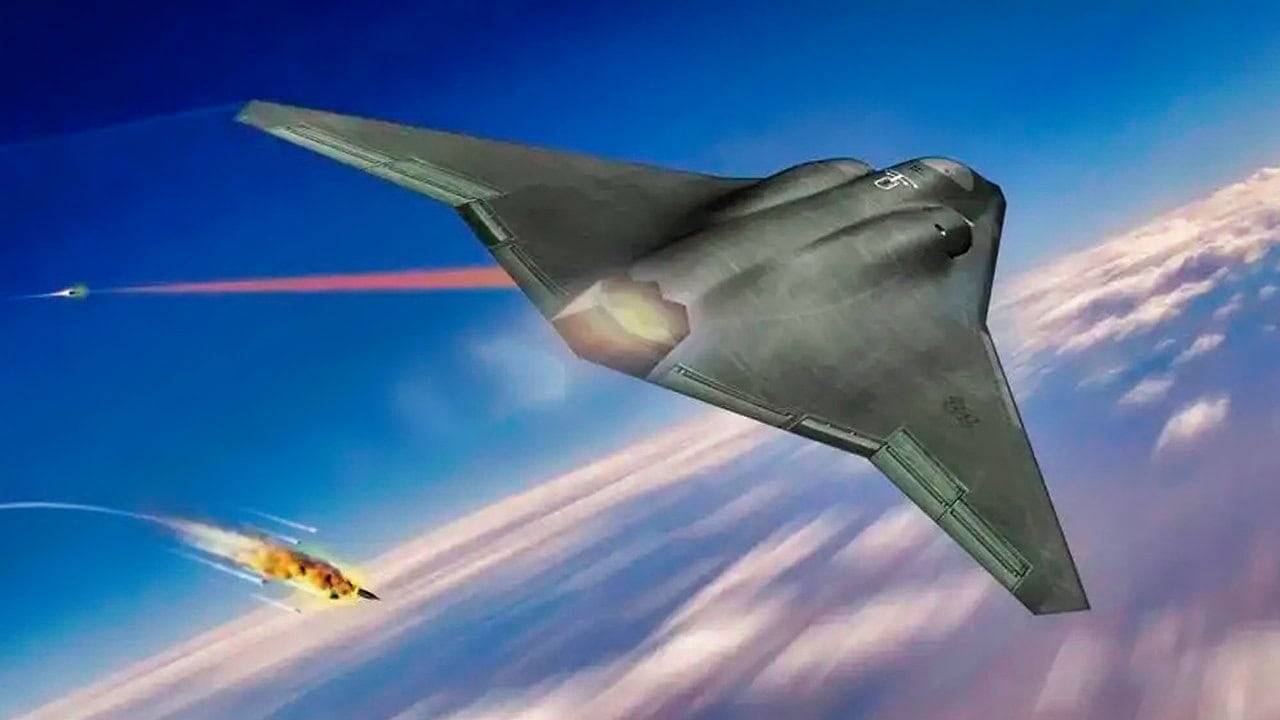
In April 2026, at the annual Air Sea Space Exposition in Washington Harbor, the US Chief of Naval Operations (CNO), Admiral Daryl Caudle, stated that the Navy would name the winner of the US Navy’s 6th-generation F/A-XX fighter competition in August. The US Defense Secretary, Pete Hegseth, said it would be in August. The Acting Navy Secretary, Hung Cao, said it would be in August. Everyone said it would be August.
Well, it is now September 1, and there is no decision, no announcement. A consensus among the defense publications that have covered the program since Caudle’s declaration of a deadline is that, since his announcement, almost nothing in the way of a decision has happened. The question is why that is the situation, and what it tells us.

F/A-XX Boeing Image.
What we know for sure is that the numerous institutions affected by the delay cannot remain suspended in mid-air indefinitely. There are already multiple constituencies within the naval aviation community issuing alerts that the clock is still running.
The delay in awarding the contract is already straining the US Navy’s current carrier air wings. It places increasing pressure on the organizations that oversee the sustainment of the service’s 4th- and 5th-generation fighter fleets. In line with the domino-type effect these delays can create, this is causing expanding complications for the Navy’s overall sustainment and operations.
F/A-XX: Impact on Existing Aircraft Fleets
Among other disruptions to previous planning, the F/A-18E/F Super Hornets will have to be in operation far longer than originally planned. The F-35Cs in U.S. Navy service will face greater operational demands.
More op-tempo hours on the aircraft will be required, as it will be used to carry out a greater number and a wider variety of missions than originally planned.
This will lead to mounting repair costs and shorten the fleet’s maintenance cycles. Logistics and maintenance budgets for the aircraft fleets will be similarly impacted and will continue to mount each year.
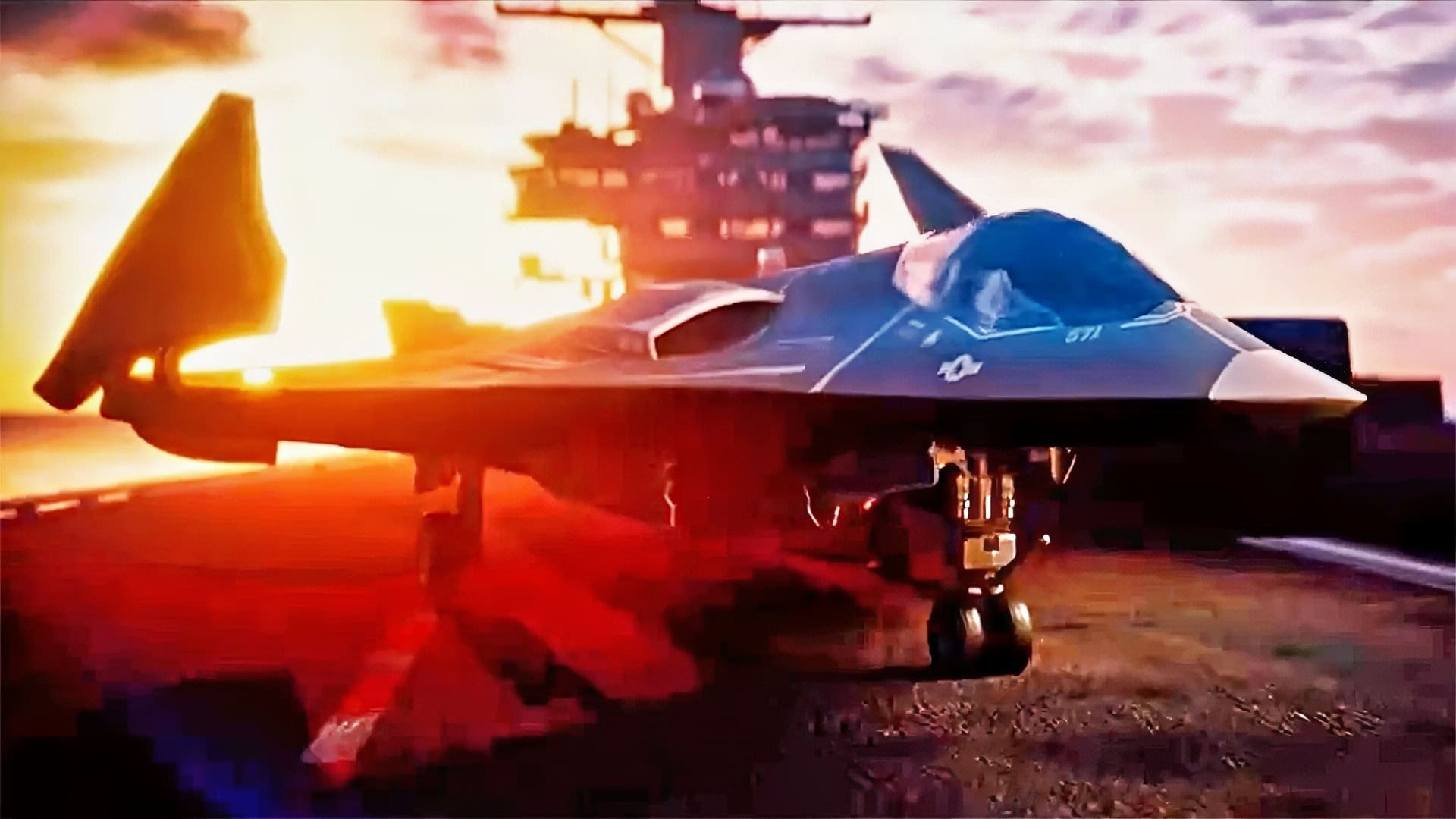
FA-XX Fighter Screenshot from X
On 22 August, the US publication Aviation Week reported the Navy was still hopeful an announcement would be made by the end of the month. But more telling was the Navy’s statement that they had made their choice and that the decision was now officially out of their hands.
Operationally, this means the delay is above the pay grade of US Navy leadership. Instead, it is in the hands of the Office of the Secretary of Defense (OSD), or, if the announcement follows the same path as the March 2025 decision on the US Air Force (USAF) F-47, the final decision could be made in the White House itself.
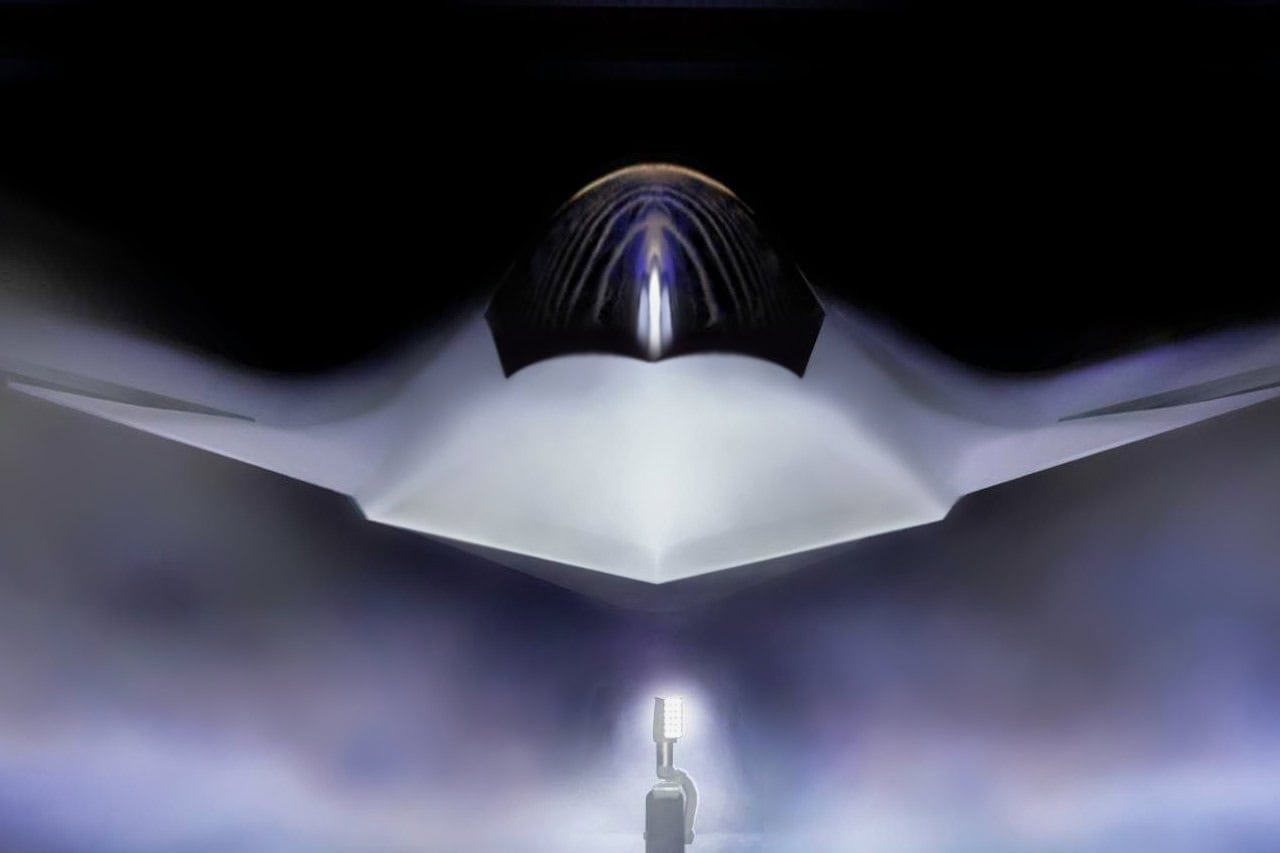
Shown is a graphical artist rendering of the Next Generation Air Dominance (NGAD) Platform. The rendering highlights the Air Force’s sixth-generation fighter, the F-47. The NGAD Platform will bring lethal, next-generation technologies to ensure air superiority for the Joint Force in any conflict. (U.S. Air Force graphic)
What Still Must Be Resolved
Before any award can be made, several difficult planning decisions must be made. Not least among these is how this program can be woven into budget planning for the next 10-20 years.
In 2025, the Navy had put the F/A-XX on hold. At the time, the program’s future was up in the air until Congress intervened and allocated an additional $900 million in FY27 funding.
This stop-and-go process means there are larger issues beyond just funding or the need to meet certain program schedule deadlines. Stopping the forward motion of a program like this one is also not inexpensive, which likely means there are many unknowns, leaving top decision-makers unsure how best to proceed.
The winner of this program will determine who designs the aircraft that will fly off American carrier decks in the 2040s. It will replace both the Super Hornet and the EA-18G Growler electronic attack aircraft. It is a momentous decision made more so by the growing number of predictions that this could be the last piloted aircraft in the history of naval aviation.
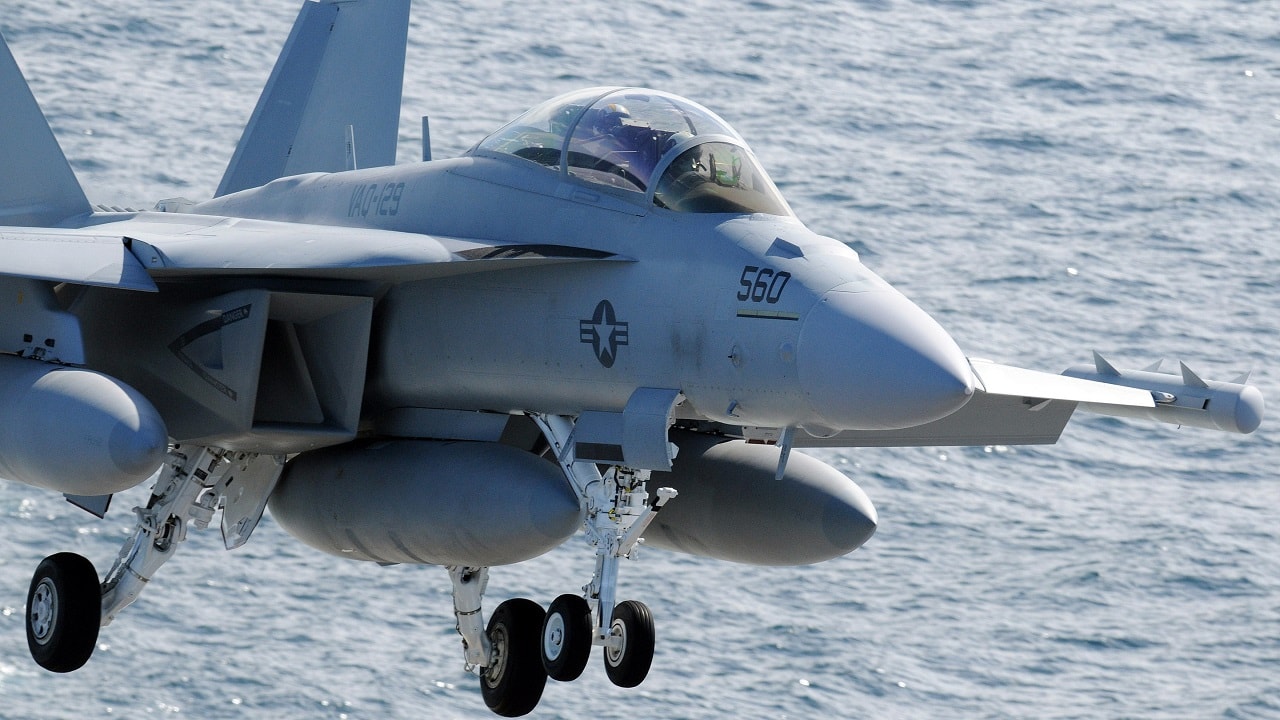
(Feb. 17, 2009) An EA-18G Growler assigned to the “Vikings” of Tactical Electronic Warfare Squadron (VAQ) 129 aligns itself for an at sea landing aboard the Nimitz-class aircraft carrier USS Ronald Reagan (CVN 76). The Growler is the replacement for the EA-6B Prowler, which will be replaced in the 2010 timeframe. Ronald Reagan is underway performing Fleet Replacement Squadron Carrier Qualifications in the Pacific. (U.S. Navy photo by Mass Communication Specialist 3rd Class Torrey W. Lee/Released).
More than a year ago, then-CNO Admiral Michael Donnelly said at the 2025 Sea Air Space conference that “It could be our last tactical manned fighter that we operate out of the Navy,” Donnelly said.
“It will actually be at a point where we are more man-on-the-loop than man-in-the-loop, and be the bridge to fully integrating towards the hybrid air wing [combining crewed and uncrewed platforms] in the future, in the 2040s.”
Then there is timing, which in the world of defense procurement is no small factor.
There are many rather public issues now: the USS Abraham Lincoln’s recent historically long deployment, the issues with the USS Gerald R. Ford’s EMALS system, and the directives from US President Trump to change future carrier designs and revert to previous-generation steam catapults.
With all these dilemmas still unresolved, this may not be the best political time to announce the decision on a new-generation carrier fighter.
About the Author: Reuben F. Johnson
Reuben F. Johnson has thirty-six years of experience analyzing and reporting on foreign weapons systems, defense technologies, and international arms export policy. Johnson is the Director of Research at the Casimir Pulaski Foundation. He is also a survivor of the Russian invasion of Ukraine in February 2022. He worked for years in the American defense industry as a foreign technology analyst and later as a consultant for the U.S. Department of Defense, the Departments of the Navy and Air Force, and the governments of the United Kingdom and Australia. In 2022-2023, he won two awards in a row for his defense reporting. He holds a bachelor’s degree from DePauw University and a master’s degree from Miami University in Ohio, specializing in Soviet and Russian studies. He lives in Warsaw.