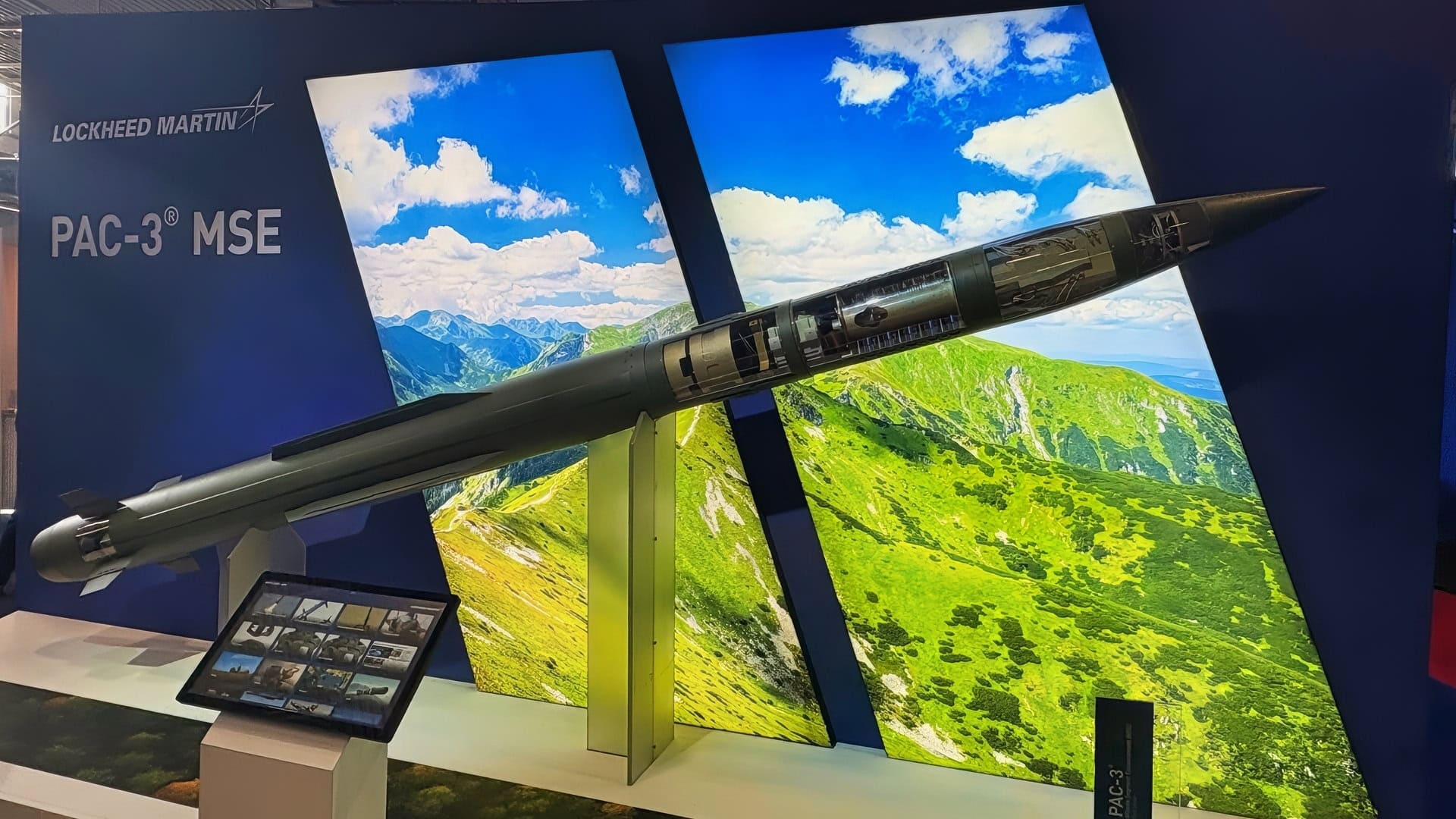
Kielce, Poland – Every September, most of the world’s major defense industrial firms descend on the south-central Polish city of Kielce to participate in the Międzynarodowy Salon Przemysłu Obronnego (MSPO), or the International Defense Industry Exhibition.
Over more than two decades, the event has doubled in size and is today the third-largest event of its kind in all of Europe.
This expo continues to grow in both size and significance due to two major factors.
One is that for a decade and a half, Poland has dedicated itself to building the largest military establishment among NATO’s Central European members.
The country is now recruiting, training, and equipping what will become a force of 500,000 personnel under arms by 2030.
This would more than double the size of Poland’s current military establishment. That half-million personnel will break down into formations of 300,000 active-duty military personnel, backed by 200,000 reserve units kept at a high state of readiness.
The Polish military is also planning to have 3,000 information technology professionals and 1,000 trained personnel in the medical corps also prepared for deployment at any time.
The other obvious activity that continues to drive the interest in MSPO is the war raging just across the border in Ukraine.
It is the proximity of that conflict and the long history of Russia’s aggression against and periods of occupation of Poland that drives interest in MSPO. It also keeps this expo annual rather than biennial, as almost all others of its kind do.
The Missile Shortage Continues
The unrelenting and increasing drone and missile attacks by Russia on Ukraine – a good measure of them targeted against cities that are killing civilians almost every day – have put a spotlight on the issue of there being a shortage of air defense assets.
The most talked-about and high-profile of these is the Missile Segment Enhancement (MSE) effector, the top-of-the-line interceptor fired by the US-made Patriot air-and-missile defense system.
In July, the US Army awarded a US$ 58.6 billion contract – the largest ever in the program’s history – to expand production of this design. The missile’s prime contractor, Lockheed Martin, has stated that this contract will enable tripling of PAC-3 MSE production capacity by 2030, raising output from roughly 600 to around 2,000 missiles per year.
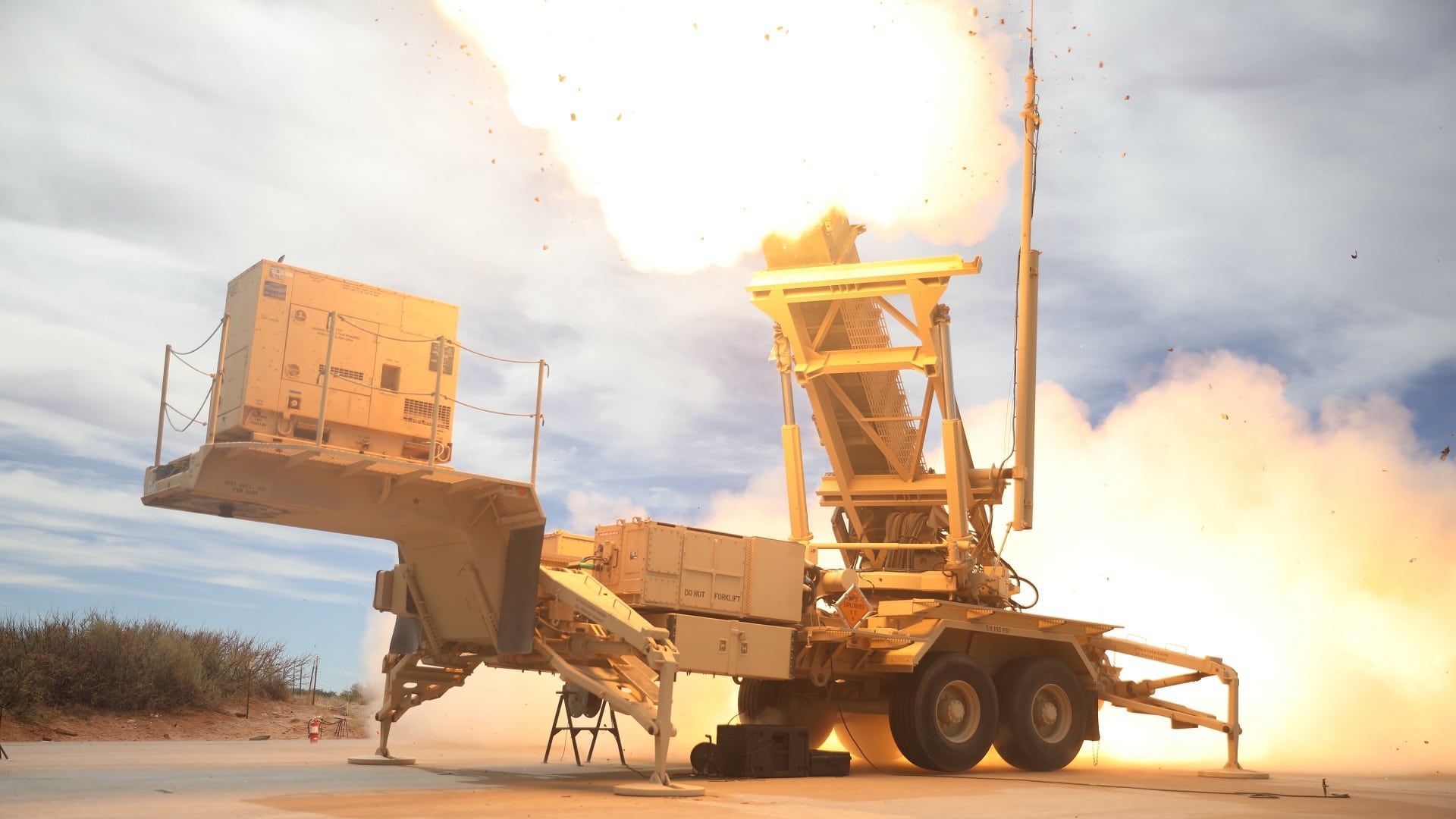
Soldiers from 69th Air Defense Artillery Brigade conducted Patriot Missile live fire training, November 5, at McGregor Range Complex on Fort Bliss. The live fire exercise was conducted jointly with Air Defense counterparts from the Japanese Self-Defense Force. (U.S. Army Photo by Staff Sgt. Ian Vega-Cerezo)
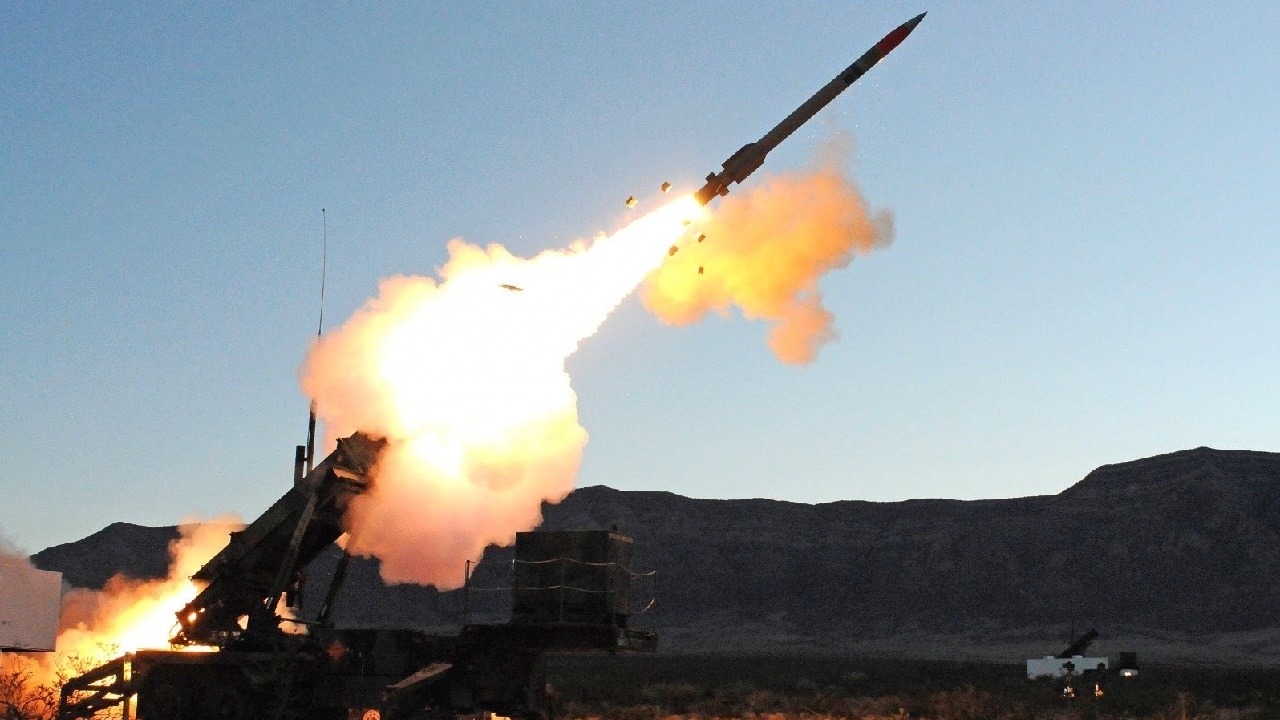
Patriot Missile. Image Credit: Creative Commons.
The MSE is in such short supply that Ukrainian President Volodymyr has been lobbying the heads of state of all other nations that are Patriot system users, asking them to send some of their remaining stockpiles to Ukraine. Unfortunately for Ukraine, this is almost the only weapon that can take down Russian ballistic missiles.
But the MSE is not the only air-defense asset beginning to fall short. For other targets like Russia’s growing inventory of jet-powered drones and cruise missiles, demand well outstripping supply is becoming an increasingly visible problem.
Starvation (Missile) Rations
In May 2026, alarm bells were already ringing among the Ukrainian Air Force (PVO) and its air defense component (PPO). The service’s spokesman Yuriy Ihnat told the Ukrainian News Agency (UNN) that “today we find ourselves, as they say, on ‘starvation rations’ regarding missiles because there are certain supply problems.”
This problem, he continued, “is discussed virtually every day by the President of Ukraine, the top military leadership, and the Commander of the Air Force. Our Air Force representatives are at Ramstein [Air Force Base] and in other negotiating groups around the clock, where they have to literally plead for just a few missiles—5 to 10—for PAC-3, NASAMS, IRIS-T, and other systems, as the expenditure of ammunition is very high,” said Ihnat.
He explained that the significant expenditure of ammunition is a direct consequence of the intense Russian attacks during the winter period, specifically. In the winter months of 2025, Ukraine suffered 15 major strikes on its energy infrastructure, creating an acute need for rapid replenishment.
At MSPO, representatives for Diehl Defence, which produces both the air-to-air and air defense variants of its IRIS-T IR-guided missile, emphasized that they are putting maximum effort into expanding production. The demand for the system – not just from Ukraine, but also from Middle East customers of the system- keeps increasing. But, they add, at a rate that is a very real challenge to keep pace with.
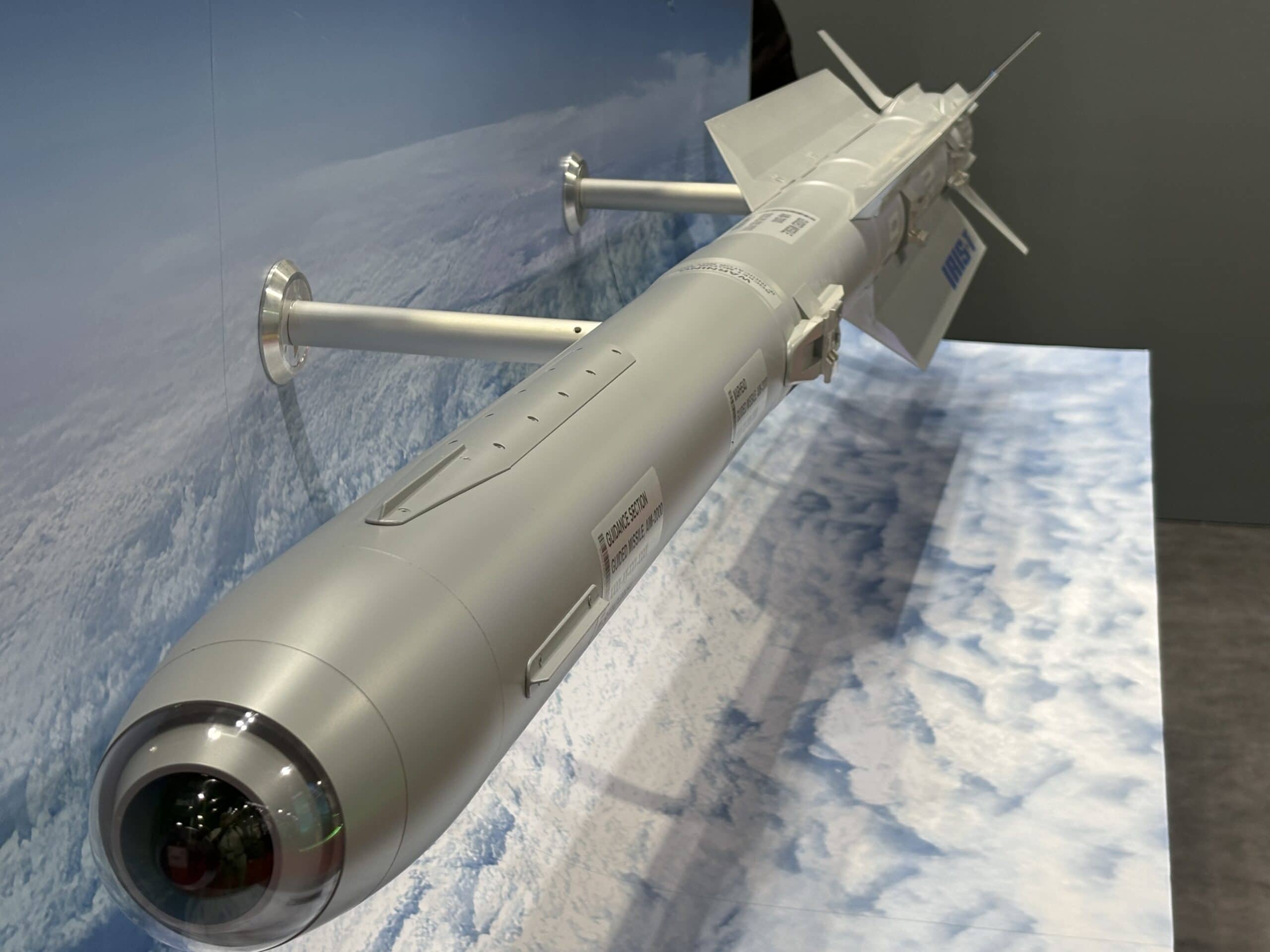
IRIS-T IR-guided missile. 19FortyFive Image from Poland.
One week before MSPO, the company introduced a new variant of the missile’s ground-launched battery, the IRIS-T SLS MK 4. This new design increases the number of ready-to-fire missiles in the launcher assembly from four to eight, doubling engagement capacity that is needed to meet Russia’s current drone “swarms” being fired against Ukraine.
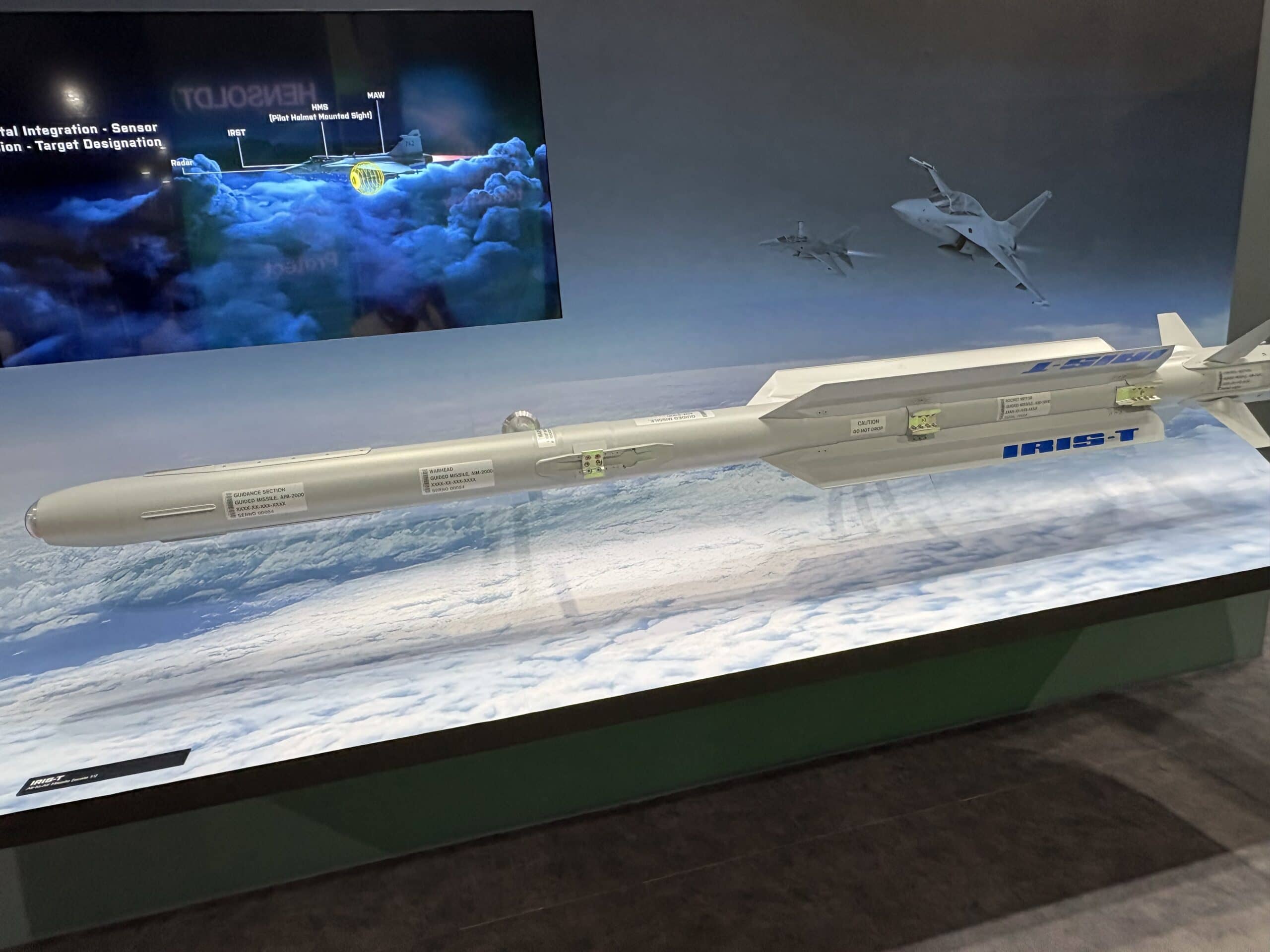
IRIS-T IR-guided missile. 19FortyFive Image from Poland.
About the Author: Reuben F. Johnson
Reuben F. Johnson has thirty-six years of experience analyzing and reporting on foreign weapons systems, defense technologies, and international arms export policy. Johnson is the Korea Fellow at the Casimir Pulaski Foundation. He is also a survivor of the Russian invasion of Ukraine in February 2022. He worked for years in the American defense industry as a foreign technology analyst and later as a consultant for the U.S. Department of Defense, the Departments of the Navy and Air Force, and the governments of the United Kingdom and Australia. In 2022-2023, he won two awards in a row for his defense reporting. He holds a bachelor’s degree from DePauw University and a master’s degree from Miami University in Ohio, specializing in Soviet and Russian studies. He lives in Warsaw.