
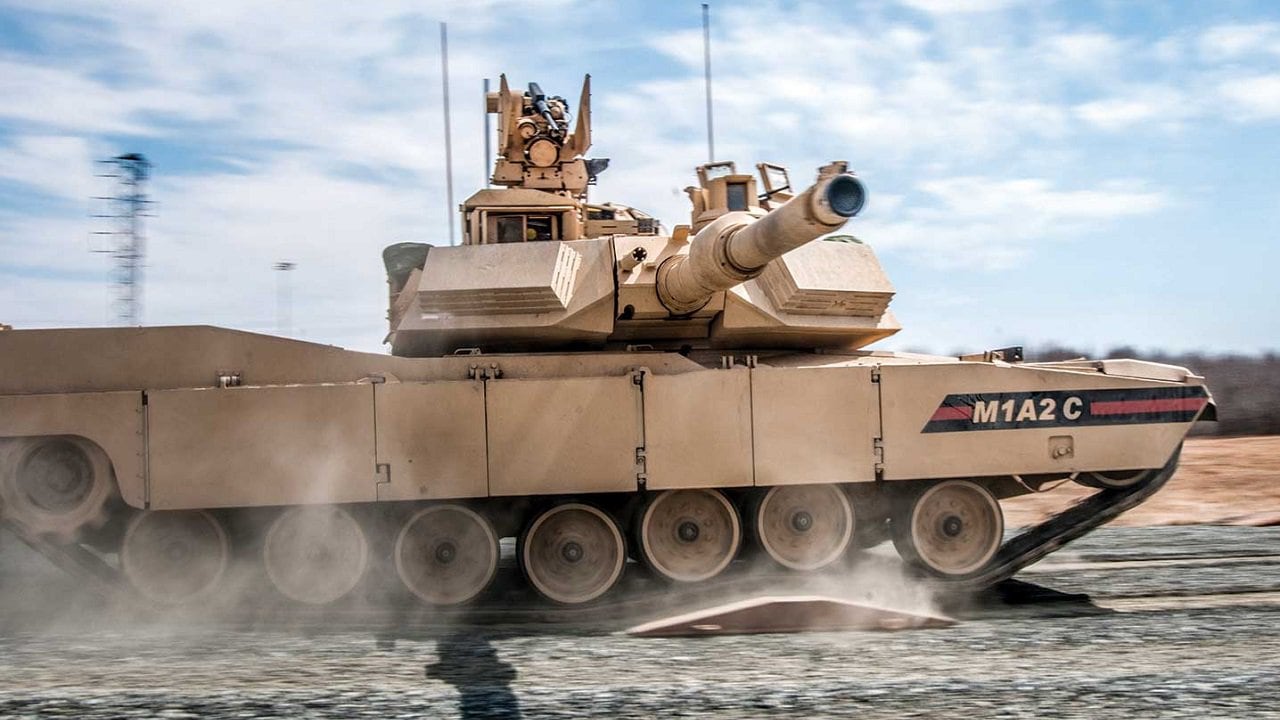
Will a NATO-Russia War Go Nuclear? What Happens to Russia After? – As Ukraine strikes deeper into Russia and Russian President Vladimir Putin grows more desperate, U.S. and European defense analysts increasingly worry about the possibility that Putin will attack Europe.
Last month’s covert trip by Director of Central Intelligence John Ratcliffe to Moscow increased speculation that something imminent could be afoot.
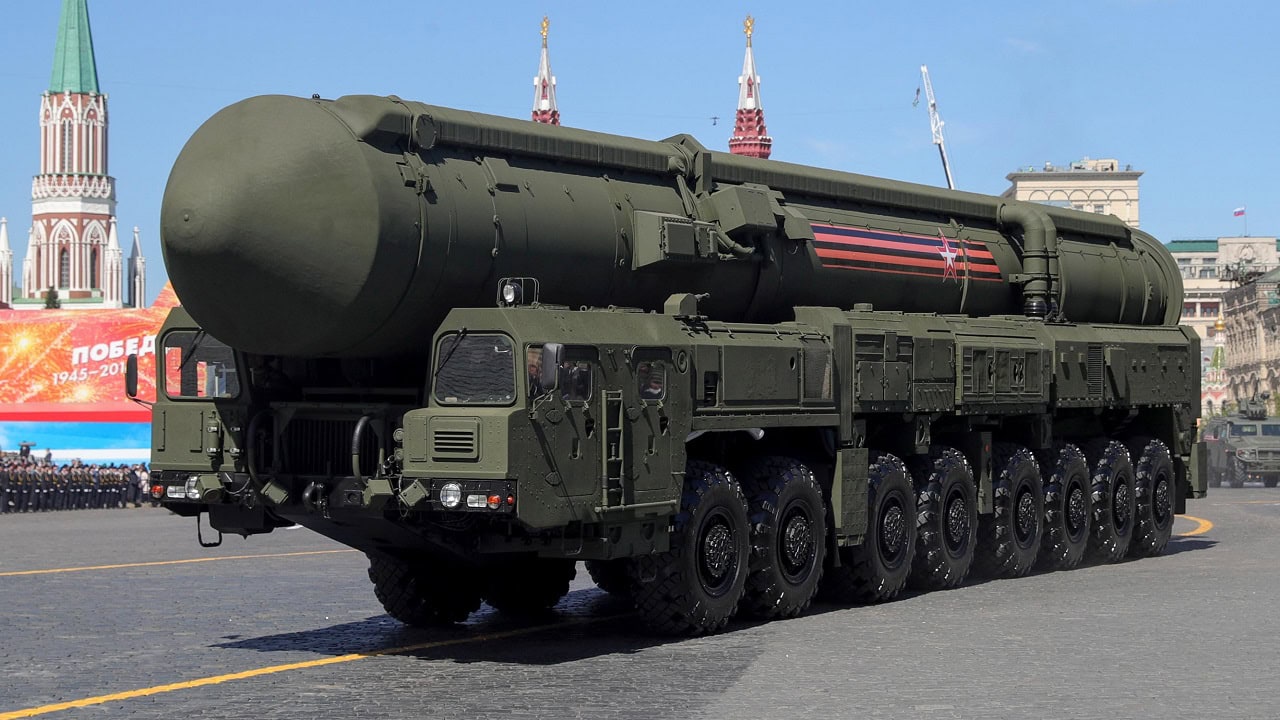
MAY 9, 2018: An RS-24 Yars mobile intercontinental ballistic missile system rolls down Moscow’s Red Square during a Victory Day military parade marking the 73rd anniversary of the victory over Nazi Germany in the 1941-1945 Great Patriotic War, the Eastern Front of World War II. Sergei Bobylev/TASS.
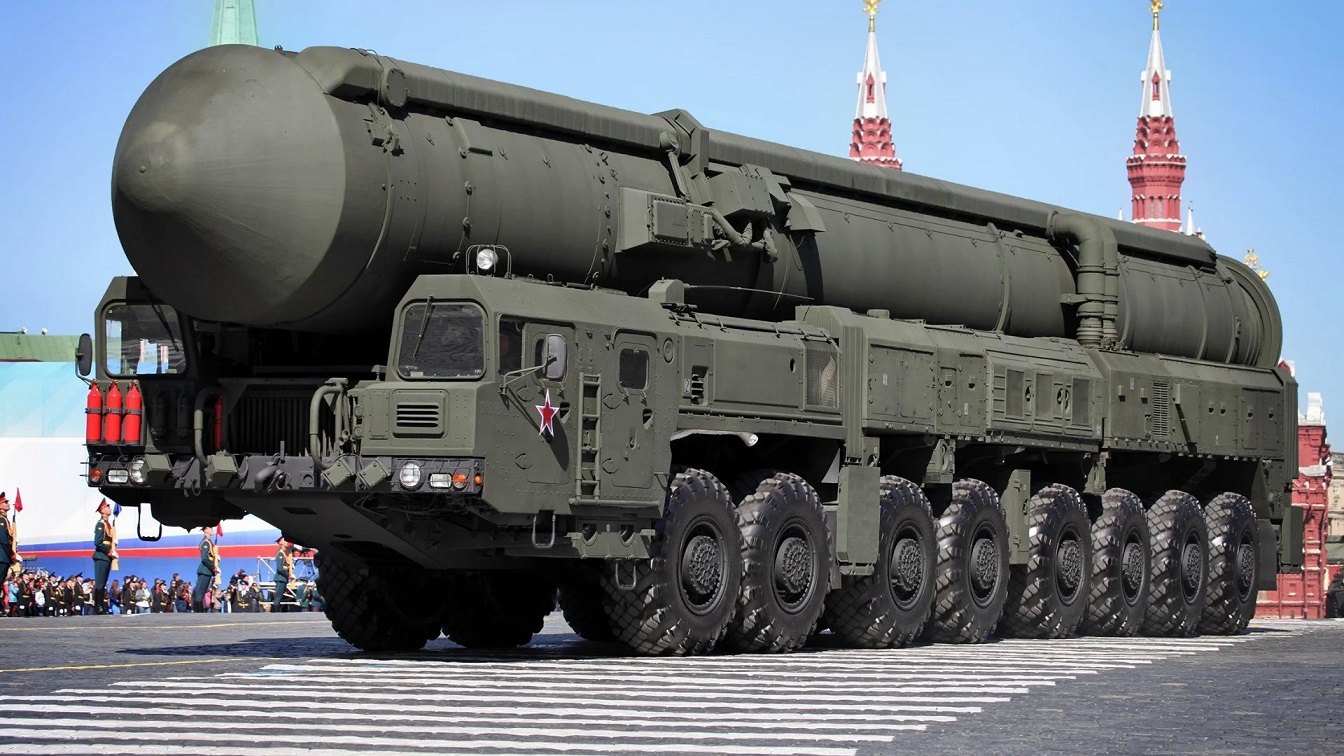
Russian mobile missile. Image Credit: Creative Commons.
Such an attack may not be a frontal assault on the Baltics or the Balkans.
When Russian Spetsnaz first invaded Crimea, they did so in green dress lacking insignia to sow confusion and retain plausible deniability. The same could occur with a Baltic nation such as Estonia. Cyber-attacks on critical infrastructure or isolated drone, missile, or aircraft strikes could also test NATO mettle.
Will NATO Invoke Article 5?
Even if President Donald Trump or Vice President JD Vance shows restraint in an initial assault in the hope that Putin might negotiate back from the brink of a wider war, their diplomacy will fail. After all, Trump can strike deals, but Ukraine’s willingness to defend its independence and liberty is not something he can reverse. Nor will a Russian test of NATO Article 5 red line likely be limited to a one-time event. If NATO stands down initially, Russia will push further until NATO has to respond.
In short, a Russian attack on NATO would mean a much broader war. Ukraine has decimated the Russian army. Among European NATO members, Poland has a ground force that rivals Ukraine’s and is currently the strongest on the continent. The Kremlin knows it cannot win a simple ground war.
Likely, this means a repeat of Ukraine tactics: Ballistic missile strikes on NATO military bases, defense factories, airports, and Amazon logistical hubs, as well as drone and glide bomb attacks closer to the Russian border. NATO countries would respond in kind, seeking to limit escalation.
What Might a Nuclear War between Russia and NATO Look Like?
Ultimately, however, either side could and likely will turn to tactical nuclear weapons to prevent their own line’s collapse. Once that red line shreds, it will be impossible to prevent much wider spread use of tactical nuclear weapons.
The danger of further escalation is real. The threat of unrestricted nuclear warfare is likely low. U.S. NATO commitments are worth no more than the willingness of any White House to abide by them. Putin would likely be correct that Trump will not launch a nuclear attack on Russia, especially if Russia launched a limited attack on Europe.
The true condition of Russia’s nuclear arsenal and its delivery systems is unknown not only to the United States but also, likely, to Putin himself, given his subordinates’ tendency to tell him what he wants to hear and to hide their own corruption. If Russia uses a city-killing missile, it will not target the United Kingdom or France for fear of inviting retaliation from their nuclear arsenals. Instead, Russia likely would strike at Poland in the belief that NATO, to borrow from the late Secretary of Defense Donald Rumsfeld, would treat an attack upon “New Europe” to a lower standard than an attack on “Old Europe.”
Warsaw is a natural target. Rzeszów, as the airport closest to Ukraine and the one most foreigners use on their way into Ukraine, may be even more tempting for a limited nuclear strike given its smaller size. If NATO retaliates, a smaller city like Pskov near the headquarters of the 2nd Guards Spetsnaz Brigade would be an appropriate, proportional target.
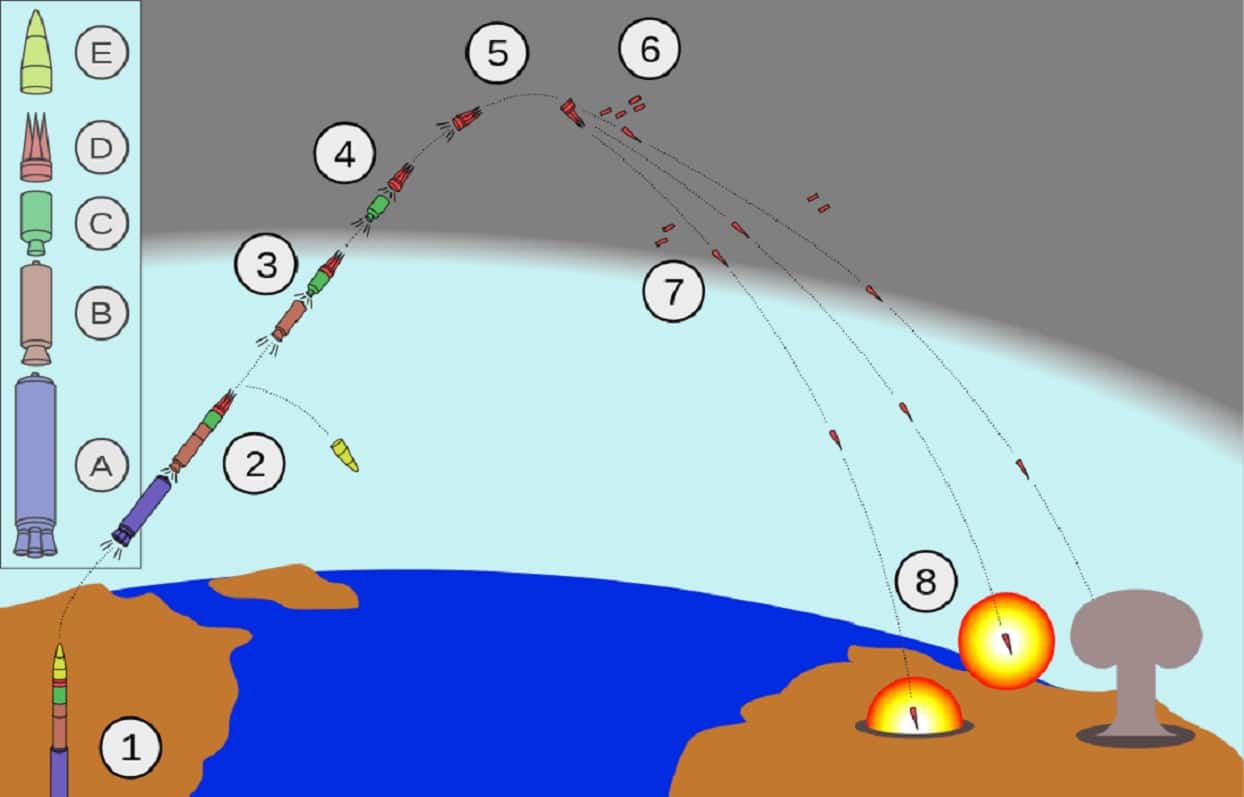
ICBM attack diagram. Image: Creative Commons.
Ultimately, however, Russia will not win such a war. Putin consistently miscalculates his own strength and underestimates his opponents. As Trump envoy Steven Witkoff just made his first visit to Kyiv, he likely saw the esprit de corps that sets Ukraine apart from Russia. The same esprit permeates NATO’s eastern flank.
While Russians know they are wrong, Russia’s opponents believe they have morality, history, and even God on their side.
What Should Happen to Russia When a NATO War Ends?
The question NATO has not yet addressed is what happens when Russia loses, especially if such a loss comes after the first wartime use of a nuclear weapon since World War II.
Diplomats and historians will cite different analogies: Punitive sanctions and concessions placed upon Germany, some will argue, fueled Germany’s descent into Nazism and led directly to World War II. The blame-America crowd, meanwhile, will say Washington’s support for the expansion of NATO provoked Moscow into war.
Both arguments, however, ignore the agency Germans and Russians themselves had. People make a choice to embrace ideologies like Nazism and extreme interpretations of Russian nationalism; they are not always reactions to perceived victimhood but often the result of years of indoctrination, amplification, or populism promising a magic formula for greatness.
Nor would appeasement work in a world where perception matters more than reality. No matter how generous the West is to Russia, a populist leader will promote a sense of grievance to again threaten Europe.
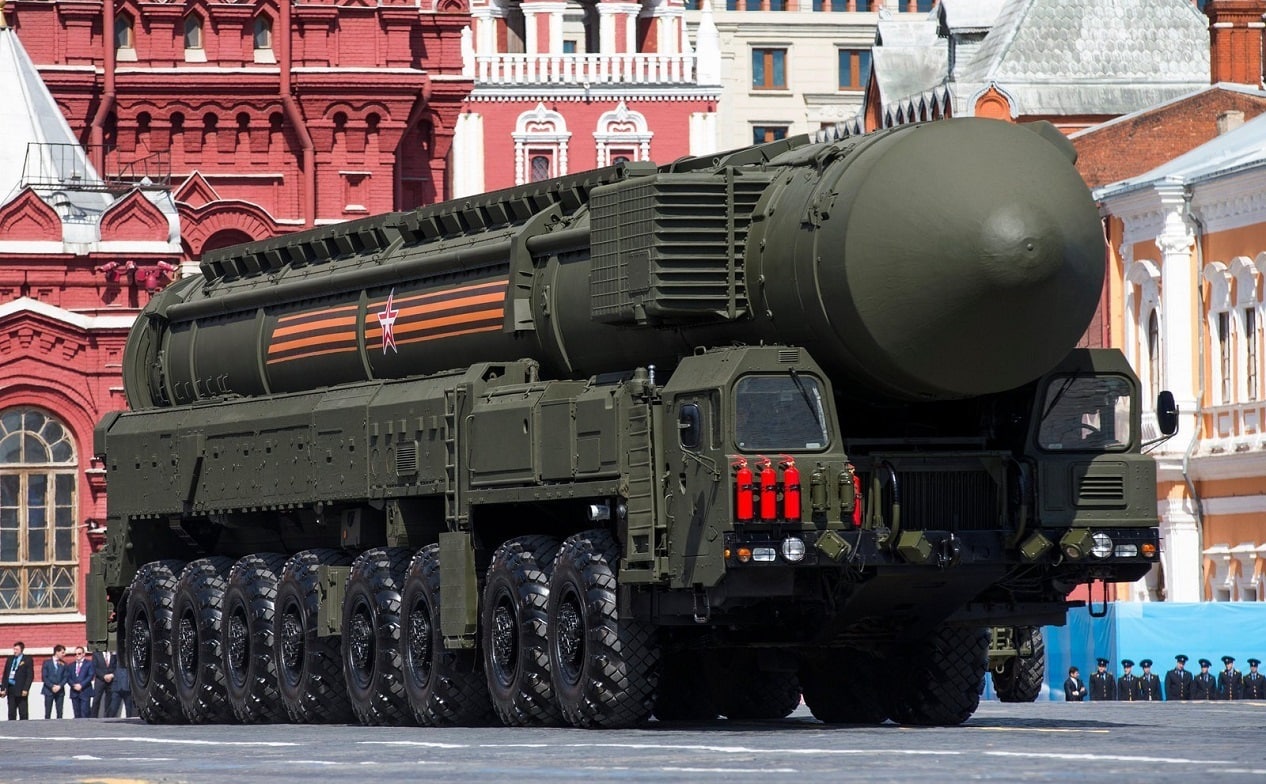
Russia’s Nuclear Weapons. Here is an image of Russian Mobile ICBMs. Image Credit: Creative Commons.
Can Putin Remain in Power?
U.S. and European officials must soon determine what their end goal is after the guns and missiles fall silent. The war will likely end only with Putin’s death or ouster, but if he remains, they must ask: Is it possible to have a lasting peace if Putin remains?
Diplomats might argue, though, that demanding Putin’s ouster or execution will block any chance of a ceasefire because it will convince him he must fight to the death. A better way to frame this problem, though, might be to ask if the goal is a ceasefire or lasting peace?
Is Democracy Possible in Russia?
Another debate will also loom, one that parallels the debates surrounding Iraq during President George W. Bush’s presidency: Is dictatorship the natural order in Russia, or is a new political system possible? Can democracy bring a new Russia? Within the Russian context, the question then becomes whether democracy failed to take hold in Russia due to President Boris Yeltsin’s failures or whether the problem was more systemic.
Russia has produced many democrats. The problem is Putin has systematically murdered them. Others like Vladimir Kara-Murza survived assassination attempts but now live in exile. While Trump admires the supposed strength of dictatorships, he remains blind to their fundamental weakness: Dictators survive by dismantling the system that could enable the emergence of competent successors. Iraqi President Saddam Hussein guaranteed chaos after his removal due to the vacuum he enforced. Turkey and Russia will suffer likewise after Recep Tayyip Erdogan and Putin step down or die.
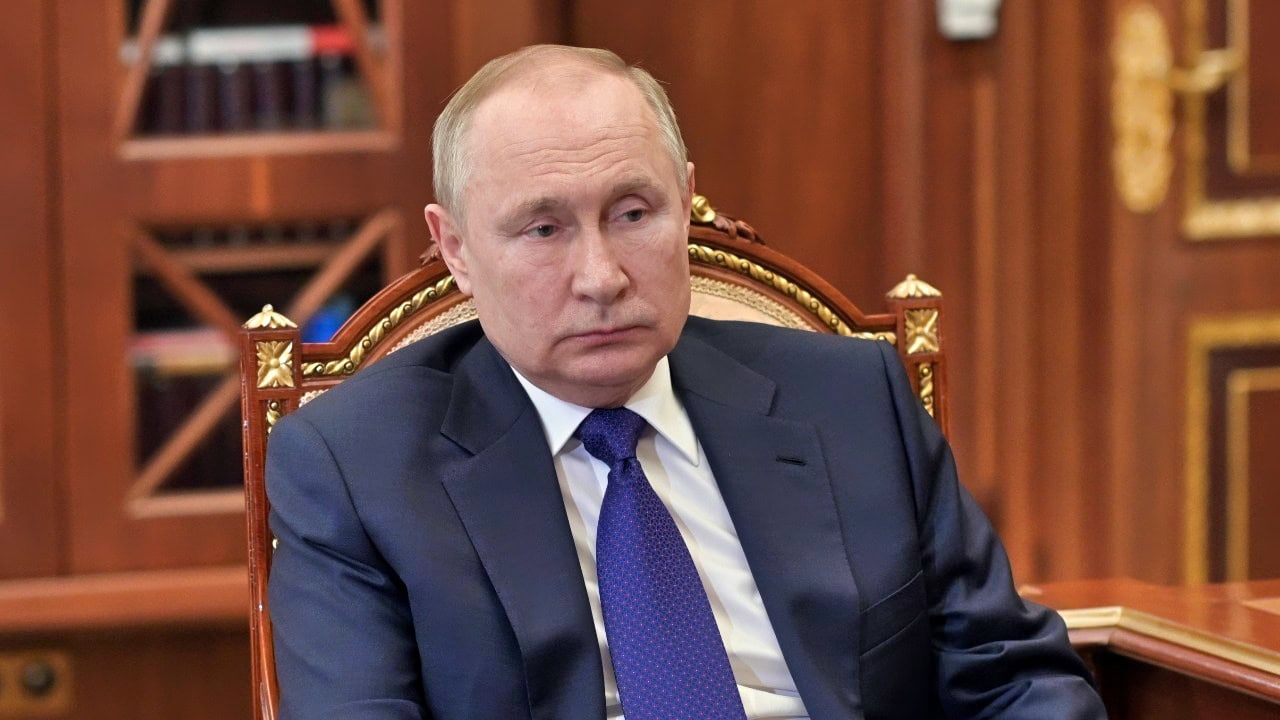
Russia’s President Putin. Image Credit: Russian Government.
Is it Time to Break Russia into Pieces?
A more radical approach may be needed: The dismantlement of Russia itself. Finland, Poland, Ukraine, and Japan might reclaim those territories Russia once wrested from them.
The international community might go further and break up Russia permanently, much as the Paris Peace Conference ended the Austro-Hungarian Empire. If the Russian whole is greater than the sum of the parts, then the international community might roll Russia back into smaller parts.
The international community would simultaneously need to offer treaty guarantees to these new countries lest they face aggression from China or others who might seek to take advantage of resource-rich Siberia, for example.
Splitting Russia into four or five would not be ahistorical or unique. There are more than 20 Arab countries. Somalis live spread across five countries—Djibouti, Ethiopia, Somaliland, Somalia, and Kenya. There are two Romanias—one called Moldova—and two Albanias—one called Kosovo.
A lesson of the 20th and now 21st centuries is that there will be no peace if Russia is unified. The best way forward, should Russia expand its war, is to end the idea of a unified Russia once and for all.
About the Author: Dr. Michael Rubin
Michael Rubin is director of policy analysis at the Middle East Forum and a distinguished fellow at India’s Usanas Foundation. A former Pentagon official, Dr. Rubin was a senior fellow at the American Enterprise Institute for more than two decades. He has lived in post-revolution Iran, Yemen, and both pre- and postwar Iraq. Opinions expressed here are the author’s own.