Summary and Key Points: Winston Churchill had been prime minister for three days when he stood up in the House of Commons on 13 May 1940. He had replaced Neville Chamberlain on the 10th, after the Norway campaign collapsed — and on the same day Germany launched its offensive against France, Belgium, the Netherlands and Luxembourg. By the time Churchill spoke, the speed of that advance had made the scale of the danger obvious. He was sixty-five, with decades of combat behind him in Cuba, India, Sudan and South Africa, and a political career that had already peaked, collapsed over Gallipoli, recovered, and collapsed again into the wilderness years. He offered Parliament neither prosperity nor reassurance. He offered “blood, toil, tears and sweat,” and then this: “You ask, what is our aim? I can answer in one word: It is victory, victory at all costs, victory in spite of all terror, victory, however long and hard the road may be; for without victory, there is no survival.”
Winston Churchill On Victory in War
Throughout his long, historic career, former British Prime Minister Winston Churchill delivered some of the most famous political speeches of the 20th century.
But one of his best came just three days after he became Great Britain’s wartime prime minister of Great Britain.
“You ask, what is our aim?” Churchill said to the House of Commons on May 13, 1940. “I can answer in one word: It is victory, victory at all costs, victory in spite of all terror, victory, however long and hard the road may be; for without victory, there is no survival.”
It was a hugely inspirational and important line to deliver after Britain had already decided it would fight World War II.
Churchill set out the policy of his new government at one of the most dangerous moments in British history, paving the way for eventual victory.
Churchill’s First Speech as Prime Minister
Churchill had become prime minister on May 10, only days earlier, replacing Neville Chamberlain following the disastrous Allied campaign in Norway.
Parliament moved to replace Chamberlain over his handling of the war, and selected Churchill to lead the country instead.
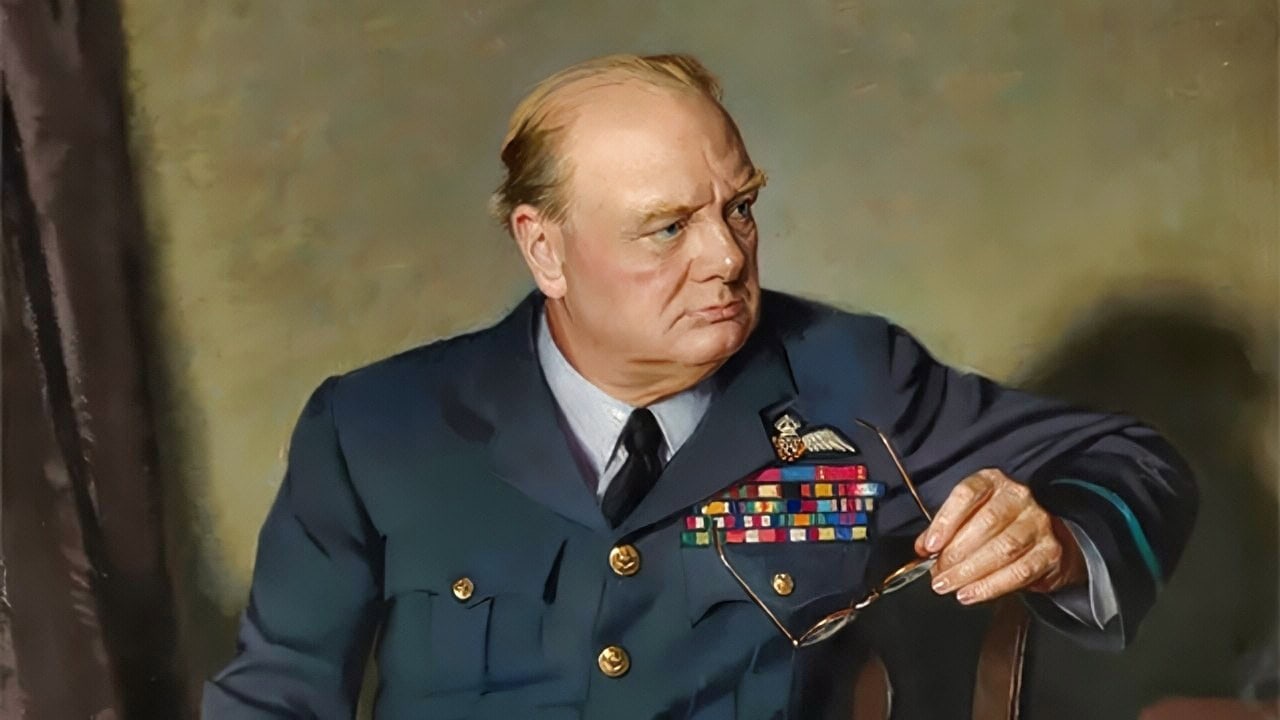
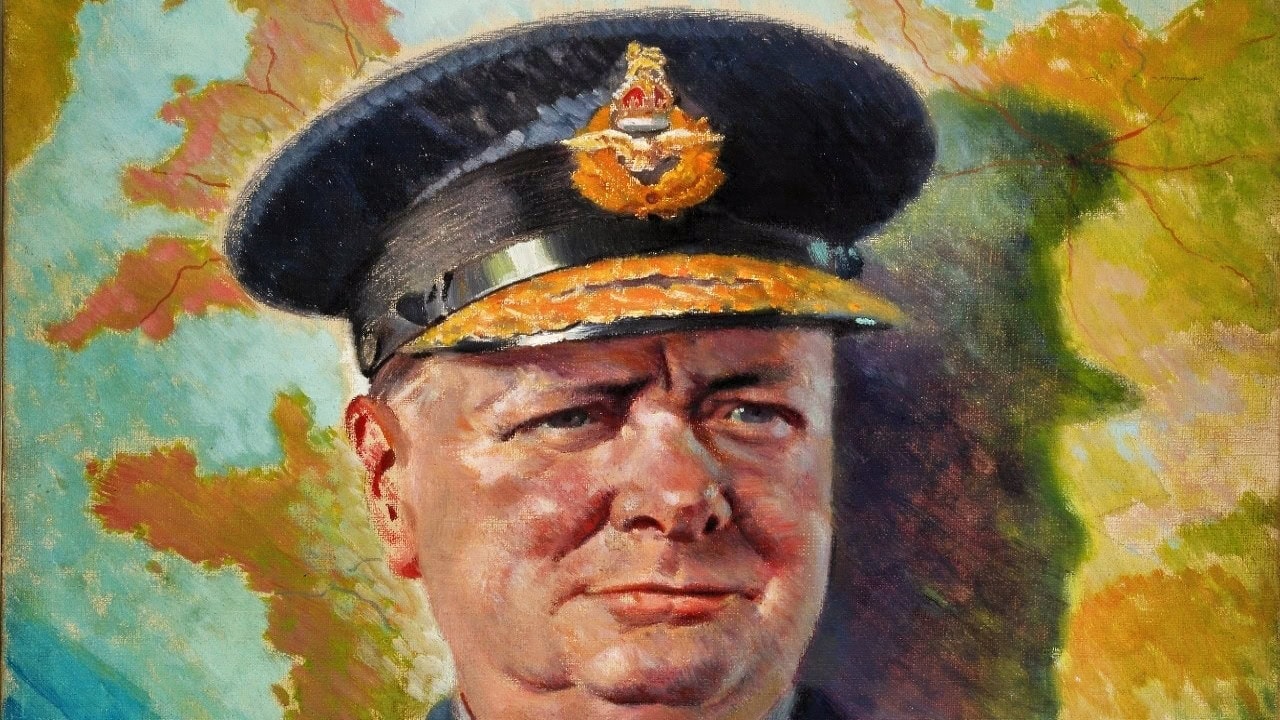
Winston Churchill Portrait. Image Credit: Creative Commons.
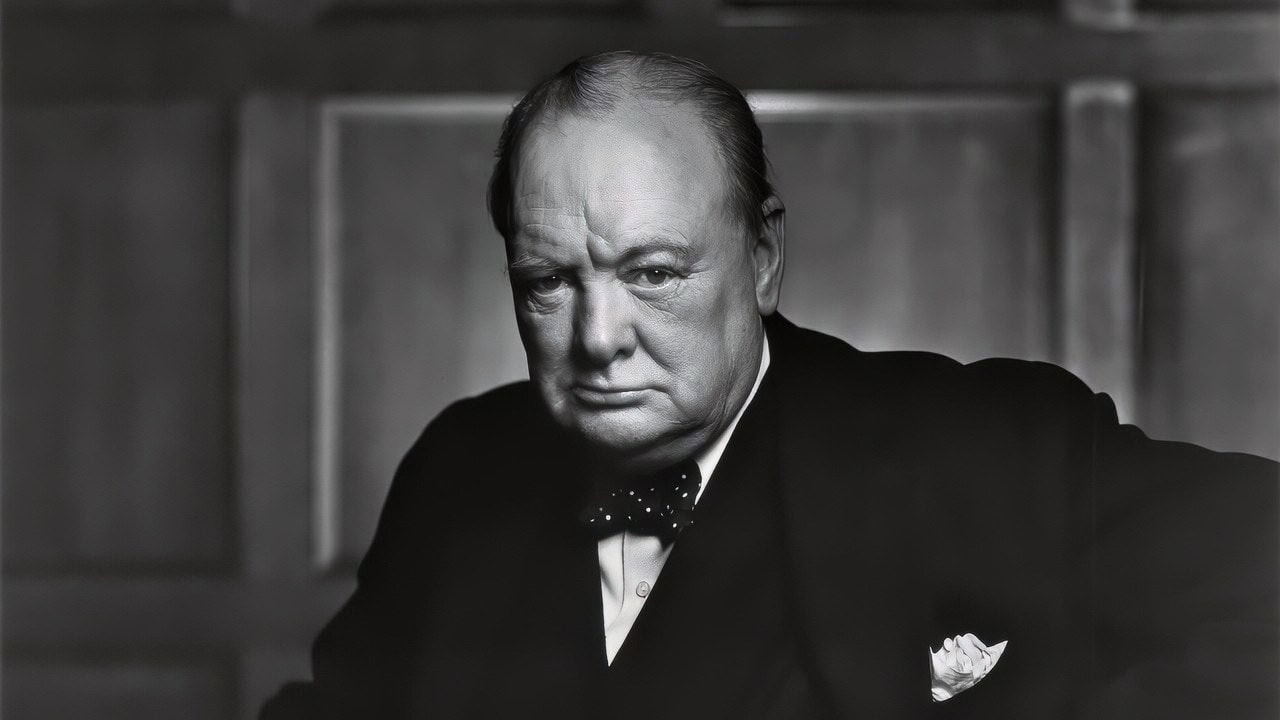
Sir Winston Churchill. Image Credit: Creative Commons.
That same day, Germany launched its offensive against France, Belgium, the Netherlands, and Luxembourg.
The speed of that German advance soon made Britain realize it was a capable and motivated force, having overwhelmed the French Army and leaving British forces facing the possibility of catastrophe on the European mainland.
On May 13, Churchill addressed Parliament and sought support for a newly formed coalition government.
The address was short and offered none of the usual political assurances one might expect from a new prime minister, because the moment was pivotal.
And instead of promising prosperity as prime ministers like to do, he warned of many long months of struggle and suffering ahead, and famously told lawmakers in the chamber that he had nothing to offer but “blood, toil, tears and sweat.”
A Life Spent In War and Politics
By the time he became prime minister, Churchill was 65. His understanding of war came from decades of direct combat experience.
Born at Blenheim Palace in Oxfordshire in 1874, Churchill joined the British Army after he attended the Royal Military College at Sandhurst.
His early military career took him to Cuba, India, Sudan, and South Africa, where he fought and wrote prolifically.
He was involved in the 1898 Battle of Omdurman in Sudan and later the Second Boer War, during which he was captured and later escaped captivity.
Churchill became a Conservative parliamentarian in 1900, then switched to the Liberal Party in 1904 and held several senior government positions for some time.
By 1911, he had become the First Lord of the Admiralty, making him the political head of the Royal Navy shortly before World War I. But his career didn’t peak there.
Gallipoli and Churchill’s Political Decline
Churchill was famously involved with the disastrous Dardanelles campaign of 1915 – an attempt by the Allies to knock the Ottoman Empire out of the war.
When the operation failed, it did so at an enormous cost.
Churchill lost his position at the Admiralty and then served on the Western Front.
But he returned to office after he rejoined the Conservative Party and later became the Chancellor of the Exchequer in 1924. By the 1930s, Churchill was once again outside of government.
Those years after he left government are often called the “wilderness years,” and they later became central to his reputation.
As Adolf Hitler was consolidating power and Germany rearming, Churchill warned repeatedly about the expanding German military and warned Britain that it should not seek to avoid another war in Europe by simply accommodating Hitler.
His warnings left him politically isolated for some time, but after Germany invaded Poland in September 1939, he returned to government as the First Lord of the Admiralty. Eight months later, he was prime minister.
Victory At All Costs
Churchill’s promise to achieve victory at all costs was immediately put to the test when, in late May 1940, German forces successfully drove Allied armies back toward Dunkirk.
France looked close to defeat, and Britain faced the prospect of continuing the war without its main European ally. The fight was looking hard to win.
Inside Churchill’s government, Foreign Secretary Lord Halifax supported exploring whether Italian dictator Benito Mussolini could mediate negotiations with Germany, but Churchill opposed the idea, fearing Britain would be forced to accept unacceptable terms while negotiating from a position of weakness.
Churchill famously led the country through the Battle of Britain and the Blitz.
The United States and the Soviet Union joined the fight too, and Germany eventually surrendered in May 1945.
About the Author: Jack Buckby
Jack Buckby is a British researcher and analyst specializing in defense and national security, based in New York. His work focuses on military capability, procurement, and strategic competition, and he produces and edits analysis for policy and defense audiences. He brings extensive editorial experience, with a career output spanning over 1,000 articles at 19FortyFive, and has previously authored books and papers on extremism and deradicalization.